
Lesson 3 PartII Carbohydrate Metabolism FATE OF PYRUVATE
Lesson 3 (Part-II) Carbohydrate Metabolism

FATE OF PYRUVATE MADE FROM GLYCOLYSIS
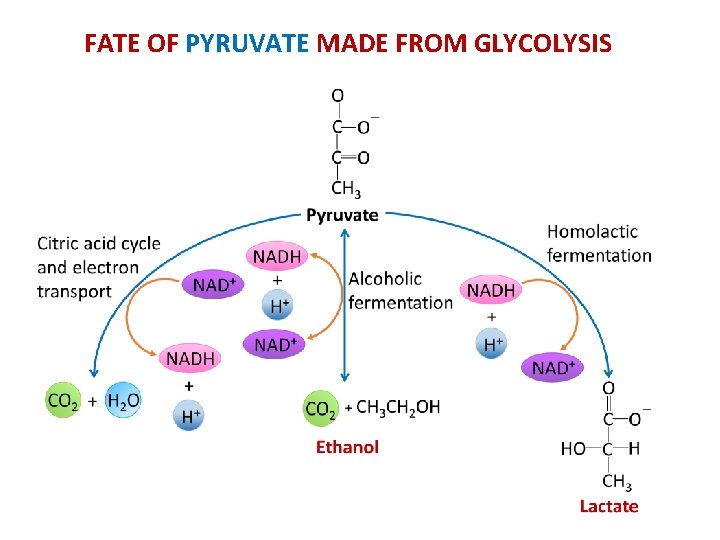
FATE OF PYRUVATE MADE FROM GLYCOLYSIS
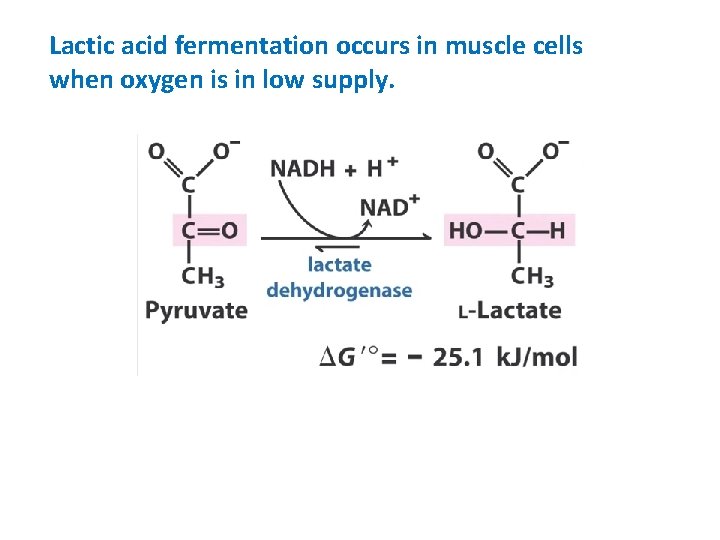
Lactic acid fermentation occurs in muscle cells when oxygen is in low supply.

Human Lactate dehydrogenase tetramer LDH-5 (4 M) —in the liver and striated muscle
GLUCONEOGENESIS Formation of glucose from non-carbohydrate sources 7
The source of pyruvate and oxaloacetate for gluconeogenesis during fasting or carbohydrate starvation is mainly amino acid catabolism. Some amino acids are catabolized to pyruvate, oxaloacetate, or precursors of these. Muscle proteins may break down to supply amino acids. These are transported to liver where they are de-aminated and converted to gluconeogenesis inputs. Glycerol, derived from hydrolysis of triacylglycerol in fat cells, is also a significant input to gluconeogenesis. 8
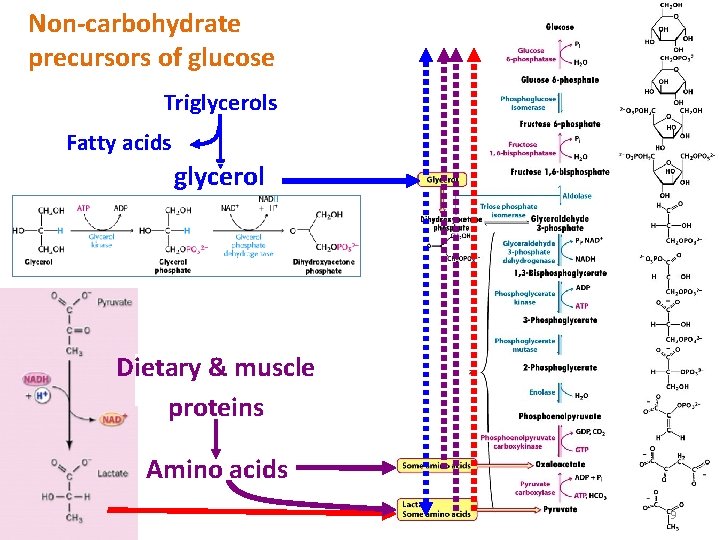
Non-carbohydrate precursors of glucose Triglycerols Fatty acids glycerol Dietary & muscle proteins Amino acids 9
Main sites of gluconeogenesis: • Major site: Liver. • Minor site: Kidney. • Very little: – Brain. – Muscle (skeletal and heart). In liver and kidney it helps to maintain the glucose level in the blood so that brain and muscle can extract sufficient glucose from it to meet their metabolic demands. 10
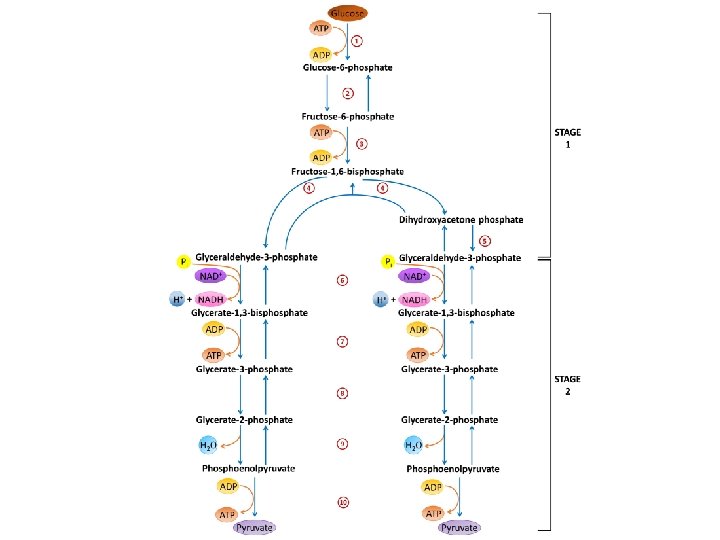
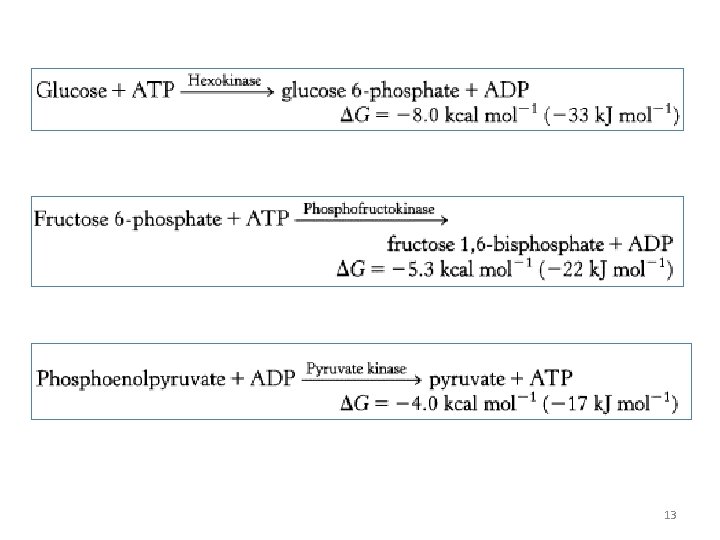
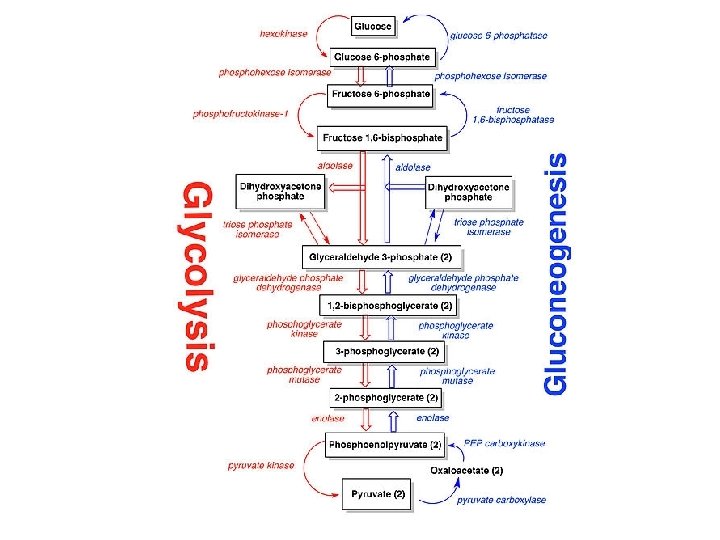
Gluconeogenesis Versus Glycolysis: • 7 steps are shared between glycolysis and gluconeogenesis. • 3 essentially irreversible steps shift the equilibrium far on the side of glycolysis. • Most of the decrease in free energy (consuming energy) in glycolysis takes place during these 3 steps. 11
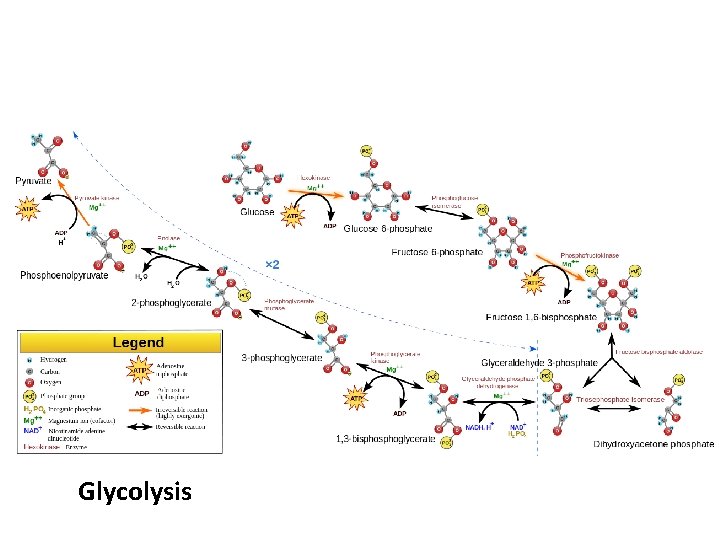
Glycolysis
13
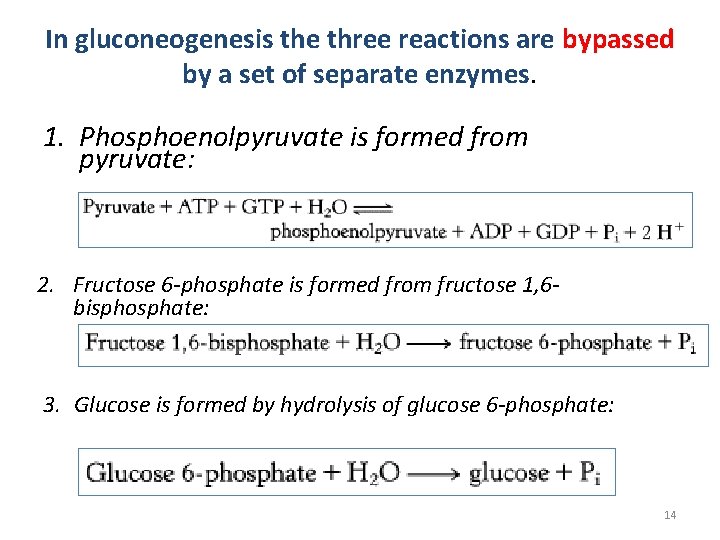
In gluconeogenesis the three reactions are bypassed by a set of separate enzymes. 1. Phosphoenolpyruvate is formed from pyruvate: 2. Fructose 6 -phosphate is formed from fructose 1, 6 bisphosphate: 3. Glucose is formed by hydrolysis of glucose 6 -phosphate: 14

Gluconeogenesis Reactions 1. Synthesis of PEP synthesis from pyruvate requires two enzymes: pyruvate carboxylase and PEP carboxykinase. Pyruvate carboxylase, found within mitochondria, converts pyruvate to oxaloacetate (OAA): The transfer of CO 2 to form the product OAA is mediated by the coenzyme biotin, which is covalently bound within the enzyme’s active site.

OAA is then decarboxylated and phosphorylated by PEP car boxykinase in a reaction driven by the hydrolysis of guanosine triphosphate (GTP):
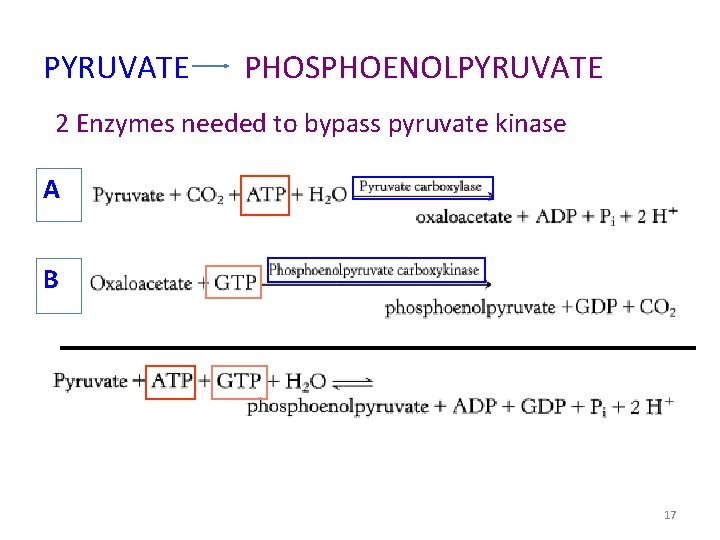
PYRUVATE PHOSPHOENOLPYRUVATE 2 Enzymes needed to bypass pyruvate kinase A B 17
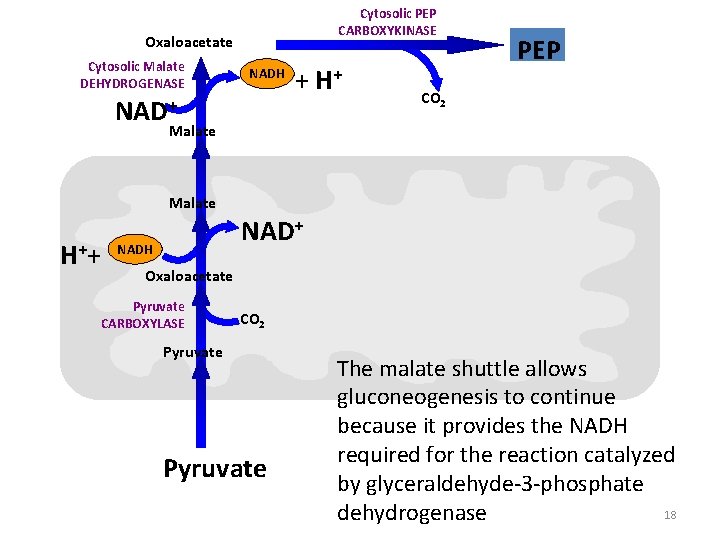
Cytosolic PEP CARBOXYKINASE Oxaloacetate Cytosolic Malate DEHYDROGENASE NADH NAD+ + H+ PEP CO 2 Malate H ++ NADH Oxaloacetate Pyruvate CARBOXYLASE CO 2 Pyruvate The malate shuttle allows gluconeogenesis to continue because it provides the NADH required for the reaction catalyzed by glyceraldehyde-3 -phosphate 18 dehydrogenase
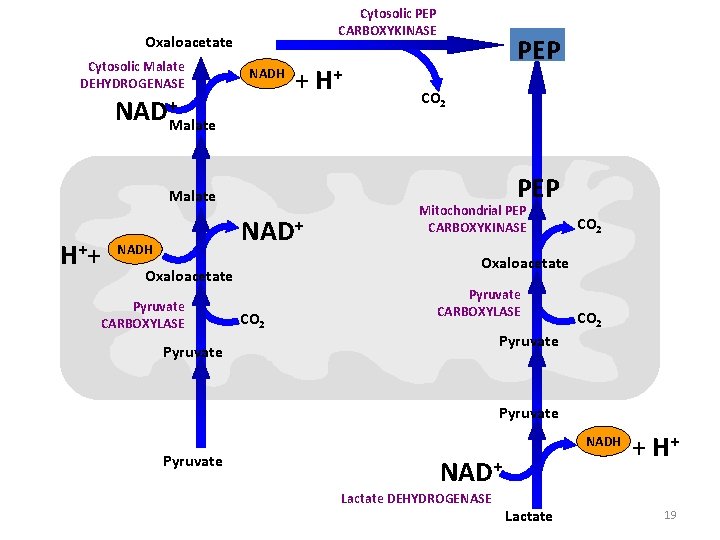
Cytosolic PEP CARBOXYKINASE Oxaloacetate Cytosolic Malate DEHYDROGENASE NADH NAD+ + H+ PEP CO 2 Malate PEP Malate H ++ NADH CO 2 Oxaloacetate Pyruvate CARBOXYLASE Mitochondrial PEP CARBOXYKINASE CO 2 Pyruvate CARBOXYLASE CO 2 Pyruvate NADH Pyruvate NAD+ Lactate DEHYDROGENASE Lactate + H+ 19
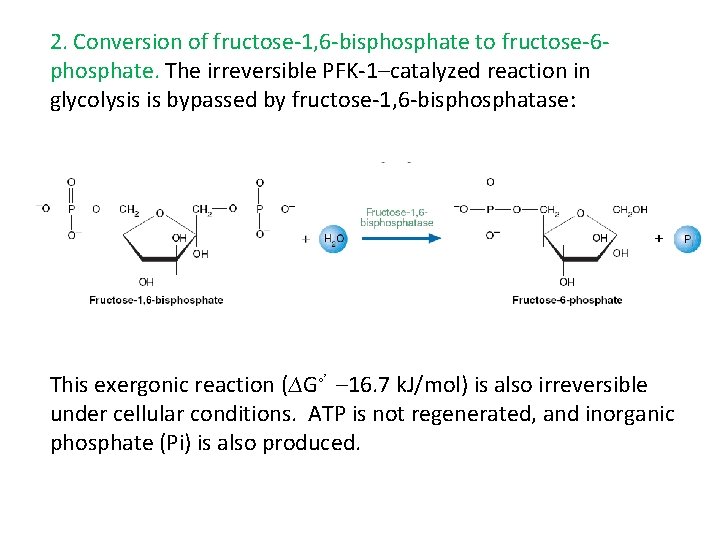
2. Conversion of fructose-1, 6 -bisphosphate to fructose-6 phosphate. The irreversible PFK-1–catalyzed reaction in glycolysis is bypassed by fructose-1, 6 -bisphosphatase: This exergonic reaction (∆G◦’ – 16. 7 k. J/mol) is also irreversible under cellular conditions. ATP is not regenerated, and inorganic phosphate (Pi) is also produced.
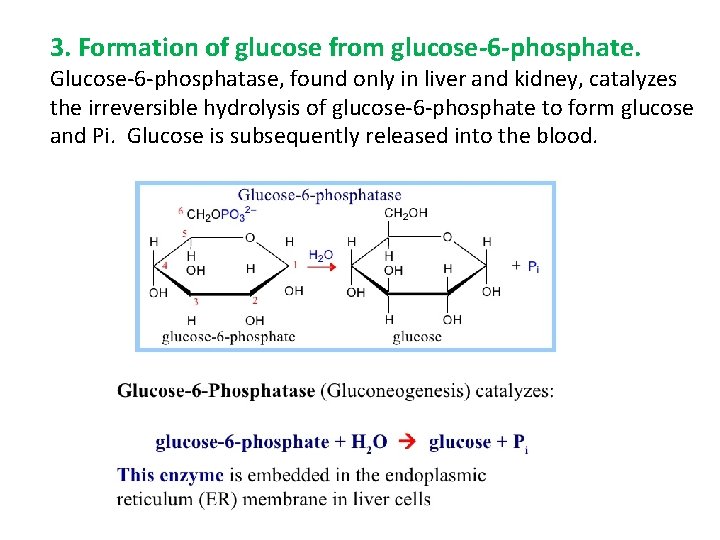
3. Formation of glucose from glucose-6 -phosphate. Glucose-6 -phosphatase, found only in liver and kidney, catalyzes the irreversible hydrolysis of glucose-6 -phosphate to form glucose and Pi. Glucose is subsequently released into the blood.
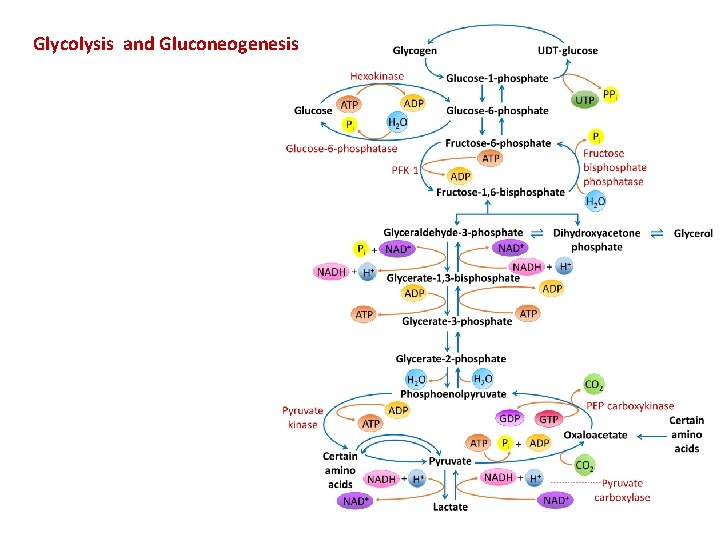
Glycolysis and Gluconeogenesis
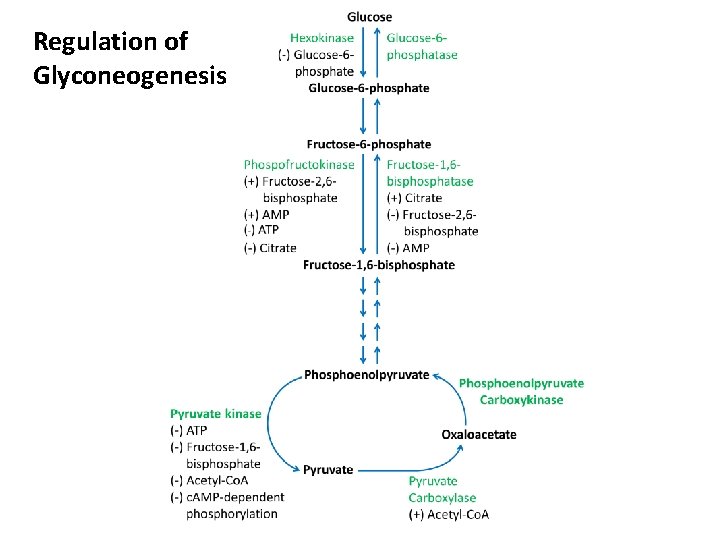
Regulation of Glyconeogenesis
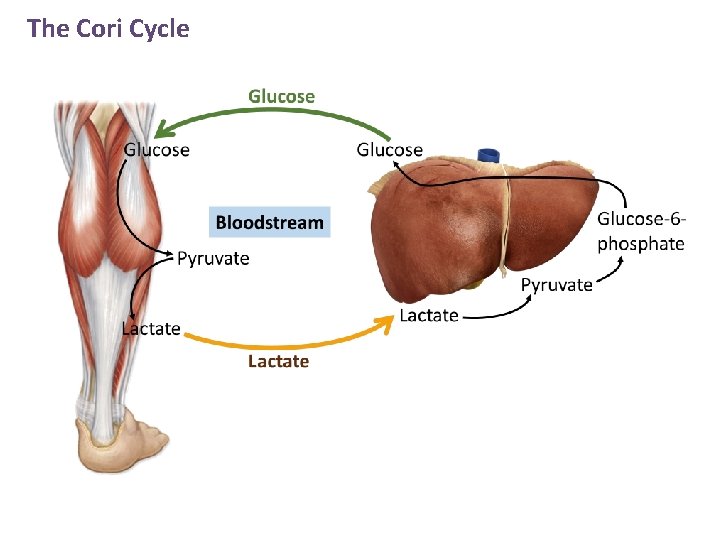
The Cori Cycle
The Cori Cycle Lactate is released by red blood cells and other cells that lack mitochondria or have low oxygen concentrations. In the Cori cycle, lactate is released by skeletal muscle during exercise After passing through blood to the liver, lactate is converted to glucose by gluconeogenesis.

The glucose-alanine cycle
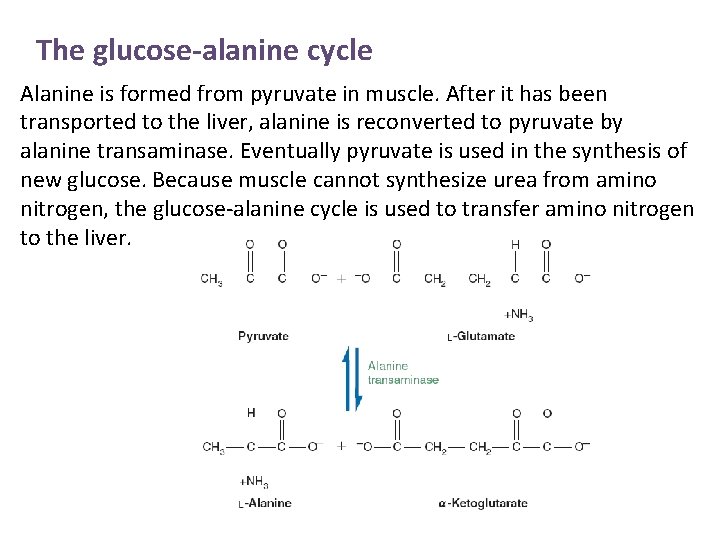
The glucose-alanine cycle Alanine is formed from pyruvate in muscle. After it has been transported to the liver, alanine is reconverted to pyruvate by alanine transaminase. Eventually pyruvate is used in the synthesis of new glucose. Because muscle cannot synthesize urea from amino nitrogen, the glucose-alanine cycle is used to transfer amino nitrogen to the liver.
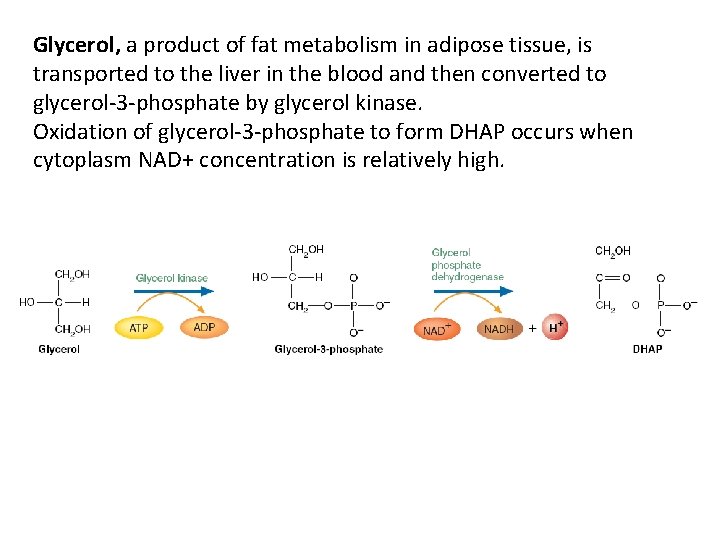
Glycerol, a product of fat metabolism in adipose tissue, is transported to the liver in the blood and then converted to glycerol-3 -phosphate by glycerol kinase. Oxidation of glycerol-3 -phosphate to form DHAP occurs when cytoplasm NAD+ concentration is relatively high.
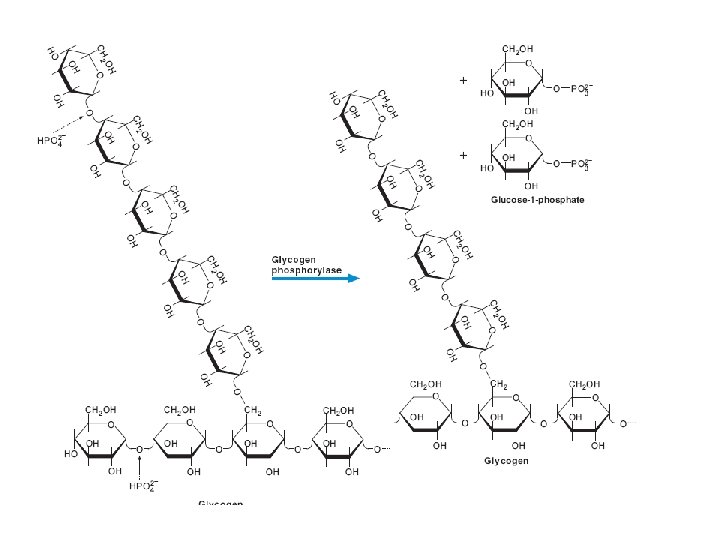
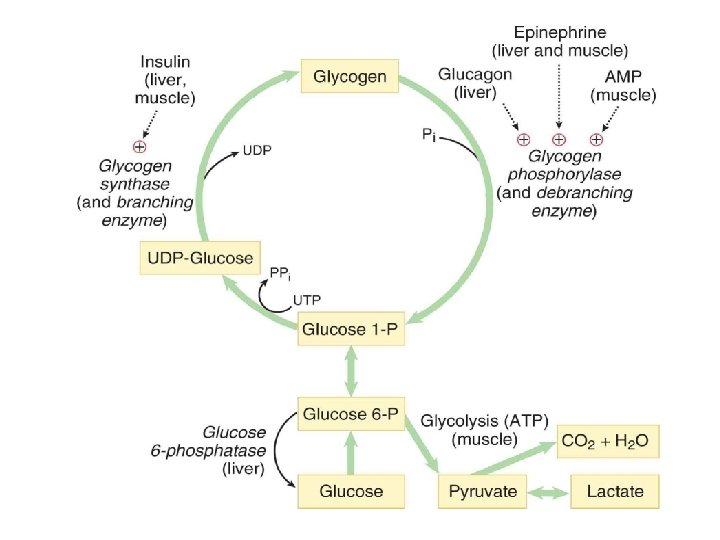
GLYCOGENOLYSIS The breakdown of glycogen Glycogenolysis is the breakdown of glycogen to glucose-6 -phosphate and glycogen (n-1). Glycogen branches are catabolized by the sequential removal of glucose monomers via phosphorolysis, by the enzyme glycogen phosphorylase glycogen(n residues) + Pi ⇌ glycogen(n-1 residues) + glucose-1 -phosphate
Glycogenolysis takes place in the cells of the muscle and liver tissues in response to hormonal and neural signals. In particular, glycogenolysis plays an important role in the fight-or-flight response and the regulation of glucose levels in the blood.
In myocytes (muscle cells), glycogen degradation serves to provide an immediate source of glucose-6 phosphate for glycolysis, to provide energy for muscle contraction. In hepatocytes (liver cells), the main purpose of the breakdown of glycogen is for the release of glucose into the bloodstream for uptake by other cells. The phosphate group of glucose-6 -phosphate is removed by the enzyme glucose-6 -phosphatase, which is not present in myocytes, and the free glucose exits the cell via GLUT 2 facilitated diffusion channels in the hepatocyte cell membrane.
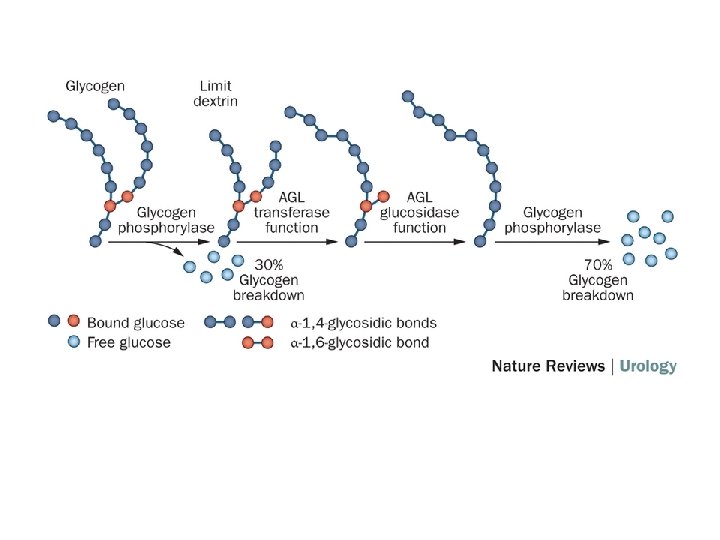
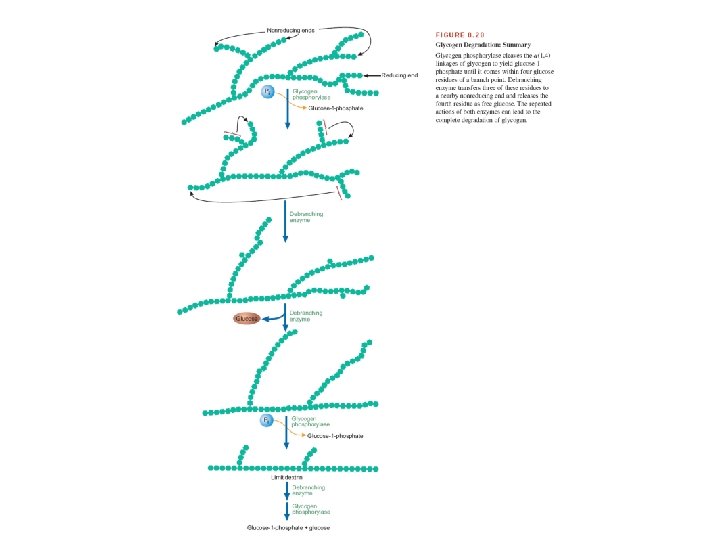
Glycogen degradation requires the following two reactions. 1. Removal of glucose from the nonreducing ends of glycogen. Glycogen phosphorylase uses inorganic phosphate (Pi) to cleave the α(1, 4) linkages on the outer branches of glycogen to yield glucose-1 phosphate. Glycogen phosphorylase stops when it comes within four glucose residues of a branch point. (A glycogen molecule that has been degraded to its branch points is called a limit dextrin. )
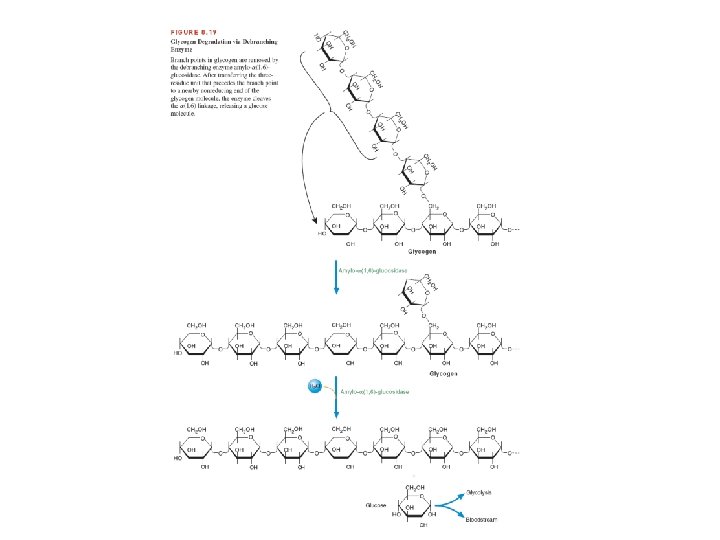
2. Hydrolysis of the a α (1, 6) glycosidic bonds at branch points of glycogen. Amylo- α (1, 6)-glucosidase, also called debranching enzyme, begins the removal of α (1, 6) branch points by transferring the outer three of the four glucose residues attached to the branch point to a nearby nonreducing end. It then removes the single glucose residue attached at each branch point. The product of this latter reaction is free glucose.
Glucose-1 -phosphate, the major product of glycogenolysis, is diverted to glycolysis in muscle cells to generate energy for muscle contraction. In hepatocytes, glucose-1 -phosphate is converted to glucose, by phosphoglucomutase and glucose-6 -phosphatase, which is then released into the blood.
https: //www. youtube. com/watch? v=1 R 6 KB 12 Wtyw&t=69 s Glycogenesis and Glycogenolysis Animation
GLYCOGENESIS (Glycogen synthesis) Glycogen synthesis occurs after a meal, when blood glucose levels are high. It has long been recognized that the consumption of a carbohydrate meal is followed promptly by liver glycogenesis. The synthesis of glycogen from glucose-6 -phosphate involves the following set of reactions. 1. Synthesis of glucose-1 -phosphate 2. Synthesis of UDP-glucose 3. Synthesis of glycogen from UDP-glucose
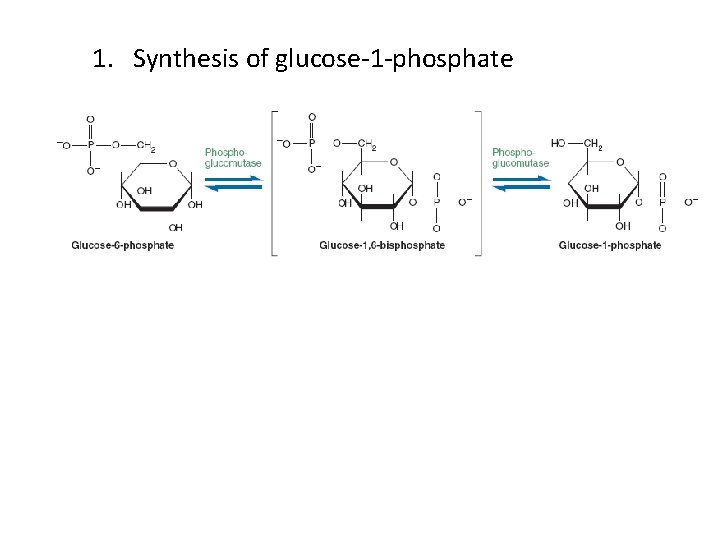
1. Synthesis of glucose-1 -phosphate
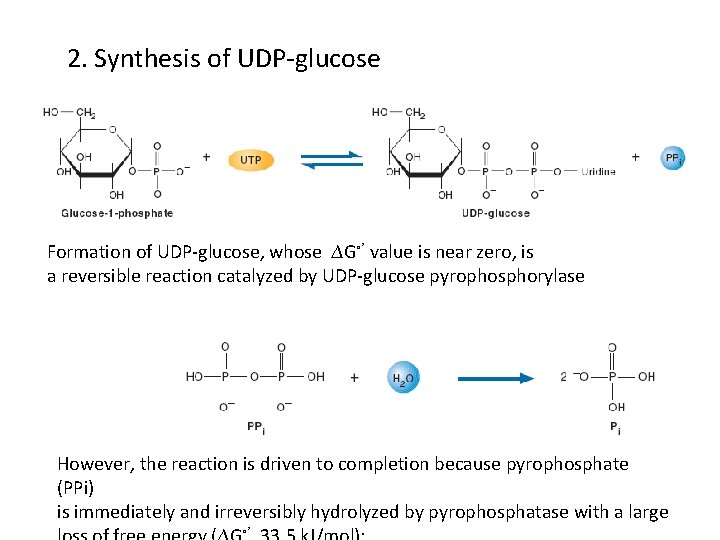
2. Synthesis of UDP-glucose Formation of UDP-glucose, whose ∆G◦’ value is near zero, is a reversible reaction catalyzed by UDP-glucose pyrophosphorylase However, the reaction is driven to completion because pyrophosphate (PPi) is immediately and irreversibly hydrolyzed by pyrophosphatase with a large ◦’
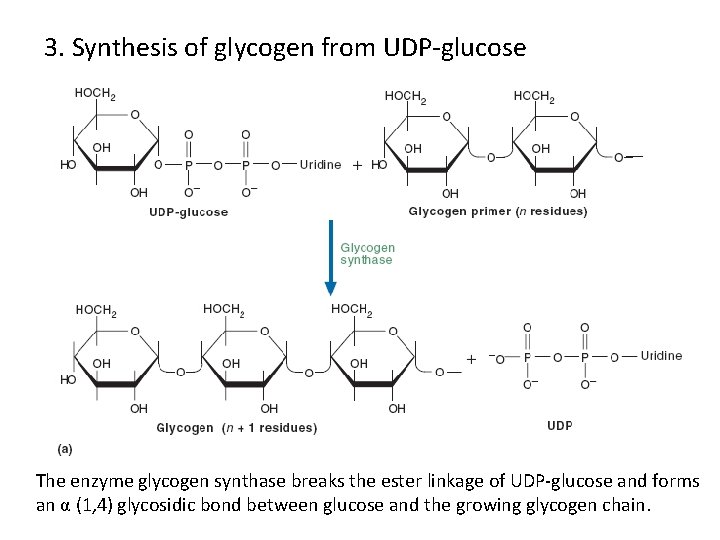
3. Synthesis of glycogen from UDP-glucose The enzyme glycogen synthase breaks the ester linkage of UDP-glucose and forms an α (1, 4) glycosidic bond between glucose and the growing glycogen chain.
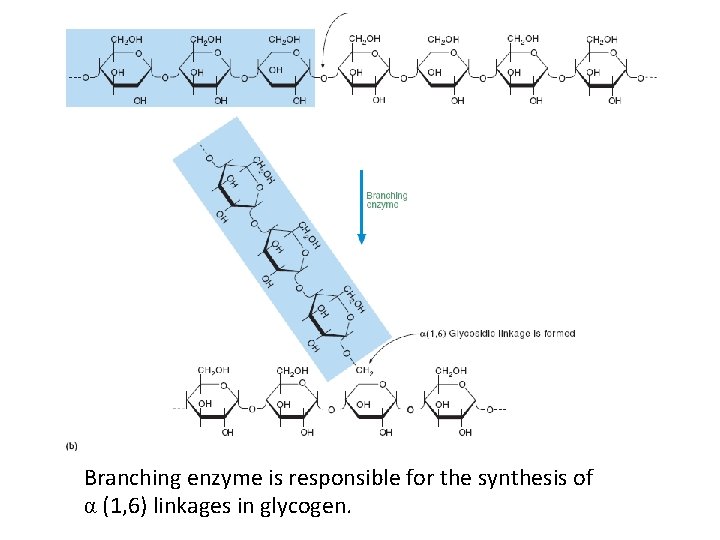
Branching enzyme is responsible for the synthesis of α (1, 6) linkages in glycogen.
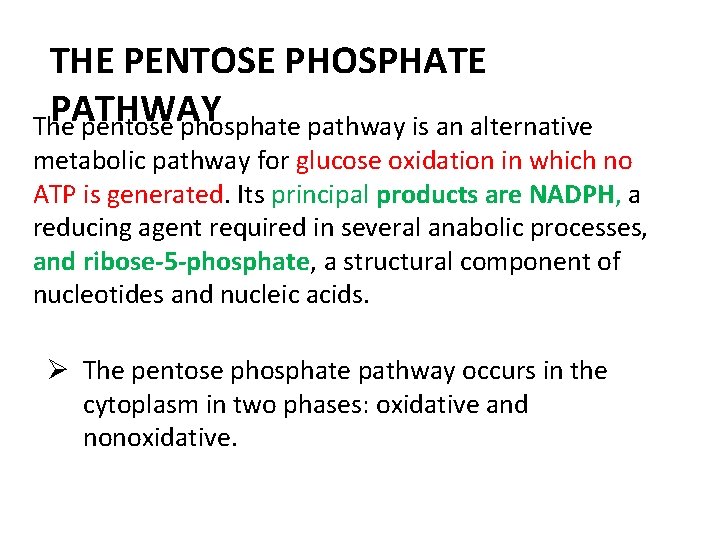
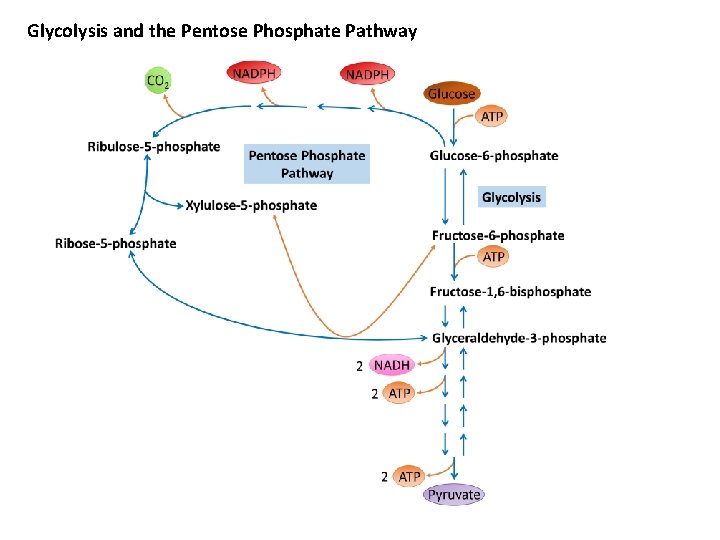
THE PENTOSE PHOSPHATE PATHWAY The pentose phosphate pathway is an alternative metabolic pathway for glucose oxidation in which no ATP is generated. Its principal products are NADPH, a reducing agent required in several anabolic processes, and ribose-5 -phosphate, a structural component of nucleotides and nucleic acids. Ø The pentose phosphate pathway occurs in the cytoplasm in two phases: oxidative and nonoxidative.
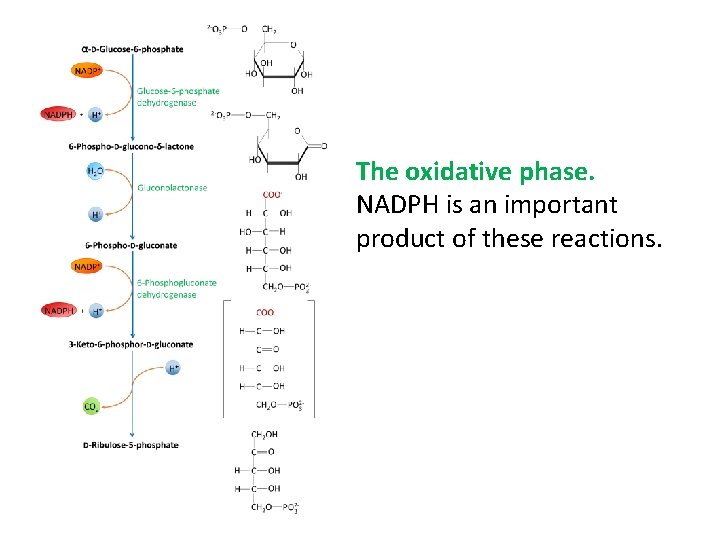
The oxidative phase. NADPH is an important product of these reactions.
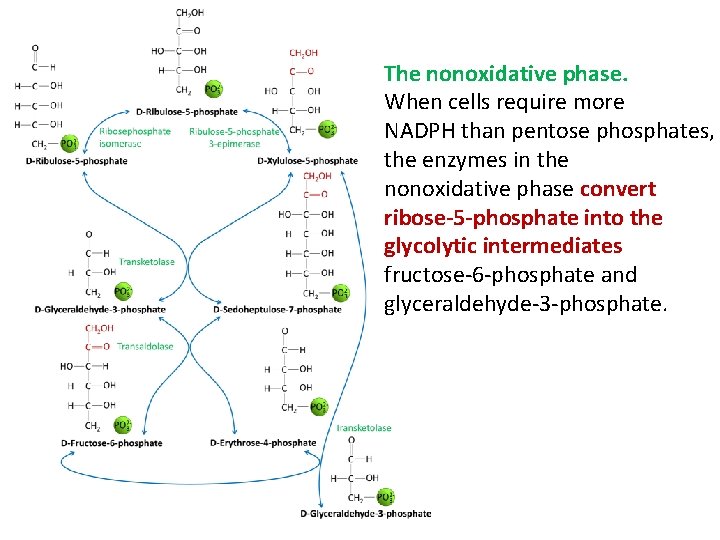
The nonoxidative phase. When cells require more NADPH than pentose phosphates, the enzymes in the nonoxidative phase convert ribose-5 -phosphate into the glycolytic intermediates fructose-6 -phosphate and glyceraldehyde-3 -phosphate.
Glycolysis and the Pentose Phosphate Pathway
Fructose Metabolism
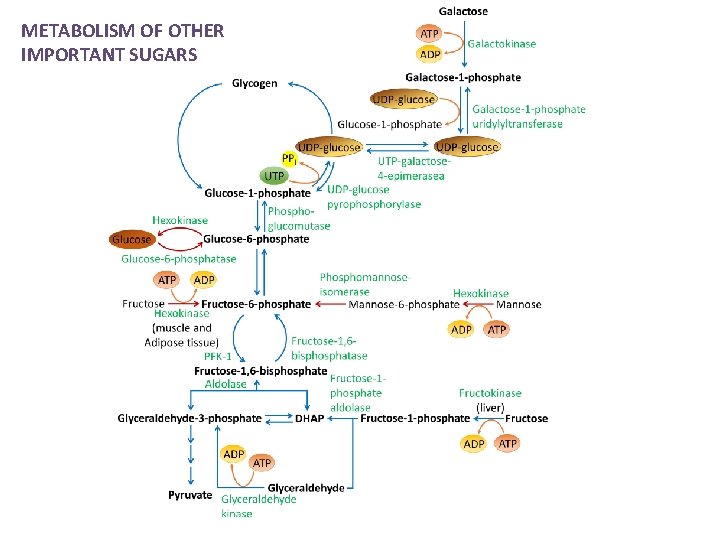
METABOLISM OF OTHER IMPORTANT SUGARS
- Slides: 54