
Lesson 15 WW II The Axis Advances Lesson
- Slides: 48
Lesson 15 WW II – The Axis Advances
Lesson Objectives • Describe and analyze the German decision process to attack the Soviet Union in June 1941. • Describe and analyze the operational and logistic implications of Operation Barbarossa. • Understand be able to discuss the impact of total war within the Soviet Union. • Understand how the initial successes of the German invasion of the USSR turned into such a total disaster. • Be able to describe the magnitude of the Soviet-German War and its impact on the outcome of World War II.
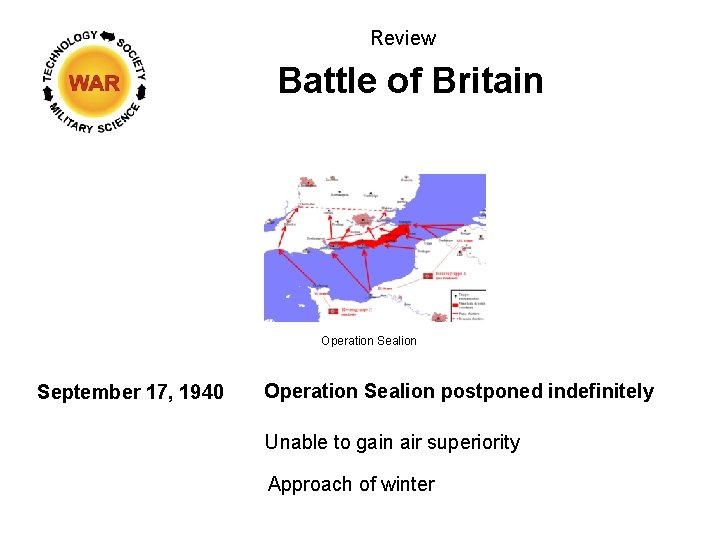
Review Battle of Britain Operation Sealion September 17, 1940 Operation Sealion postponed indefinitely Unable to gain air superiority Approach of winter
Germany Turns East The Battle for Russia
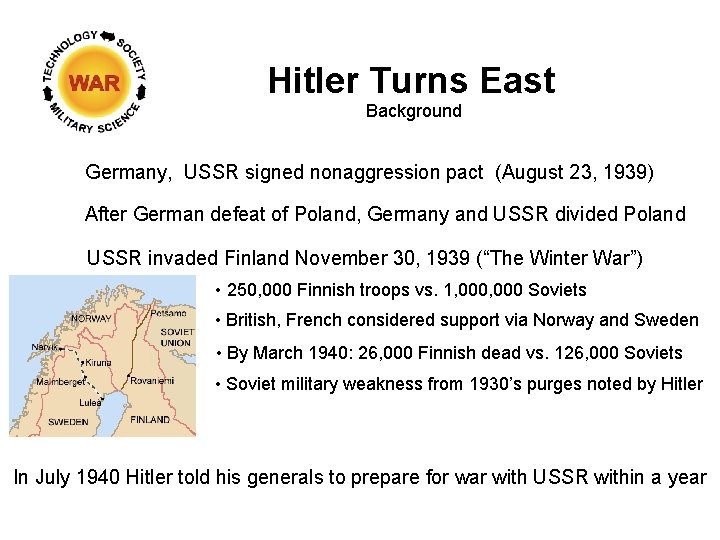
Hitler Turns East Background Germany, USSR signed nonaggression pact (August 23, 1939) After German defeat of Poland, Germany and USSR divided Poland USSR invaded Finland November 30, 1939 (“The Winter War”) • 250, 000 Finnish troops vs. 1, 000 Soviets • British, French considered support via Norway and Sweden • By March 1940: 26, 000 Finnish dead vs. 126, 000 Soviets • Soviet military weakness from 1930’s purges noted by Hitler In July 1940 Hitler told his generals to prepare for war with USSR within a year
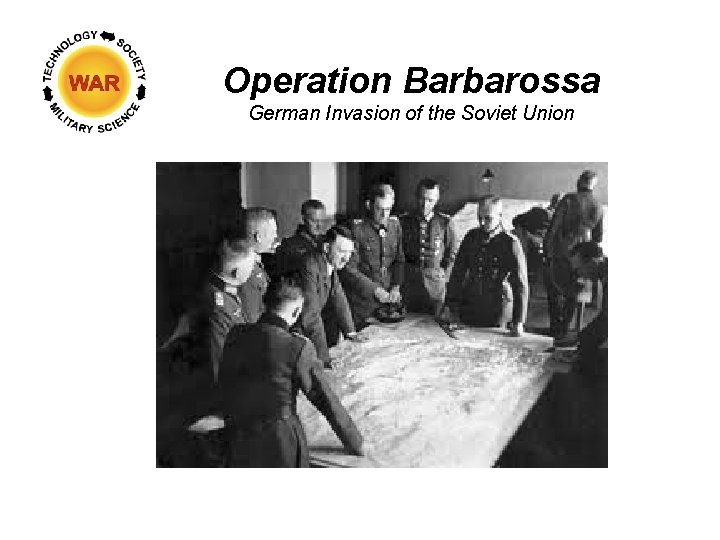
Operation Barbarossa German Invasion of the Soviet Union
Hitler’s Rationale Hitler regarded the Soviet Union and Bolshevism as the greatest threat to Germany He felt that the weakness of the Red Army created the best possible opportunity to eliminate this threat • Rejected (or ignored) the possibility of two-front war
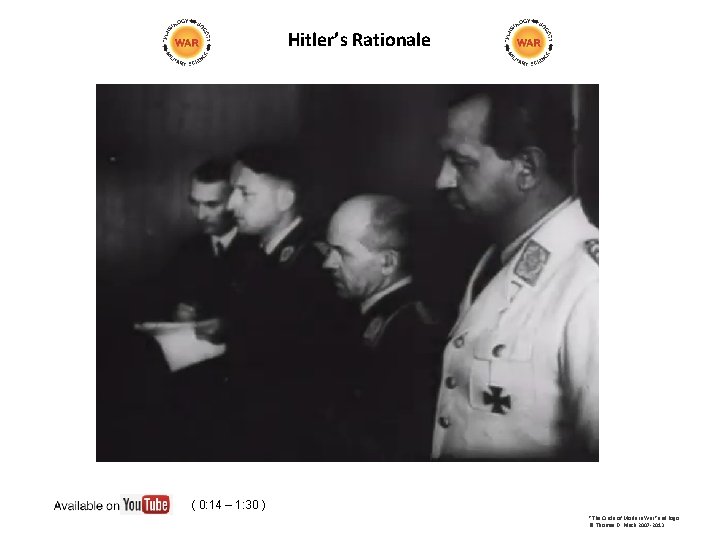
Hitler’s Rationale ( 0: 14 – 1: 30 ) "The Circle of Modern War" and logo © Thomas D. Pilsch 2007 -2013
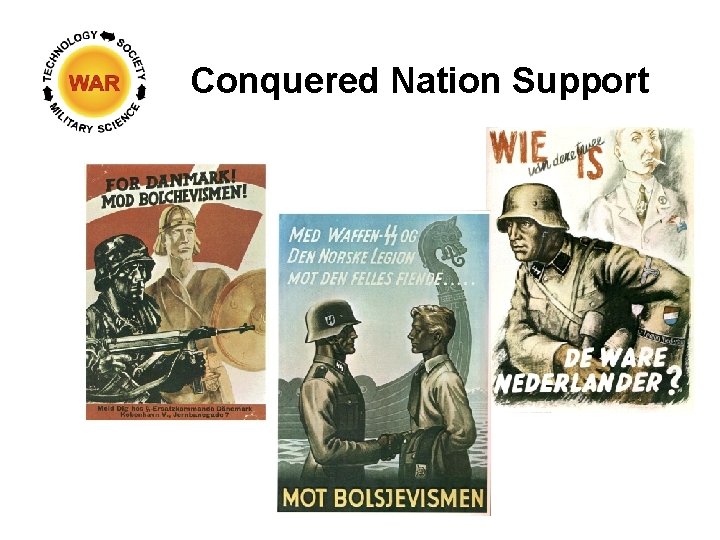
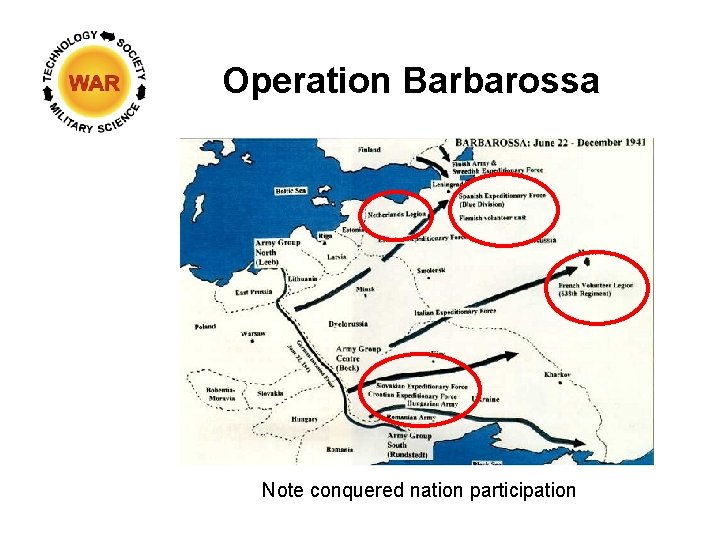
Conquered Nation Support
Overview "The Circle of Modern War" and logo © Thomas D. Pilsch 2007 -2013
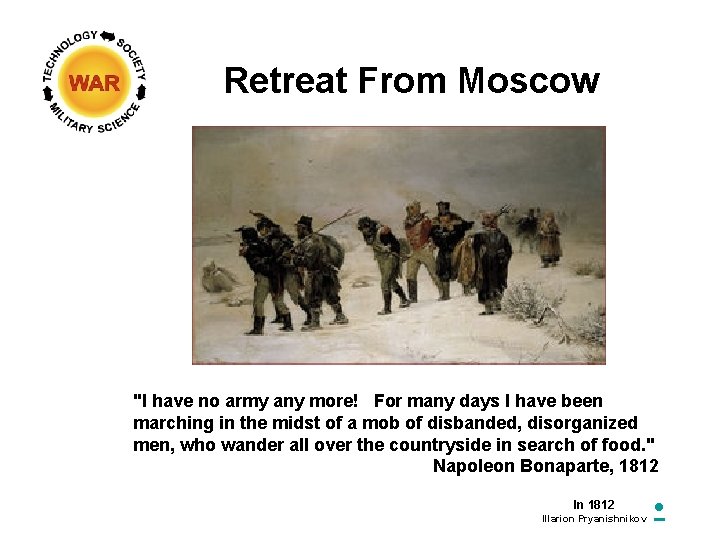
Retreat From Moscow "I have no army any more! For many days I have been marching in the midst of a mob of disbanded, disorganized men, who wander all over the countryside in search of food. " Napoleon Bonaparte, 1812 In 1812 Illarion Pryanishnikov •
Why Do We Study War? History doesn’t repeat itself, but it rhymes. Attributed to Samuel Clements (1835 -1910)
The Impact of Logistics on War Go To
Logistics Case Study The Russian Campaign of 1812
Russian Campaign 1812 Why did Napoleon attack Russia?
Strategic Objectives "I have come to finish off, once and for all, the Colossus of Northern Barbarism. The sword is drawn. They must be thrust back into their snow and ice, so that for a quarter of a century at least they will not be able to interfere with civilied [sic] Europe. " Napoleon I June 1812 With Napoleon in Russia: The Memoirs of General de Caulaincourt, Duke of Vicenza (From the original memoirs as edited by Jean Hanoteau. Abridged, edited, and with an introduction by George Libaire) (1935 William Morrow & Co. New York). Quoted in: Richard Orsinger “France During the French Revolution and Under Napoleon Bonaparte” http: //www. txdirect. net/users/rrichard/napoleo 1. htm
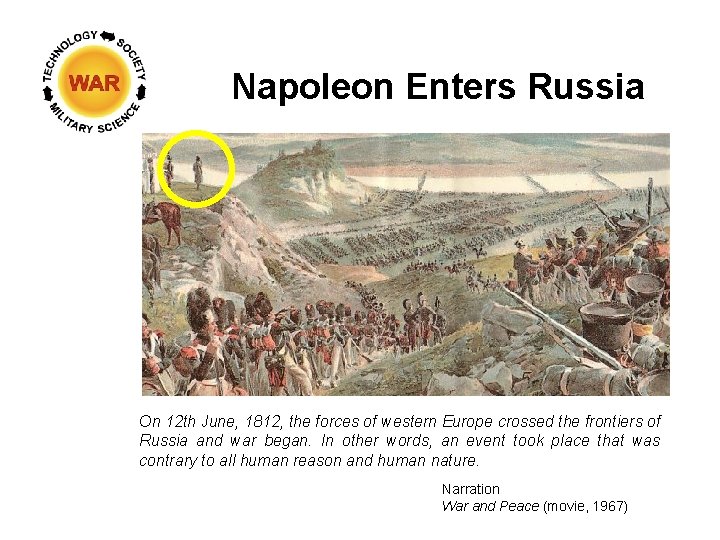
Napoleon Enters Russia On 12 th June, 1812, the forces of western Europe crossed the frontiers of Russia and war began. In other words, an event took place that was contrary to all human reason and human nature. Narration War and Peace (movie, 1967)
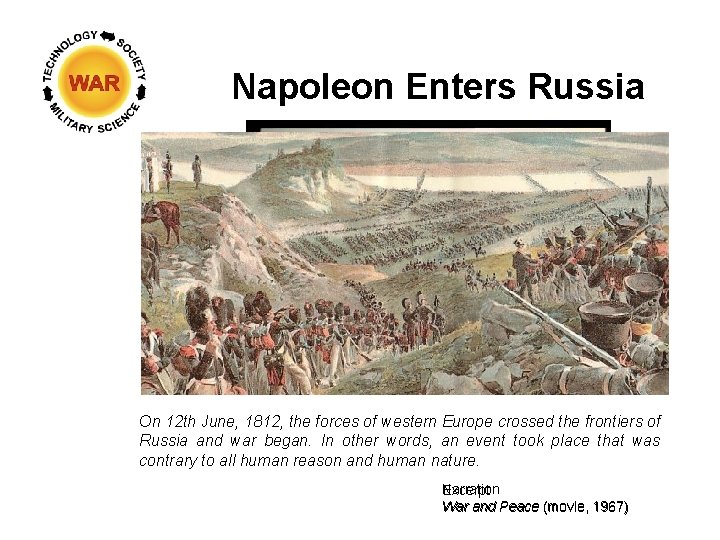
Napoleon Enters Russia On 12 th June, 1812, the forces of western Europe crossed the frontiers of Russia and war began. In other words, an event took place that was contrary to all human reason and human nature. Narration Excerpt War and Peace (movie, 1967)
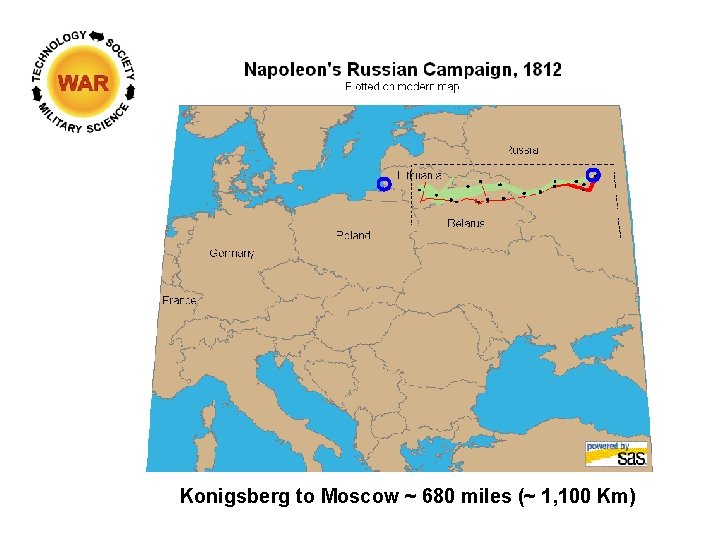
Konigsberg to Moscow ~ 680 miles (~ 1, 100 Km)
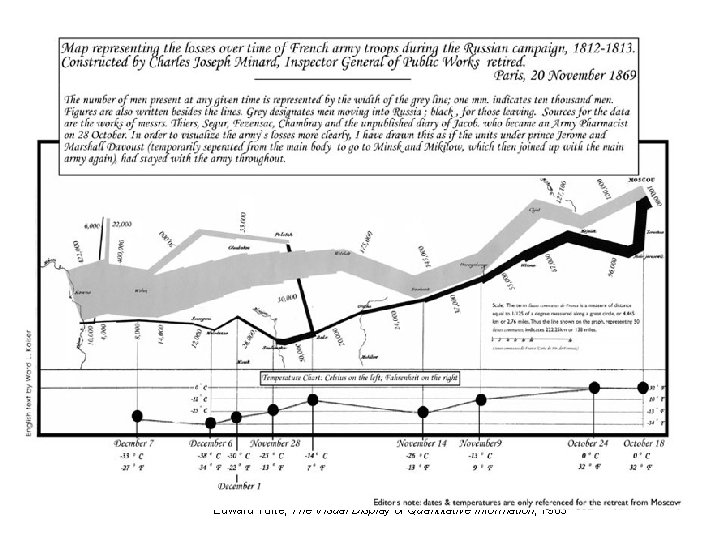
The. Minard’s Russian. Graphic Campaign Charles Joseph Minard "It may well be the best statistical graphic ever drawn. “ Edward Tufte, The Visual Display of Quantitative Information, 1983
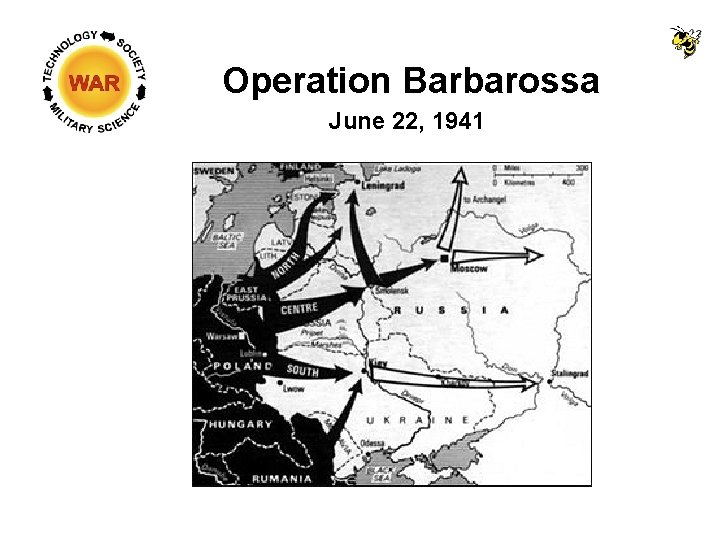
Operation Barbarossa June 22, 1941
Barbarossa - Background ( 1: 30 – 10: 01) "The Circle of Modern War" and logo © Thomas D. Pilsch 2007 -2013
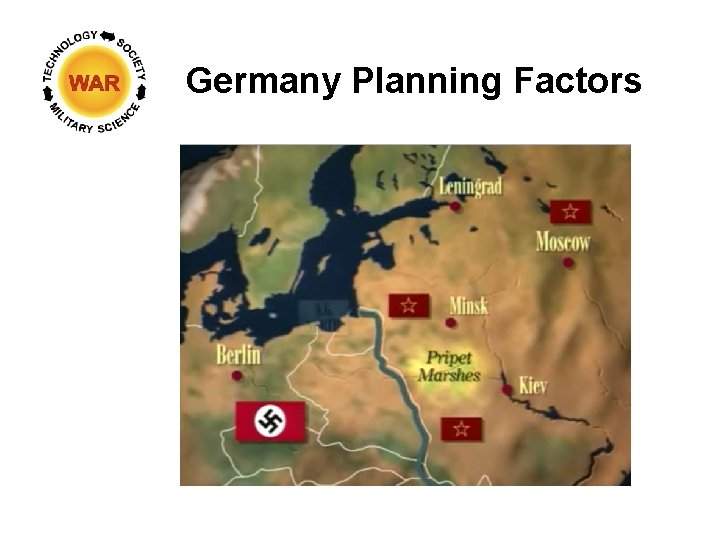
Germany Planning Factors
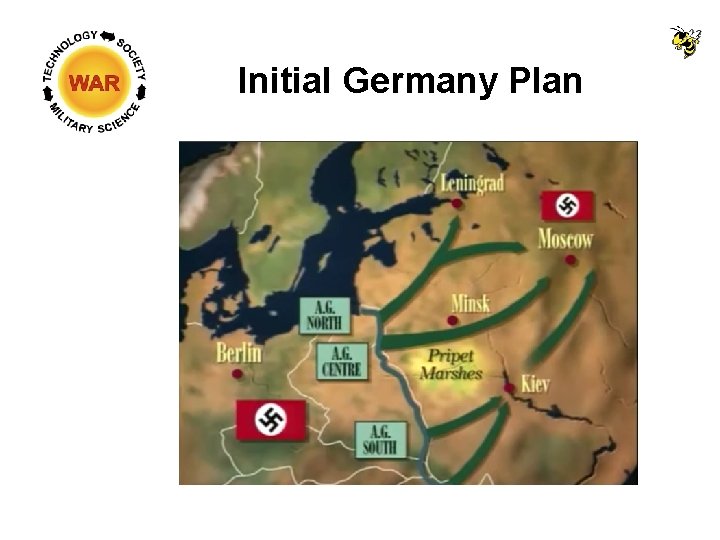
Initial Germany Plan
German Plan "The Circle of Modern War" and logo © Thomas D. Pilsch 2007 -2013
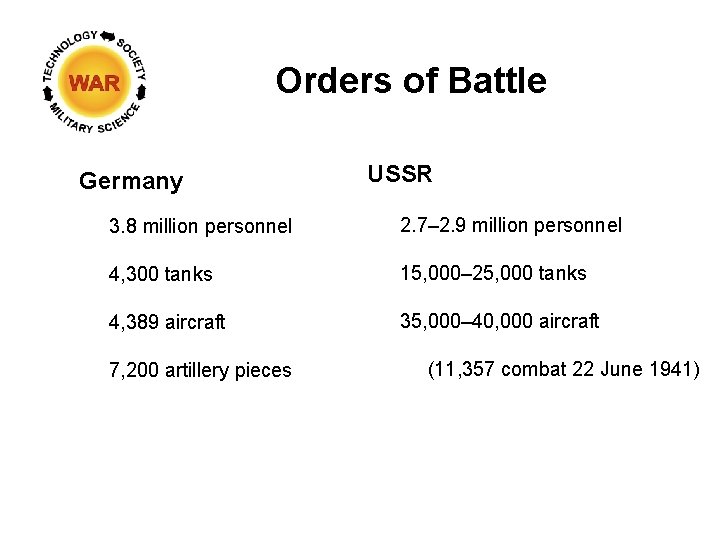
Orders of Battle Germany USSR 3. 8 million personnel 2. 7– 2. 9 million personnel 4, 300 tanks 15, 000– 25, 000 tanks 4, 389 aircraft 35, 000– 40, 000 aircraft 7, 200 artillery pieces (11, 357 combat 22 June 1941)
Operation Barbarossa Note conquered nation participation
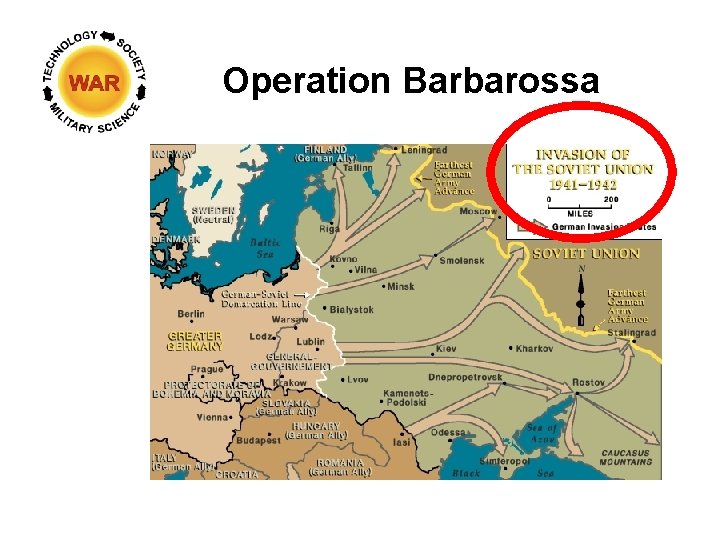
Operation Barbarossa
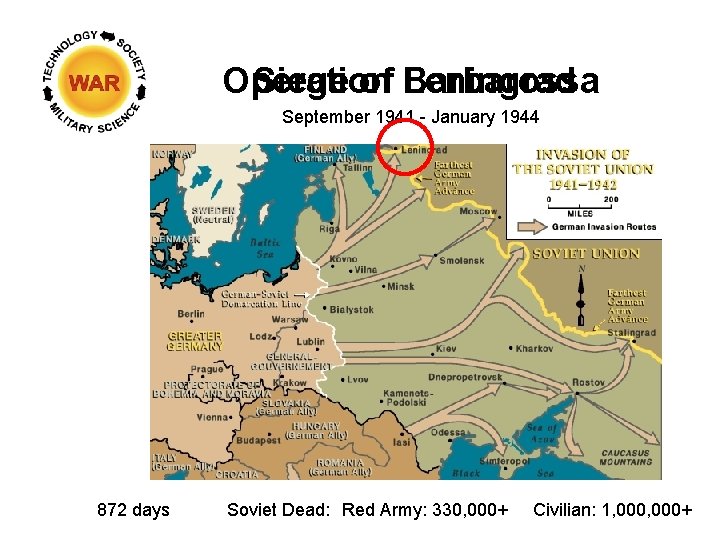
Operation Siege of Barbarossa Leningrad September 1941 - January 1944 872 days Soviet Dead: Red Army: 330, 000+ Civilian: 1, 000+
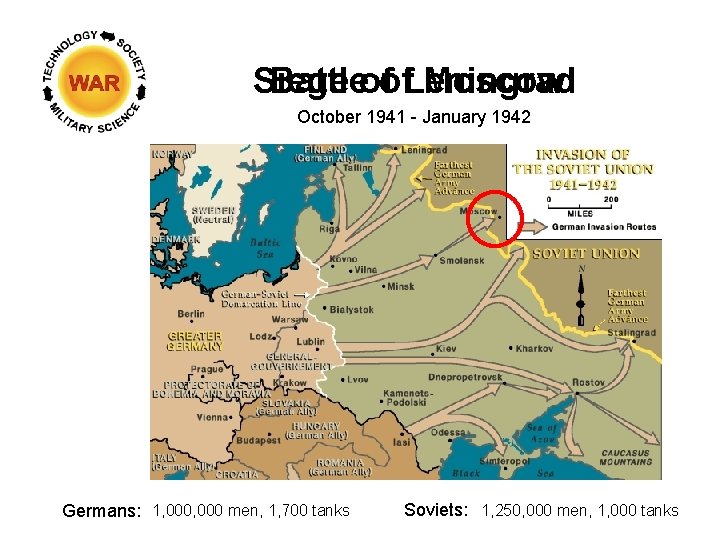
Siege Battleofof. Leningrad Moscow October 1941 - January 1942 Germans: 1, 000 men, 1, 700 tanks Soviets: 1, 250, 000 men, 1, 000 tanks
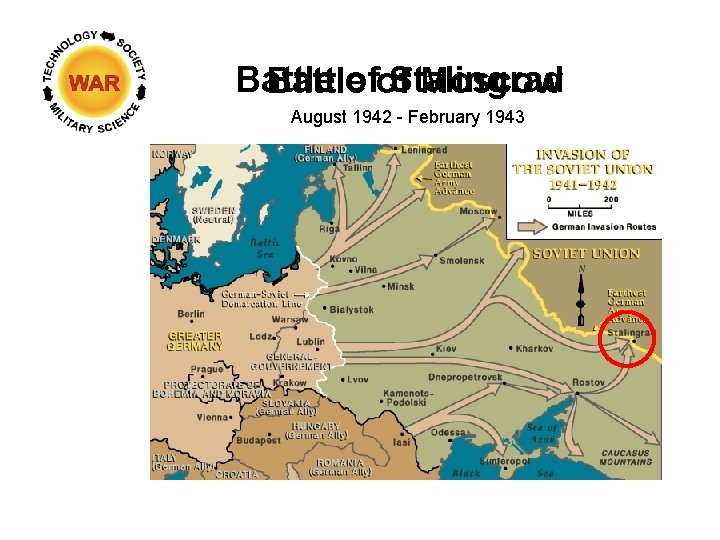
Battle ofof Stalingrad Battle Moscow August 1942 - February 1943
Hitler’s Strategic Dilemma ( 16: 15 – 24: 00 ) "The Circle of Modern War" and logo © Thomas D. Pilsch 2007 -2013
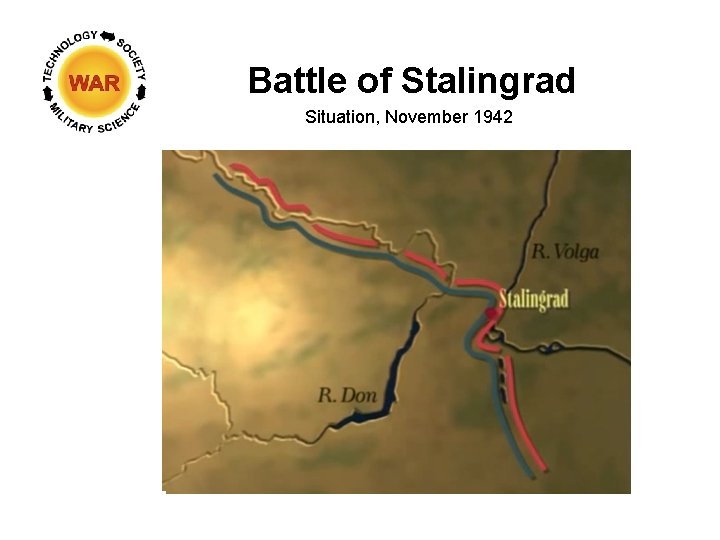
Battle of Stalingrad Situation, November 1942
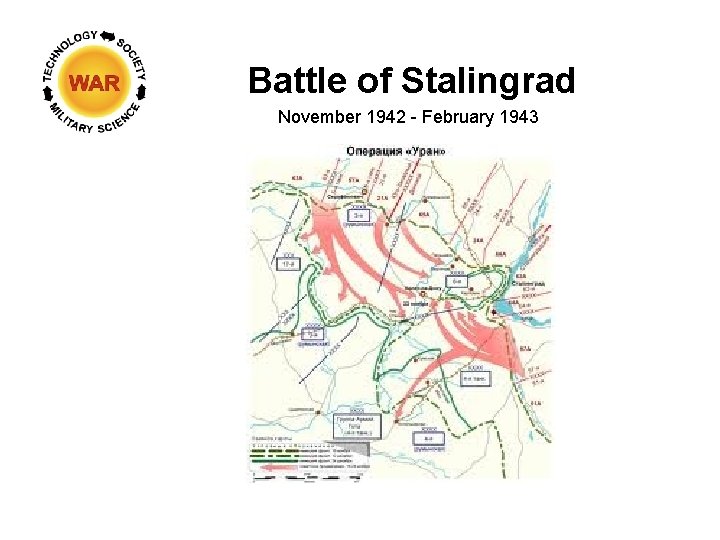
Battle of Stalingrad November 1942 - February 1943
Battle of Stalingrad - Overview ( 0: 45 – 4: 05 ) "The Circle of Modern War" and logo © Thomas D. Pilsch 2007 -2013
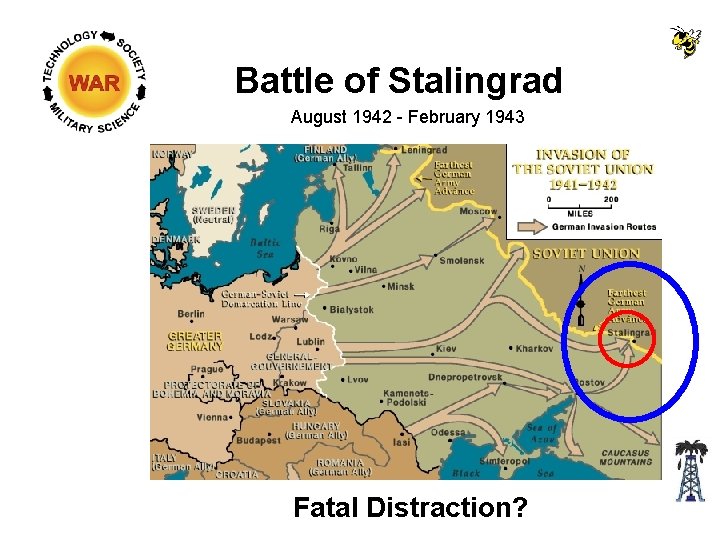
Battle of Stalingrad August 1942 - February 1943 Fatal Distraction?
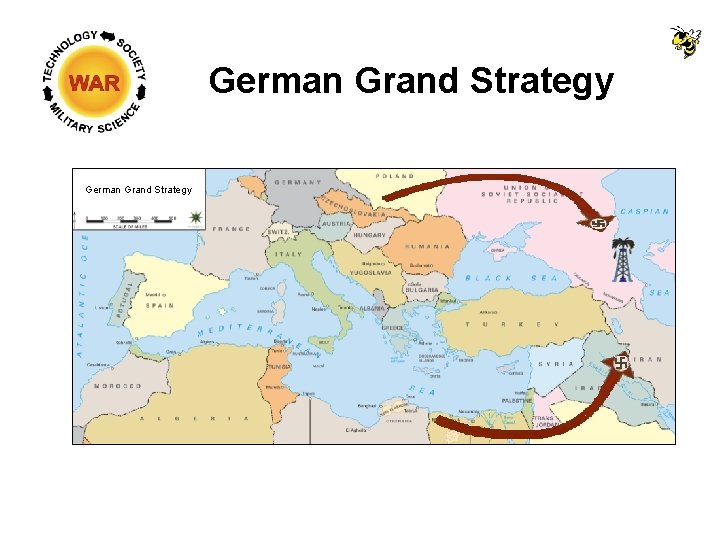
German Grand Strategy
The Grand Strategy for Oil ( 19: 34 – 24: 15 ) "The Circle of Modern War" and logo © Thomas D. Pilsch 2007 -2013
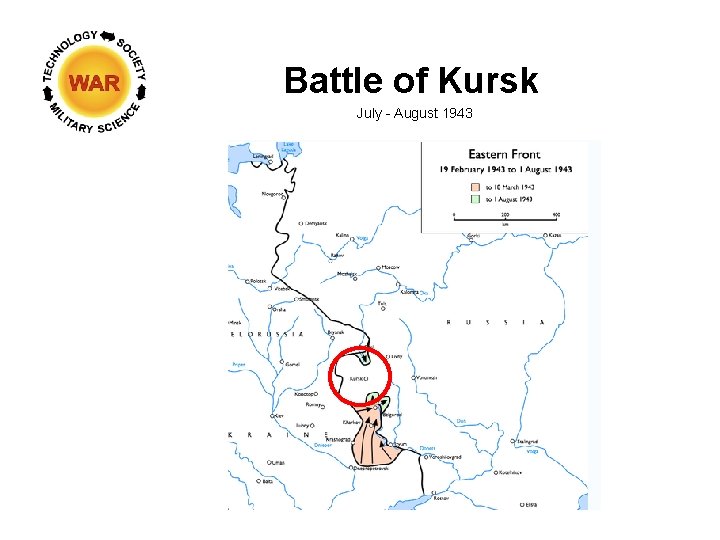
Battle of Kursk July - August 1943
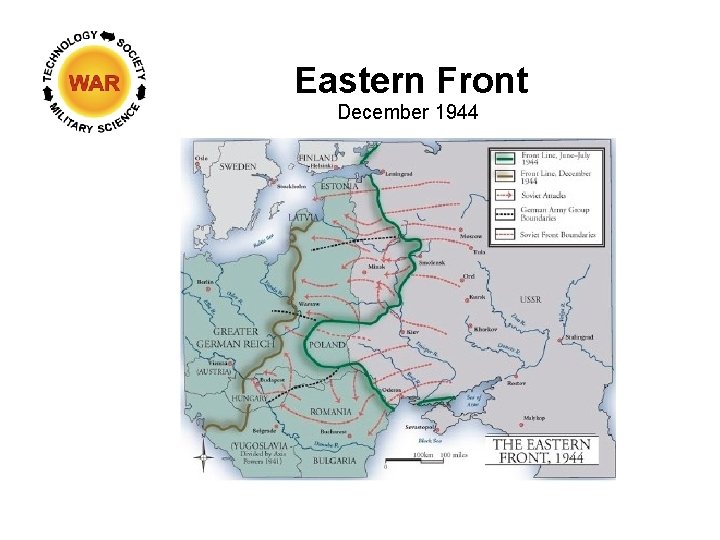
Eastern Front December 1944
German-Soviet War Until June 1944 • Soviet Union bore main thrust of German army • Stalin pressed for Second Front
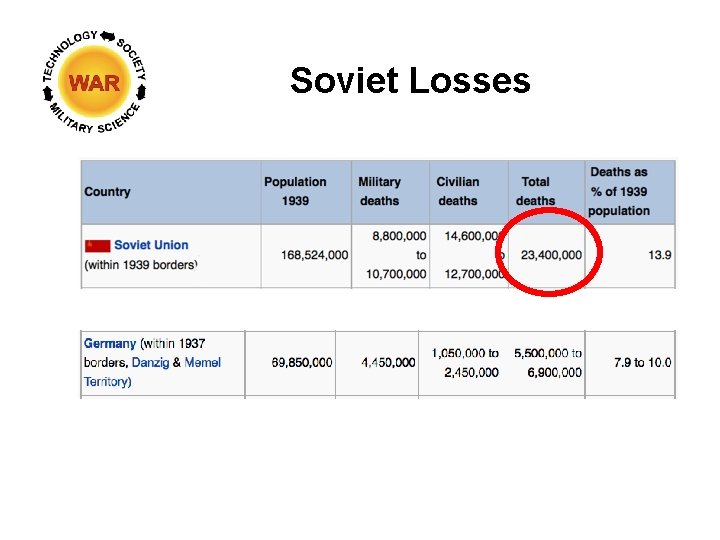
Soviet Losses
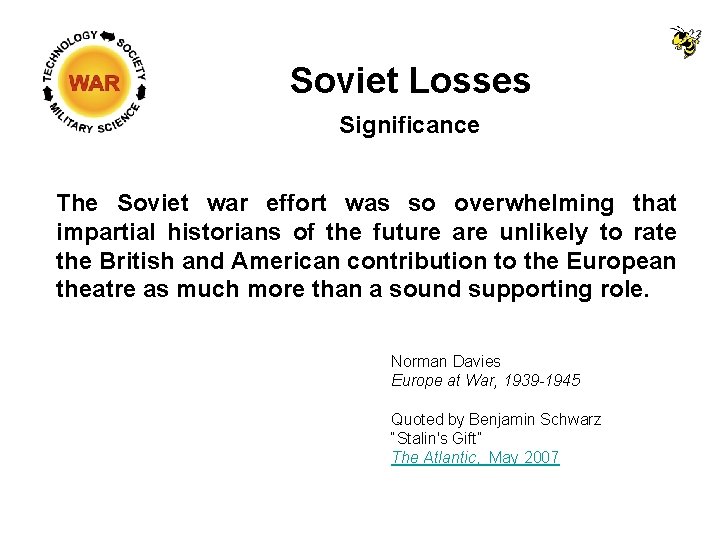
Soviet Losses Significance The Soviet war effort was so overwhelming that impartial historians of the future are unlikely to rate the British and American contribution to the European theatre as much more than a sound supporting role. Norman Davies Europe at War, 1939 -1945 Quoted by Benjamin Schwarz “Stalin's Gift” The Atlantic, May 2007
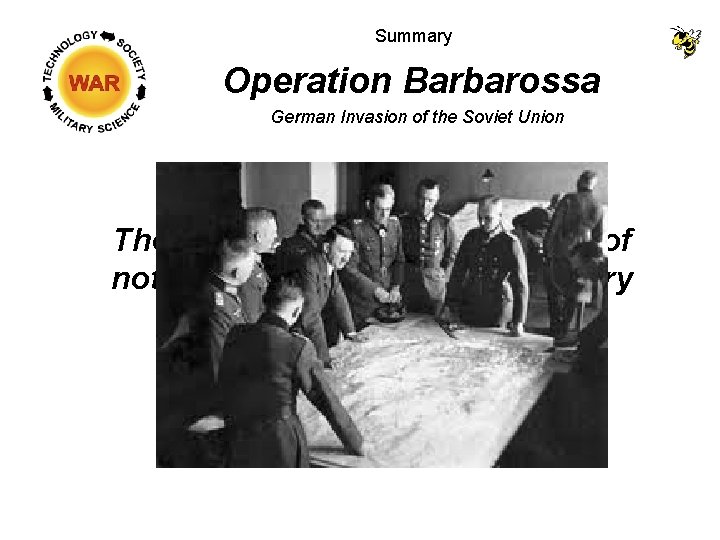
Summary Operation Barbarossa German Invasion of the Soviet Union The classic example of the cost of not learning the lessons of history
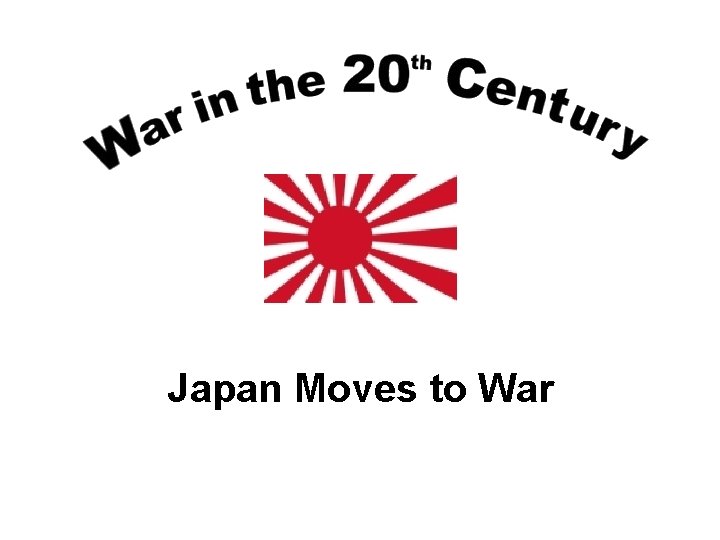
Japan Moves to War
Next: Lesson 16 WW II: America Enters the War
Lesson Objectives • Understand the Japanese and American strategies for the war in the Pacific and Asia. • Analyze the impact of the military revolution during the interwar years on the war in the Pacific theater. • Become familiar with the timeline of events in the Pacific war. • Understand the significance of the Battle of Midway and the role of signals intelligence in the outcome.
End