
Lesson 15 Continue looking at data collection methods
- Slides: 38
Lesson 15 Continue looking at data collection methods Look at film, serial diffractometers and area detectors.
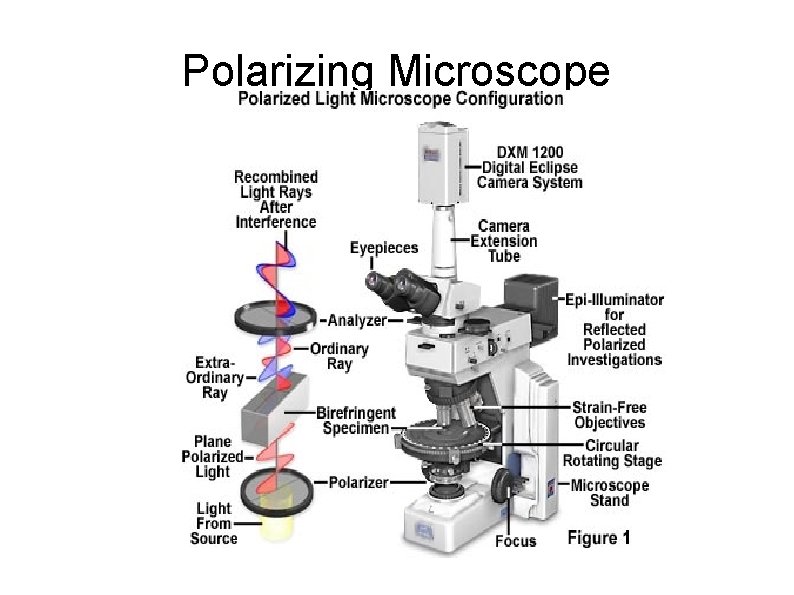
Polarizing Microscope
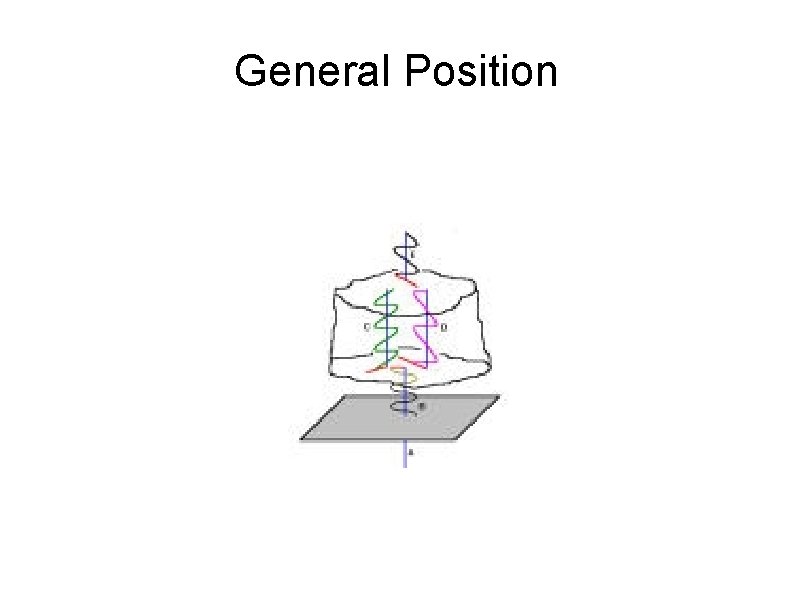
General Position
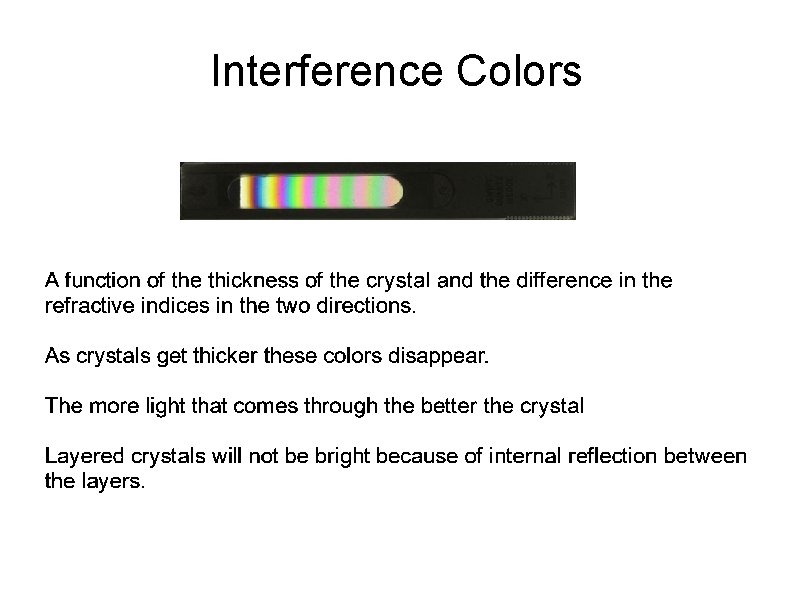
Interference Colors
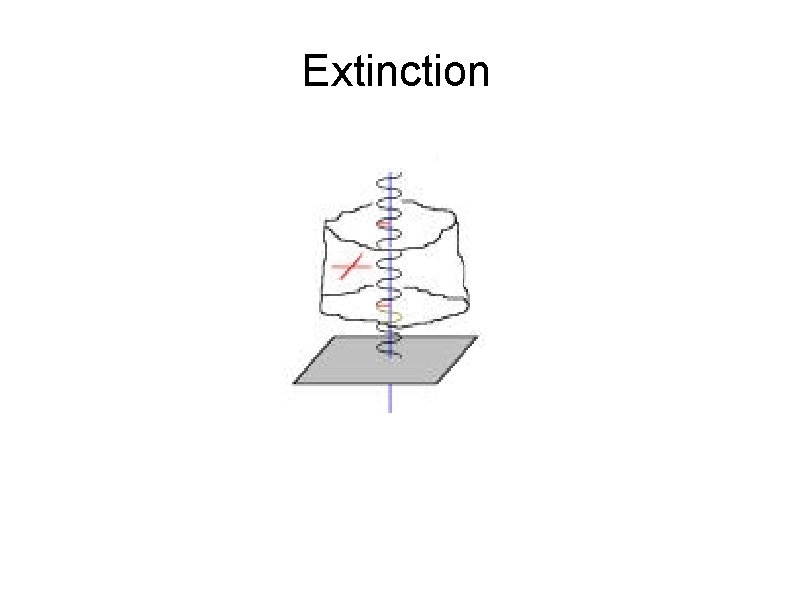
Extinction
Some Comments on Extinction Cubic crystals are isotropic and hence always dark! Hexagonal, trigonal and tetragonal crystals have an isotropic axis (c). When looked at down that axis the crystals will always be dark In triclinic and most faces in monoclinic crystals the extinction directions may be a function of wavelength. Instead of going black they will get dark blue then go dark red or vice versa. This is ok Some crystals change colors under one polarizer—dichroism.
Selecting a Crystal It is worth spending some time with the microscope to get the best crystal. Make sure the crystal is representative of the batch. Size is not as important as quality Remember—The quality of the final structure depends almost entirely on the quality of the crystal studied!
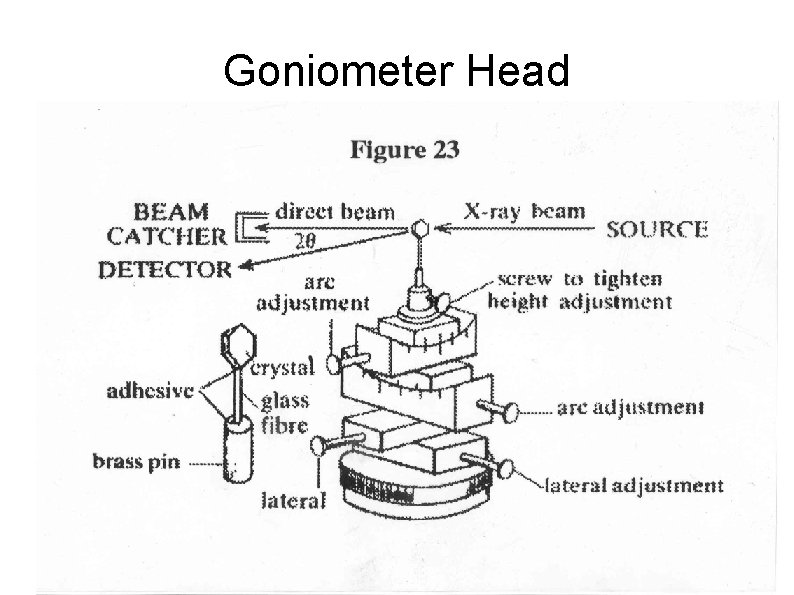
Crystal Mounting Crystals are typically mounted on a glass or quartz fiber (at Purdue I use quartz). Since these materials are not crystalline they do not diffract but they can scatter the beam. Crystals can be glued to the fiber with epoxy, super glue, or thermal glue for room temperature work. For low temperature work grease (Apeazon H) can be used.
Goniometer Head
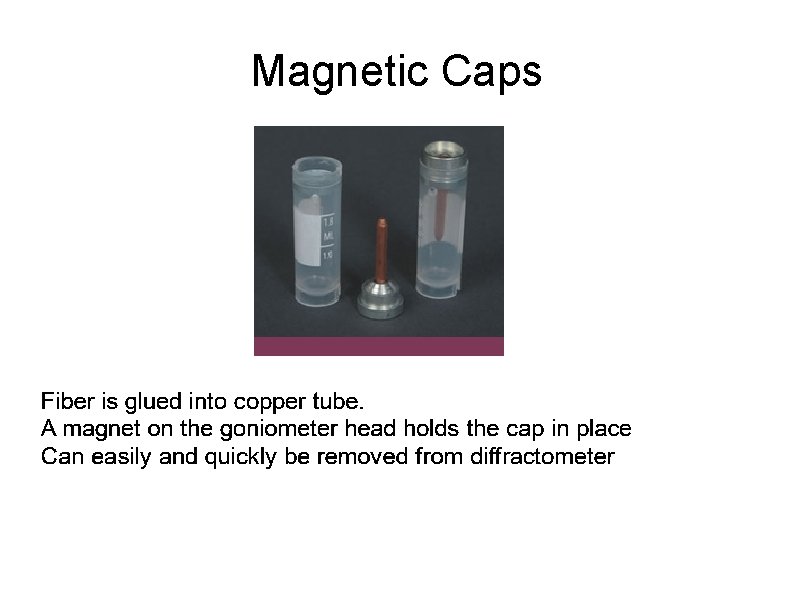
Magnetic Caps
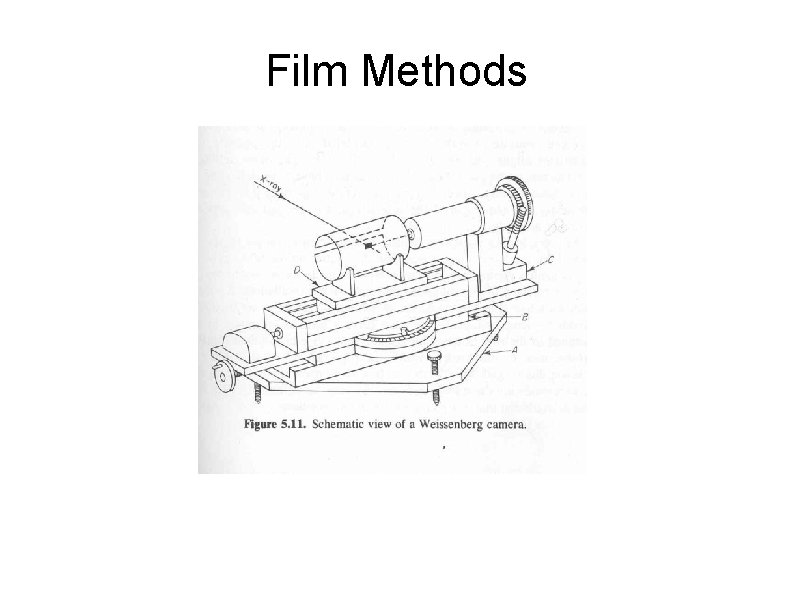
Film Methods
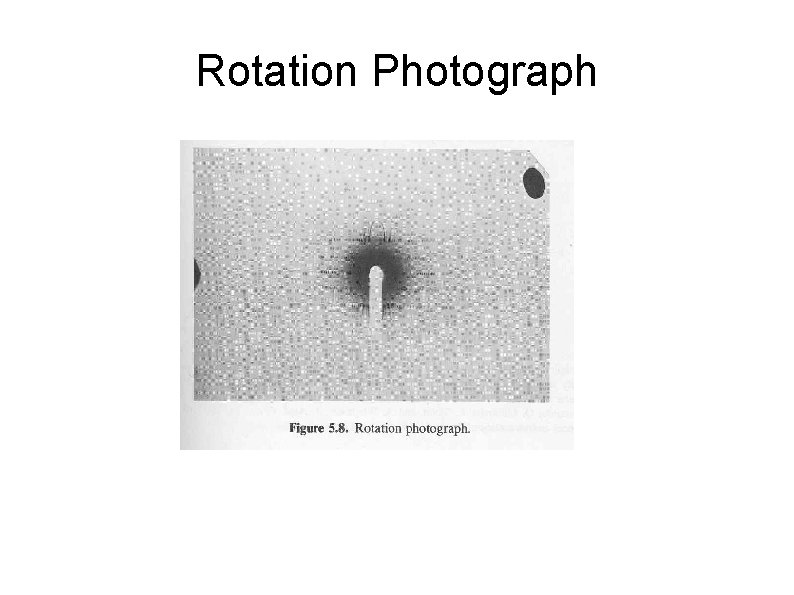
Rotation Photograph
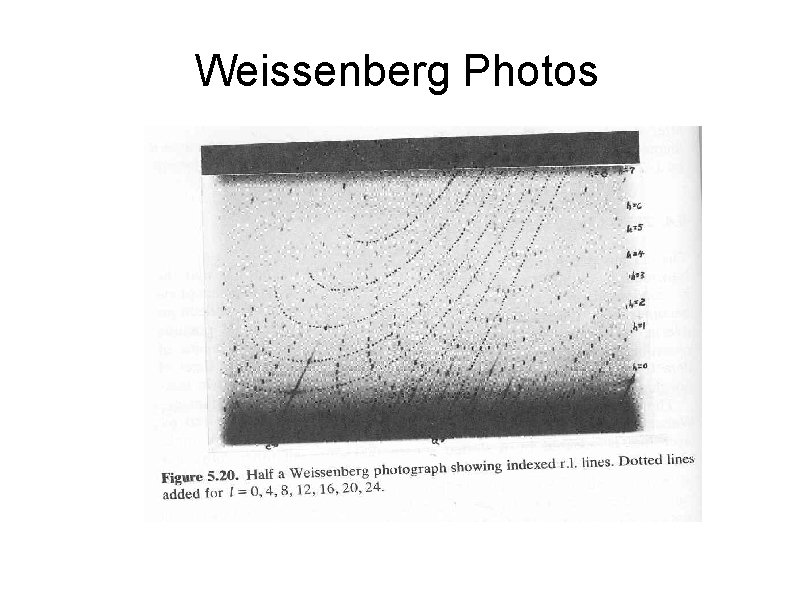
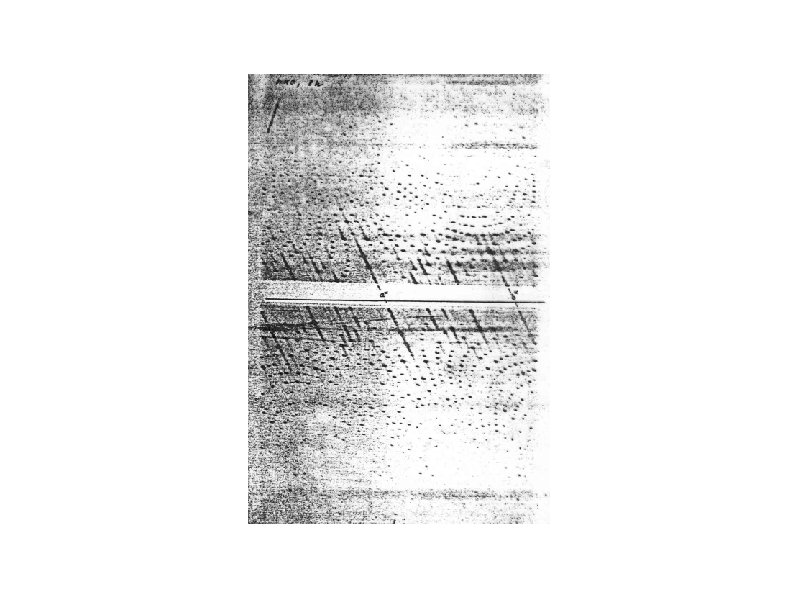
Weissenberg Photos
Problems Must align about a real axis Alignment is fairly fast. Exposure takes days. Picture is hard to read. Film is curved so Polaroid cannot be used
How to get data? Must determine the intensity of the spots. To do this must compare the intensities to some scale. To expand the cell the camera holds six films. The front one is used for weak reflections while the last one is used for strong reflections The six films are scaled by common spots. How do you determine standard uncertainty? Very tedious and inexact.
Using Film Very low background –can take very long exposures Fairly sensitive to radiation Covers a wide area. Obviously slow to expose and very tedious to measure the intensities off of. No one uses anymore—in fact it is hard to find good quality film.
Speeding it Up The biggest problem with film is obtaining intensity data. Can use something like Geiger counters or scintillation detectors to count the radiation. Since these detectors have no spatial descrimination need to only allow a small area to reach the detector Must move the crystal precisely so the scattered wave lands on the detector.
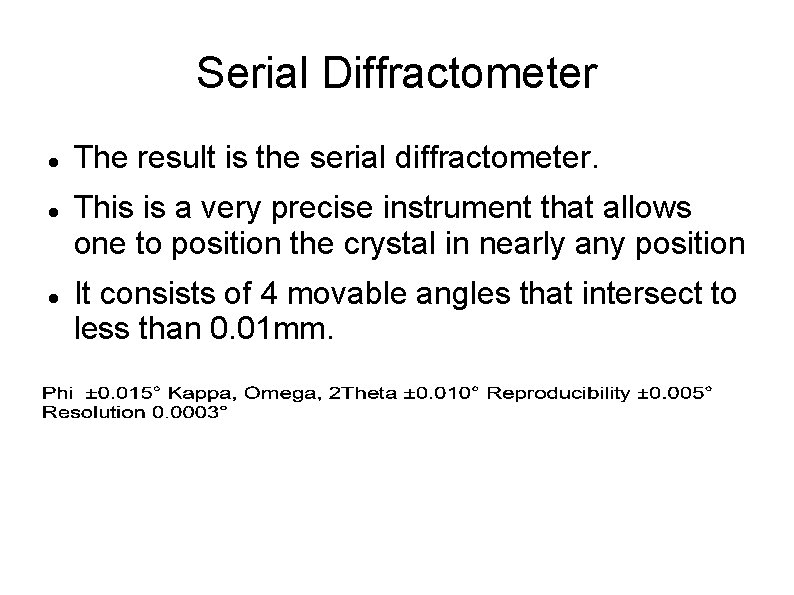
Serial Diffractometer The result is the serial diffractometer. This is a very precise instrument that allows one to position the crystal in nearly any position It consists of 4 movable angles that intersect to less than 0. 01 mm.
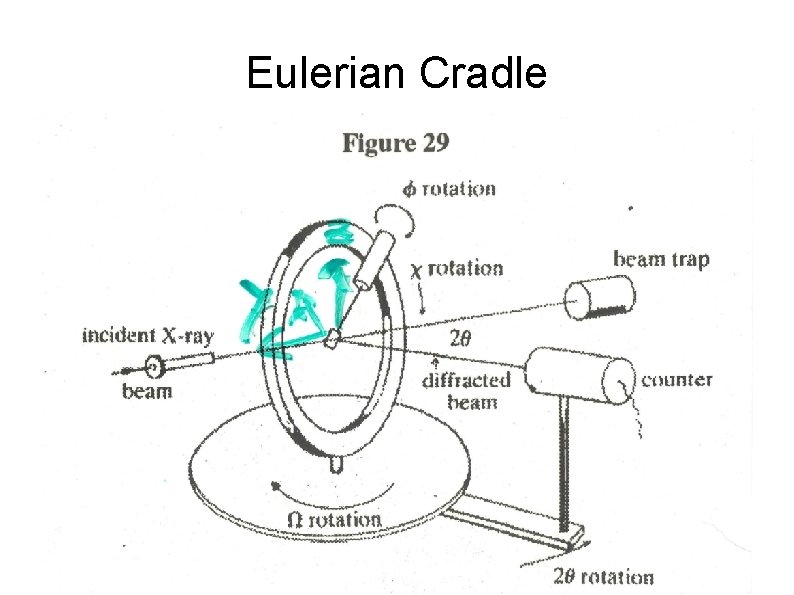
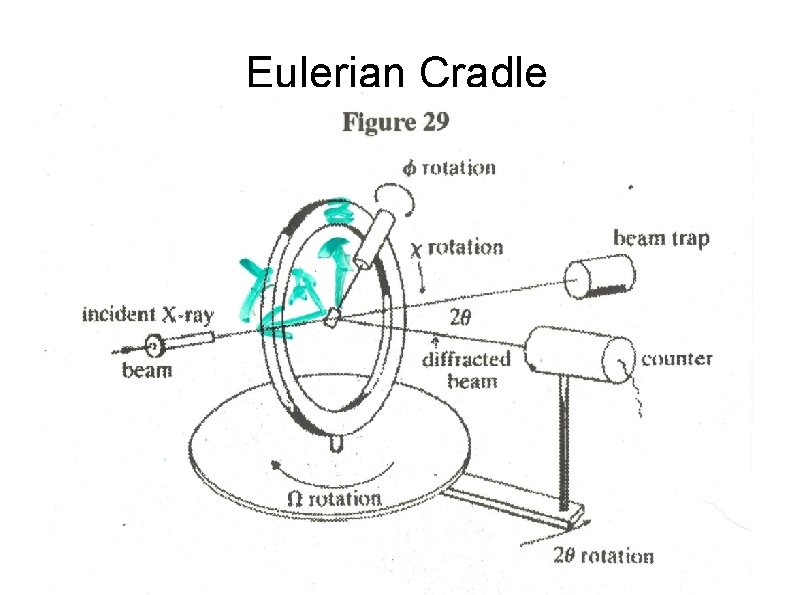
Eulerian Cradle
Four Angles Phi—rotates the goiniometer head Chi –rotates the image around the beam Omega—used to make things more convenient Two Theta—the detector They are called the Eulerian Angles.
Problems Hard to keep in alignment Hard to move phi as it rotates around chi. The chi circle is closed at the top making it harder to bring in low temperature device. The chi circle will run into either the beam or the detector limiting settings.
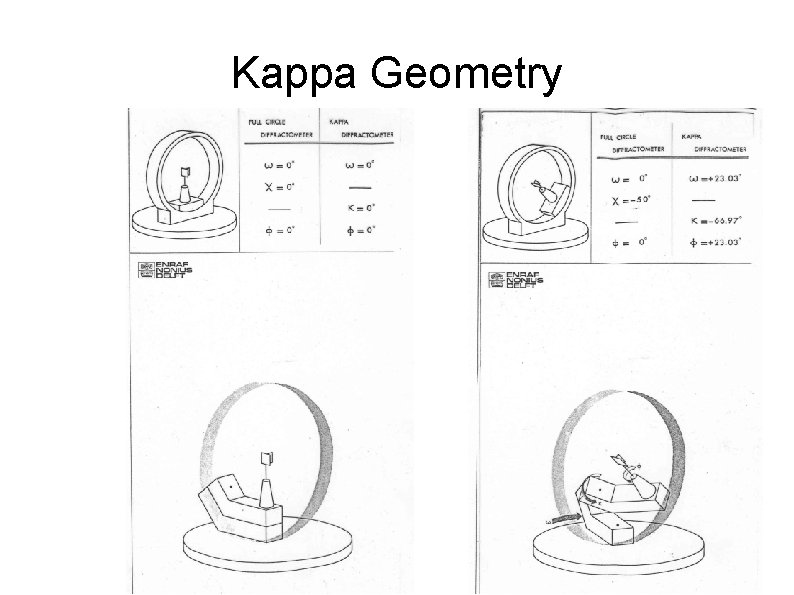
Kappa Geometry
Kappa Geometry Can convert from kappa to Eulerian angles Open on top Mechanically much simpler Cannot reach chi angles above 110°
Using Serial Diffractometers Must know where the spots are so they can be collected. Must index the crystal before starting data collection. From previous photos From Polaroid photos taken on the diffractometer From random searches. Must center the spots to determine the best values.
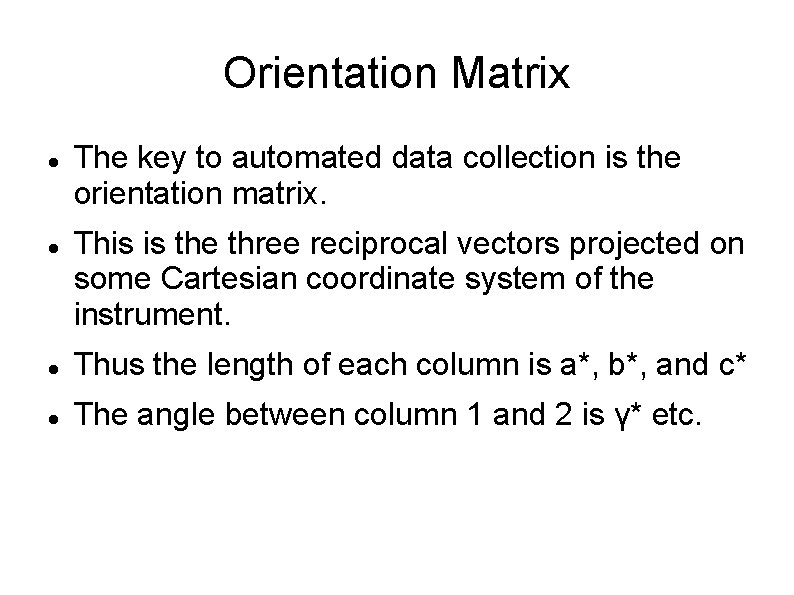
Orientation Matrix The key to automated data collection is the orientation matrix. This is the three reciprocal vectors projected on some Cartesian coordinate system of the instrument. Thus the length of each column is a*, b*, and c* The angle between column 1 and 2 is γ* etc.
Eulerian Cradle
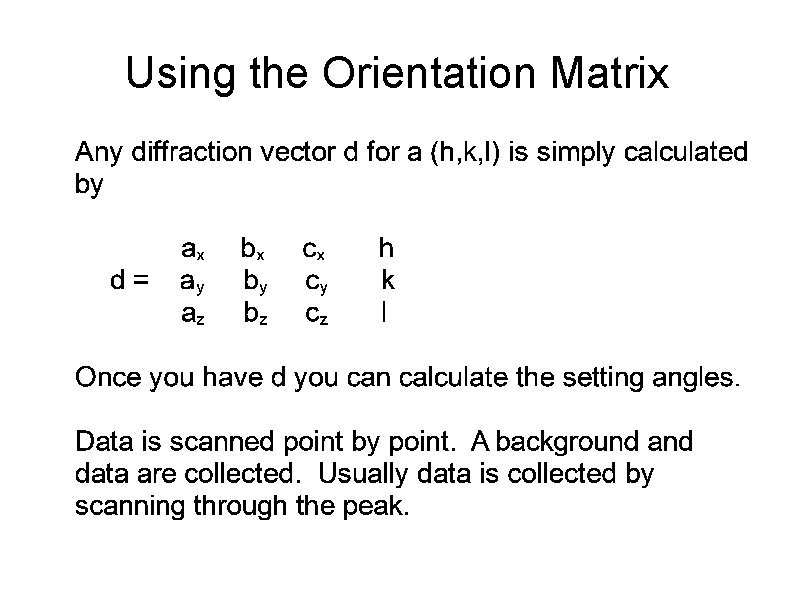
Using the Orientation Matrix
Problems with Serial Diffractometers Still slow. Can collect maybe 1500 reflections a day. A typical data set takes about a week to collect. The detector is fairly noisy and therefore very long collection times are impossible as the signal does not become larger than the noise. Since only a small amount of space is observed frequently get incorrect unit cells or data that will not index.
Area Detectors. Looking for electronic film. Can determine the hkl from location and intensity by pixel intensities. Since an area is detected at one time can collect many data at once. Several Approaches.
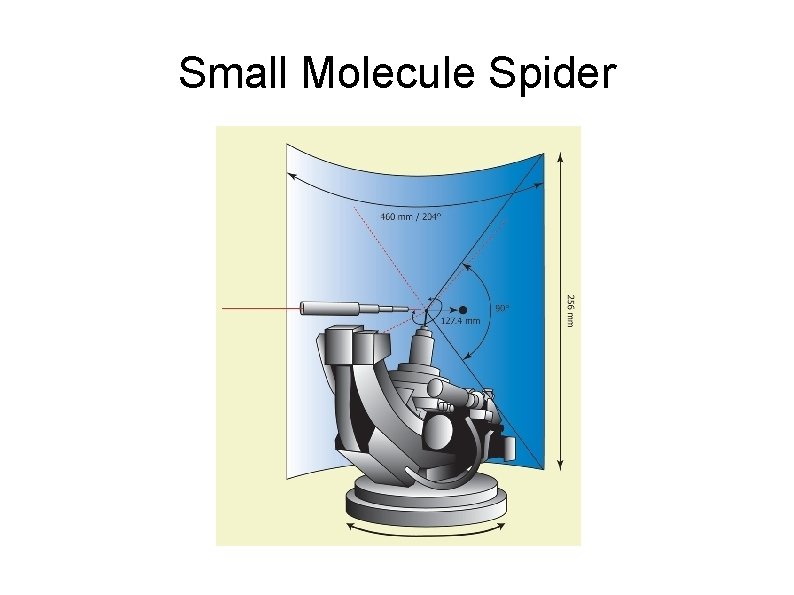
Image Plates This is a material that emits vissible light when hit by a laser in proportion to how much x-ray exposure it encounters. Very low noise and very large dynamic range. Not a realtime device. Mainly used in macromolecular work.
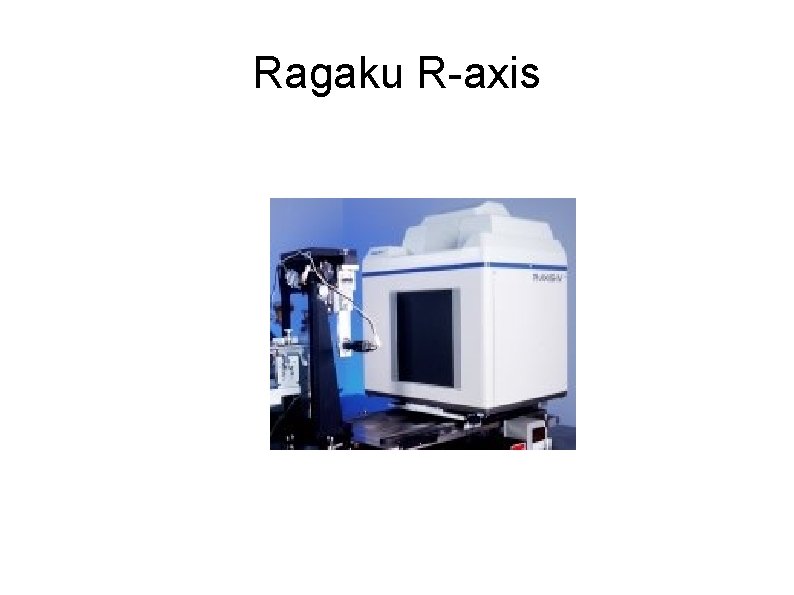
Ragaku R-axis
Small Molecule Spider
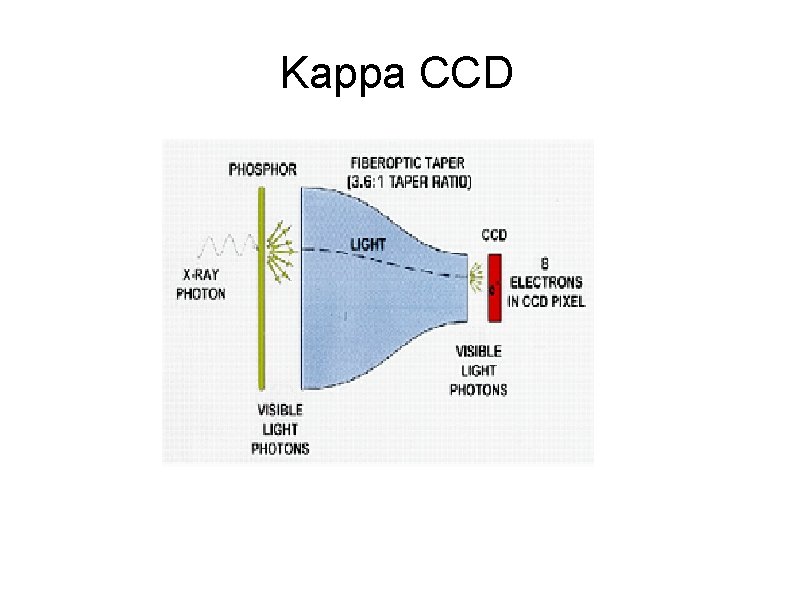
Charged Coupled Device The ccd is essentially a digital camera To keep noise down it is cooled It is almost realtime. Does not have as low a noise level as image plate but is much better than scintillation detector. Does not detect x-rays but light emitted by a phosphor.
Kappa CCD
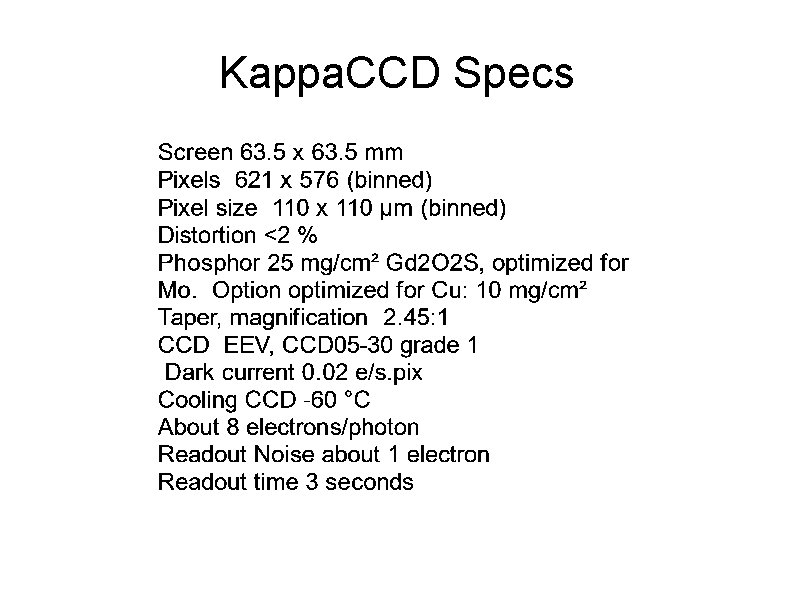
Kappa. CCD Specs
Newer Developments Very large CCD chips that do not need taper. These are 16 Mega pixel chips. Much more sensitive which is improved signal to noise (over 200 electrons/photon) Read out is faster.
The X-ray Lab FR 571 Rotating Anode Generator producing a 0. 1 X 1. 0 mm beam. A Nonius Kappa. CCD Software: Nonius Collect Package Eval. CCD Denzo