
Lesson 10 Ocean Zones photic zone the top

- Slides: 13
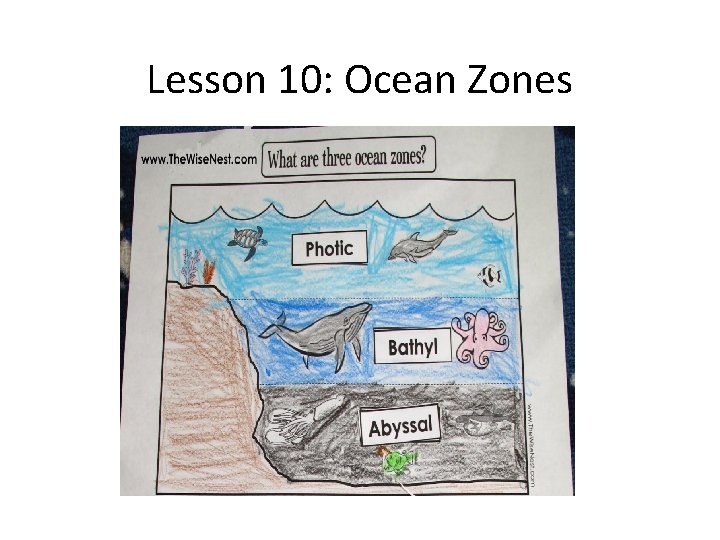
Lesson 10: Ocean Zones
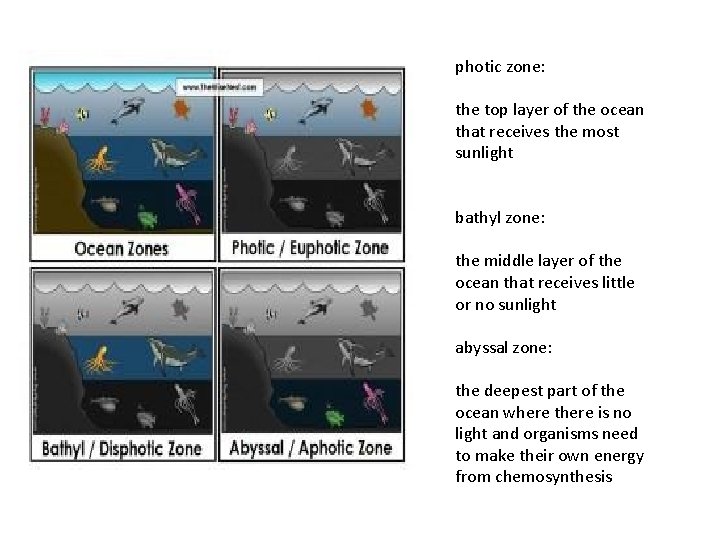
photic zone: the top layer of the ocean that receives the most sunlight bathyl zone: the middle layer of the ocean that receives little or no sunlight abyssal zone: the deepest part of the ocean where there is no light and organisms need to make their own energy from chemosynthesis
Lesson 11 (Water) Vocabulary ● Clean Water Act ● Dams ● Pollution
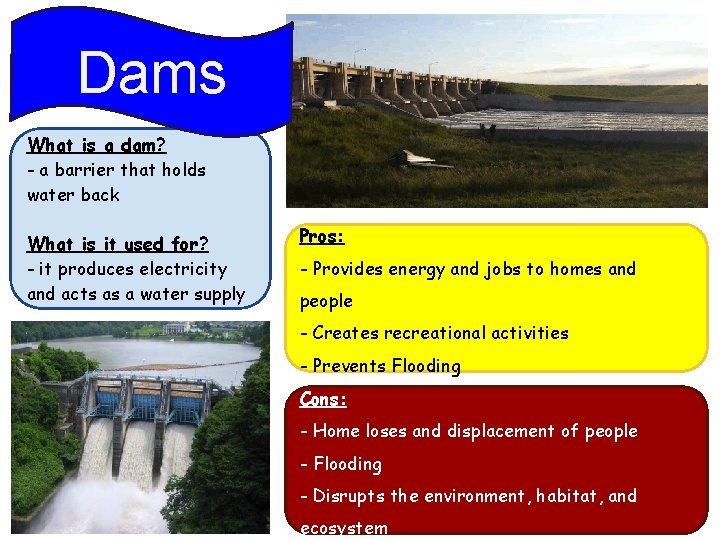
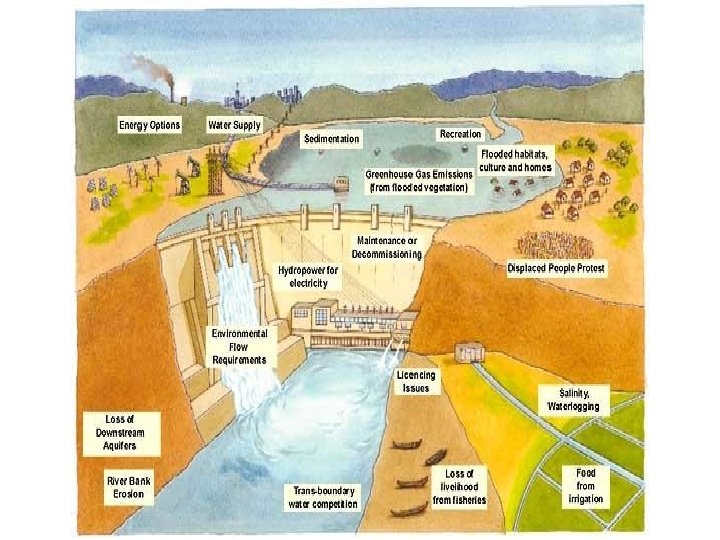
Dams What is a dam? - a barrier that holds water back What is it used for? - it produces electricity and acts as a water supply Pros: - Provides energy and jobs to homes and people - Creates recreational activities - Prevents Flooding Cons: - Home loses and displacement of people - Flooding - Disrupts the environment, habitat, and ecosystem
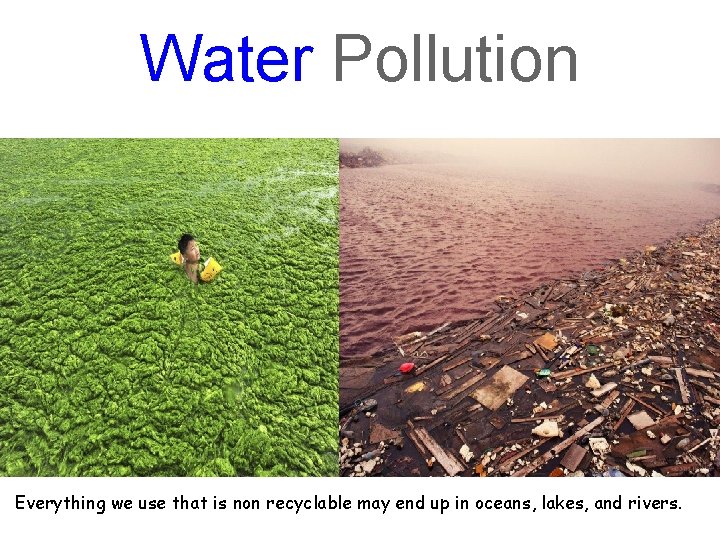
Water Pollution Everything we use that is non recyclable may end up in oceans, lakes, and rivers.
What can we do…. REUSE and REDUCE!
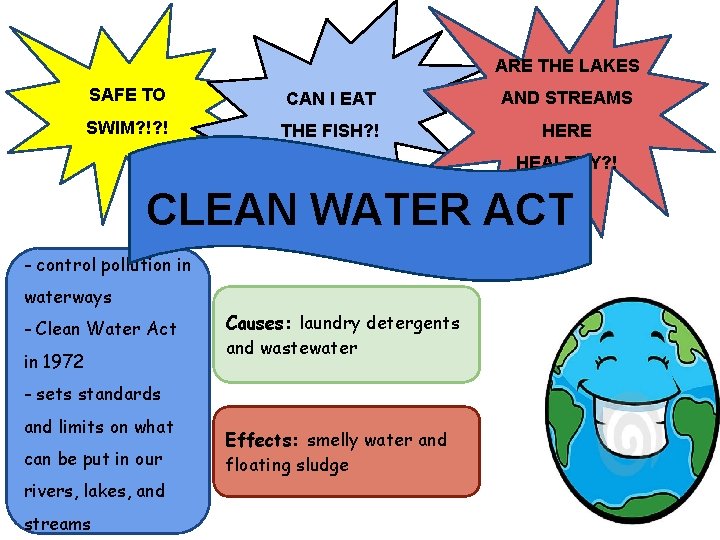
ARE THE LAKES SAFE TO CAN I EAT AND STREAMS SWIM? !? ! THE FISH? ! HERE HEALTHY? ! CLEAN WATER ACT - control pollution in waterways - Clean Water Act in 1972 Causes: laundry detergents and wastewater - sets standards and limits on what can be put in our rivers, lakes, and streams Effects: smelly water and floating sludge
Lesson 12: Animals Vocabulary ● ● ● Endangered Species Act Habitat Destruction Depletion Extinction Resources Invasive Species
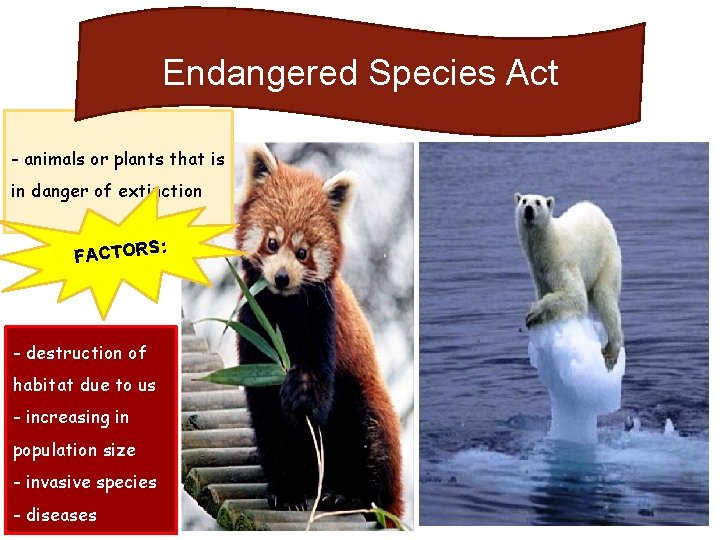
Endangered Species Act - animals or plants that is in danger of extinction : S FACTOR - destruction of habitat due to us - increasing in population size - invasive species - diseases
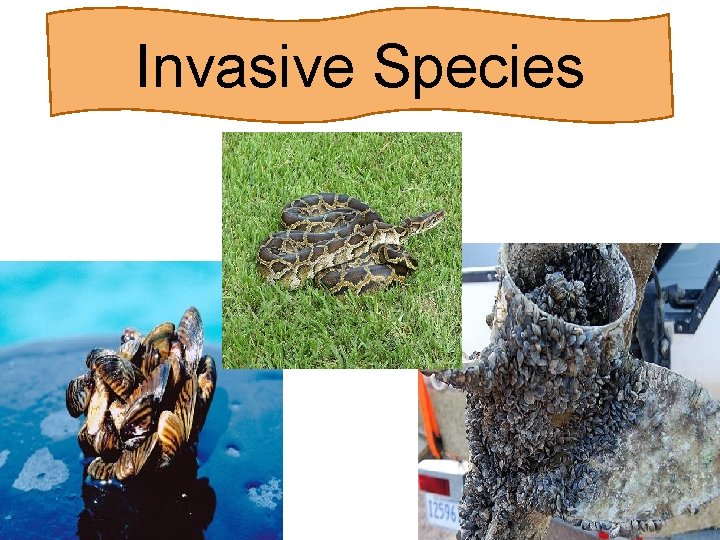
Invasive Species
VIDEO! (Biodiversity)
Fishing For Resources (lab)