
Lesson 07 Strings Attendance Link In Gitter im
- Slides: 16
Lesson 07: Strings • Attendance: • Link: In Gitter. im | Code: ? ? • Class Chat: • https: //gitter. im/IST 256/Fudge • Participation • http: //ist 256. participoll. com/
Agenda • Strings are immutable sequence of characters. • Index and Slice notation for retrieving sub-strings. • Built-in string functions to perform operations on strings. • Techniques for parsing and tokenizing string data. • How to sanitize input with string functions. • You’ve Read: • Zybook Ch 6 • P 4 E Ch 6 Questions? Ask in Our Course Chat! https: //gitter. im/IST 256/Fudge
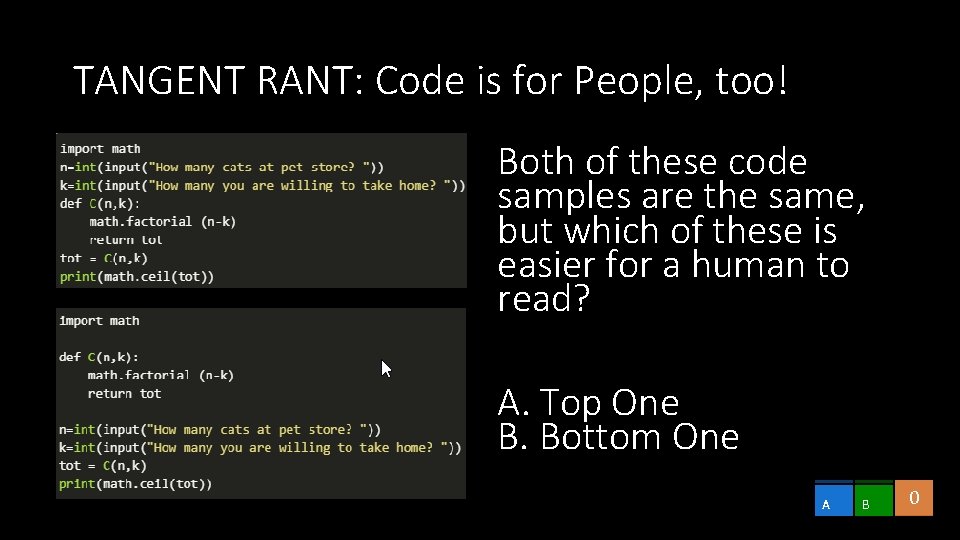
TANGENT RANT: Code is for People, too! Both of these code samples are the same, but which of these is easier for a human to read? A. Top One B. Bottom One A B 0
Connect Activity To get a substring from an existing Python string we use? A. A built in function B. Slice notation A B 0
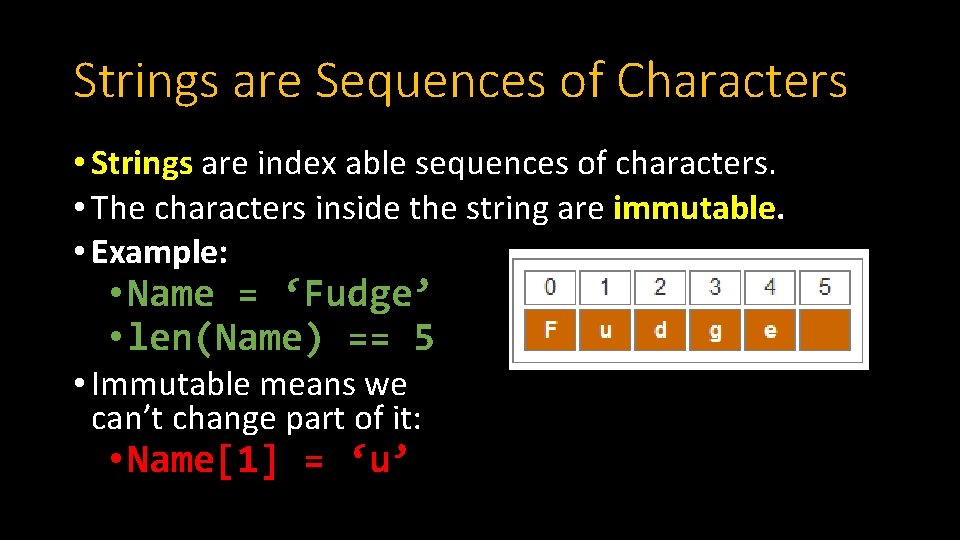
Strings are Sequences of Characters • Strings are index able sequences of characters. • The characters inside the string are immutable. • Example: • Name = ‘Fudge’ • len(Name) == 5 • Immutable means we can’t change part of it: • Name[1] = ‘u’
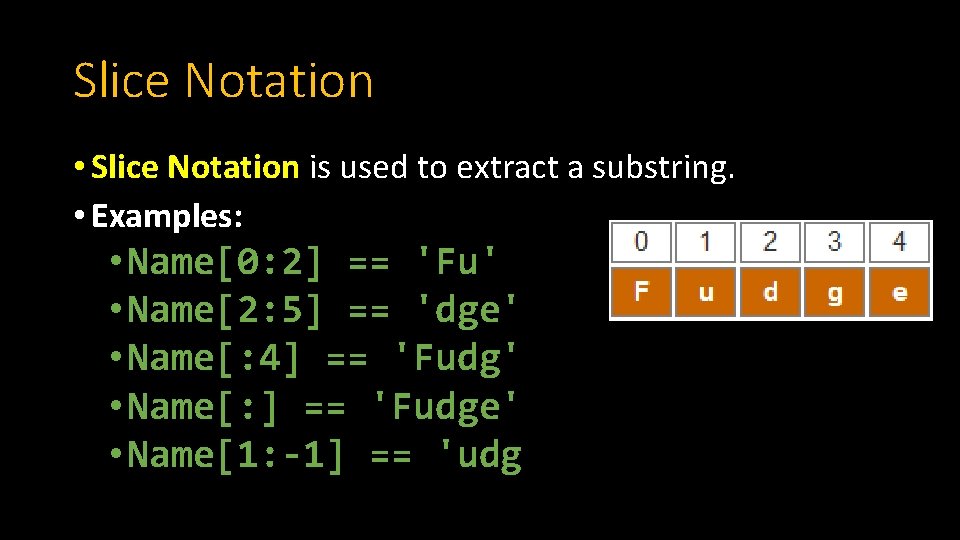
Slice Notation • Slice Notation is used to extract a substring. • Examples: • Name[0: 2] == 'Fu' • Name[2: 5] == 'dge' • Name[: 4] == 'Fudg' • Name[: ] == 'Fudge' • Name[1: -1] == 'udg
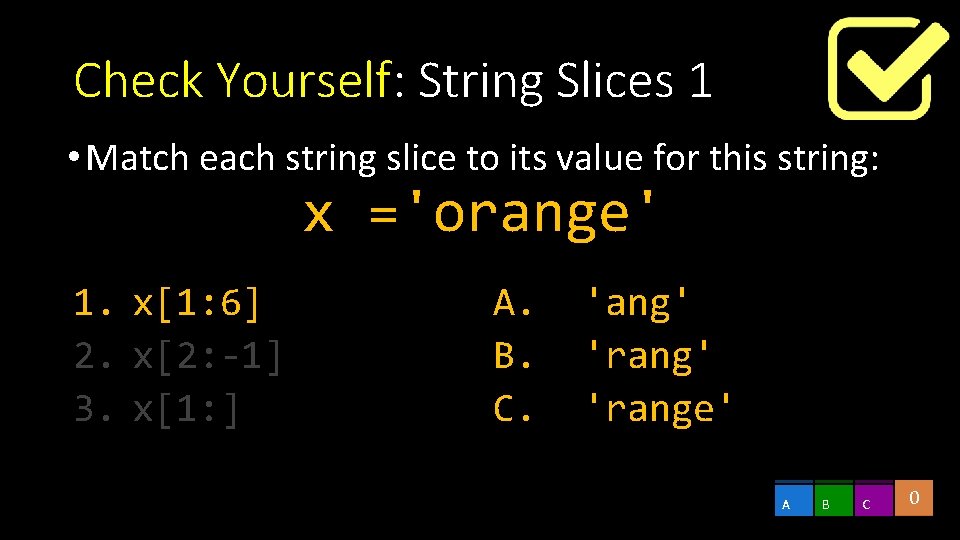
Check Yourself: String Slices 1 • Match each string slice to its value for this string: x ='orange' 1. x[1: 6] 2. x[2: -1] 3. x[1: ] A. B. C. 'ang' 'range' A B C 0
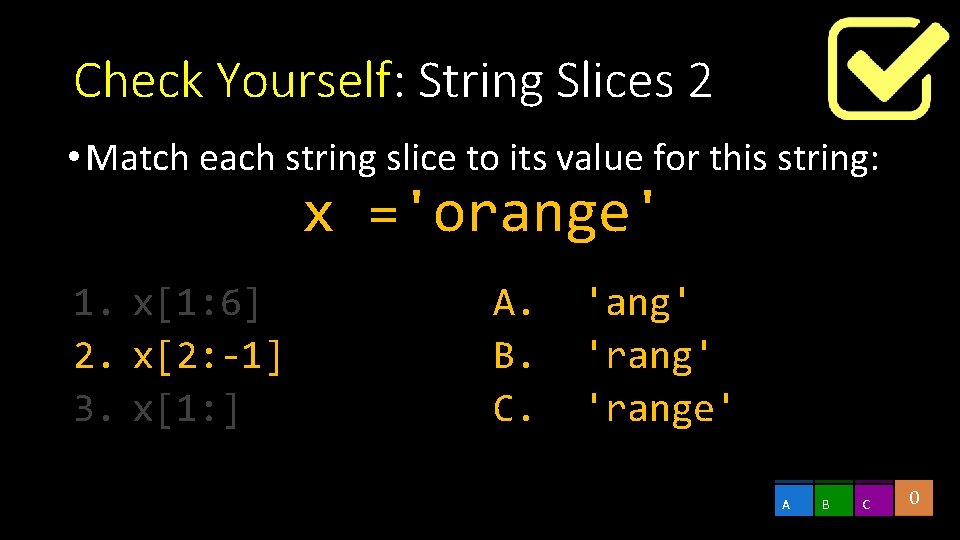
Check Yourself: String Slices 2 • Match each string slice to its value for this string: x ='orange' 1. x[1: 6] 2. x[2: -1] 3. x[1: ] A. B. C. 'ang' 'range' A B C 0
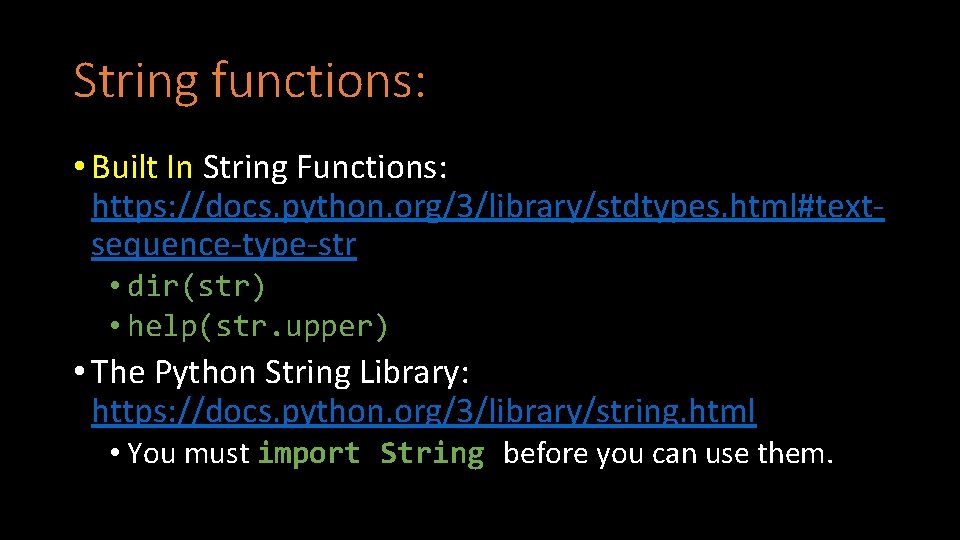
String functions: • Built In String Functions: https: //docs. python. org/3/library/stdtypes. html#textsequence-type-str • dir(str) • help(str. upper) • The Python String Library: https: //docs. python. org/3/library/string. html • You must import String before you can use them.
Watch Me Code 1 Yes or No? • write a function to accept a variety of inputs as "yes" or "no" • "yes" "y", "YES", "Yes" etc… • "no" "n", "NO", "No", etc…
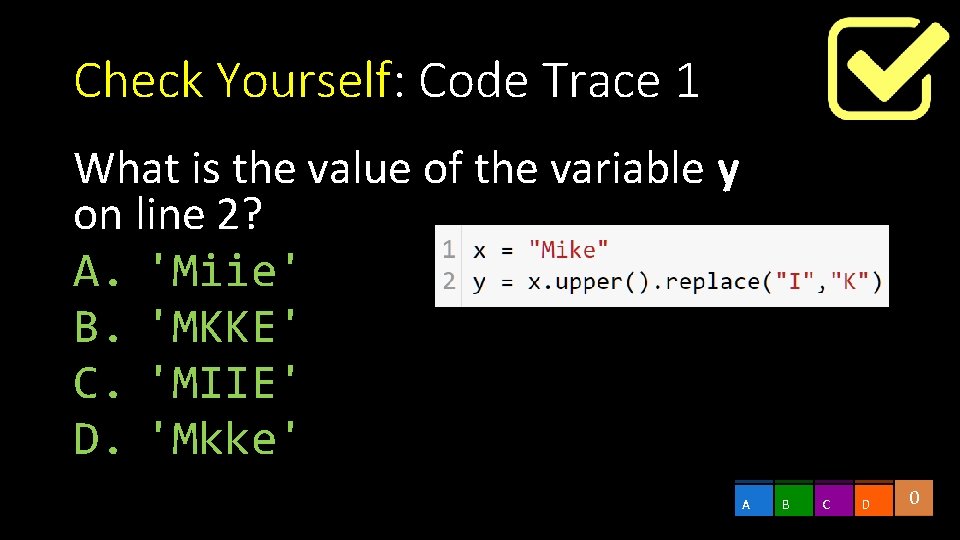
Check Yourself: Code Trace 1 What is the value of the variable y on line 2? A. 'Miie' B. 'MKKE' C. 'MIIE' D. 'Mkke' A B C D 0
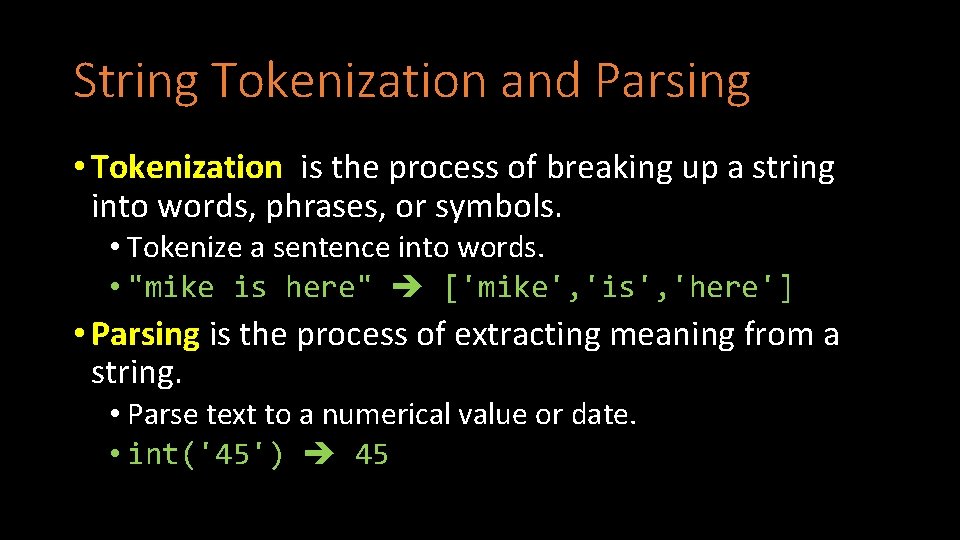
String Tokenization and Parsing • Tokenization is the process of breaking up a string into words, phrases, or symbols. • Tokenize a sentence into words. • "mike is here" ['mike', 'is', 'here'] • Parsing is the process of extracting meaning from a string. • Parse text to a numerical value or date. • int('45') 45
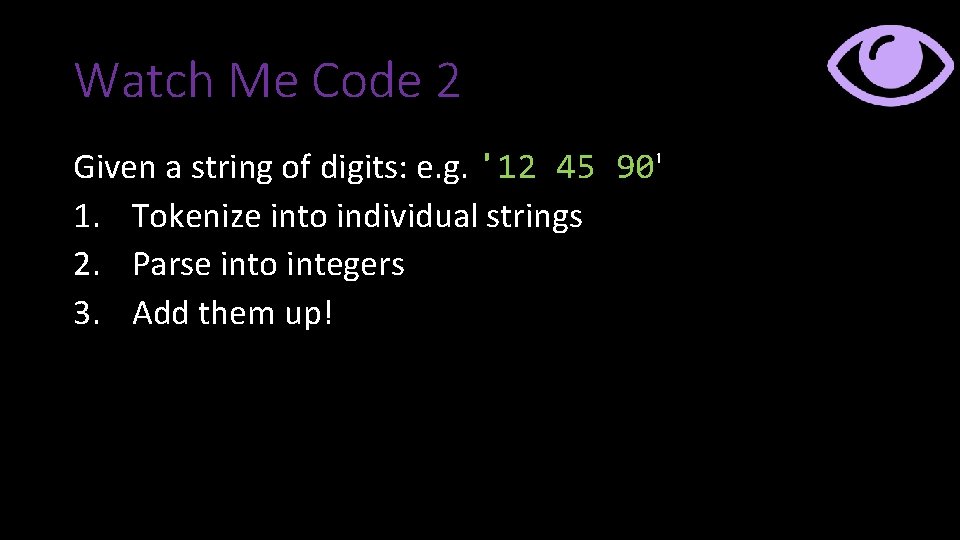
Watch Me Code 2 Given a string of digits: e. g. '12 45 90' 1. Tokenize into individual strings 2. Parse into integers 3. Add them up!
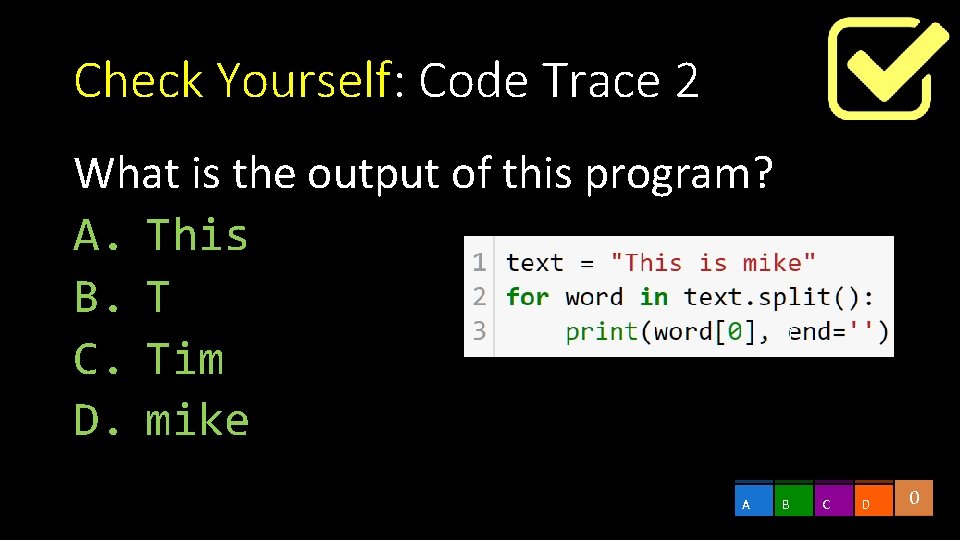
Check Yourself: Code Trace 2 What is the output of this program? A. This B. T C. Tim D. mike A B C D 0
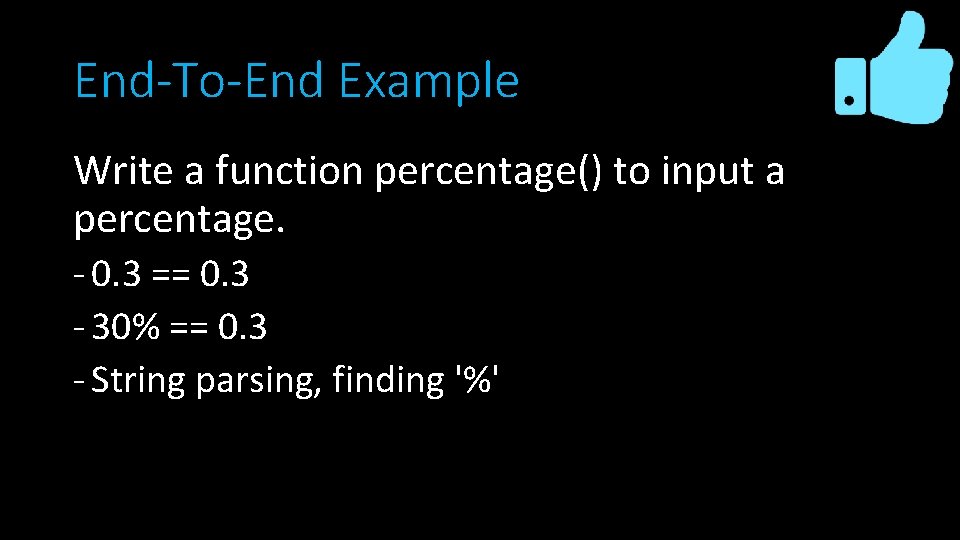
End-To-End Example Write a function percentage() to input a percentage. - 0. 3 == 0. 3 - 30% == 0. 3 - String parsing, finding '%'
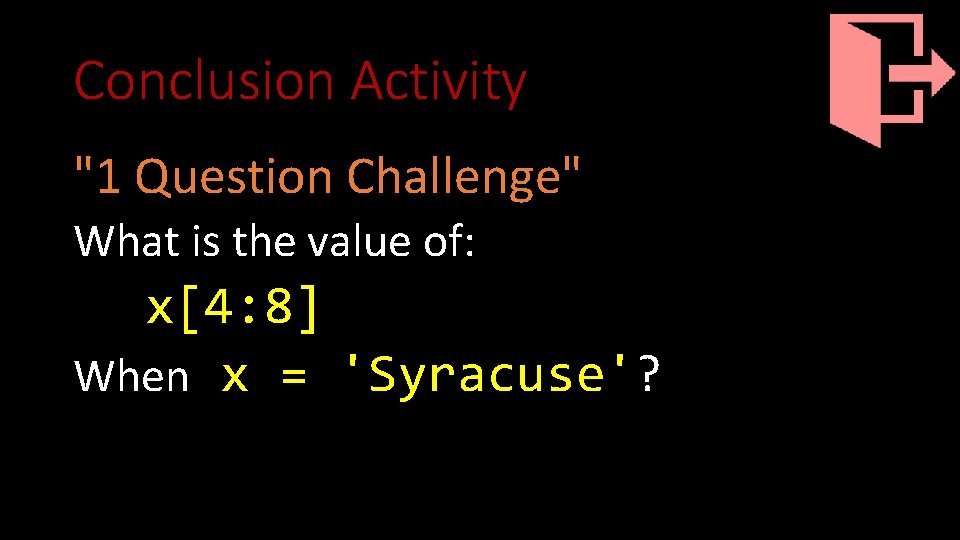
Conclusion Activity "1 Question Challenge" What is the value of: x[4: 8] When x = 'Syracuse'?