
Leisure Livability and the PostModern City Karin Book
Leisure, Livability and the Post-Modern City Karin Book, Ph. D Department of Sport Sciences, Malmo University Plan Urban, Lund Lena Eskilsson, Ph. D Department of Service Management, Lund University Plan Urban, Lund
The importance of Leisure • • • Increased free time Lifestyle-oriented leisure Importance of sports business Importance of tourism Consumerism ▼
Leisure travel has increased • 50% of all transports in Sweden today • High car-dependence • Children increasingly car-dependent
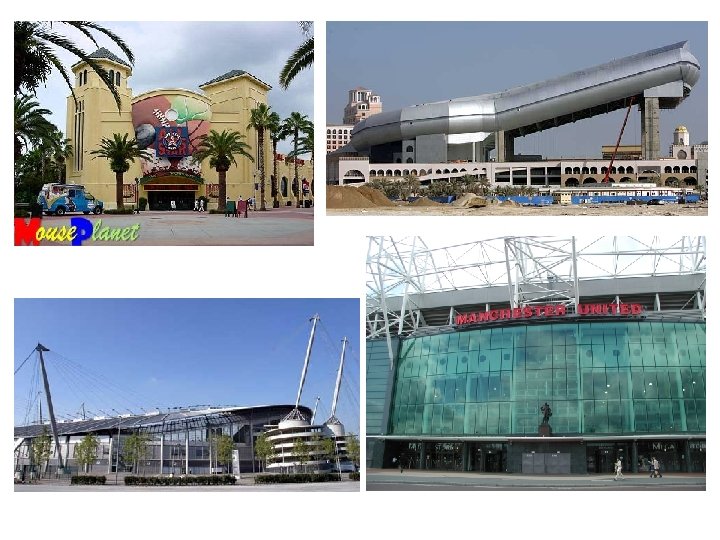
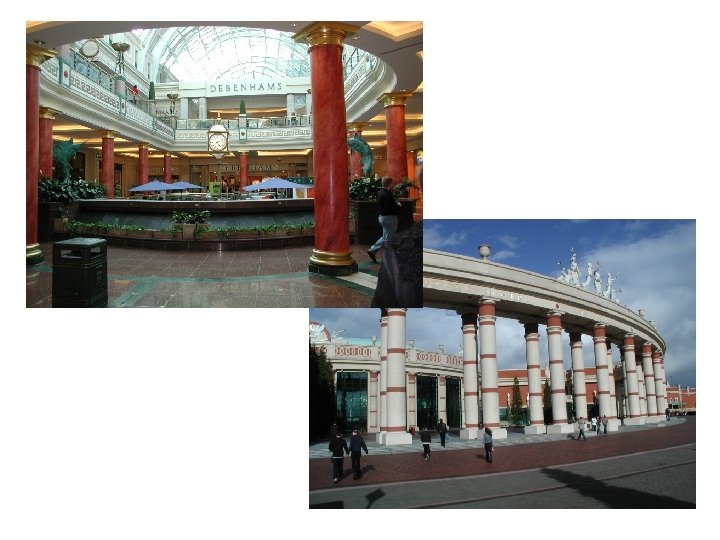
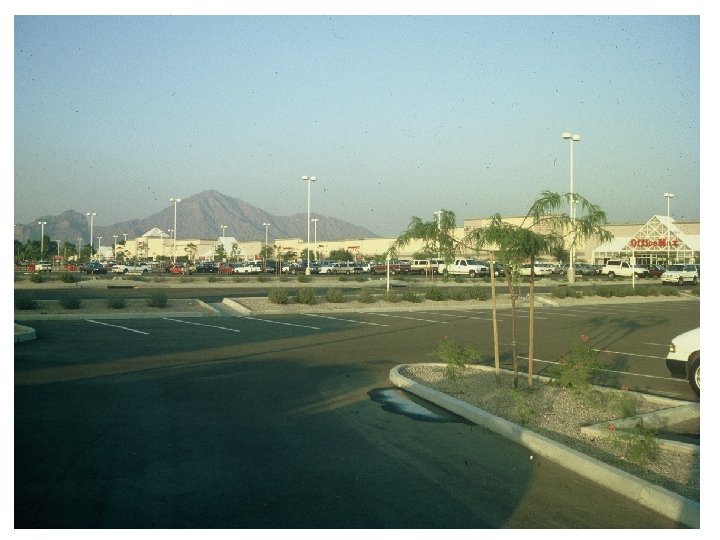
Urban Leisure Landscape • • Decentralisation and centralisation Large scale facilities Socio-economic polarisation/segregation Long distances
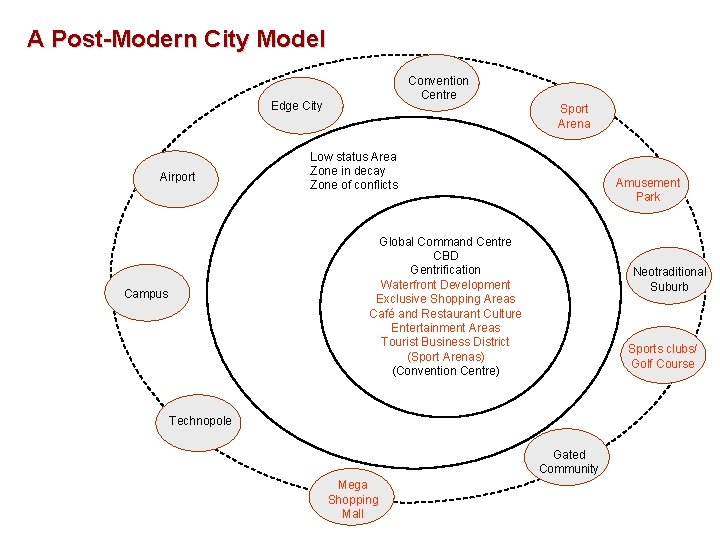
A Post-Modern City Model Convention Centre Edge City Airport Sport Arena Low status Area Zone in decay Zone of conflicts Amusement Park Global Command Centre CBD Gentrification Waterfront Development Exclusive Shopping Areas Café and Restaurant Culture Entertainment Areas Tourist Business District (Sport Arenas) (Convention Centre) Campus Neotraditional Suburb Sports clubs/ Golf Course Technopole Gated Community Mega Shopping Mall
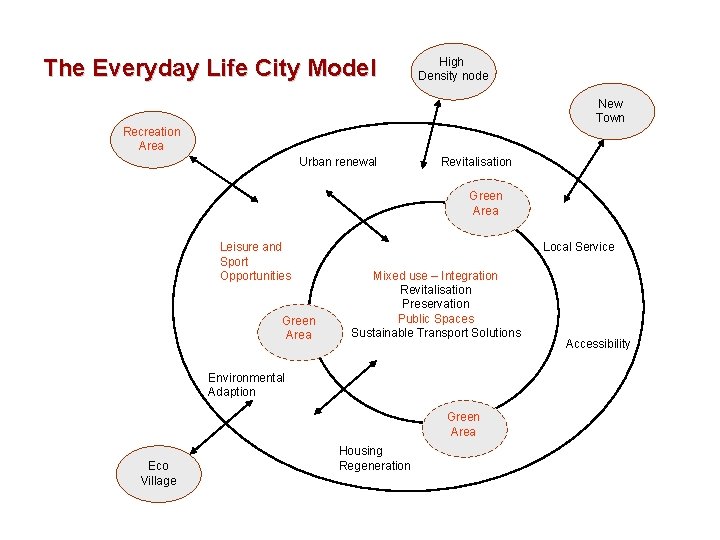
The Everyday Life City Model High Density node New Town Recreation Area Urban renewal Revitalisation Green Area Leisure and Sport Opportunities Green Area Local Service Mixed use – Integration Revitalisation Preservation Public Spaces Sustainable Transport Solutions Environmental Adaption Green Area Eco Village Housing Regeneration Accessibility
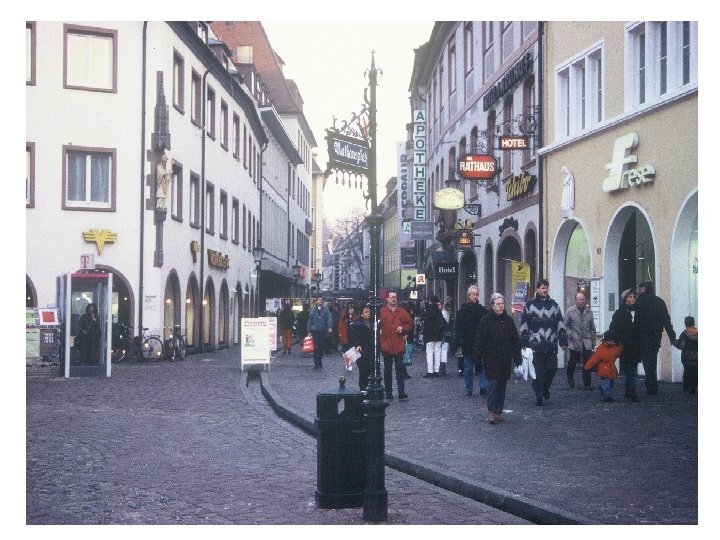

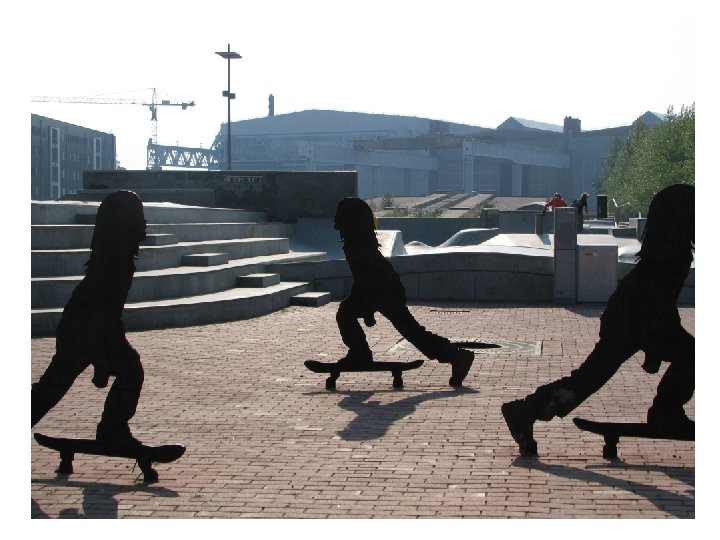
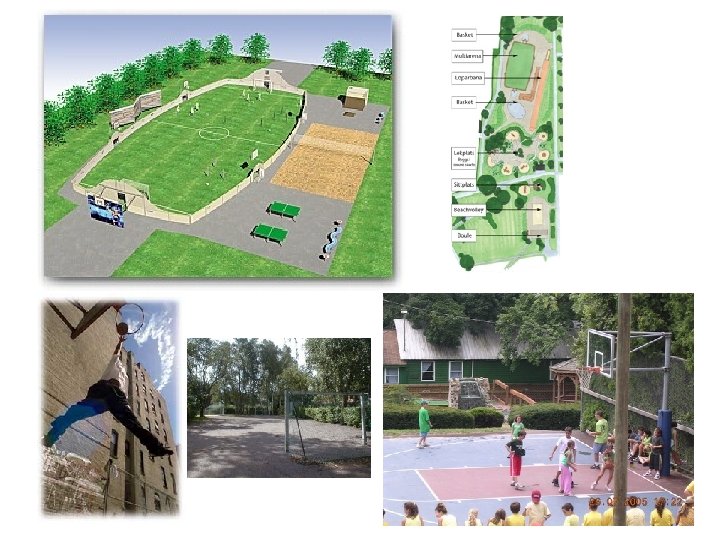
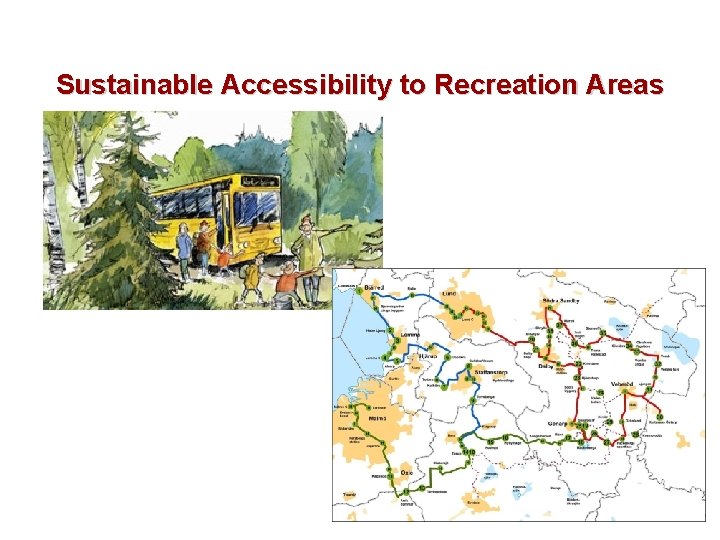
Sustainable Accessibility to Recreation Areas
Towards a Car-Free Urban Leisure Landscape • • • Functional mix Nearness, proximity, accessibility Small-scale planning Focus on everyday life Participation Short distances
- Slides: 15