
LEIR Presented by M CHANEL PSDAYS EVIAN 2001
LEIR Presented by M. CHANEL PSDAYS: EVIAN 2001
CONTENTS • PHASE 1*: LEAD on LEAD – general view – LEIR Injection and cooling – Lattice and machine elements • • • PHASE 2* : A on A Upgrade programme* : a on B Linac 3 in the south Hall or not? ? Planning Summary * Names from LHC PR 450: D. BRANDT
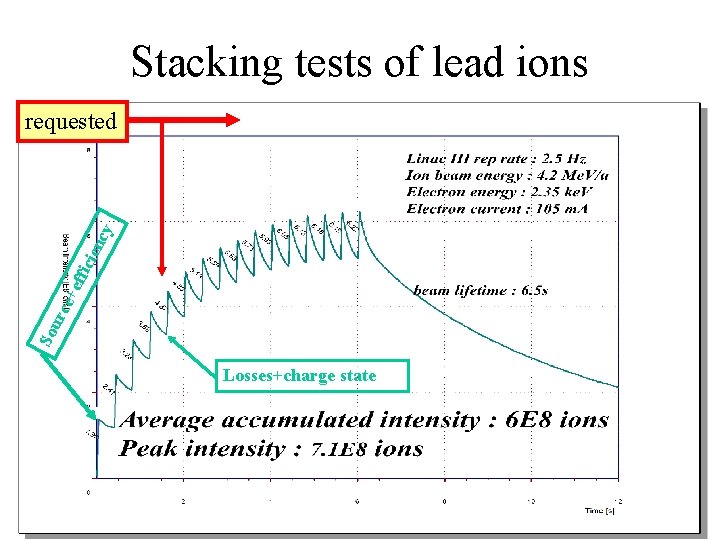
Stacking tests of lead ions Sou rce +ef fici enc y requested Losses+charge state
Hear D. Kuchler’s talk LINAC 3 • Improved afterglow pulsed ECR source(450 ms pulse length but increased current from 100 m. A to 300 m. A Lead 27+; Leir uses 150 ms max). • Add a cavity to ramp momentum by 1% • Pulsing from ~1 Hz to 10 Hz. • Possible use of a LIS** (>5 m. A Lead 27+, 5 ms) * Collaboration Catania, Grenoble, Cern, GSI | ** Collaboration with ITEP, TRINITI.
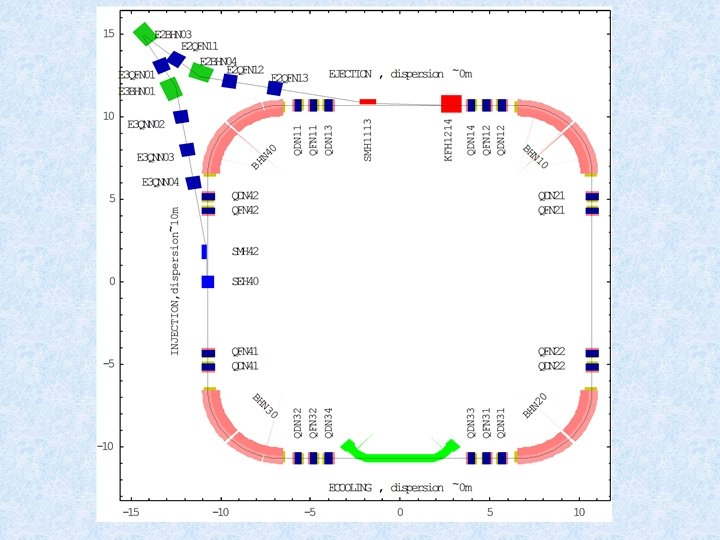
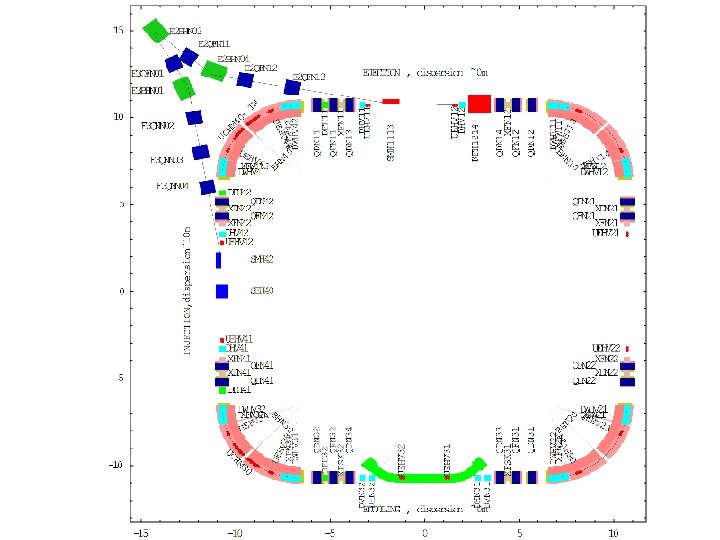
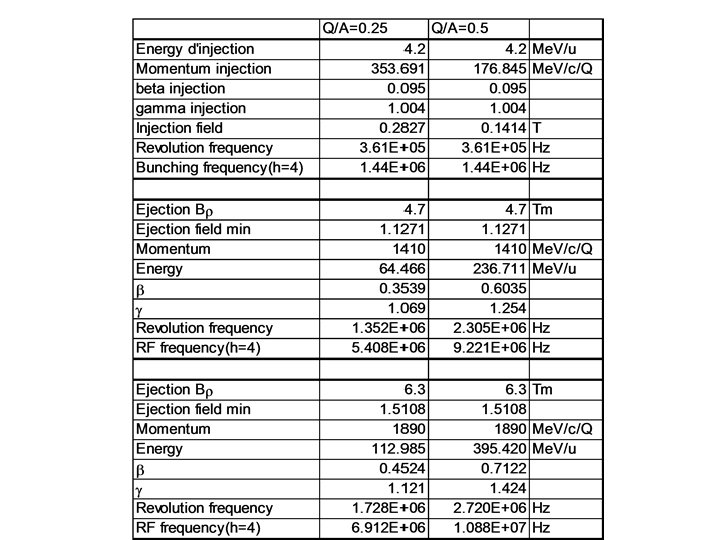
LEIR • Combined H/V/P multiturn injection: inclined septum+ momentum variation of incoming beam such the injection orbit(D dp/p+bump) remains the same during injection. 50% injection efficiency reachable. • Cool and stack the freshly injected beam by electron cooling in 400 ms max. • up to 4 injection-cooling-stacking cycles • Acceleration and ejection (h=4) at T=64(or more) Me. V/u: energy choice is a compromise between the limit of incoherent tune shift in PS, the time between bunches for ejection kicker and stacking time in SPS/LHC.
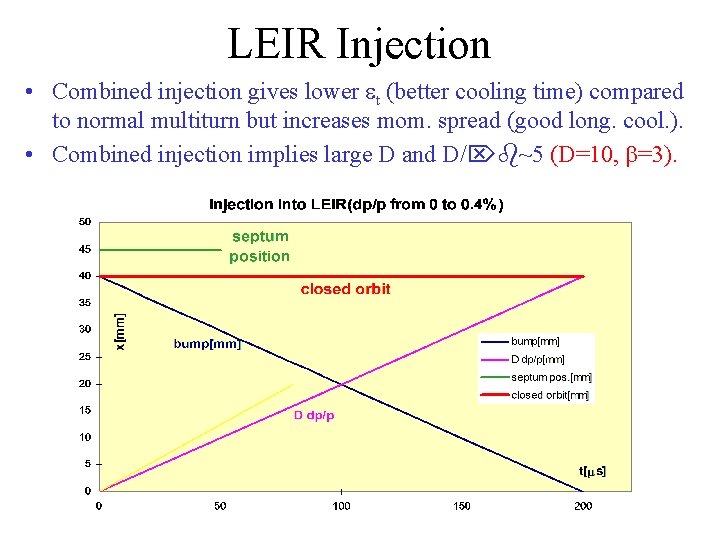
LEIR Injection • Combined injection gives lower t (better cooling time) compared to normal multiturn but increases mom. spread (good long. cool. ). • Combined injection implies large D and D/ ~5 (D=10, =3).
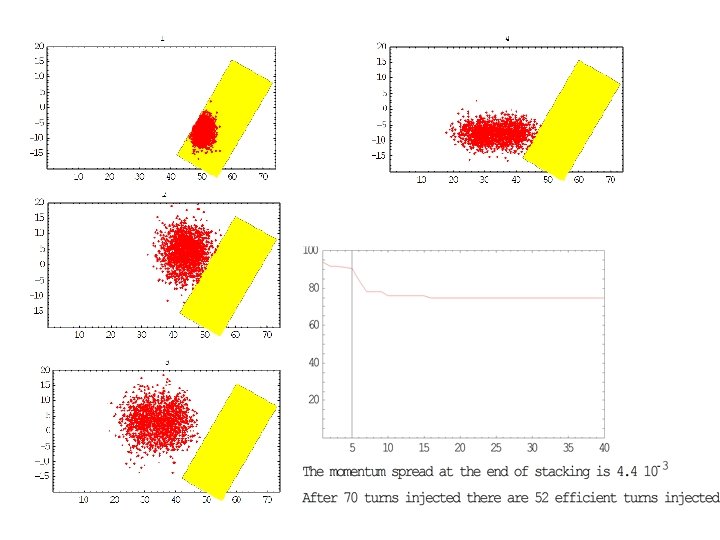
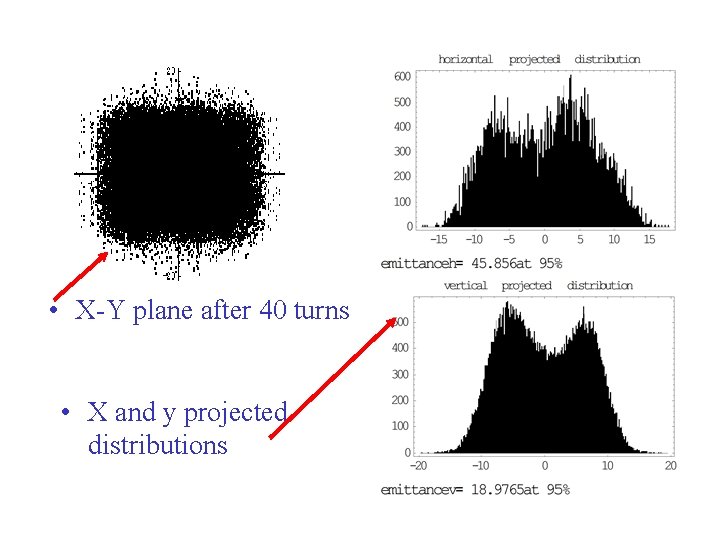
• X-Y plane after 40 turns • X and y projected distributions
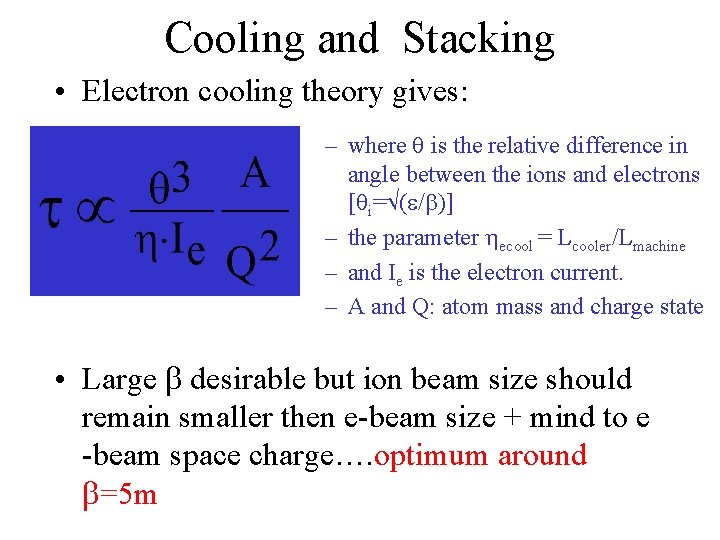
Cooling and Stacking • Electron cooling theory gives: – where q is the relative difference in angle between the ions and electrons [qi= ( / )] – the parameter hecool = Lcooler/Lmachine – and Ie is the electron current. – A and Q: atom mass and charge state • Large desirable but ion beam size should remain smaller then e-beam size + mind to e -beam space charge…. optimum around =5 m
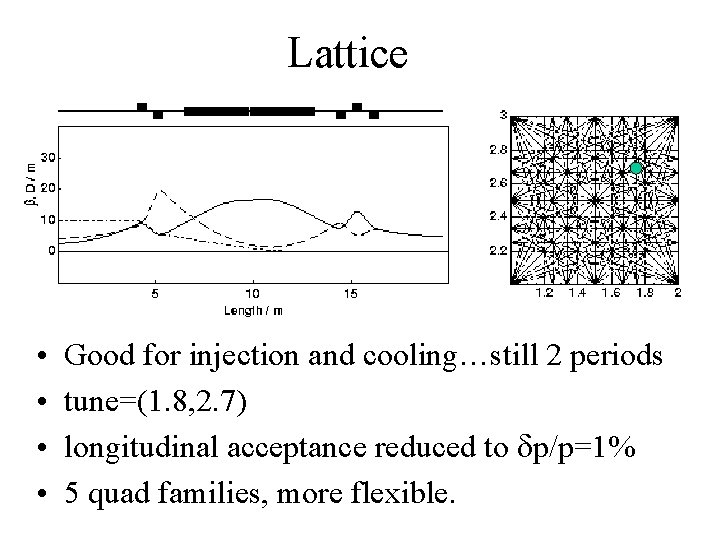
Lattice • • Good for injection and cooling…still 2 periods tune=(1. 8, 2. 7) longitudinal acceptance reduced to dp/p=1% 5 quad families, more flexible.
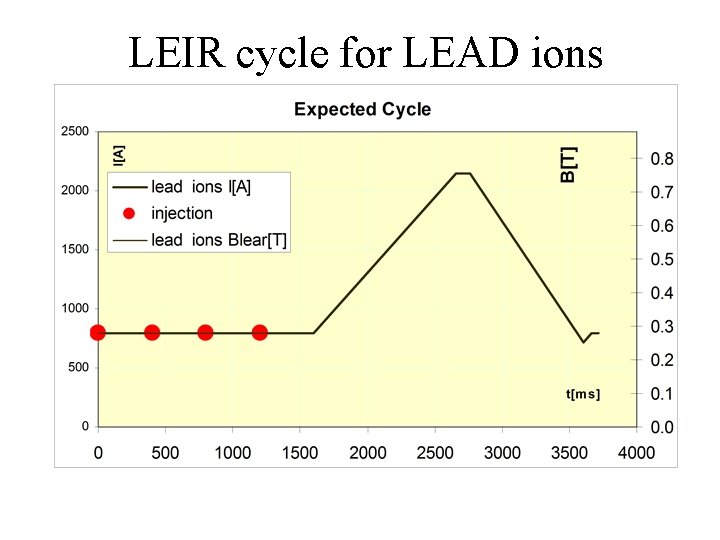
LEIR cycle for LEAD ions
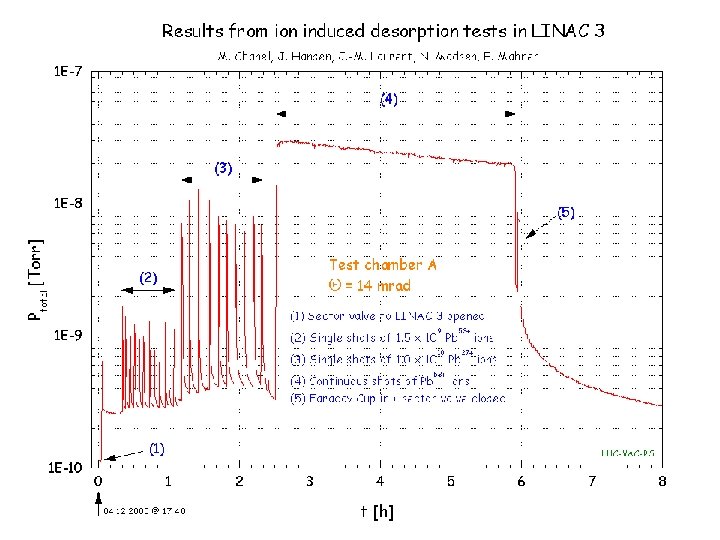
A word on vacuum • During the tests in 1997, the Lear vacuum was good (~5 E-12 T without beam) but the lost lead ions (e-ion recombination. . lead 54+ or res. gas charge exchange or. . ) degas the chamber walls. One lead ion releases ~105 molecules!!!! • At end of linac 3, tests of different vacuum chamber treatment are under way. • Hope outgassing can be reduced by appropriate treatment of the vacuum chamber(Argon glow discharge? ) • Already known: when ions are lost perpendicularly to walls, outgassing is decreased.
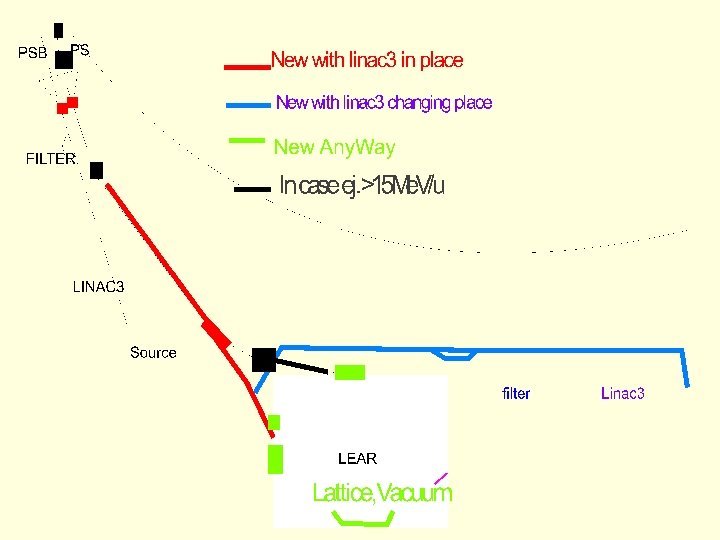
Linac 3 in South Hall or Not? ? • The proposition to move the Linac 3 was proposed: • to avoid the loop limited to Q/A<0. 25 • to avoid pulsing the E 2 line between injection-ejection and change some massive magnets. • What has changed? : – we have found scenarii where Q/A needed>0. 25 is possible whatever is the ion, – It could be advantageous for some light ions with a source intense enough to pass by the PSB(3 turns injection) and then reduce the filling time of the LHC, – the cost of moving the linac 3(all resources taken into account) is probably higher that the change of massive magnets. – Anyway there is the need of two external lines.
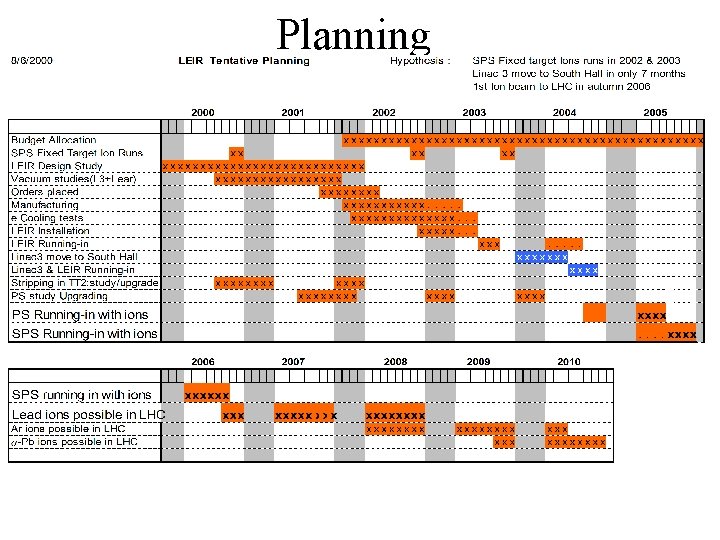
Planning
Summary • Accumulation schemes for different kind of ions are well advanced • Electron cooling of heavy ions is defined. • Space charge limits both in LEAR and PS together with cooling/filling time are the main limitations especially for light ions. Limits in SPS to be estimated. • Vacuum degradation due to losses is a challenge. • IBS and conservation of high beam density is another challenge. • Blow-up due to stripping improved in TT 2(2002? ). • Planning established. • All technical systems are being specified. Complete design report end of the year 2001.
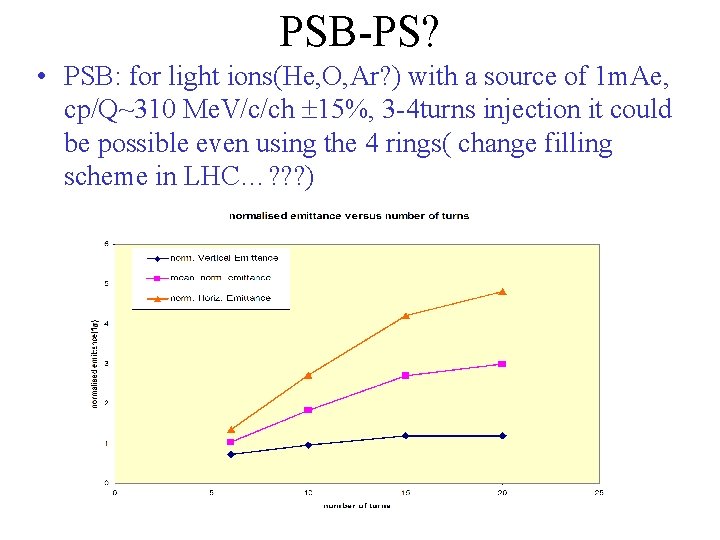
PSB-PS? • PSB: for light ions(He, O, Ar? ) with a source of 1 m. Ae, cp/Q~310 Me. V/c/ch 15%, 3 -4 turns injection it could be possible even using the 4 rings( change filling scheme in LHC…? ? ? )
- Slides: 21