
Legal Framework of Sentencing Professor Michael Cavadino Sentencing
- Slides: 50
Legal Framework of Sentencing Professor Michael Cavadino
Sentencing Have judges got softer on criminals?
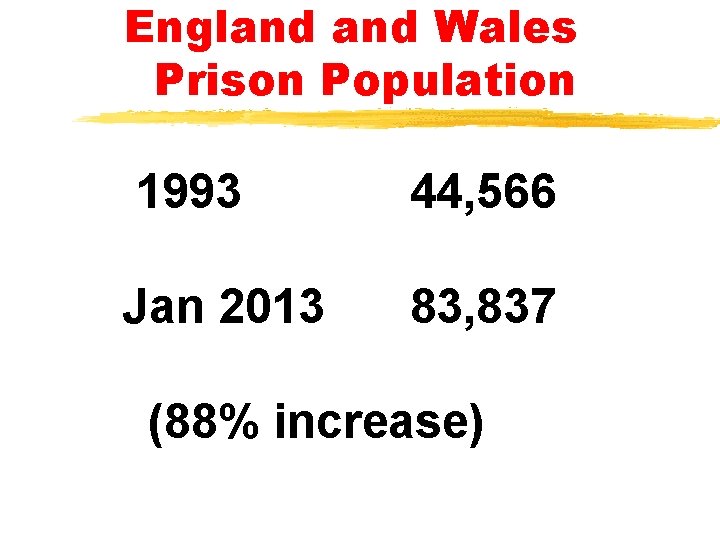
England Wales Prison Population 1993 44, 566 Jan 2013 83, 837 (88% increase)
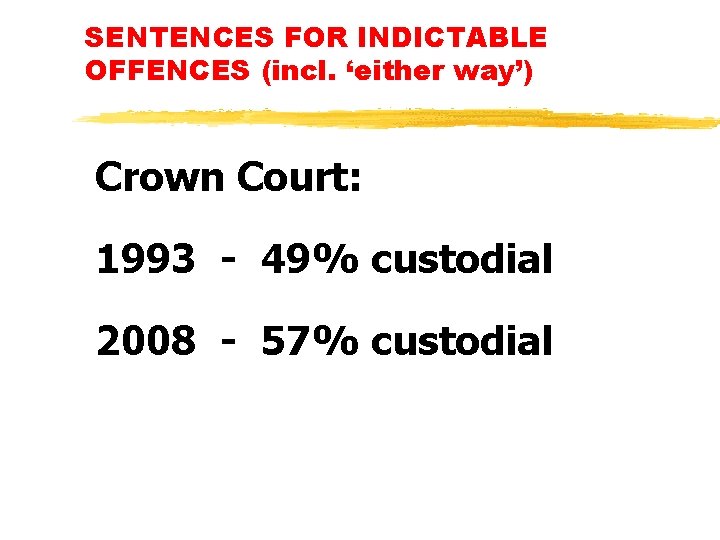
SENTENCES FOR INDICTABLE OFFENCES (incl. ‘either way’) Crown Court: 1993 - 49% custodial 2008 - 57% custodial
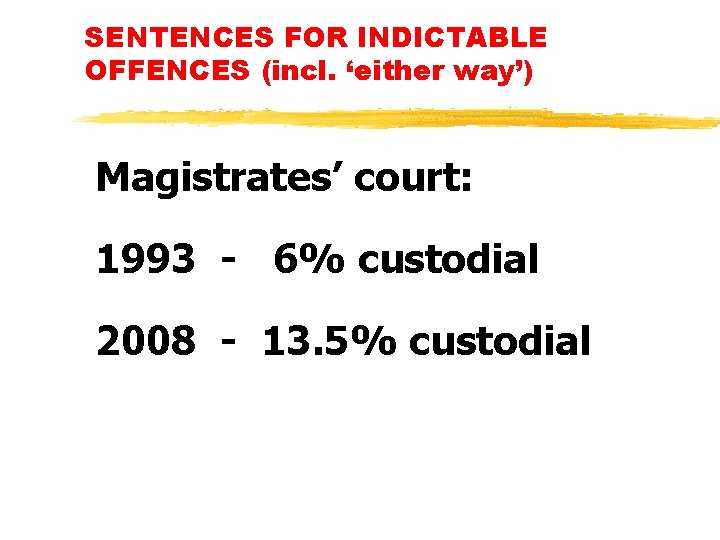
SENTENCES FOR INDICTABLE OFFENCES (incl. ‘either way’) Magistrates’ court: 1993 - 6% custodial 2008 - 13. 5% custodial
Carter Report 2003 Patrick Carter, Managing Offenders, Reducing Crime
Kenneth Clarke (Lord Chancellor and Justice Secretary 2010 -12) June 2010: “Why is the prison population twice what it was when I was Home Secretary [1993]? ”
English Criminal Courts (Sentencing) Legal Aid, Sentencing and Punishment of Offenders Act 2012
Sentencing Legislative Framework of Sentencing
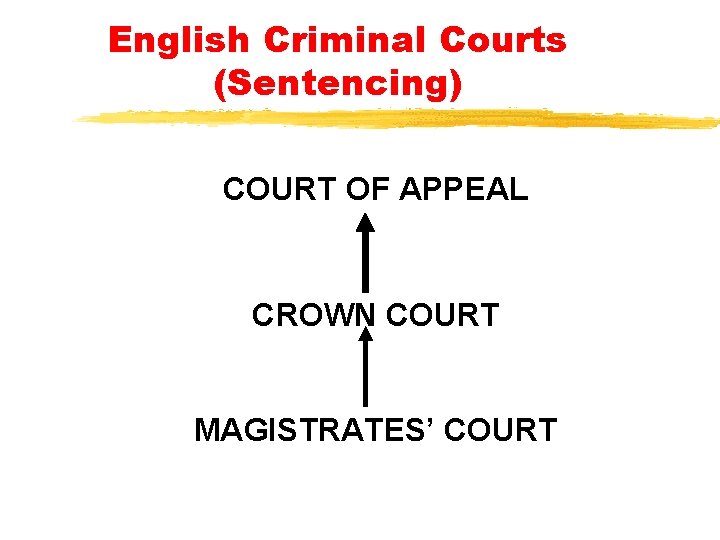
English Criminal Courts (Sentencing) COURT OF APPEAL CROWN COURT MAGISTRATES’ COURT
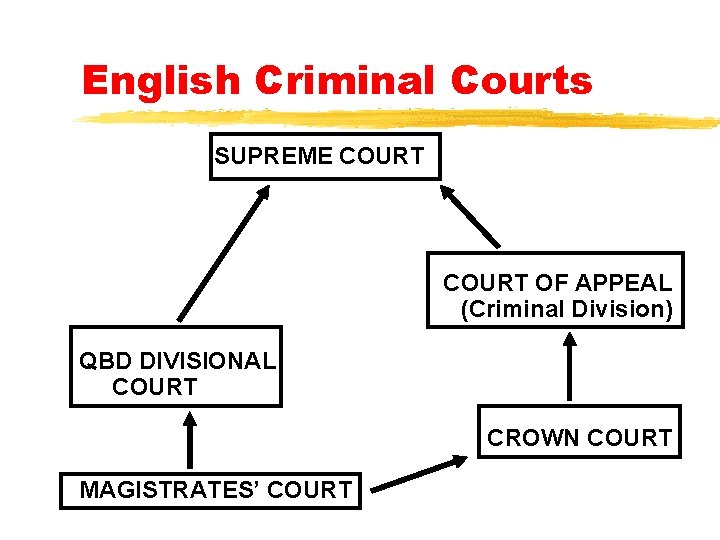
English Criminal Courts SUPREME COURT OF APPEAL (Criminal Division) QBD DIVISIONAL COURT CROWN COURT MAGISTRATES’ COURT
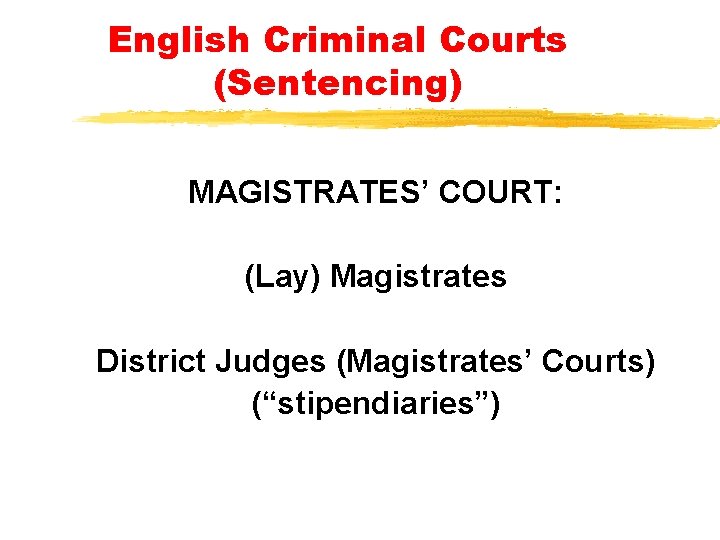
English Criminal Courts (Sentencing) MAGISTRATES’ COURT: (Lay) Magistrates District Judges (Magistrates’ Courts) (“stipendiaries”)
English Criminal Courts (Sentencing) MAGISTRATES’ COURT: Summary and ‘triable either way’ offences Max. 6 months imprisonment/ £ 5, 000 fine
English Criminal Courts (Sentencing) CROWN COURT: High Court judges Circuit judges Recorders
English Criminal Courts (Sentencing) CROWN COURT: Indictable and ‘triable either way’ offences Max. life imprisonment/ unlimited fine
Sentencing ‘Doctrine of judicial independence’
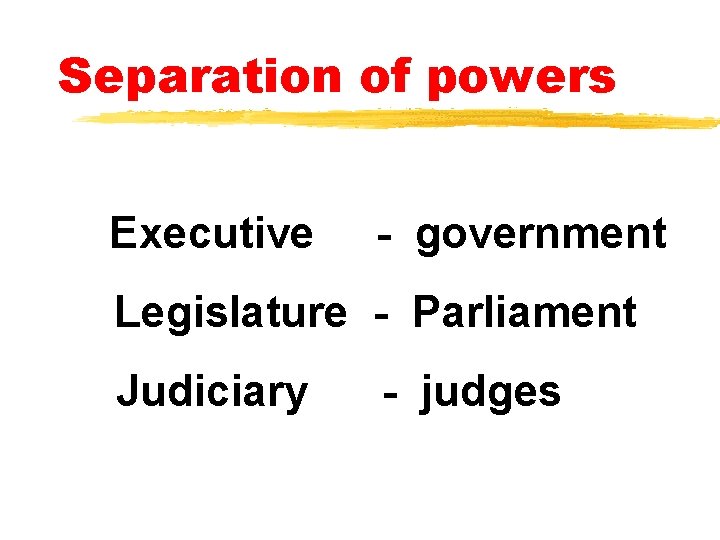
Separation of powers Executive - government Legislature - Parliament Judiciary - judges
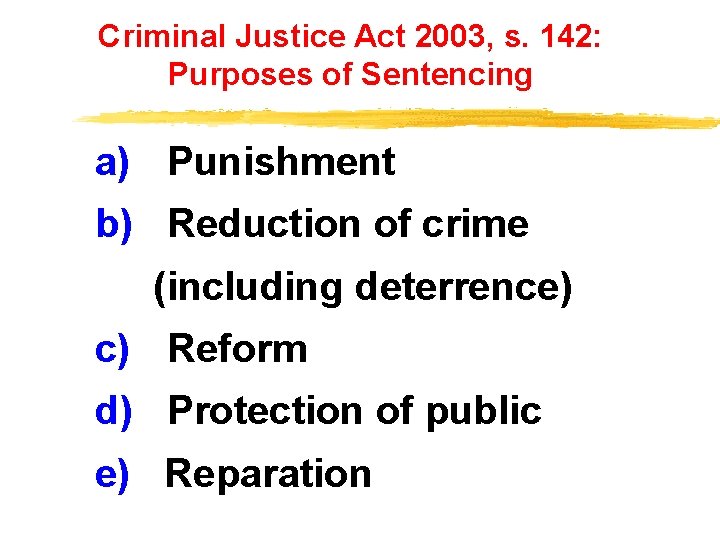
Criminal Justice Act 2003, s. 142: Purposes of Sentencing a) Punishment b) Reduction of crime (including deterrence) c) Reform d) Protection of public e) Reparation
CONTROLS AND LIMITS ON SENTENCING DISCRETION ‘Confinement’ of discretion by rules
CONFINEMENT OF SENTENCING DISCRETION § Maximum sentences § Mandatory and minimum sentences
CONFINEMENT OF SENTENCING DISCRETION ‘Semi-mandatory sentences’
‘THREE STRIKES AND YOU’RE OUT’ Powers of Criminal Courts (Sentencing) Act 2000, s. 110: Minimum 7 years for 3 rd Class A drug trafficking offence
‘THREE STRIKES AND YOU’RE OUT’ Powers of Criminal Courts (Sentencing) Act 2000, s. 111: Minimum 3 years for 3 rd domestic burglary
MANDATORY AND MINIMUM SENTENCES Criminal Justice Act 2003, s. 287: Minimum 5 years for unlawful possession of firearm
MANDATORY AND MINIMUM SENTENCES Legal Aid, Sentencing and Punishment of Offenders Act 2012, s. 142: Minimum 6 months for threatening with weapon
MANDATORY AND MINIMUM SENTENCES Legal Aid, Sentencing and Punishment of Offenders Act 2012, s. 122: Mandatory ‘two strikes’ life imprisonment
CONFINEMENT OF SENTENCING DISCRETION A presumption against short prison sentences?
CONTROLS AND LIMITS ON SENTENCING DISCRETION ‘Checking’ of discretion by appeals
CONTROLS AND LIMITS ON SENTENCING DISCRETION ‘Structuring’ of discretion by guidance
CONTROLS AND LIMITS ON SENTENCING DISCRETION Principles of Sentencing
SENTENCING PRINCIPLES Principle of Last Resort
SENTENCING PRINCIPLES Principle of Last Resort - Criminal Justice Act 2003, s. 152(2): custody only if neither fine nor community order can be justified
SENTENCING PRINCIPLES Principle of Proportionality
SENTENCING PRINCIPLES Principle of Proportionality – Criminal Justice Act 2003, s. 153(2): prison term to be the ‘shortest. . . commensurate with the seriousness of the offence’
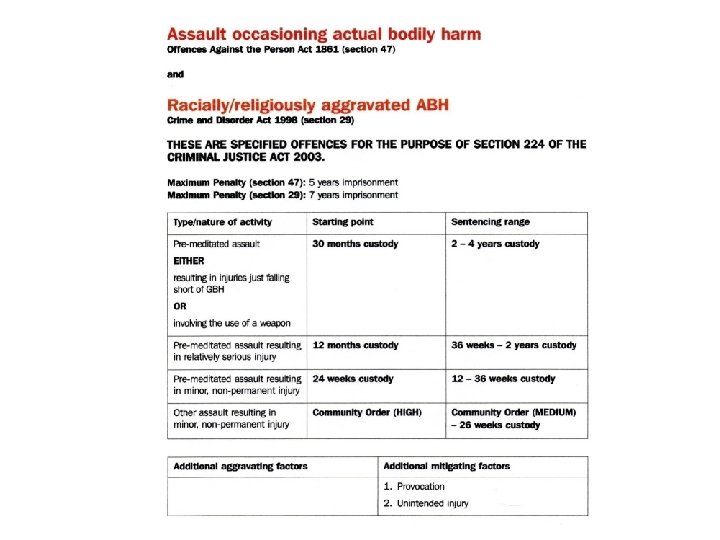
CONTROLS AND LIMITS ON SENTENCING DISCRETION ‘Structuring’ of discretion by guidance: SENTENCING GUIDELINES
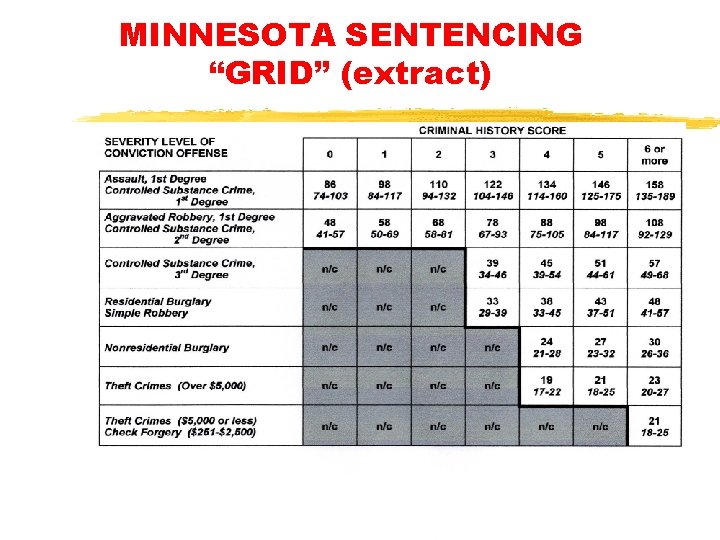
MINNESOTA SENTENCING “GRID” (extract)
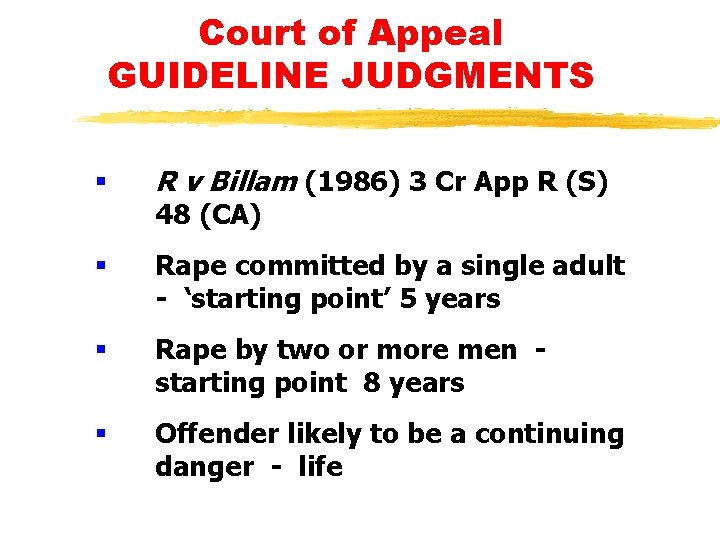
Court of Appeal GUIDELINE JUDGMENTS § R v Billam (1986) 3 Cr App R (S) § Rape committed by a single adult - ‘starting point’ 5 years § Rape by two or more men starting point 8 years § Offender likely to be a continuing danger - life 48 (CA)
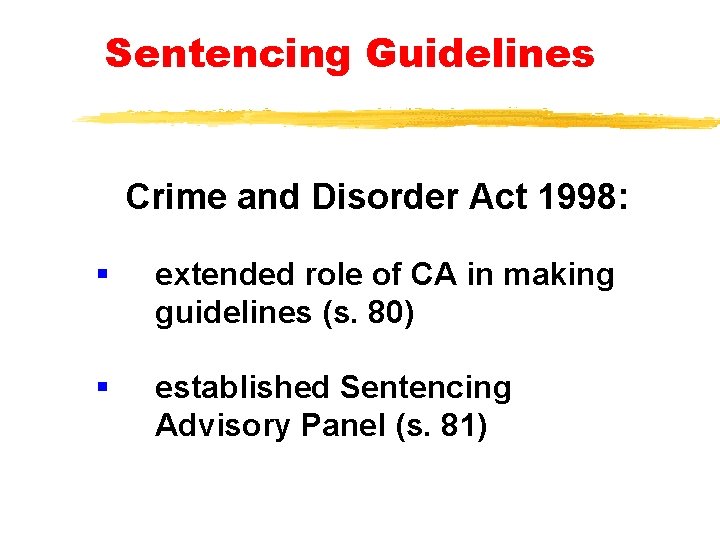
Sentencing Guidelines Crime and Disorder Act 1998: § extended role of CA in making guidelines (s. 80) § established Sentencing Advisory Panel (s. 81)
Sentencing Guidelines John Halliday Making Punishments Work (2001) (Review of the Sentencing Framework)
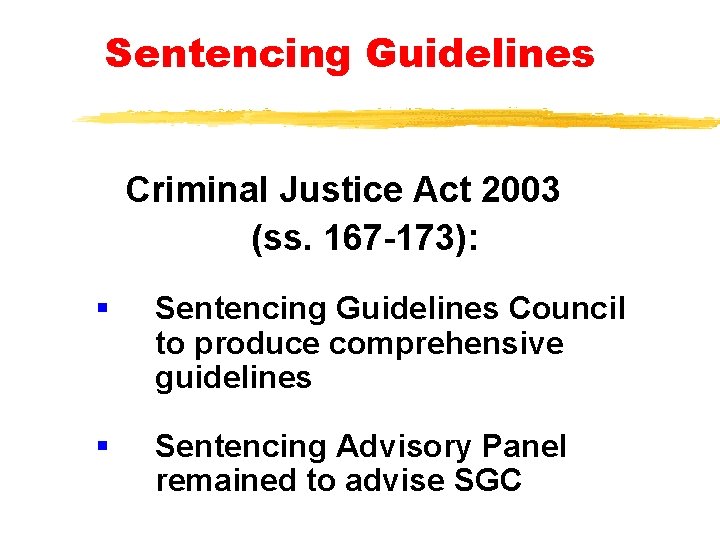
Sentencing Guidelines Criminal Justice Act 2003 (ss. 167 -173): § Sentencing Guidelines Council to produce comprehensive guidelines § Sentencing Advisory Panel remained to advise SGC
Sentencing Guidelines Council chaired by Lord Chief Justice 11 members (7 judges) Advised by Sentencing Advisory Panel
A SENTENCING COMMISSION? CARTER REPORT (2007) Securing the Future: : Proposals for the Efficient and Sustainable Use of Custody in England Wales
SENTENCING COMMISSION WORKING GROUP REPORT (‘Gage Report’, July 2008) Sentencing Guidelines in England Wales: An Evolutionary Approach
SENTENCING COMMISSION WORKING GROUP REPORT § § No sentencing ‘grid’ No Sentencing ‘Commission’ ‘Enhanced’ Council (combining SGC & SAP) No duty to have regard to prison resources
CORONERS AND JUSTICE ACT 2009 Sentencing Council replaces SGC and SAP (April 2010)
CORONERS AND JUSTICE ACT 2009 Sentencing Council replaces SGC and SAP (April 2010) 14 members, 8 judges chaired by Lord Justice Leveson
Sentencing Council must ‘have regard to’: § § § sentences imposed by courts; need to promote consistency in sentencing; impact of sentencing on victims; need to promote public confidence; cost and effectiveness of different sentences.
CORONERS AND JUSTICE ACT 2009 ‘Tramline sentencing’? Guidelines to provide starting points and sentence ranges for different levels of seriousness
CORONERS AND JUSTICE ACT 2009 ‘Tramline sentencing’? Courts required to follow guidelines unless ‘contrary to the interests of justice’ (s. 125)