
Legal and Ethical Issues in Computer Science Information
- Slides: 84
Legal and Ethical Issues in Computer Science, Information Technology, and Software Engineering
• As computer scientists and professional software engineers, you will inevitably be faced with making difficult decisions • re-use of source code • re-use of copyrighted material (images. . . ) • enforcing strength of passwords • knowledge of a flaw or bug in software about to be released • design of a software feature that is potentially dangerous • discovery of a security flaw that could be used to extract users' personal info • should a database be encrypted? what level of security is appropriate? 2
• Sometimes there are clear-cut laws that tell us what is legal • computer scientists must understand laws related to software engineering • Other situations might fall into gray areas (with pros and cons) and you have to make a choice • Thus we need to also understand what is ethical 3
Ethical Frameworks (these will be covered in more detail in ENGR 482 - Engineering Ethics) • Moral Principles as a framework • the reason we make a choice matters (see philosophers like Kant. . . ) • most people have an intrinsic sense of what is the "right" thing to do • is breaking a law ever ethical? • even if you won't get caught? even if you can justify it? even if there is a benefit to others? • Utilitarian framework • cost analysis based on risks, costs, and probabilities of outcomes (popular with engineers) • includes consideration of legal violations (through liability, cost of fines, risk of jail) • historically, many horrible decisions have been justified based on cost analysis • example: illegally producing a generic version of a drug to treat diseases in a thirdworld country, if a pharmaceutical company that owns the patent charges an exhorbitant amount for it 4
Ethical Frameworks • Framework of Individual Rights (or Respect for Persons) • can't put a price on life • people are entitled to certain rights: right to dignity, right to freedom, property rights • one's actions should not trample the rights of others • Golden Rule • treat others as you want to be treated • example: documenting known bugs or important assumptions in your code • example: downloading. mp 3's for free on Bit. Torrent because you don't want to pay 99¢ for it on i. Tunes 5
Topics we are going to cover in these lectures: 1. Intellectual Property 2. Software Quality 3. Privacy and Security We are going to address both legal and ethical aspects of these topics. 6
Intellectual Property 7
What is Intellectual Property? Intellectual property “is imagination made real. It is the ownership of dream, an idea, an improvement, an emotion that we can touch, see, hear, and feel. It is an asset just like your home, your car, or your bank account. “ USPTO Intellectual Property 8
Intellectual Property • types: patents, copyrights, trademarks, trade secrets • patents typically focuses on methods to do or make something (utility patents), or look-and-feel (design patents) • copyrights focus on expressions or implementations (books, songs, source code) 9
Reissue Patent • examples (some questionable): • everything inside your cell phone. . . • Windows look-and-feel (challenged by Apple in 1980’s) • spreadsheet (Visicalc, Lotus 1 -2 -3, Excel) • i. Pad design • scroll-bounce • Amazon One-click check-out • point-of-sale device 10
Intellectual Property • IP is important to engineers and their companies • provides protection of investment (by charging license fees) • patent/copyright infringement can be costly • recent example: Apple infringed on use of power efficiency method in A 7/A 8 processors in i. Phone 5 and 6 models developed at University of Wisconsin, who was awarded $862 M in damages • accidental - submarine patents, patent trolls • ignorance is no excuse • IP is an "asset" • patents have value and can be "traded" between companies • IBM, Qualcomm, Motorola, Apple. . . 11
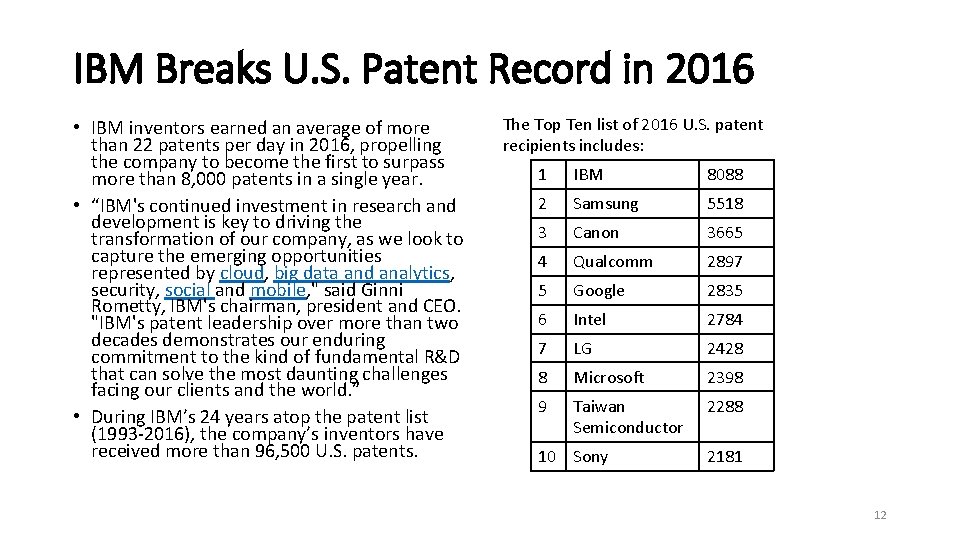
IBM Breaks U. S. Patent Record in 2016 • IBM inventors earned an average of more than 22 patents per day in 2016, propelling the company to become the first to surpass more than 8, 000 patents in a single year. • “IBM's continued investment in research and development is key to driving the transformation of our company, as we look to capture the emerging opportunities represented by cloud, big data and analytics, security, social and mobile, " said Ginni Rometty, IBM's chairman, president and CEO. "IBM's patent leadership over more than two decades demonstrates our enduring commitment to the kind of fundamental R&D that can solve the most daunting challenges facing our clients and the world. ” • During IBM’s 24 years atop the patent list (1993 -2016), the company’s inventors have received more than 96, 500 U. S. patents. The Top Ten list of 2016 U. S. patent recipients includes: 1 IBM 8088 2 Samsung 5518 3 Canon 3665 4 Qualcomm 2897 5 Google 2835 6 Intel 2784 7 LG 2428 8 Microsoft 2398 9 Taiwan Semiconductor 2288 10 Sony 2181 12
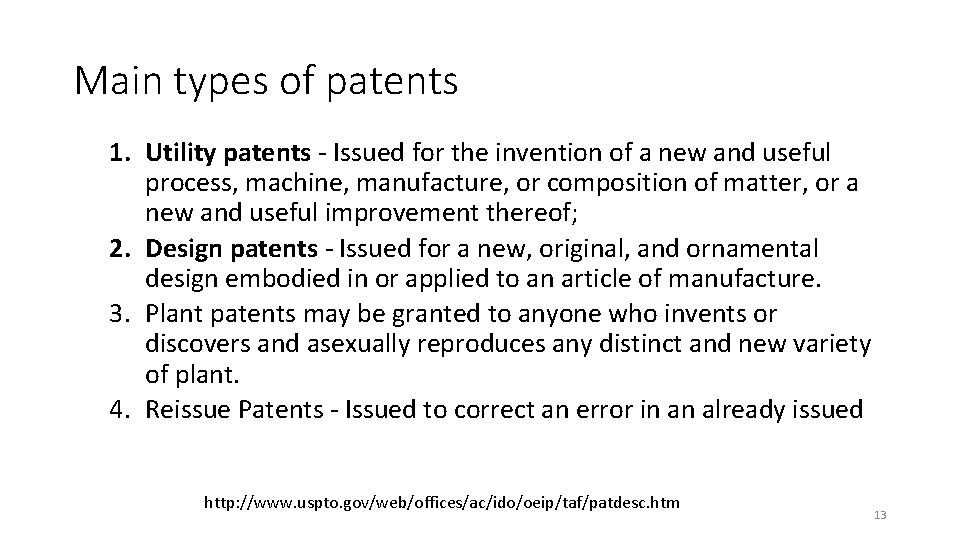
Main types of patents 1. Utility patents - Issued for the invention of a new and useful process, machine, manufacture, or composition of matter, or a new and useful improvement thereof; 2. Design patents - Issued for a new, original, and ornamental design embodied in or applied to an article of manufacture. 3. Plant patents may be granted to anyone who invents or discovers and asexually reproduces any distinct and new variety of plant. 4. Reissue Patents - Issued to correct an error in an already issued http: //www. uspto. gov/web/offices/ac/ido/oeip/taf/patdesc. htm 13
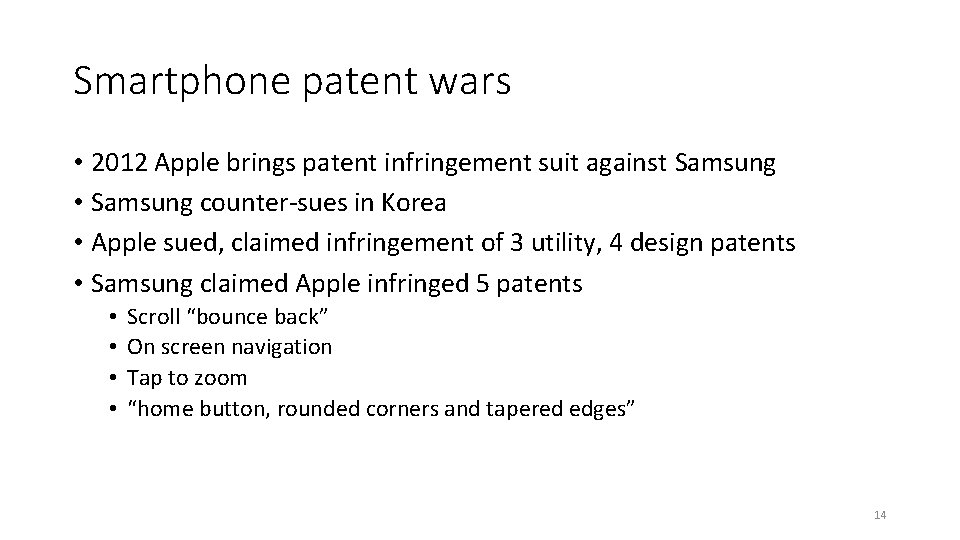
Smartphone patent wars • 2012 Apple brings patent infringement suit against Samsung • Samsung counter-sues in Korea • Apple sued, claimed infringement of 3 utility, 4 design patents • Samsung claimed Apple infringed 5 patents • • Scroll “bounce back” On screen navigation Tap to zoom “home button, rounded corners and tapered edges” 14
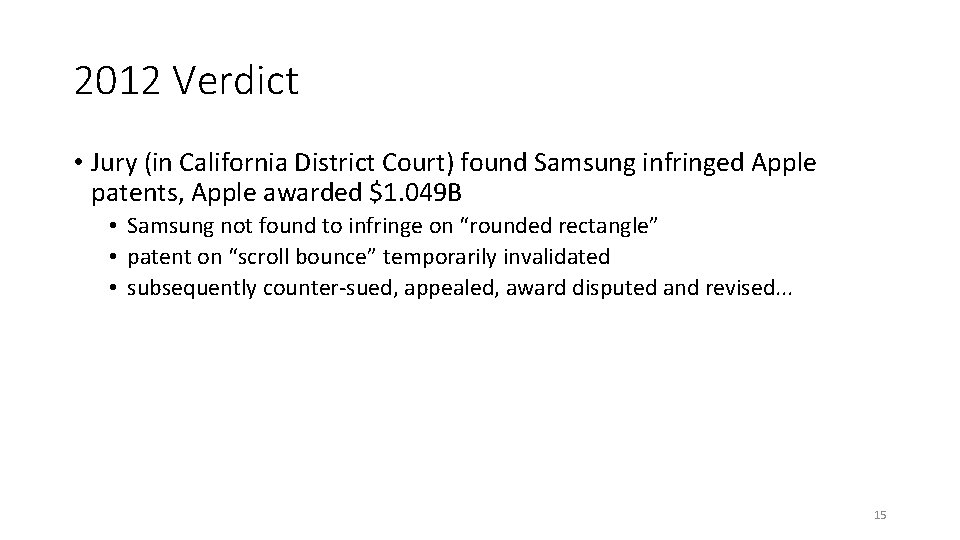
2012 Verdict • Jury (in California District Court) found Samsung infringed Apple patents, Apple awarded $1. 049 B • Samsung not found to infringe on “rounded rectangle” • patent on “scroll bounce” temporarily invalidated • subsequently counter-sued, appealed, award disputed and revised. . . 15
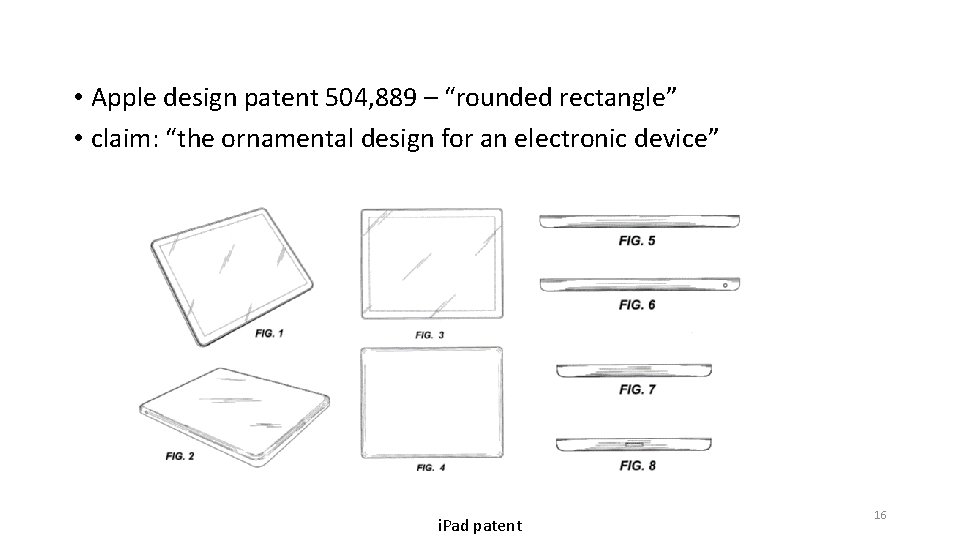
• Apple design patent 504, 889 – “rounded rectangle” • claim: “the ornamental design for an electronic device” i. Pad patent 16
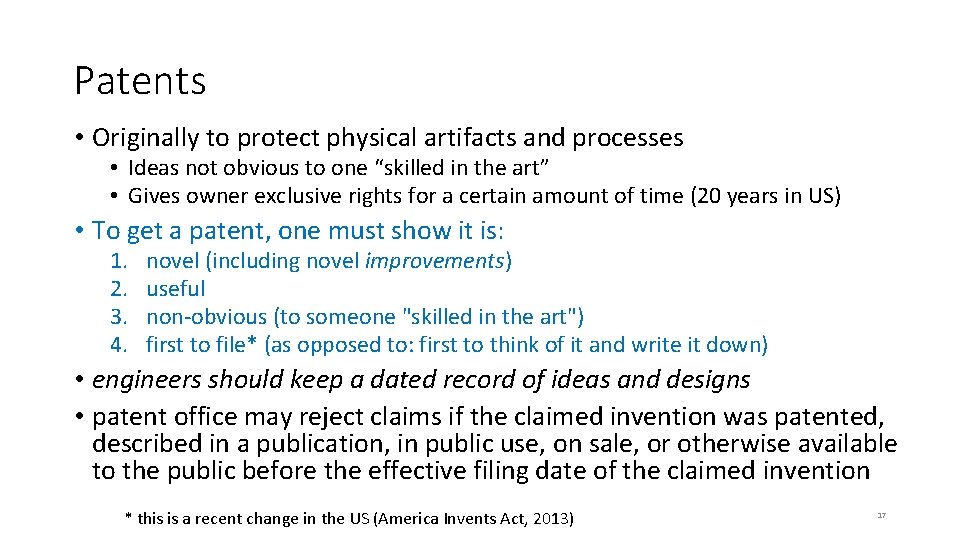
Patents • Originally to protect physical artifacts and processes • Ideas not obvious to one “skilled in the art” • Gives owner exclusive rights for a certain amount of time (20 years in US) • To get a patent, one must show it is: 1. 2. 3. 4. novel (including novel improvements) useful non-obvious (to someone "skilled in the art") first to file* (as opposed to: first to think of it and write it down) • engineers should keep a dated record of ideas and designs • patent office may reject claims if the claimed invention was patented, described in a publication, in public use, on sale, or otherwise available to the public before the effective filing date of the claimed invention * this is a recent change in the US (America Invents Act, 2013) 17
Why do we have Patents? • (hint: not "to make money") 19
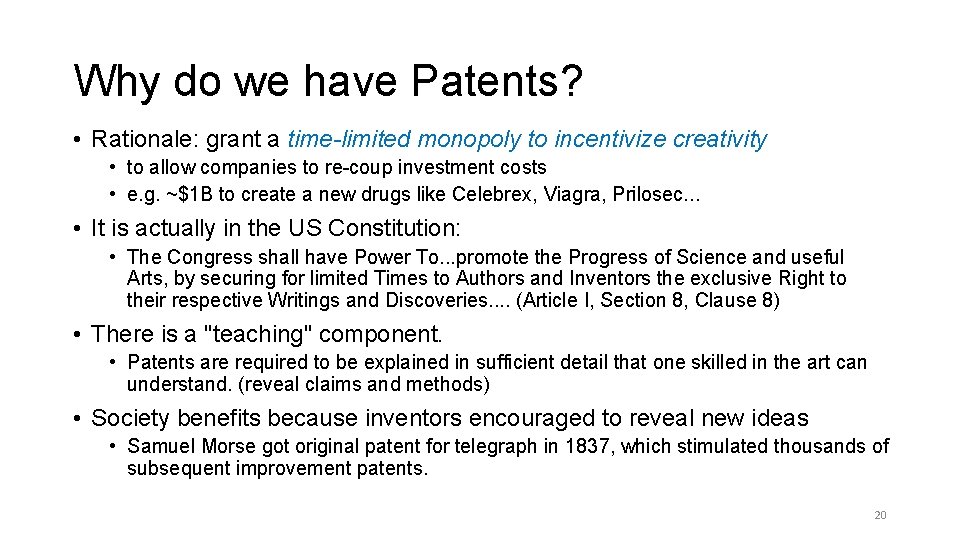
Why do we have Patents? • Rationale: grant a time-limited monopoly to incentivize creativity • to allow companies to re-coup investment costs • e. g. ~$1 B to create a new drugs like Celebrex, Viagra, Prilosec. . . • It is actually in the US Constitution: • The Congress shall have Power To. . . promote the Progress of Science and useful Arts, by securing for limited Times to Authors and Inventors the exclusive Right to their respective Writings and Discoveries. . (Article I, Section 8, Clause 8) • There is a "teaching" component. • Patents are required to be explained in sufficient detail that one skilled in the art can understand. (reveal claims and methods) • Society benefits because inventors encouraged to reveal new ideas • Samuel Morse got original patent for telegraph in 1837, which stimulated thousands of subsequent improvement patents. 20
• patents cannot be used to prevent somebody from doing something, just set a license fee • Standards-essential patents (like 802. 11 b or 3 G/CDMA) • FRAND - fair, reasonable, and non-discriminatory terms 21
• Protection Lifetimes for Patents • Give rights to inventions for up to 20 years for utility patents • 14 years for design patents • must be maintained by paying a maintenance fee to USPTO every 3 years • a patent must be defended; if you don't seek to enforce it, you could lose the option to do so • There is no international patent law • patents must be filed separately in each country • However, here is a treaty relating to patents adhered to by 176 countries that provides that each country guarantees to the citizens of the other countries the same rights in patent and trademark matters that it gives to its own citizens. Intellectual Property 22
Copyrights • Protect original works of authorship, that have been tangibly expressed • examples: writings, music, works of art, software. . . • Life of author plus 70 years (as of 1998), and 120 years after creation for corporate authorship Intellectual Property 23
The copyright example everybody knows. . . • Happy Birthday To You • published in 1935 by Jessica Hill • ownership transferred several times, held by Time Warner • was making ~$2 M/year in royalties • must pay for use in movies and restaurants • copyright finally overturned in 2016 • now in public domain 24
Copyright • What is protected: Original works of authorship including books, songs, etc. and computer software • Does not protect ideas behind work of authorship • In the US, Copyright exists from moment the work is created; registration is voluntary • Label your work with a copyright notice: Copyright 2014, John Doe • not required , but recommended because it can help you in infringement cases • You should register if you wish to bring a lawsuit for infringement of a U. S. work 25
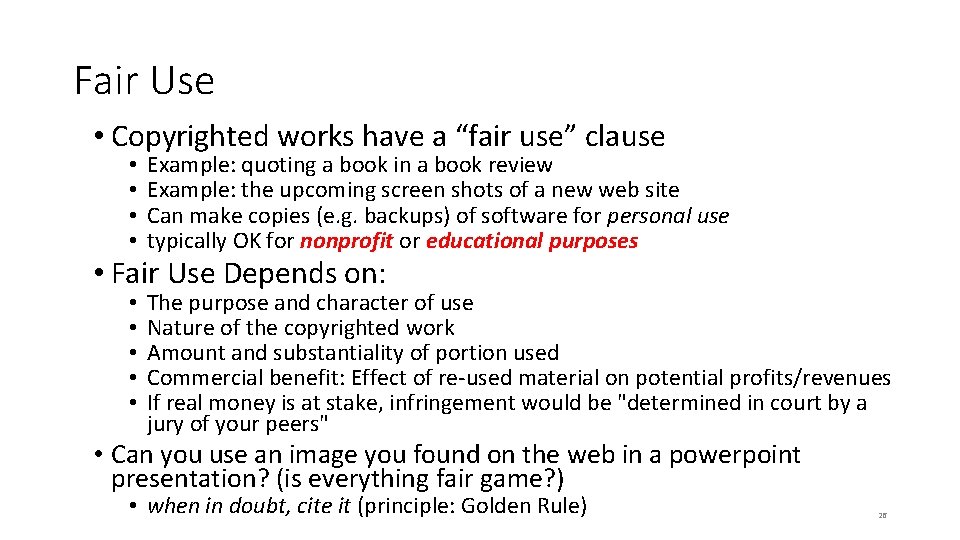
Fair Use • Copyrighted works have a “fair use” clause • • Example: quoting a book in a book review Example: the upcoming screen shots of a new web site Can make copies (e. g. backups) of software for personal use typically OK for nonprofit or educational purposes • • • The purpose and character of use Nature of the copyrighted work Amount and substantiality of portion used Commercial benefit: Effect of re-used material on potential profits/revenues If real money is at stake, infringement would be "determined in court by a jury of your peers" • Fair Use Depends on: • Can you use an image you found on the web in a powerpoint presentation? (is everything fair game? ) • when in doubt, cite it (principle: Golden Rule) 26
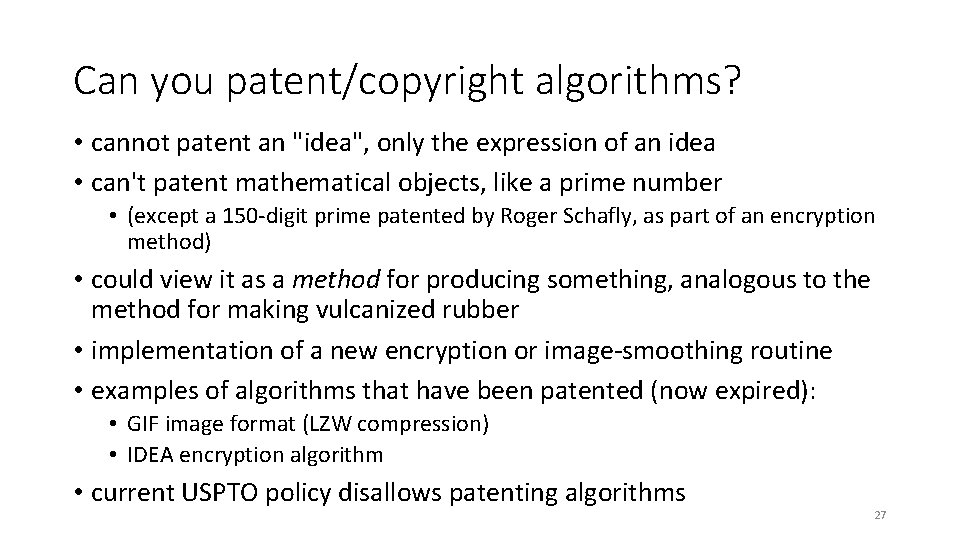
Can you patent/copyright algorithms? • cannot patent an "idea", only the expression of an idea • can't patent mathematical objects, like a prime number • (except a 150 -digit prime patented by Roger Schafly, as part of an encryption method) • could view it as a method for producing something, analogous to the method for making vulcanized rubber • implementation of a new encryption or image-smoothing routine • examples of algorithms that have been patented (now expired): • GIF image format (LZW compression) • IDEA encryption algorithm • current USPTO policy disallows patenting algorithms 27
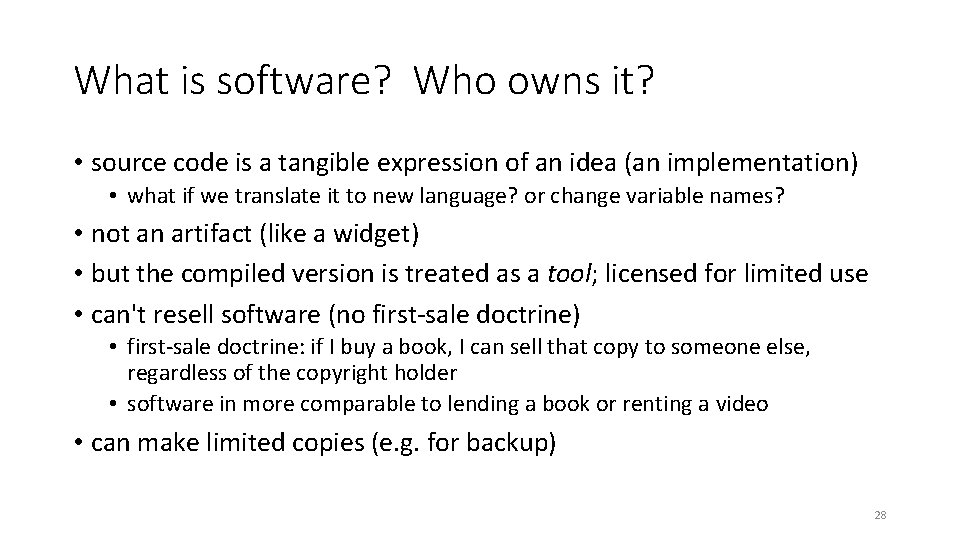
What is software? Who owns it? • source code is a tangible expression of an idea (an implementation) • what if we translate it to new language? or change variable names? • not an artifact (like a widget) • but the compiled version is treated as a tool; licensed for limited use • can't resell software (no first-sale doctrine) • first-sale doctrine: if I buy a book, I can sell that copy to someone else, regardless of the copyright holder • software in more comparable to lending a book or renting a video • can make limited copies (e. g. for backup) 28
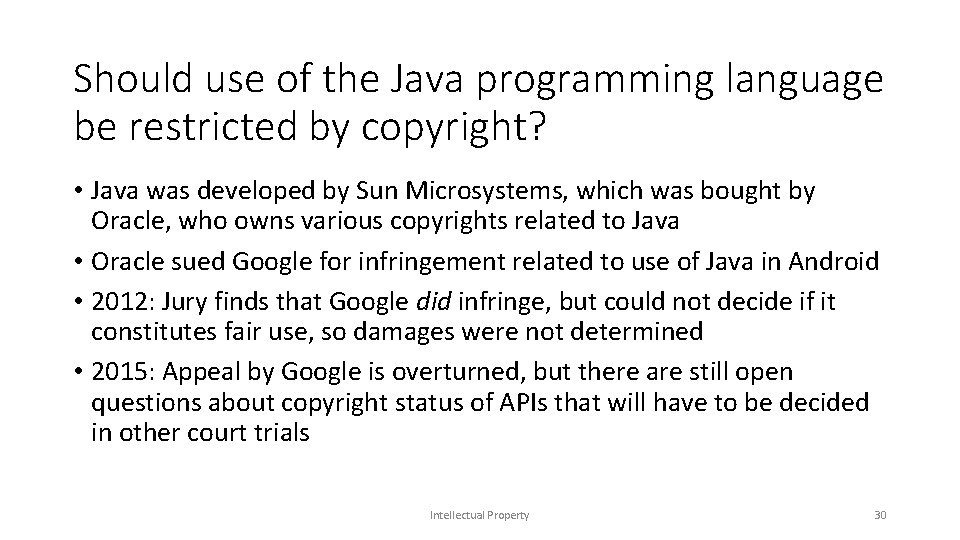
Should use of the Java programming language be restricted by copyright? • Java was developed by Sun Microsystems, which was bought by Oracle, who owns various copyrights related to Java • Oracle sued Google for infringement related to use of Java in Android • 2012: Jury finds that Google did infringe, but could not decide if it constitutes fair use, so damages were not determined • 2015: Appeal by Google is overturned, but there are still open questions about copyright status of APIs that will have to be decided in other court trials Intellectual Property 30
Types of software licenses • • Proprietary (e. g. Microsoft Windows; what you get is a EULA) Shareware Berkeley (BSD), MIT license, Apache license, . . . GPL - GNU Public License • Grants unlimited freedom to use, study, and privately modify the software, and the freedom to redistribute the software or any modifications to it. • Open. Source • anybody may re-use code, even for commercial purposes • owner still retains the copyright • Creative Commons - modern, flexible licenses designed for sharing • Public Domain 31
GNU Public License (GPL) - more details GPL examples: Linux gcc (Gnu C compiler) emacs ghostscript gzip Qt GUI toolkit Word. Press • Grants unlimited freedom to use, study, and privately modify the software, and the freedom to redistribute the software or any modifications to it. • Can use GPL software for any purpose, including commercial • Requirements: 1. Must make all modifications to source code (derivative works) publicly available 2. If any part of a system is GPL (e. g. a statically-linked library), then the whole system must inherit these license terms (thus GPL-licensed code "propagates") • This is more restrictive than Open. Source • Practical implications: should probably avoid using GPL code in a commercial product • (effectively discourages people from making money off of your ideas) 32
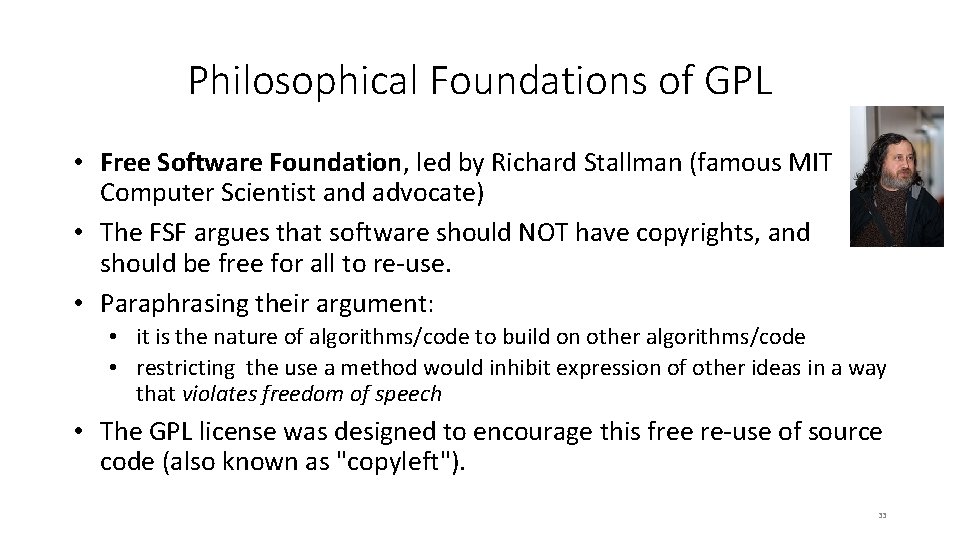
Philosophical Foundations of GPL • Free Software Foundation, led by Richard Stallman (famous MIT Computer Scientist and advocate) • The FSF argues that software should NOT have copyrights, and should be free for all to re-use. • Paraphrasing their argument: • it is the nature of algorithms/code to build on other algorithms/code • restricting the use a method would inhibit expression of other ideas in a way that violates freedom of speech • The GPL license was designed to encourage this free re-use of source code (also known as "copyleft"). 33
Software Quality 34
• What if there is a defect (bug) in a piece of software? • software is not quite like other tangible products (like a car) • what can consumers do? • what are developers responsible for? • Almost all software has bugs • this is why software licenses have a Disclaimer of Warranty and Limitation of Liability • Software is usually required to satisfy "fitness for purpose" • UTICA - Uniform Computer Information Transactions Act • attempts to extend UCC (Uniform Commercial Code, US) to apply to warranties on software performance • so far, only passed in Virginia and Maryland • software does not have to be defect-free, just perform correctly under reasonable usage 35
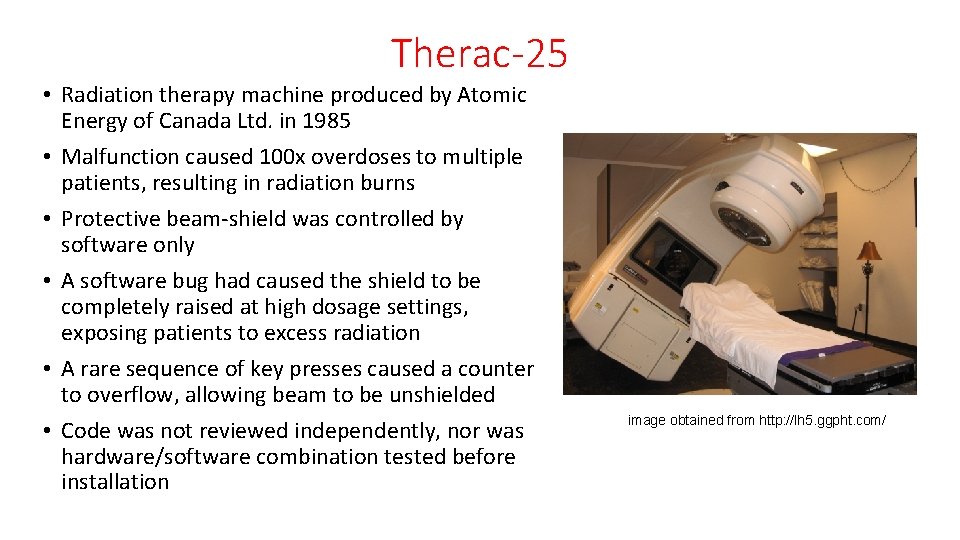
Therac-25 • Radiation therapy machine produced by Atomic Energy of Canada Ltd. in 1985 • Malfunction caused 100 x overdoses to multiple patients, resulting in radiation burns • Protective beam-shield was controlled by software only • A software bug had caused the shield to be completely raised at high dosage settings, exposing patients to excess radiation • A rare sequence of key presses caused a counter to overflow, allowing beam to be unshielded • Code was not reviewed independently, nor was hardware/software combination tested before installation image obtained from http: //lh 5. ggpht. com/
What are our responsibilities as software engineers? • all software has bugs (or at least some unintended effects in unanticipated circumstances) • what matters is process, follow standards of practice • good software engineering practices: test cases (e. g. regression testing) documentation, including assumptions and dependencies modular code design code reviews analysis tools (look for uninitialized variables, redundant code, software complexity metrics. . . ) • formal verification (proving invariants in a circuit or routine with tools like Spin, Nu. SMV, Mini. Sat, CBMC) • user studies • beta tests • • • 38
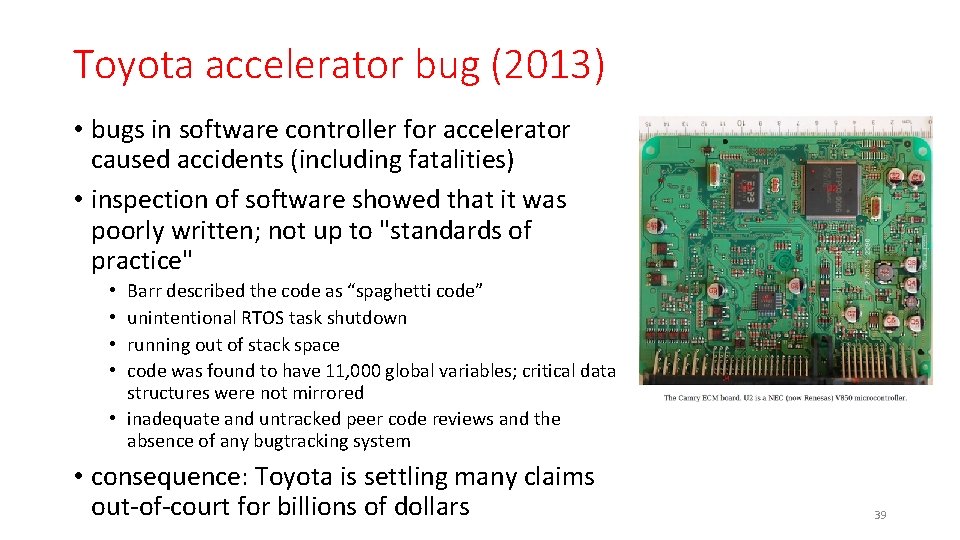
Toyota accelerator bug (2013) • bugs in software controller for accelerator caused accidents (including fatalities) • inspection of software showed that it was poorly written; not up to "standards of practice" Barr described the code as “spaghetti code” unintentional RTOS task shutdown running out of stack space code was found to have 11, 000 global variables; critical data structures were not mirrored • inadequate and untracked peer code reviews and the absence of any bugtracking system • • • consequence: Toyota is settling many claims out-of-court for billions of dollars 39
• What are some reasons you can imagine the Toyota team might have given for turning out such bad code? 40
• What are some reasons you can imagine the Toyota team might have given for turning out such bad code? • Possible reasons for lapses of ethical decision-making in software engineering: laziness, greed pressure from boss arrogance (my code can't have bugs!) schedule pressures (e. g. forced prioritization of what needs to get fixed by release deadline, vs. what won't ) • group-think • the Problem of Many Hands • • 41
• The amount of effort spent on debugging is always a tradeoff • balance with risks: cost, liability, loss of data, reputation, potential for harm/injury • you will have to make a choice about how much effort to invest in debugging • when is it worthwhile to spend more time debugging/testing, at the risk of delaying release of a product? • Ethical decision making requires reasoning about the magnitude and impact of software defects. • minor flaw versus critical bug? (i. e. cost analysis, though a utilitarian framework is not the only way to make decisions) • performance issue? potential for loss of data? injury with use? loss of life? or is it just an aesthetic flaw? • could inform users of known bug in documentation, and release a patch or revision later 42
What about plugins? • Much development of modern software involves using components or libraries or modules. • Must take responsibility for quality, or decide whether to re-implement from scratch. (faster, but is it worth the risk of bugs? ) 43
What about plugins? • Example: Heartbleed bug • bug in Open. SSL, an Open. Source implementation of cryptographic algorithms used by many browsers and other programs • caused security flaw that could be used to steal credit-card info, etc. • due to inadequate bounds-checking of a memory buffer 44
Beyond bugs. . . • What if a new aviation autopilot control panel is confusing or hard to understand? • There are real case studies of such accidents • 1994 crash of Airbus 300 in Nagoya, Japan • Who is responsible if it leads to a crash? • coders? designers? • or should pilots be better trained? • Design for such systems should consider human factors, perception, and cognition • Technology often needs to be viewed as a system with humans (users) 45
Much of this is codified in the ACM Code of Ethics • Defines responsibilities and obligations of professionals in this field. • includes being responsible for debugging, staying up-todate, respecting copyrights, protecting peoples rights, privacy and dignity, etc. 46
ACM Code of Ethics • Associate for Computing Machinery • http: //www. acm. org/about/code-of-ethics • ACM Co. E defines what it means to be a professional in the field of software engineering. • Similar to codes for other professional societies, like NSPE • focuses more on what you should do, rather than not do (restrictions) • ACM code emphasizes safety of public over interests of the employer • members are obliged to take responsibility for their work, keep informed, to honor laws, copyrights, confidentiality, privacy, etc. 47
• 1. GENERAL MORAL IMPERATIVES. • 1. 1 Contribute to society and human well-being. • 1. 2 Avoid harm to others. • 1. 3 Be honest and trustworthy. • 1. 4 Be fair and take action not to discriminate. • 1. 5 Honor property rights including copyrights and patents. • 1. 6 Give proper credit for intellectual property. • 1. 7 Respect the privacy of others. • 1. 8 Honor confidentiality. 48
• 1. 1 Contribute to society and human well-being. • This principle concerning the quality of life of all people affirms an obligation to protect fundamental human rights and to respect the diversity of all cultures. An essential aim of computing professionals is to minimize negative consequences of computing systems, including threats to health and safety. When designing or implementing systems, computing professionals must attempt to ensure that the products of their efforts will be used in socially responsible ways, will meet social needs, and will avoid harmful effects to health and welfare. 49
• 1. 2 Avoid harm to others. • "Harm" means injury or negative consequences, such as undesirable loss of information, loss of property, property damage, or unwanted environmental impacts. . . • To minimize the possibility of indirectly harming others, computing professionals must minimize malfunctions by following generally accepted standards for system design and testing. • Furthermore, it is often necessary to assess the social consequences of systems to project the likelihood of any serious harm to others. If system features are misrepresented to users, coworkers, or supervisors, the individual computing professional is responsible for any resulting injury. • In the work environment the computing professional has the additional obligation to report any signs of system dangers that might result in serious personal or social damage. 50
Unethical Behavior • hacking • creating viruses • disassembly • circumventing DRM (Digital Rights Management; DVD player, i. Tunes) • spam • bots • example: a script that repeatedly queries Howdy or Libcat 51
Why do hackers hack? • there have been numerous sociological studies • money (theft) • principle: "liberating information" (Kevin Mitnick, Wikileaks) • power, control • forcing social change or pushing a message • example: defacing a website whose ideology you disagree with • and. . . "to show that they can" (demonstration of capability) 52
Kevin Mitnick • Gained remote access to corporate data (e. g. source code for Unix OS, manuals for phone PBX equipment) using cloned cell phones and social engineering (dumpster diving) to obtain passwords. • He claims his goal was to make proprietary information public. • In 1995, he was sentenced to 5 years in prison, and prohibited from using computers afterwards. • Even though he didn’t profit directly from it, did his punishment befit his crime (illegal access)? • (He now runs a security firm named Mitnick Security Consulting, LLC that helps test a company's security strengths, weaknesses, and potential loopholes. ) 53
Ethical question: Is hacking ever justified? • discovering security flaws can be important • some hackers view it as a responsibility • Black hats vs. white hats • how long should you wait to publicize a security flaw? • Google's policy: 90 days • If software distributor does not respond with a patch, then it becomes a "zero-day" bug • Microsoft has decided not to issue patches for Windows XP any more; is this ethical? 54
1986 Computer Fraud and Abuse Act (CFAA) • codifies what is a computer crime • focuses on unauthorized access, stealing passwords, fraud, threats, extortion, etc. • recent case law includes denial-of-service attacks and interruption of business, etc. 60
Morris Worm (1988) • Exploited a loophole in a Unix daemon to spread from machine to machine, shutting down the Internet. • Robert Morris, graduate student at Cornell • He didn’t to it to make money - it was just an experiment to gauge the size of the Internet. • He made a mistake in the implementation that generated many more copies than intended. • He was convicted based on CFAA (Computer Fraud and Abuse Act). 61
Privacy and Security 62
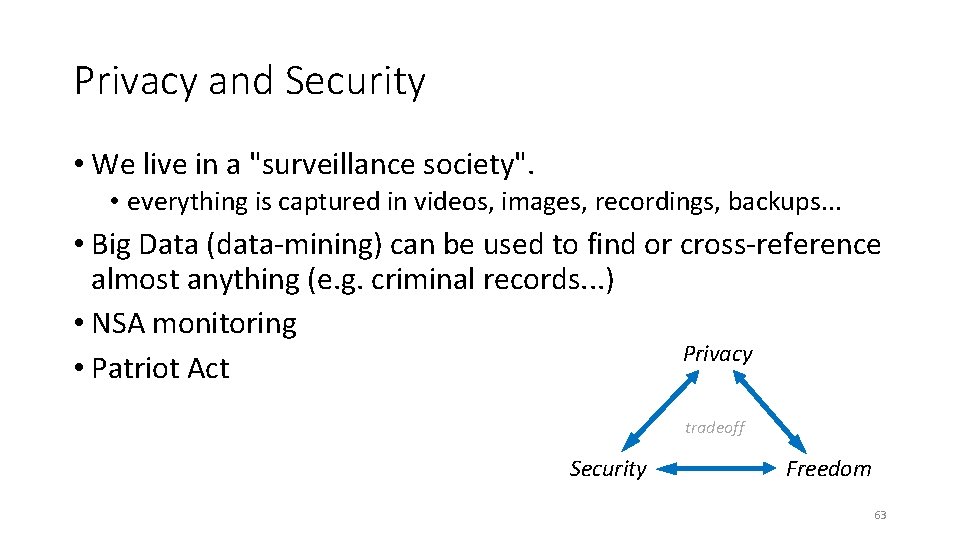
Privacy and Security • We live in a "surveillance society". • everything is captured in videos, images, recordings, backups. . . • Big Data (data-mining) can be used to find or cross-reference almost anything (e. g. criminal records. . . ) • NSA monitoring Privacy • Patriot Act tradeoff Security Freedom 63
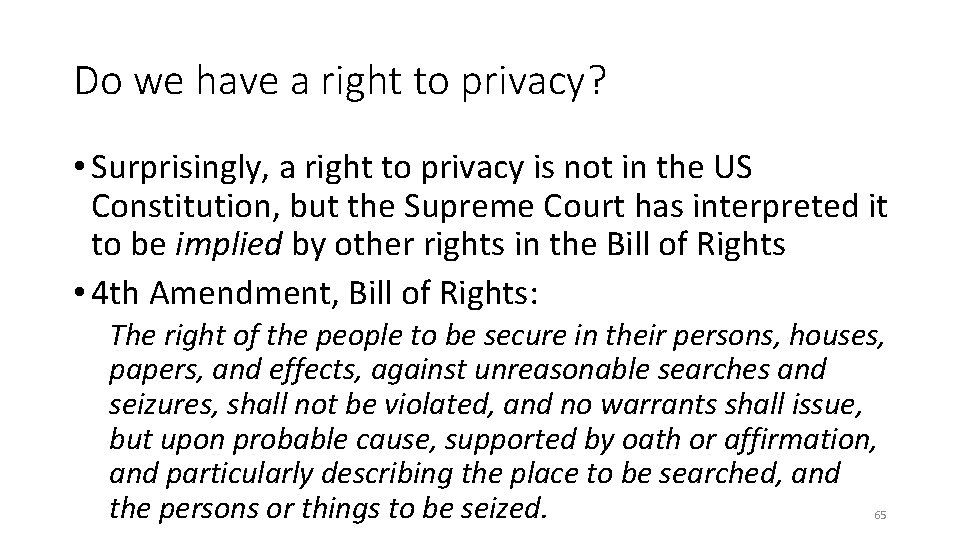
Do we have a right to privacy? • Surprisingly, a right to privacy is not in the US Constitution, but the Supreme Court has interpreted it to be implied by other rights in the Bill of Rights. . . 64
Do we have a right to privacy? • Surprisingly, a right to privacy is not in the US Constitution, but the Supreme Court has interpreted it to be implied by other rights in the Bill of Rights • 4 th Amendment, Bill of Rights: The right of the people to be secure in their persons, houses, papers, and effects, against unreasonable searches and seizures, shall not be violated, and no warrants shall issue, but upon probable cause, supported by oath or affirmation, and particularly describing the place to be searched, and the persons or things to be seized. 65
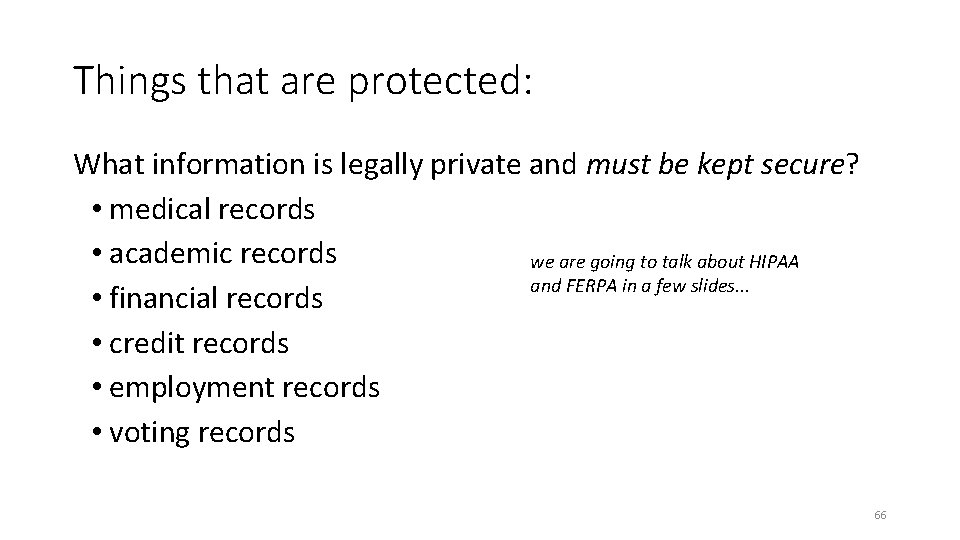
Things that are protected: What information is legally private and must be kept secure? • medical records • academic records we are going to talk about HIPAA and FERPA in a few slides. . . • financial records • credit records • employment records • voting records 66
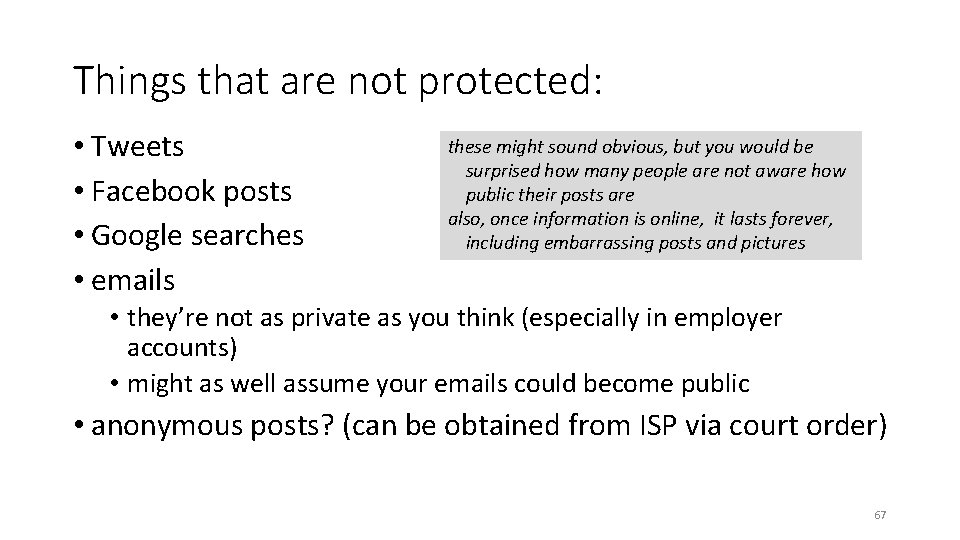
Things that are not protected: • Tweets • Facebook posts • Google searches • emails these might sound obvious, but you would be surprised how many people are not aware how public their posts are also, once information is online, it lasts forever, including embarrassing posts and pictures • they’re not as private as you think (especially in employer accounts) • might as well assume your emails could become public • anonymous posts? (can be obtained from ISP via court order) 67
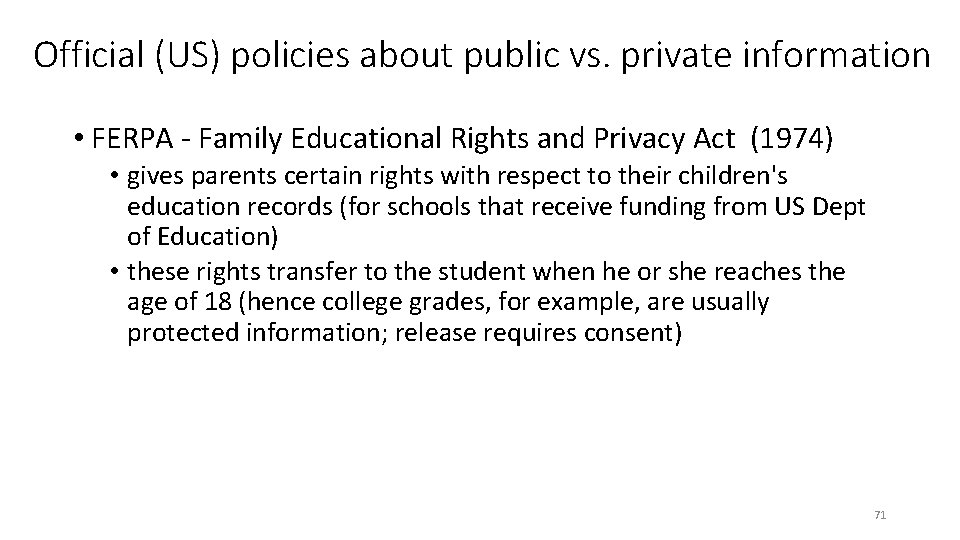
Official (US) policies about public vs. private information • FERPA - Family Educational Rights and Privacy Act (1974) • gives parents certain rights with respect to their children's education records (for schools that receive funding from US Dept of Education) • these rights transfer to the student when he or she reaches the age of 18 (hence college grades, for example, are usually protected information; release requires consent) 71
Official (US) policies about public vs. private information • Social security numbers • are typically protected by state laws, which govern how they are displayed (e. g. last 4 digits), communicated, stored (encryption), and used • SSNs were never intended to be used for personal identification, only for income tax purposes • but SSNs are used this way de facto • most applications (e. g. licenses, jobs, membership, credit) cannot lawfully request your SSN, though they can refuse to do business with you • Credit scores • these are managed by public companies • you have the right to obtain information collected on you, and to restrict who else gets access to this information • Security decisions driven by liability (risk of identity theft) 72
Human-subjects testing • user-interface studies are often used in software development • implications of privacy laws • software user-interface studies must: make users aware of risks obtain consent (signed release forms) protect users' identities and personal data obtain permission from IRB (Institutional Research Board), which requires submitting full description of experiment, justification of human subjects, subject selection procedures, mitigation of risks, etc. • if you report/pubish any data, it must be "de-identified", or presented in aggregate (e. g. as statistical summary) • •
• As software engineers, we have to protect things like SSN and credit card numbers • methods: • passwords - what strength? what frequency of change? • firewalls • use encryption - how many bits? • there is a tradeoff: effort vs. risk • the problem is, people differ on perceive risk (probability of being hacked) 74
Disclosure-of-data-breach laws • laws depend on state • here are some examples. . . • notification usually required in writing (alternatively by phone or email) • timeliness: "as soon as expedient", or "without unreasonable delay" • typically within 30 days • delays allowed if it would impede criminal investigation • media must be alerted if >5, 000 people affected • exemptions for encrypted data? "immaterial" breaches? • Personal Data Notification and Protection Act of 2015 • national standard proposed, but not yet passed by US Congress 75
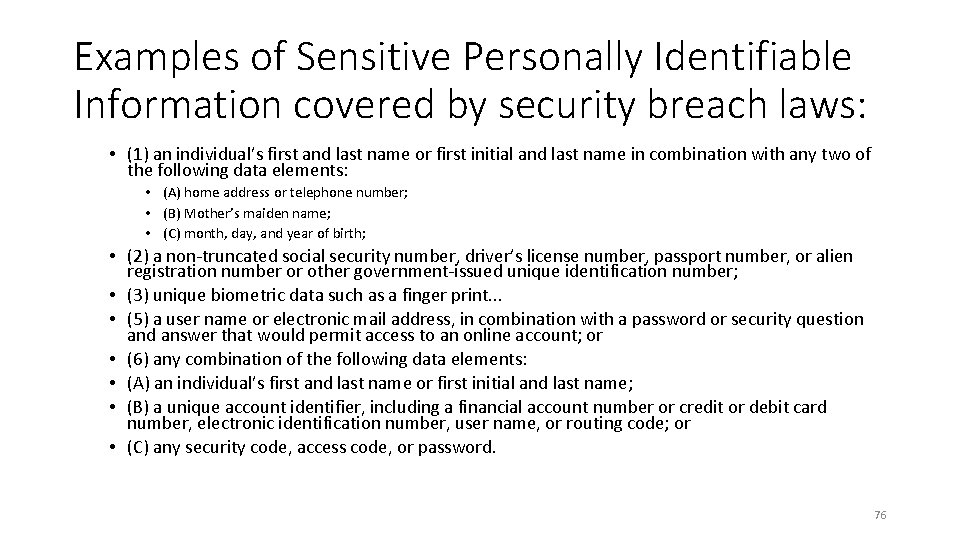
Examples of Sensitive Personally Identifiable Information covered by security breach laws: • (1) an individual’s first and last name or first initial and last name in combination with any two of the following data elements: • (A) home address or telephone number; • (B) Mother’s maiden name; • (C) month, day, and year of birth; • (2) a non-truncated social security number, driver’s license number, passport number, or alien registration number or other government-issued unique identification number; • (3) unique biometric data such as a finger print. . . • (5) a user name or electronic mail address, in combination with a password or security question and answer that would permit access to an online account; or • (6) any combination of the following data elements: • (A) an individual’s first and last name or first initial and last name; • (B) a unique account identifier, including a financial account number or credit or debit card number, electronic identification number, user name, or routing code; or • (C) any security code, access code, or password. 76
• We have the capability to manipulate technology to make it do amazing things • but just because you can do something doesn't mean you should • think about consequences/impact on others 77
• We have the capability to manipulate technology to make it do amazing things • but just because you can do something doesn't mean you should • think about consequences/impact on others • . . . or as Google's corporate motto puts it. . . 78
• We have the capability to manipulate technology to make it do amazing things • but just because you can do something doesn't mean you should • think about consequences/impact on others • . . . or as Google's corporate motto puts it. . . Don't be evil. 79
• We have the capability to manipulate technology to make it do amazing things • but just because you can do something doesn't mean you should • think about consequences/impact on others • . . . or as Google's corporate motto puts it. . . Don't be evil. • (application to Google engineers: they have access to an incredible amount of information about people, and Google wants the public to trust that they won't exploit it) 80
Prism • Data may seem innocuous, but can be abused • • • NSA phone record collection Caller Receiver Date/time Length of call 81
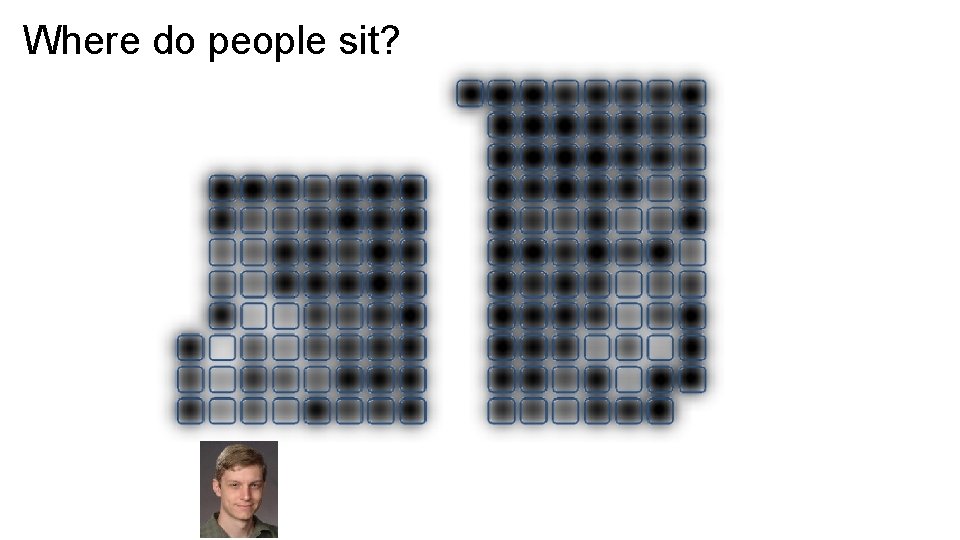
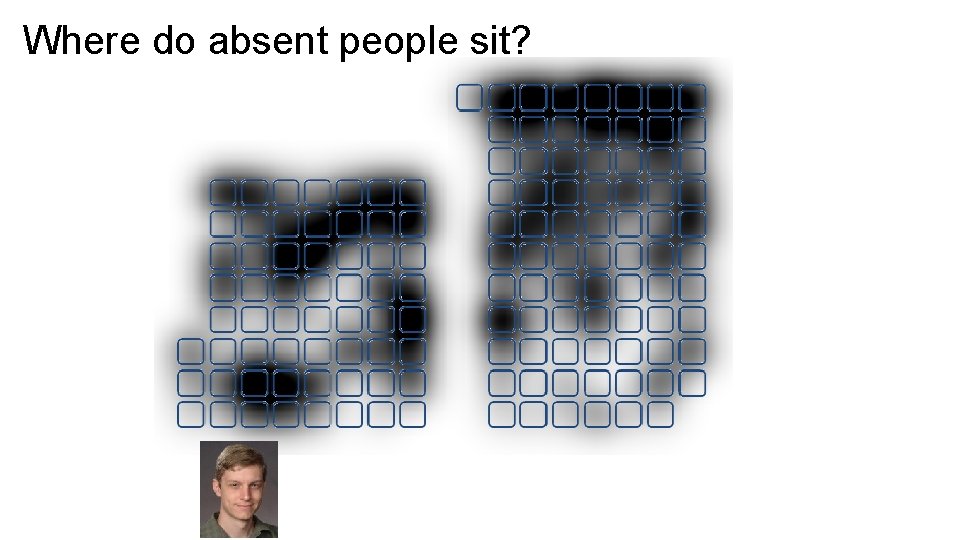
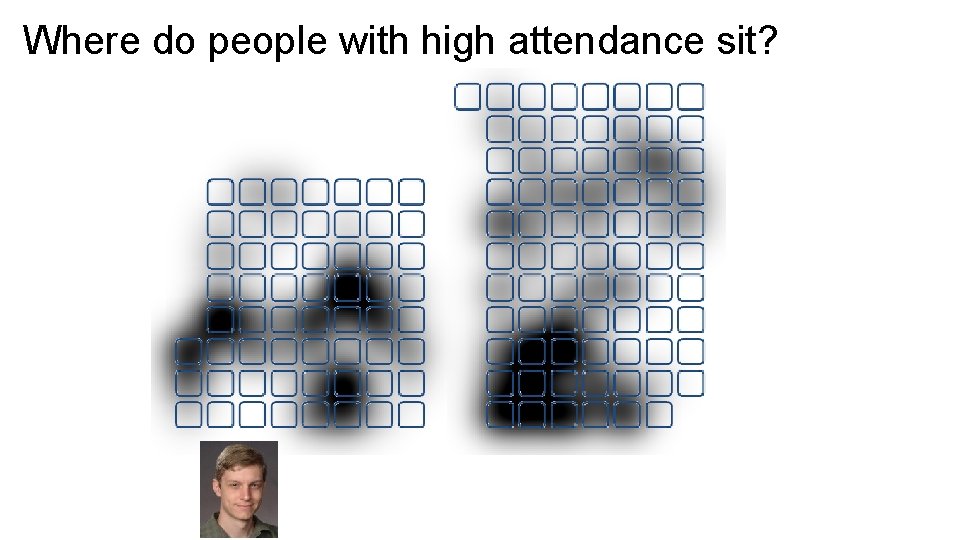
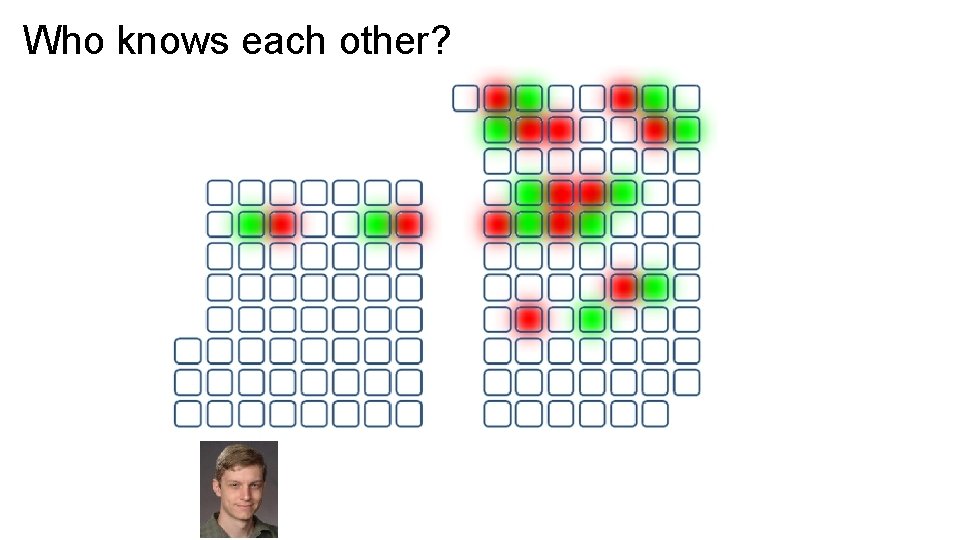
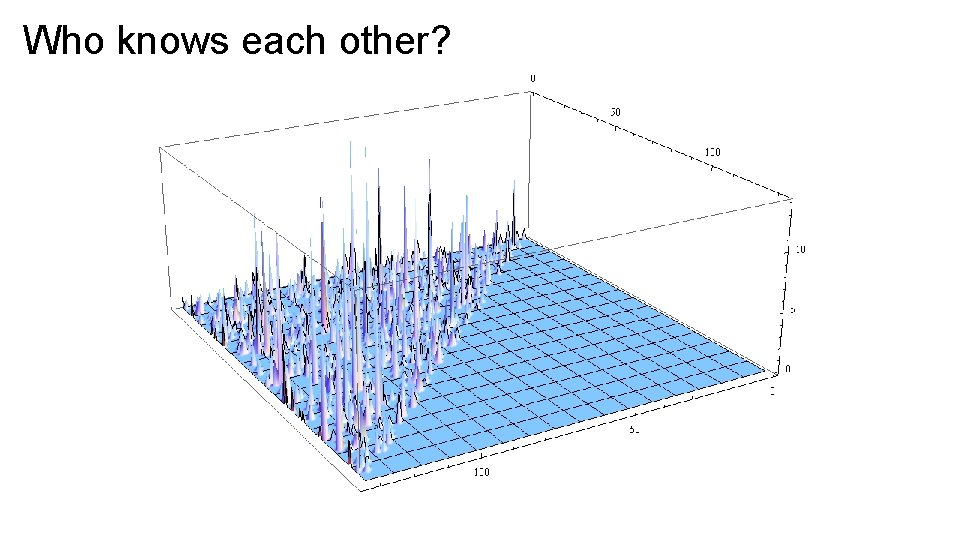
Where do people sit?
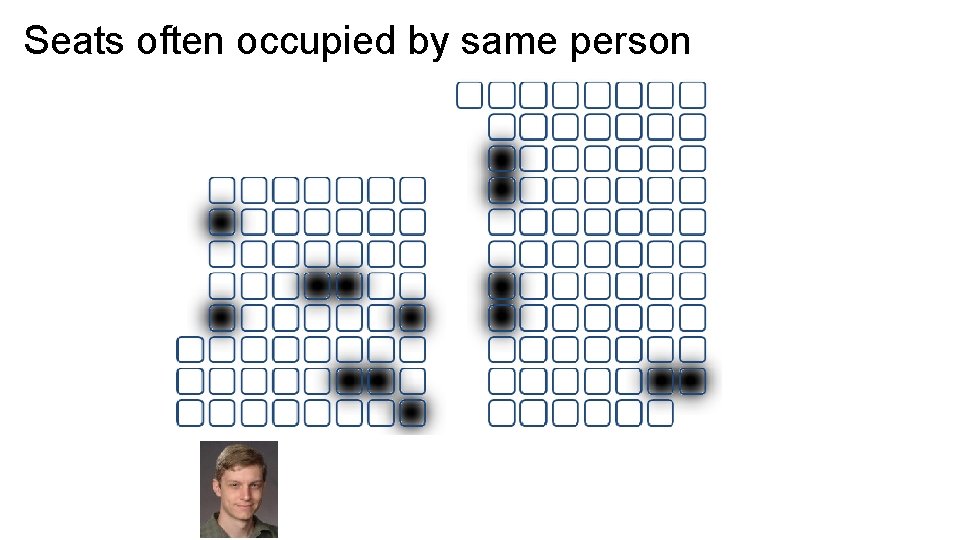
Seats often occupied by same person
Where do absent people sit?
Where do people with high attendance sit?
Who knows each other?
Who knows each other?
In Summary • Software Engineers have the power to do amazing things. • Use good judgement • Take responsibility for the code you write (testing and debugging) • Respect copyrights • Protect users' personal data and private information • Don't be disruptive (Much of this is echoed in the ACM Code of Ethics) 88
Aspirational Ethics in Computing • making decision in software engineering has to go beyond questions of just what is legal or profitable. . . • William Wulf (National Academy of Engineering): The criteria for selection of the 20 greatest engineering achievements of the 20 th century were based "not on technical gee whiz, but how much an achievement improved people's quality of life. The result is a testament to the power and promise of engineering to improve the quality of human life worldwide. " • The point is: software should be designed to promote human well-being. 89
The End for more information, case studies, news articles, etc. , see: http: //faculty. cs. tamu. edu/ioerger/ethics/links. html 90
Broader Impacts of Technology on Society • Undoubtedly, the Internet has benefitted society • access to information - consumer, healthcare, political • enhances connectivity/communication • Technological developments are not always good: 91
Broader Impacts of Technology on Society • Undoubtedly, the Internet has benefitted society • access to information - consumer, healthcare, political • enhances connectivity/communication • Technological developments are not always good: • • • Napster/Lime. Wire/Bit. Torrent enabling sharing of copyrighted material link between video games and violence cell phones and EM radiation texting and driving use of encryption technology by terrorists • Risks of increased reliance on automation (car engines, autopilots. . . ) 92
Broader Impacts of Technology on Society • Proliferation of electronic databases and pattern recognition can lead to feelings of dehumanization, loss of privacy, etc. . . • further reading: Danah Boyd and Kate Crawford (2011). Six provocations for Big Data. Symposium on the Dynamics of the Internet and Society. http: //papers. ssrn. com/sol 3/papers. cfm? abstract_id=1926431 • Studies suggest that social networking can lead to loss of interpersonal skills like patience, empathy, honesty • further reading: Shannon Vallor (2010). Social networking technology and the virtues. Ethics and Information Technology, Volume 12, Issue 2, pp 157 -170. http: //link. springer. com/article/10. 1007%2 Fs 10676 -009 -9202 -1 • Apple asked by DOJ to crack into i. Phone used by San Bernadino attackers • should Apple stick to its privacy principles? • implications of use of encryption by terrorists? 93
The “Digital Divide” • Those that have access to technology and know how to use it have many advantages. • finding cheaper products or reviews • getting info on healthcare, finances and investing, politicians and political issues, corporate wrong-doing • knowledge of non-local events and opportunities • This has an unfair tendency to amplify and perpetuate differences among socio-economic classes. • Public policy implications • Should the government provide free Internet terminals to the public, e. g. in libraries? • should computer education be mandatory in public schools? 94
Official (US) policies about public vs. private information • FOIA – Federal Open-Information Act (1967) • The Freedom of Information Act (FOIA) has provided the public the right to request access to records from any federal agency. It is often described as the law that keeps citizens in the know about their government. • must make formal request of specific documents 95