
Lectures on respiratory physiology Defense Systems of the
- Slides: 29
Lectures on respiratory physiology Defense Systems of the Lung
Atmospheric Pollutants Carbon monoxide Sulfur oxides Nitrogen oxides Hydrocarbons Particulates Photochemical oxidants
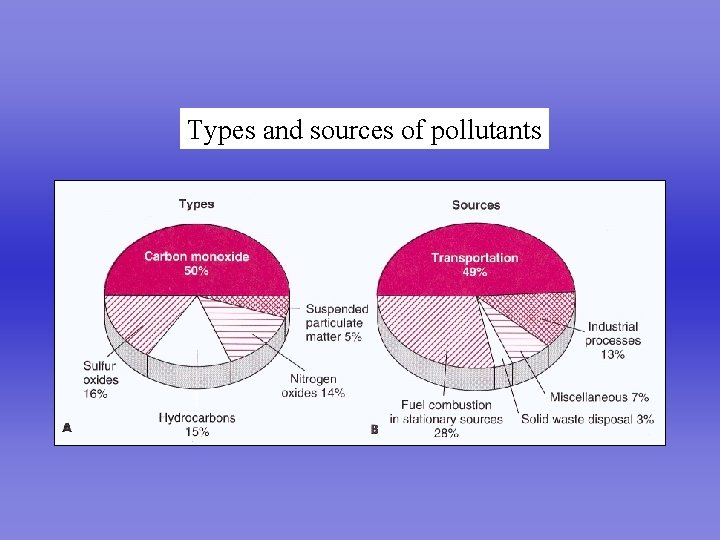
Types and sources of pollutants Perfect Lung
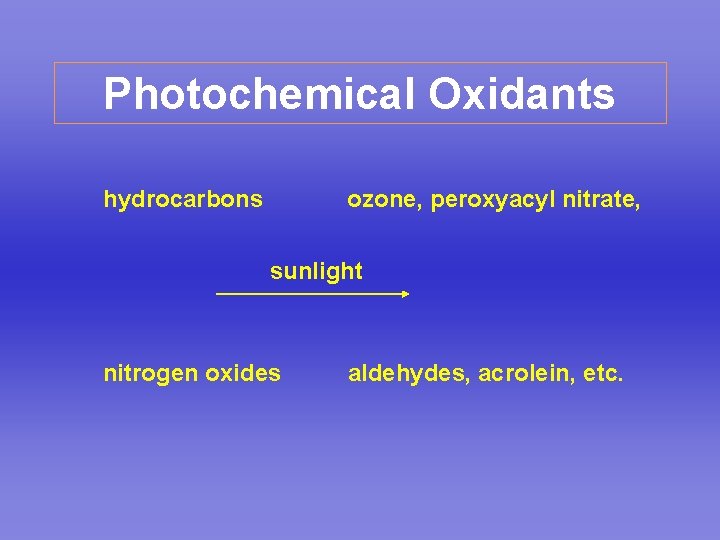
Photochemical Oxidants hydrocarbons ozone, peroxyacyl nitrate, sunlight nitrogen oxides aldehydes, acrolein, etc.
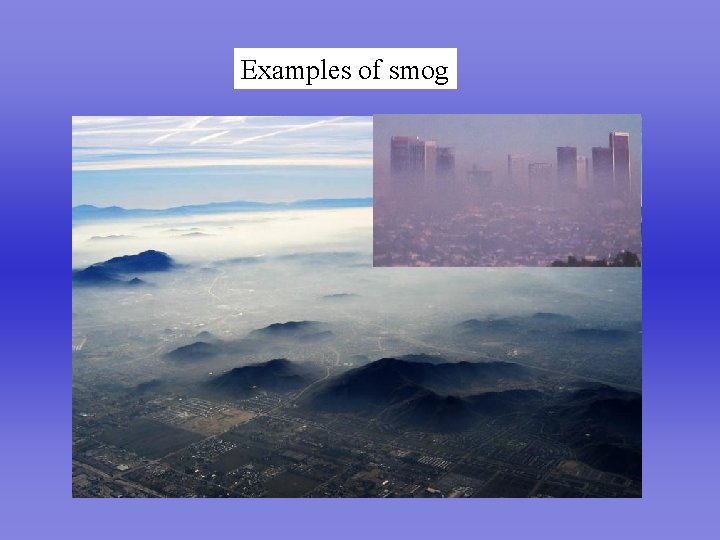
Examples of smog Perfect Lung
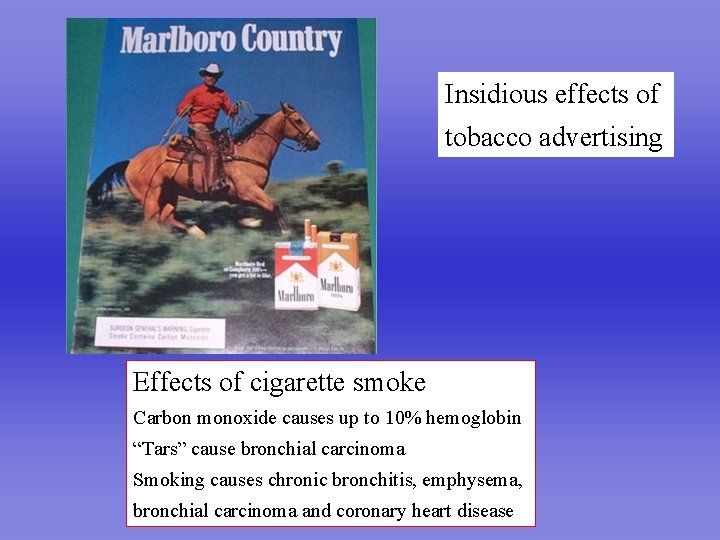
Insidious effects of tobacco advertising Effects of cigarette smoke Carbon monoxide causes up to 10% hemoglobin “Tars” cause bronchial carcinoma Smoking causes chronic bronchitis, emphysema, bronchial carcinoma and coronary heart disease
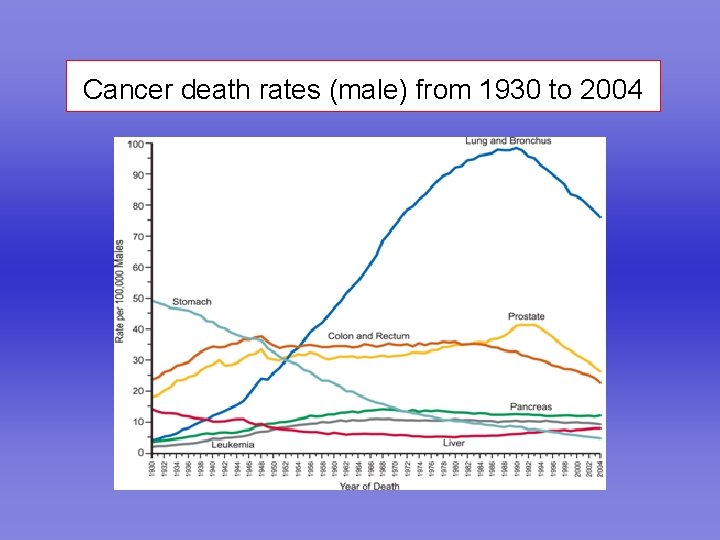
Cancer death rates (male) from 1930 to 2004
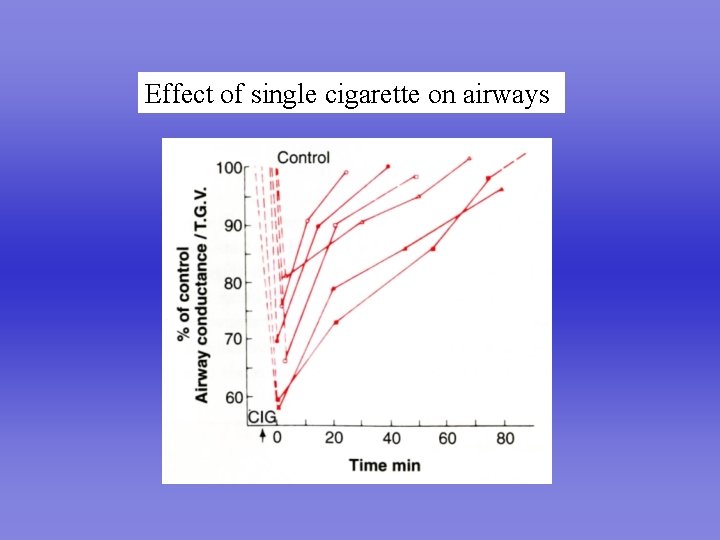
Effect of single cigarette on airways
Behavior of Aerosols in the Lung Deposition Clearance
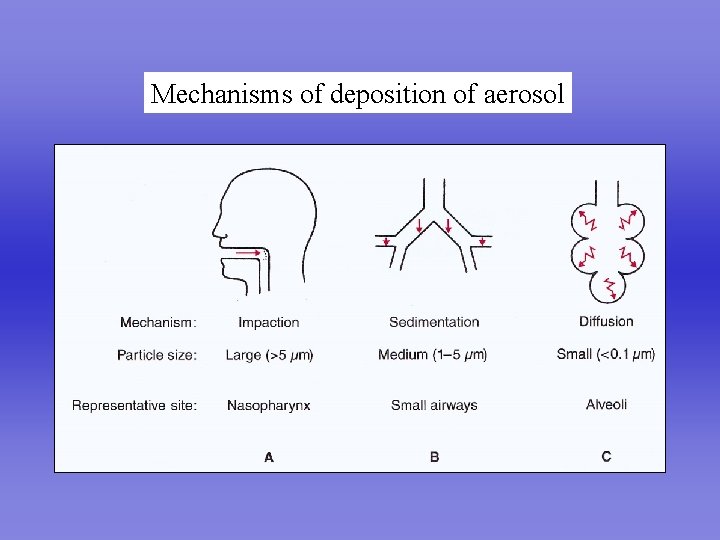
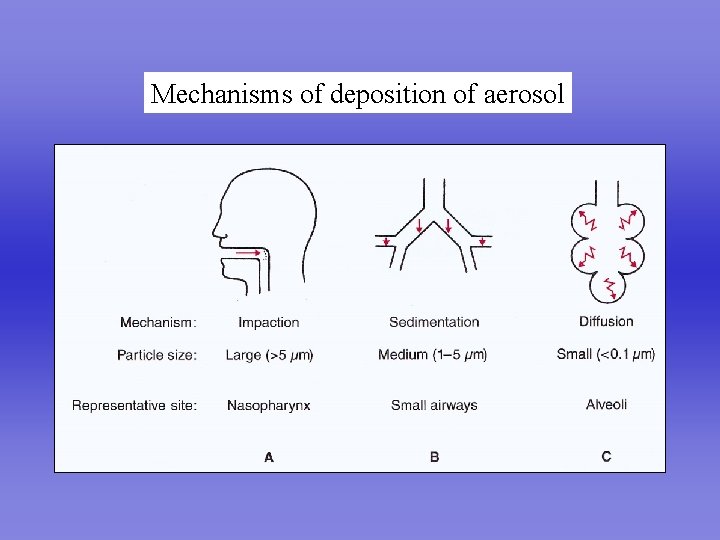
Mechanisms of deposition of aerosol Perfect Lung
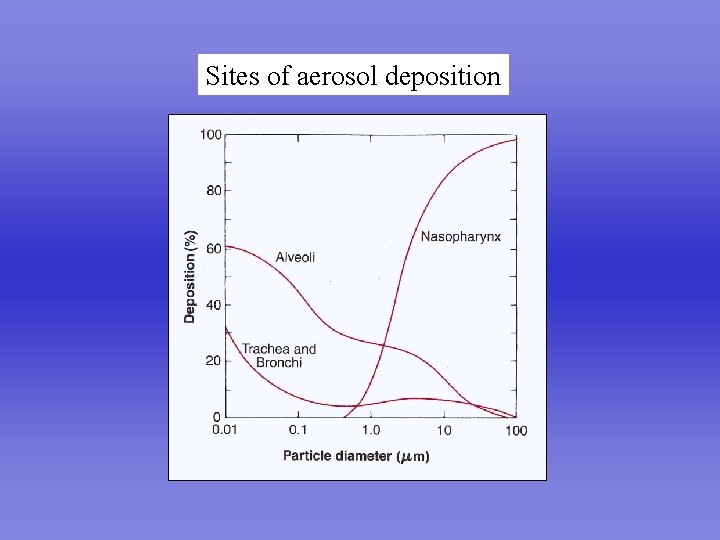
Sites of aerosol deposition Perfect Lung
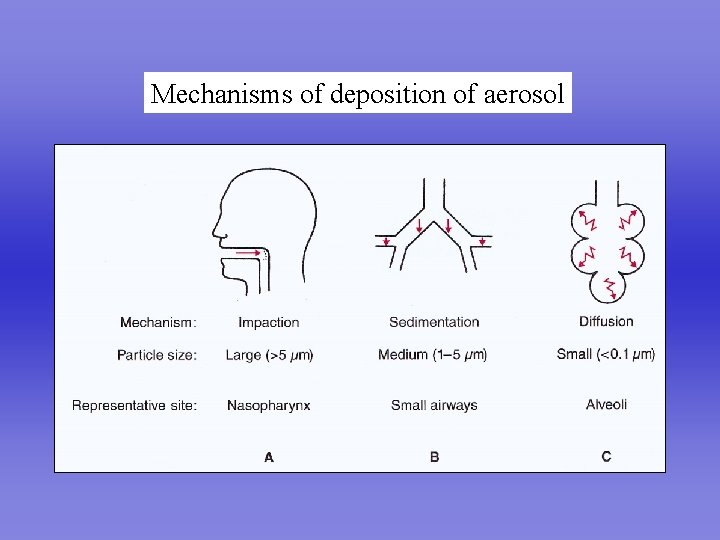
Mechanisms of deposition of aerosol Perfect Lung
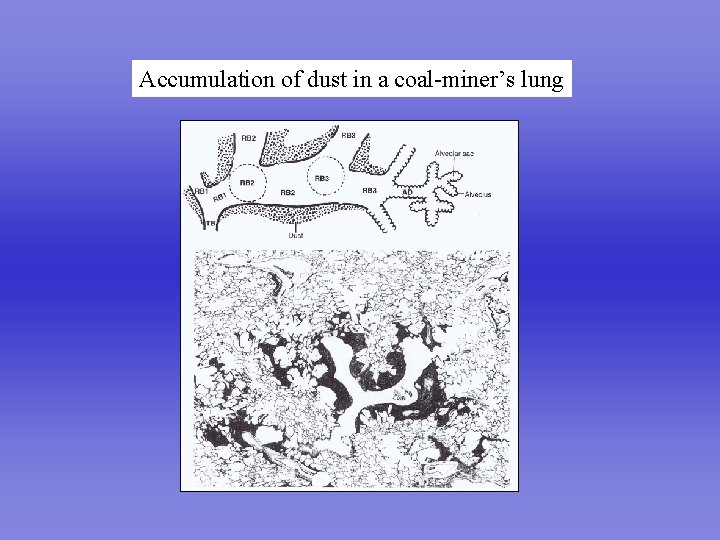
Accumulation of dust in a coal-miner’s lung
Mechanisms of deposition of aerosol Perfect Lung
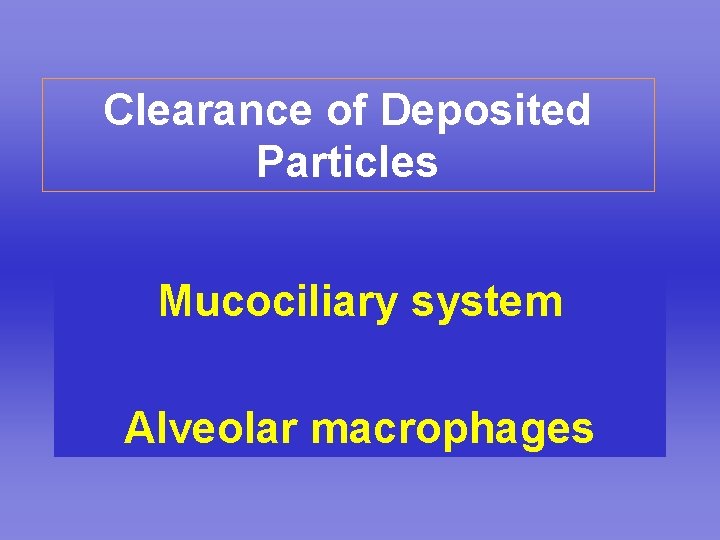
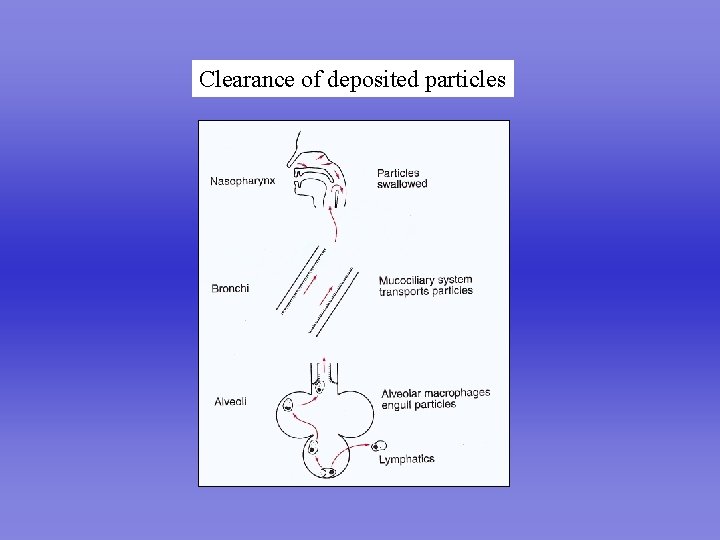
Clearance of Deposited Particles Mucociliary system Alveolar macrophages
Clearance of deposited particles
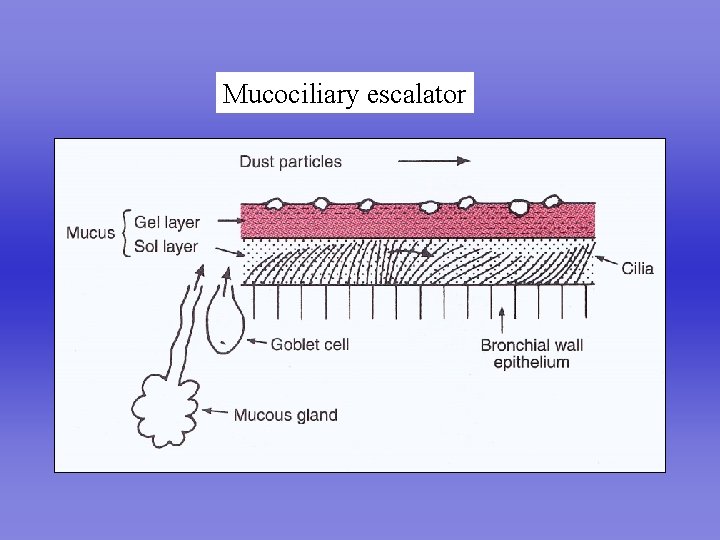
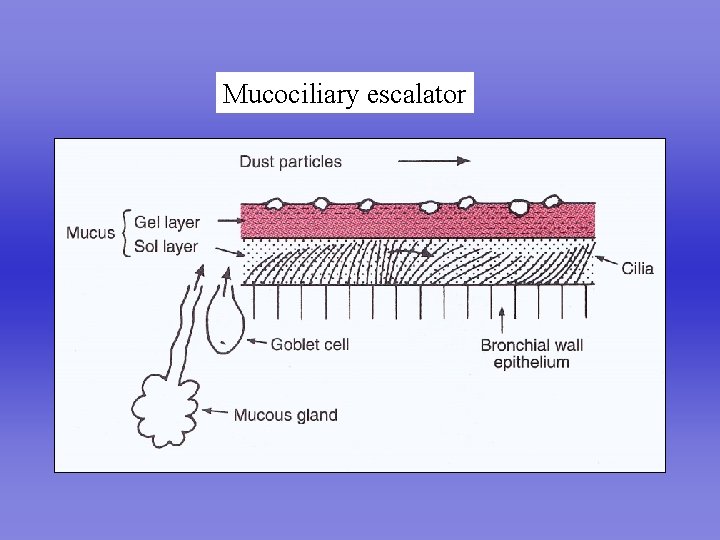
Mucociliary escalator
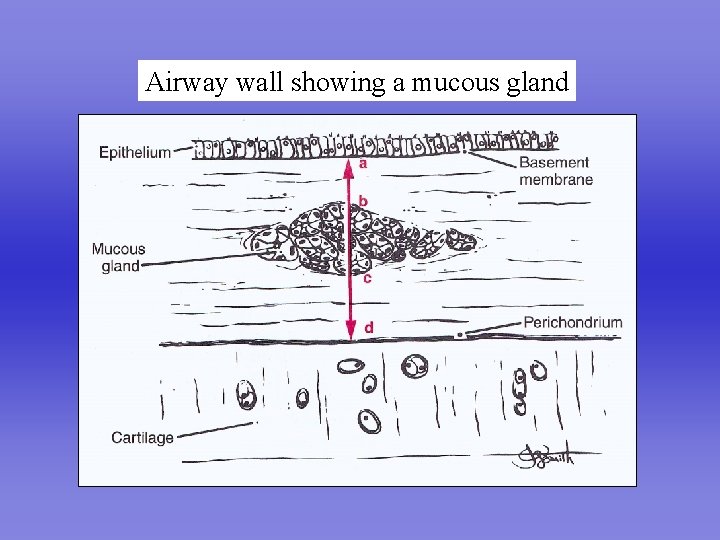
Airway wall showing a mucous gland
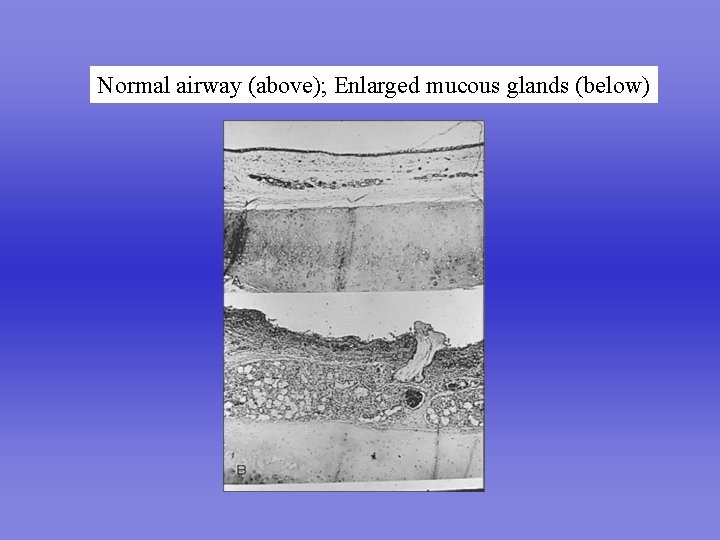
Normal airway (above); Enlarged mucous glands (below)
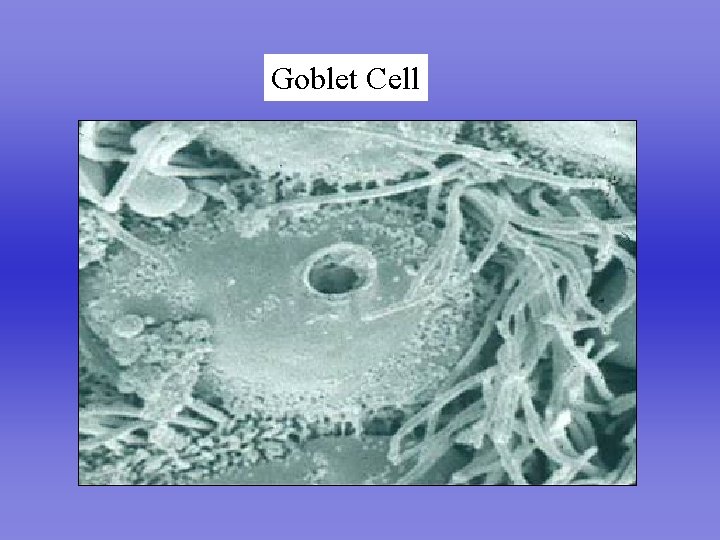
Goblet Cell
Mucociliary escalator
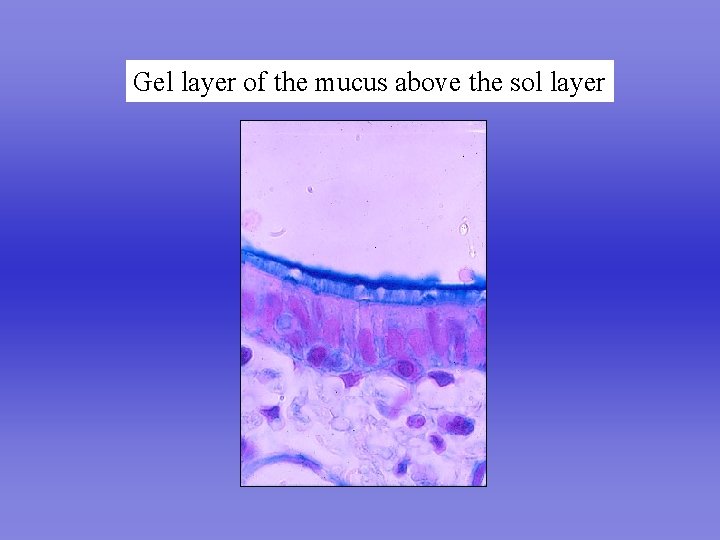
Gel layer of the mucus above the sol layer
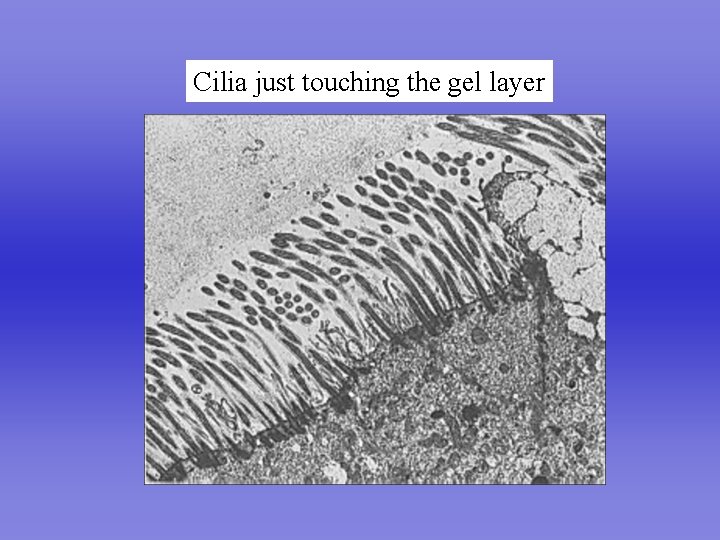
Cilia just touching the gel layer
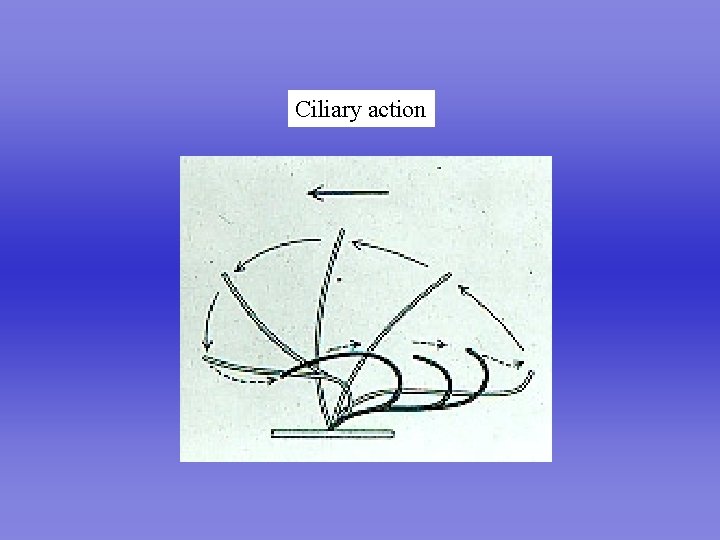
Ciliary action
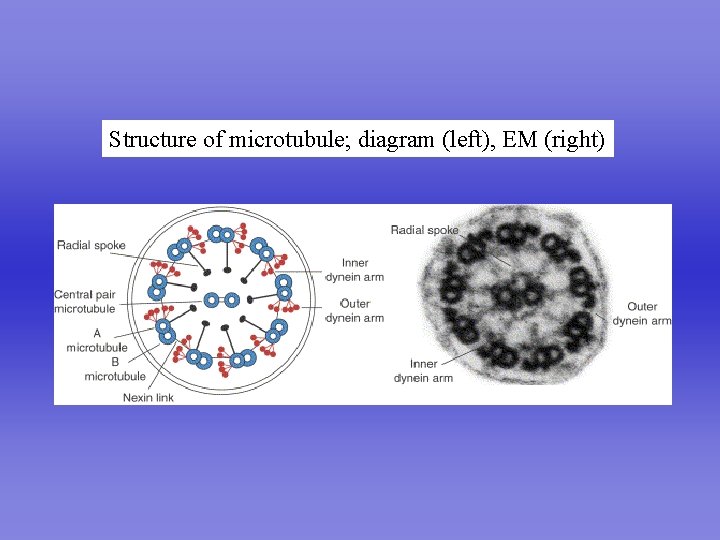
Structure of microtubule; diagram (left), EM (right)
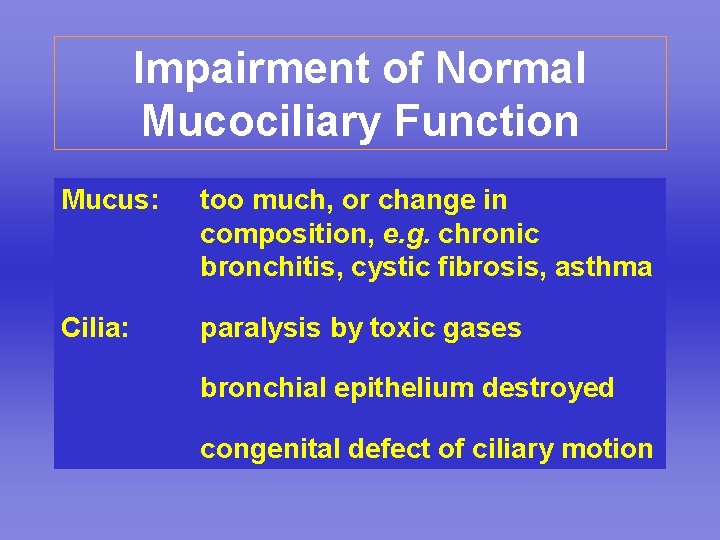
Impairment of Normal Mucociliary Function Mucus: too much, or change in composition, e. g. chronic bronchitis, cystic fibrosis, asthma Cilia: paralysis by toxic gases bronchial epithelium destroyed congenital defect of ciliary motion
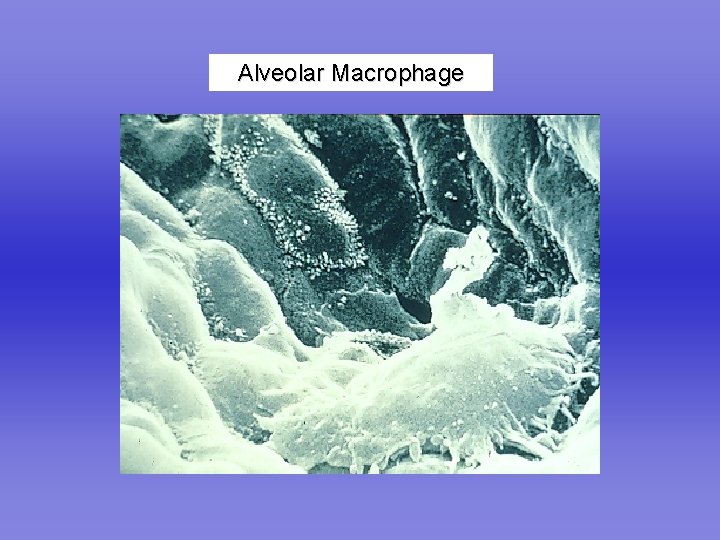
Alveolar Macrophage
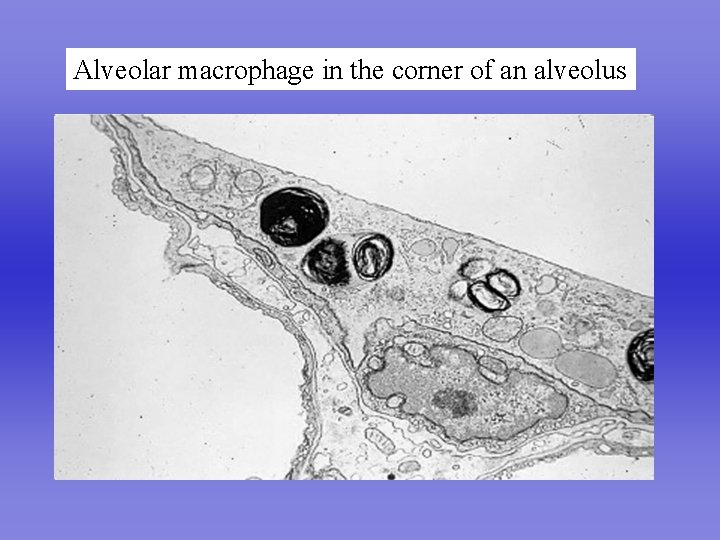
Alveolar macrophage in the corner of an alveolus
Impairment of Normal Macrophage Function Inhaled gases such as ozone, cigarette smoke Toxic particles such as silica Alveolar hypoxia, radiation, corticosteroids, alcohol ingestion