
Lectures 12 Cytokines and Immune Response September 24
Lectures 12 Cytokines and Immune Response September 24, 2004 Chris Schindler cws 4@columbia. edu Reading: Janeway - as indicated Abbas - Chapter 11
Quick review of cytokines, chemokines & growth factors • Small proteins that bind to specific receptors on target cells. • The expression of cytokines and their receptors is tightly regulated (temporally and geographically). • They direct the development, maturation, localization, interactions, activation and life span of immune cells. • These ligands function at three distinct ranges: autocrine, paracrine and endocrine.
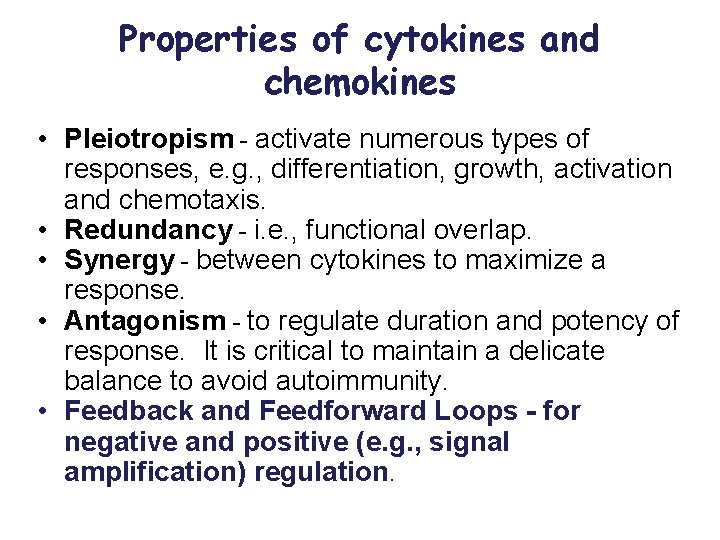
Properties of cytokines and chemokines • Pleiotropism - activate numerous types of responses, e. g. , differentiation, growth, activation and chemotaxis. • Redundancy - i. e. , functional overlap. • Synergy - between cytokines to maximize a response. • Antagonism - to regulate duration and potency of response. It is critical to maintain a delicate balance to avoid autoimmunity. • Feedback and Feedforward Loops - for negative and positive (e. g. , signal amplification) regulation.
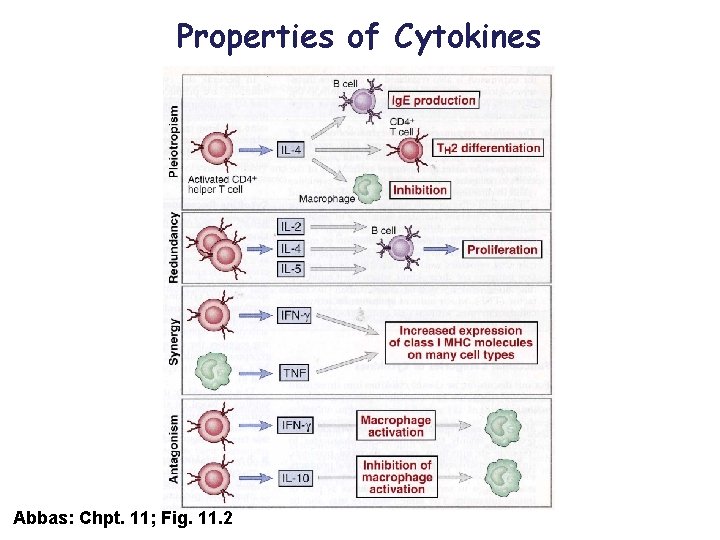
Properties of Cytokines Abbas: Chpt. 11; Fig. 11. 2
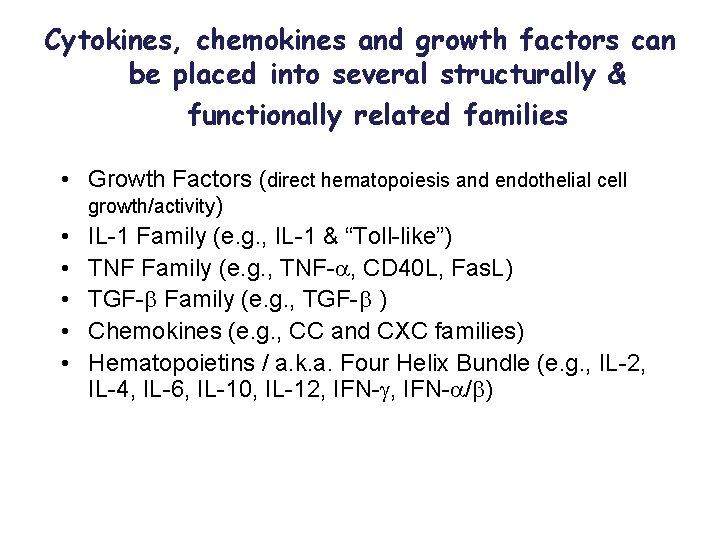
Cytokines, chemokines and growth factors can be placed into several structurally & functionally related families • Growth Factors (direct hematopoiesis and endothelial cell growth/activity) • IL-1 Family (e. g. , IL-1 & “Toll-like”) • TNF Family (e. g. , TNF-a, CD 40 L, Fas. L) • TGF-b Family (e. g. , TGF-b ) • Chemokines (e. g. , CC and CXC families) • Hematopoietins / a. k. a. Four Helix Bundle (e. g. , IL-2, IL-4, IL-6, IL-10, IL-12, IFN-g, IFN-a/b)
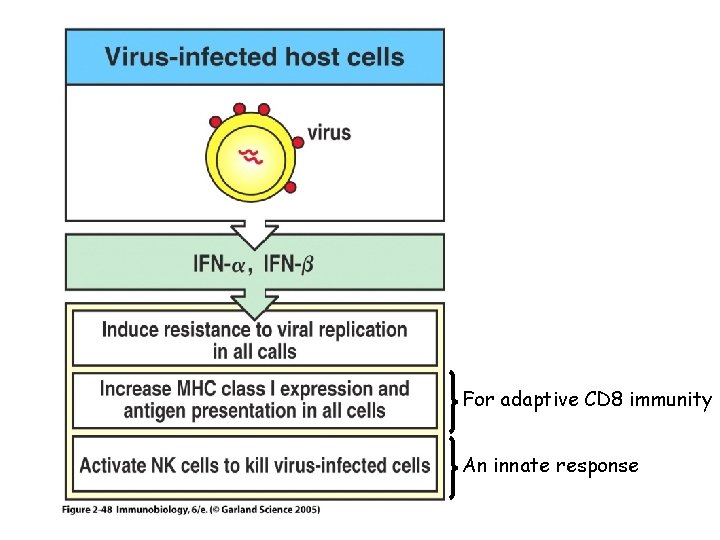
For adaptive CD 8 immunity An innate response
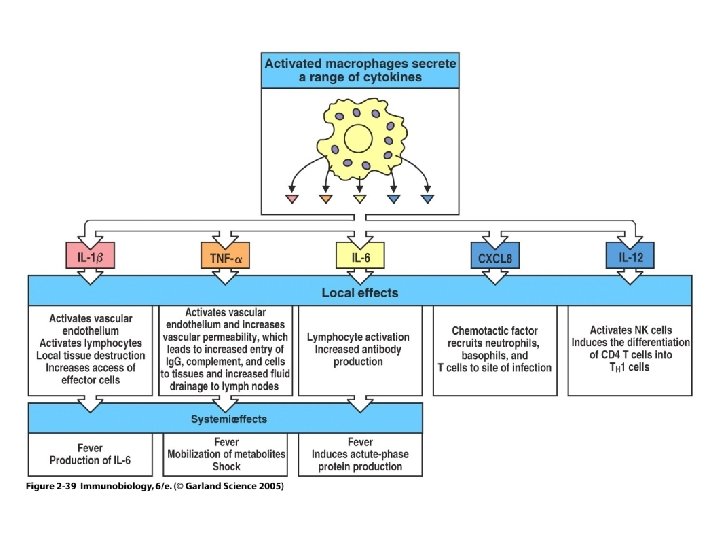
Figure 2 -39
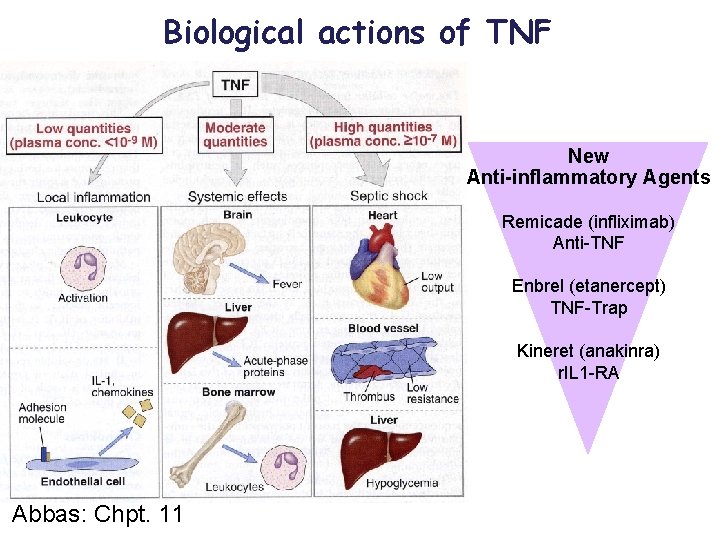
Biological actions of TNF New Anti-inflammatory Agents Remicade (infliximab) Anti-TNF Enbrel (etanercept) TNF-Trap Kineret (anakinra) r. IL 1 -RA Abbas: Chpt. 11
Cytokines and the Th 1 -Th 2 paradigm • Naïve CD 4+ T-helper cells are activated into different types of effector T-cells. • We will focus on the development of Th 1 and Th 2 effector cells
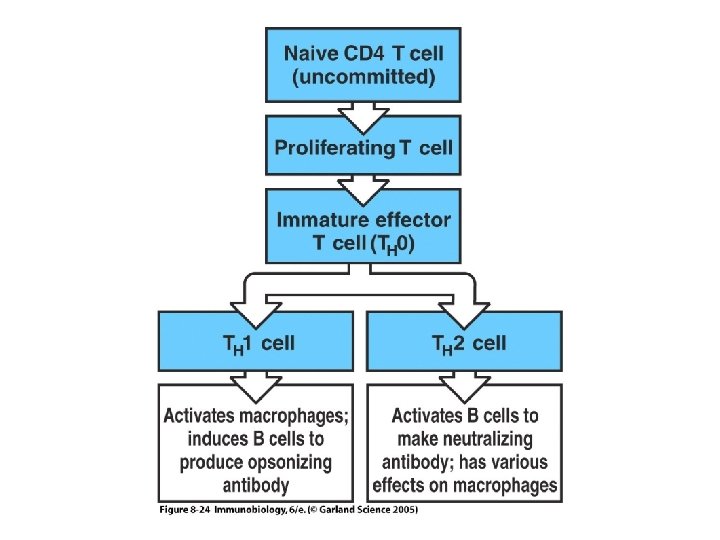
Figure 8 -24
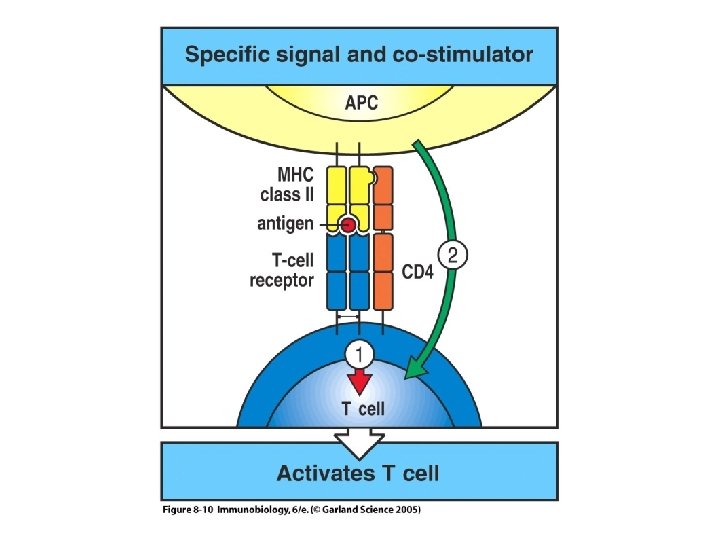
Figure 8 -10
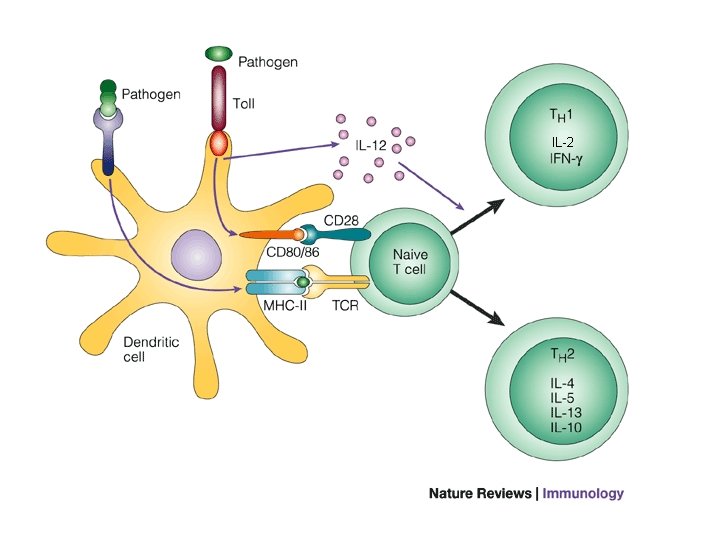
IL-2
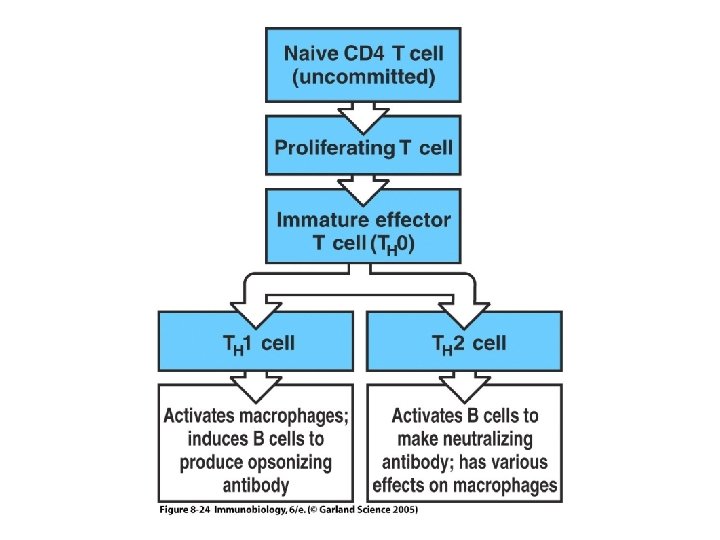
Figure 8 -24
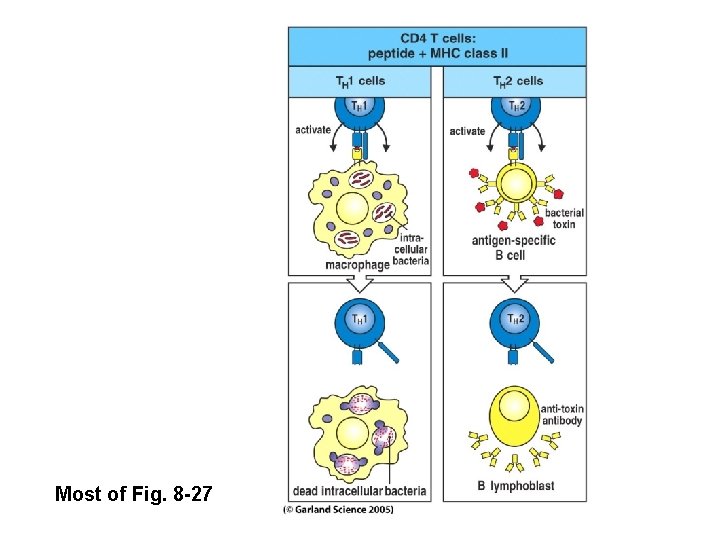
Most of Fig. 8 -27
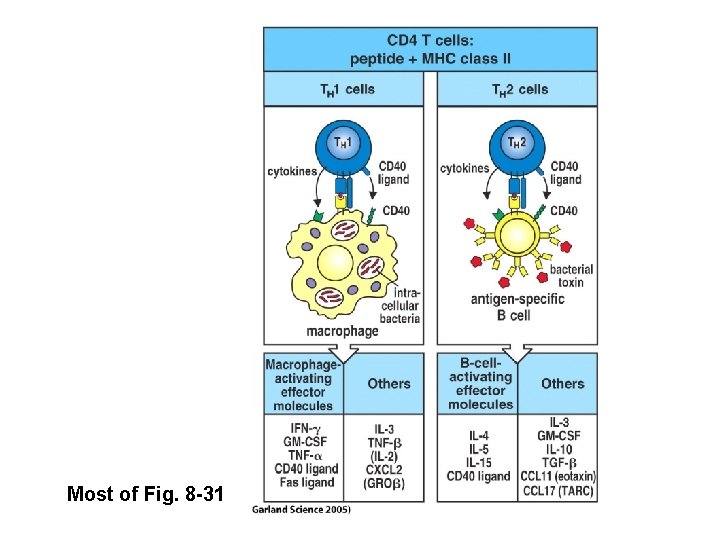
Most of Fig. 8 -31
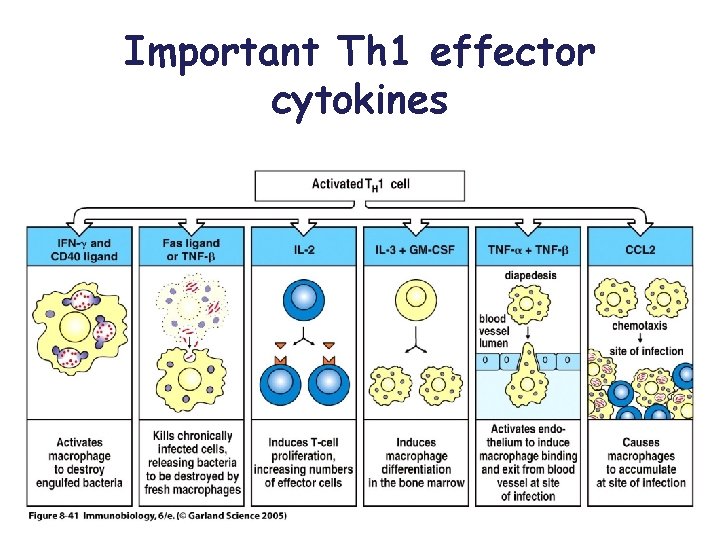
Important Th 1 effector cytokines
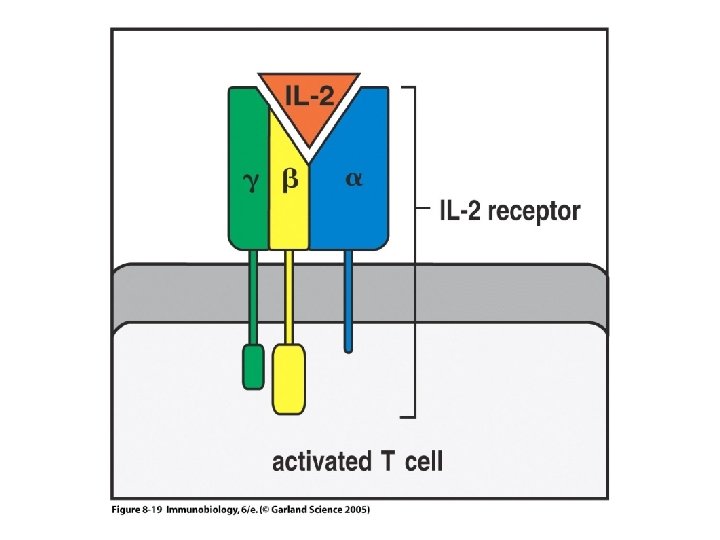
Figure 8 -19
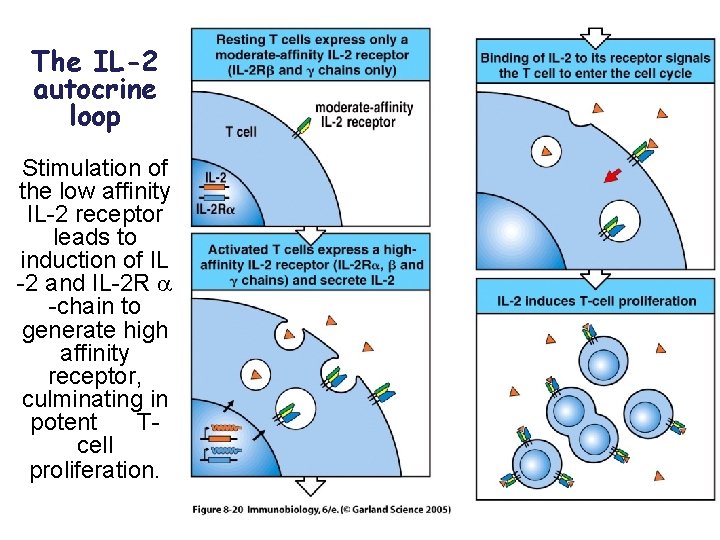
The IL-2 autocrine loop Stimulation of the low affinity IL-2 receptor leads to induction of IL -2 and IL-2 R a -chain to generate high affinity receptor, culminating in potent Tcell proliferation.
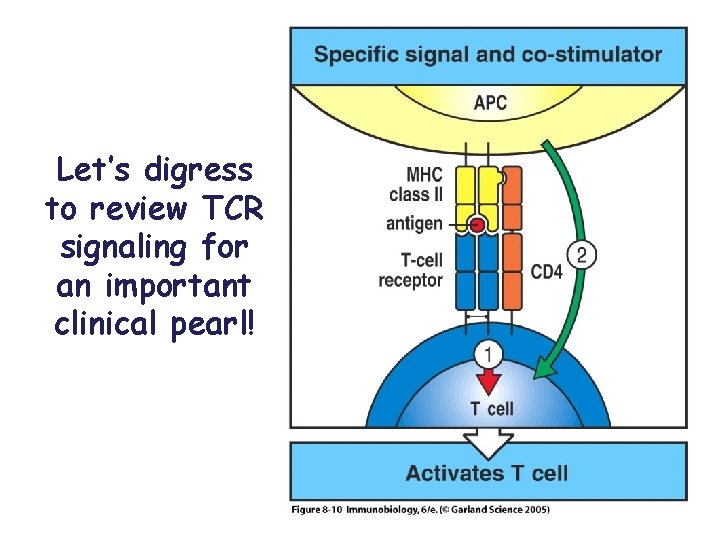
Let’s digress to review TCR signaling for an important clinical pearl!
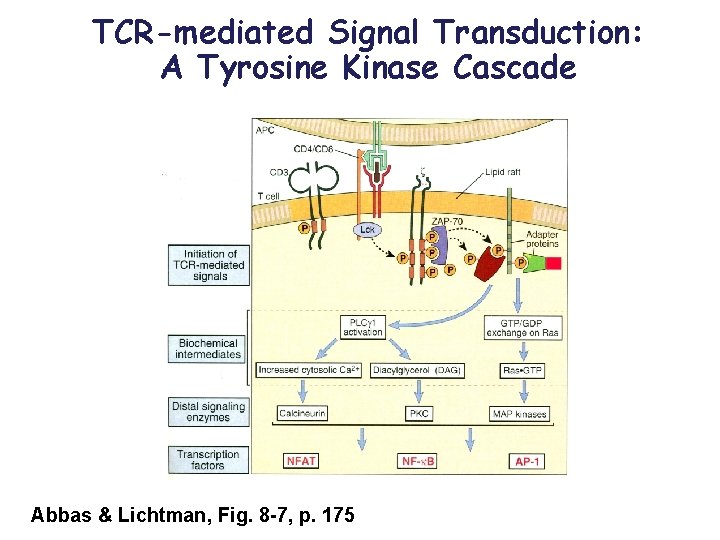
TCR-mediated Signal Transduction: A Tyrosine Kinase Cascade Abbas & Lichtman, Fig. 8 -7, p. 175
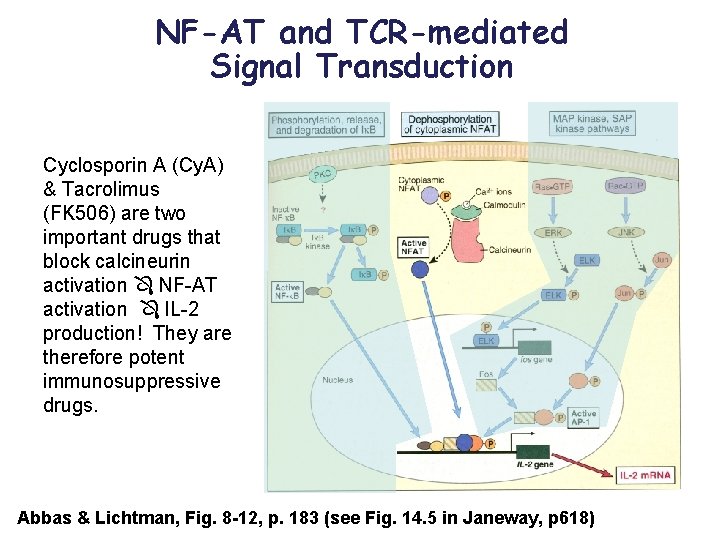
NF-AT and TCR-mediated Signal Transduction Cyclosporin A (Cy. A) & Tacrolimus (FK 506) are two important drugs that block calcineurin activation NF-AT activation IL-2 production! They are therefore potent immunosuppressive drugs. Abbas & Lichtman, Fig. 8 -12, p. 183 (see Fig. 14. 5 in Janeway, p 618)
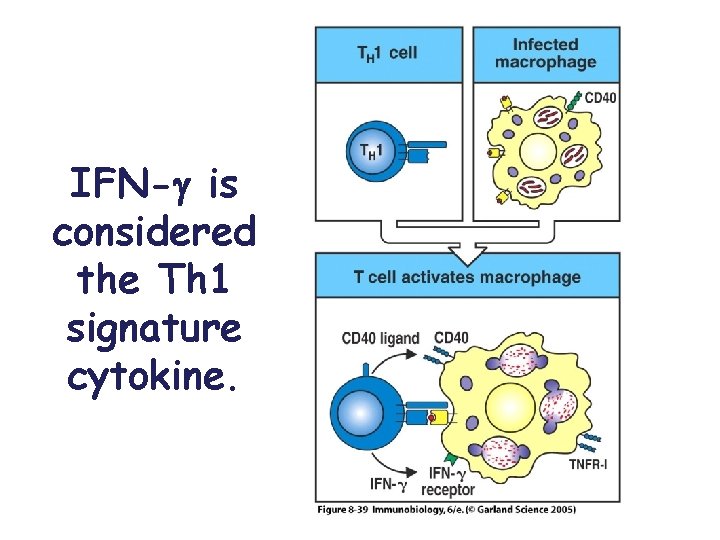
IFN-g is considered the Th 1 signature cytokine.
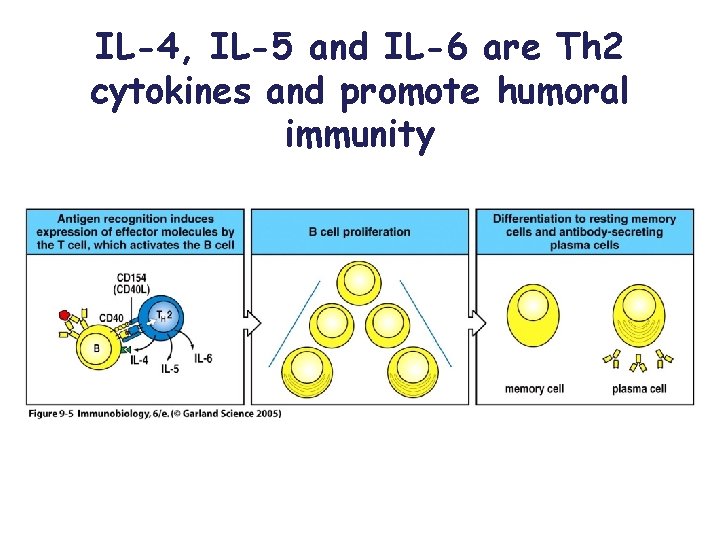
IL-4, IL-5 and IL-6 are Th 2 cytokines and promote humoral immunity
IL-4 is the signature Th 2 effector cytokine IL-10 and TGF-b are also Th 2 important effector cytokines that potently antagonize cellular immunity.
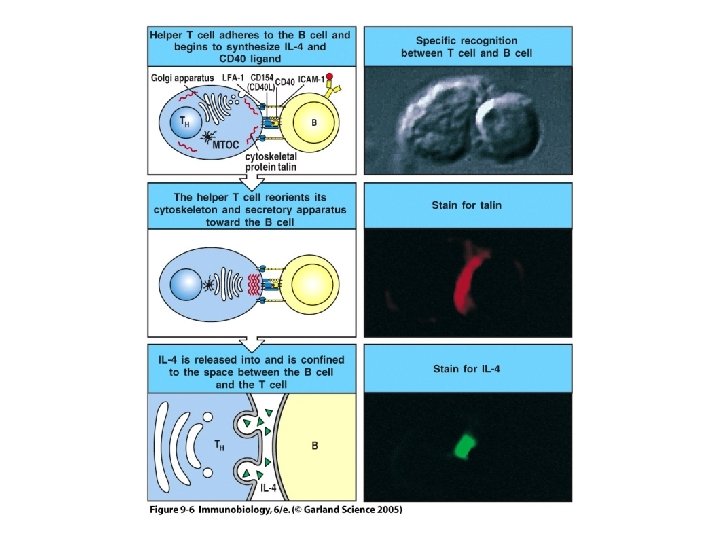
Figure 9 -6
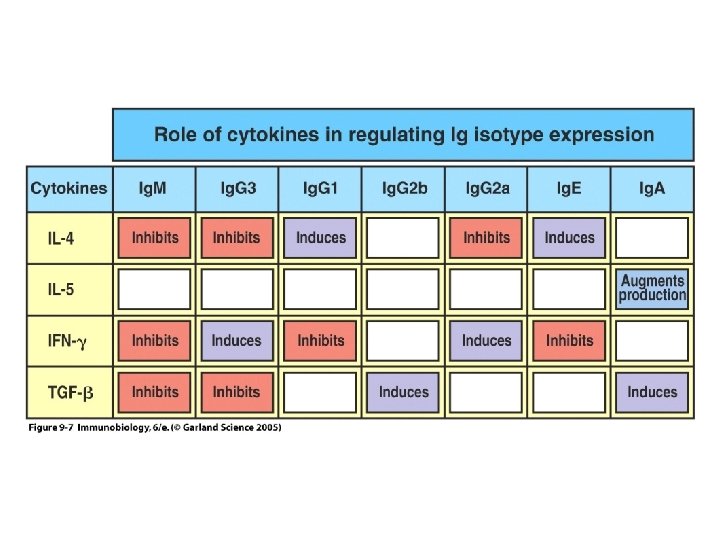
Figure 9 -7
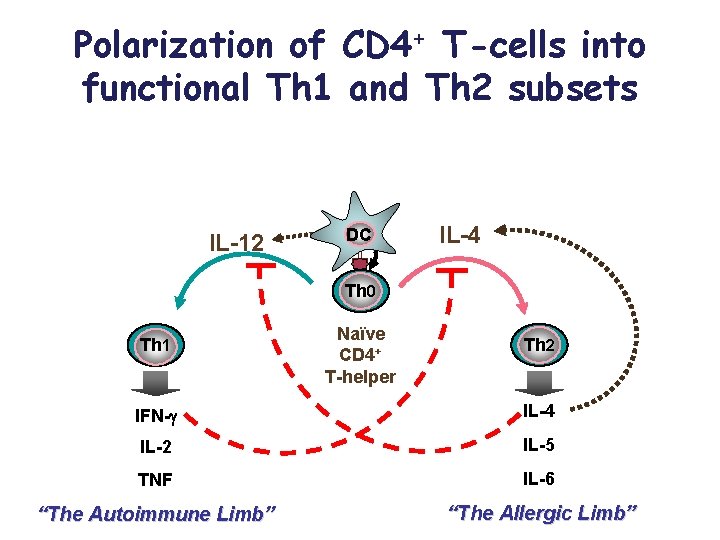
Polarization of CD 4+ T-cells into functional Th 1 and Th 2 subsets IL-12 DC IL-4 Th 0 Th 1 Naïve CD 4+ T-helper Th 2 IFN-g IL-4 IL-2 IL-5 TNF IL-6 “The Autoimmune Limb” “The Allergic Limb”
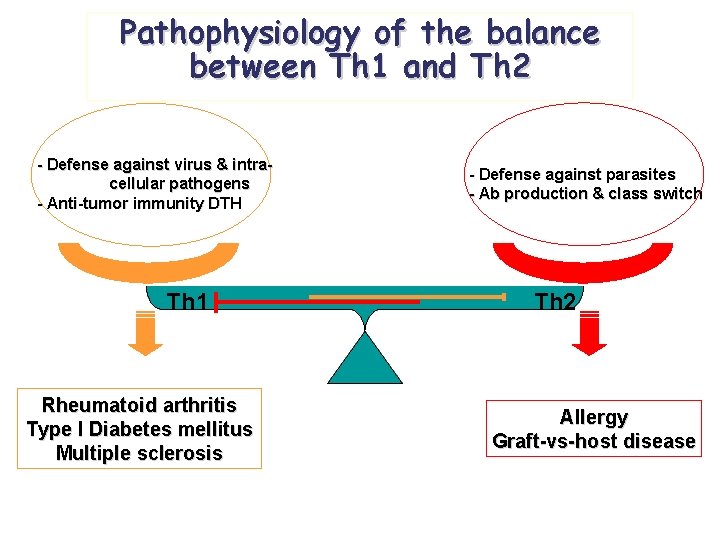
Pathophysiology of the balance between Th 1 and Th 2 - Defense against virus & intracellular pathogens - Anti-tumor immunity DTH Th 1 Rheumatoid arthritis Type I Diabetes mellitus Multiple sclerosis - Defense against parasites - Ab production & class switch Th 2 Allergy Graft-vs-host disease
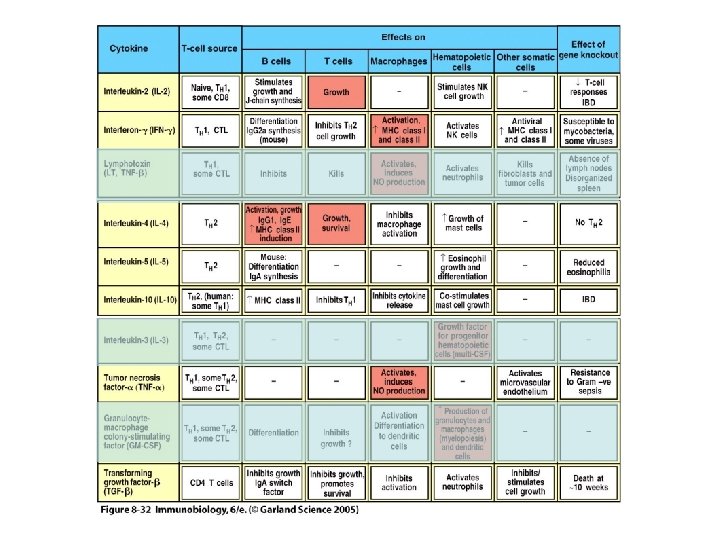
Figure 8 -32
Chemokines
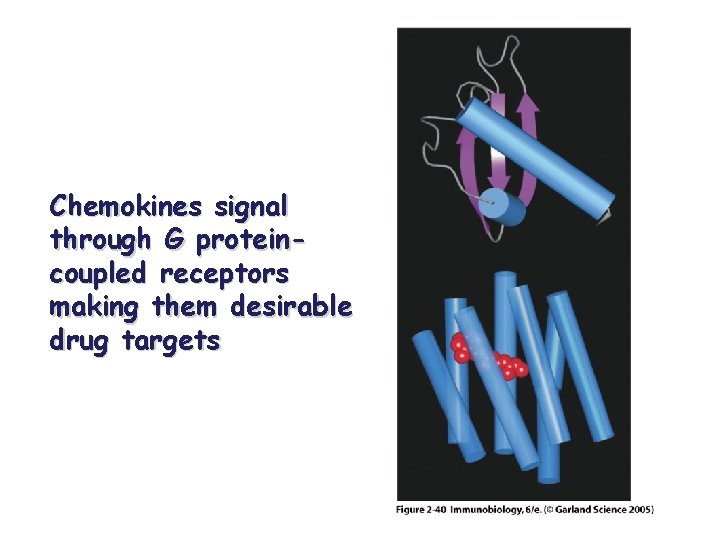
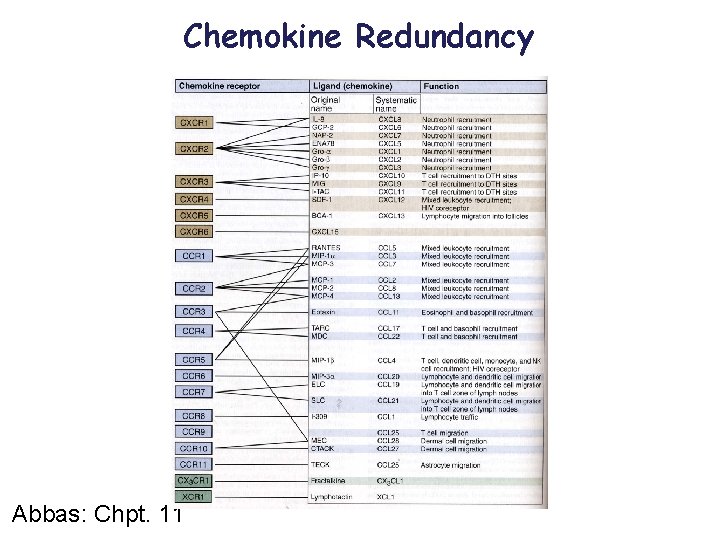
Chemokines signal through G proteincoupled receptors making them desirable drug targets
Leukocytes express unique sets of chemokines receptors allowing them to be targeted to the appropriate tissues
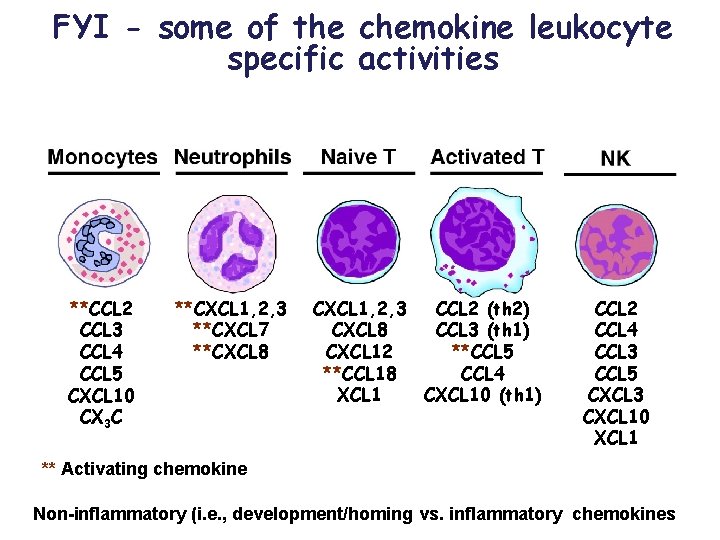
FYI - some of the chemokine leukocyte specific activities **CCL 2 CCL 3 CCL 4 CCL 5 CXCL 10 CX 3 C **CXCL 1, 2, 3 **CXCL 7 **CXCL 8 CXCL 1, 2, 3 CCL 2 (th 2) CXCL 8 CCL 3 (th 1) CXCL 12 **CCL 5 **CCL 18 CCL 4 XCL 1 CXCL 10 (th 1) CCL 2 CCL 4 CCL 3 CCL 5 CXCL 3 CXCL 10 XCL 1 ** Activating chemokine Non-inflammatory (i. e. , development/homing vs. inflammatory chemokines
CXCL 12 Chemokines are much more than just chemoattractants CXCR 4
Chemokine Redundancy Abbas: Chpt. 11
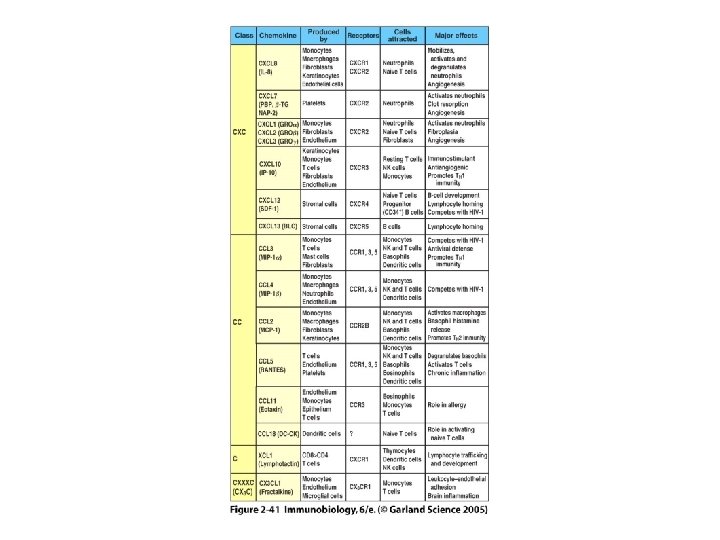
Figure 2 -41
Of Note. . . • Two chemokine receptors serve as co-receptors for HIV infection (CXCR 4 and CCR 5)
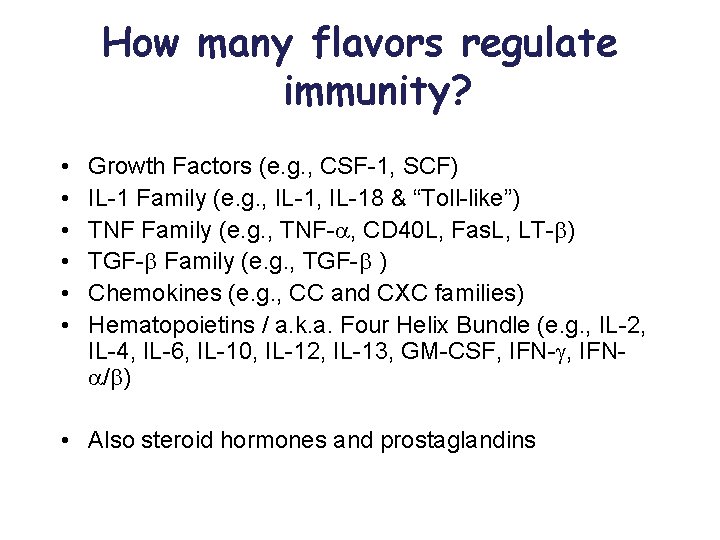
How many flavors regulate immunity? • • • Growth Factors (e. g. , CSF-1, SCF) IL-1 Family (e. g. , IL-18 & “Toll-like”) TNF Family (e. g. , TNF-a, CD 40 L, Fas. L, LT-b) TGF-b Family (e. g. , TGF-b ) Chemokines (e. g. , CC and CXC families) Hematopoietins / a. k. a. Four Helix Bundle (e. g. , IL-2, IL-4, IL-6, IL-10, IL-12, IL-13, GM-CSF, IFN-g, IFNa/b) • Also steroid hormones and prostaglandins
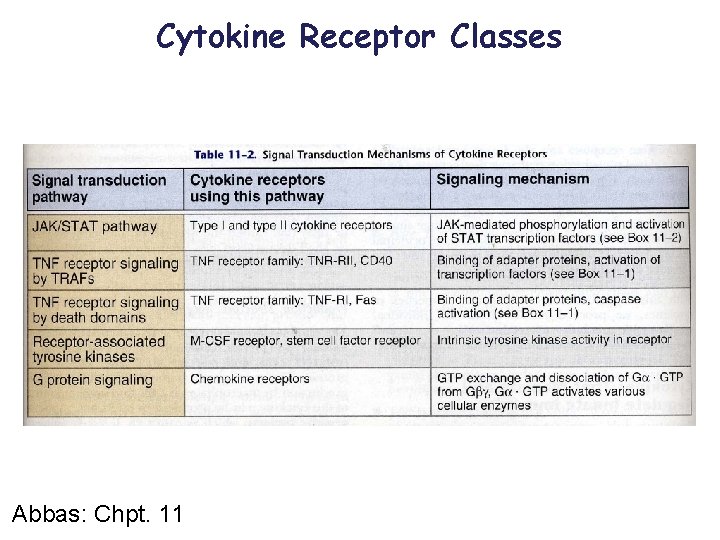
Cytokine Receptor Classes Abbas: Chpt. 11
- Slides: 39