
Lecture Slides for INTRODUCTION TO MACHINE LEARNING 3

- Slides: 42
Lecture Slides for INTRODUCTION TO MACHINE LEARNING 3 RD EDITION ETHEM ALPAYDIN © The MIT Press, 2014 Modified by Prof. Carolina Ruiz for CS 539 Machine Learning at WPI alpaydin@boun. edu. tr http: //www. cmpe. boun. edu. tr/~ethem/i 2 ml 3 e
CHAPTER 11: MULTILAYER PERCEPTRONS
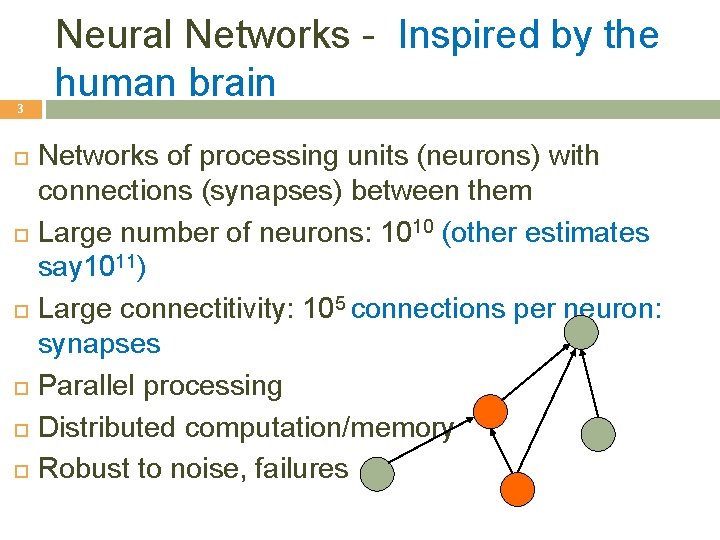
3 Neural Networks - Inspired by the human brain Networks of processing units (neurons) with connections (synapses) between them Large number of neurons: 1010 (other estimates say 1011) Large connectitivity: 105 connections per neuron: synapses Parallel processing Distributed computation/memory Robust to noise, failures
Understanding the Brain 4 Levels of analysis (Marr, 1982) 1. 2. 3. Computational theory Representation and algorithm Hardware implementation Reverse engineering: From hardware to theory Parallel processing: SIMD (single instruction, multiple data machines) vs MIMD (multiple instruction, multiple data machines) Neural net: SIMD with modifiable local memory Learning: Update by training/experience
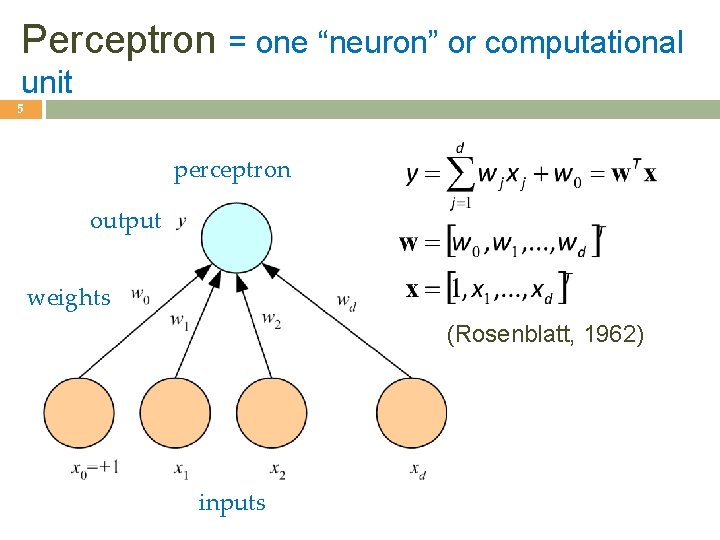
Perceptron = one “neuron” or computational unit 5 perceptron output weights (Rosenblatt, 1962) inputs
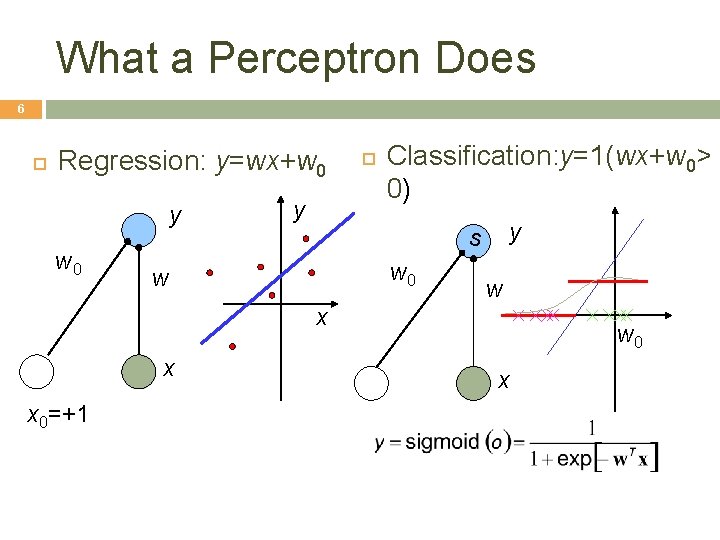
What a Perceptron Does 6 Regression: y=wx+w 0 y Classification: y=1(wx+w 0> 0) y s w 0 w w x x x 0=+1 w 0 x
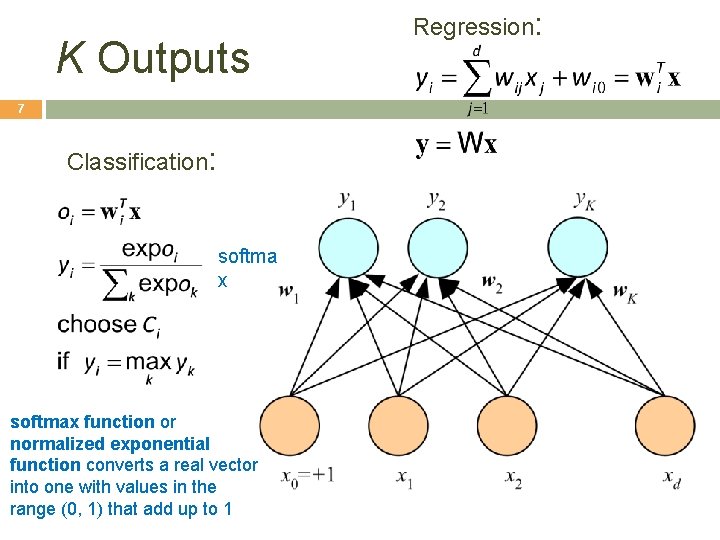
K Outputs 7 Classification: softma x softmax function or normalized exponential function converts a real vector into one with values in the range (0, 1) that add up to 1 Regression:
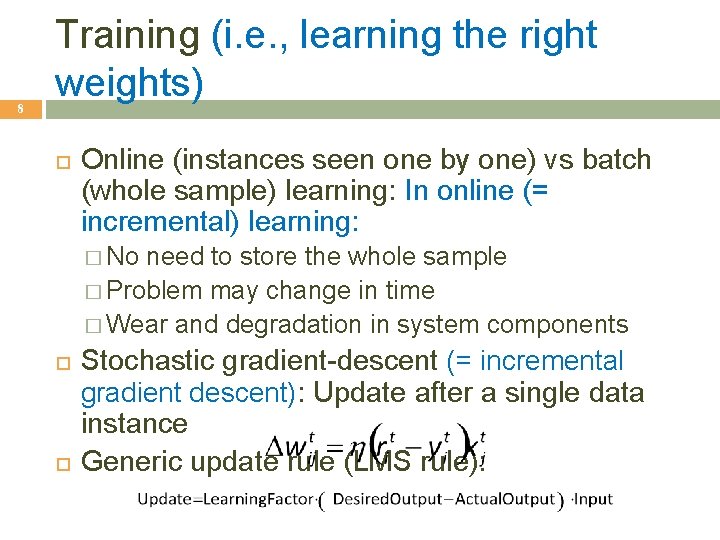
8 Training (i. e. , learning the right weights) Online (instances seen one by one) vs batch (whole sample) learning: In online (= incremental) learning: � No need to store the whole sample � Problem may change in time � Wear and degradation in system components Stochastic gradient-descent (= incremental gradient descent): Update after a single data instance Generic update rule (LMS rule):
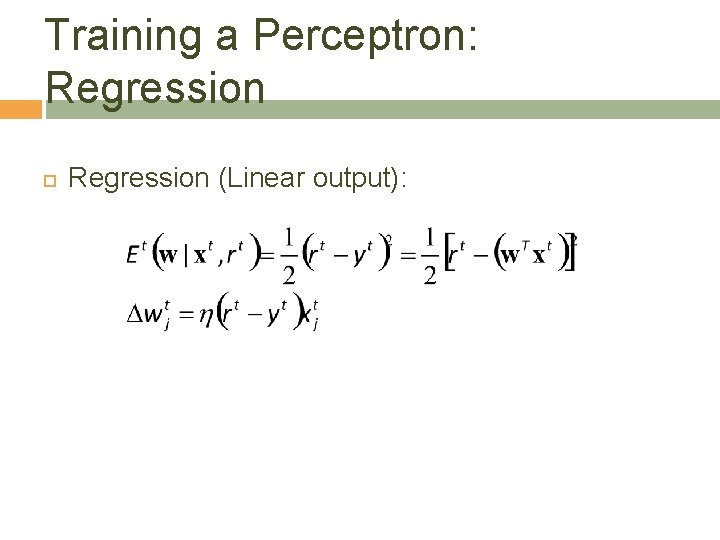
Training a Perceptron: Regression (Linear output): 9
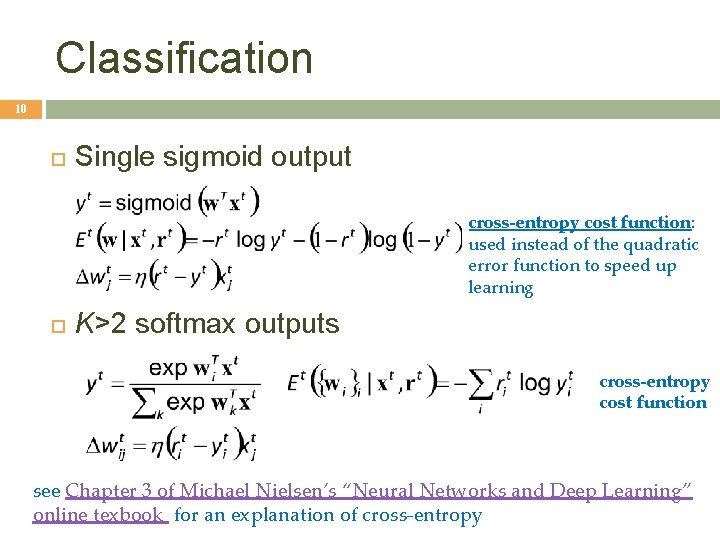
Classification 10 Single sigmoid output cross-entropy cost function: used instead of the quadratic error function to speed up learning K>2 softmax outputs cross-entropy cost function see Chapter 3 of Michael Nielsen’s “Neural Networks and Deep Learning” online texbook for an explanation of cross-entropy
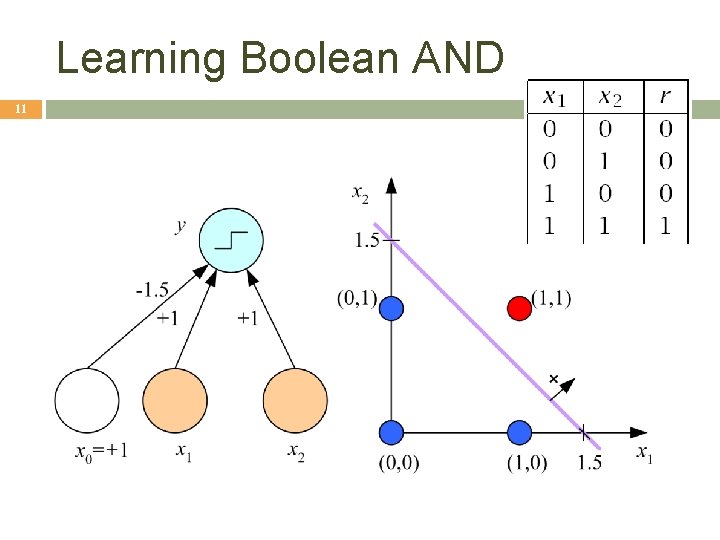
Learning Boolean AND 11
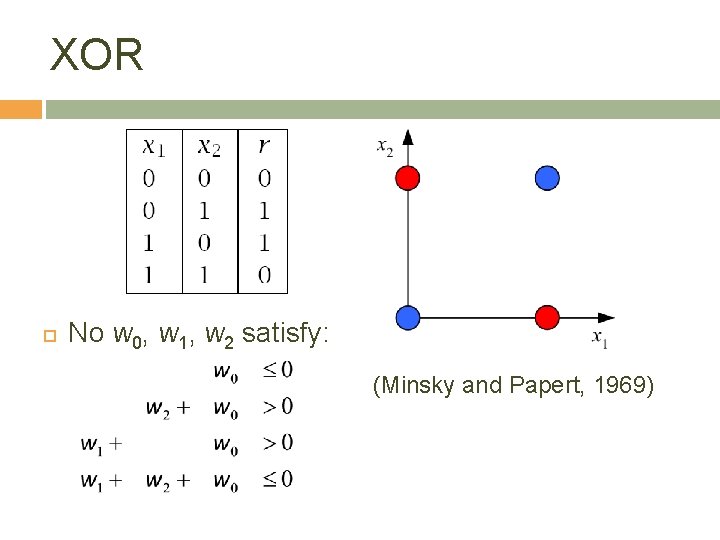
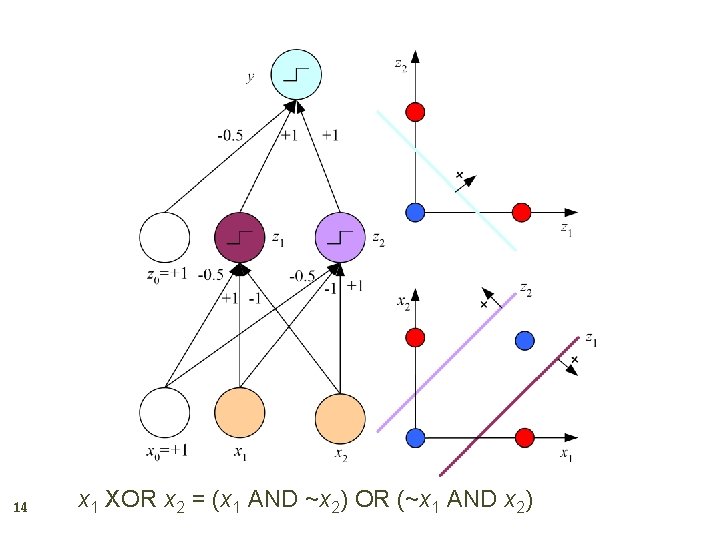
XOR No w 0, w 1, w 2 satisfy: (Minsky and Papert, 1969) 12
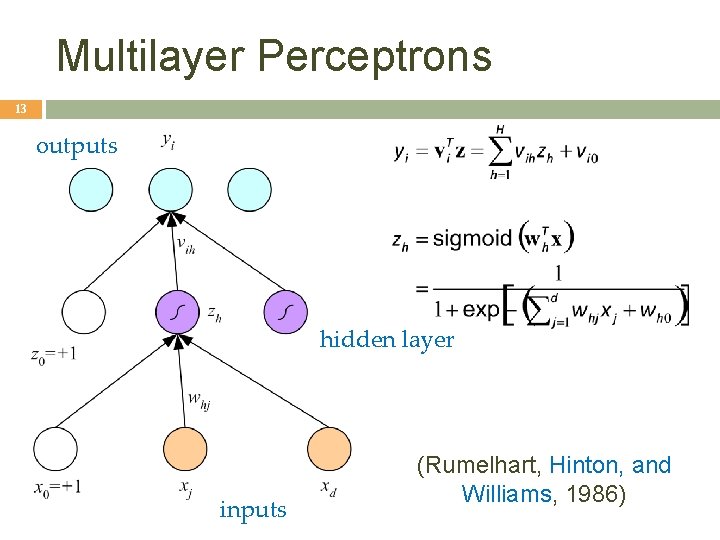
Multilayer Perceptrons 13 outputs hidden layer inputs (Rumelhart, Hinton, and Williams, 1986)
14 x 1 XOR x 2 = (x 1 AND ~x 2) OR (~x 1 AND x 2)
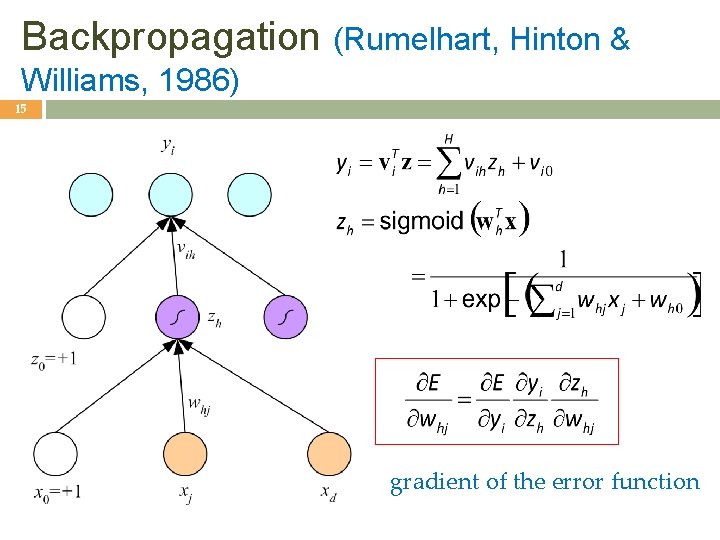
Backpropagation (Rumelhart, Hinton & Williams, 1986) 15 gradient of the error function
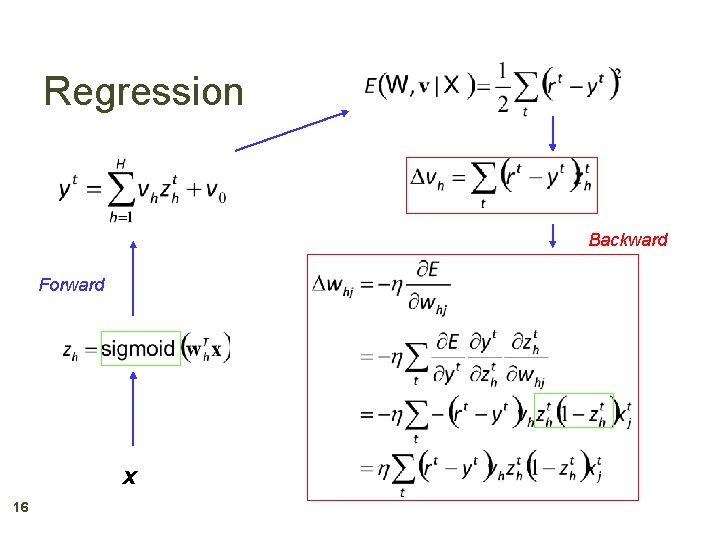
Regression Backward Forward x 16
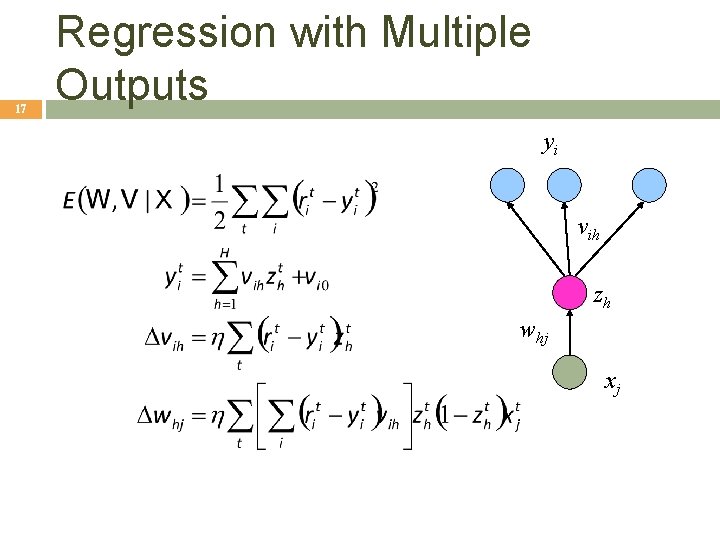
17 Regression with Multiple Outputs yi vih zh whj xj
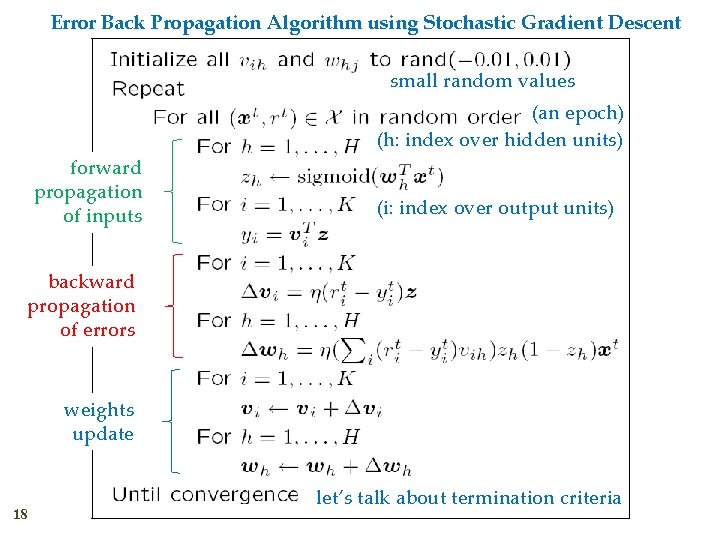
Error Back Propagation Algorithm using Stochastic Gradient Descent small random values (an epoch) (h: index over hidden units) forward propagation of inputs (i: index over output units) backward propagation of errors weights update 18 let’s talk about termination criteria
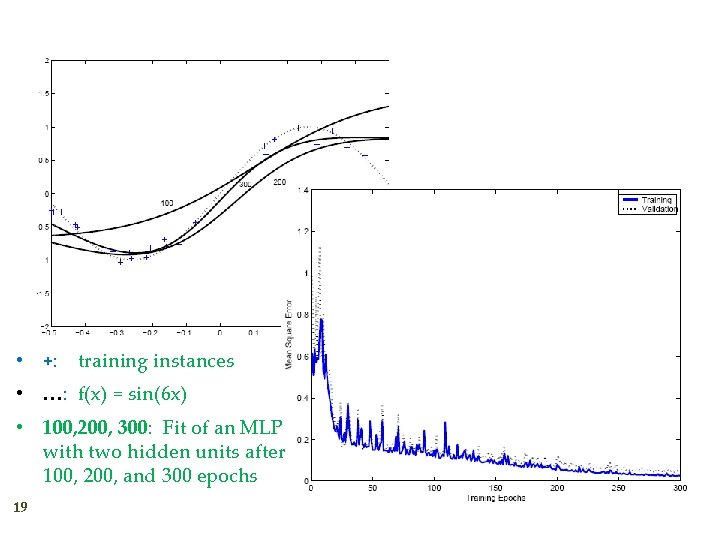
• +: training instances • …: f(x) = sin(6 x) • 100, 200, 300: Fit of an MLP with two hidden units after 100, 200, and 300 epochs 19
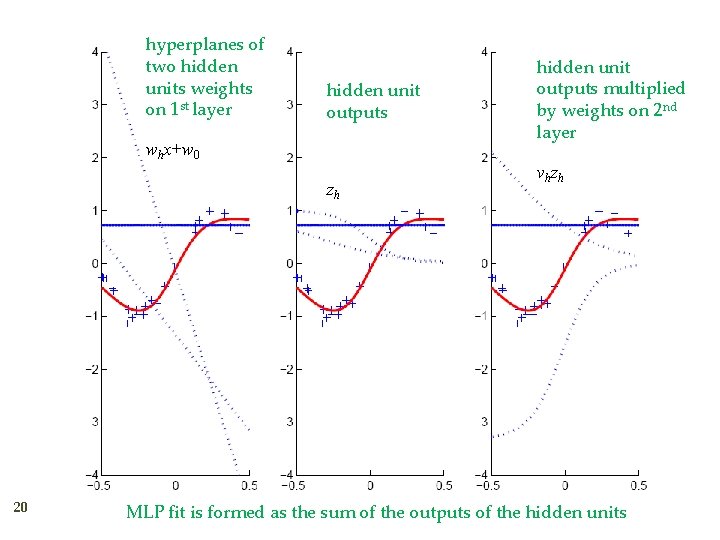
hyperplanes of two hidden units weights on 1 st layer hidden unit outputs whx+w 0 zh 20 hidden unit outputs multiplied by weights on 2 nd layer v h zh MLP fit is formed as the sum of the outputs of the hidden units
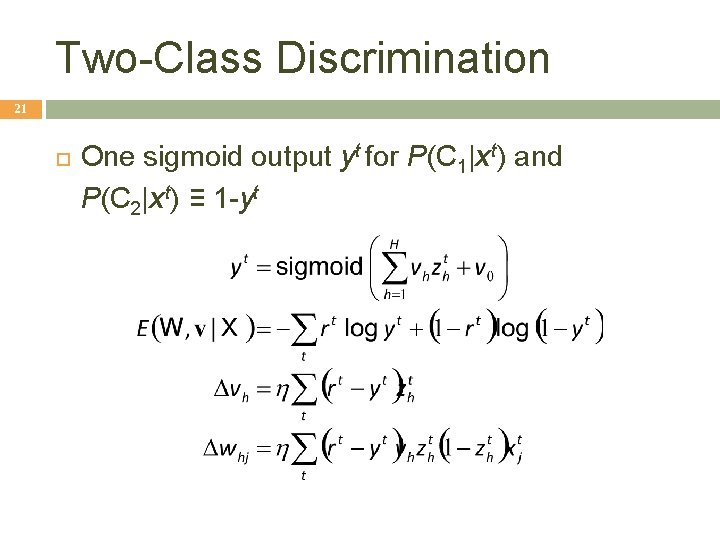
Two-Class Discrimination 21 One sigmoid output yt for P(C 1|xt) and P(C 2|xt) ≡ 1 -yt
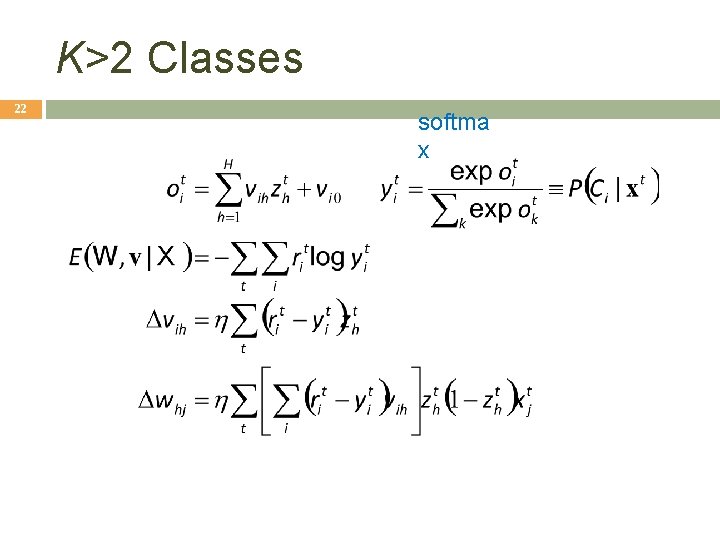
K>2 Classes 22 softma x
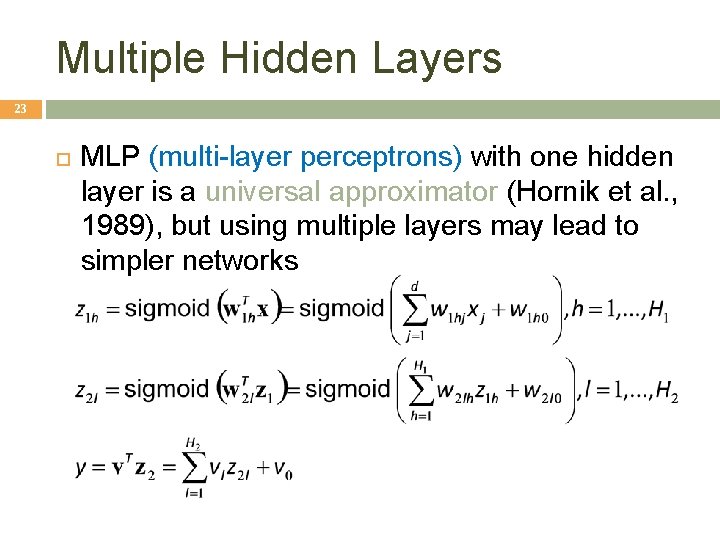
Multiple Hidden Layers 23 MLP (multi-layer perceptrons) with one hidden layer is a universal approximator (Hornik et al. , 1989), but using multiple layers may lead to simpler networks
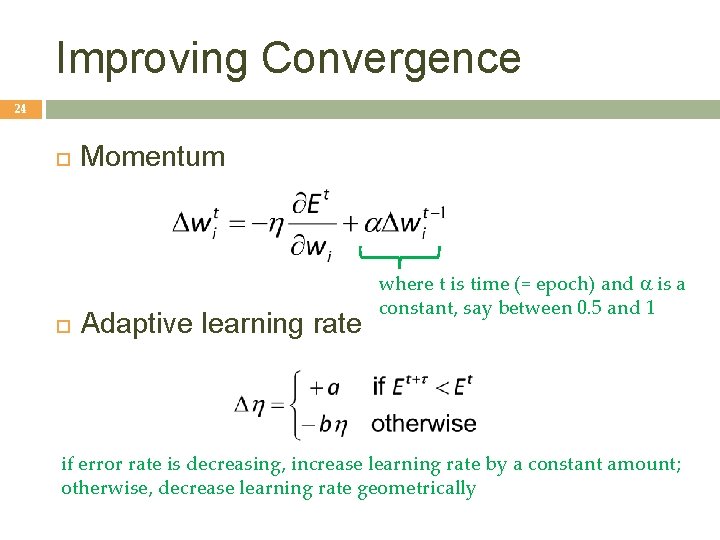
Improving Convergence 24 Momentum Adaptive learning rate where t is time (= epoch) and is a constant, say between 0. 5 and 1 if error rate is decreasing, increase learning rate by a constant amount; otherwise, decrease learning rate geometrically
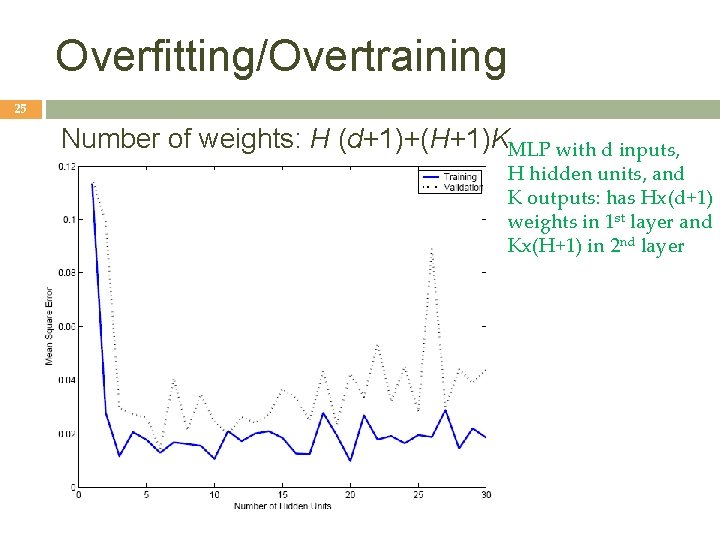
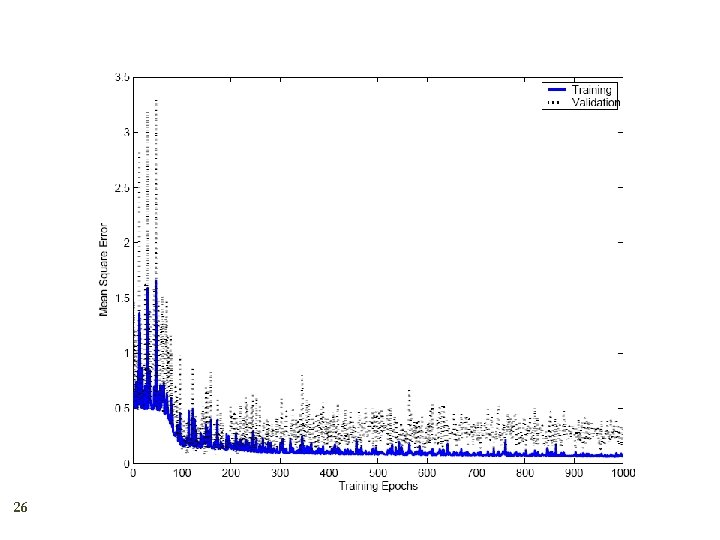
Overfitting/Overtraining 25 Number of weights: H (d+1)+(H+1)KMLP with d inputs, H hidden units, and K outputs: has Hx(d+1) weights in 1 st layer and Kx(H+1) in 2 nd layer
26
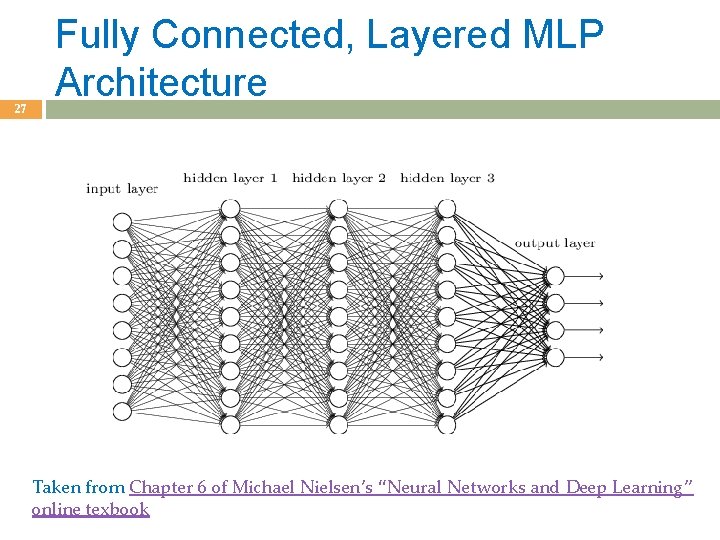
27 Fully Connected, Layered MLP Architecture Taken from Chapter 6 of Michael Nielsen’s “Neural Networks and Deep Learning” online texbook
Expressive Capabilities of ANNs 28 (Taken from Tom Mitchell’s “Machine Learning” Textbook) Boolean Functions: � Every Boolean function can be represented by a network with a single hidden layer � but might require exponential (in number of inputs) hidden units Continuous Functions: � Every bounded continuous function can be approximated with arbitrary small error by a network with one hidden layer [Cybenko 1989; Hornik et al. 1989] � Any function can be approximated to arbitrary accuracy by a network with two hidden layers [Cybenko 1988].
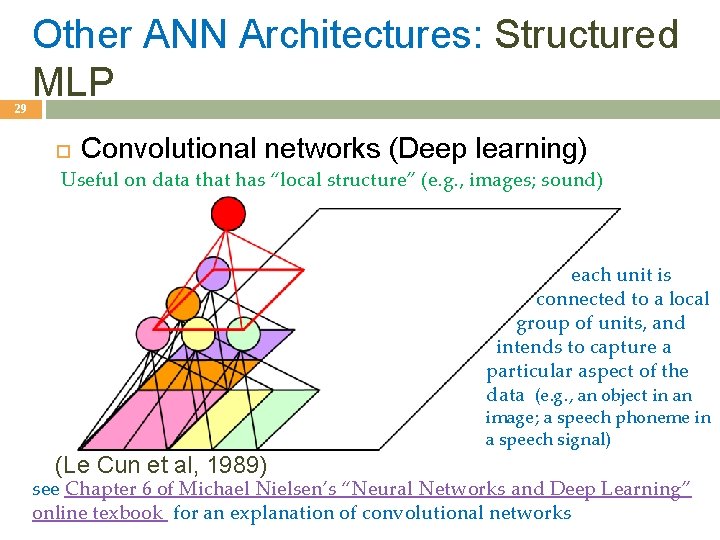
29 Other ANN Architectures: Structured MLP Convolutional networks (Deep learning) Useful on data that has “local structure” (e. g. , images; sound) each unit is connected to a local group of units, and intends to capture a particular aspect of the data (e. g. , an object in an image; a speech phoneme in a speech signal) (Le Cun et al, 1989) see Chapter 6 of Michael Nielsen’s “Neural Networks and Deep Learning” online texbook for an explanation of convolutional networks
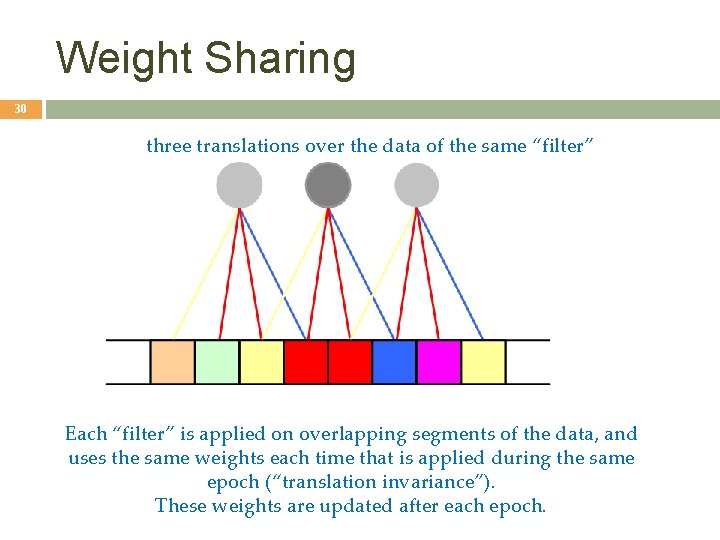
Weight Sharing 30 three translations over the data of the same “filter” Each “filter” is applied on overlapping segments of the data, and uses the same weights each time that is applied during the same epoch (“translation invariance”). These weights are updated after each epoch.
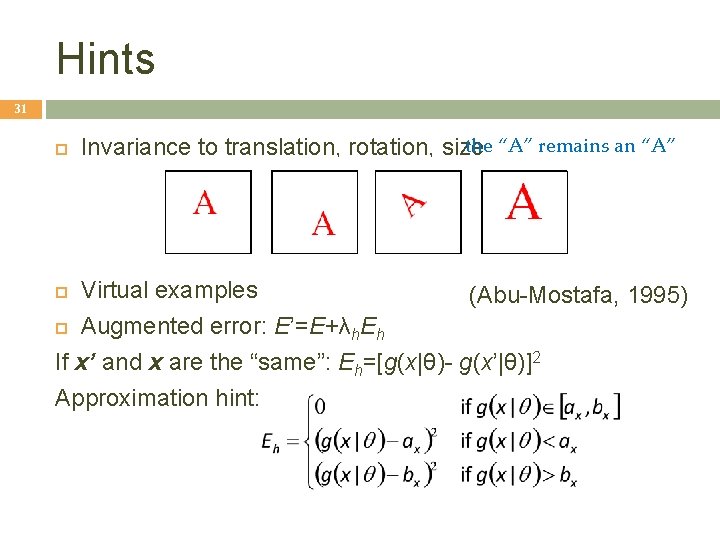
Hints 31 the “A” remains an “A” Invariance to translation, rotation, size Virtual examples (Abu-Mostafa, 1995) Augmented error: E’=E+λh. Eh If x’ and x are the “same”: Eh=[g(x|θ)- g(x’|θ)]2 Approximation hint:
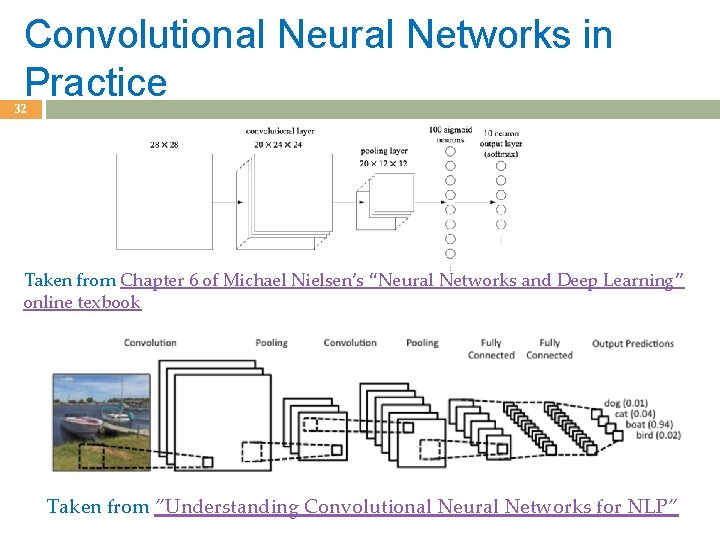
Convolutional Neural Networks in Practice 32 Taken from Chapter 6 of Michael Nielsen’s “Neural Networks and Deep Learning” online texbook Taken from ”Understanding Convolutional Neural Networks for NLP”
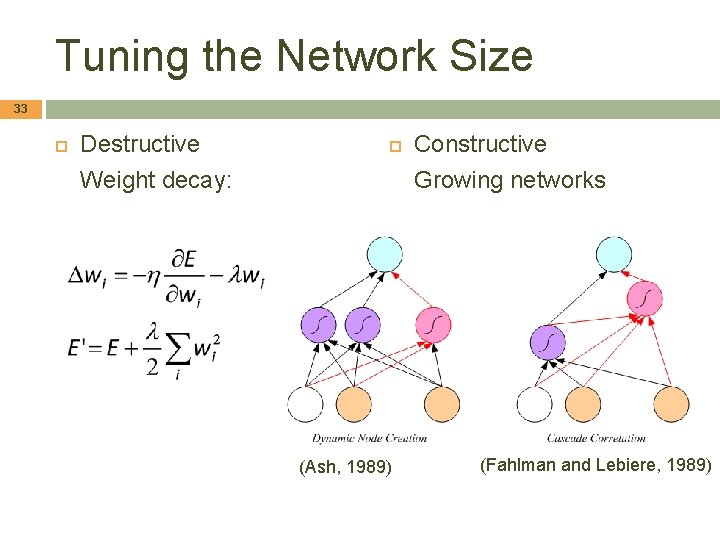
Tuning the Network Size 33 Destructive Weight decay: (Ash, 1989) Constructive Growing networks (Fahlman and Lebiere, 1989)
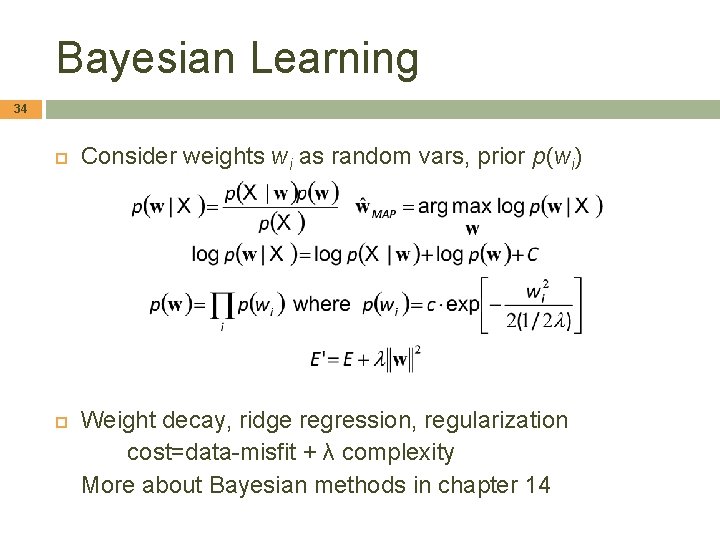
Bayesian Learning 34 Consider weights wi as random vars, prior p(wi) Weight decay, ridge regression, regularization cost=data-misfit + λ complexity More about Bayesian methods in chapter 14
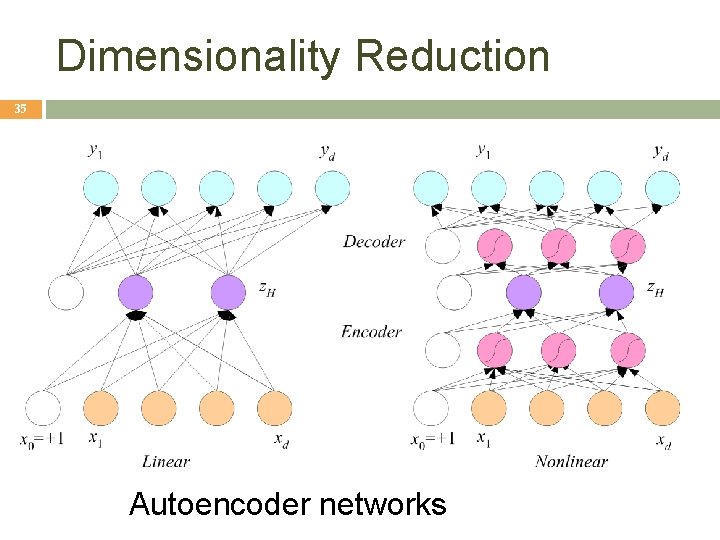
Dimensionality Reduction 35 Autoencoder networks
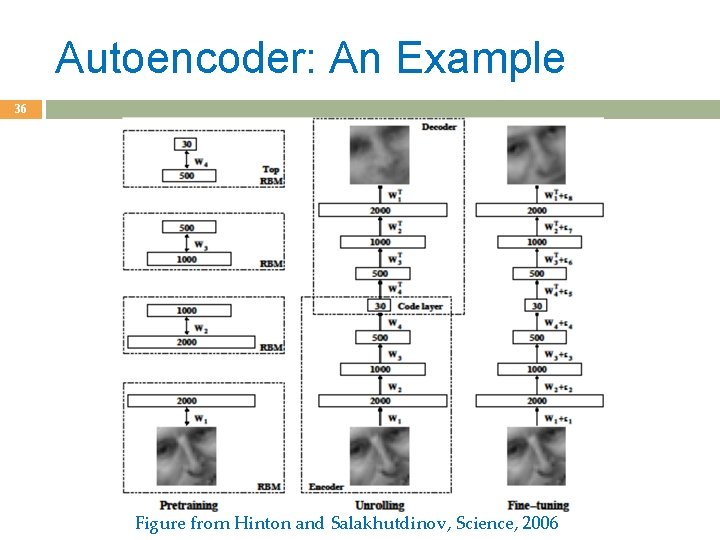
Autoencoder: An Example 36 Figure from Hinton and Salakhutdinov, Science, 2006
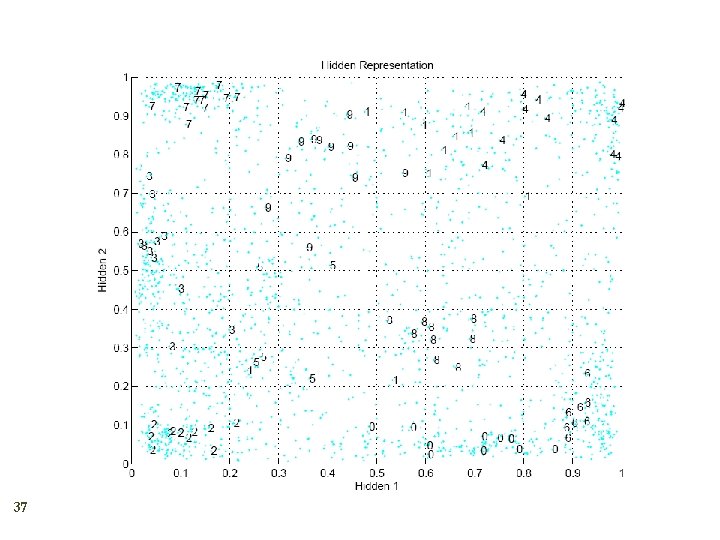
37
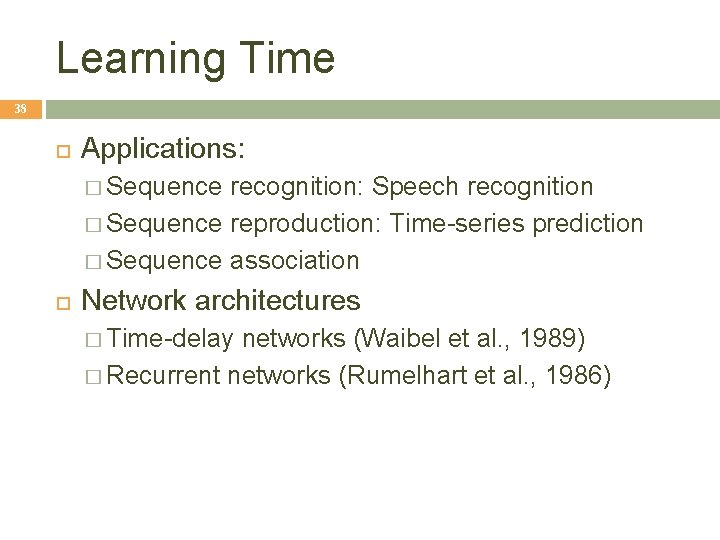
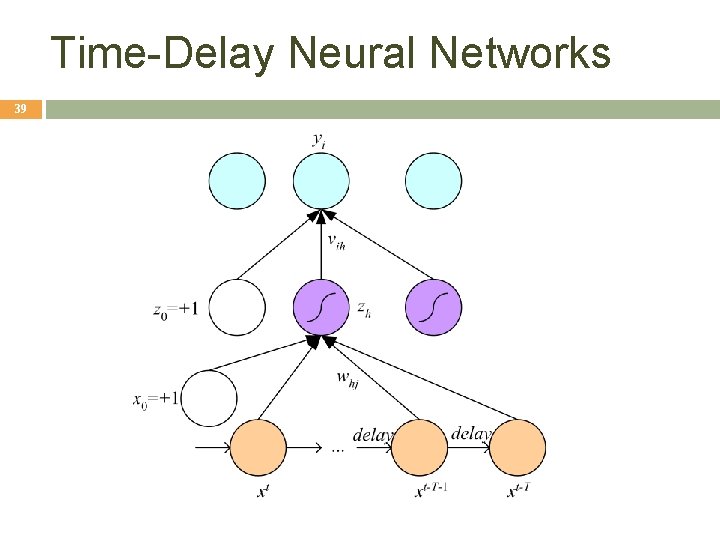
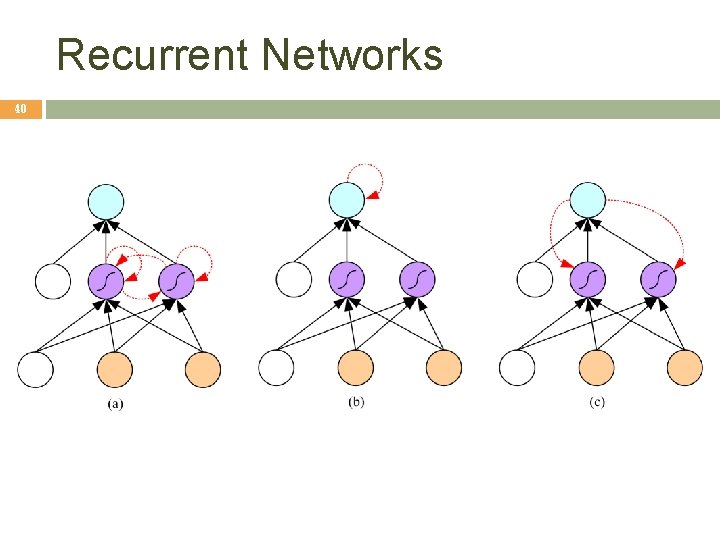
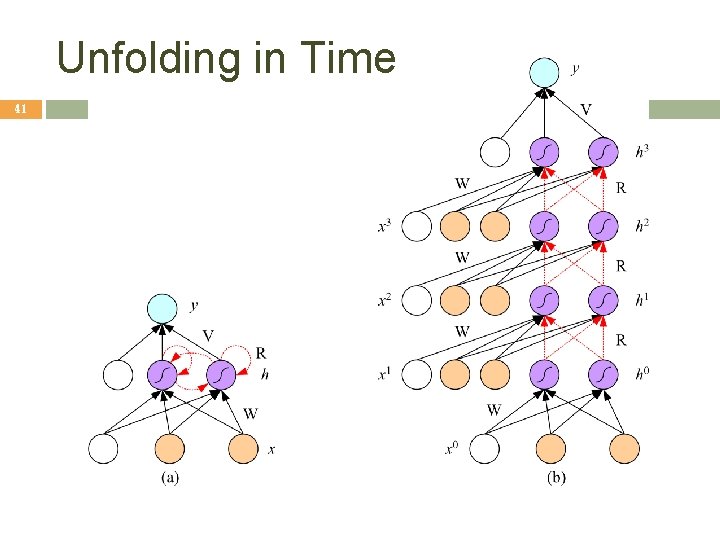
Learning Time 38 Applications: � Sequence recognition: Speech recognition � Sequence reproduction: Time-series prediction � Sequence association Network architectures � Time-delay networks (Waibel et al. , 1989) � Recurrent networks (Rumelhart et al. , 1986)
Time-Delay Neural Networks 39
Recurrent Networks 40
Unfolding in Time 41
Deep Networks 42 Layers of feature extraction units Can have local receptive fields as in convolution networks, or can be fully connected Can be trained layer by layer using an autoencoder in an unsupervised manner No need to craft the right features or the right basis functions or the right dimensionality reduction method; learns multiple layers of abstraction all by itself given a lot of data and a lot of computation Applications in vision, language processing, . . .