
Lecture Power Point to accompany Foundations in Microbiology
Lecture Power. Point to accompany Foundations in Microbiology Sixth Edition Talaro Chapter 5 Eucaryotic Cells and Microorganisms Copyright © The Mc. Graw-Hill Companies, Inc. Permission required for reproduction or display.
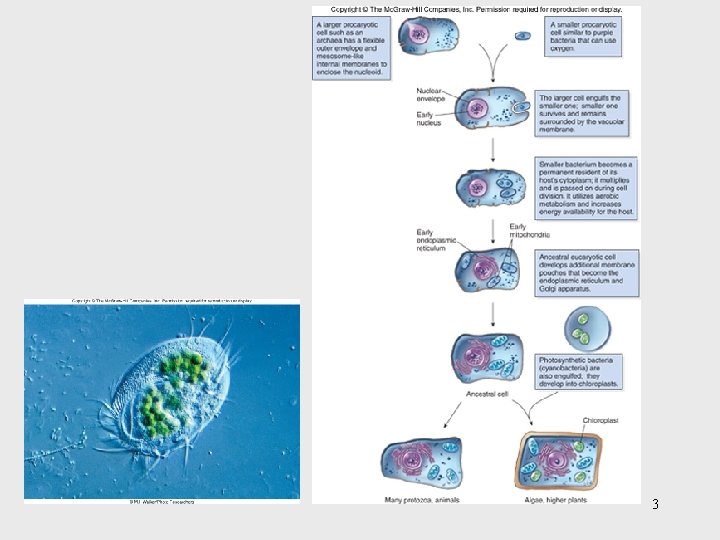
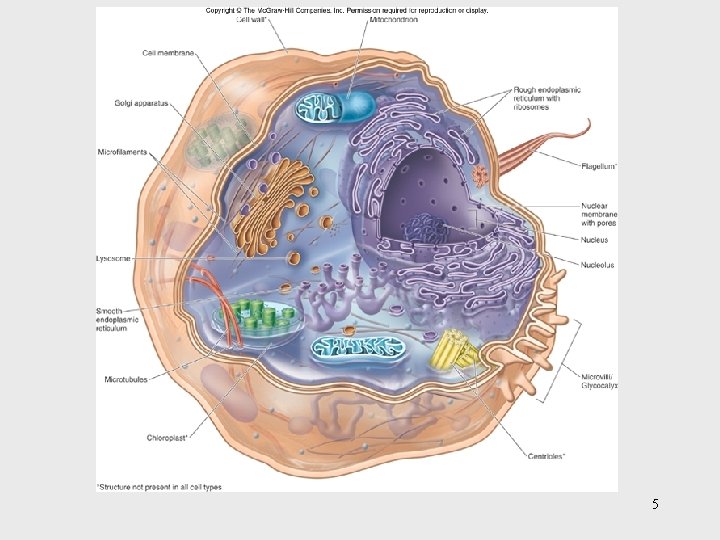
The History of Eucaryotes • They first appeared approximately 2 billion years ago. • Evidence suggests evolution from procaryotic organisms by symbiosis. • Organelles originated from procaryotic cells trapped inside them. 2
3
4
5
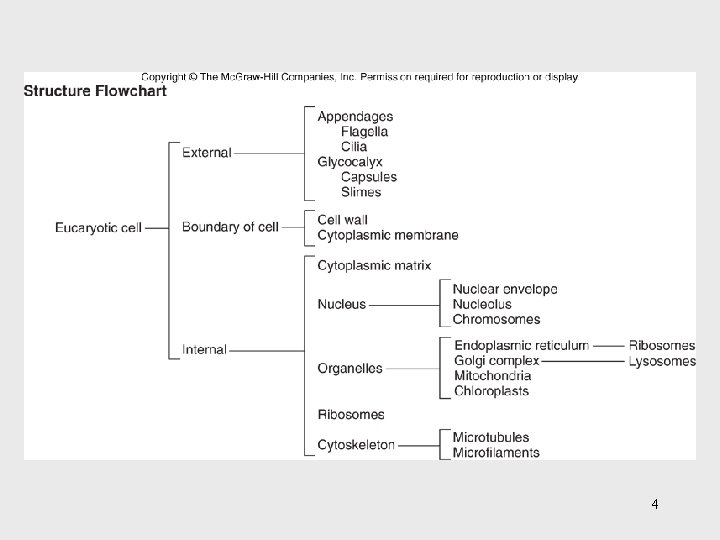
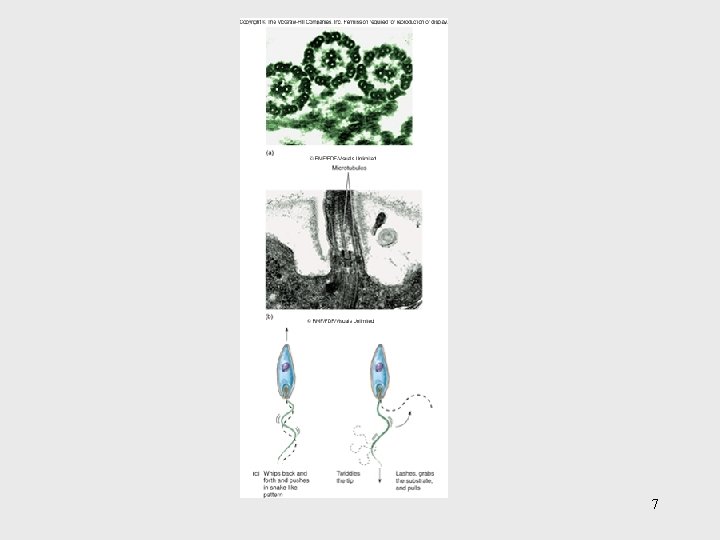
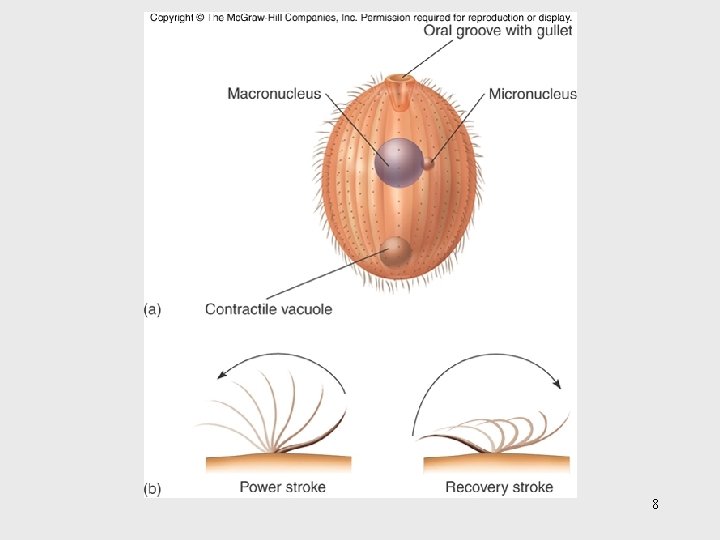
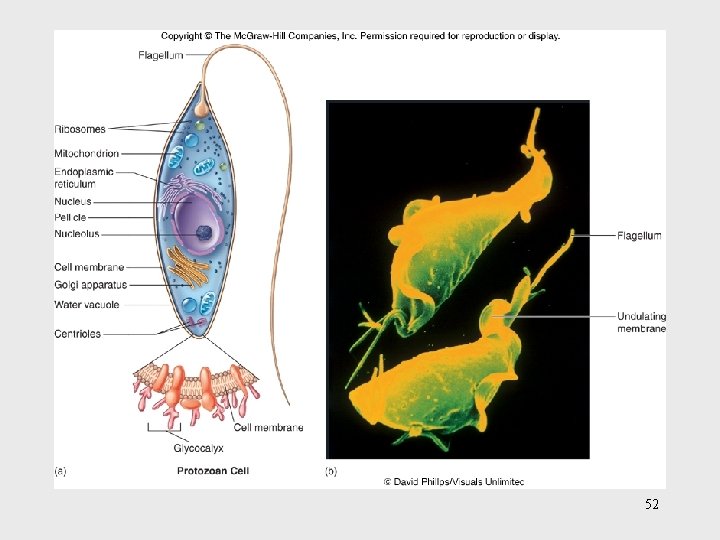
External Structures • Locomotor appendages – flagella • long, sheathed cylinder containing microtubules in a 9+2 arrangement • covered by an extension of the cell membrane • 10 X thicker than procaryotic flagella • function in motility – cilia • similar in overall structure to flagella, but shorter and more numerous • found only on a single group of protozoa and certain animal cells • function in motility, feeding and filtering 6
7
8
External Structures • Glycocalyx – an outermost boundary that comes into direct contact with environment – usually composed of polysaccharides – appears as a network of fibers, a slime layer or a capsule – functions in adherence, protection, and signal reception – beneath the glycocalyx • Fungi and most algae have a thick, rigid cell wall. • Protozoa, a few algae, and all animal cells lack a cell wall and have only a membrane. 9
External Boundary Structures • Cell wall – rigid, provides structural support and shape – Fungi have thick inner layer of polysaccharide fibers composed of chitin or cellulose and a thin layer of mixed glycans. – algae – varies in chemical composition; substances commonly found include cellulose, pectin, mannans, silicon dioxide, and calcium carbonate 10
External Boundary Structures • Cytoplasmic (cell) membrane – typical bilayer of phospholipids and proteins – sterols confer stability – serves as selectively permeable barrier in transport – Eucaryotic cells also contain membrane-bound organelles that account for 60 -80% of their volume. 11
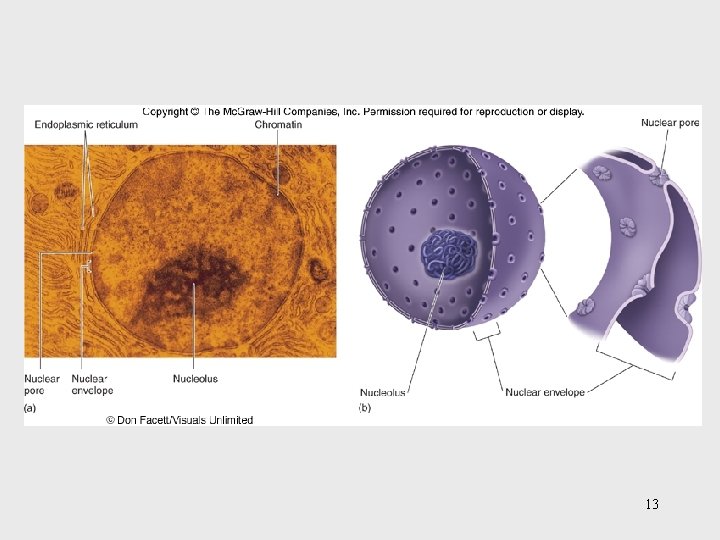
Internal Structures • Nucleus – compact sphere, most prominent organelle of eucaryotic cell – nuclear envelope composed of two parallel membranes separated by a narrow space and is perforated with pores – contains chromosomes – nucleolus – dark area for r. RNA synthesis and ribosome assembly 12
13
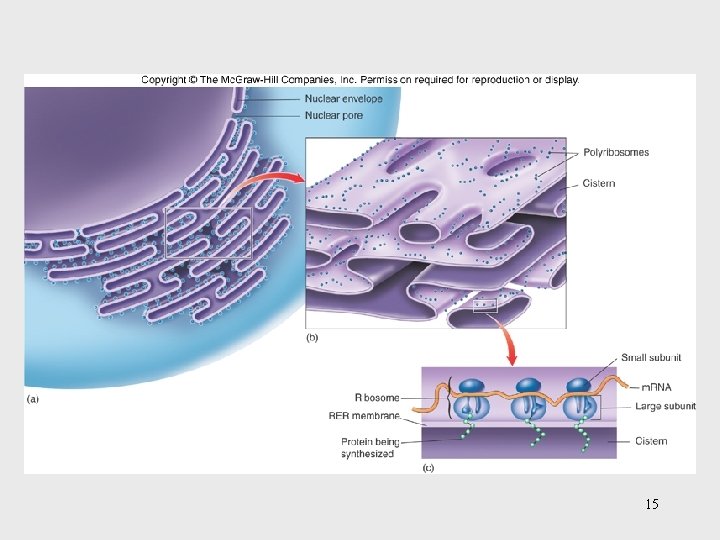
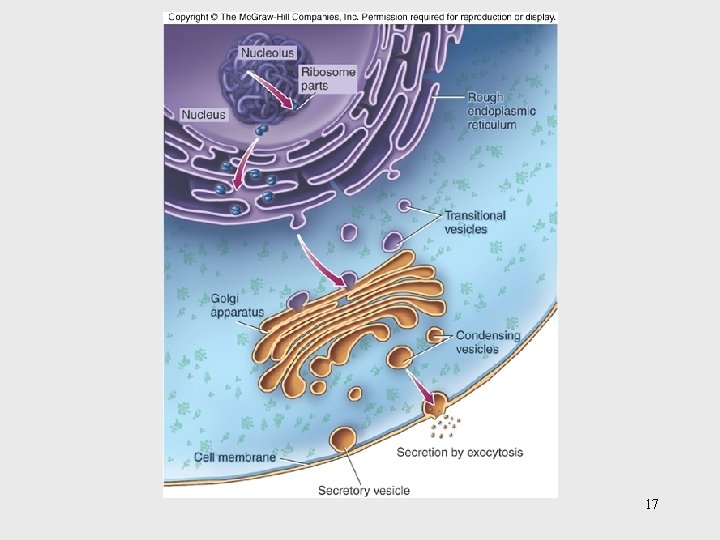
Internal Structures • Endoplasmic reticulum – two types: – Rough endoplasmic reticulum (RER)– originates from the outer membrane of the nuclear envelop and extends in a continuous network through cytoplasm; rough due to ribosomes; proteins synthesized and shunted into the ER for packaging and transport; first step in secretory pathway – Smooth endoplasmic reticulum (SER)– closed tubular network without ribosomes; functions in nutrient processing, synthesis and storage of lipids, etc. 14
15
Internal Structures • Golgi apparatus – consists of a stack of flattened sacs called cisternae – closely associated with ER – Transitional vesicles from the ER containing proteins go to the Golgi apparatus for modification and maturation. – Condensing vesicles transport proteins to organelles or secretory proteins to the outside. 16
17
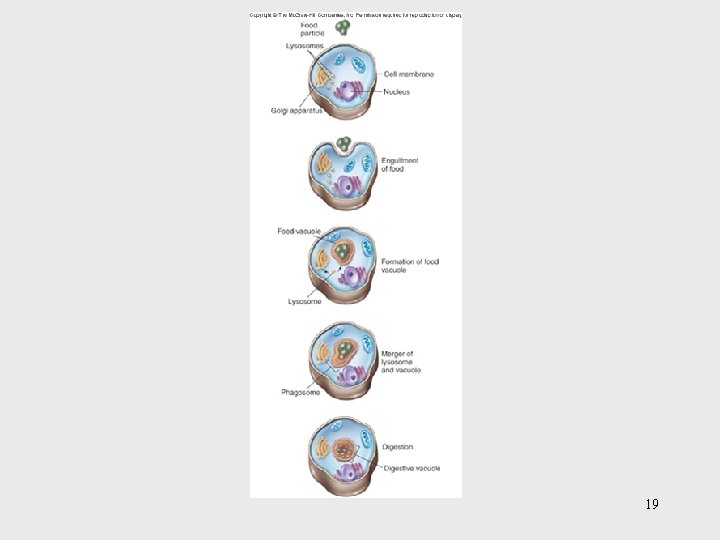
Internal Structures • Lysosomes – vesicles containing enzymes that originate from Golgi apparatus – involved in intracellular digestion of food particles and in protection against invading microbes 18
19
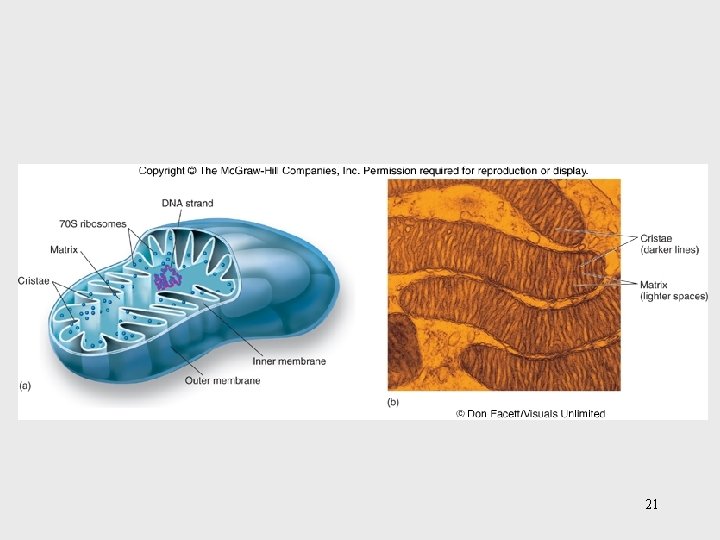
Internal Structures • Mitochondria – consists of an outer membrane and an inner membrane with folds called cristae – Cristae hold the enzymes and electron carriers of aerobic respiration. – divide independently of cell – contain DNA and procaryotic ribosomes – function in energy production 20
21
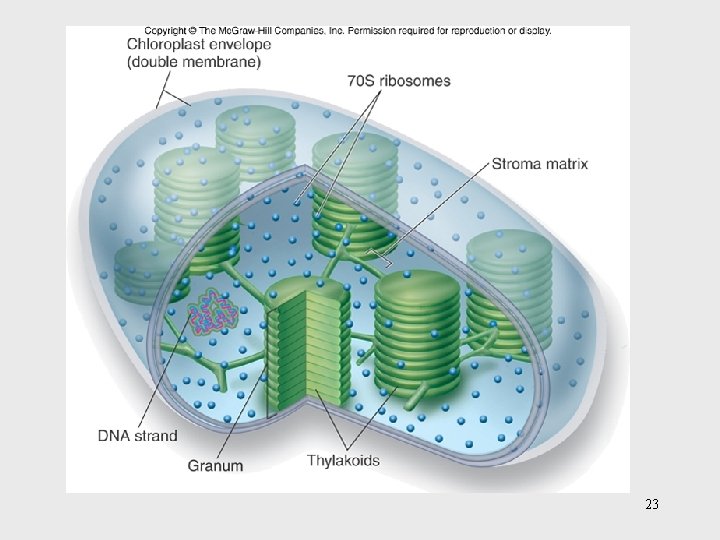
Internal Structures • Chloroplast – found in algae and plant cells – outer membrane covers inner membrane folded into sacs, thylakoids, stacked into grana – larger than mitochondria – contain photosynthetic pigments – convert the energy of sunlight into chemical energy through photosynthesis – primary producers of organic nutrients for other organisms 22
23
Internal Structures • Ribosomes – composed of r. RNA and proteins – 40 S and 60 S subunits form 80 S ribosomes – larger than procaryotic ribosomes – function in protein synthesis 24
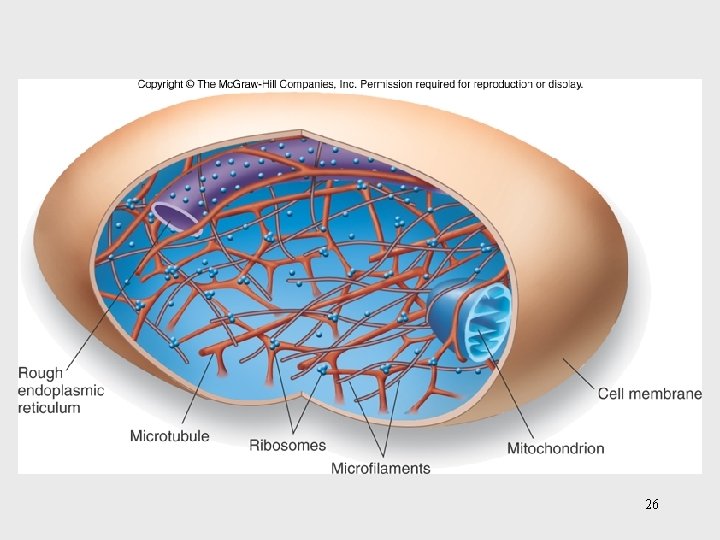
Internal Structures • Cytoskeleton – flexible framework of proteins, microfilaments and microtubules form network throughout cytoplasm – involved in movement of cytoplasm, amoeboid movement, transport, and structural support 25
26
Survey of Eucaryotic Microbes • • Fungi Algae Protozoa Parasitic worms 27
Kingdom Fungi • 100, 000 species divided into 2 groups: – macroscopic fungi (mushrooms, puffballs, gill fungi) – microscopic fungi (molds, yeasts) • Majority are unicellular or colonial; a few have cellular specialization 28
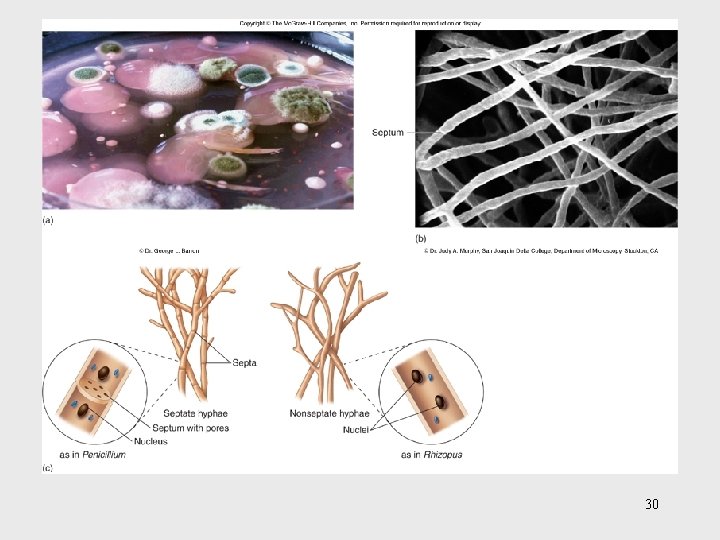
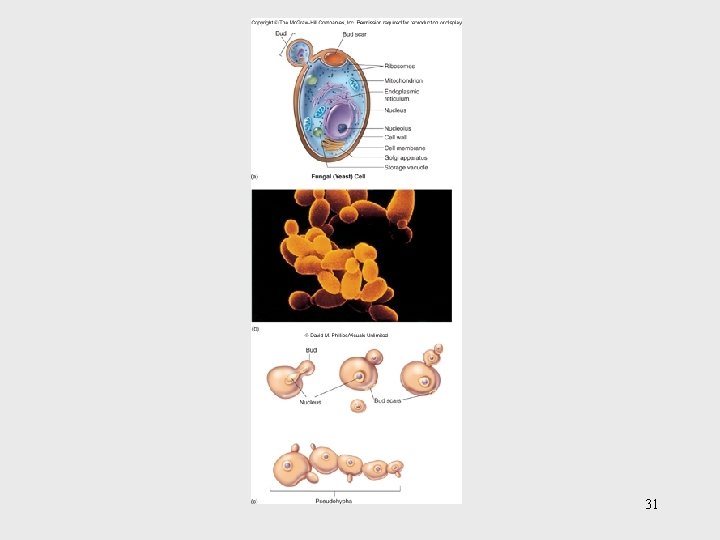
Microscopic Fungi • Exist in two morphologies: – yeast – round ovoid shape, asexual reproduction – hyphae – long filamentous fungi or molds • Some exist in either form – dimorphic – characteristic of some pathogenic molds 29
30
31
Fungal Nutrition • All are heterotrophic • Majority are harmless saprobes living off dead plants and animals • Some are parasites, living on the tissues of other organisms, but none are obligate; mycoses – fungal infections • Growth temperature 20 o-40 o. C • Extremely widespread distribution in many habitats 32
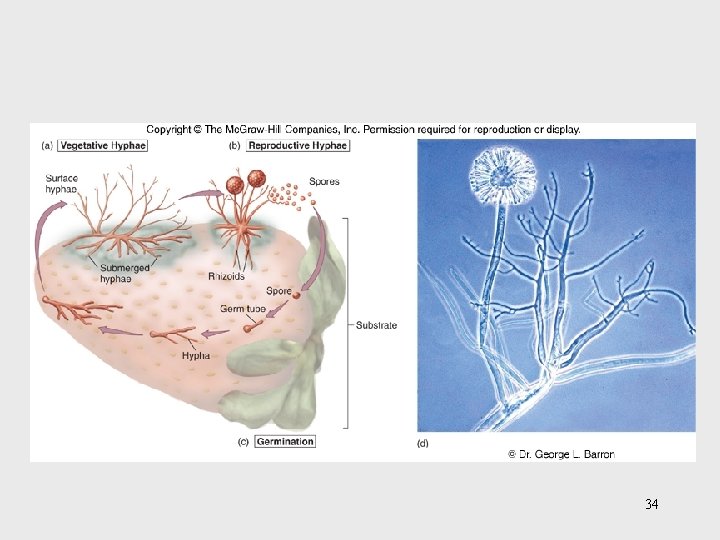
Fungal Organization • Most grow in loose associations or colonies • Yeast – soft, uniform texture and appearance • Filamentous fungi – mass of hyphae called mycelium; cottony, hairy, or velvety texture – hyphae may be divided by cross walls – septate – vegetative hyphae – digest and absorb nutrients – reproductive hyphae – produce spores for reproduction 33
34
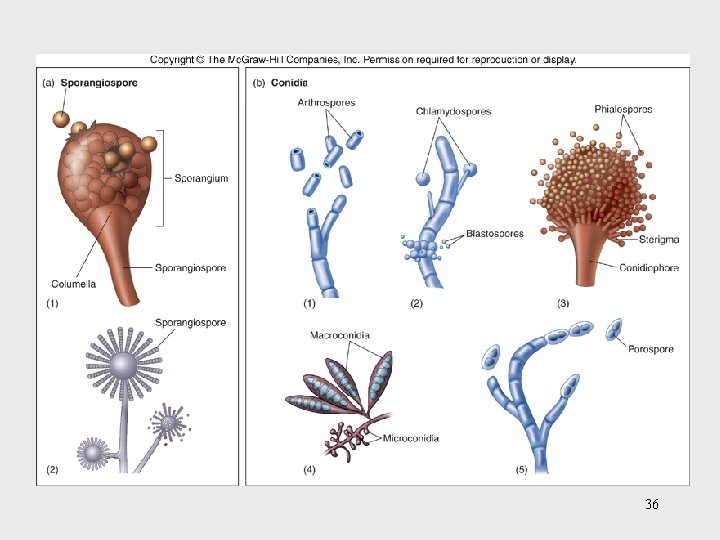
Fungal Reproduction • Primarily through spores formed on reproductive hyphae • Asexual reproduction – spores are formed through budding or mitosis; conidia or sporangiospores 35
36
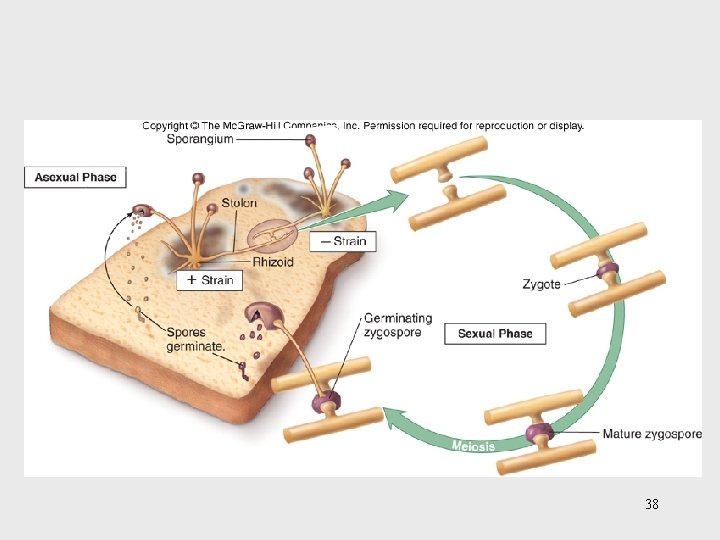
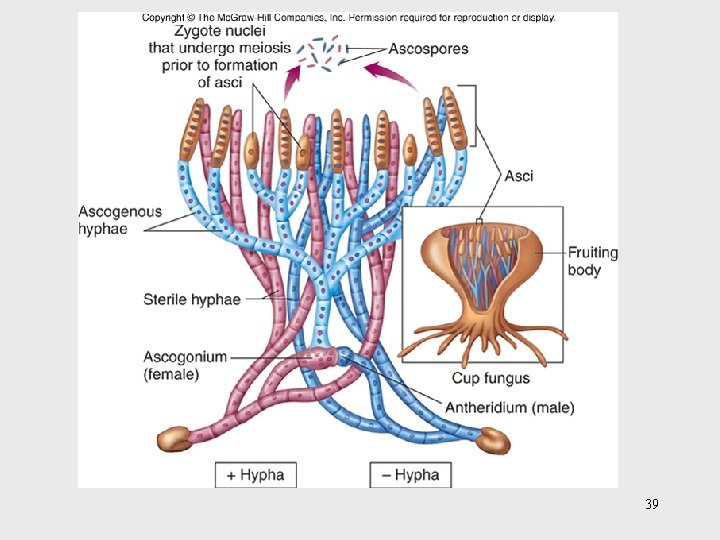
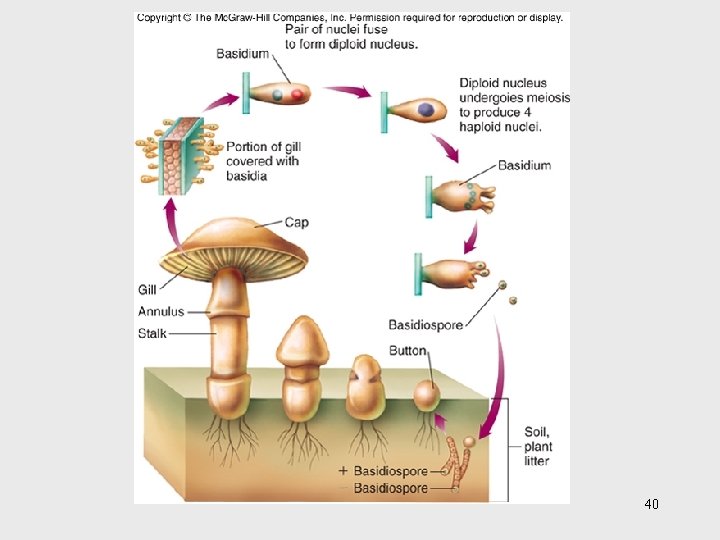
Fungal Reproduction • Sexual reproduction – spores are formed following fusion of male and female strains and formation of sexual structure • Sexual spores and spore-forming structures are one basis for classification. 37
38
39
40
Fungal Classification Subkingdom Amastigomycota – terrestrial inhabitants including those of medical importance: 1. Zygomycota – zygospores; sporangiospores and some conidia 2. Ascomycota – ascospores; conidia 3. Basidiomycota – basidiospores; conidia 4. Deuteromycota – majority are yeasts and molds; no sexual spores known; conidia 41
Fungal Identification • Isolation on specific media • Macroscopic and microscopic observation of: – asexual spore-forming structures and spores – hyphal type – colony texture and pigmentation – physiological characteristics – genetic makeup 42
Roles of Fungi • Adverse impact – mycoses, allergies, toxin production – destruction of crops and food storages • Beneficial impact – decomposers of dead plants and animals – sources of antibiotics, alcohol, organic acids, vitamins – used in making foods and in genetic studies 43
Kingdom Protista • Algae • Protozoa 44
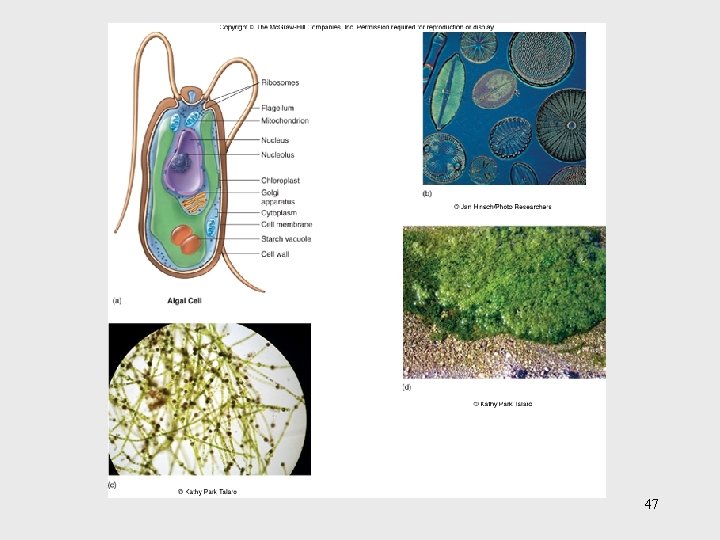
Algae • Photosynthetic organisms • Kelps, seaweeds, euglenids, green algae, diatoms, dinoflagellates, brown algae, and red seaweeds • Microscopic forms are unicellular, colonial, filamentous. • Macroscopic forms are colonial and multicellular. • Contain chloroplasts with chlorophyll and other pigments • Cell wall • May or may not have flagella 45
Algae • Most are free-living in fresh and marine water – plankton. • Provide basis of food web in most aquatic habitats • Produce large proportion of atmospheric O 2 • Dinoflagellates can cause red tides and give off toxins that cause food poisoning with neurological symptoms. • Classified according to types of pigments and cell wall • Used for cosmetics, food, and medical products 46
47
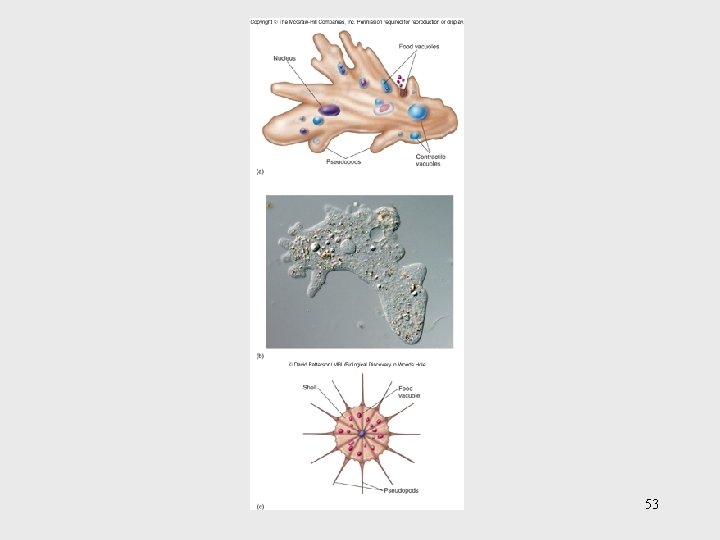
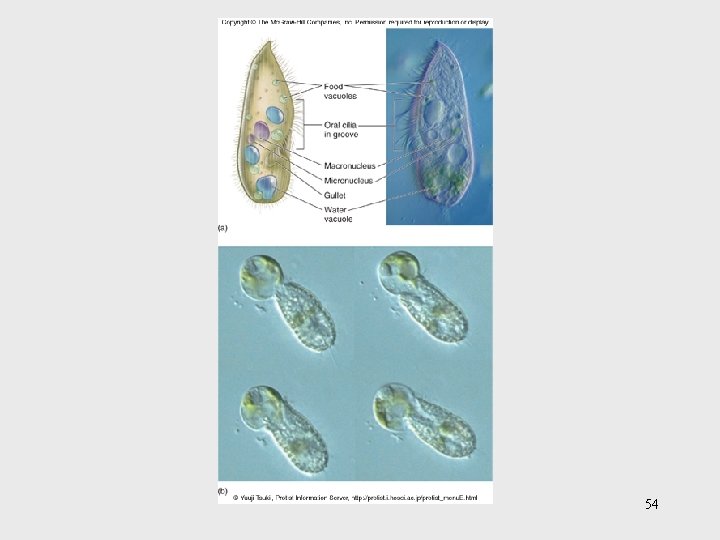
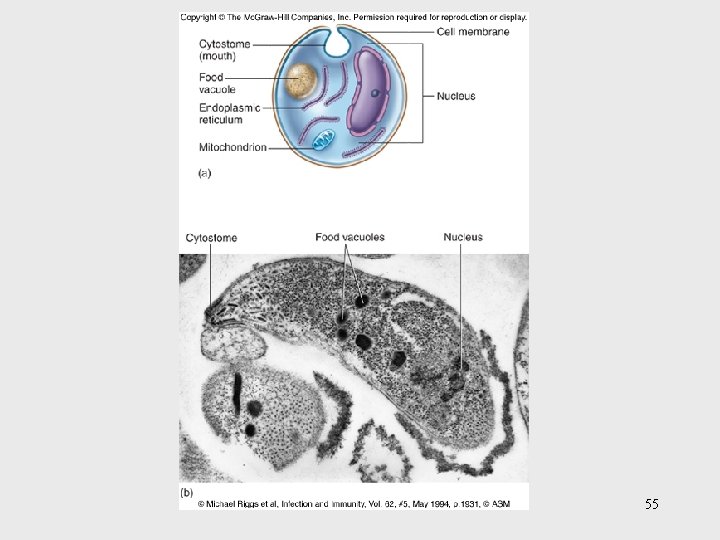
Protozoa • • • 65, 000 species Vary in shape, lack a cell wall Most are unicellular; colonies are rare Most are harmless, free-living in a moist habitat Some are animal parasites and can be spread by insect vectors. • All are heterotrophic. • Feed by engulfing other microbes and organic matter 48
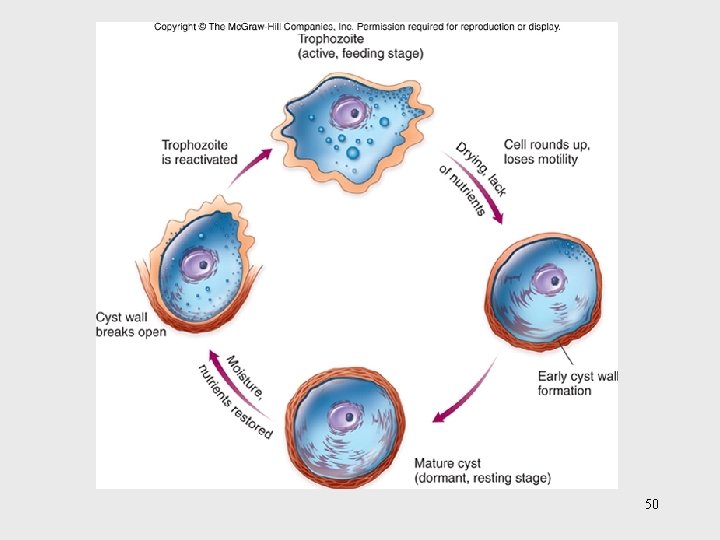
Protozoa • Most have locomotor structures – flagella, cilia, or pseudopods. • Exist as trophozoite - motile feeding stage • Many can enter into a dormant resting stage when conditions are unfavorable for growth and feeding – cyst. • All reproduce asexually, mitosis or multiple fission; many also reproduce sexually – conjugation. 49
50
Protozoan Identification • • Classification is difficult because of diversity. Simple grouping is based on method of motility, reproduction, and life cycle. 1. Mastigophora – primarily flagellar motility, some flagellar and amoeboid; sexual reproduction; cyst and trophozoite 2. Sarcodina – primarily ameba; asexual by fission; most are free-living 3. Ciliophora – cilia; trophozoites and cysts; most are freeliving, harmless 4. Apicomplexa – motility is absent except male gametes; sexual and asexual reproduction; complex life cycle – all parasitic 51
52
53
54
55
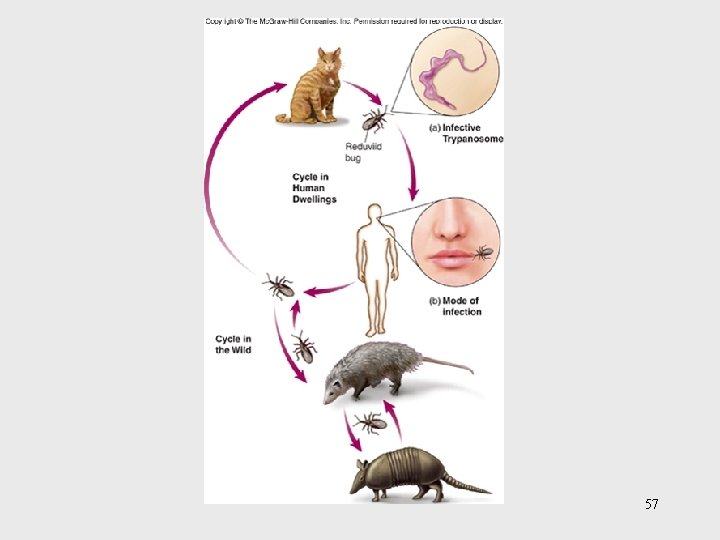
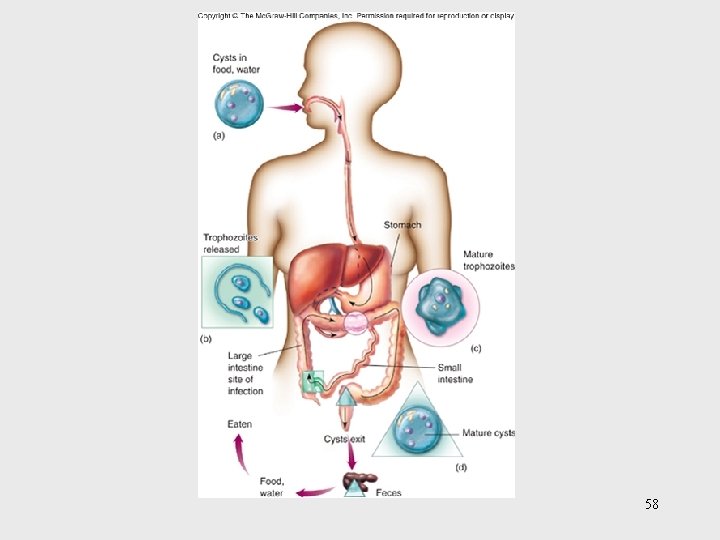
Important Protozoan Pathogens • Pathogenic flagellates – Trypanosoma • T. brucei – African sleeping sickness • T. cruzi – Chaga’s disease; South America • Infective amebas – Entameba histolytica – amebic dysentery; worldwide 56
57
58
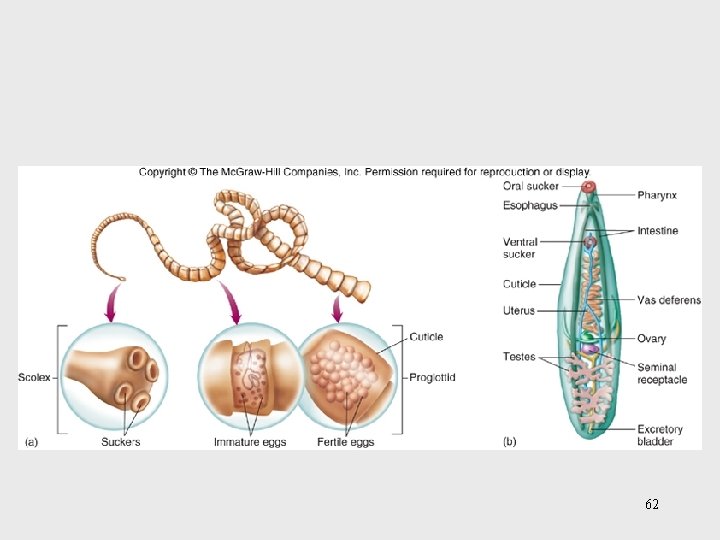
Parasitic Helminths • Multicellular animals, organs for reproduction, digestion, movement, protection • Parasitize host tissues • Have mouthparts for attachment to or digestion of host tissues • Most have well-developed sex organs that produce eggs and sperm. • Fertilized eggs go through larval period in or out of host body. 59
Major Groups of Parasitic Helminths 1. Flatworms – flat, no definite body cavity; digestive tract a blind pouch; simple excretory and nervous systems • cestodes (tapeworms) • Trematodes or flukes, are flattened , nonsegmented worms with sucking mouthparts. 2. Roundworms (nematodes)- round, a complete digestive tract, a protective surface cuticle, spines and hooks on mouth; excretory and nervous systems poorly developed 60
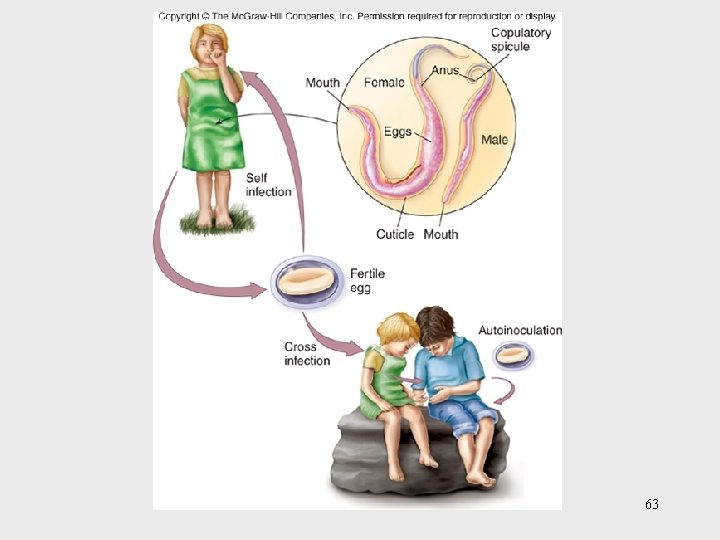
Helminths • 50 species parasitize humans. • Acquired though ingestion of larvae or eggs in food; from soil or water; some are carried by insect vectors • Afflict billions of humans 61
62
63
Helminth Classification and Identification • Classify according to shape, size, organ development, presence of hooks, suckers, or other special structures, mode of reproduction, hosts, and appearance of eggs and larvae • Identify by microscopic detection of adult worm, larvae, or eggs 64
Distribution and Importance of Parasitic Worms • Approximately 50 species parasitize humans. • Distributed worldwide; some restricted to certain geographic regions with higher incidence in tropics 65
- Slides: 65