
Lecture 9 Some notes about entropy Molecular Biology
Lecture 9 Some notes about entropy Molecular Biology continued How does genetics help us to find interesting objects and find relationships between them? There will be NO LECTURE on Tue, March 3
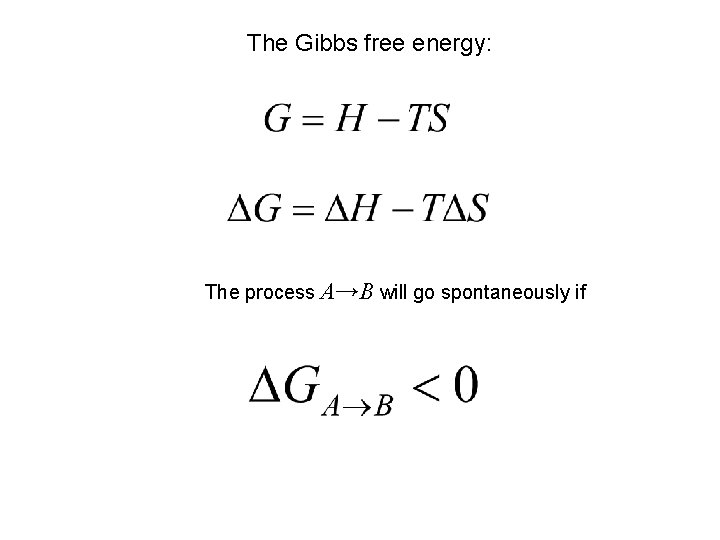
The Gibbs free energy: The process A→B will go spontaneously if
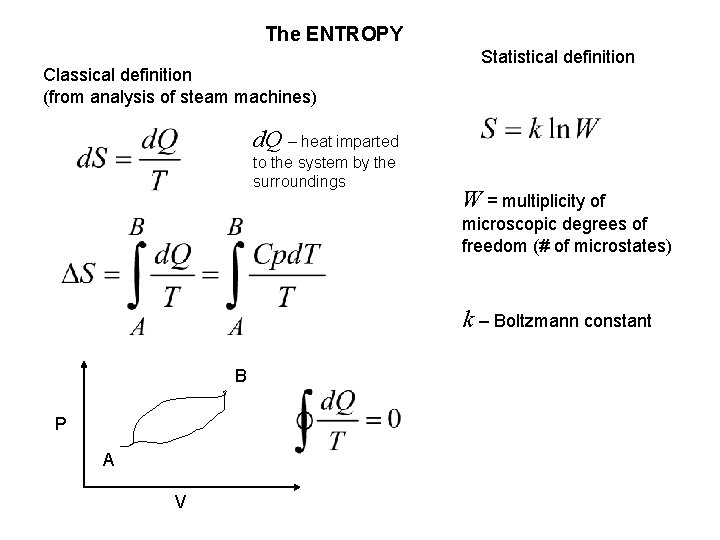
The ENTROPY Classical definition (from analysis of steam machines) Statistical definition d. Q – heat imparted to the system by the surroundings W = multiplicity of microscopic degrees of freedom (# of microstates) k – Boltzmann constant B P A V
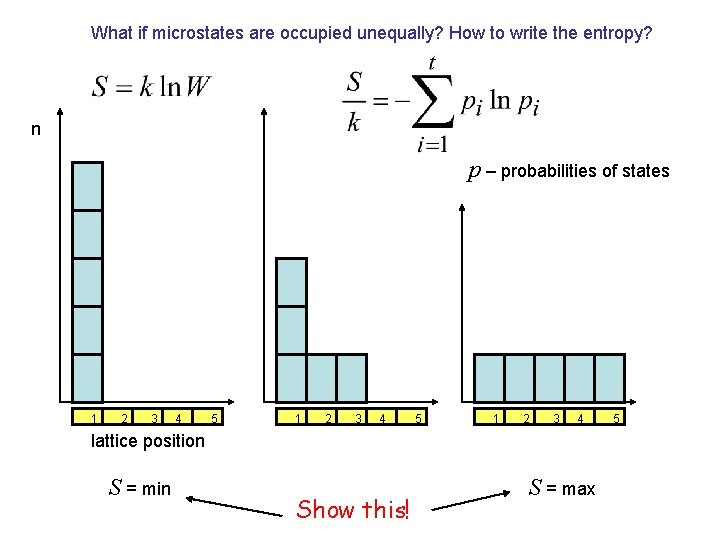
What if microstates are occupied unequally? How to write the entropy? n p – probabilities of states 1 2 3 4 5 1 2 3 4 lattice position S = min Show this! S = max 5
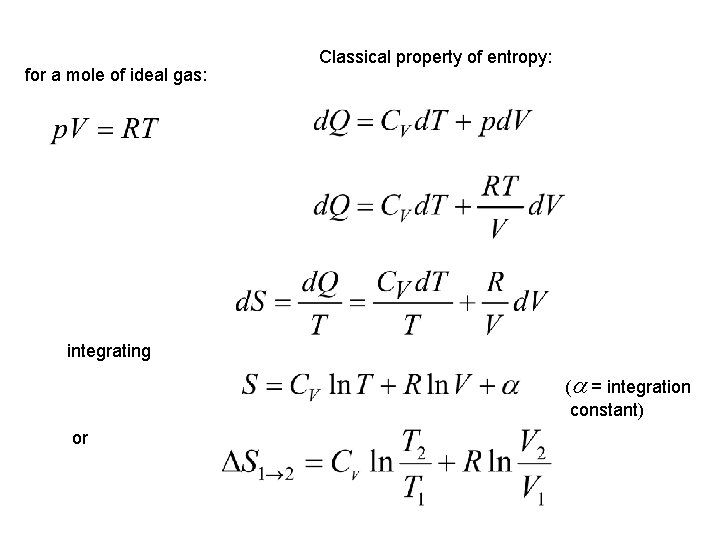
for a mole of ideal gas: Classical property of entropy: integrating (a = integration constant) or
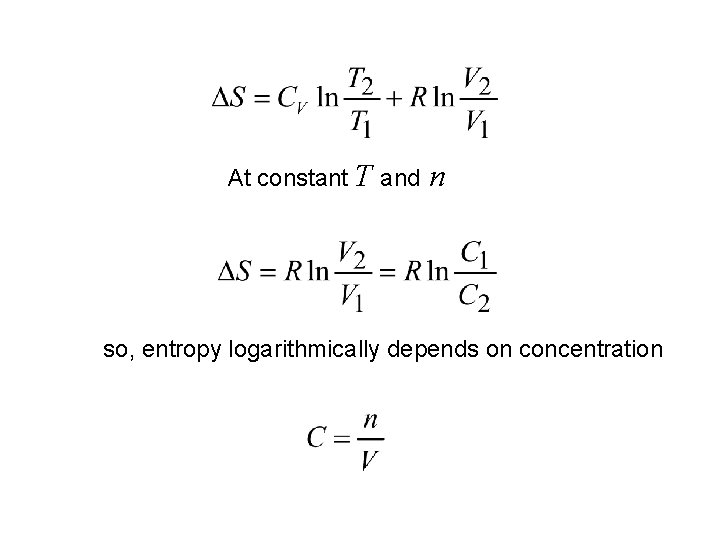
At constant T and n so, entropy logarithmically depends on concentration
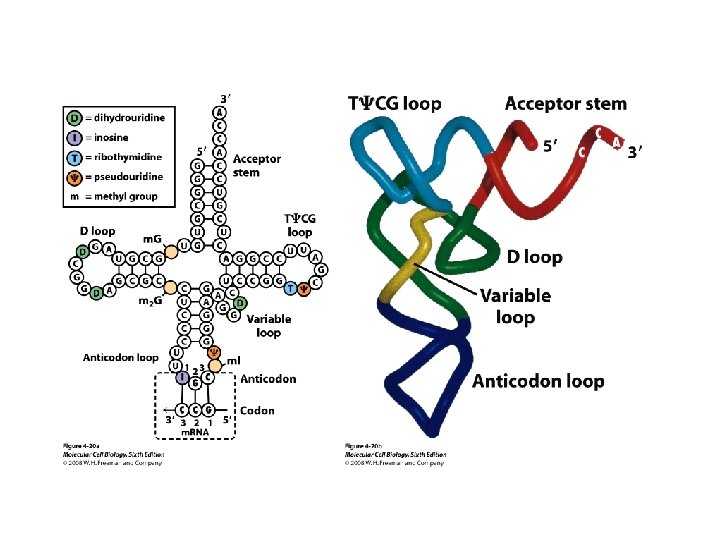
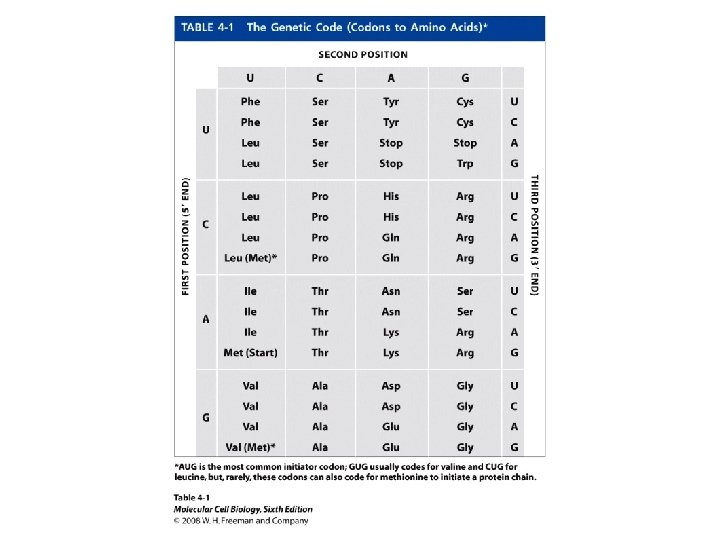
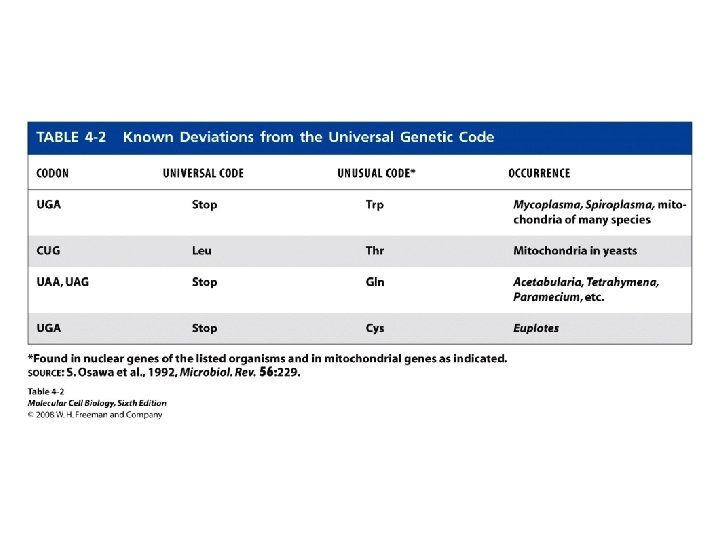
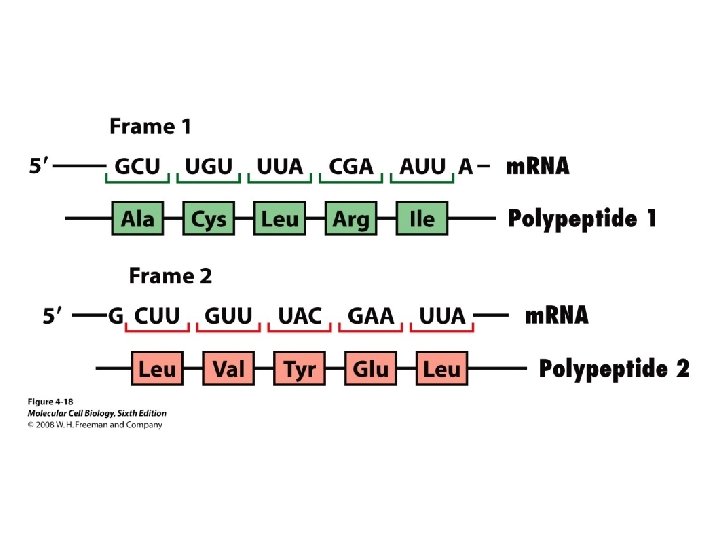
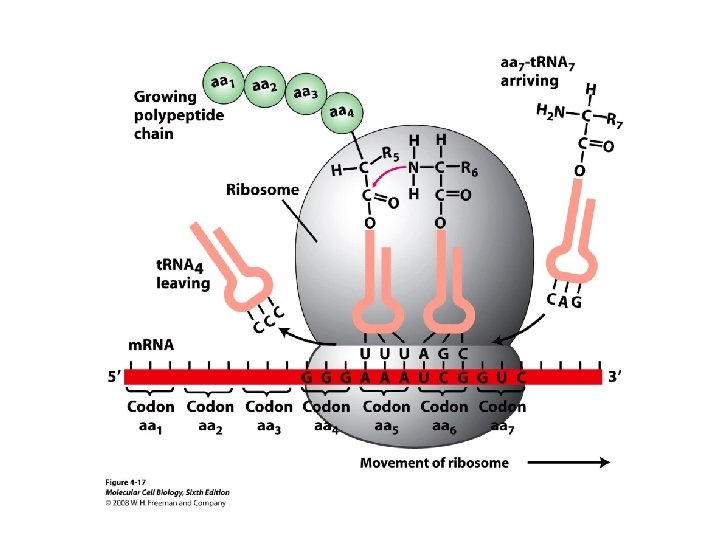
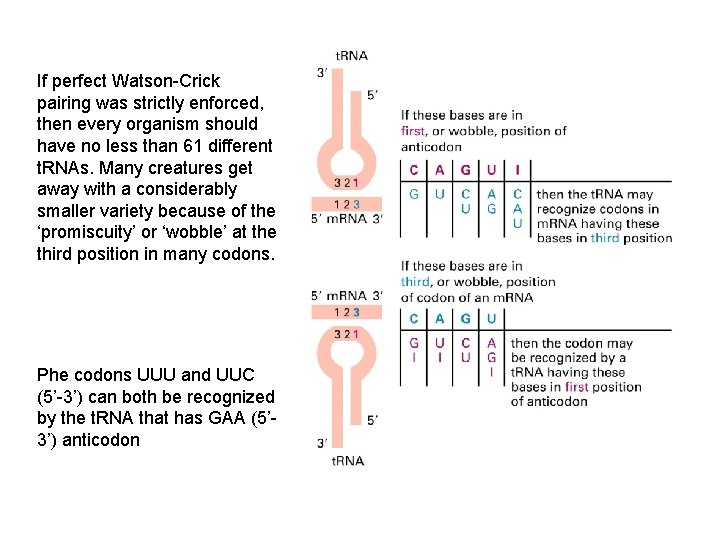
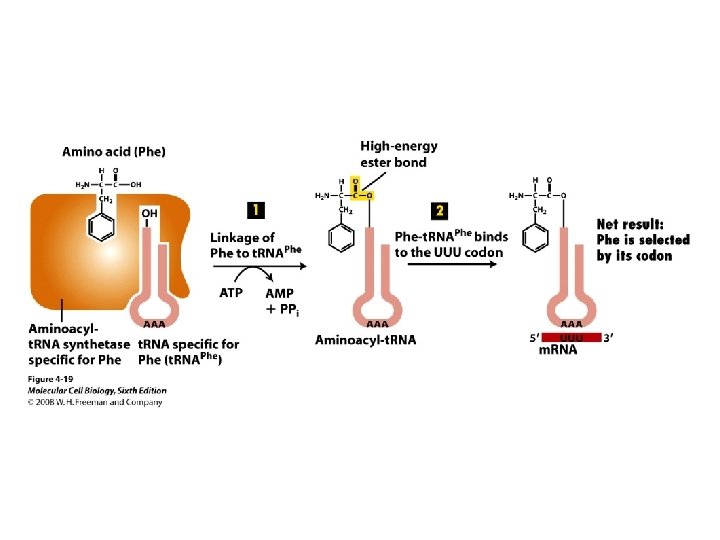
If perfect Watson-Crick pairing was strictly enforced, then every organism should have no less than 61 different t. RNAs. Many creatures get away with a considerably smaller variety because of the ‘promiscuity’ or ‘wobble’ at the third position in many codons. Phe codons UUU and UUC (5’-3’) can both be recognized by the t. RNA that has GAA (5’ 3’) anticodon
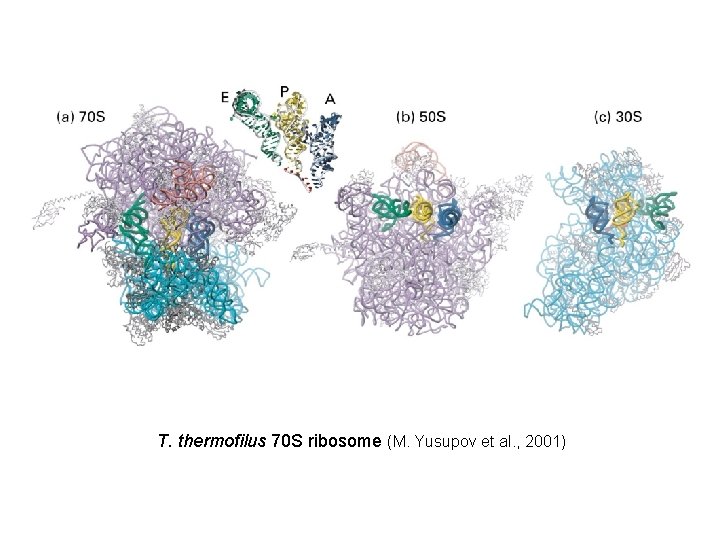
T. thermofilus 70 S ribosome (M. Yusupov et al. , 2001)
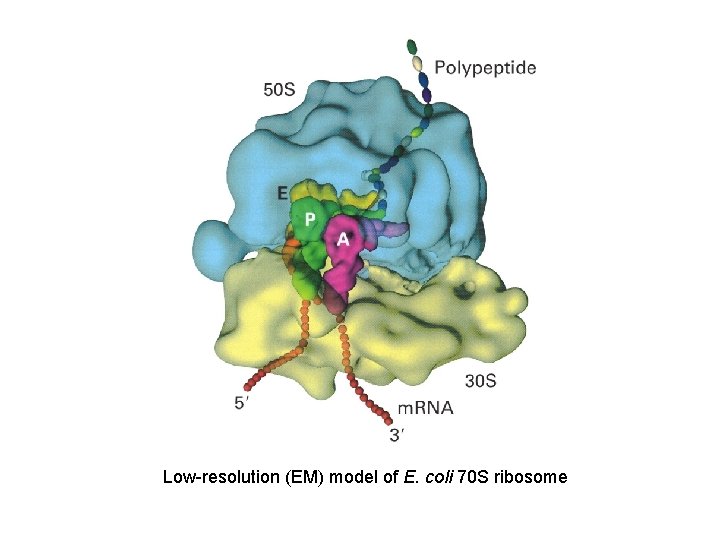
Low-resolution (EM) model of E. coli 70 S ribosome
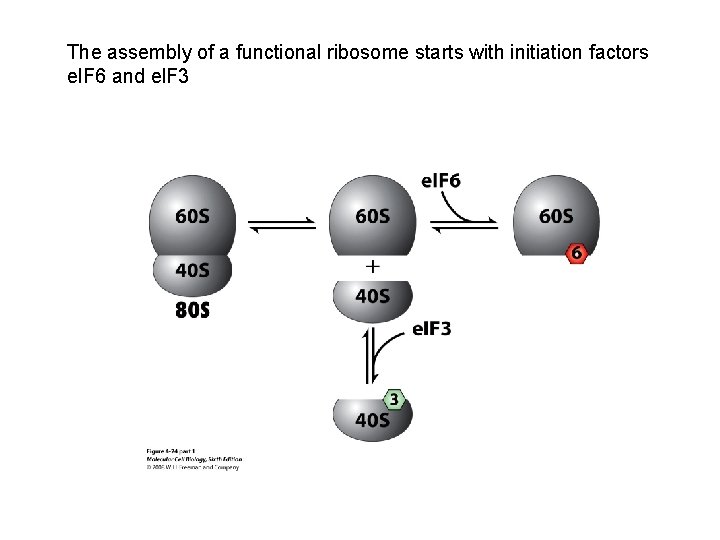
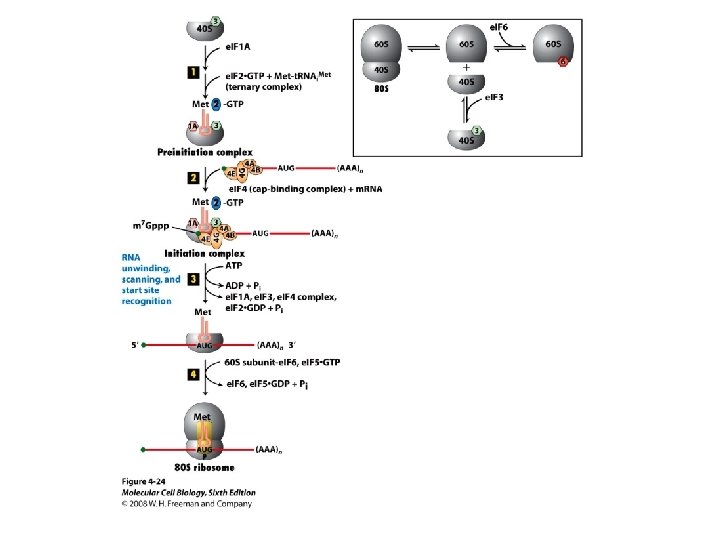
The assembly of a functional ribosome starts with initiation factors el. F 6 and el. F 3
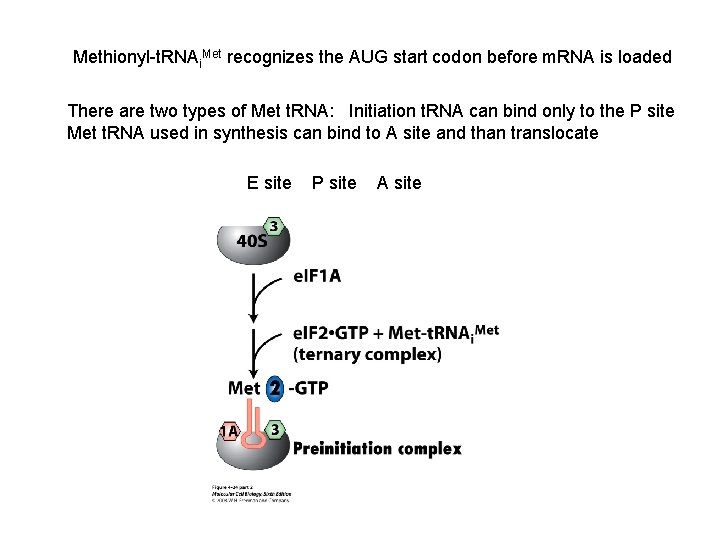
Methionyl-t. RNAi. Met recognizes the AUG start codon before m. RNA is loaded There are two types of Met t. RNA: Initiation t. RNA can bind only to the P site Met t. RNA used in synthesis can bind to A site and than translocate E site P site A site
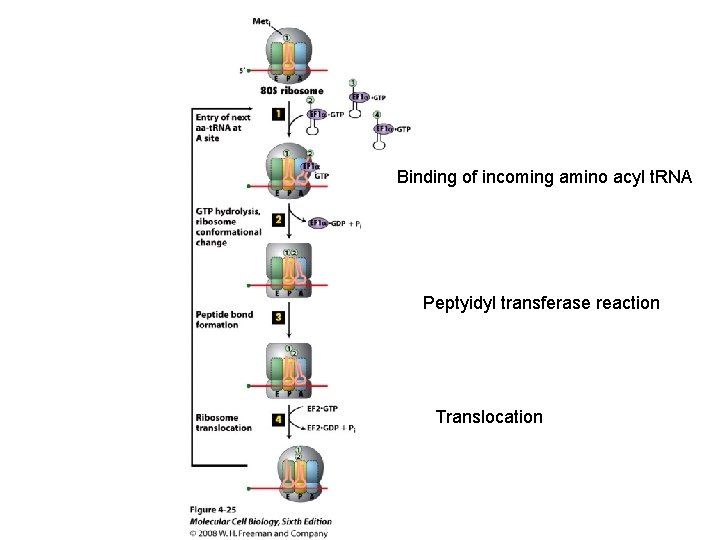
Binding of incoming amino acyl t. RNA Peptyidyl transferase reaction Translocation
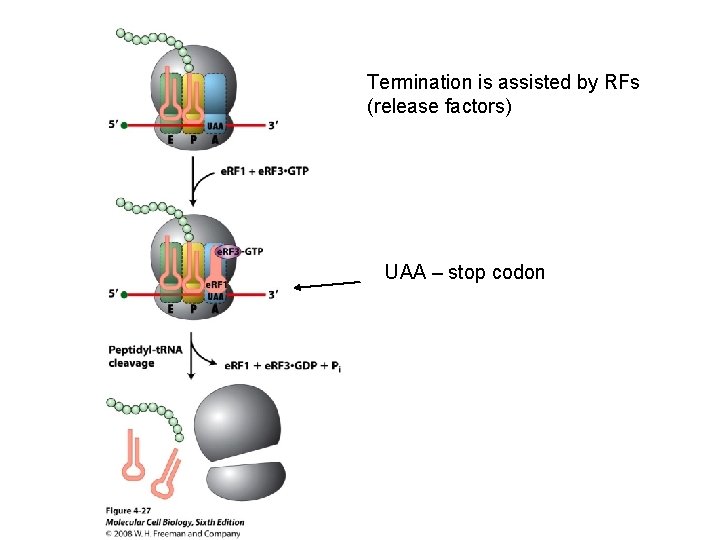
Termination is assisted by RFs (release factors) UAA – stop codon
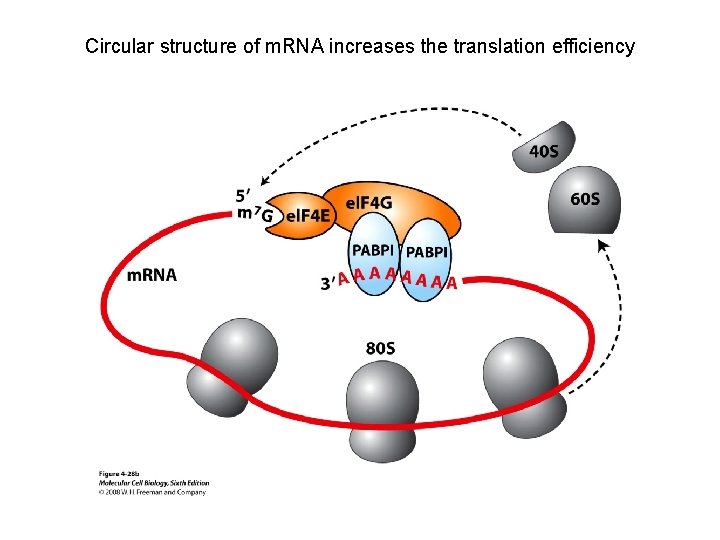
Circular structure of m. RNA increases the translation efficiency
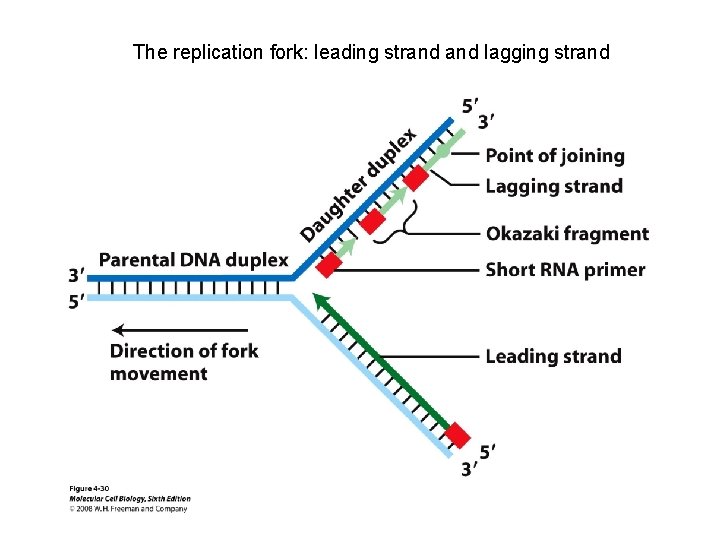
The replication fork: leading strand lagging strand
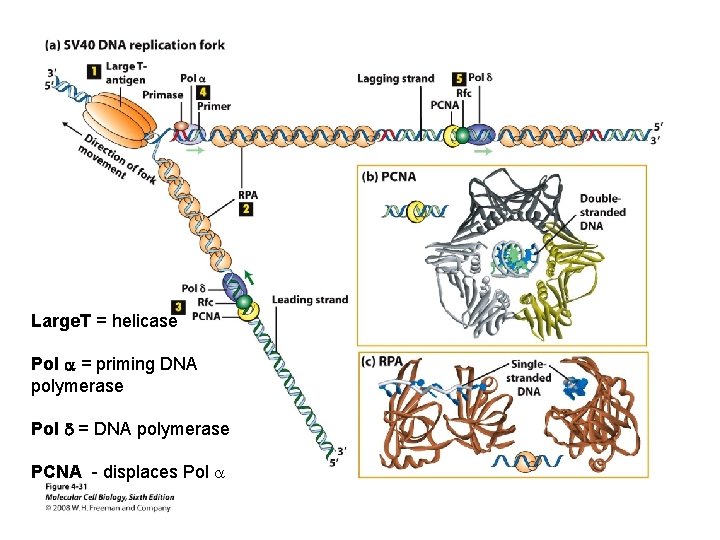
Large. T = helicase Pol a = priming DNA polymerase Pol d = DNA polymerase PCNA - displaces Pol a
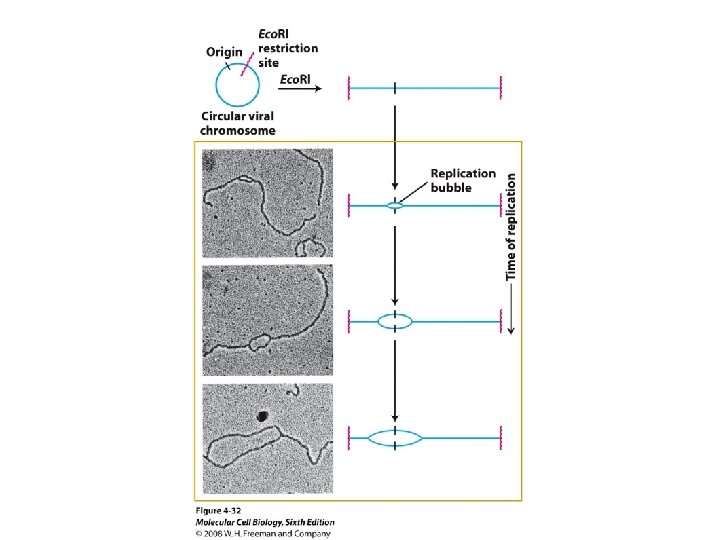
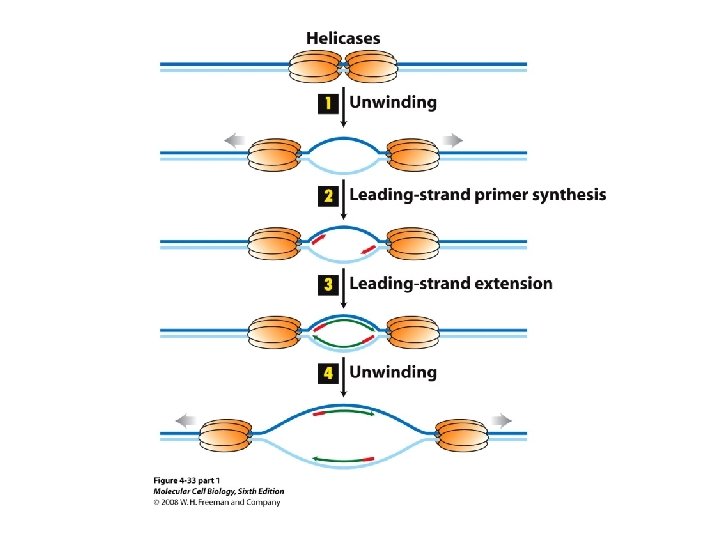
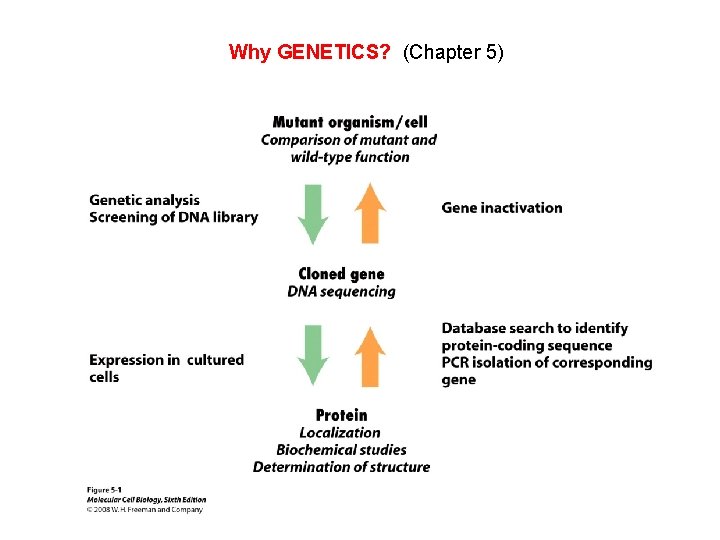
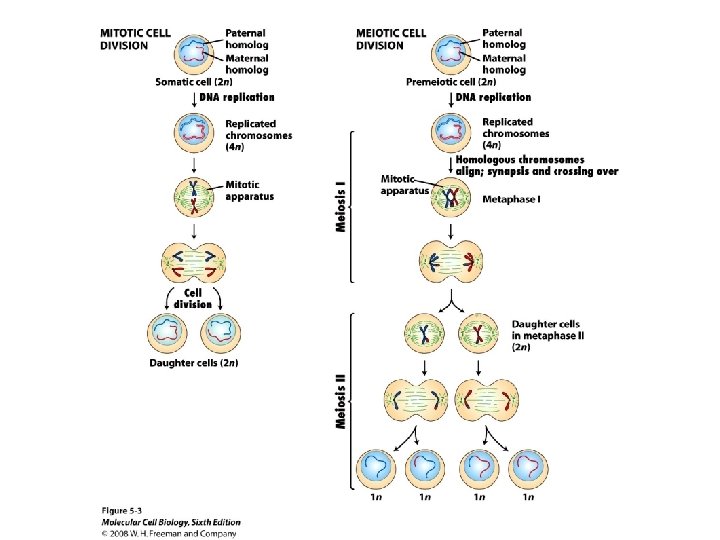
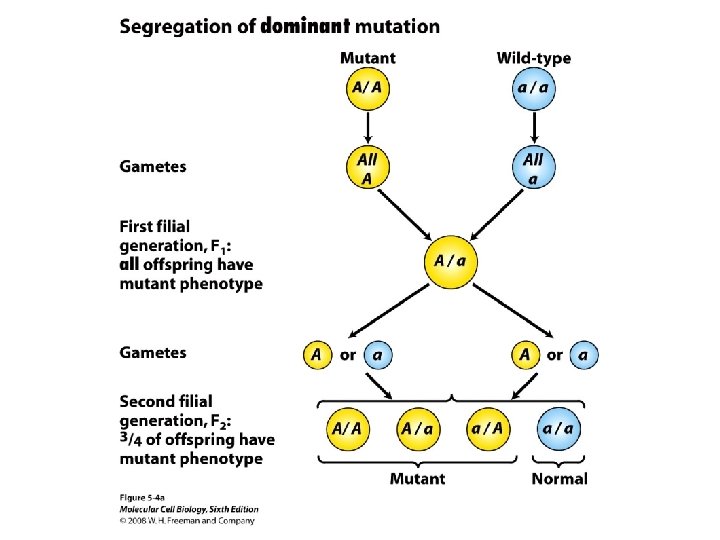
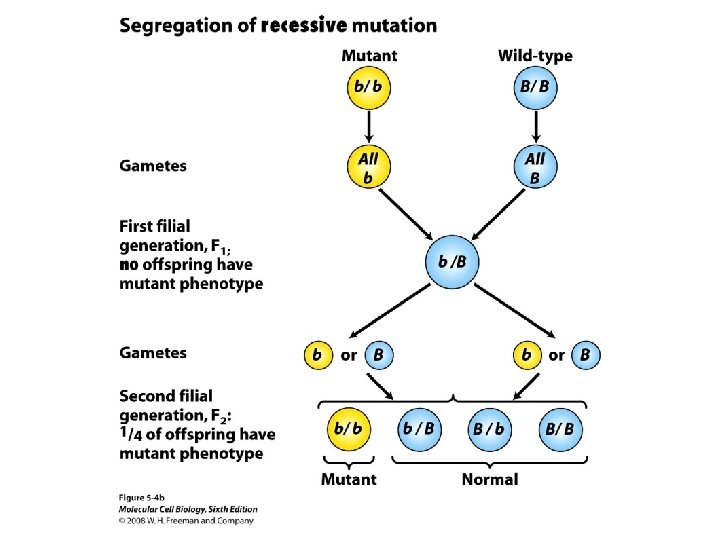
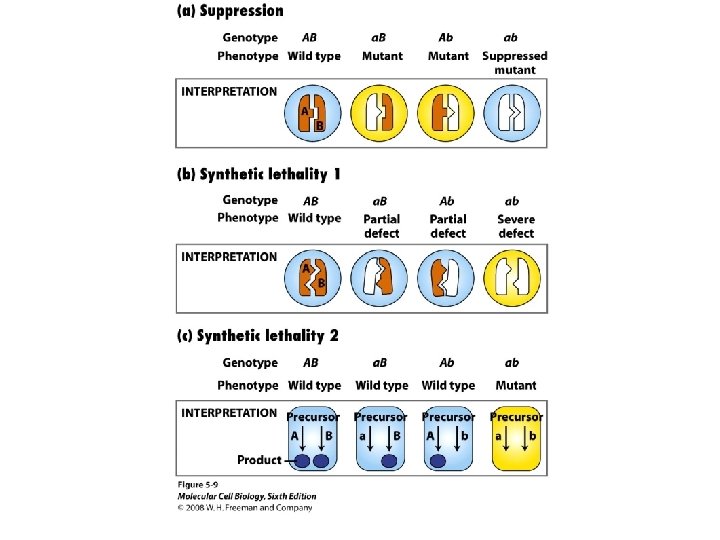
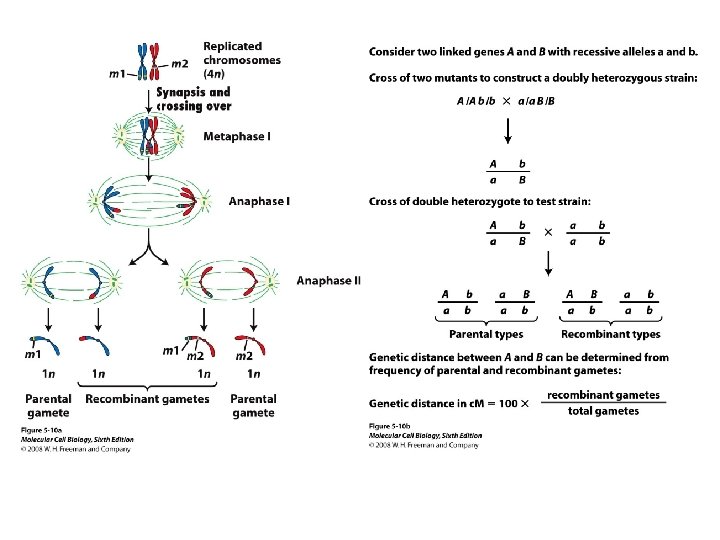
Why GENETICS? (Chapter 5)
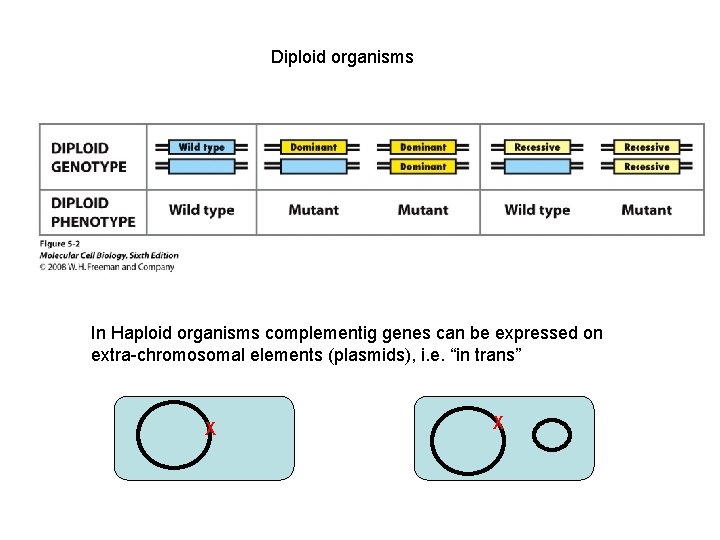
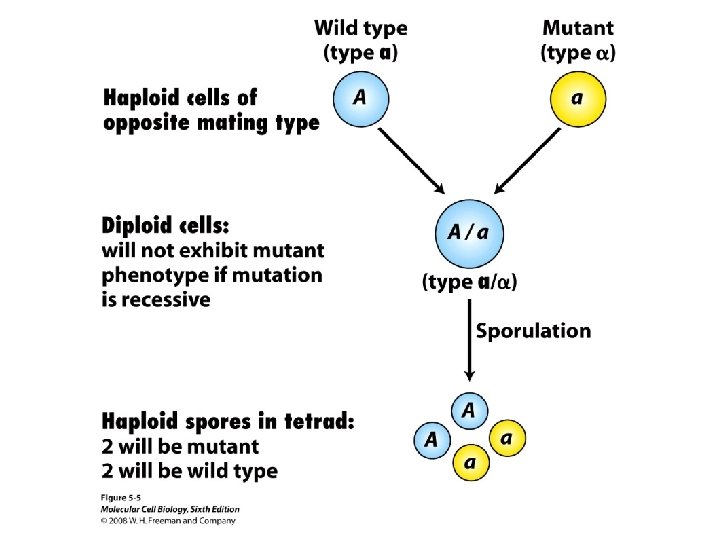
Diploid organisms In Haploid organisms complementig genes can be expressed on extra-chromosomal elements (plasmids), i. e. “in trans” X X
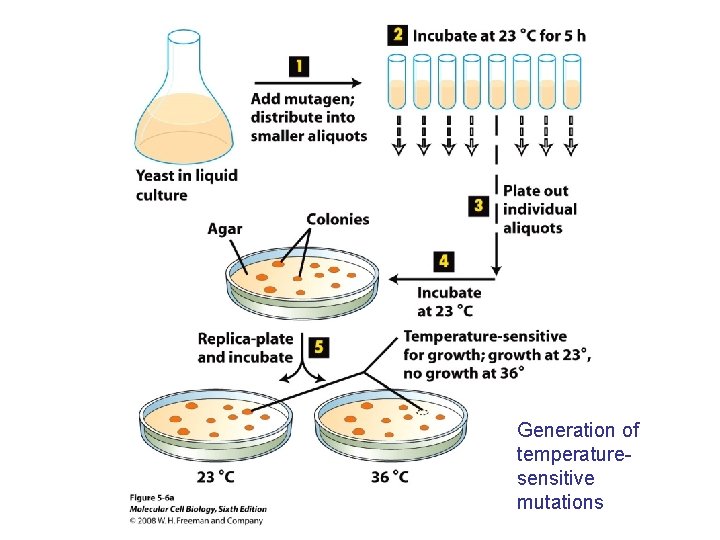
Generation of temperaturesensitive mutations
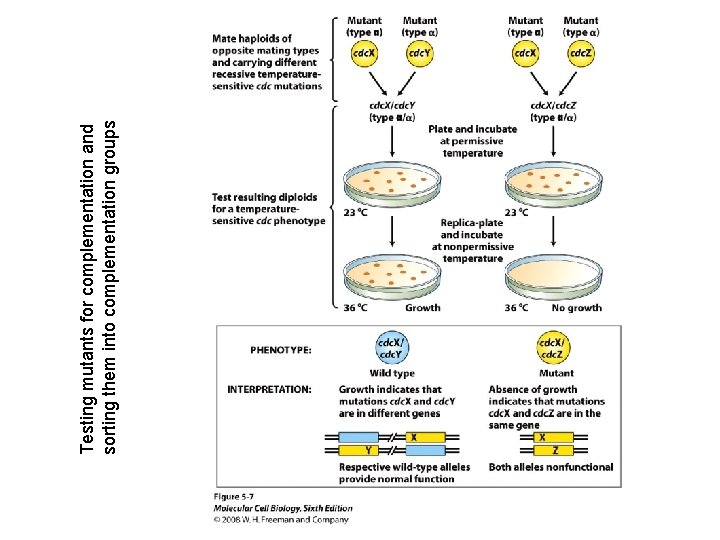
Testing mutants for complementation and sorting them into complementation groups
- Slides: 38