
Lecture 8 Hypersensitivity Types IIV Type II Cytotoxic
- Slides: 30
Lecture 8 Hypersensitivity Types II-V Type II: Cytotoxic (ITH) n Type III: Toxic Complex (ITH) n Type IV: T Cell-Mediated (DTH) n Type V: Stimulatory n
Cytotoxic Hypersensitivity (Type II)
Characteristics of Cytotoxic Hypersensitivity n n Directed against cell surface or tissue antigen Characterized by complement cascade activation and various effector cells
Complement n n n Formation of membrane attack complex (lytic enzymes) Activated C 3 forms opsonin recognized by phagocytes Formation of chemotactic factors n Effector cells possess Fc and complement receptors macrophages/monocytes n neutrophils n NK cells n
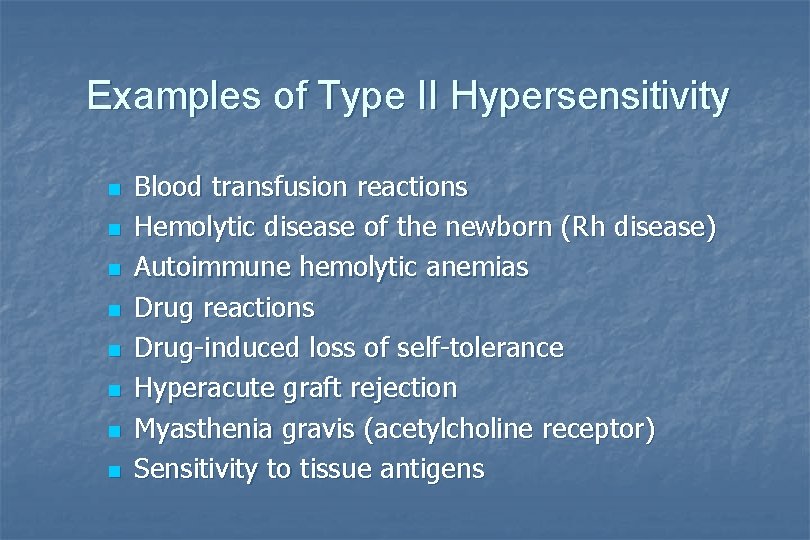
Examples of Type II Hypersensitivity n n n n Blood transfusion reactions Hemolytic disease of the newborn (Rh disease) Autoimmune hemolytic anemias Drug reactions Drug-induced loss of self-tolerance Hyperacute graft rejection Myasthenia gravis (acetylcholine receptor) Sensitivity to tissue antigens
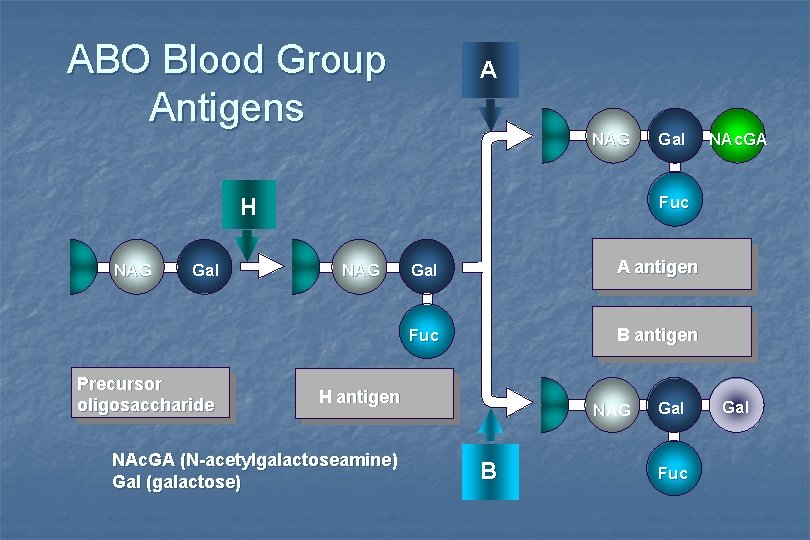
ABO Blood Group Antigens A NAG Gal Precursor oligosaccharide NAc. GA Fuc H NAG Gal A antigen Fuc B antigen H antigen NAc. GA (N-acetylgalactoseamine) Gal (galactose) NAG B Gal Fuc Gal
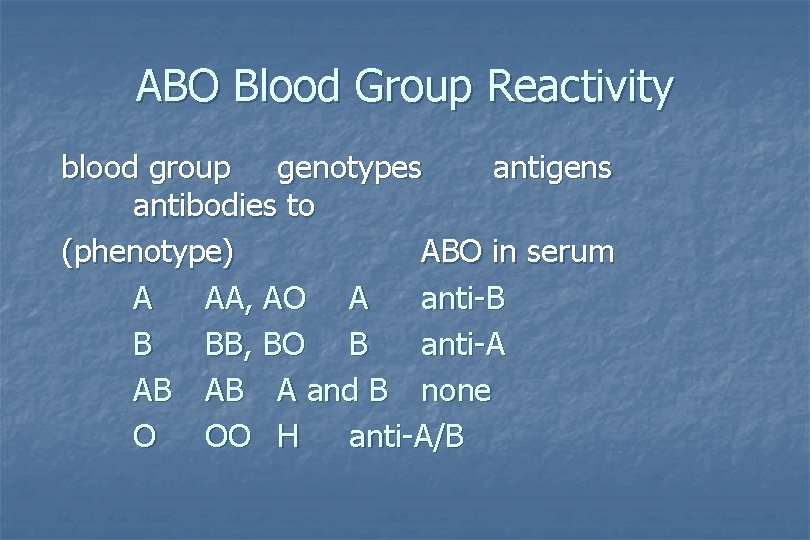
ABO Blood Group Reactivity blood group genotypes antigens antibodies to (phenotype) ABO in serum A AA, AO A anti-B B BB, BO B anti-A AB AB A and B none O OO H anti-A/B
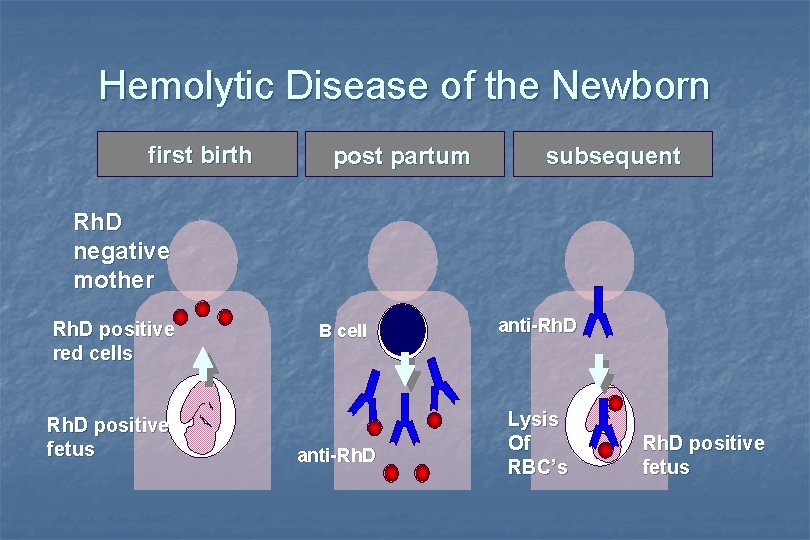
Hemolytic Disease of the Newborn first birth post partum subsequent Rh. D negative mother Rh. D positive red cells Rh. D positive fetus B cell anti-Rh. D Lysis Of RBC’s Rh. D positive fetus
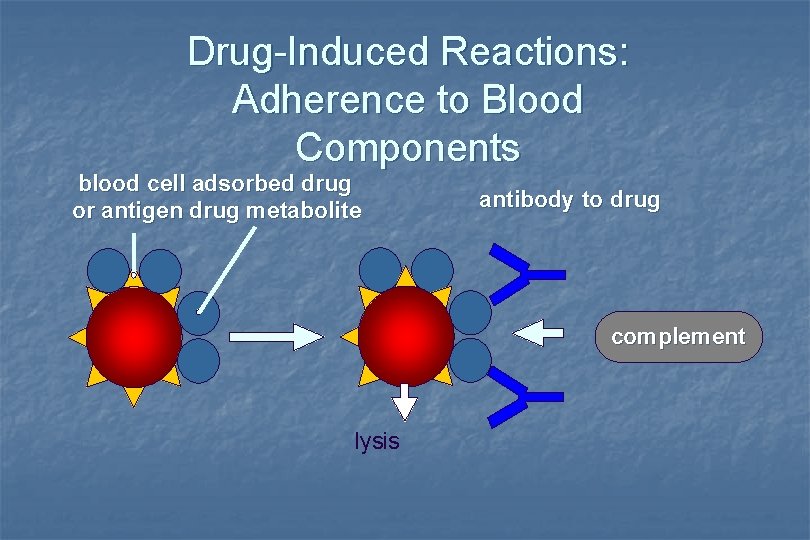
Drug-Induced Reactions: Adherence to Blood Components blood cell adsorbed drug or antigen drug metabolite antibody to drug complement lysis
Toxic Complex Hypersensitivity (Type III)
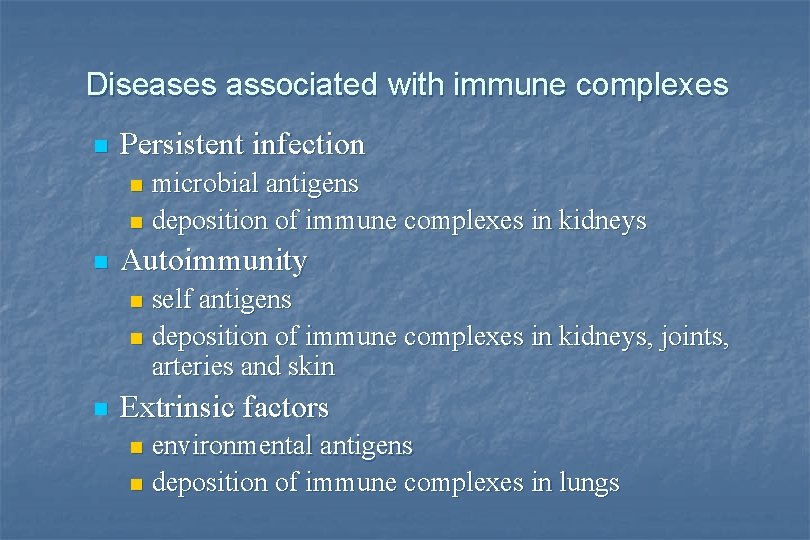
Diseases associated with immune complexes n Persistent infection microbial antigens n deposition of immune complexes in kidneys n n Autoimmunity self antigens n deposition of immune complexes in kidneys, joints, arteries and skin n n Extrinsic factors environmental antigens n deposition of immune complexes in lungs n
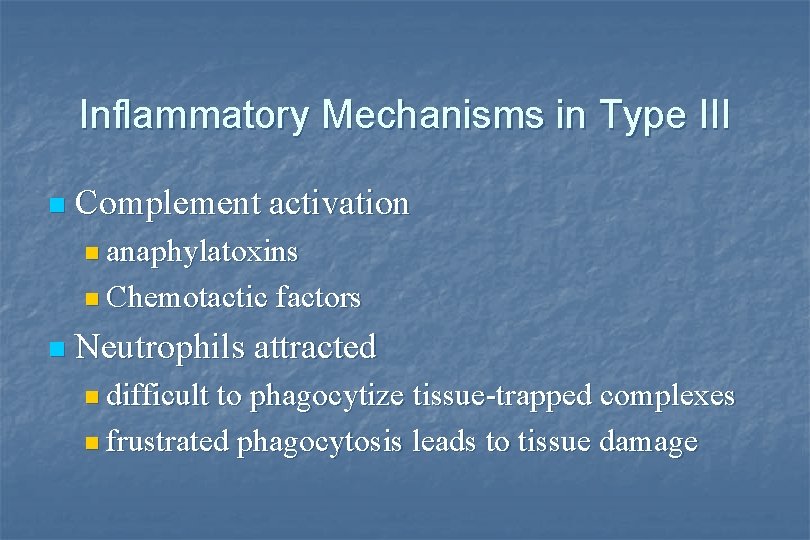
Inflammatory Mechanisms in Type III n Complement activation n anaphylatoxins n Chemotactic n factors Neutrophils attracted n difficult to phagocytize tissue-trapped complexes n frustrated phagocytosis leads to tissue damage
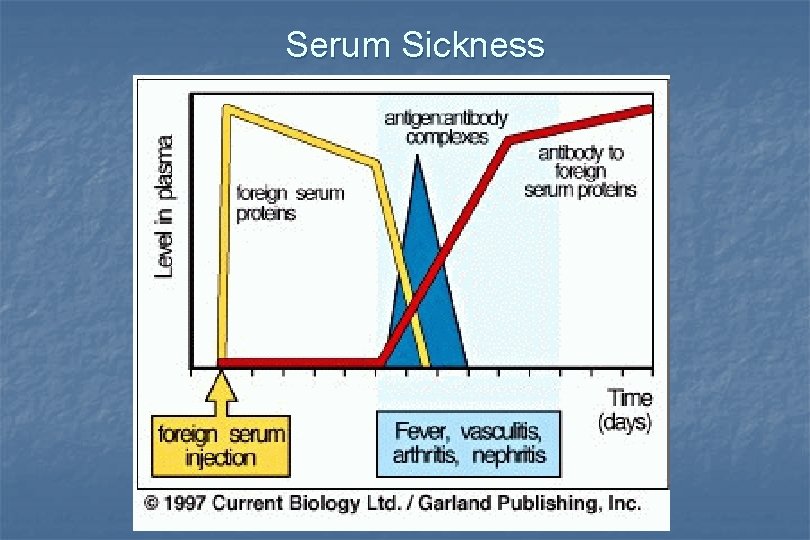
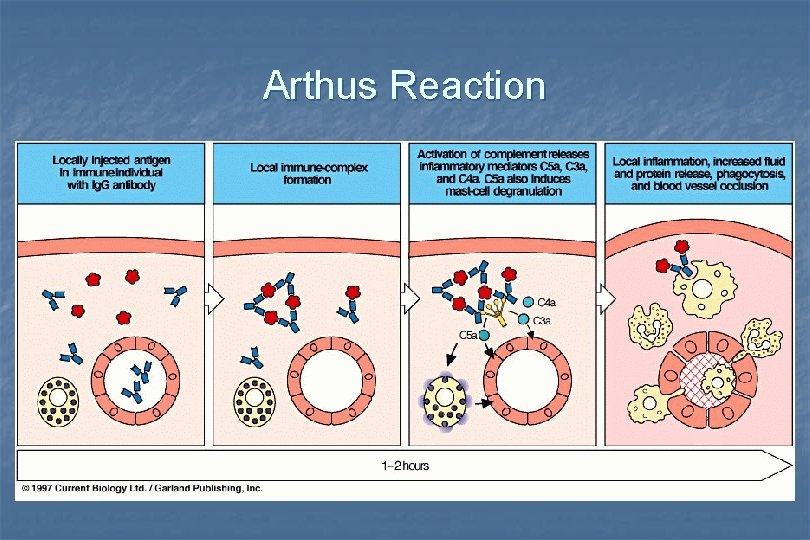
Disease Models Serum sickness n Arthus reaction n
Serum Sickness
Arthus Reaction
T-Cell Mediated Hypersensitivity (Type IV / Delayed-Type)
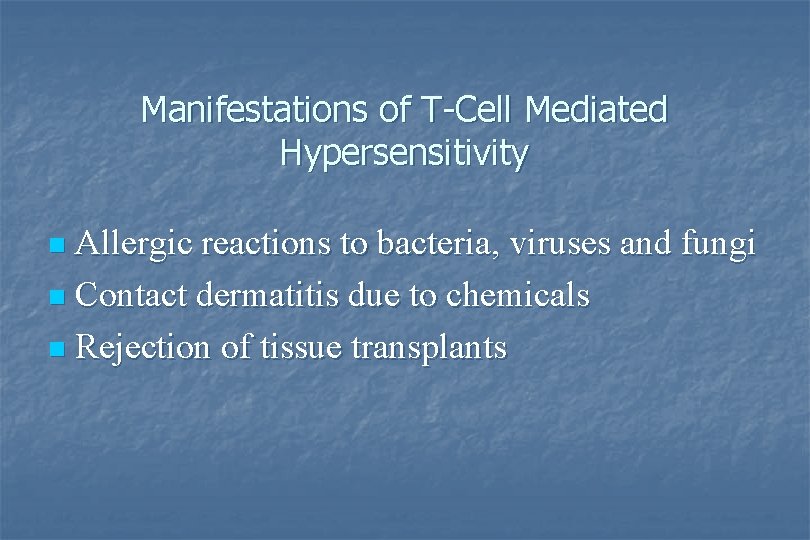
Manifestations of T-Cell Mediated Hypersensitivity Allergic reactions to bacteria, viruses and fungi n Contact dermatitis due to chemicals n Rejection of tissue transplants n
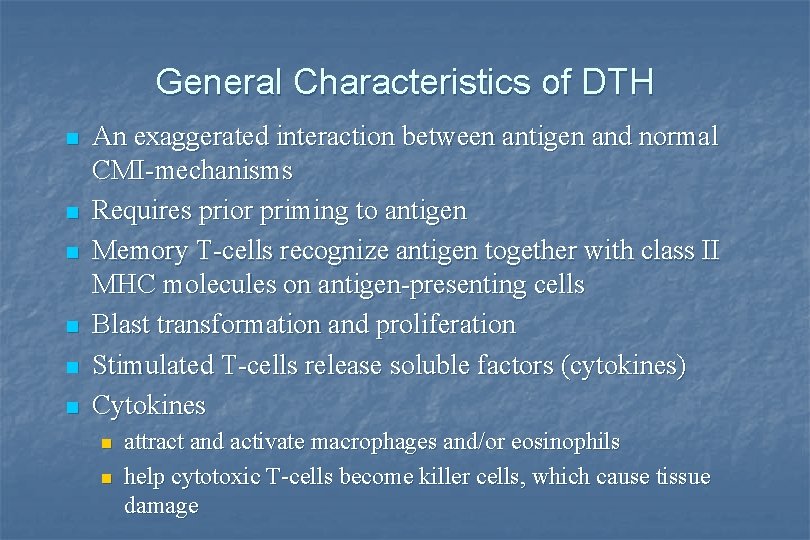
General Characteristics of DTH n n n An exaggerated interaction between antigen and normal CMI-mechanisms Requires prior priming to antigen Memory T-cells recognize antigen together with class II MHC molecules on antigen-presenting cells Blast transformation and proliferation Stimulated T-cells release soluble factors (cytokines) Cytokines n n attract and activate macrophages and/or eosinophils help cytotoxic T-cells become killer cells, which cause tissue damage
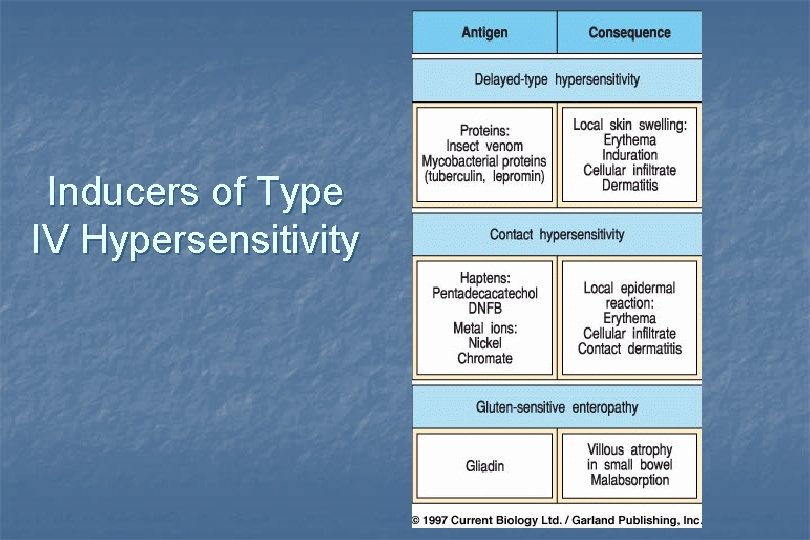
Inducers of Type IV Hypersensitivity
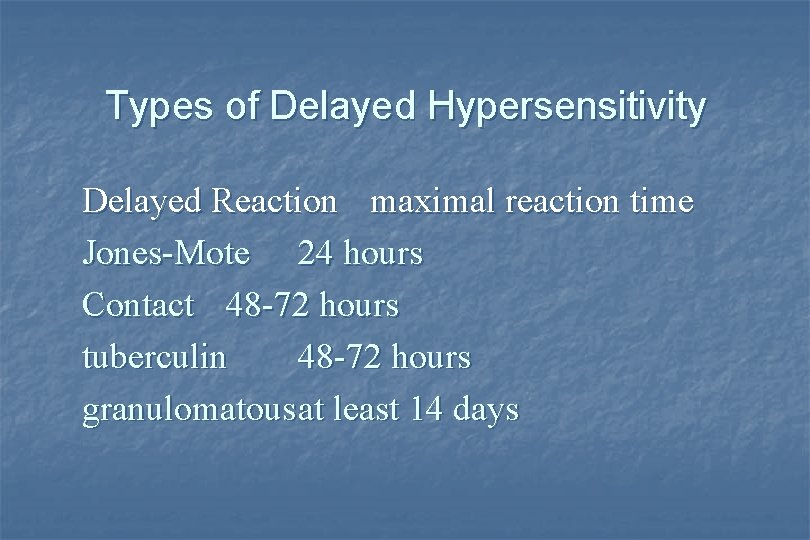
Types of Delayed Hypersensitivity Delayed Reaction maximal reaction time Jones-Mote 24 hours Contact 48 -72 hours tuberculin 48 -72 hours granulomatous at least 14 days
Jones-Mote Hypersensitivity n n n n Now referred to as “cutaneous basophil hypersensitivity” Basophils are prominent as secondary infiltrating cells. Basophilic infiltration of area under epidermis Induced by soluble (weak) antigens Transient dermal response Prominent in reactions to viral antigens, in contact reactions, skin allograft rejections, reactions to tumor cells and in some cases of hypersensitivity pneumonitis (allergic alveolitis) May be important in rejection of blood-feeding ticks on the skin surface
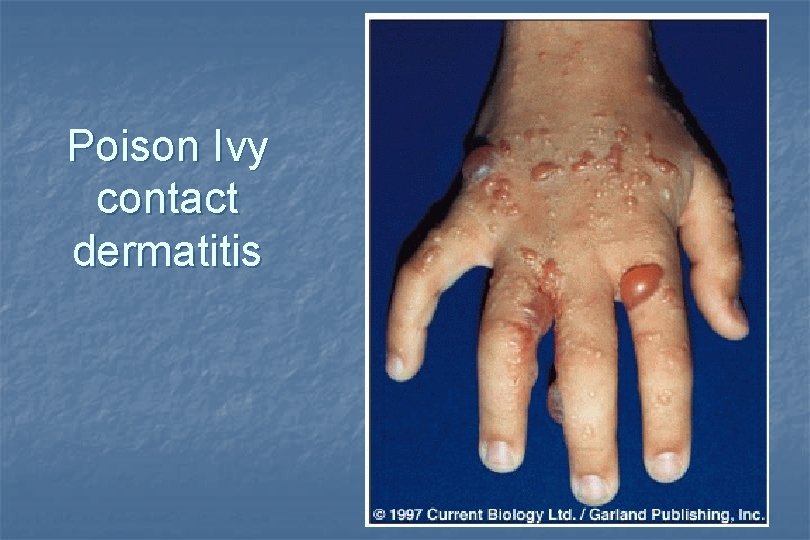
Contact Hypersensitivity n n n Usually maximal at 48 hours Predominantly an epidermal reaction Langerhans cells are the antigen presenting cells n n n a dendritic antigen presenting cell carry antigen to lymph nodes draining skin Associated with hapten-induced eczema n n n nickel salts in jewellry picryl chloride acrylates p-Phenylene diamine in hair dyes chromates chemicals in rubber poison ivy (urushiol)
Poison Ivy contact dermatitis
Tuberculin Hypersensitivity n n Maximum at 48 -72 hours Inflitration of lesion with mononuclear cells First described as a reaction to the lipoprotein antigen of tubercle bacillus Responsible for lesions associated with bacterial allergy n n cavitation, caseation, general toxemia seen in TB May progress to granulomatous reaction in unresolved infection
Granulomatous Hypersensitivity n n n Clinically, the most important form of DTH, since it causes many of the pathological effects in diseases which involve T cell-mediated immunity Maximal at 14 days Continual release of cytokines Leads to accumulation of large numbers of macrophages Granulomas can also arise from persistence of “indigestible” antigen such as talc (absence of lymphocytes in lesion)
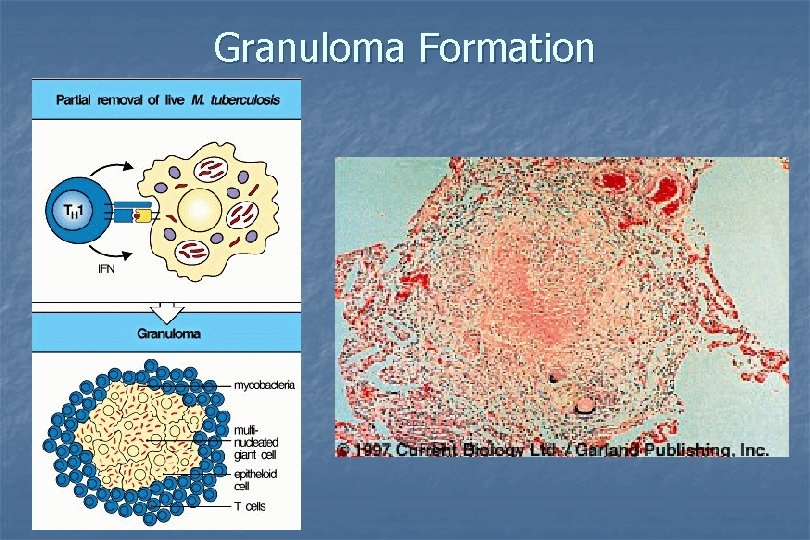
Epitheloid Cell Granuloma Formation n n Large flattened cells with increased endoplasmic reticulum Multinucleate giant cells with little ER May see necrosis Damage due to killer T-cells recognizing antigencoated macrophages, cytokine-activated macrophages Attempt by the body to wall-off site of persistent infection
Granuloma Formation
Examples of Microbial-Induced DTH n Viruses (destructive skin rashes) n n Fungi n n n smallpox measles herpes simplex candidiasis dematomycosis coccidioidomycosis histoplasmosis Parasites (against enzymes from the eggs lodged in liver) n n leishmaniasis schistosomiasis
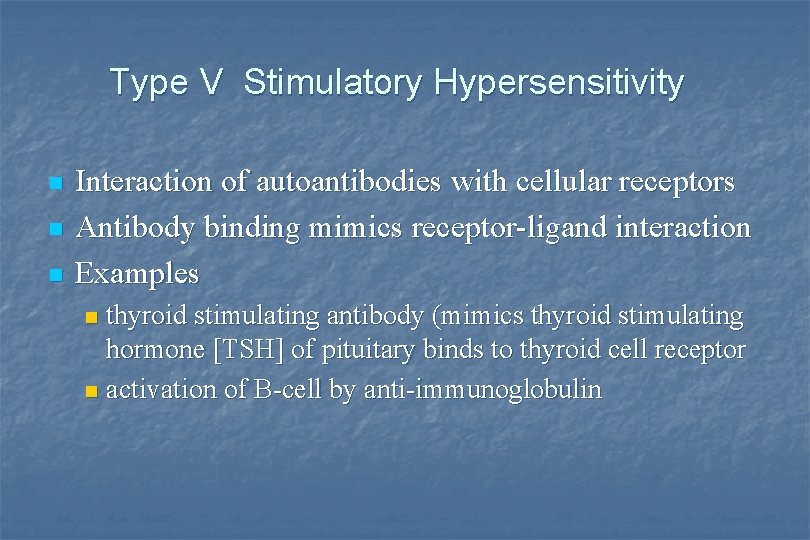
Type V Stimulatory Hypersensitivity n n n Interaction of autoantibodies with cellular receptors Antibody binding mimics receptor-ligand interaction Examples thyroid stimulating antibody (mimics thyroid stimulating hormone [TSH] of pituitary binds to thyroid cell receptor n activation of B-cell by anti-immunoglobulin n
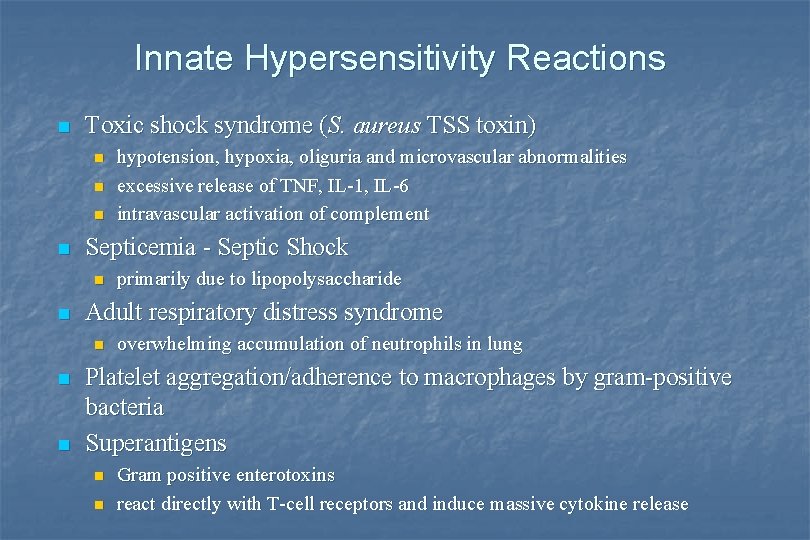
Innate Hypersensitivity Reactions n Toxic shock syndrome (S. aureus TSS toxin) n n Septicemia - Septic Shock n n n primarily due to lipopolysaccharide Adult respiratory distress syndrome n n hypotension, hypoxia, oliguria and microvascular abnormalities excessive release of TNF, IL-1, IL-6 intravascular activation of complement overwhelming accumulation of neutrophils in lung Platelet aggregation/adherence to macrophages by gram-positive bacteria Superantigens n n Gram positive enterotoxins react directly with T-cell receptors and induce massive cytokine release