
Lecture 5 MICROBIOLOGY AND IMMUNOLOGY BIOL 200343 SUMMER
Lecture: 5 MICROBIOLOGY AND IMMUNOLOGY (BIOL 200/343), SUMMER, 2017 Dr. Q. M. I. Haq
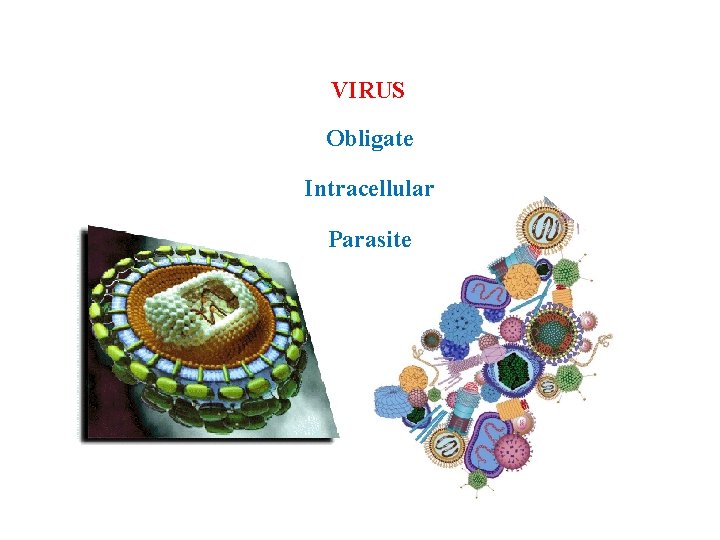
VIRUS Obligate Intracellular Parasite
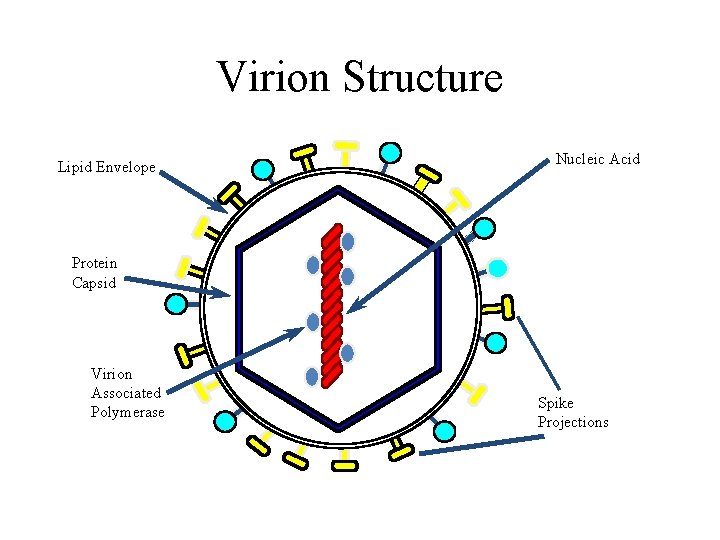
Virion Structure Lipid Envelope Nucleic Acid Protein Capsid Virion Associated Polymerase Spike Projections
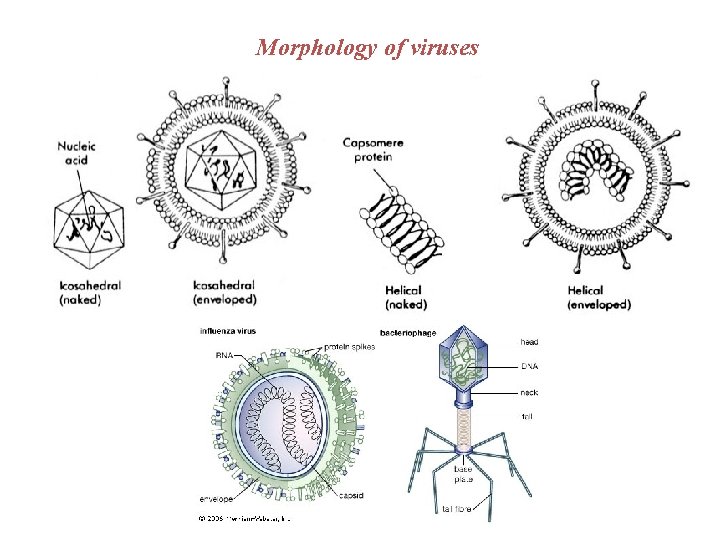
Morphology of viruses
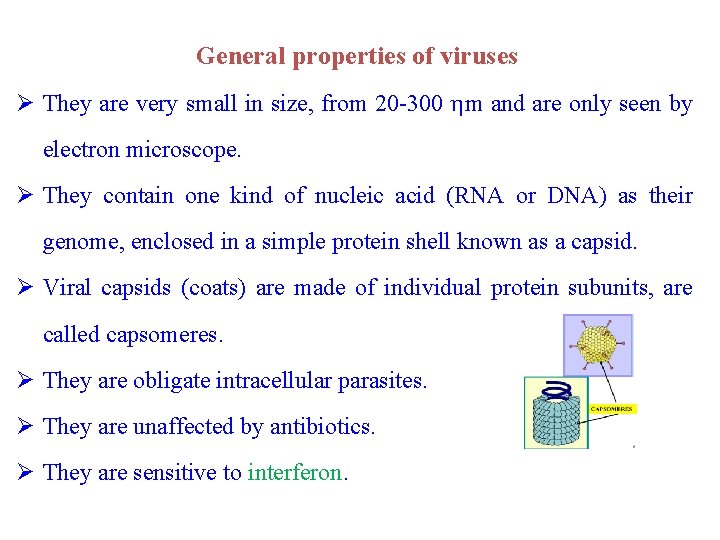
General properties of viruses Ø They are very small in size, from 20 -300 m and are only seen by electron microscope. Ø They contain one kind of nucleic acid (RNA or DNA) as their genome, enclosed in a simple protein shell known as a capsid. Ø Viral capsids (coats) are made of individual protein subunits, are called capsomeres. Ø They are obligate intracellular parasites. Ø They are unaffected by antibiotics. Ø They are sensitive to interferon.
Ø Viruses are inert (nucleoprotein ) filterable Agents. Ø Viruses cannot make energy or proteins independent of a host cell. Ø Some viruses have particles that are surrounded by a membrane. Ø Viruses have a naked capsid or envelope with attached proteins. Ø Virus proteins protect the viral genome, identify the appropriate target cells, and get the genome into the target cells. Ø Some viruses contain proteins with enzymatic functions that are needed for genome Replication and enter host cells.
Ø A virus contains only one type of nucleic acid, either DNA or RNA. The virus containing DNA is called deoxy-virus or DNA virus. Ø The virus containing RNA is called RNA virus or ribovirus. Ø Rarely a virus contains both DNA and RNA. Such viruses are called RNA-DNA viruses. Ø Majority of animal and bacterial viruses are DNA viruses. Majority of plant viruses are RNA viruses. Ø However, a few plant viruses are known to possess DNA and a few animal viruses are know to possess RNA.
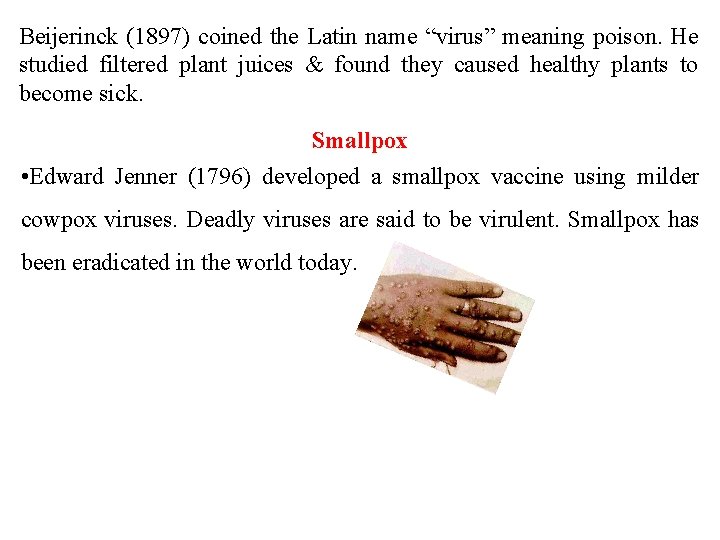
Beijerinck (1897) coined the Latin name “virus” meaning poison. He studied filtered plant juices & found they caused healthy plants to become sick. Smallpox • Edward Jenner (1796) developed a smallpox vaccine using milder cowpox viruses. Deadly viruses are said to be virulent. Smallpox has been eradicated in the world today.
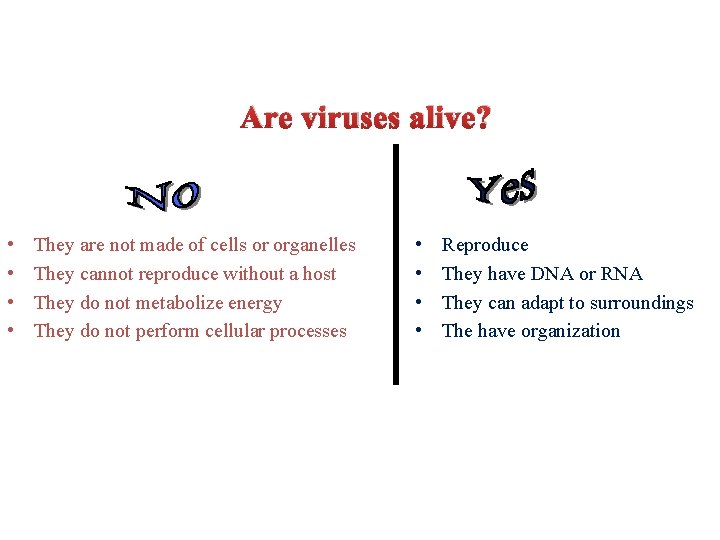
Are viruses alive? • • They are not made of cells or organelles They cannot reproduce without a host They do not metabolize energy They do not perform cellular processes • • Reproduce They have DNA or RNA They can adapt to surroundings The have organization
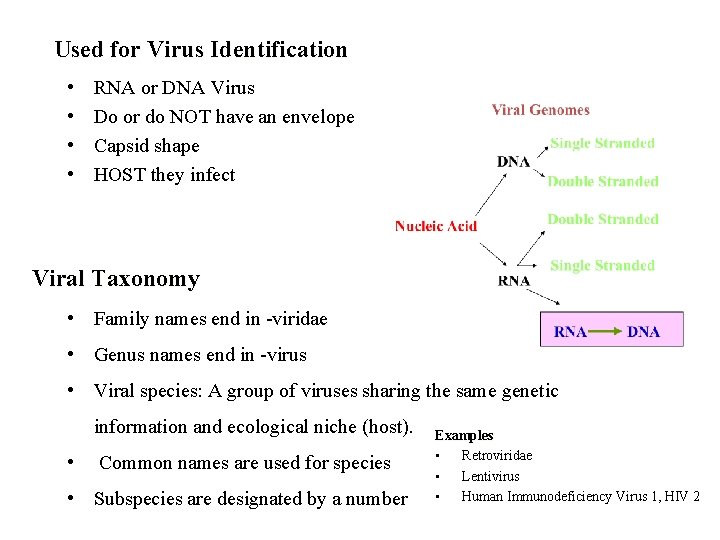
Used for Virus Identification • • RNA or DNA Virus Do or do NOT have an envelope Capsid shape HOST they infect Viral Taxonomy • Family names end in -viridae • Genus names end in -virus • Viral species: A group of viruses sharing the same genetic information and ecological niche (host). • Common names are used for species • Subspecies are designated by a number Examples • Retroviridae • Lentivirus • Human Immunodeficiency Virus 1, HIV 2
Virus Transmission is fundamental property of viruses. Ø The spreading of viruses from infected hosts to healthy hosts by means of some Ø Agencies is called transmission of viruses. Ø The mode of transmission of viruses is different for plants and animals including Man. 1. Virus transmission for plants Viruses are transmitted from disease plants to healthy plants in several ways: Mechanical transmission, Transmission by Propagules, Insect Transmission, Transmission by Pollen and Fungi. 2. Virus transmission for animals and Man Sexual contact, Droplet Infection, Animal Transmission, d. Transmission by Food and water, Vertical transmission, Transmission by direct contact.
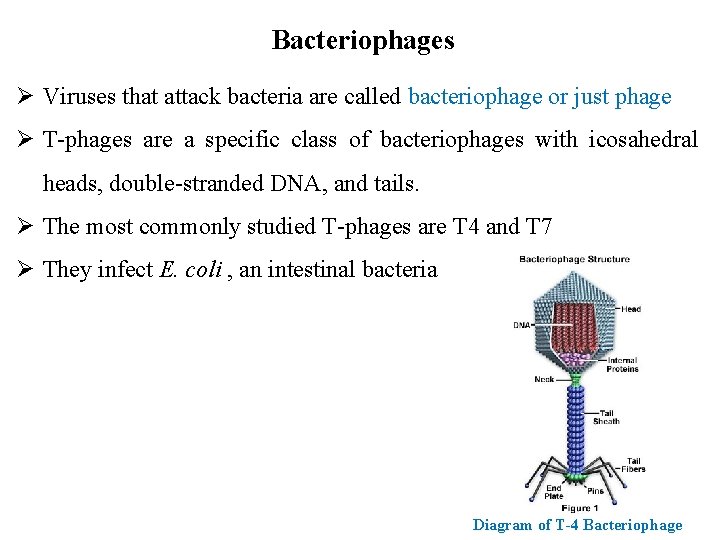
Bacteriophages Ø Viruses that attack bacteria are called bacteriophage or just phage Ø T-phages are a specific class of bacteriophages with icosahedral heads, double-stranded DNA, and tails. Ø The most commonly studied T-phages are T 4 and T 7 Ø They infect E. coli , an intestinal bacteria Diagram of T-4 Bacteriophage
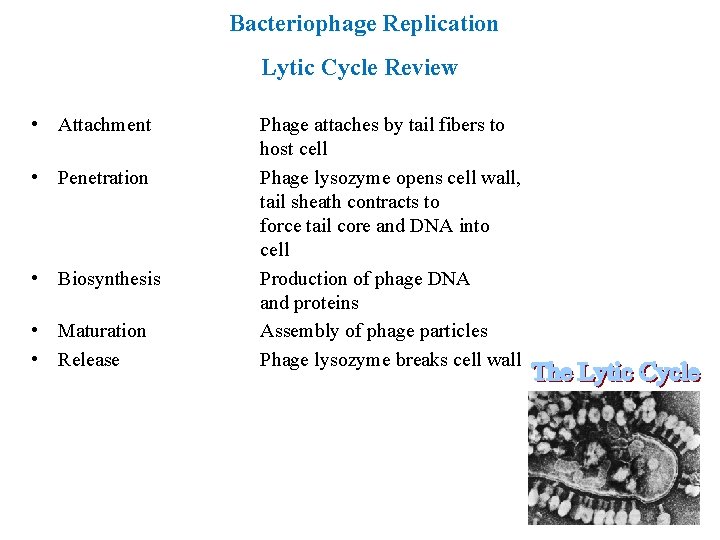
Bacteriophage Replication Lytic Cycle Review • Attachment • Penetration • Biosynthesis • Maturation • Release Phage attaches by tail fibers to host cell Phage lysozyme opens cell wall, tail sheath contracts to force tail core and DNA into cell Production of phage DNA and proteins Assembly of phage particles Phage lysozyme breaks cell wall
Lysogenic Cycle Ø Phage DNA injected into host cell. Ø Viral DNA joins host DNA forming a prophage/provirus. Ø When an activation signal occurs, the phage DNA starts replicating. Viral DNA (part of prophage) may stay inactive in host cell for long periods of time. Ø Replicated during each binary fission. Ø Over time, many cells form containing the prophages. (Viral Latency) Ø Once a prophage cell is activated, host cell enters the lytic cell.
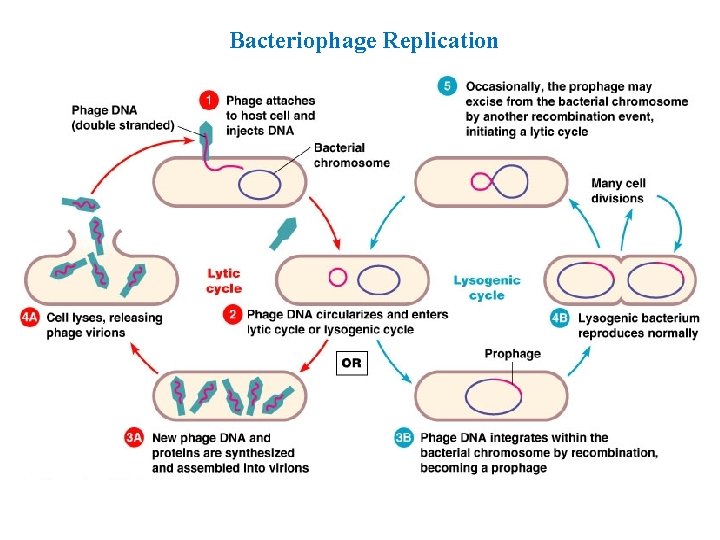
Bacteriophage Replication
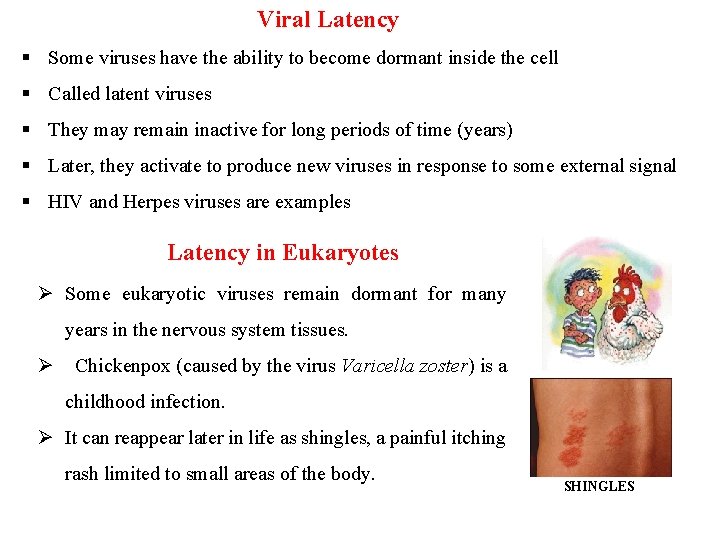
Viral Latency § Some viruses have the ability to become dormant inside the cell § Called latent viruses § They may remain inactive for long periods of time (years) § Later, they activate to produce new viruses in response to some external signal § HIV and Herpes viruses are examples Latency in Eukaryotes Ø Some eukaryotic viruses remain dormant for many years in the nervous system tissues. Ø Chickenpox (caused by the virus Varicella zoster) is a childhood infection. Ø It can reappear later in life as shingles, a painful itching rash limited to small areas of the body. SHINGLES
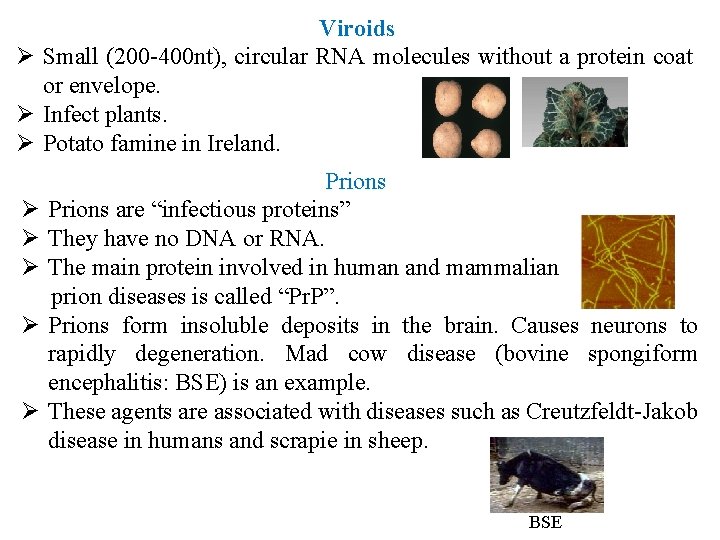
Viroids Ø Small (200 -400 nt), circular RNA molecules without a protein coat or envelope. Ø Infect plants. Ø Potato famine in Ireland. Ø Ø Ø Prions are “infectious proteins” They have no DNA or RNA. The main protein involved in human and mammalian prion diseases is called “Pr. P”. Prions form insoluble deposits in the brain. Causes neurons to rapidly degeneration. Mad cow disease (bovine spongiform encephalitis: BSE) is an example. These agents are associated with diseases such as Creutzfeldt-Jakob disease in humans and scrapie in sheep. BSE
Antiviral Targets • Attachment/Entry • Nucleic acid replication • Virus protein processing • Virus maturation
- Slides: 18