
Lecture 4 Outbreaks of Emerging Infectious Diseases Dr
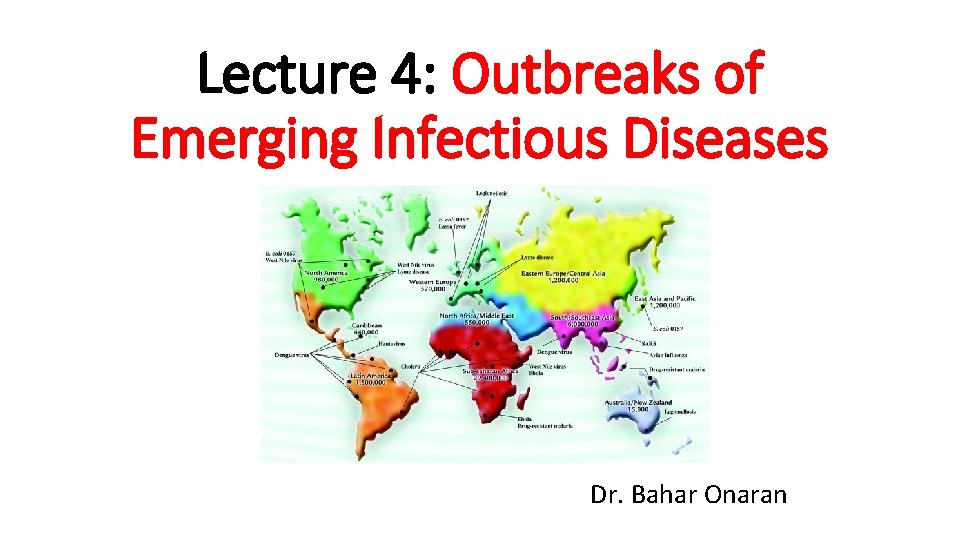
Lecture 4: Outbreaks of Emerging Infectious Diseases Dr. Bahar Onaran
Øare caused by infectious agents, which gain entry into a host organism and disrupt its normal bodily functions. ØMany infectious diseases of humans are also communicable, meaning the infection can pass from one person to another. ØThere are over 1, 400 recognized human pathogens that fall into several categories, including viruses, bacteria, fungi, etc.
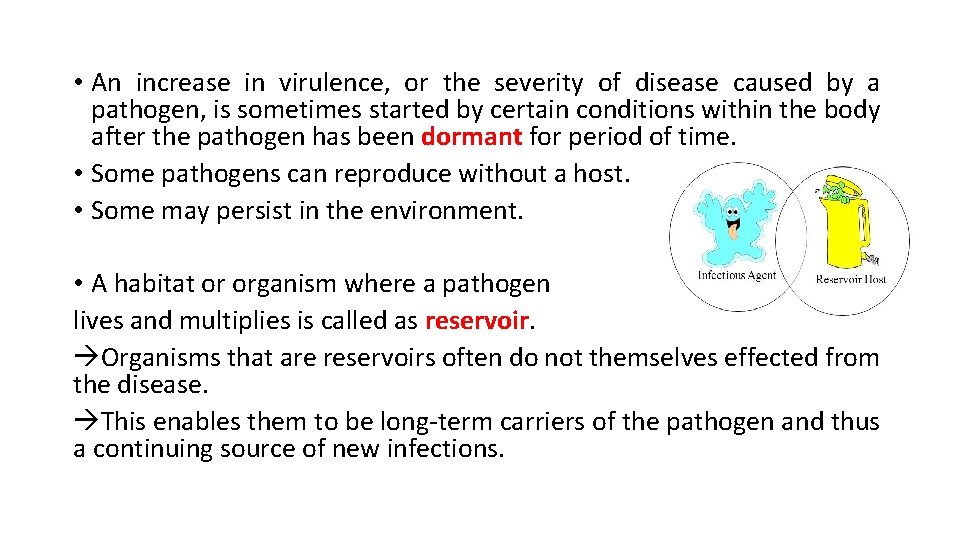
• An increase in virulence, or the severity of disease caused by a pathogen, is sometimes started by certain conditions within the body after the pathogen has been dormant for period of time. • Some pathogens can reproduce without a host. • Some may persist in the environment. • A habitat or organism where a pathogen lives and multiplies is called as reservoir. Organisms that are reservoirs often do not themselves effected from the disease. This enables them to be long-term carriers of the pathogen and thus a continuing source of new infections.
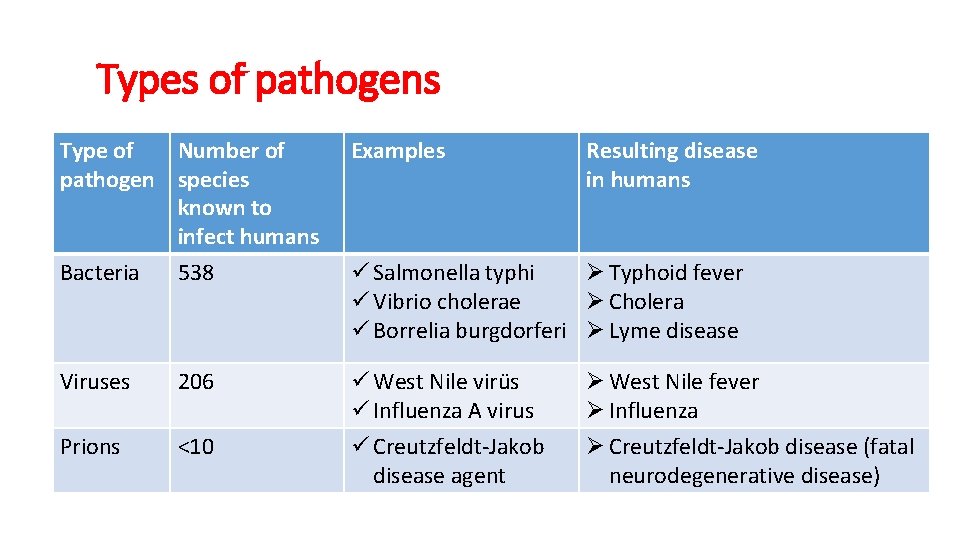
Types of pathogens Type of Number of pathogen species known to infect humans Bacteria 538 Examples Viruses 206 Prions <10 ü West Nile virüs ü Influenza A virus ü Creutzfeldt-Jakob disease agent Resulting disease in humans ü Salmonella typhi Ø Typhoid fever ü Vibrio cholerae Ø Cholera ü Borrelia burgdorferi Ø Lyme disease Ø West Nile fever Ø Influenza Ø Creutzfeldt-Jakob disease (fatal neurodegenerative disease)
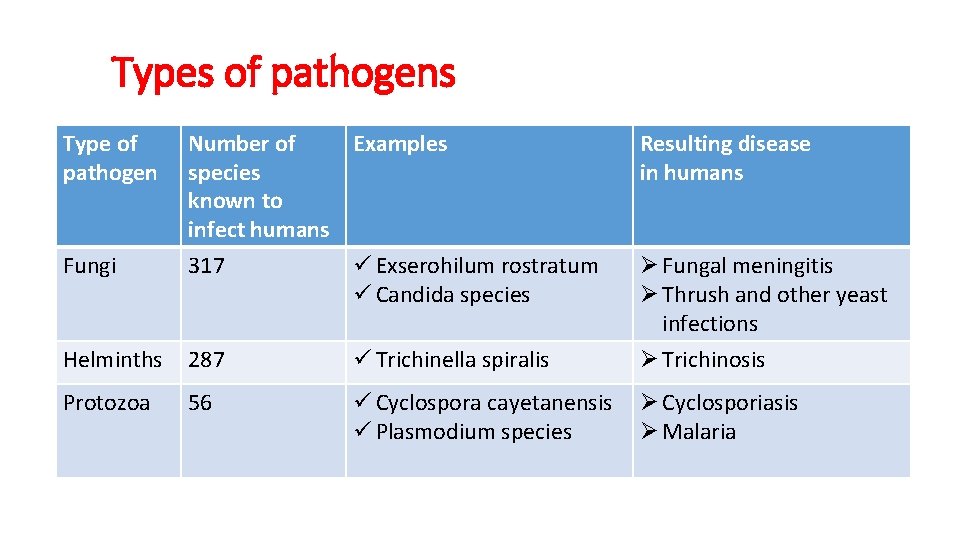
Types of pathogens Type of pathogen Fungi Number of Examples species known to infect humans 317 ü Exserohilum rostratum ü Candida species Resulting disease in humans Ø Fungal meningitis Ø Thrush and other yeast infections Ø Trichinosis Helminths 287 ü Trichinella spiralis Protozoa 56 ü Cyclospora cayetanensis Ø Cyclosporiasis ü Plasmodium species Ø Malaria
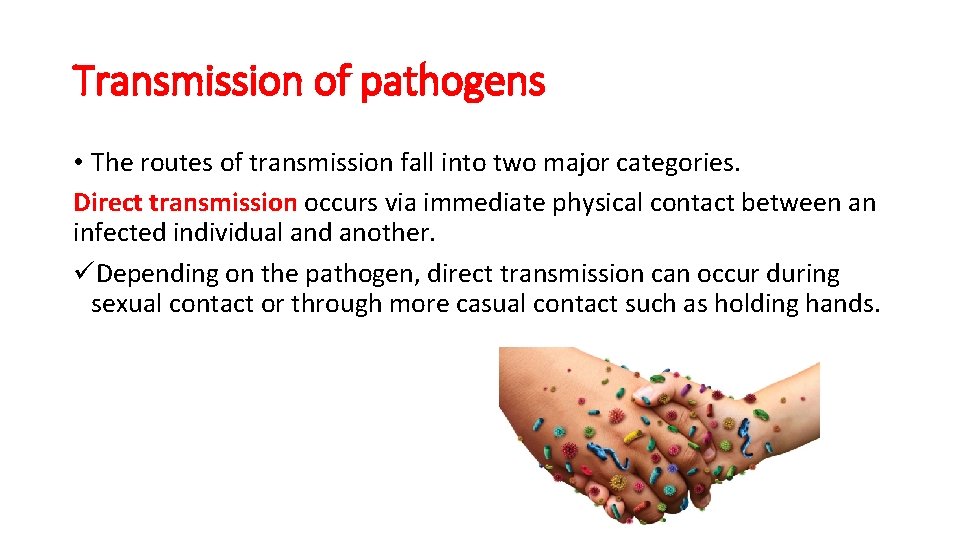
Transmission of pathogens • The routes of transmission fall into two major categories. Direct transmission occurs via immediate physical contact between an infected individual and another. üDepending on the pathogen, direct transmission can occur during sexual contact or through more casual contact such as holding hands.
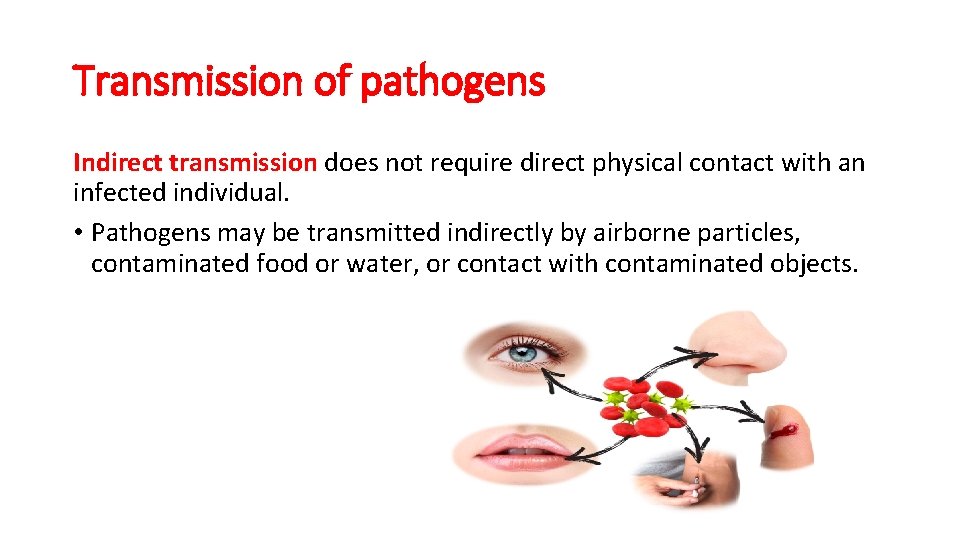
Transmission of pathogens Indirect transmission does not require direct physical contact with an infected individual. • Pathogens may be transmitted indirectly by airborne particles, contaminated food or water, or contact with contaminated objects.
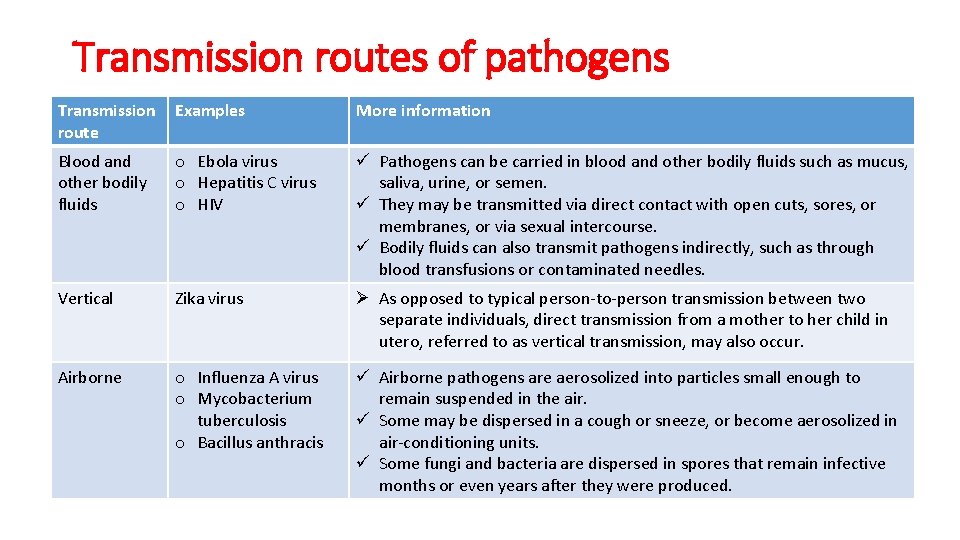
Transmission routes of pathogens Transmission route Examples More information Blood and other bodily fluids o Ebola virus o Hepatitis C virus o HIV ü Pathogens can be carried in blood and other bodily fluids such as mucus, saliva, urine, or semen. ü They may be transmitted via direct contact with open cuts, sores, or membranes, or via sexual intercourse. ü Bodily fluids can also transmit pathogens indirectly, such as through blood transfusions or contaminated needles. Vertical Zika virus Ø As opposed to typical person-to-person transmission between two separate individuals, direct transmission from a mother to her child in utero, referred to as vertical transmission, may also occur. Airborne o Influenza A virus o Mycobacterium tuberculosis o Bacillus anthracis ü Airborne pathogens are aerosolized into particles small enough to remain suspended in the air. ü Some may be dispersed in a cough or sneeze, or become aerosolized in air-conditioning units. ü Some fungi and bacteria are dispersed in spores that remain infective months or even years after they were produced.
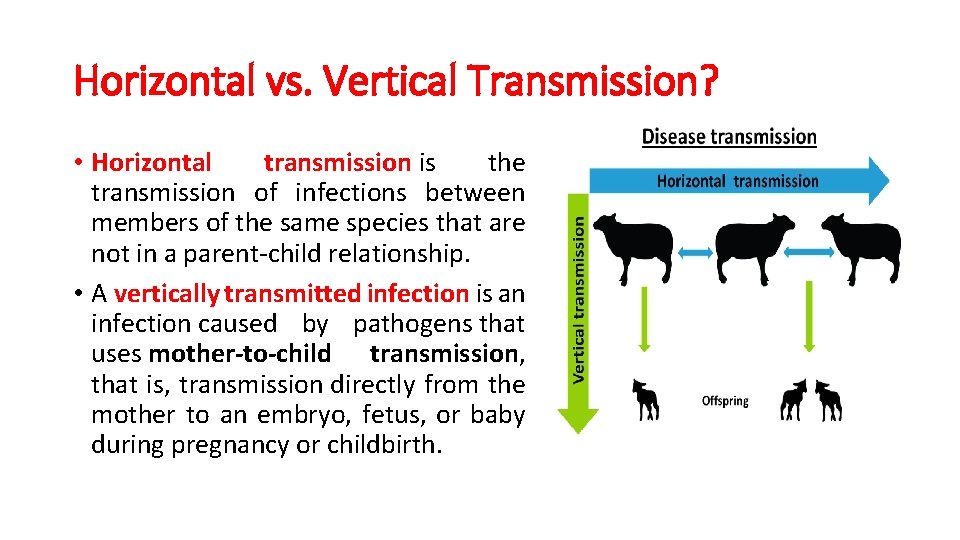
Horizontal vs. Vertical Transmission? • Horizontal transmission is the transmission of infections between members of the same species that are not in a parent-child relationship. • A vertically transmitted infection is an infection caused by pathogens that uses mother-to-child transmission, that is, transmission directly from the mother to an embryo, fetus, or baby during pregnancy or childbirth.
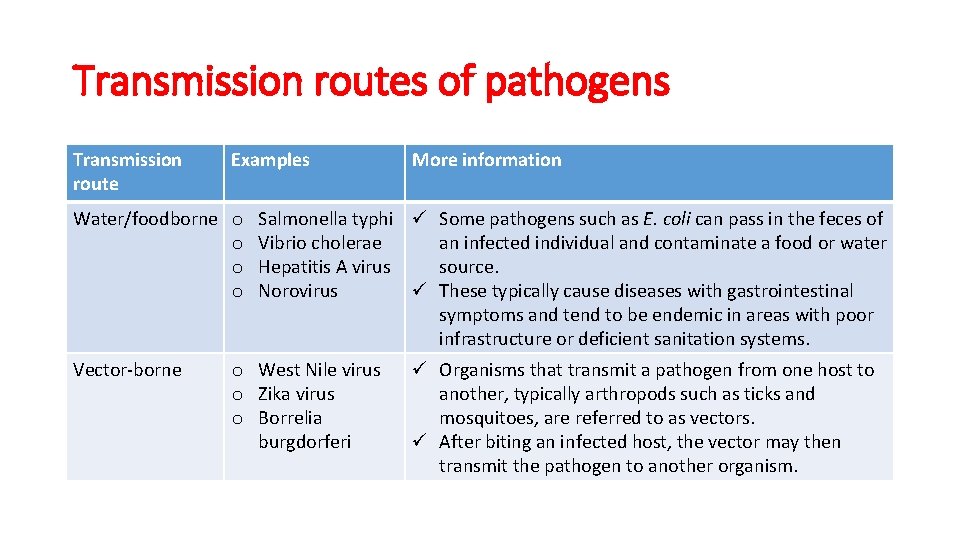
Transmission routes of pathogens Transmission route Examples Water/foodborne o o Vector-borne More information Salmonella typhi ü Some pathogens such as E. coli can pass in the feces of Vibrio cholerae an infected individual and contaminate a food or water Hepatitis A virus source. Norovirus ü These typically cause diseases with gastrointestinal symptoms and tend to be endemic in areas with poor infrastructure or deficient sanitation systems. o West Nile virus o Zika virus o Borrelia burgdorferi ü Organisms that transmit a pathogen from one host to another, typically arthropods such as ticks and mosquitoes, are referred to as vectors. ü After biting an infected host, the vector may then transmit the pathogen to another organism.
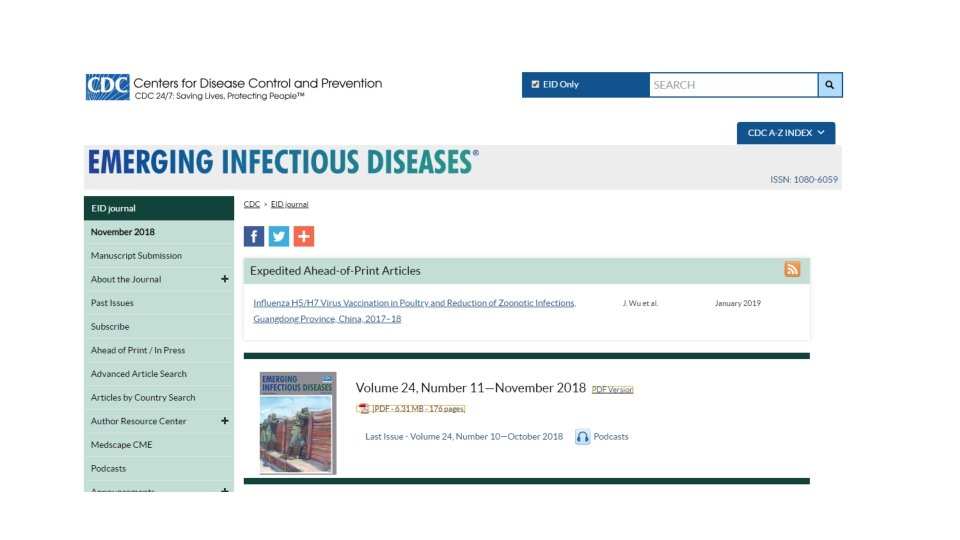
Emerging infectious diseases • Some infectious diseases have persisted in human populations for thousands of years. • Ex. tuberculosis • By studying patterns of disease over time, researchers have identified previously undetected diseases or diseases whose prevalence has recently increased or expanded into new areas. • These are referred to as emerging infectious diseases (EIDs).
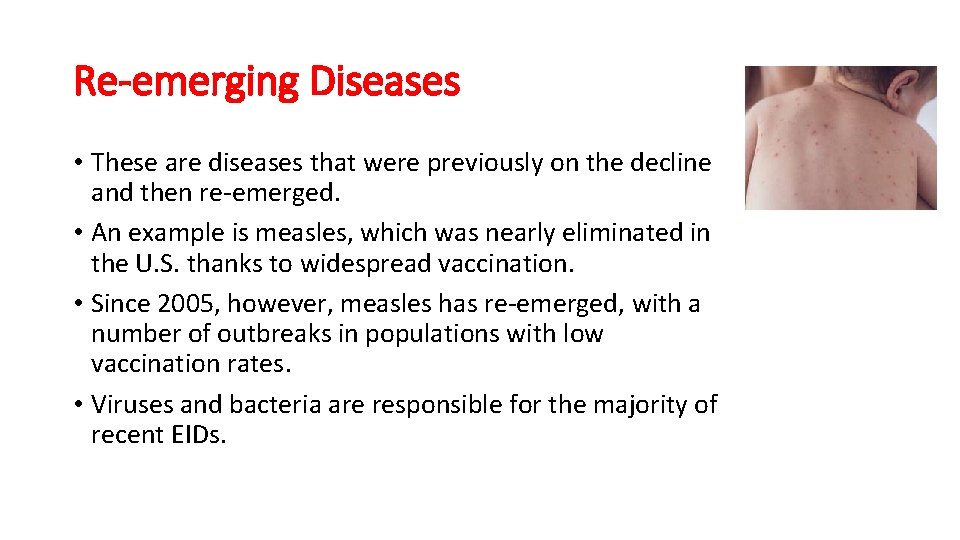
Re-emerging Diseases • These are diseases that were previously on the decline and then re-emerged. • An example is measles, which was nearly eliminated in the U. S. thanks to widespread vaccination. • Since 2005, however, measles has re-emerged, with a number of outbreaks in populations with low vaccination rates. • Viruses and bacteria are responsible for the majority of recent EIDs.
Causes of Emerging Infectious Diseases • EIDs are driven by the growth of the human population, which has risen from 2. 5 billion in 1950 to 7. 4 billion in 2016 and continues to increase at an estimated rate of 1 to 2 percent every year. • Human activities set the stage for situations that may lead to the emergence of new human-adapted pathogens and outbreaks of disease.
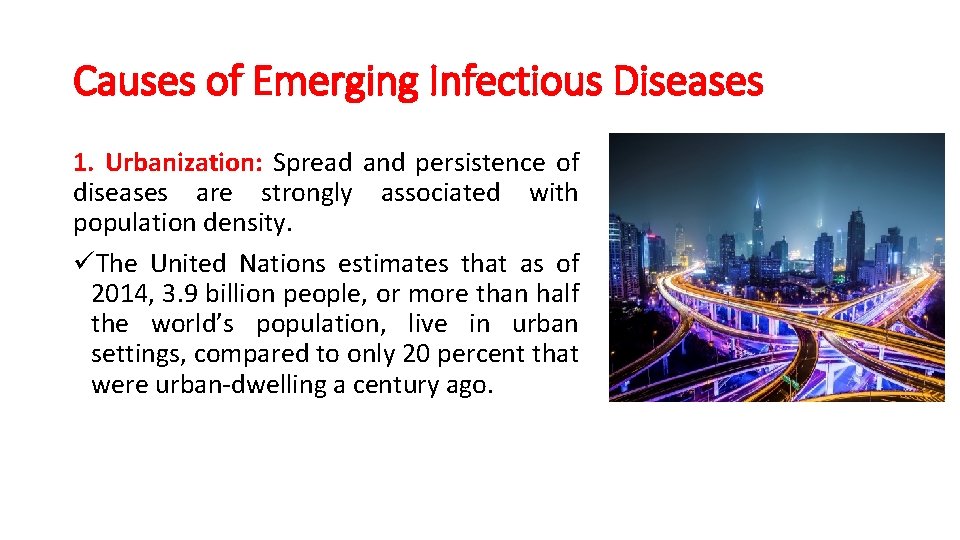
Causes of Emerging Infectious Diseases 1. Urbanization: Spread and persistence of diseases are strongly associated with population density. üThe United Nations estimates that as of 2014, 3. 9 billion people, or more than half the world’s population, live in urban settings, compared to only 20 percent that were urban-dwelling a century ago.
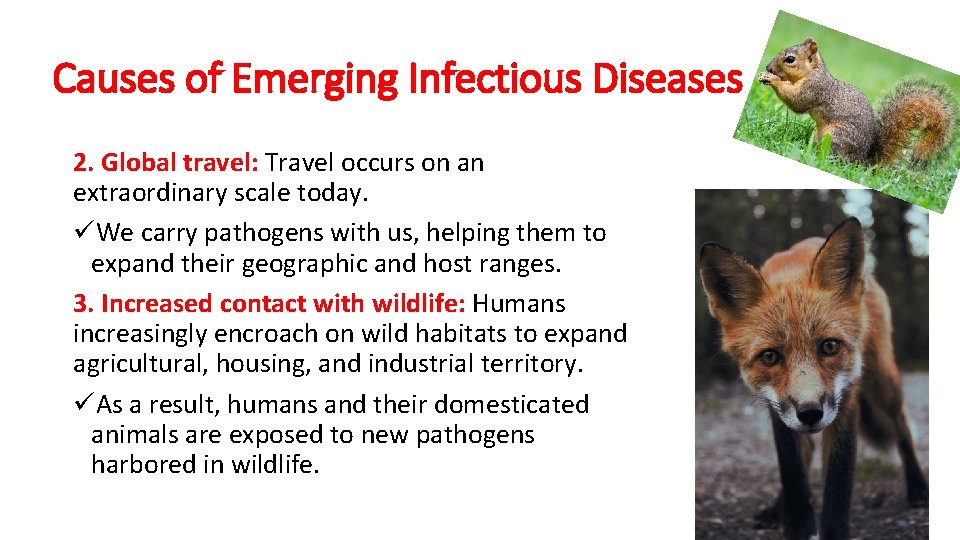
Causes of Emerging Infectious Diseases 2. Global travel: Travel occurs on an extraordinary scale today. üWe carry pathogens with us, helping them to expand their geographic and host ranges. 3. Increased contact with wildlife: Humans increasingly encroach on wild habitats to expand agricultural, housing, and industrial territory. üAs a result, humans and their domesticated animals are exposed to new pathogens harbored in wildlife.
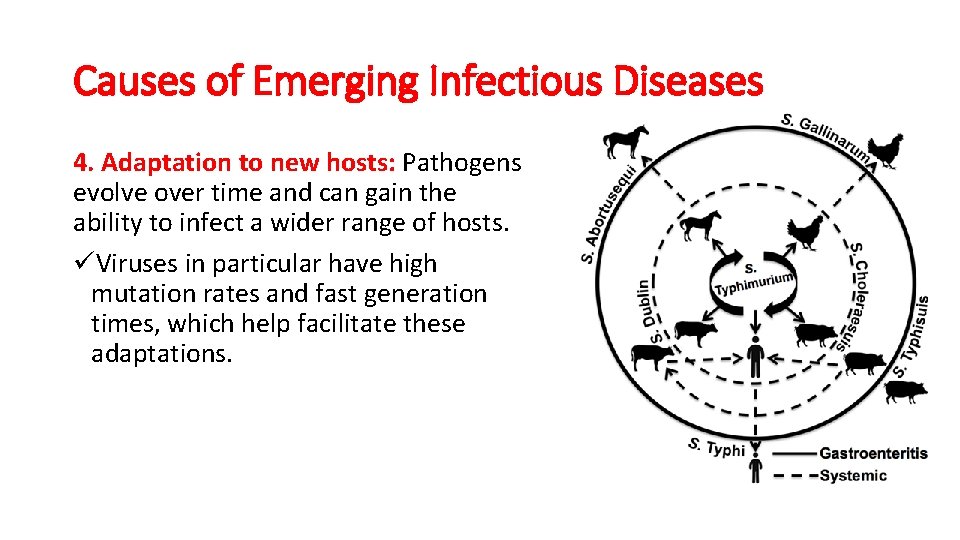
Causes of Emerging Infectious Diseases 4. Adaptation to new hosts: Pathogens evolve over time and can gain the ability to infect a wider range of hosts. üViruses in particular have high mutation rates and fast generation times, which help facilitate these adaptations.
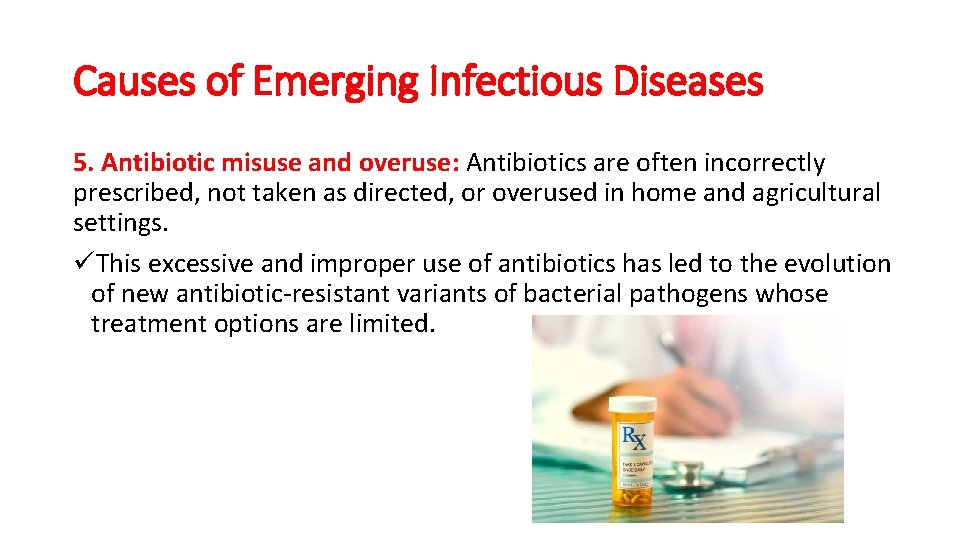
Causes of Emerging Infectious Diseases 5. Antibiotic misuse and overuse: Antibiotics are often incorrectly prescribed, not taken as directed, or overused in home and agricultural settings. üThis excessive and improper use of antibiotics has led to the evolution of new antibiotic-resistant variants of bacterial pathogens whose treatment options are limited.
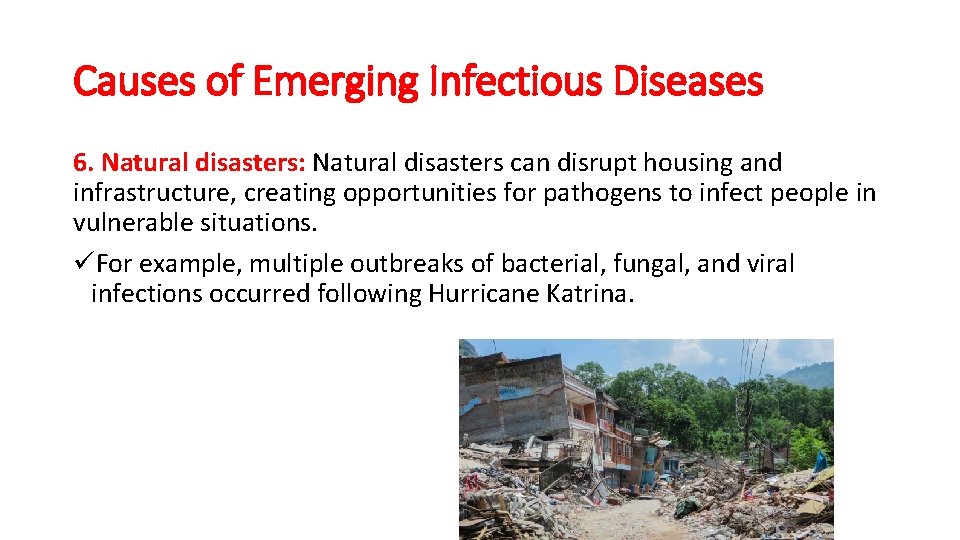
Causes of Emerging Infectious Diseases 6. Natural disasters: Natural disasters can disrupt housing and infrastructure, creating opportunities for pathogens to infect people in vulnerable situations. üFor example, multiple outbreaks of bacterial, fungal, and viral infections occurred following Hurricane Katrina.
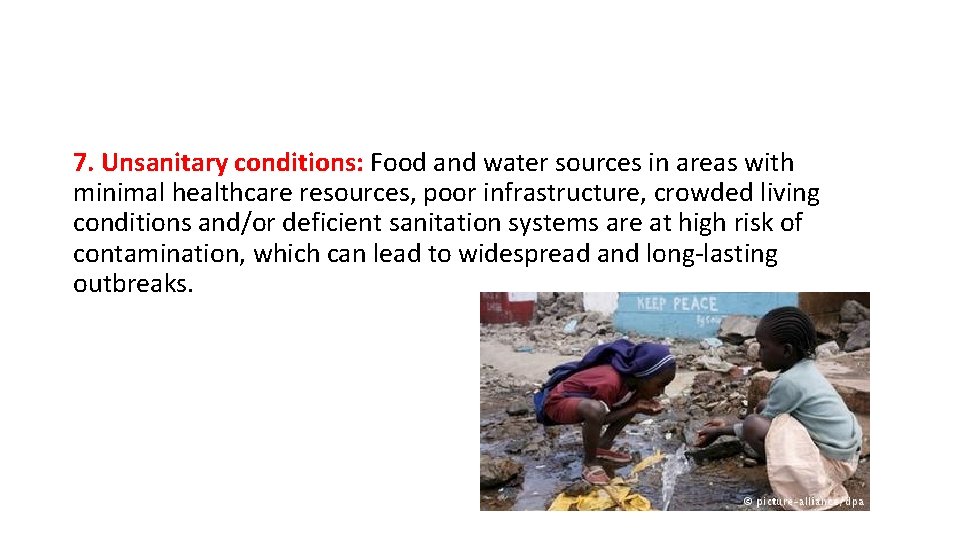
7. Unsanitary conditions: Food and water sources in areas with minimal healthcare resources, poor infrastructure, crowded living conditions and/or deficient sanitation systems are at high risk of contamination, which can lead to widespread and long-lasting outbreaks.
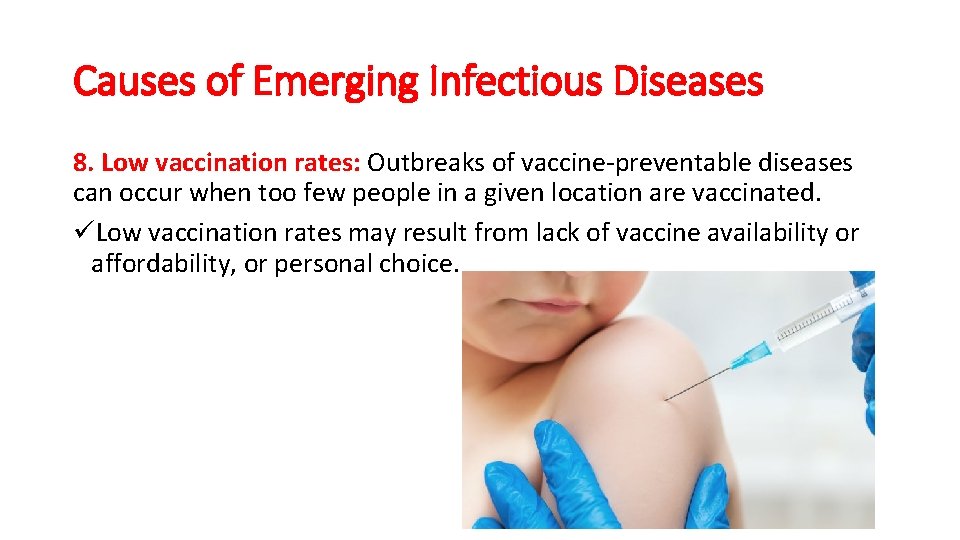
Causes of Emerging Infectious Diseases 8. Low vaccination rates: Outbreaks of vaccine-preventable diseases can occur when too few people in a given location are vaccinated. üLow vaccination rates may result from lack of vaccine availability or affordability, or personal choice.
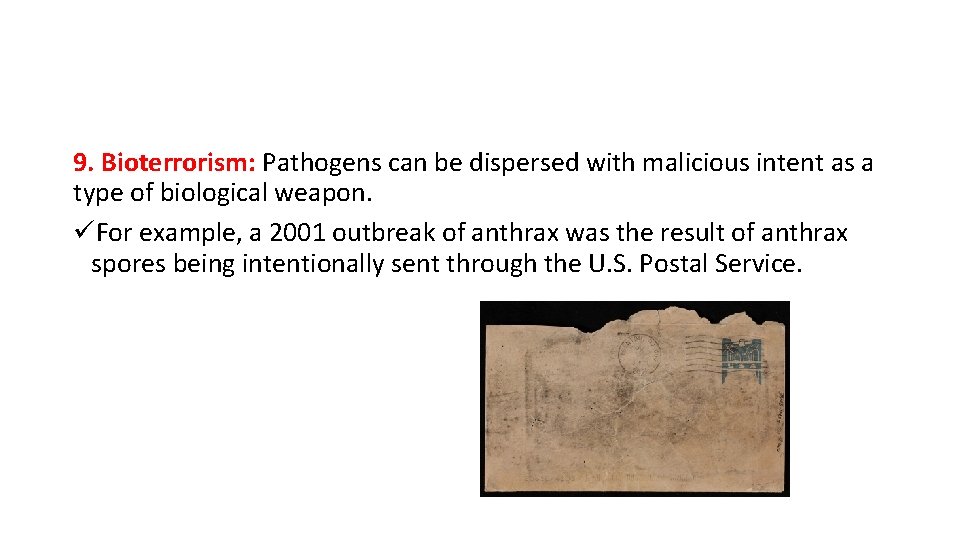
9. Bioterrorism: Pathogens can be dispersed with malicious intent as a type of biological weapon. üFor example, a 2001 outbreak of anthrax was the result of anthrax spores being intentionally sent through the U. S. Postal Service.
Behind every outbreak? • The term outbreak refers to a greater-than-expected increase in the number of cases of a disease in a given region or population; even a single case may sometimes be considered an outbreak. • The term epidemic describes the disease’s progressive spread into a wider region. • The term pandemic refers to an epidemic that spreads across a large region, generally spanning multiple countries or continents.
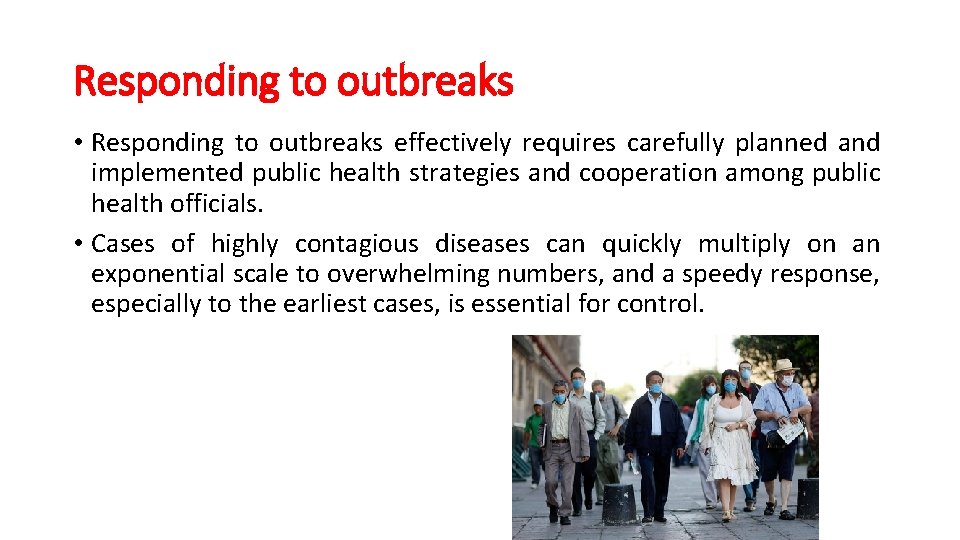
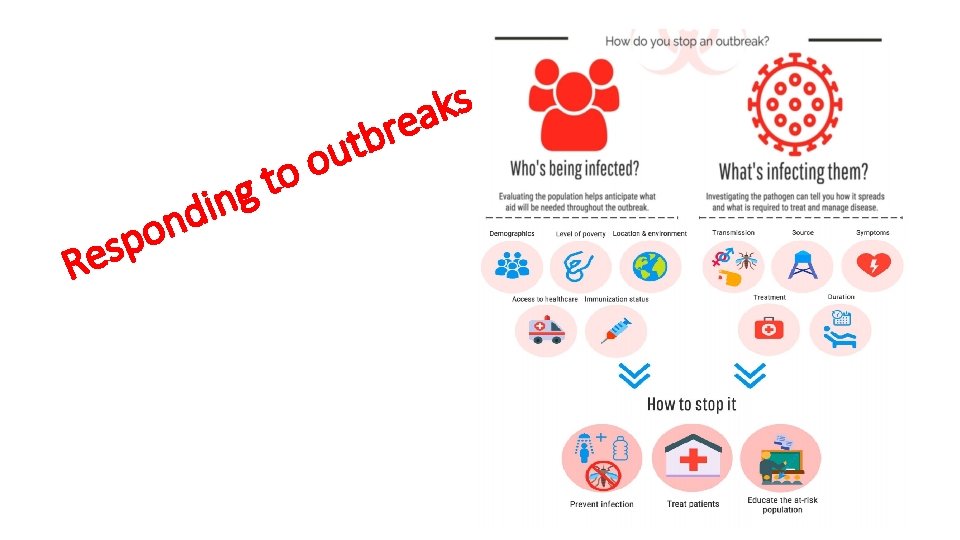
Responding to outbreaks • Responding to outbreaks effectively requires carefully planned and implemented public health strategies and cooperation among public health officials. • Cases of highly contagious diseases can quickly multiply on an exponential scale to overwhelming numbers, and a speedy response, especially to the earliest cases, is essential for control.
• Important components include effective surveillance programs for early detection, and thorough informationgathering on the origin of the outbreak and populations at risk. • Considering the characteristics of both the pathogen and the at-risk population is critical for determining how to manage an outbreak, and for developing the most effective strategies for treating, controlling, and preventing the infectious disease at hand.
p s Re i d on o t ng r b t ou s k ea
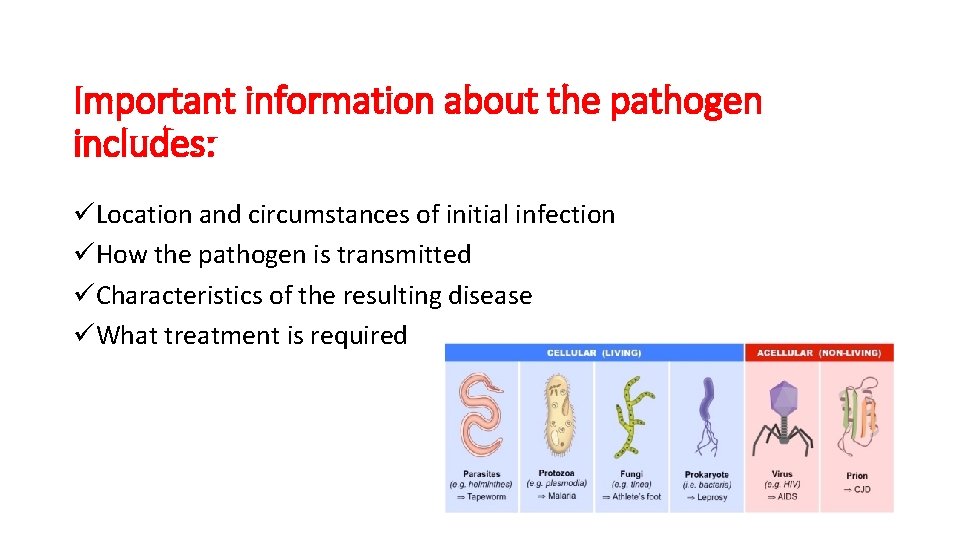
Important information about the pathogen includes: üLocation and circumstances of initial infection üHow the pathogen is transmitted üCharacteristics of the resulting disease üWhat treatment is required
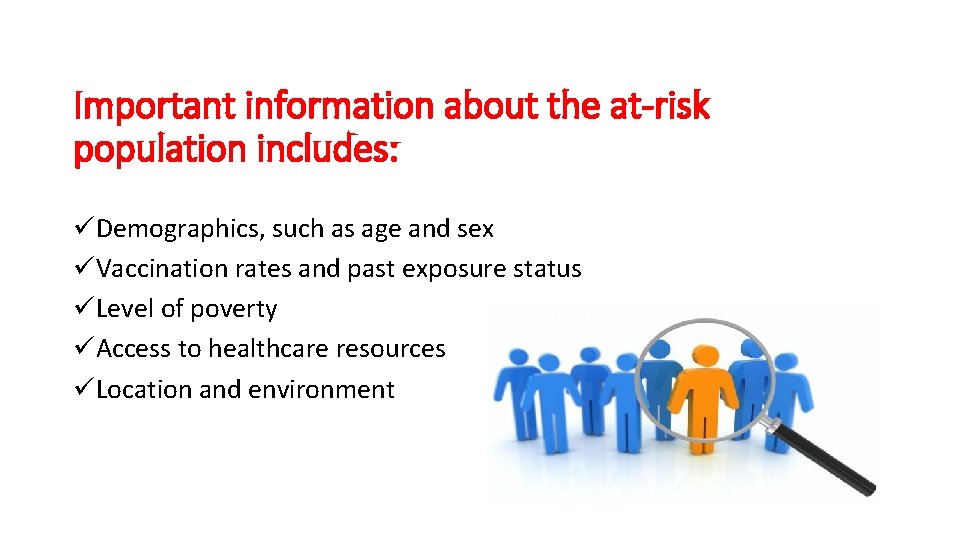
Important information about the at-risk population includes: üDemographics, such as age and sex üVaccination rates and past exposure status üLevel of poverty üAccess to healthcare resources üLocation and environment
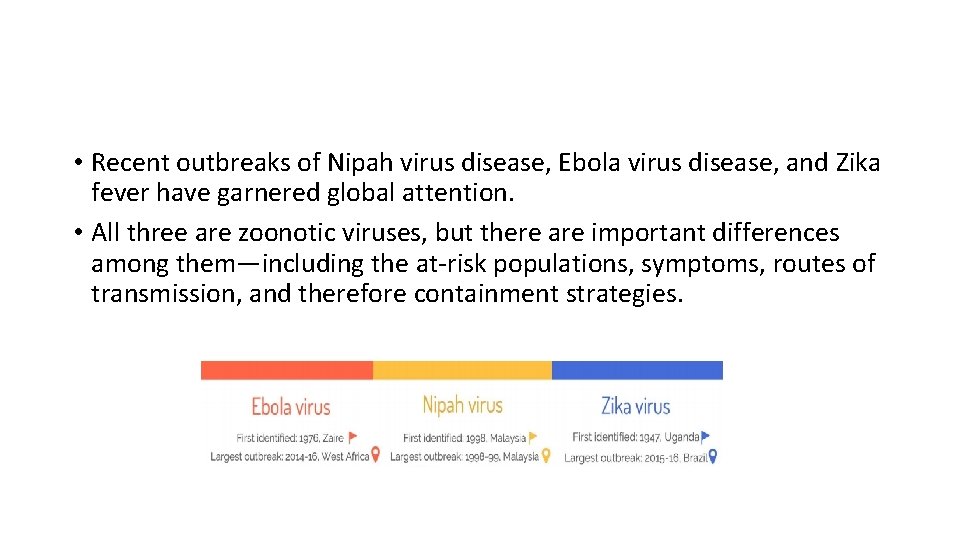
• Recent outbreaks of Nipah virus disease, Ebola virus disease, and Zika fever have garnered global attention. • All three are zoonotic viruses, but there are important differences among them—including the at-risk populations, symptoms, routes of transmission, and therefore containment strategies.
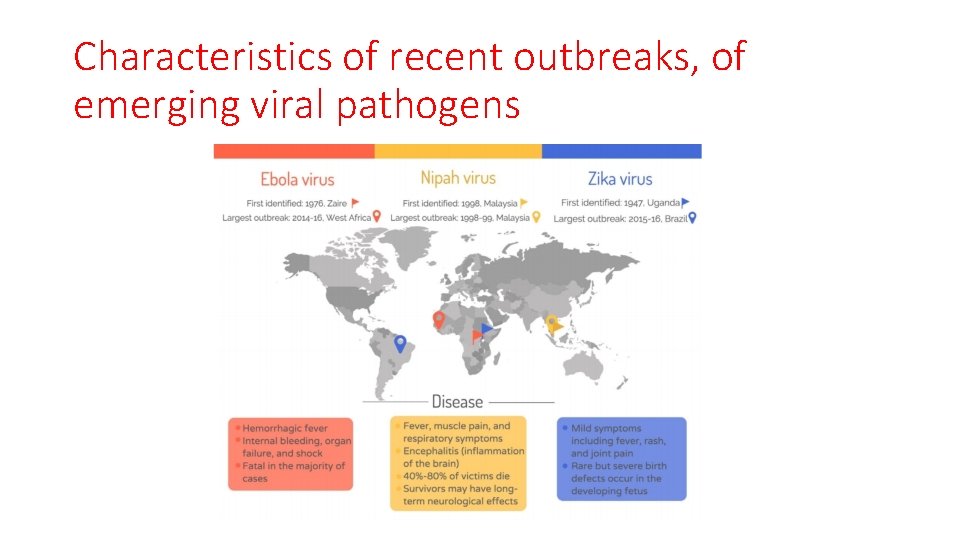
Characteristics of recent outbreaks, of emerging viral pathogens
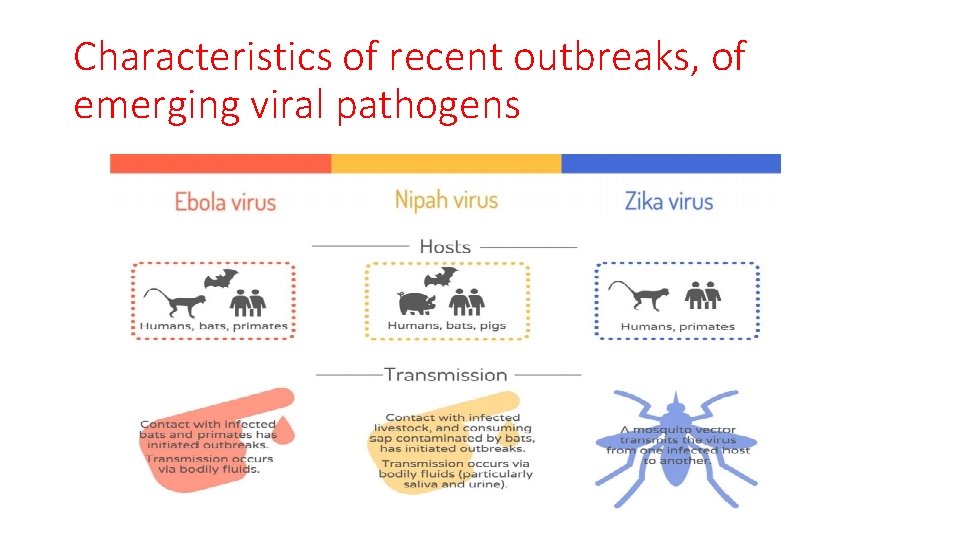
Characteristics of recent outbreaks, of emerging viral pathogens
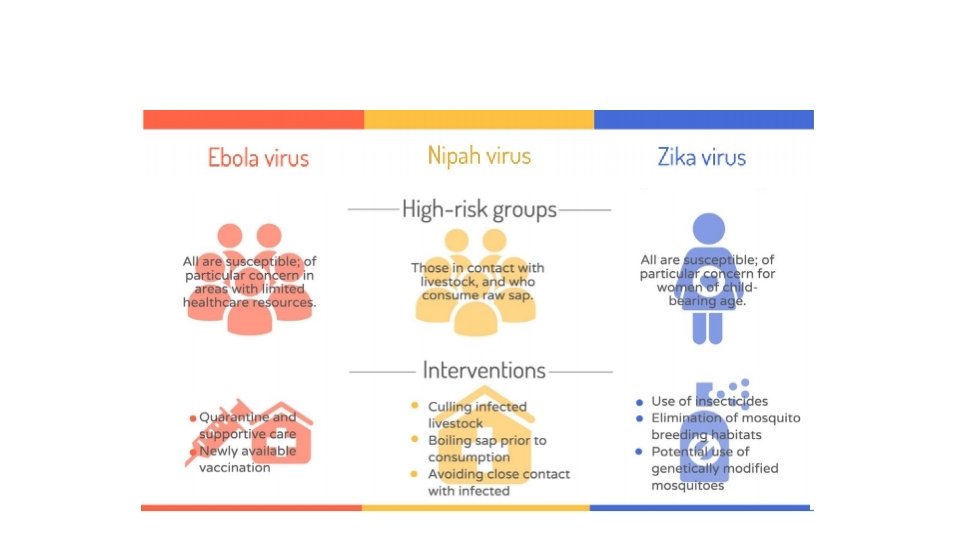
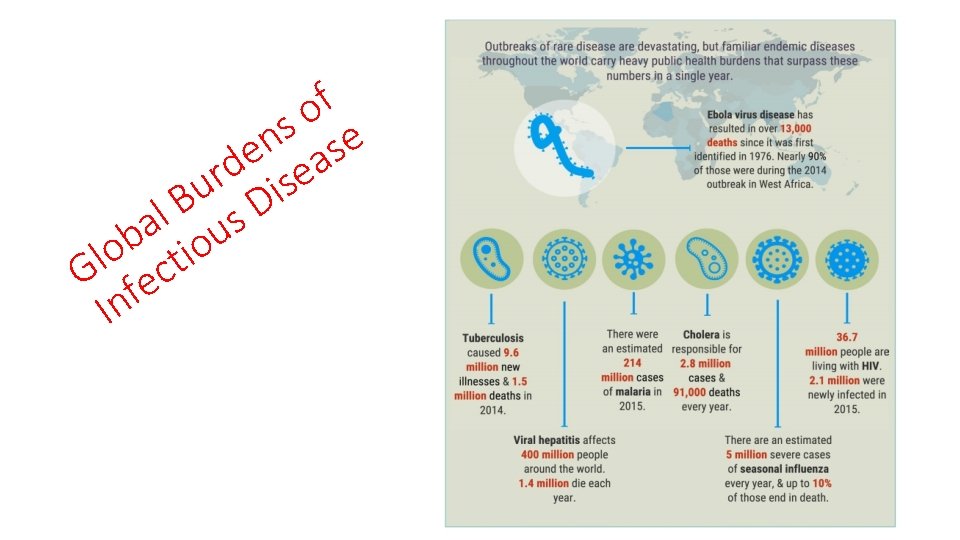
f o s e n s e a d e r s u i B s. D l a u b o o i l t G fec In
Long-term strategies • EIDs are inevitable, but it is possible to control localized outbreaks and stop them from becoming pandemics. • Implementing long-term solutions and establishing global partnerships are crucial for effective disease control 6 steps
Long-term strategies 1. Cooperation: üPathogens do not acknowledge political borders. üCommunication and cooperation among authorities are essential for effective disease management. üThe 191 member states of the World Health Organization share information from medical centers throughout the world regarding disease outbreaks.
Long-term strategies 2. Surveillance: Prevention and timely control of outbreaks require rigorous surveillance of pathogen reservoirs and suspected disease cases. üSurveillance includes directly monitoring animals and the environment for evidence of pathogens, as well as reports of disease from clinics and hospitals.
Long-term strategies 3. Research funding: Government funding is allocated for biodefense research to characterize pathogens and develop medical countermeasures, and takes place at academic institutions, government agencies, and biotechnology companies.
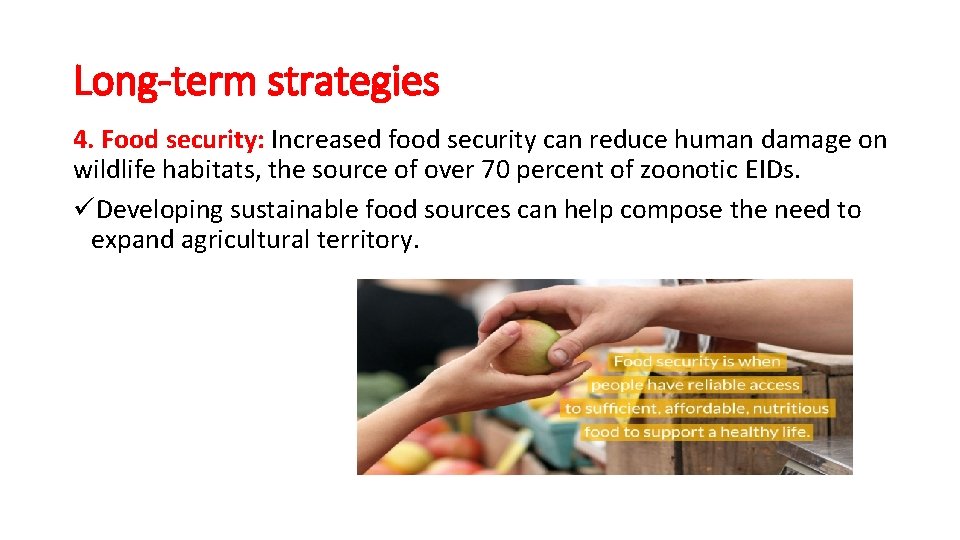
Long-term strategies 4. Food security: Increased food security can reduce human damage on wildlife habitats, the source of over 70 percent of zoonotic EIDs. üDeveloping sustainable food sources can help compose the need to expand agricultural territory.
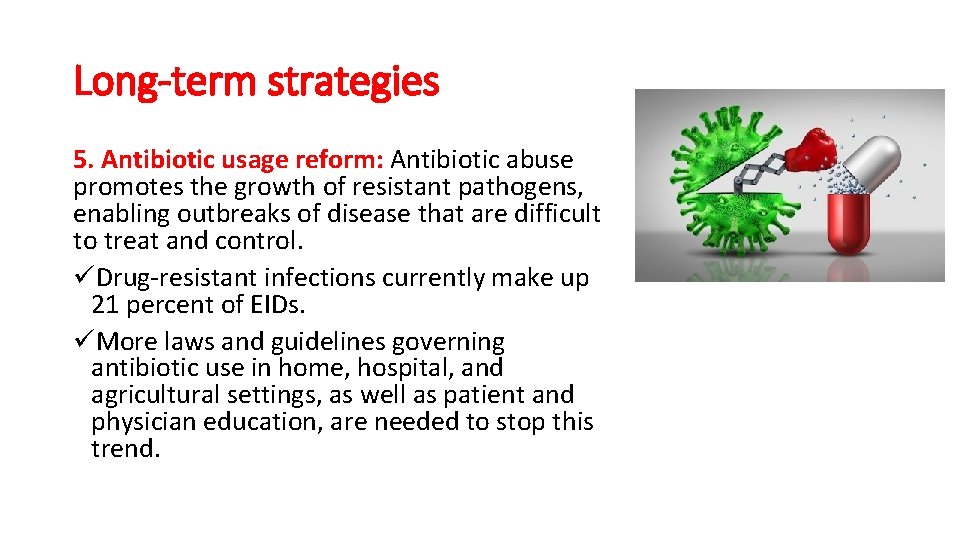
Long-term strategies 5. Antibiotic usage reform: Antibiotic abuse promotes the growth of resistant pathogens, enabling outbreaks of disease that are difficult to treat and control. üDrug-resistant infections currently make up 21 percent of EIDs. üMore laws and guidelines governing antibiotic use in home, hospital, and agricultural settings, as well as patient and physician education, are needed to stop this trend.
Long-term strategies 6. Public education: Educating the population on how pathogens spread, how to avoid infection, and when and where to seek treatment can help maintain healthy communities.

Bye! https: //i. gifer. com/W 1 ph. gif
- Slides: 41