
Lecture 3 Indefinite and Definite Integrals the Fundamental
- Slides: 45
Lecture 3: Indefinite and Definite Integrals, the Fundamental Theorem of Calculus, Integration Via Substitution, Integration by Parts, Computing Areas, Computing Volumes by the Disk and Shell Methods
Part I: Indefinite and Definite Integrals and the Fundamental Theorem of Calculus
Objectives • Know the meaning of indefinite integrals and know how they are related by the first Fundamental Theorem of Calculus • Know how to evaluate simple definite integrals by taking the limit as we split the area into more and more blocks (without the first Fundamental Theorem of Calculus)
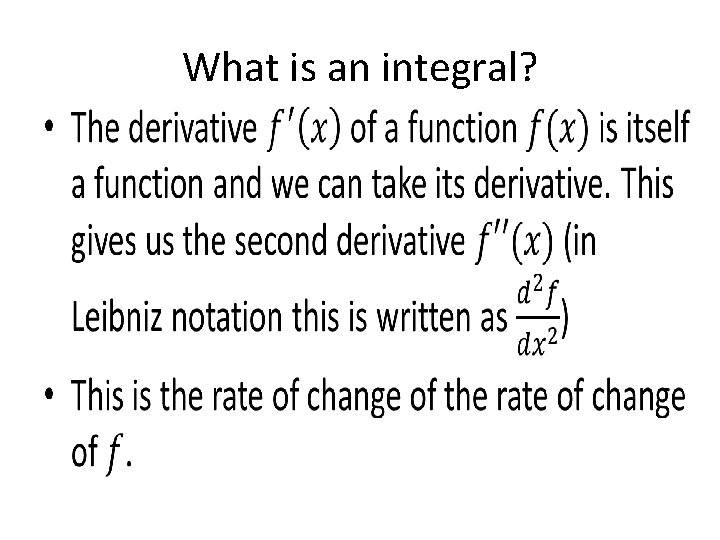
What is an integral? •
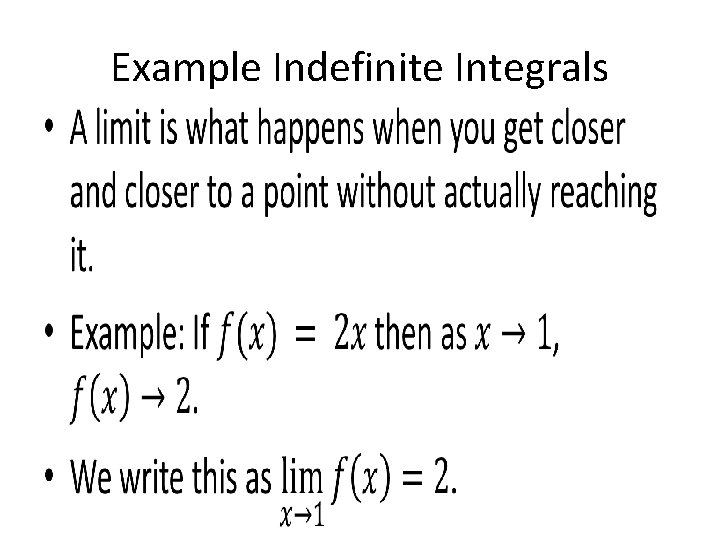
• Example Indefinite Integrals
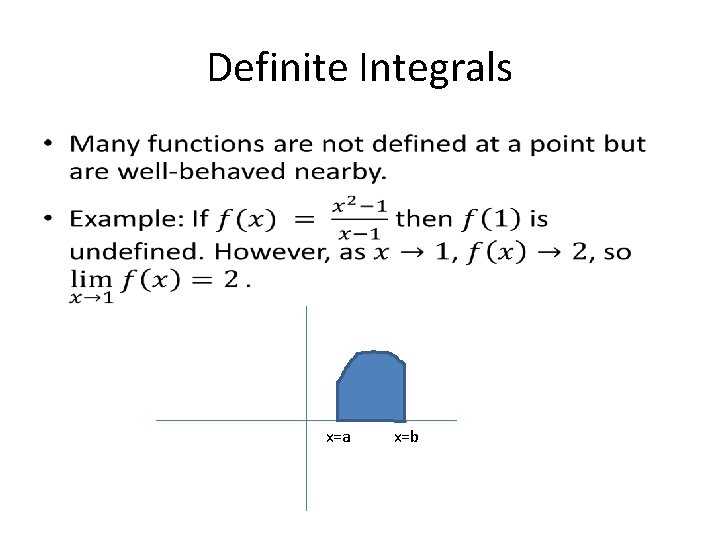
Definite Integrals • x=a x=b
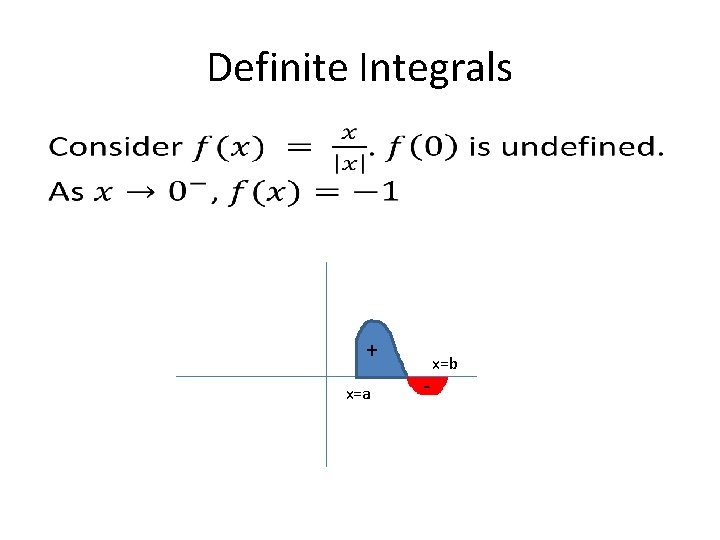
Definite Integrals • + x=a - x=b
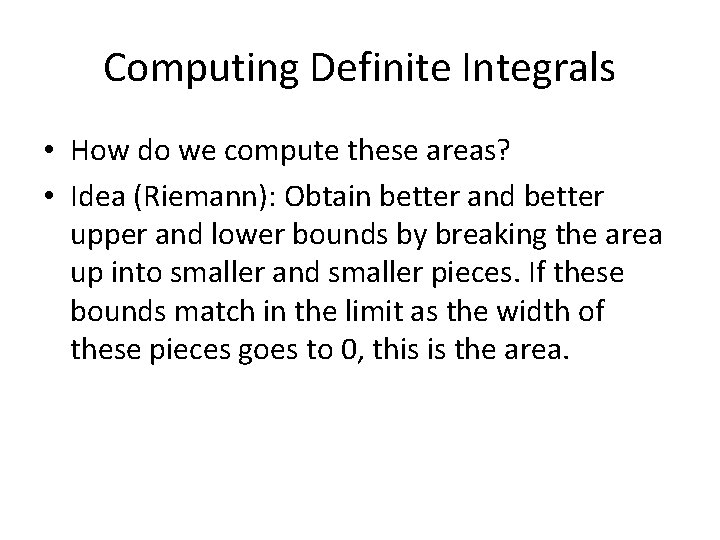
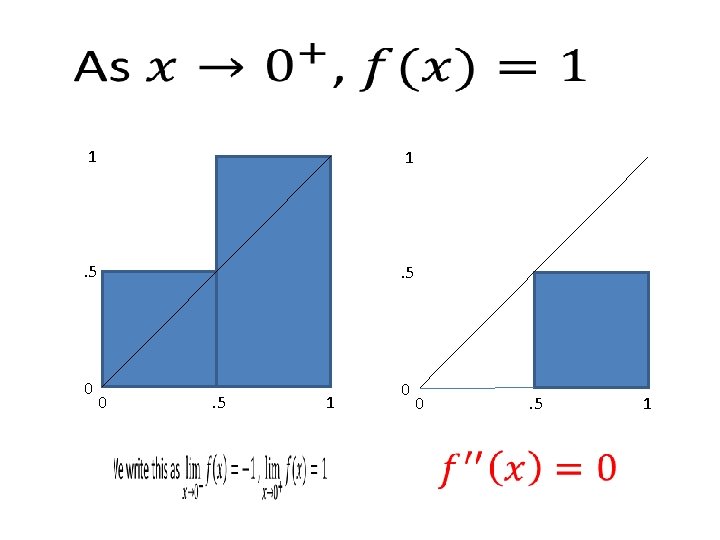
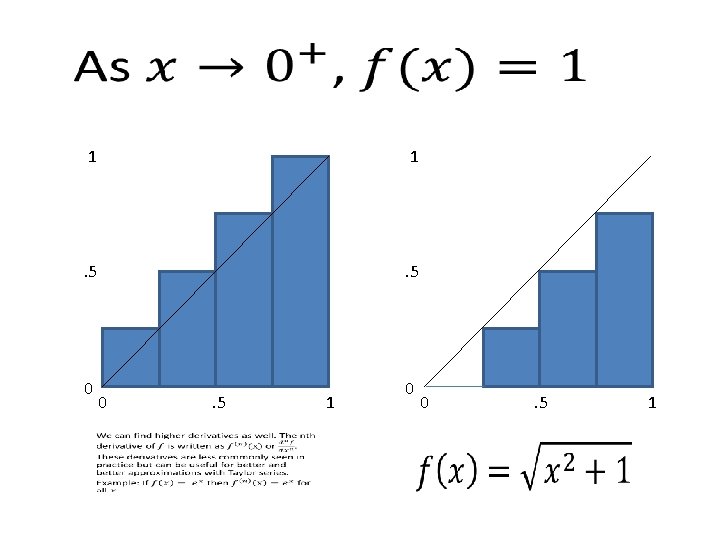
Computing Definite Integrals • How do we compute these areas? • Idea (Riemann): Obtain better and better upper and lower bounds by breaking the area up into smaller and smaller pieces. If these bounds match in the limit as the width of these pieces goes to 0, this is the area.
1 1 . 5 0 0 0 . 5 1
1 1 . 5 0 0 0 . 5 1
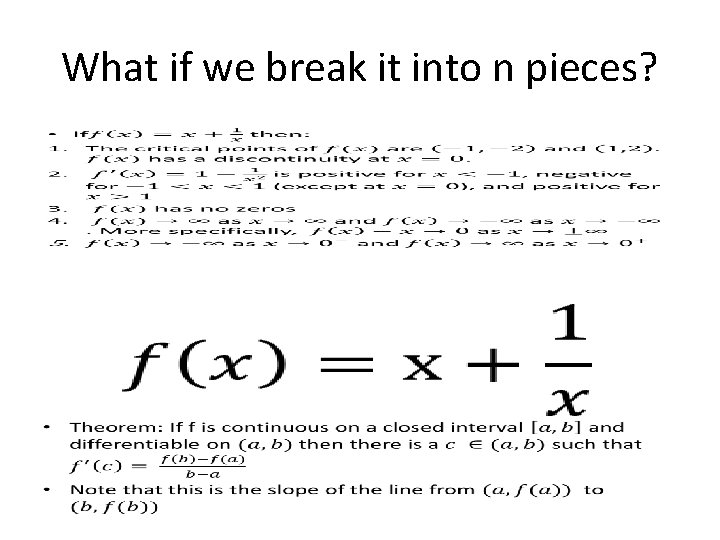
What if we break it into n pieces?
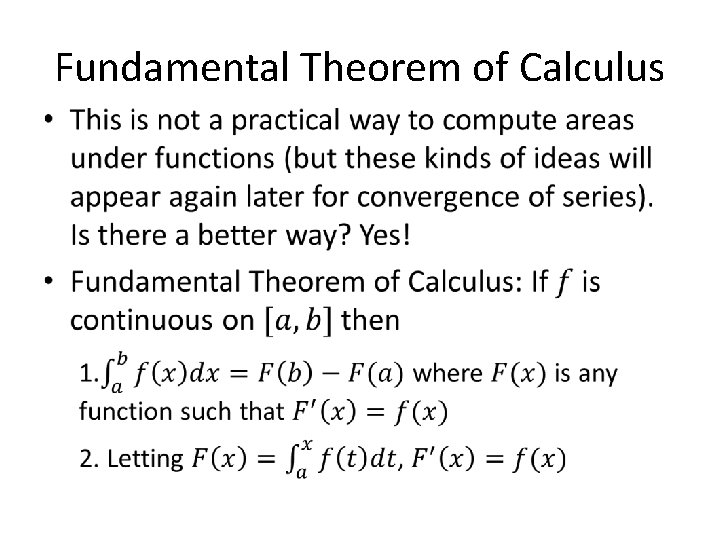
Fundamental Theorem of Calculus •
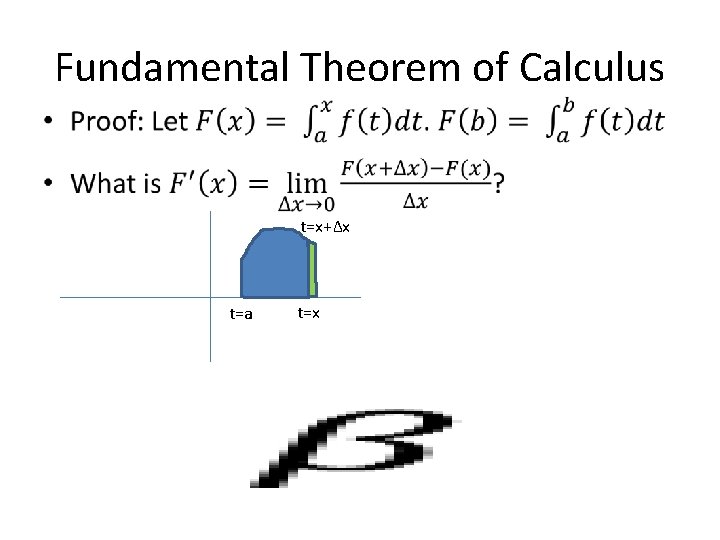
Fundamental Theorem of Calculus • t=x+Δx t=a t=x
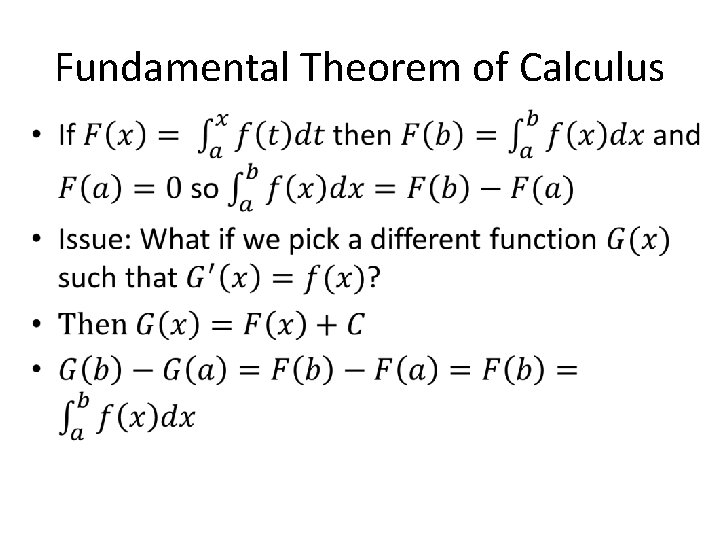
Fundamental Theorem of Calculus •
Part II: Differentials and the Substitution Rule
Objectives • Be able to compute and use differentials • Be fluent in integrating by substitution Corresponding Sections in Simmons: 5. 2, 5. 3
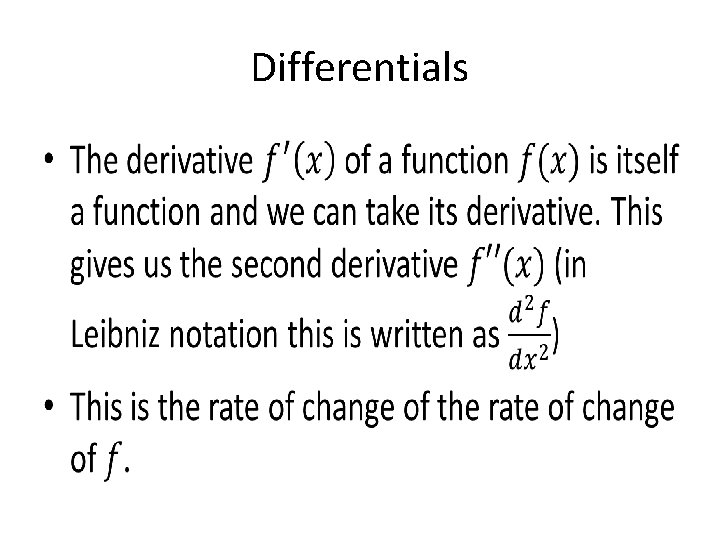
Differentials •
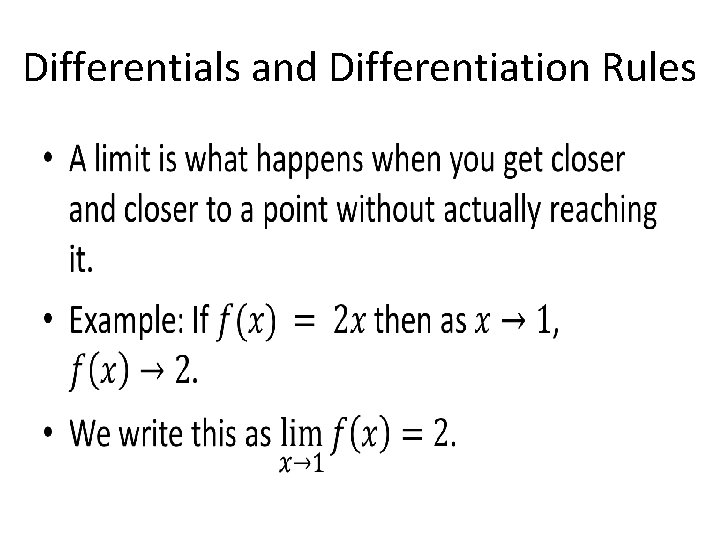
Differentials and Differentiation Rules •
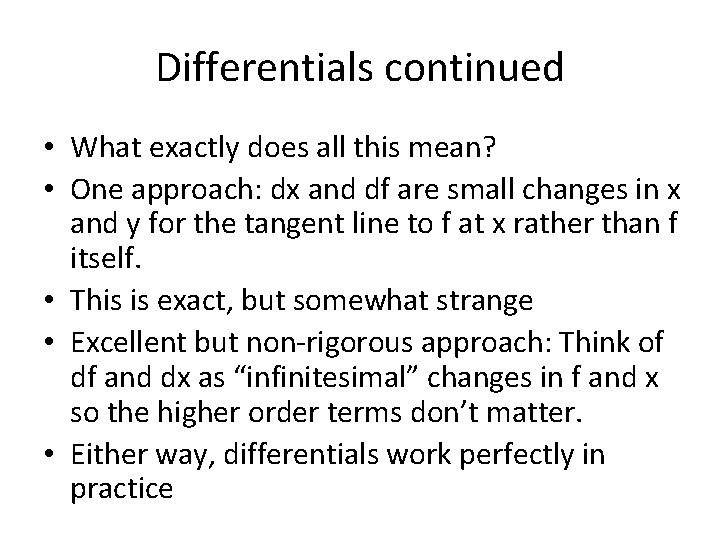
Differentials continued • What exactly does all this mean? • One approach: dx and df are small changes in x and y for the tangent line to f at x rather than f itself. • This is exact, but somewhat strange • Excellent but non-rigorous approach: Think of df and dx as “infinitesimal” changes in f and x so the higher order terms don’t matter. • Either way, differentials work perfectly in practice
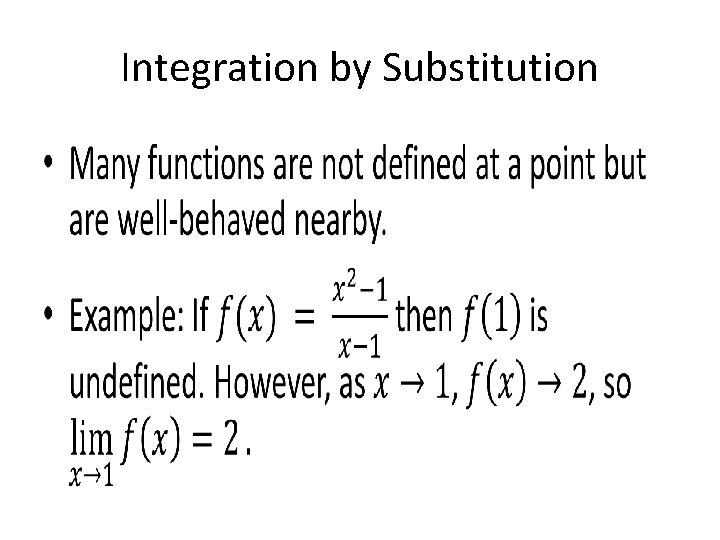
Integration by Substitution •
Examples •
Examples •
Integration by Substitution •
Example •
Part III: Integration by Parts
Objectives • Be able to integrate by parts • Corresponding section in Simmons: 10. 7
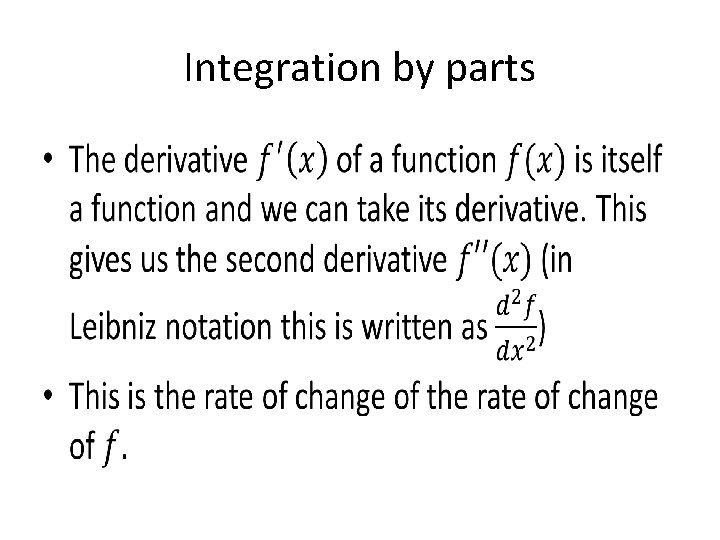
Integration by parts •
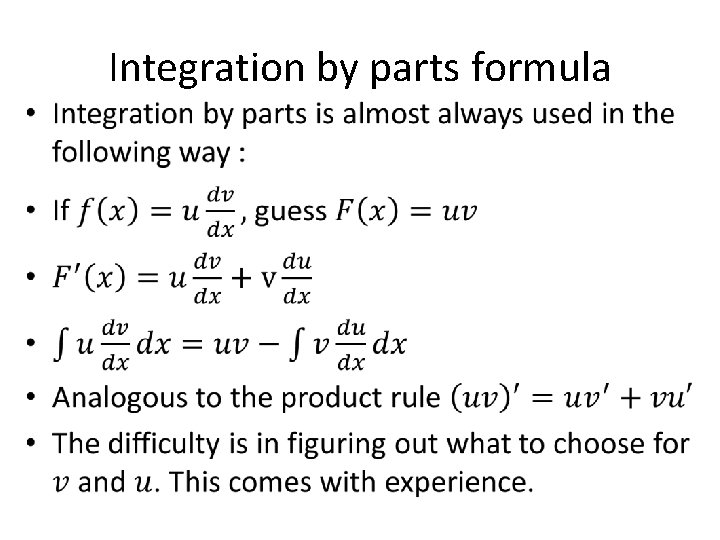
Integration by parts formula •
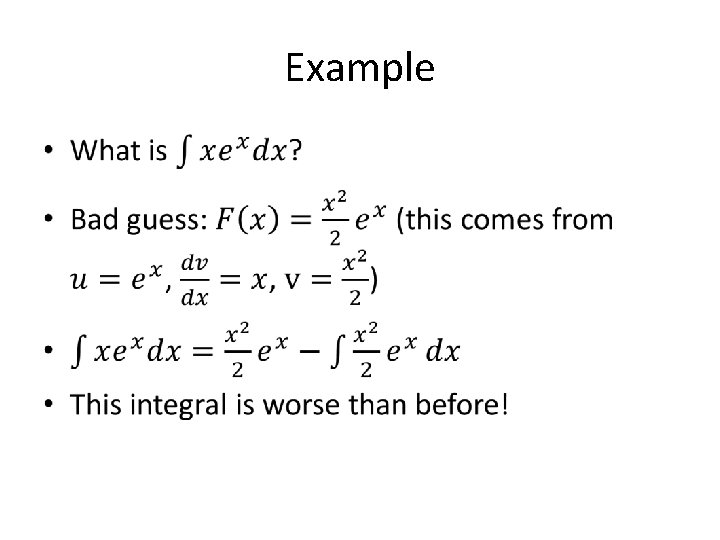
Example •
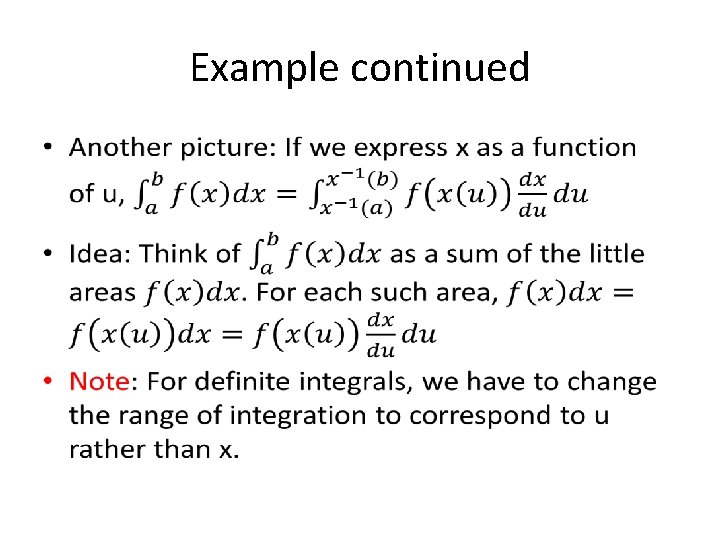
Example continued •
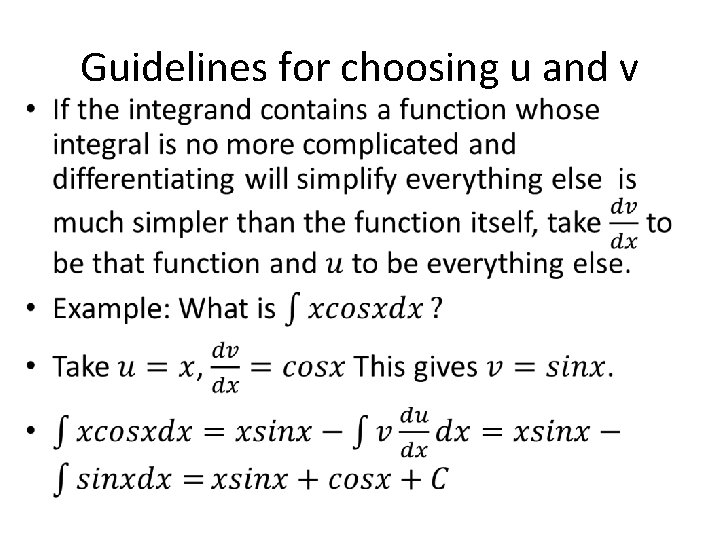
Guidelines for choosing u and v •
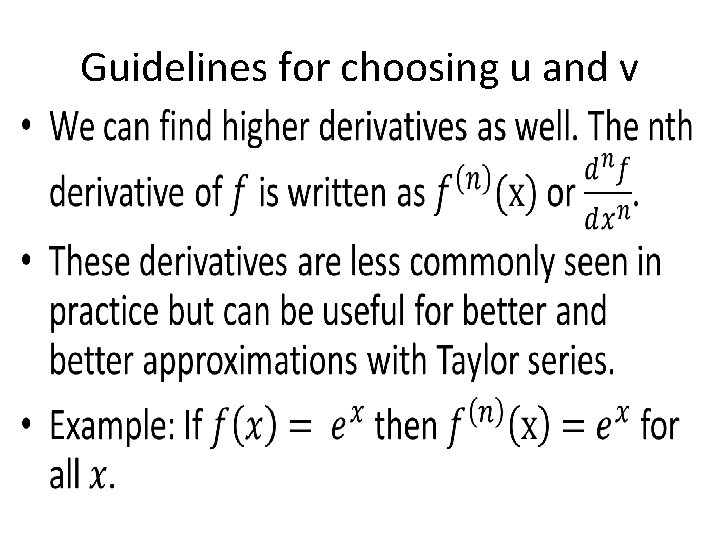
Guidelines for choosing u and v •
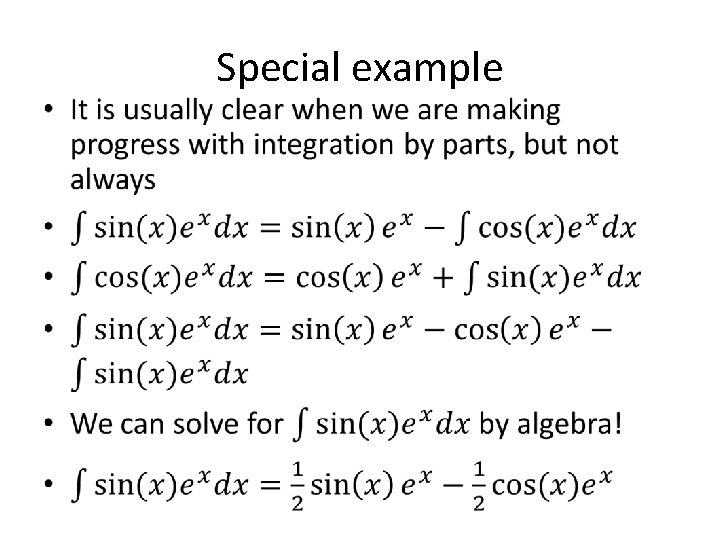
Special example •
Part IV: Computing Areas and Volumes
Objectives • Know how to find areas and how to find volumes by the disk and shell methods Corresponding sections in Simmons: 7. 3, 7. 4
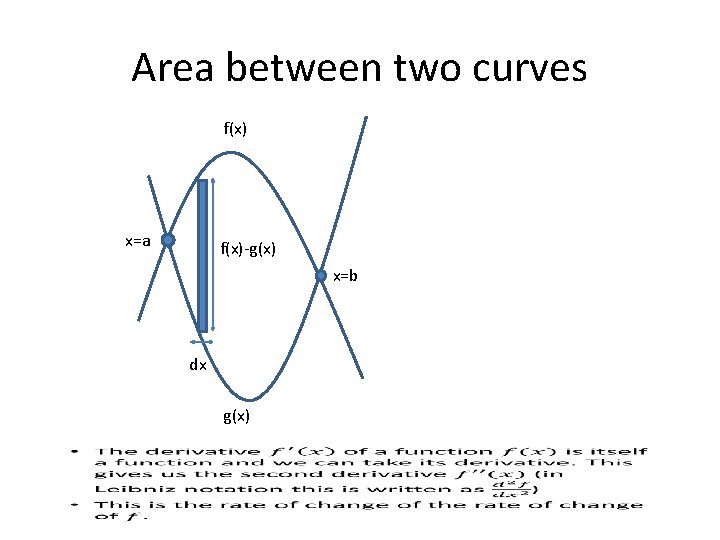
Area between two curves f(x) x=a f(x)-g(x) x=b dx g(x)
Example •
Example •
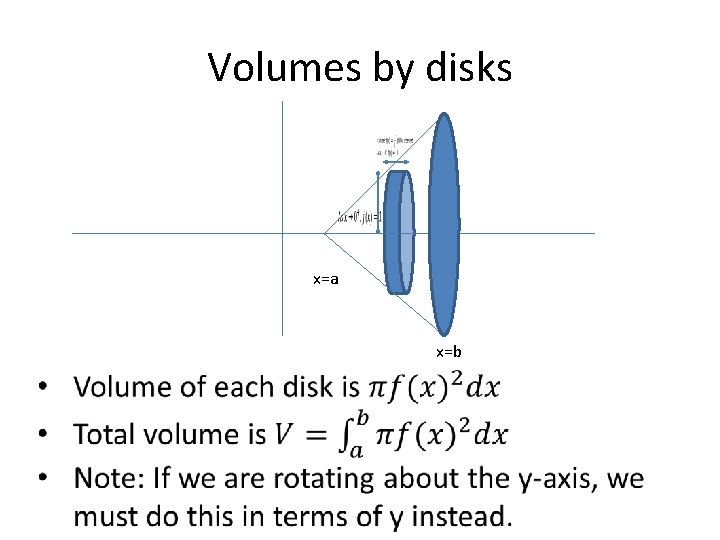
Volumes by disks x=a x=b
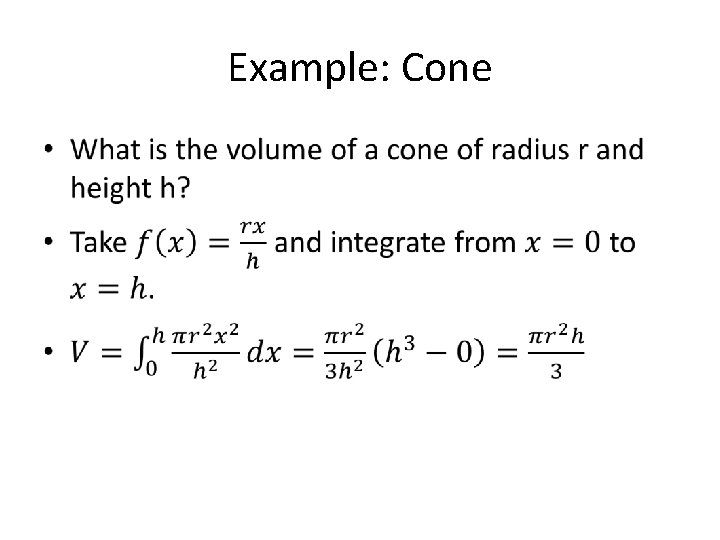
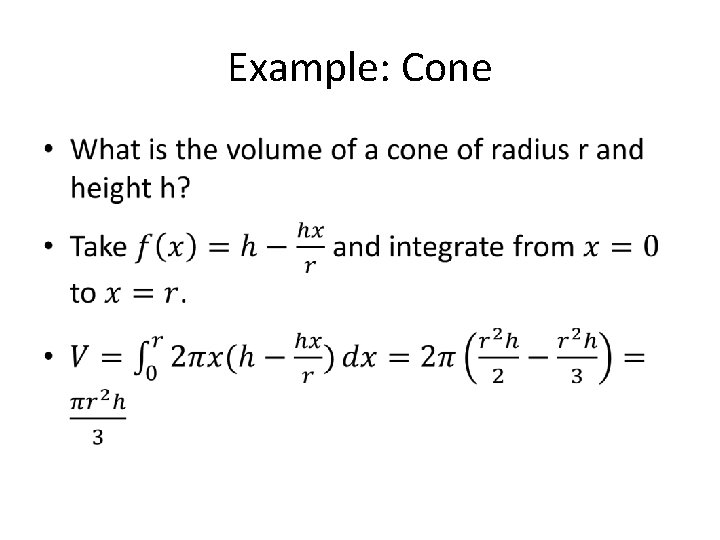
Example: Cone •
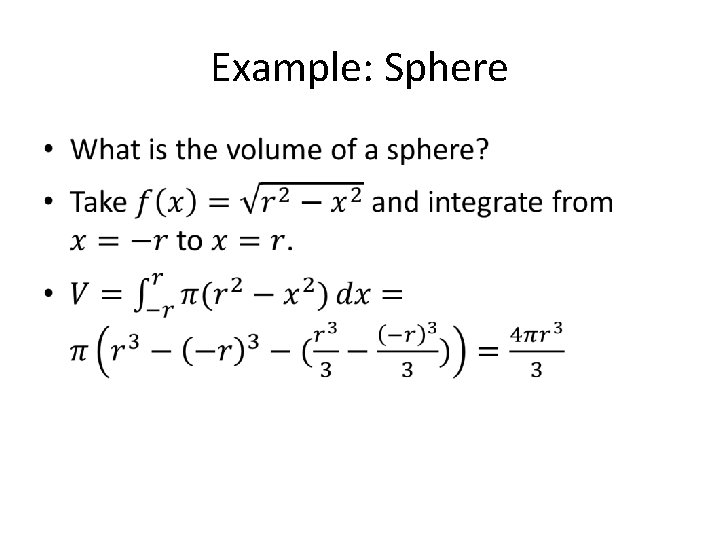
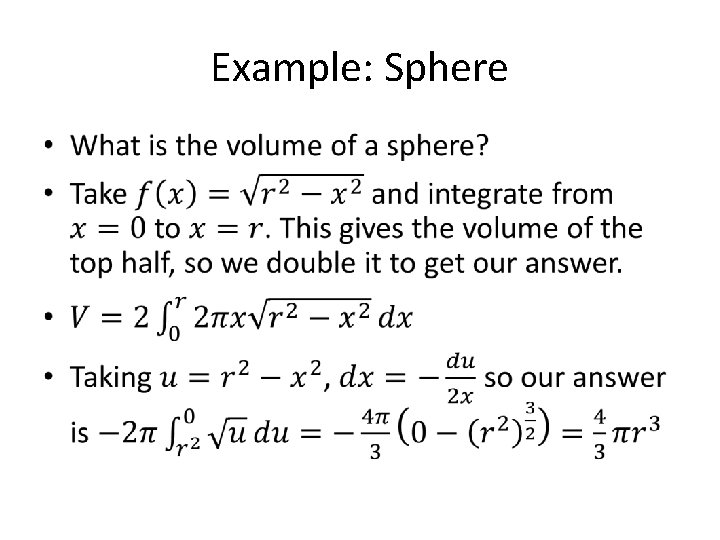
Example: Sphere •
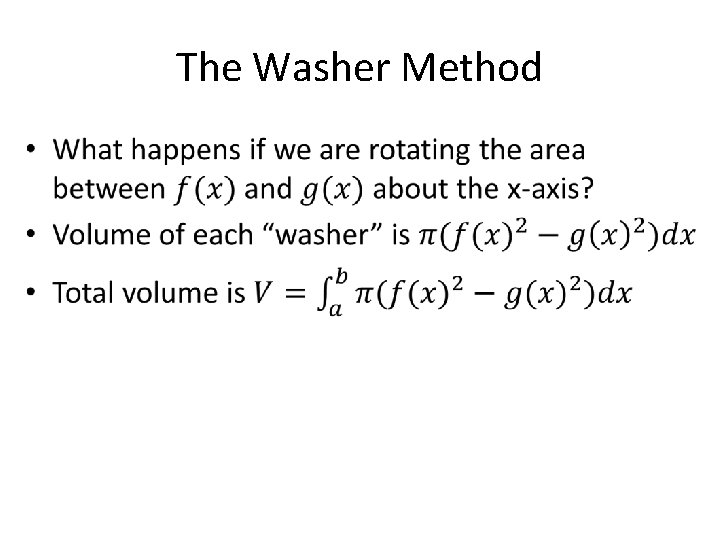
The Washer Method •
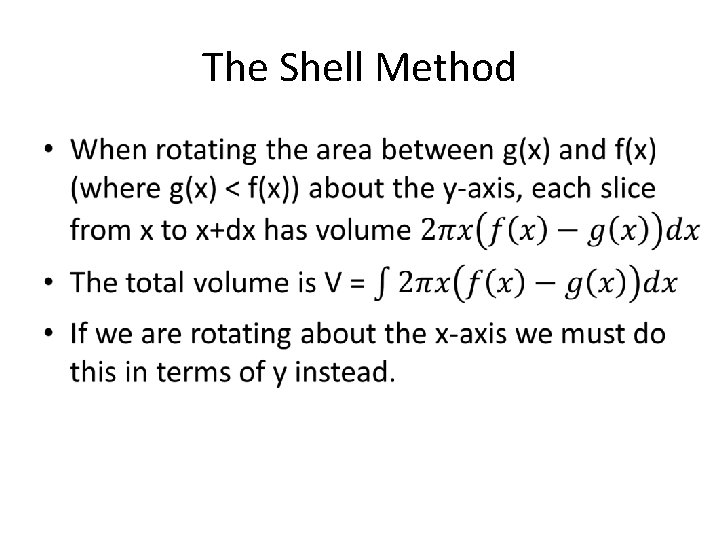
The Shell Method •
Example: Cone •
Example: Sphere •