
lecture 3 1 2 3 4 5 Dirac
- Slides: 72
lecture 3 1
2
3
4
5
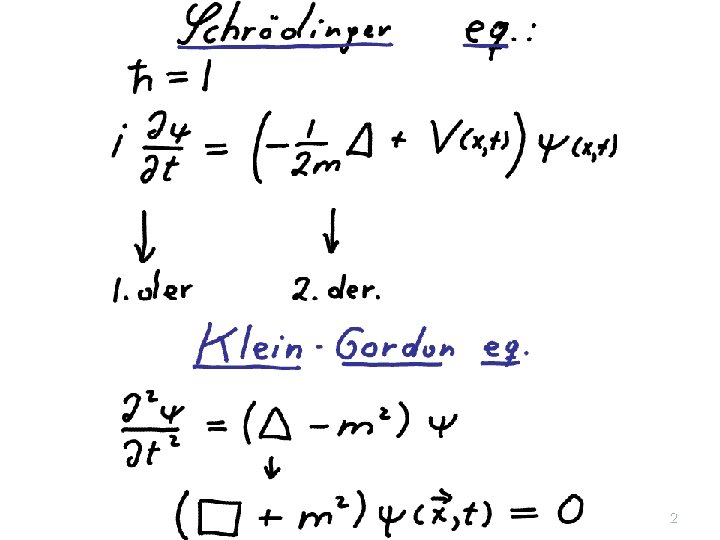
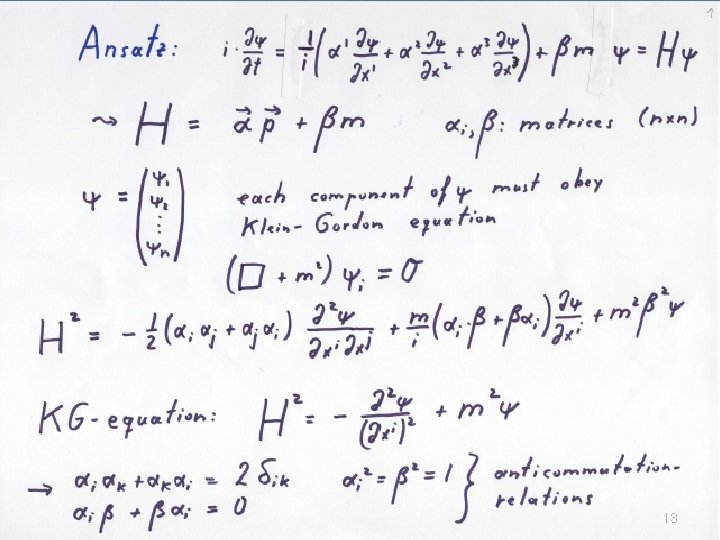
Dirac 1927: search for a wave equation, in which the time derivative appears only in the first order ( Klein- Gordon equation: second time derivate is needed ) 6
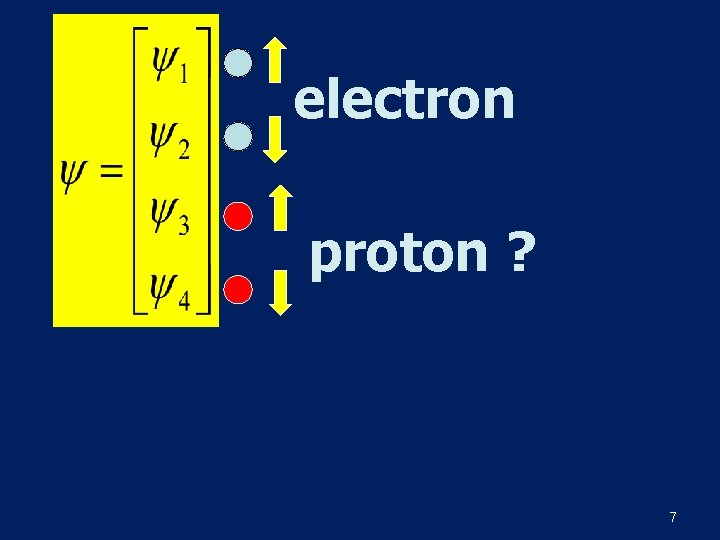
electron proton ? 7
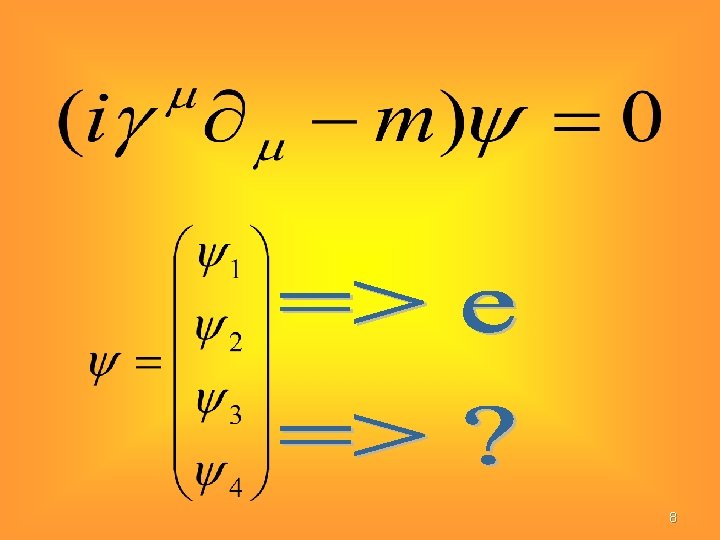
8
9
10
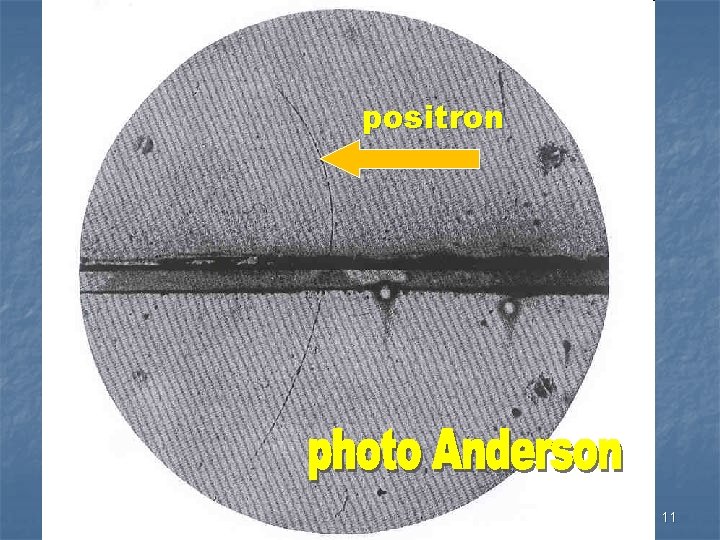
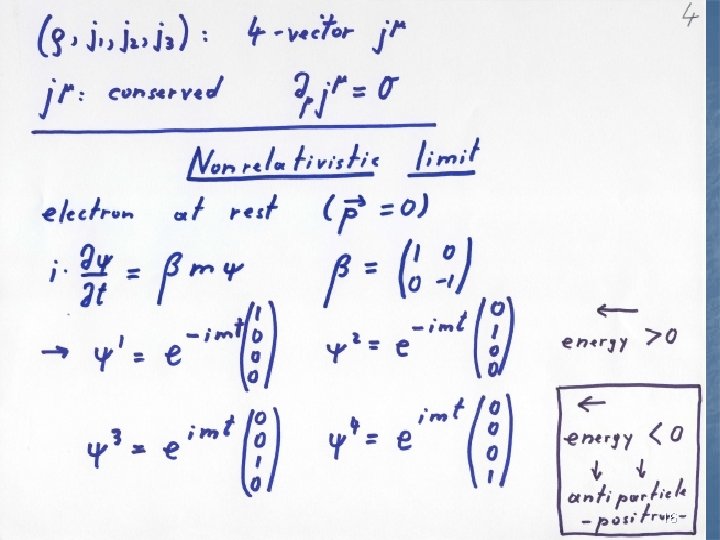
positron 11
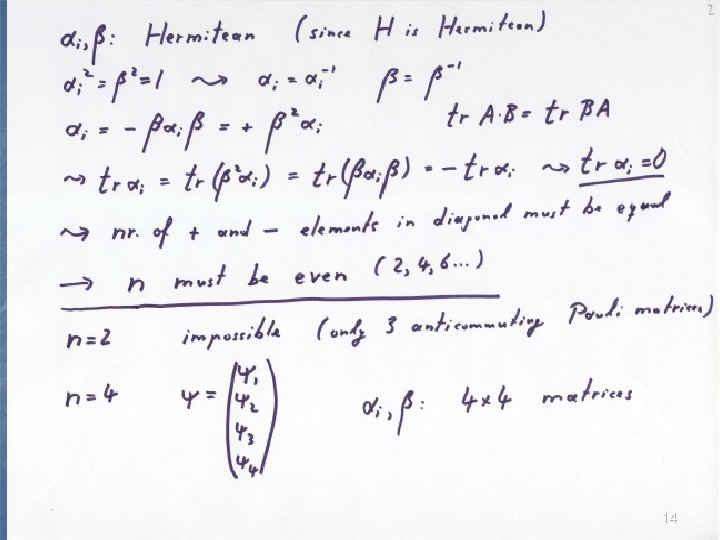
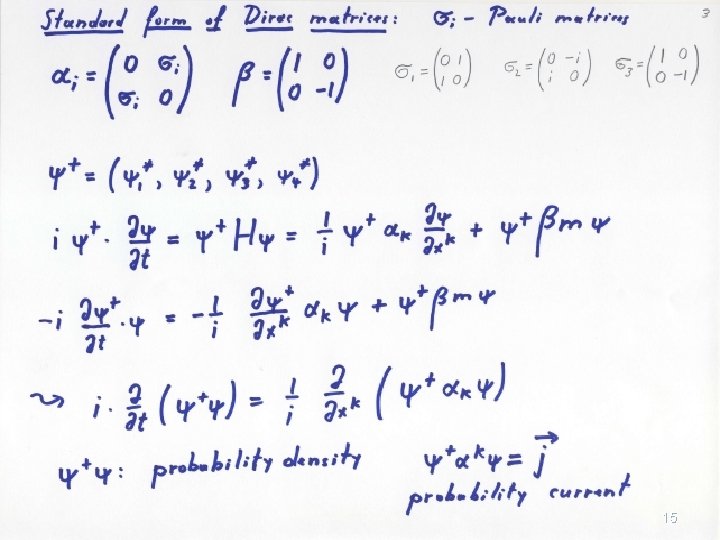
Dirac equation 12
13
14
15
16
17
18
19
20
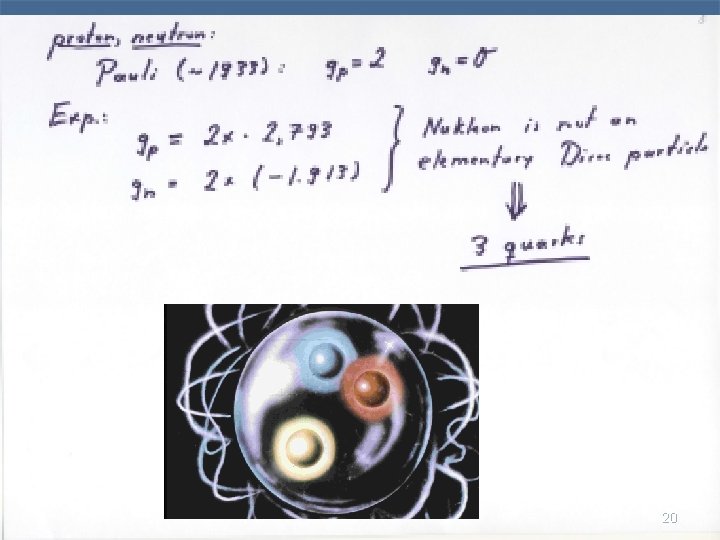
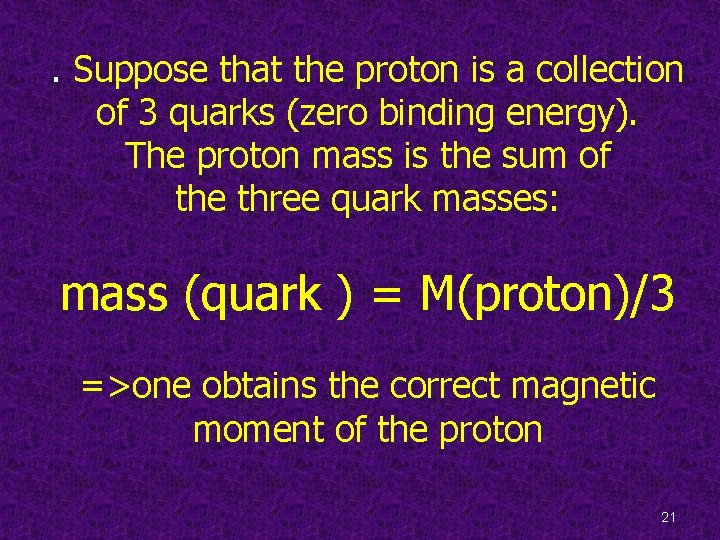
. Suppose that the proton is a collection of 3 quarks (zero binding energy). The proton mass is the sum of the three quark masses: mass (quark ) = M(proton)/3 =>one obtains the correct magnetic moment of the proton 21
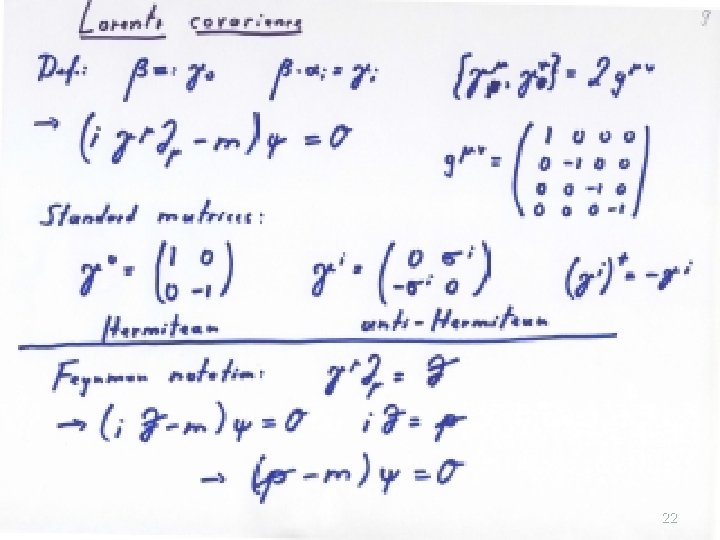
22
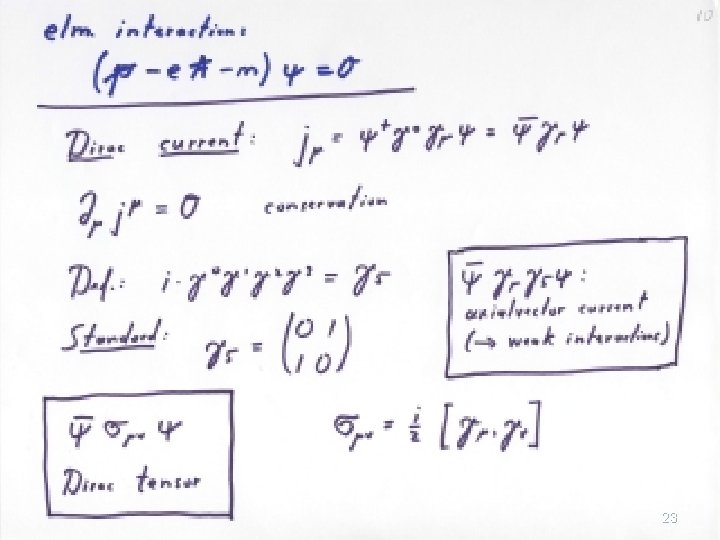
23
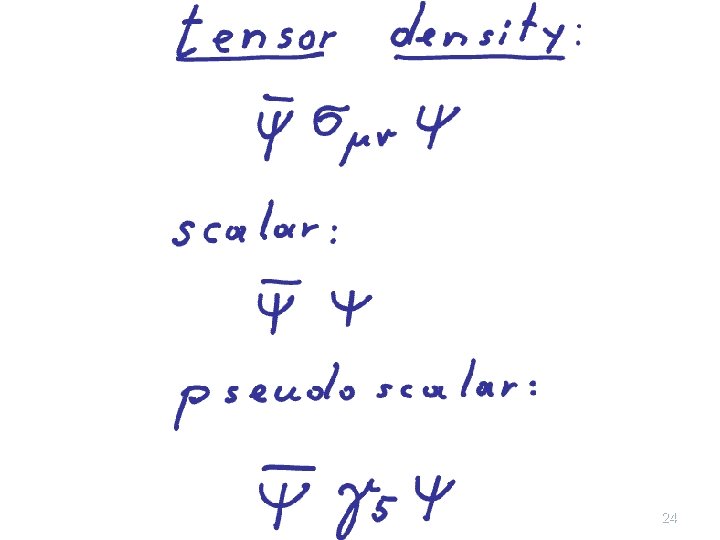
24
The vector current and the axial vector current can be measured by the electromagnetic and by the weak interactions. The tensor, the scalar and the pseudoscalar densities cannot be measured. 25
26
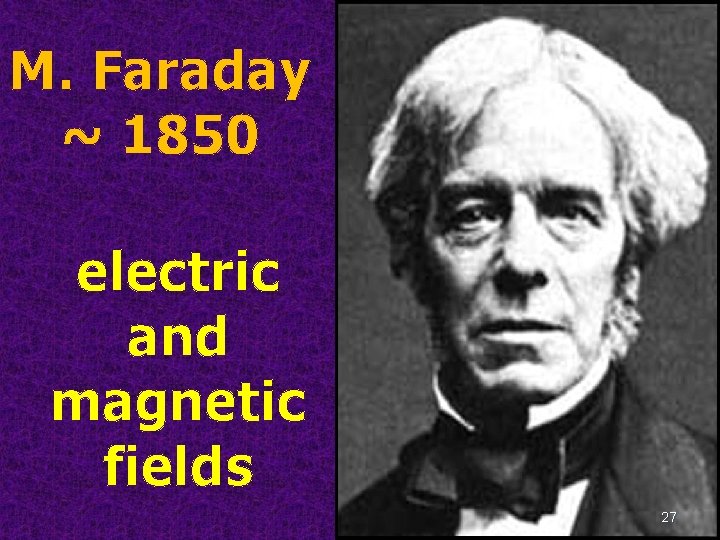
M. Faraday ~ 1850 electric and magnetic fields 27
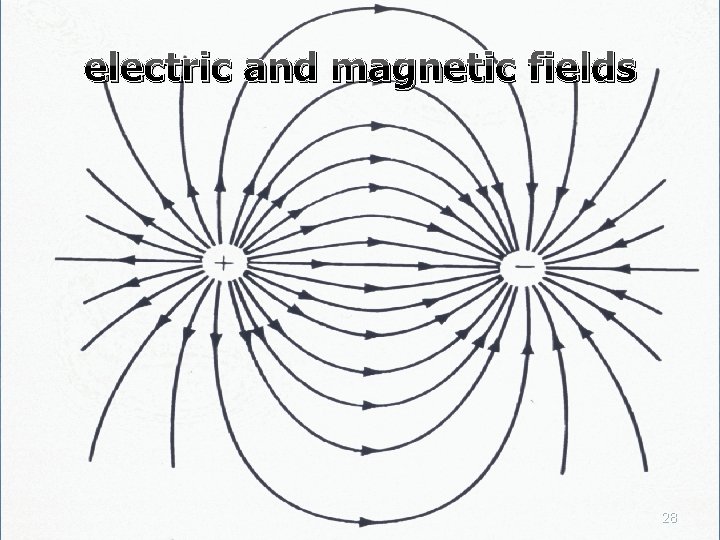
electric and magnetic fields 28
1826 conversion of magnetism into electricity 29
30
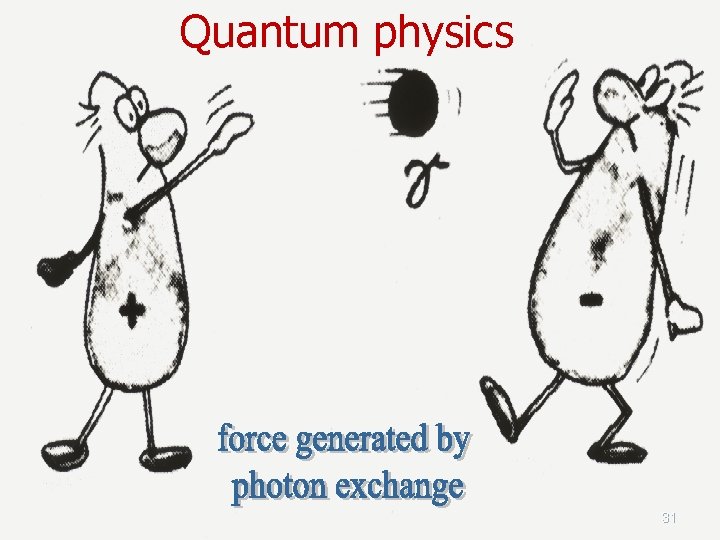
Quantum physics 31
32
33
34
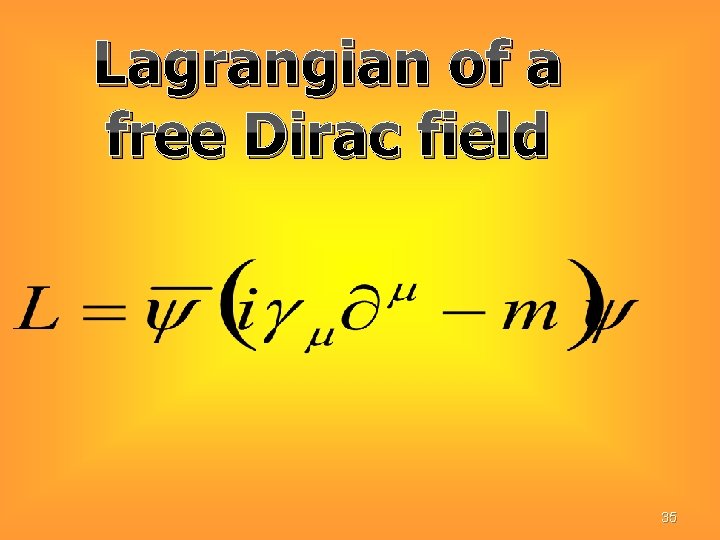
Lagrangian of a free Dirac field 35
36
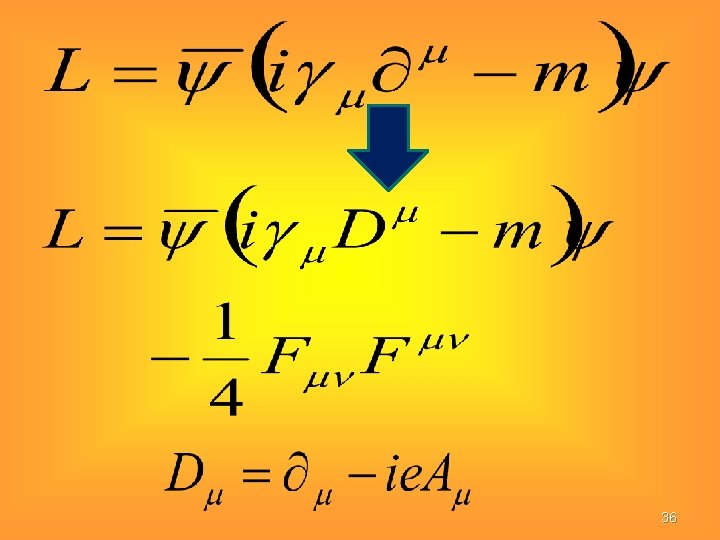
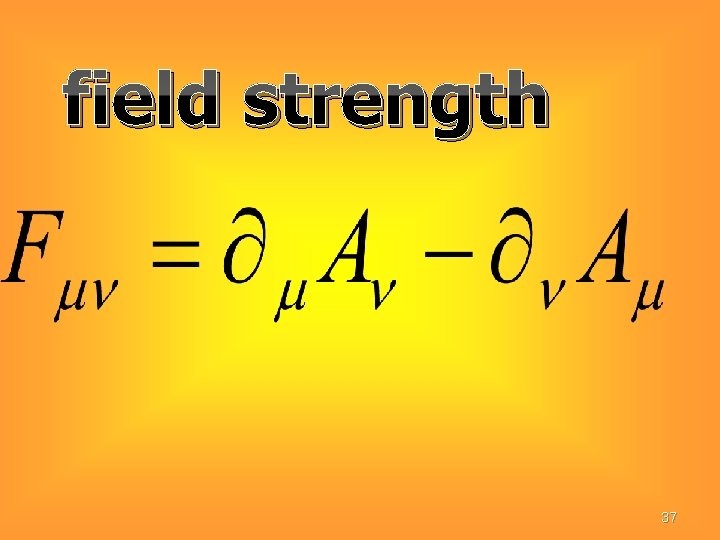
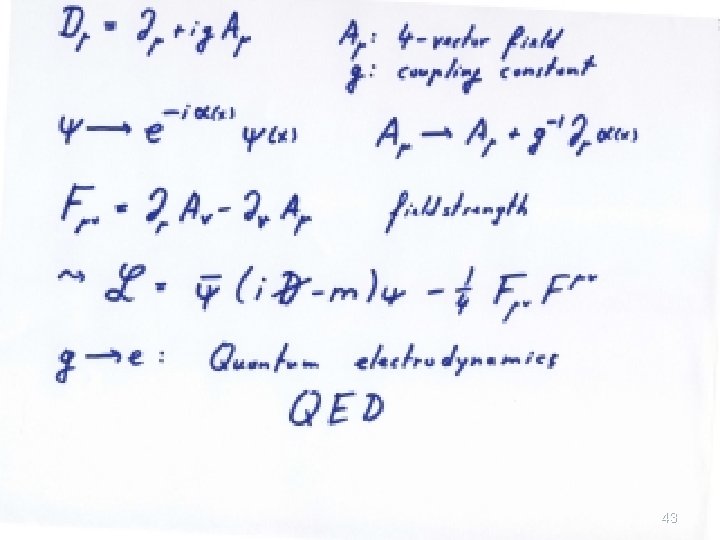
field strength 37
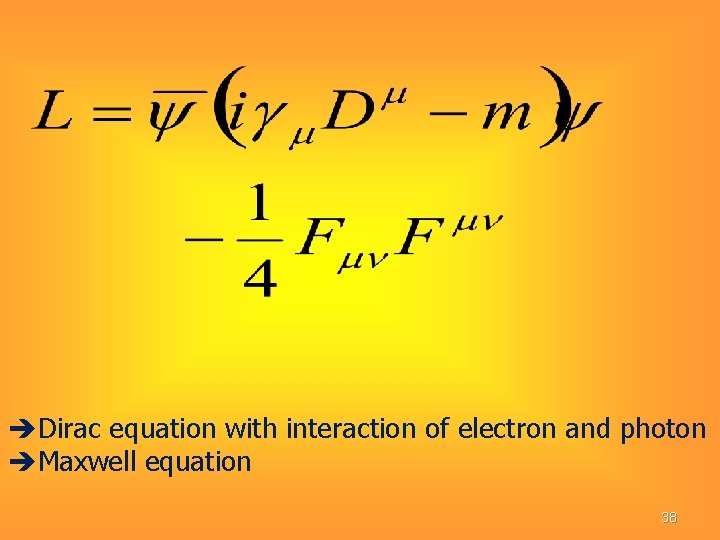
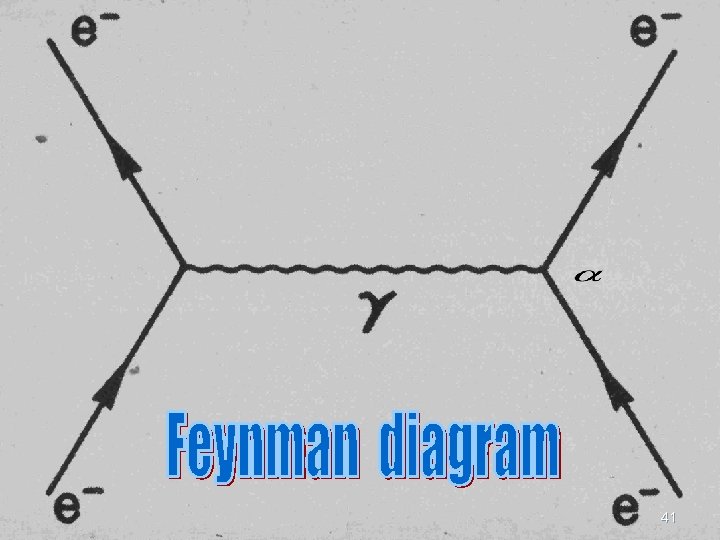
Dirac equation with interaction of electron and photon Maxwell equation 38
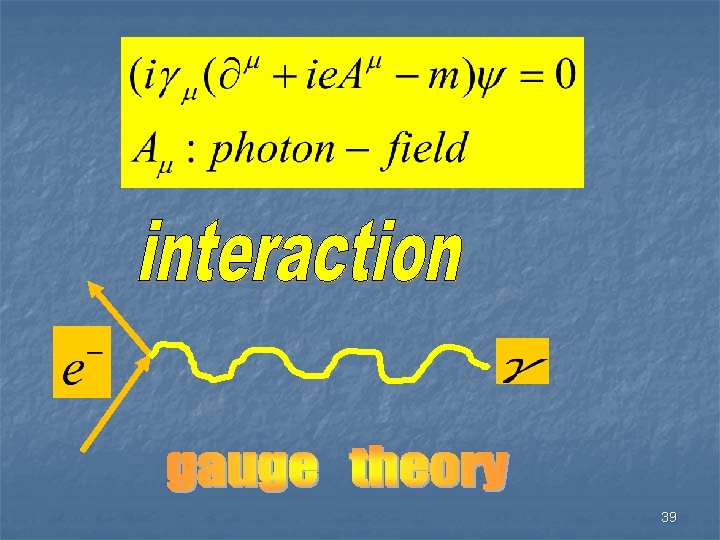
39
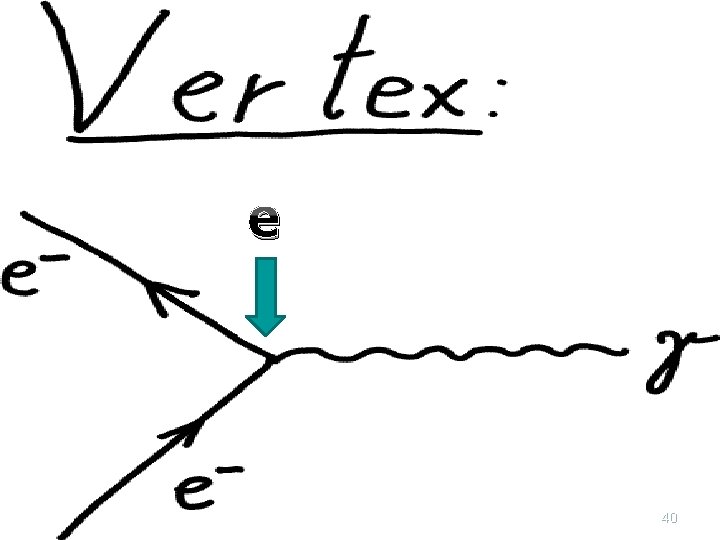
e 40
41
42
43
44
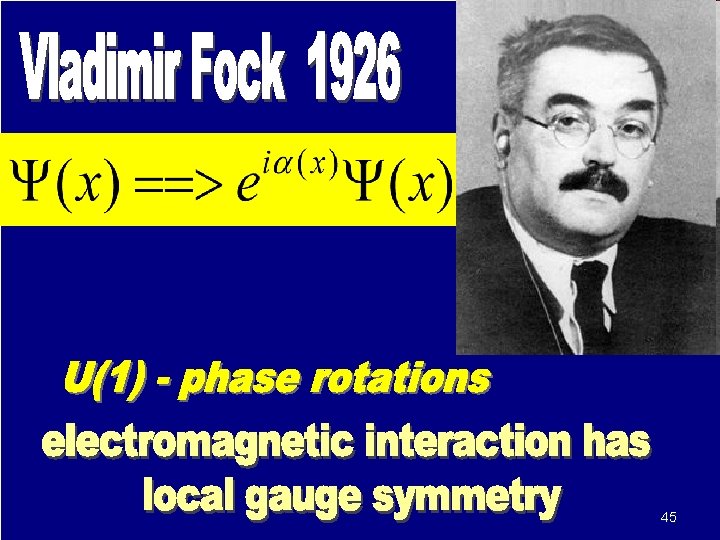
45
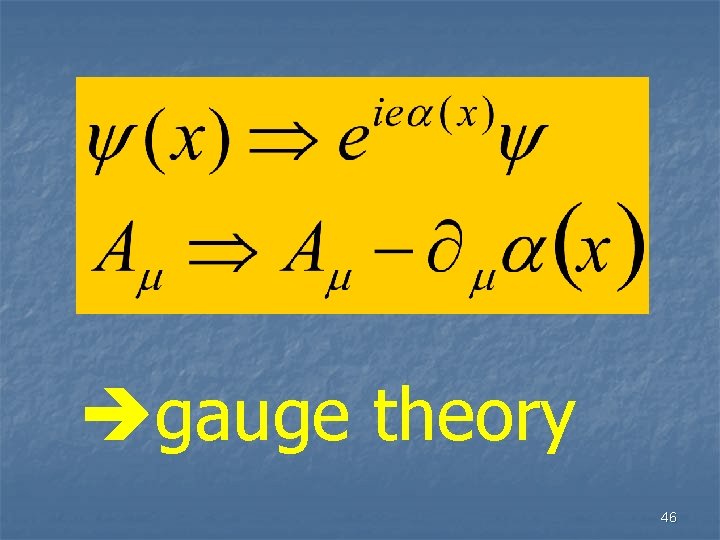
gauge theory 46
Intrinsic connection between charged fields and space-time
48
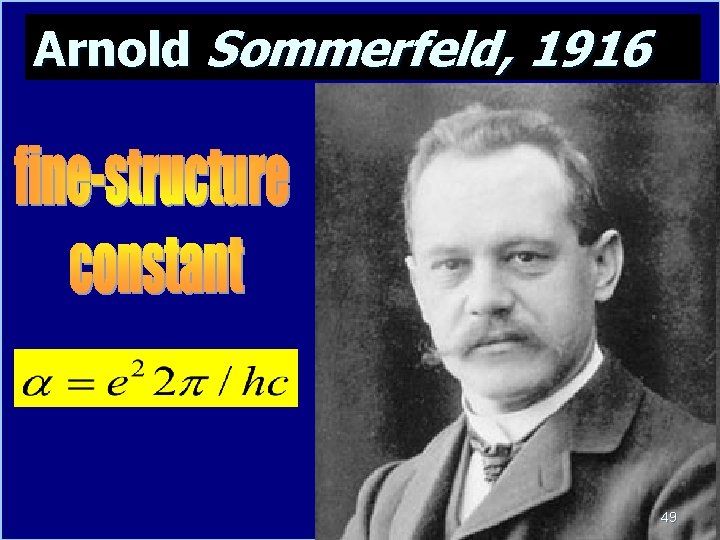
Arnold Sommerfeld, 1916 49
50
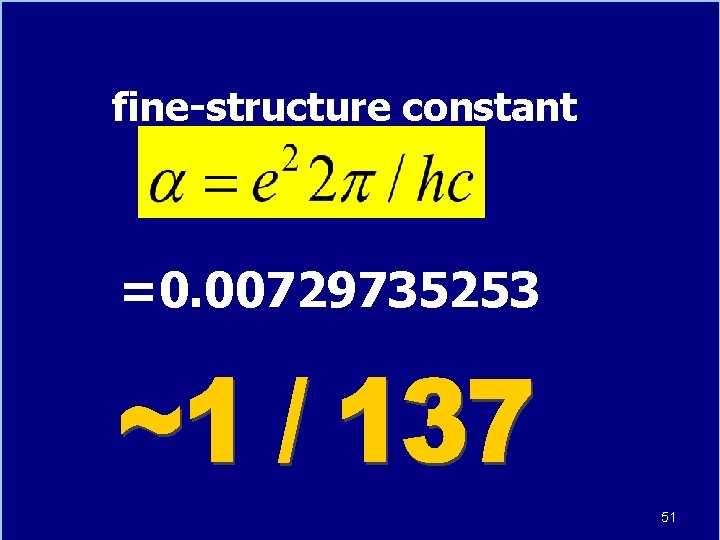
fine-structure constant =0. 00729735253 51
52
53
54
55
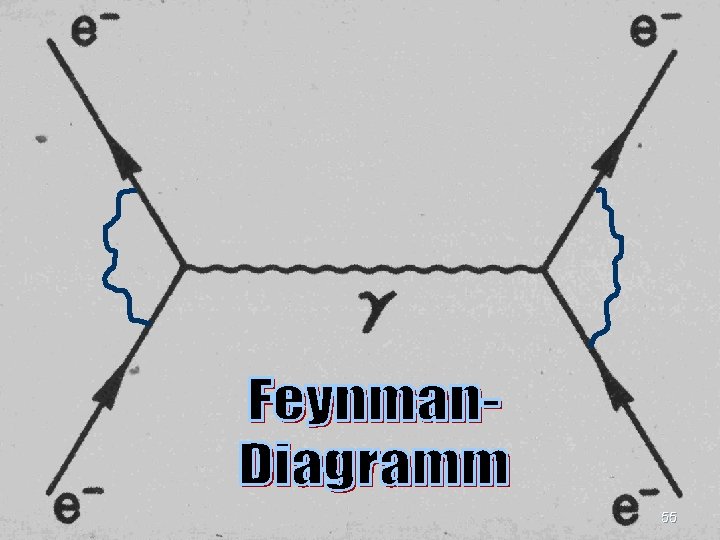
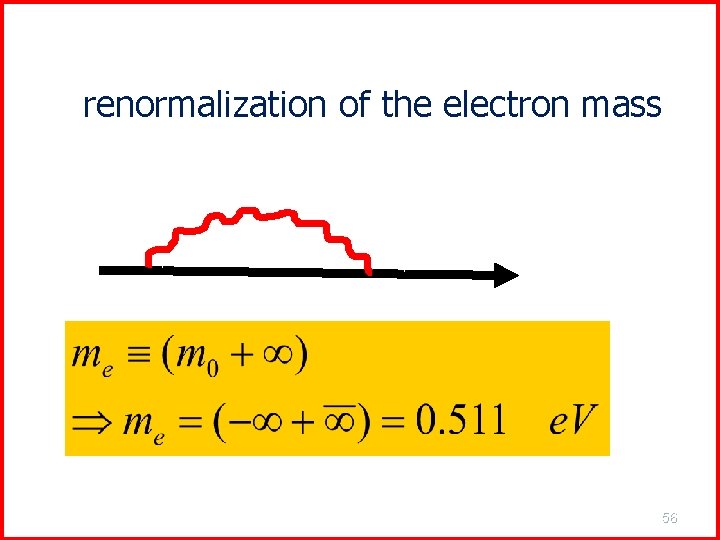
refdn dd Kl renormalization of the electron mass kl 12 56
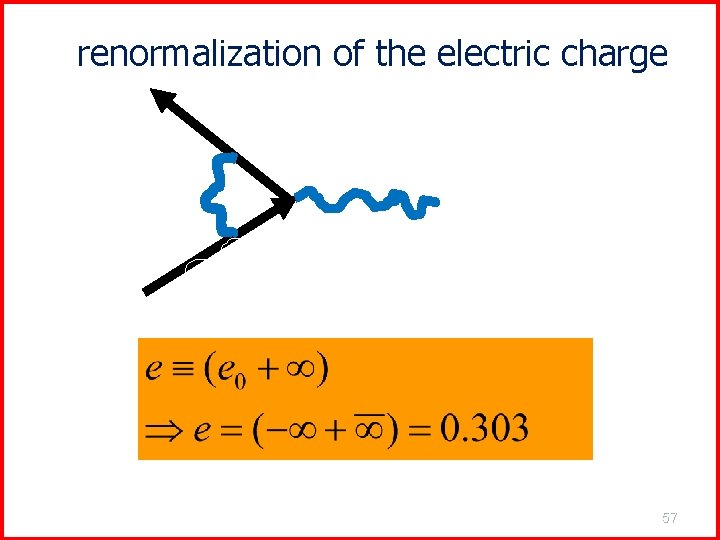
renormalization of the electric charge dd Kl refdn kl 12 57
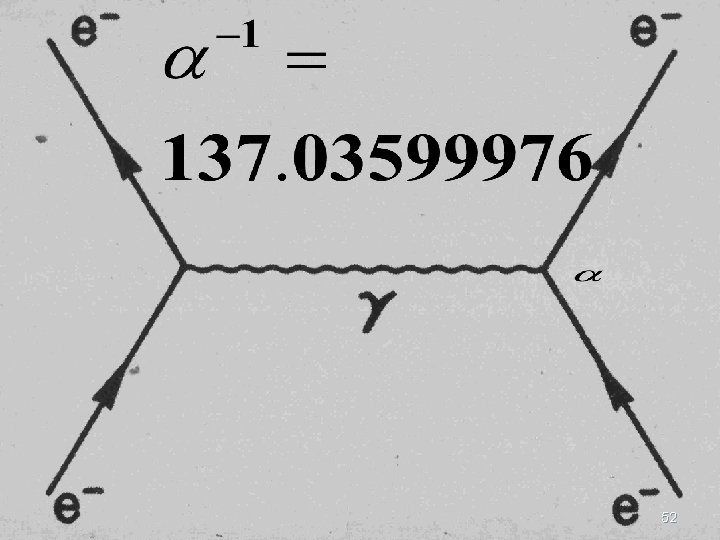
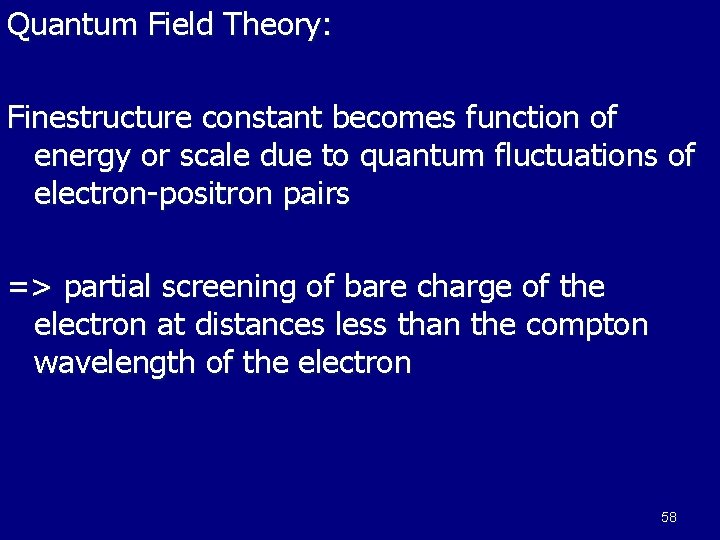
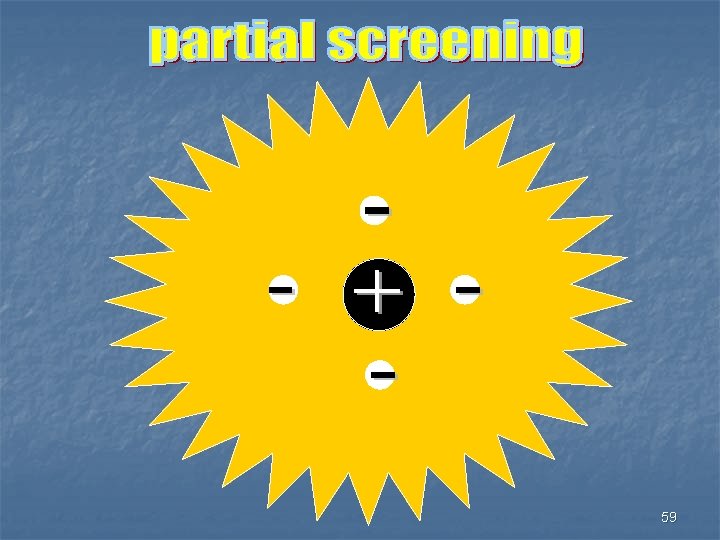
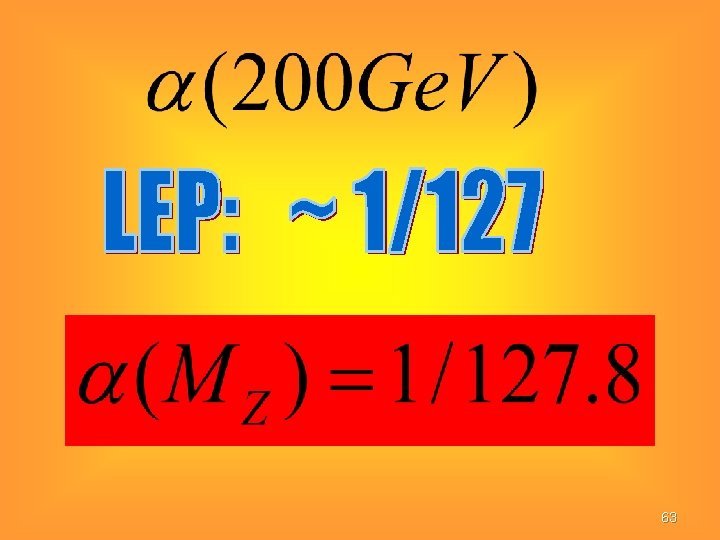
Quantum Field Theory: Finestructure constant becomes function of energy or scale due to quantum fluctuations of electron-positron pairs => partial screening of bare charge of the electron at distances less than the compton wavelength of the electron 58
+ 59
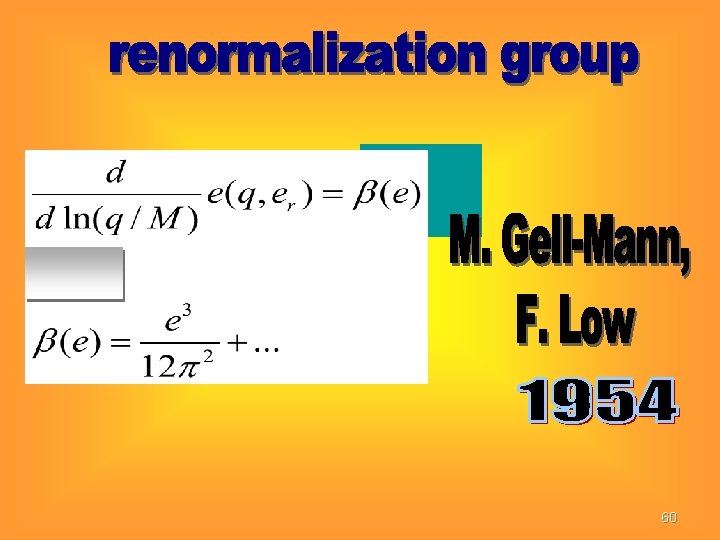
60
+ 61
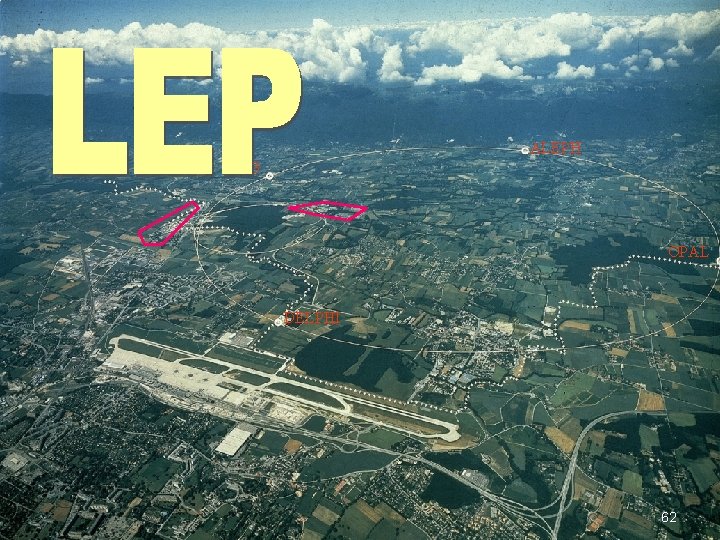
ALEPH L 3 OPAL DELPHI 62
63
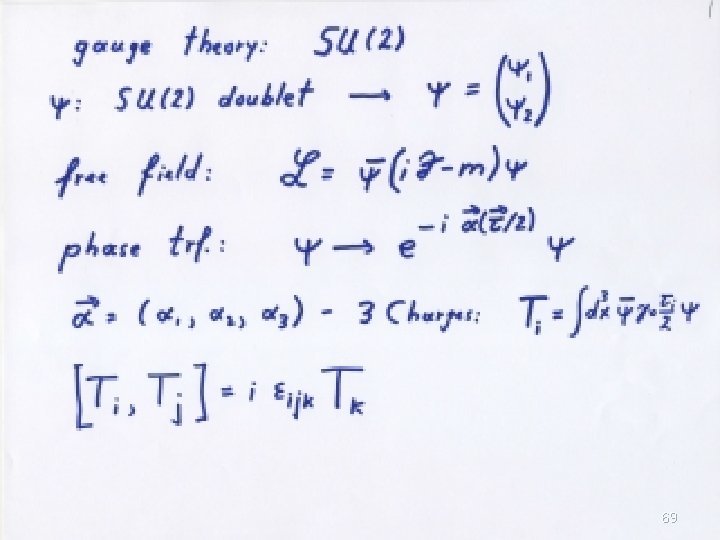
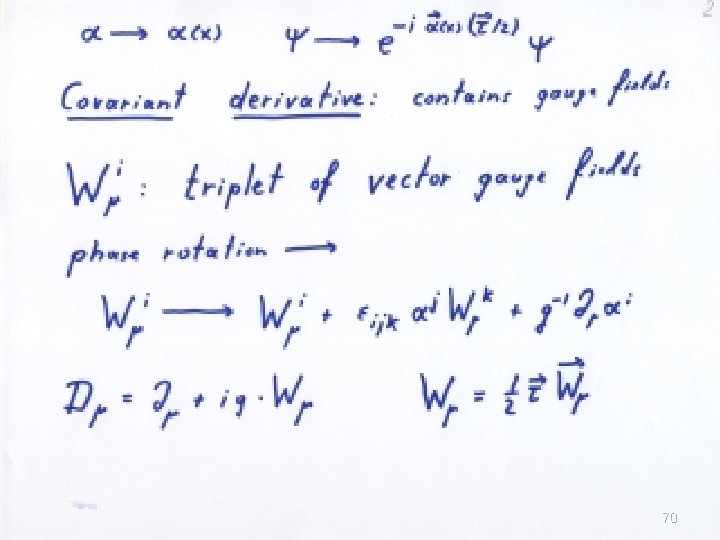
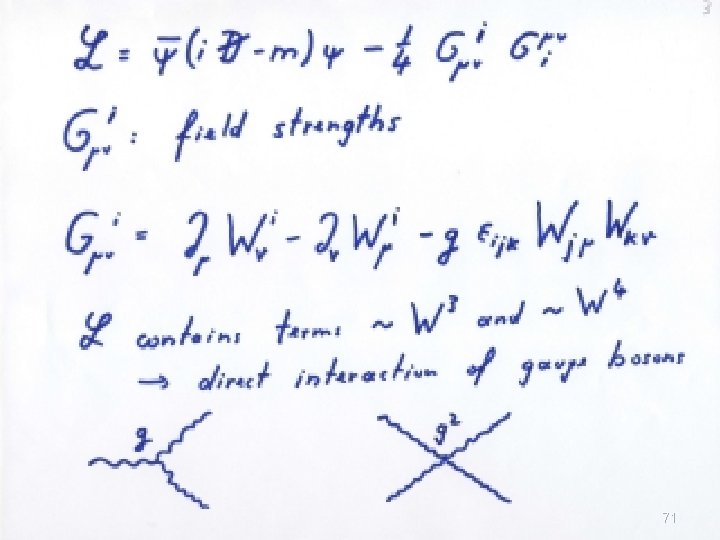
Non-Abelean gauge theories 64
65
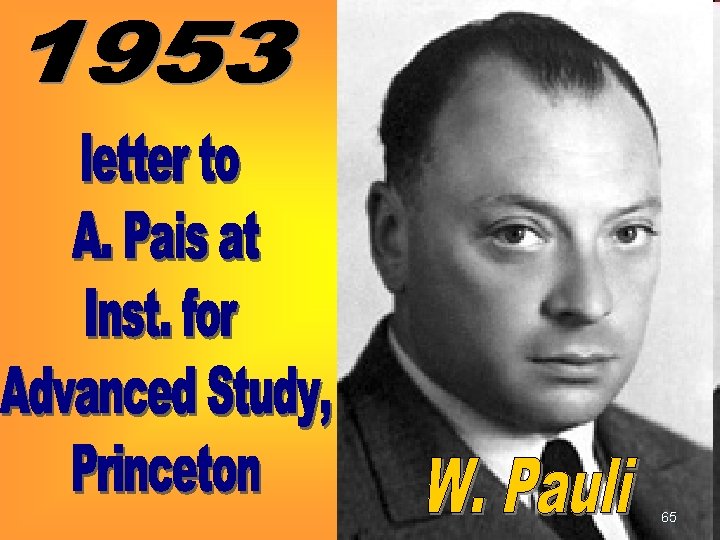
Pauli did not publish his theory, since he did not know, how to introduce the masses for the gauge bosons. 66
67
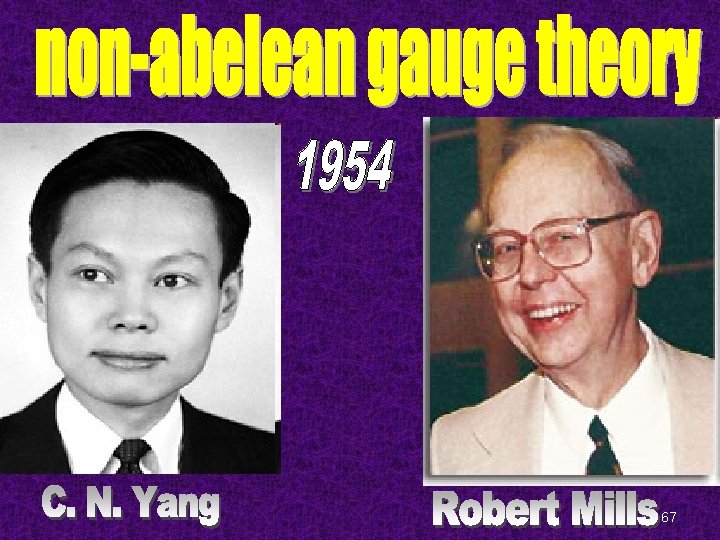
Yang and Mills did not mention the letter of Pauli in their paper, published in Phys. Rev. They disregarded the problem how to introduce the masses of the gauge bosons. ( In QCD no masses are needed. ) 68
69
70
71
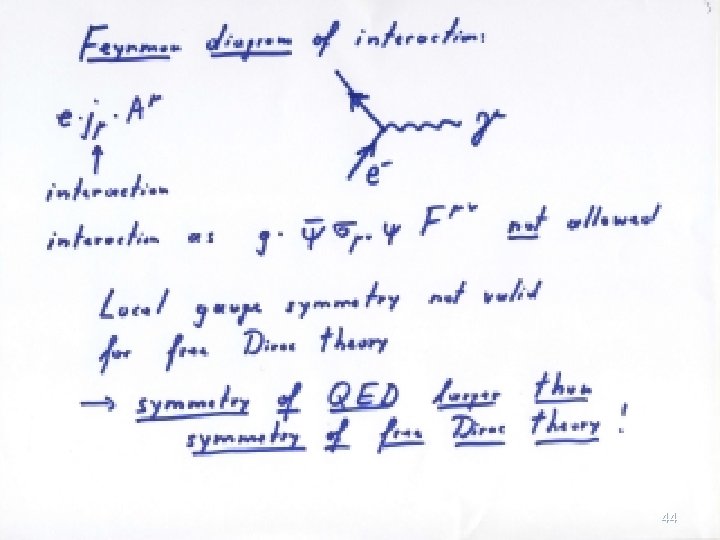
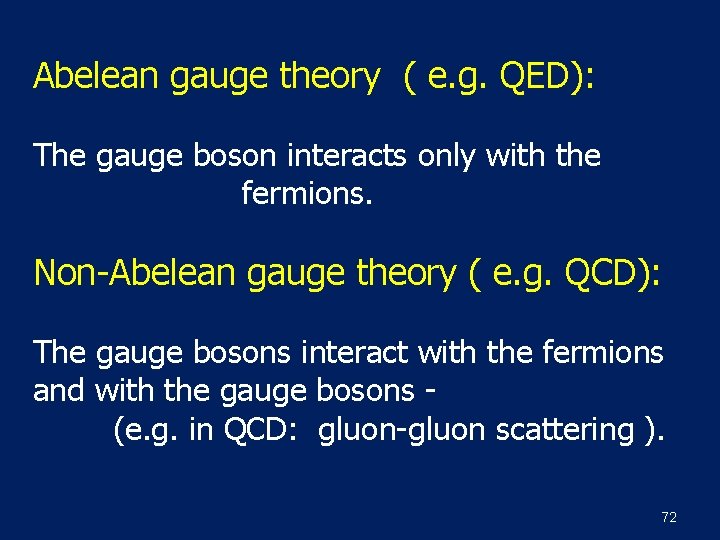
Abelean gauge theory ( e. g. QED): The gauge boson interacts only with the fermions. Non-Abelean gauge theory ( e. g. QCD): The gauge bosons interact with the fermions and with the gauge bosons (e. g. in QCD: gluon-gluon scattering ). 72