
Lecture 29 Purine MetabolismDiseases Raymond B Birge Ph
Lecture 29 Purine Metabolism/Diseases Raymond B. Birge, Ph. D
Nucleotides - key roles in cellular processes: 1. Activated precursors of RNA and DNA 2. Adenine nucleotides are components of the major co-enzymes, NADP, FMN, FAD, and Co. A 3. Nucleotide derivatives are activated intermediates in biosynthetic processes (UDP-glucose, SAM) 4. Serve as metabolic regulators (e. g c. AMP and the activation of cell signaling). 5. Serve as major currency of energy in all cells (ATP and GTP). 6. Several metabolic diseases have their etiology in nucleotide metabolism.
Purine metabolism (Overview) 1. Nomenclature/nucleotide structure 2. De novo synthesis pathways 3. Re-utilization (salvage) pathways 4. Degradation pathways 5. Metabolic diseases of purine metabolism (Gout, Lesch-Nyhan, SCID) Suggested reading: Lippencott’s Chapter 22
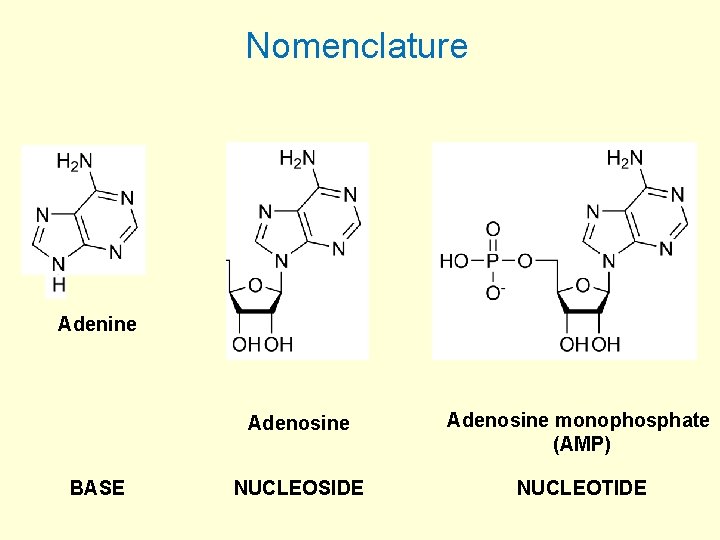
Nomenclature Adenine BASE Adenosine monophosphate (AMP) NUCLEOSIDE NUCLEOTIDE
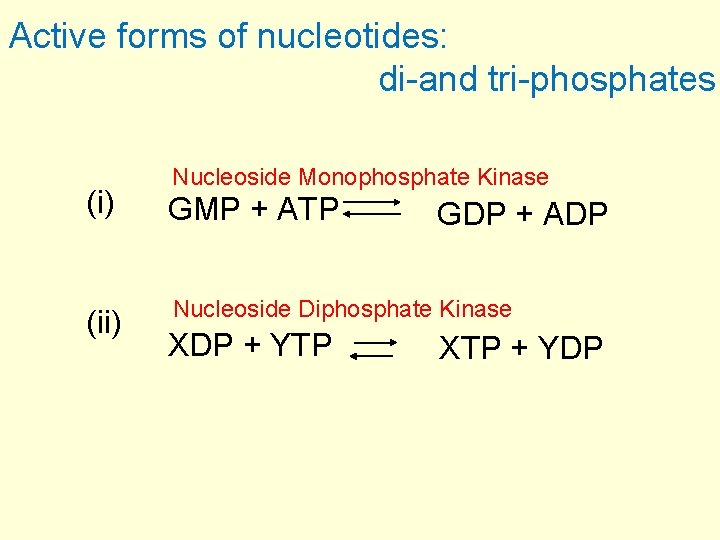
Active forms of nucleotides: di-and tri-phosphates Nucleoside Monophosphate Kinase (i) GMP + ATP (ii) Nucleoside Diphosphate Kinase XDP + YTP GDP + ADP XTP + YDP
Why are nucleosides and nucleotides important For biochemists? Purine binding proteins (“the purine proteome”) comprise a family of 3 -4, 000 Proteins and as much as 50% of all druggable targets in biology. Kinases Helicases Reductases Transferases Synthetases Dehydrogenases Chaperones Metabolic Enzymes DNA and RNA processing Etc
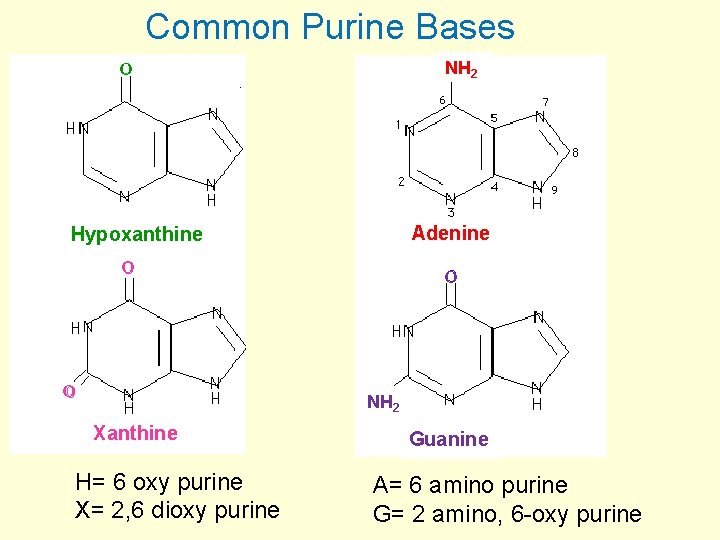
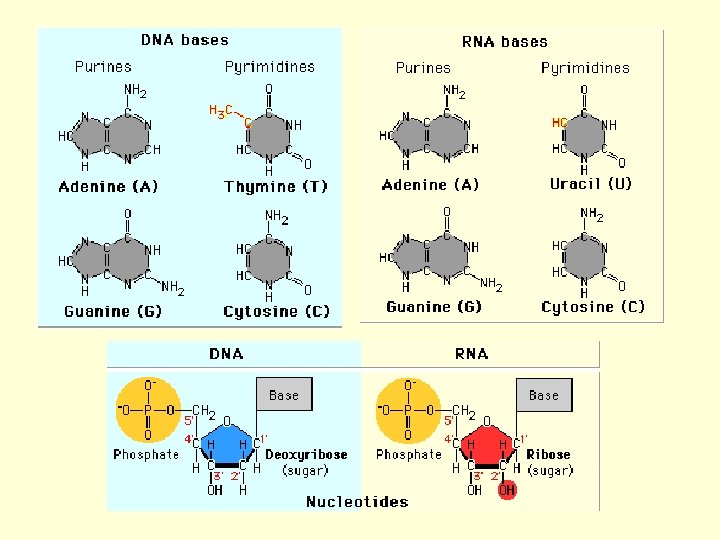
Common Purine Bases NH 2 O Adenine Hypoxanthine O O O NH 2 Xanthine H= 6 oxy purine X= 2, 6 dioxy purine Guanine A= 6 amino purine G= 2 amino, 6 -oxy purine
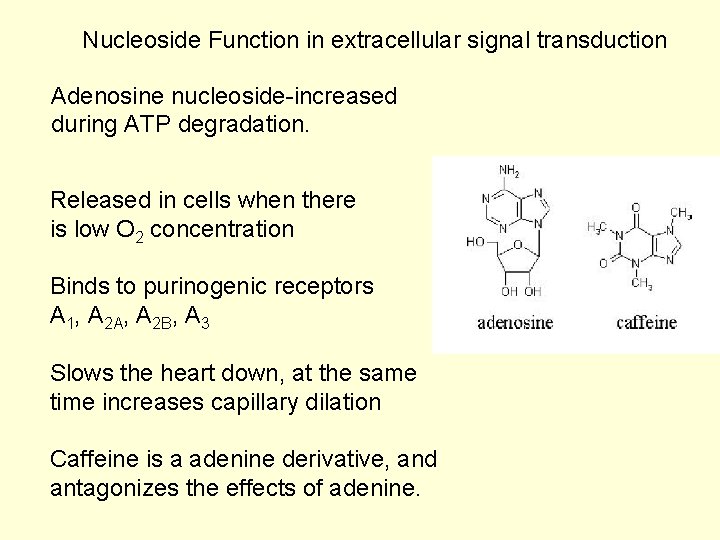
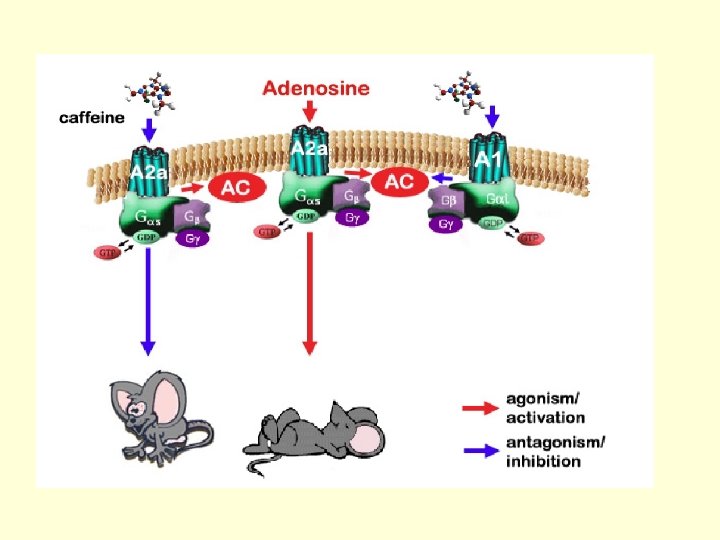
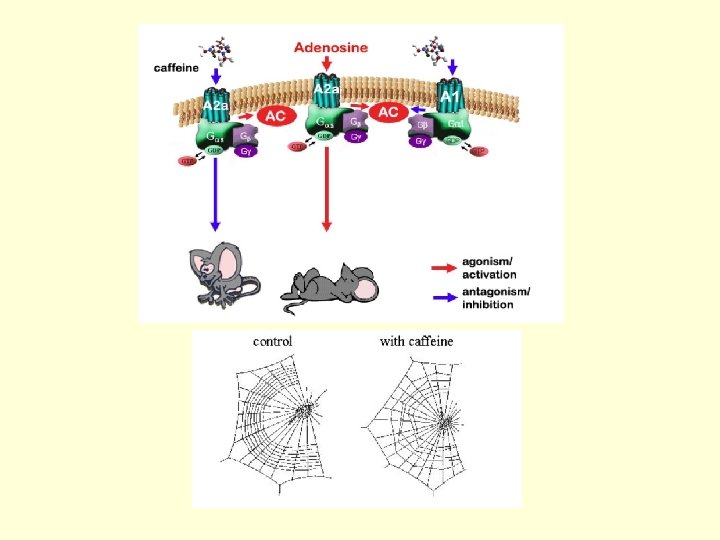
Nucleoside Function in extracellular signal transduction Adenosine nucleoside-increased during ATP degradation. Released in cells when there is low O 2 concentration Binds to purinogenic receptors A 1, A 2 A, A 2 B, A 3 Slows the heart down, at the same time increases capillary dilation Caffeine is a adenine derivative, and antagonizes the effects of adenine.
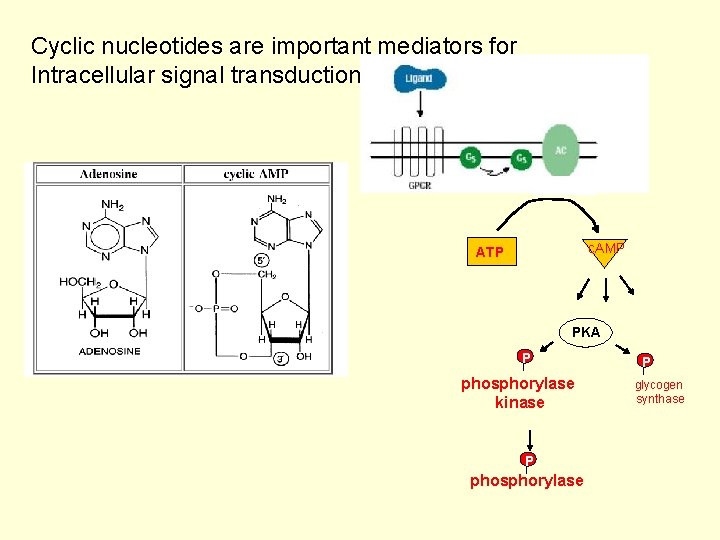
Cyclic nucleotides are important mediators for Intracellular signal transduction 10 -10 M c. AMP ATP PKA P phosphorylase kinase P phosphorylase P glycogen synthase
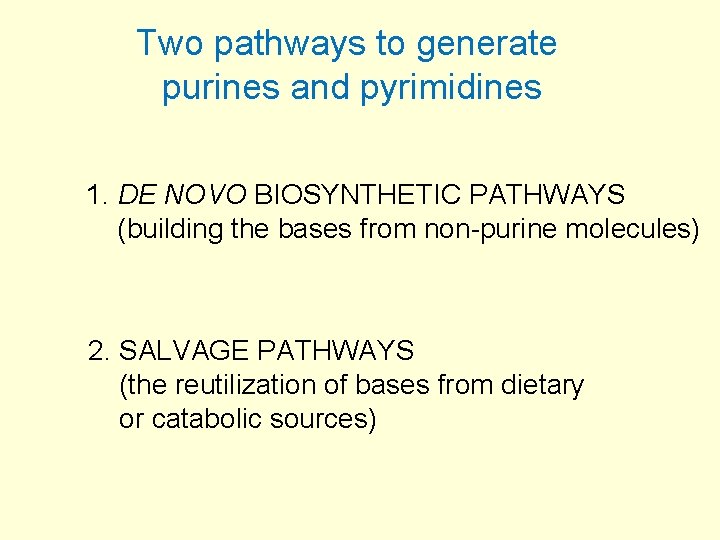
Two pathways to generate purines and pyrimidines 1. DE NOVO BIOSYNTHETIC PATHWAYS (building the bases from non-purine molecules) 2. SALVAGE PATHWAYS (the reutilization of bases from dietary or catabolic sources)
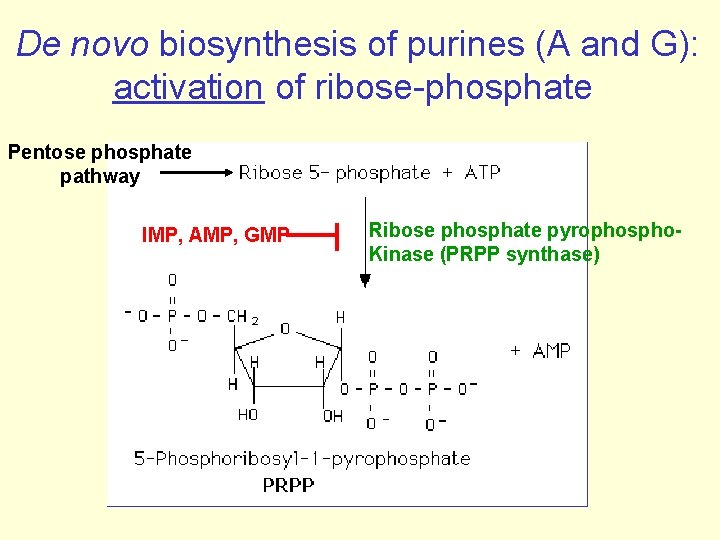
De novo biosynthesis of purines (A and G): activation of ribose-phosphate Pentose phosphate pathway IMP, AMP, GMP Ribose phosphate pyrophospho. Kinase (PRPP synthase)
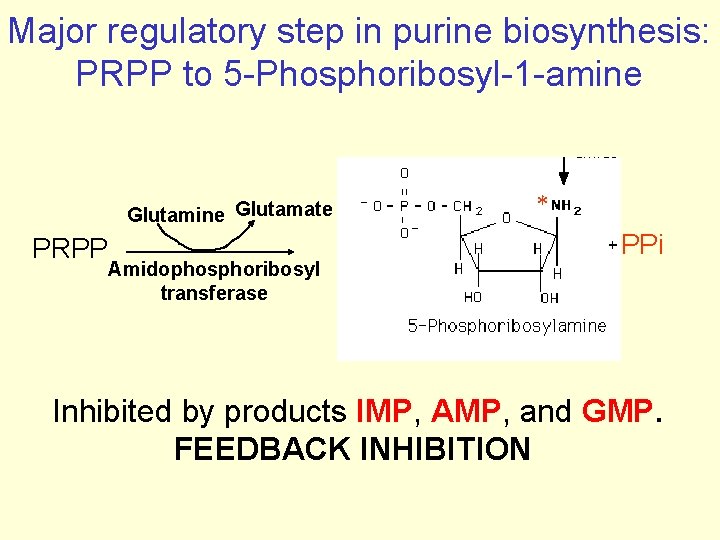
Major regulatory step in purine biosynthesis: PRPP to 5 -Phosphoribosyl-1 -amine Glutamate PRPP Amidophosphoribosyl transferase * PPi Inhibited by products IMP, AMP, and GMP. FEEDBACK INHIBITION
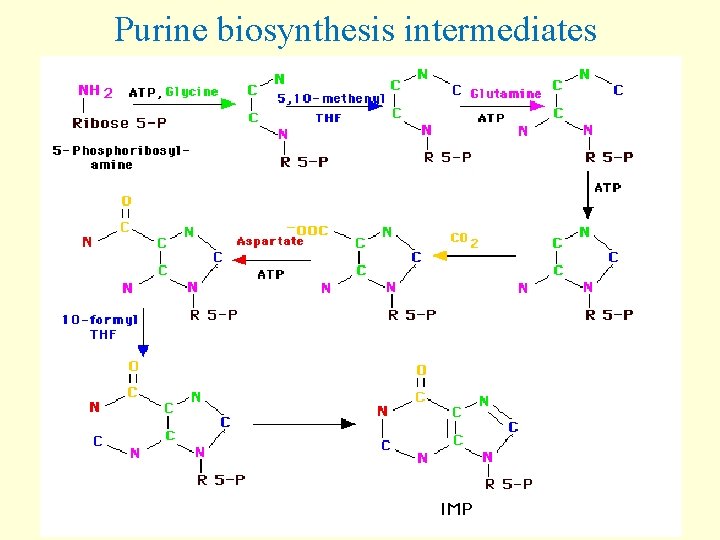
Purine biosynthesis intermediates
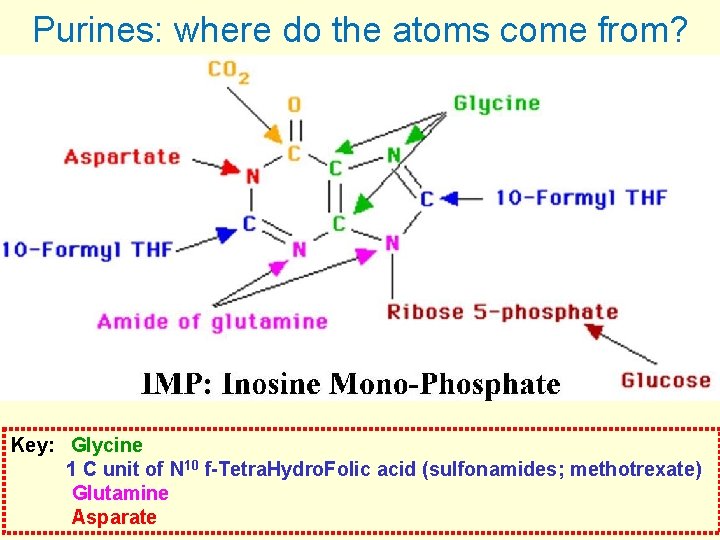
Purines: where do the atoms come from? Key: Glycine 1 C unit of N 10 f-Tetra. Hydro. Folic acid (sulfonamides; methotrexate) Glutamine Asparate
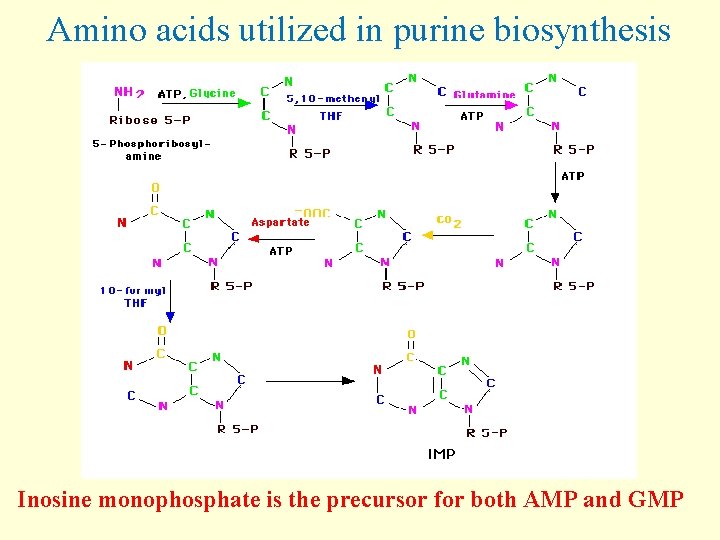
Amino acids utilized in purine biosynthesis Inosine monophosphate is the precursor for both AMP and GMP
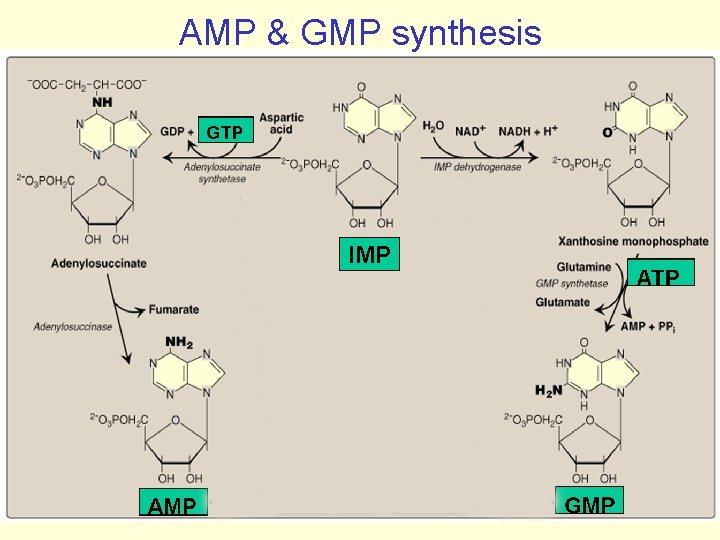
AMP & GMP synthesis IMP
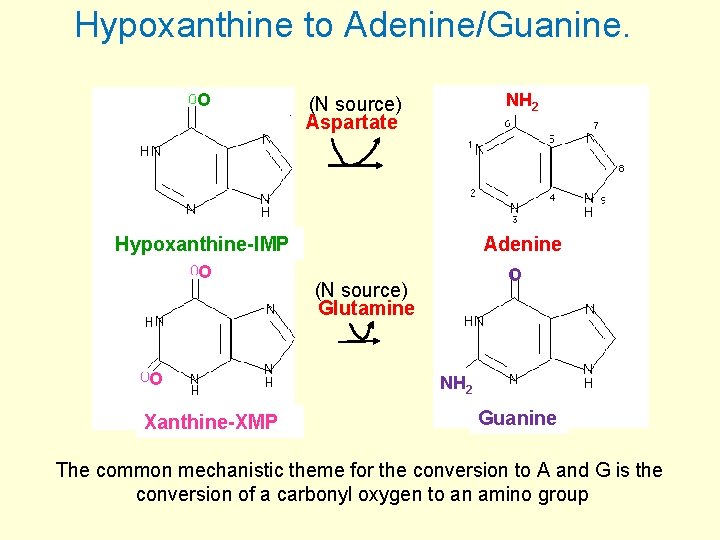
Hypoxanthine to Adenine/Guanine. O NH 2 (N source) Aspartate Hypoxanthine-IMP O O Xanthine-XMP Adenine O (N source) Glutamine NH 2 Guanine The common mechanistic theme for the conversion to A and G is the conversion of a carbonyl oxygen to an amino group
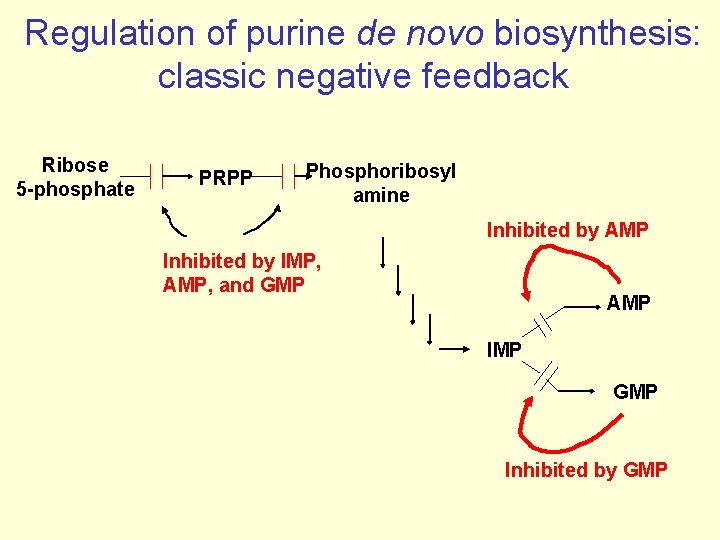
Regulation of purine de novo biosynthesis: classic negative feedback Ribose 5 -phosphate PRPP Phosphoribosyl amine Inhibited by AMP Inhibited by IMP, AMP, and GMP AMP IMP GMP Inhibited by GMP
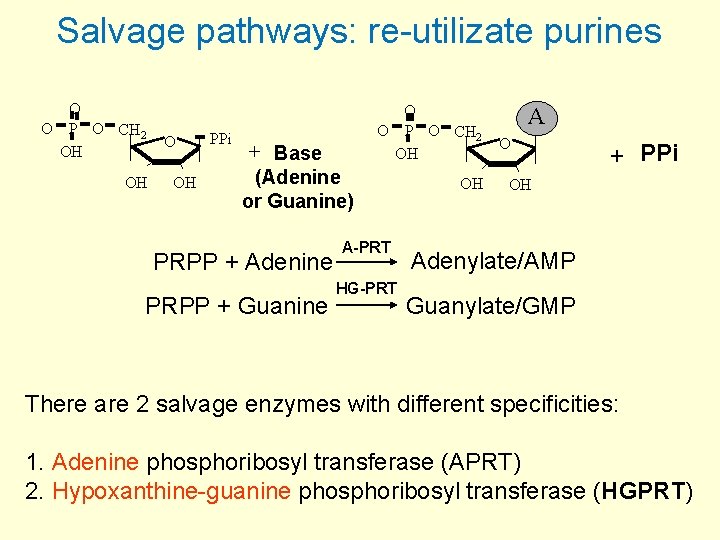
Salvage pathways: re-utilizate purines O O P O CH 2 OH OH O OH PPi + Base (Adenine or Guanine) PRPP + Adenine PRPP + Guanine O O P O CH 2 OH A-PRT HG-PRT OH A O + PPi OH Adenylate/AMP Guanylate/GMP There are 2 salvage enzymes with different specificities: 1. Adenine phosphoribosyl transferase (APRT) 2. Hypoxanthine-guanine phosphoribosyl transferase (HGPRT)
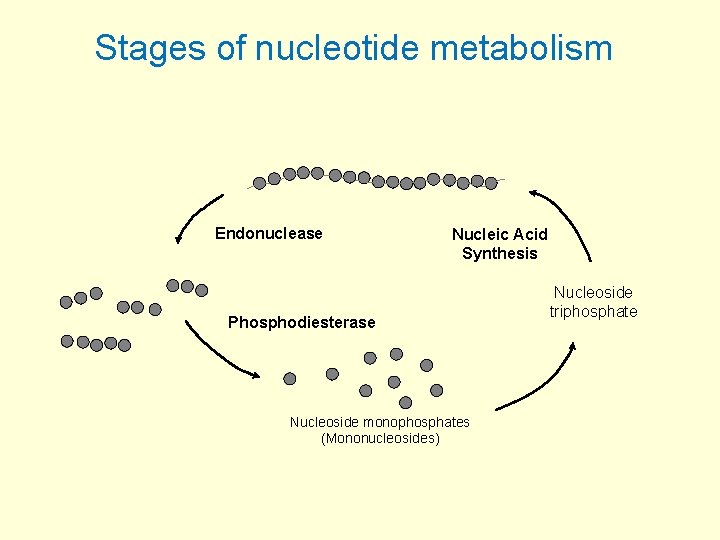
Stages of nucleotide metabolism Endonuclease Nucleic Acid Synthesis Phosphodiesterase Nucleoside monophosphates (Mononucleosides) Nucleoside triphosphate
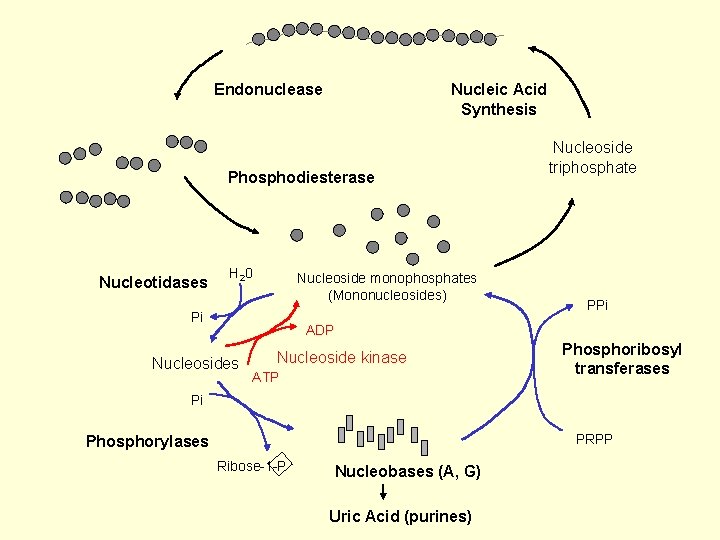
Endonuclease Nucleic Acid Synthesis Phosphodiesterase Nucleotidases H 20 Nucleoside monophosphates (Mononucleosides) Pi Nucleoside triphosphate PPi ADP Nucleosides Nucleoside kinase ATP Phosphoribosyl transferases Pi PRPP Phosphorylases Ribose-1 -P Nucleobases (A, G) Uric Acid (purines)
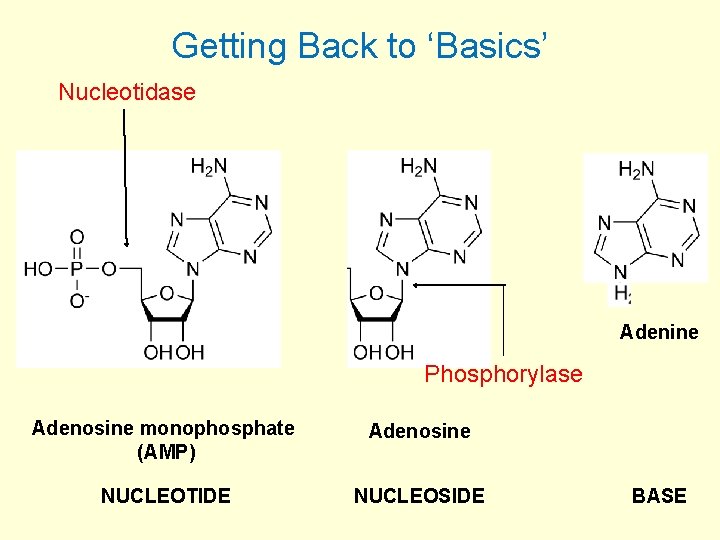
Getting Back to ‘Basics’ Nucleotidase Adenine Phosphorylase Adenosine monophosphate (AMP) Adenosine NUCLEOTIDE NUCLEOSIDE BASE
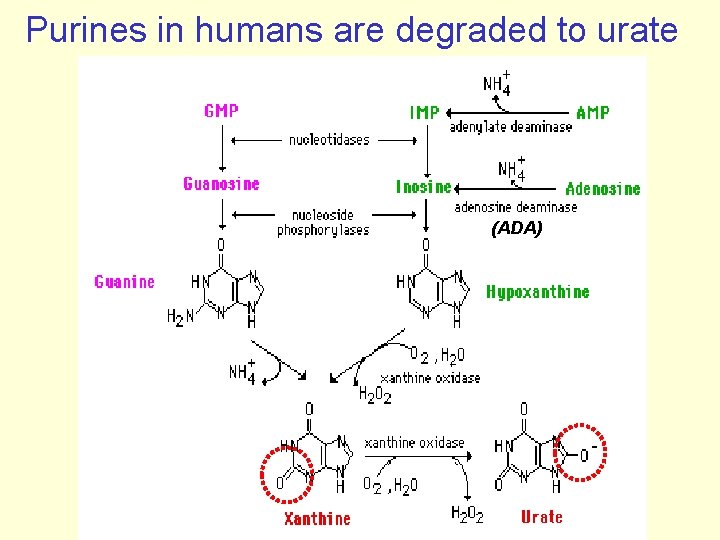
Purines in humans are degraded to urate (ADA)
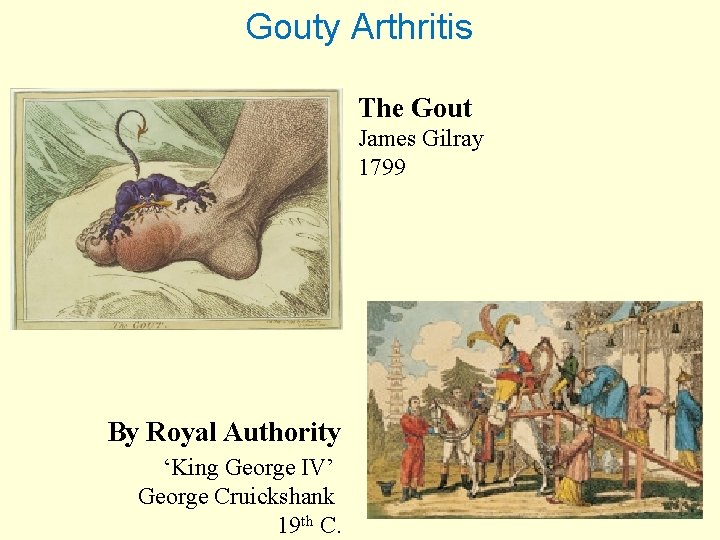
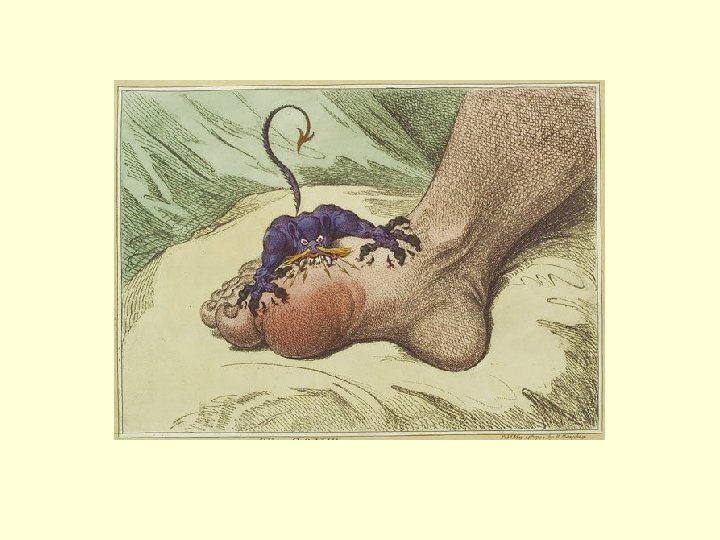
Gouty Arthritis The Gout James Gilray 1799 By Royal Authority ‘King George IV’ George Cruickshank 19 th C.
Some famous people who had gout Henry VIII Kublai Khan Nostradamus John Milton Isaac Newton Frederick the Great John Hancock Thomas Jefferson Benjamin Franklin David Wells
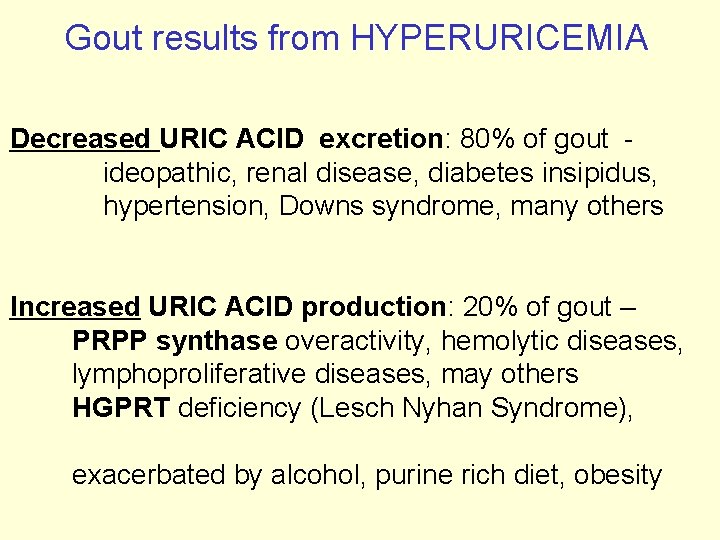
Gout results from HYPERURICEMIA Decreased URIC ACID excretion: 80% of gout ideopathic, renal disease, diabetes insipidus, hypertension, Downs syndrome, many others Increased URIC ACID production: 20% of gout – PRPP synthase overactivity, hemolytic diseases, lymphoproliferative diseases, may others HGPRT deficiency (Lesch Nyhan Syndrome), exacerbated by alcohol, purine rich diet, obesity
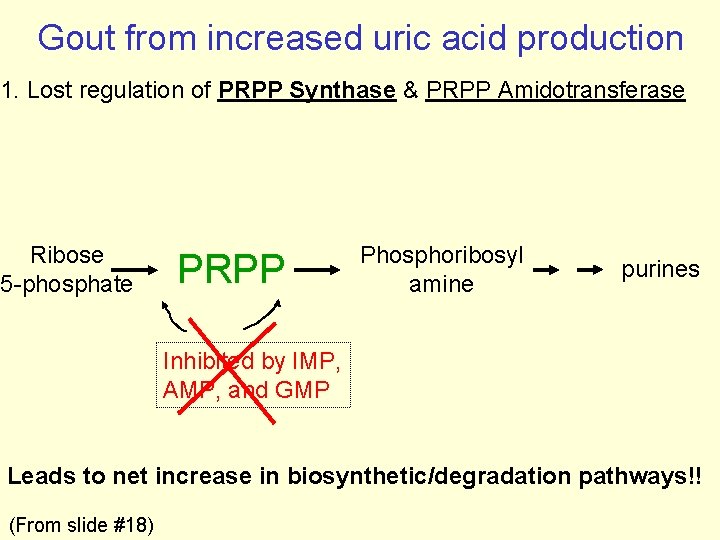
Gout from increased uric acid production 1. Lost regulation of PRPP Synthase & PRPP Amidotransferase Ribose 5 -phosphate PRPP Phosphoribosyl amine purines Inhibited by IMP, AMP, and GMP Leads to net increase in biosynthetic/degradation pathways!! (From slide #18)
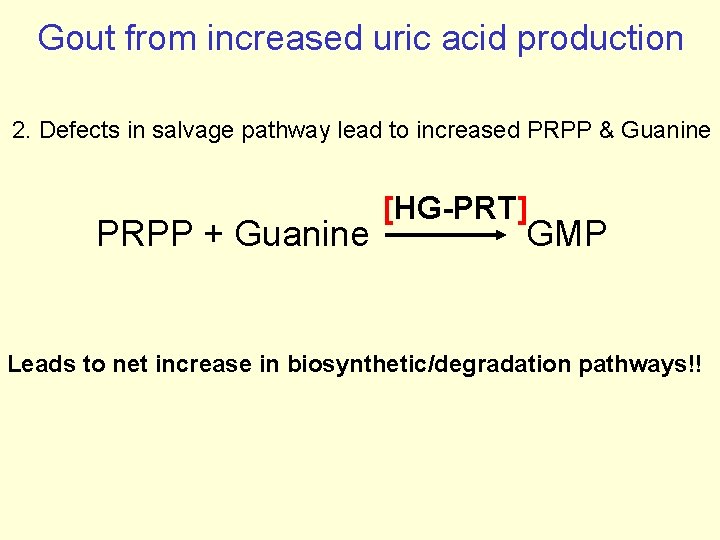
Gout from increased uric acid production 2. Defects in salvage pathway lead to increased PRPP & Guanine PRPP + Guanine [HG-PRT] GMP Leads to net increase in biosynthetic/degradation pathways!!
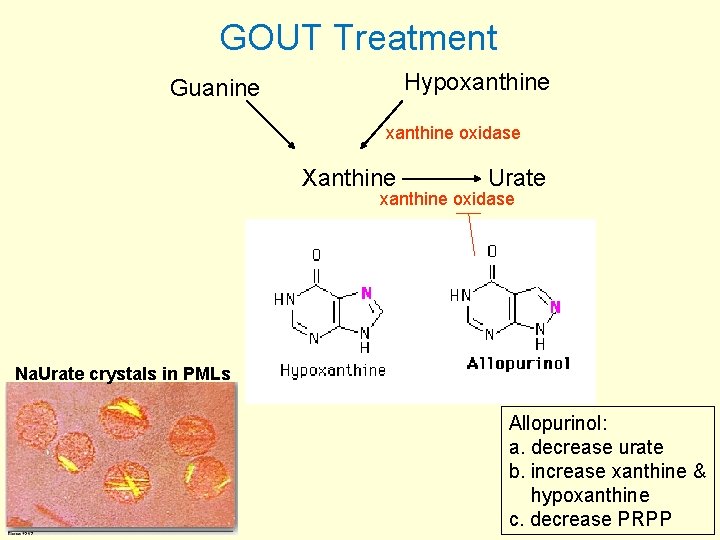
GOUT Treatment Hypoxanthine Guanine xanthine oxidase Xanthine Urate xanthine oxidase Na. Urate crystals in PMLs Allopurinol: a. decrease urate b. increase xanthine & hypoxanthine c. decrease PRPP
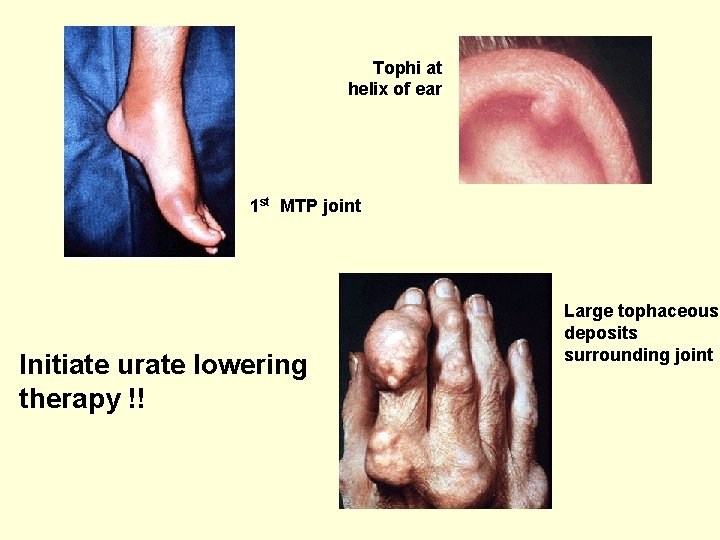
Tophi at helix of ear 1 st MTP joint Initiate urate lowering therapy !! Large tophaceous deposits surrounding joint
Clinical Significance of Purine metabolism ID: A 56 year old obese white male comes to his family doctor. Chief Complaint: ‘My big toe hurts like !*? !#*!? !!!’ History Present Illness: Pain began during the night after an episode of binge eating and drinking. Past Medical History: Significant for removal of kidney stones last year. Current Health/Risk Factors: He admits to being an avid meat eater and drinks beer every night. Physical Exam: fever, right metatarsophalangial (MTP) joint red, hot and swollen; painful to motion; subcutaneous deposits in helix of left ear Pathology: Synovial fluid aspiration shows negatively birefringent, needle-shaped crystals.
Lesch-Nyhan Syndrome X-linked recessive Severe HGPRT deficiency: decreased IMP&GMP increased PRPP & de novo purine p’way Hyperuremia: gouty arthritis, kidney stones, tophi Neurologic disability: spasticity, hyperreflexia Behavioral problems: cognitive dysfunction, aggression, self-injury
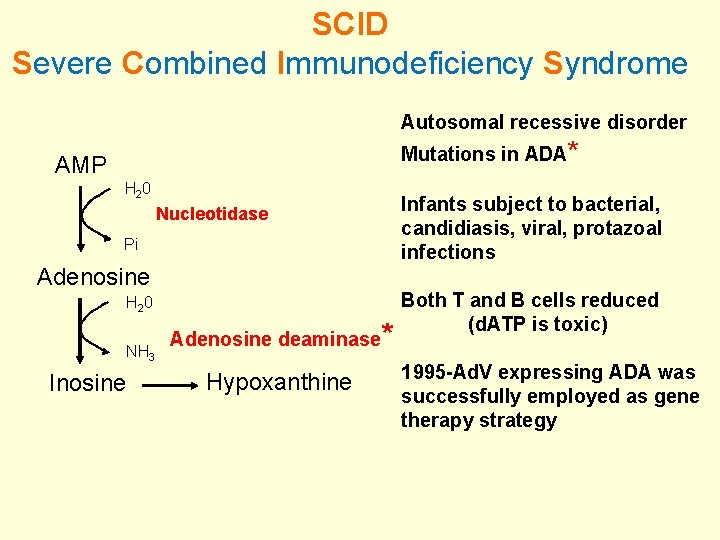
SCID Severe Combined Immunodeficiency Syndrome Autosomal recessive disorder Mutations in ADA* AMP H 2 0 Infants subject to bacterial, candidiasis, viral, protazoal infections Nucleotidase Pi Adenosine H 2 0 NH 3 Inosine Adenosine deaminase Hypoxanthine * Both T and B cells reduced (d. ATP is toxic) 1995 -Ad. V expressing ADA was successfully employed as gene therapy strategy
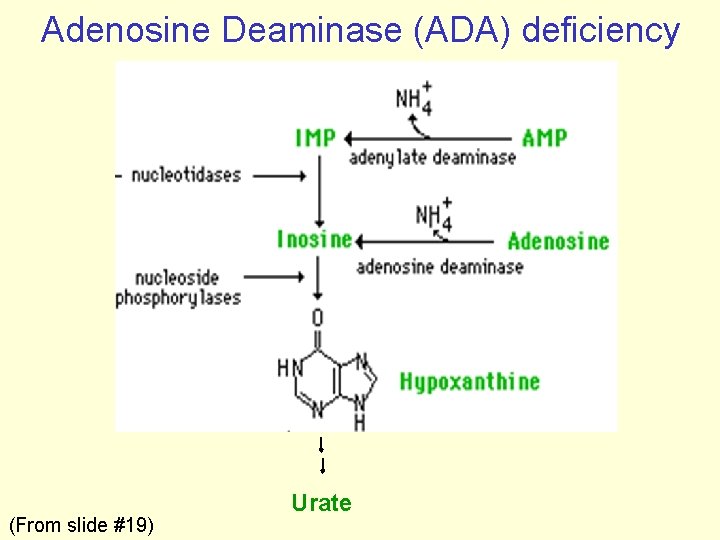
Adenosine Deaminase (ADA) deficiency (From slide #19) Urate
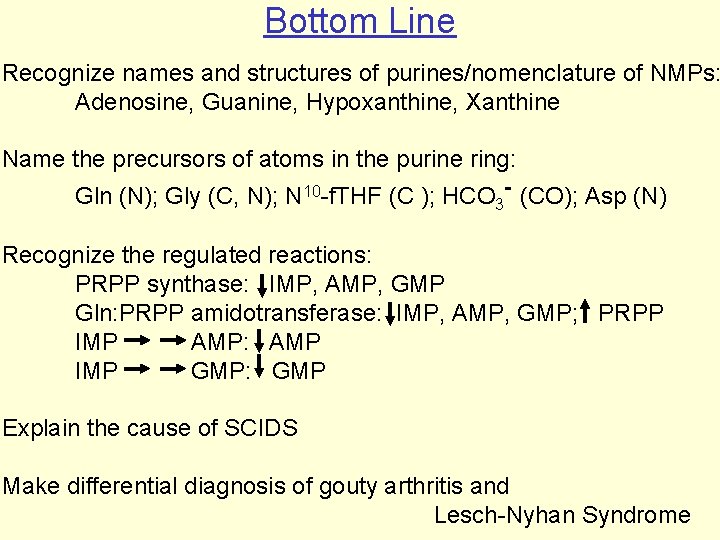
Bottom Line Recognize names and structures of purines/nomenclature of NMPs: Adenosine, Guanine, Hypoxanthine, Xanthine Name the precursors of atoms in the purine ring: Gln (N); Gly (C, N); N 10 -f. THF (C ); HCO 3 - (CO); Asp (N) Recognize the regulated reactions: PRPP synthase: IMP, AMP, GMP Gln: PRPP amidotransferase: IMP, AMP, GMP; PRPP IMP AMP: AMP IMP GMP: GMP Explain the cause of SCIDS Make differential diagnosis of gouty arthritis and Lesch-Nyhan Syndrome
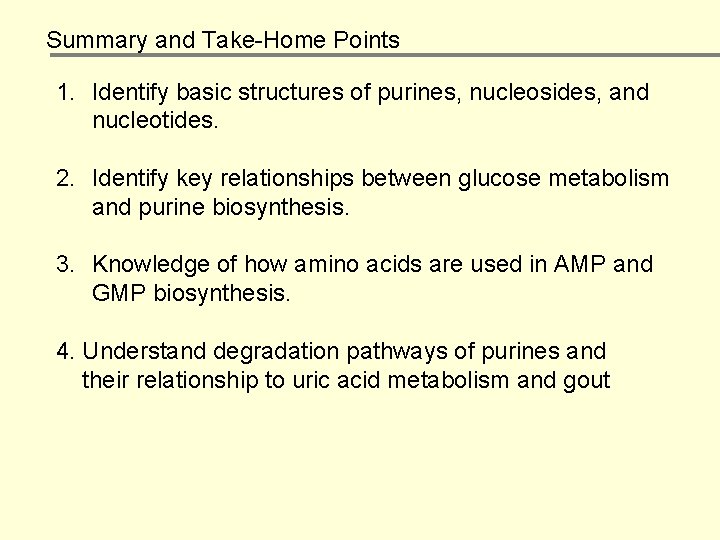
Summary and Take-Home Points 1. Identify basic structures of purines, nucleosides, and nucleotides. 2. Identify key relationships between glucose metabolism and purine biosynthesis. 3. Knowledge of how amino acids are used in AMP and GMP biosynthesis. 4. Understand degradation pathways of purines and their relationship to uric acid metabolism and gout
Integrative Thought Question Ribonucleotides and Deoxyribonucleotides are essential for all cells, and represent key convergent points in energy metabolism. Provide specific examples in which purine metabolism can be linked to metabolism of 1). Glucose 2). Lipids 3). Amino Acids 4). Ammonium
- Slides: 41