
Lecture 28 Back Propagation Mark HasegawaJohnson April 6
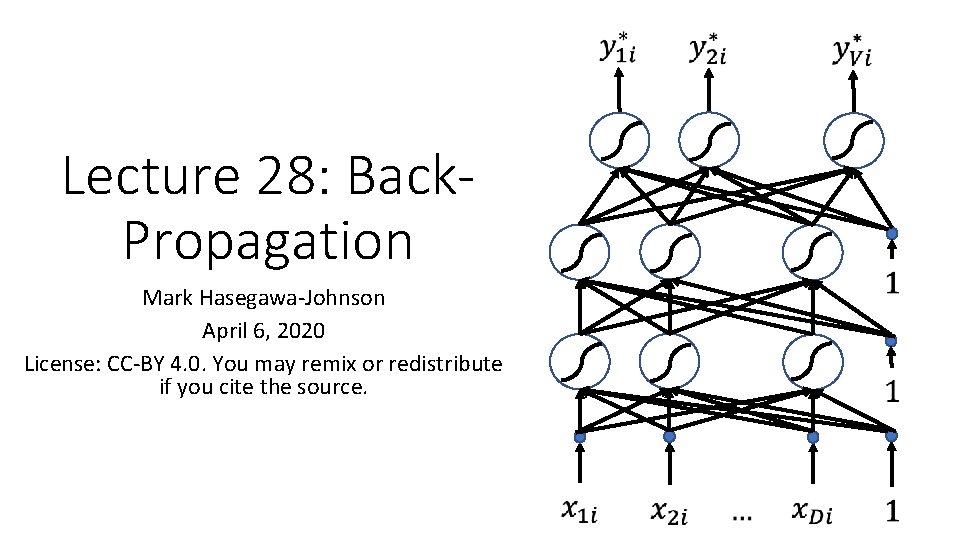
Lecture 28: Back. Propagation Mark Hasegawa-Johnson April 6, 2020 License: CC-BY 4. 0. You may remix or redistribute if you cite the source.
How to make a neural network • Training Data • Forward propagation • Loss Function • Back propagation
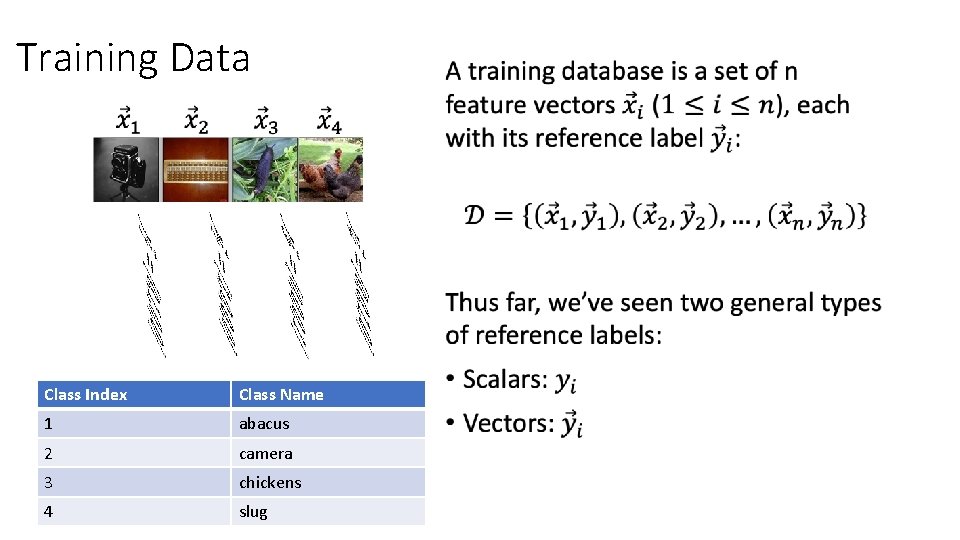
Training Data Class Index Class Name 1 abacus 2 camera 3 chickens 4 slug •
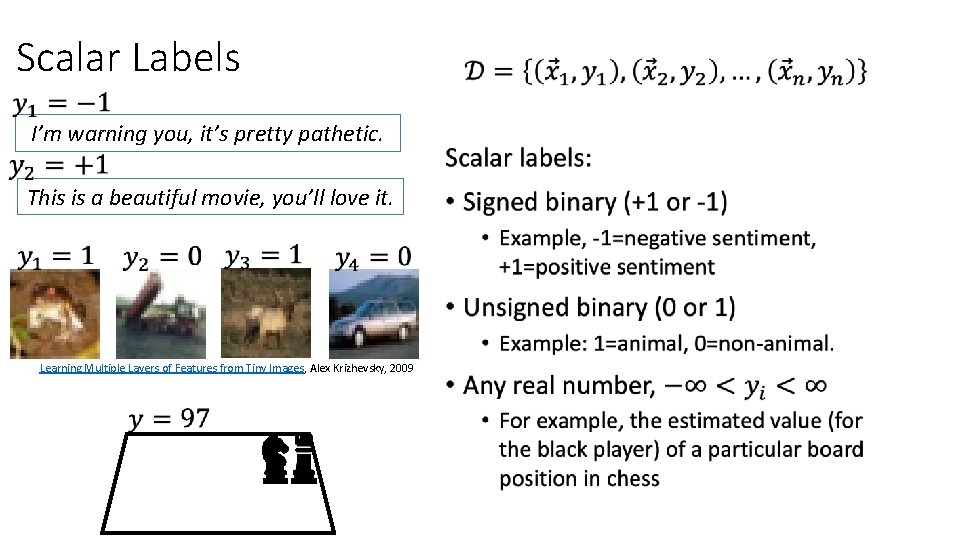
Scalar Labels I’m warning you, it’s pretty pathetic. This is a beautiful movie, you’ll love it. Learning Multiple Layers of Features from Tiny Images, Alex Krizhevsky, 2009 •
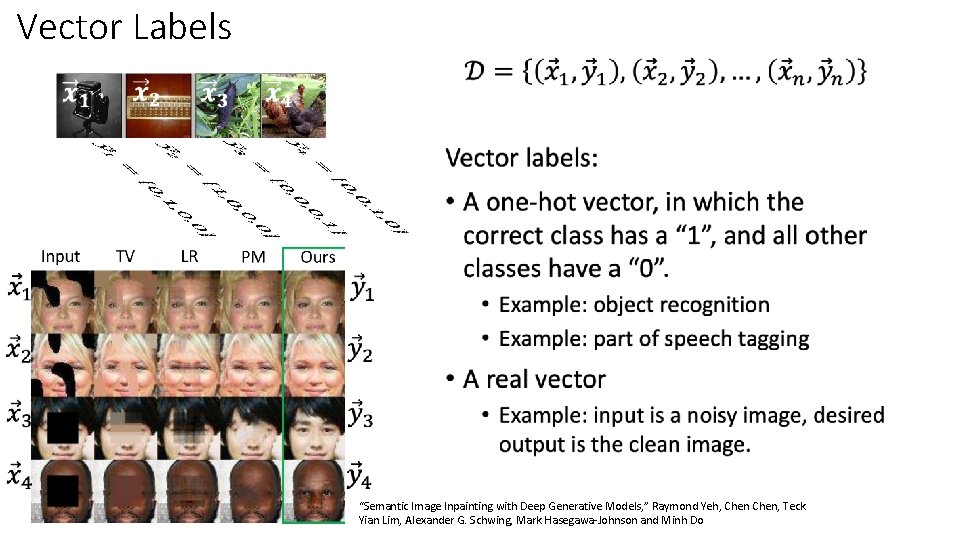
Vector Labels • “Semantic Image Inpainting with Deep Generative Models, ” Raymond Yeh, Chen, Teck Yian Lim, Alexander G. Schwing, Mark Hasegawa-Johnson and Minh Do
How to make a neural network • Training Data • Forward propagation • Loss Function • Back propagation
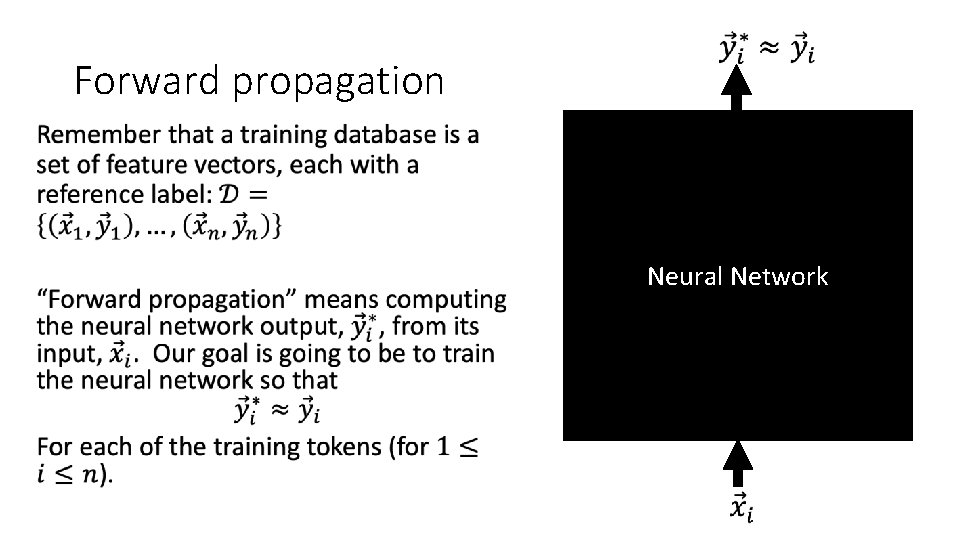
Forward propagation • Neural Network
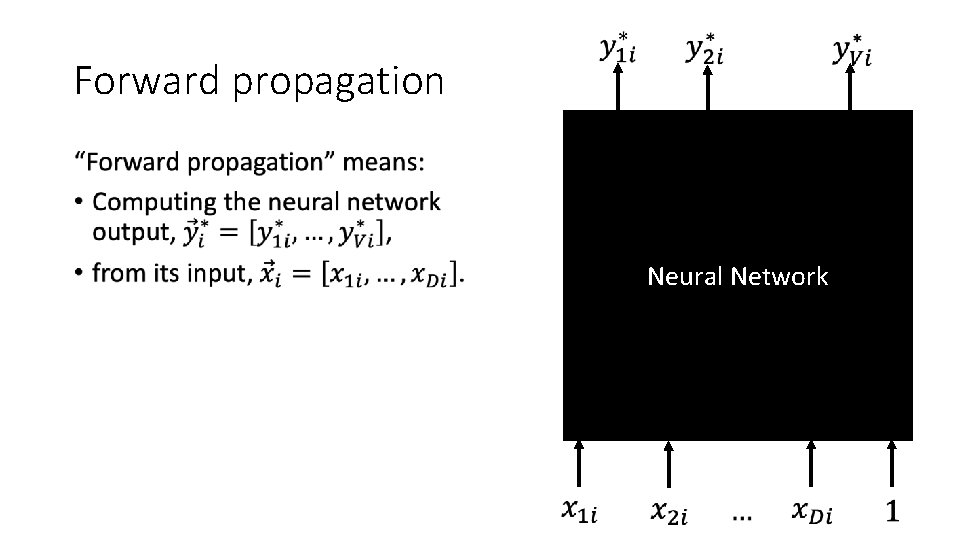
Forward propagation • Neural Network
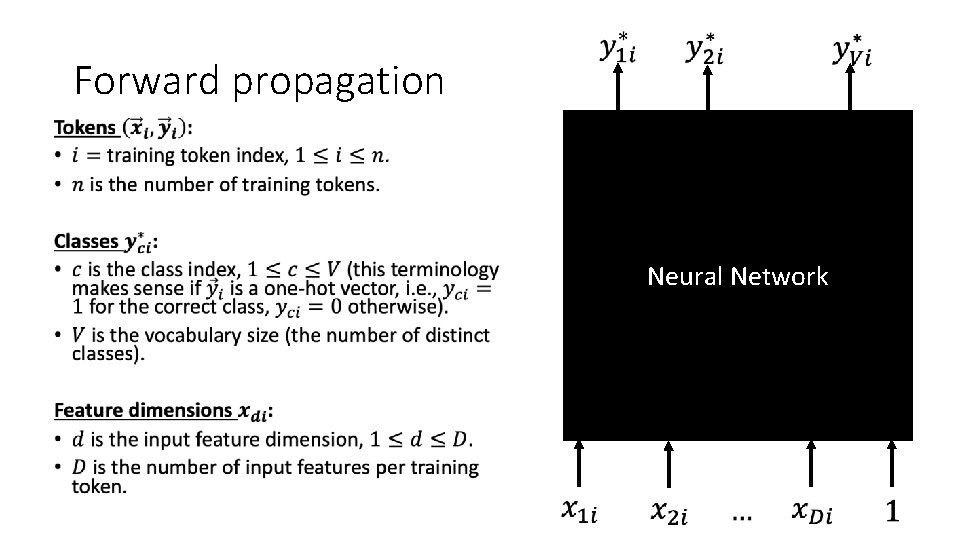
Forward propagation • Neural Network
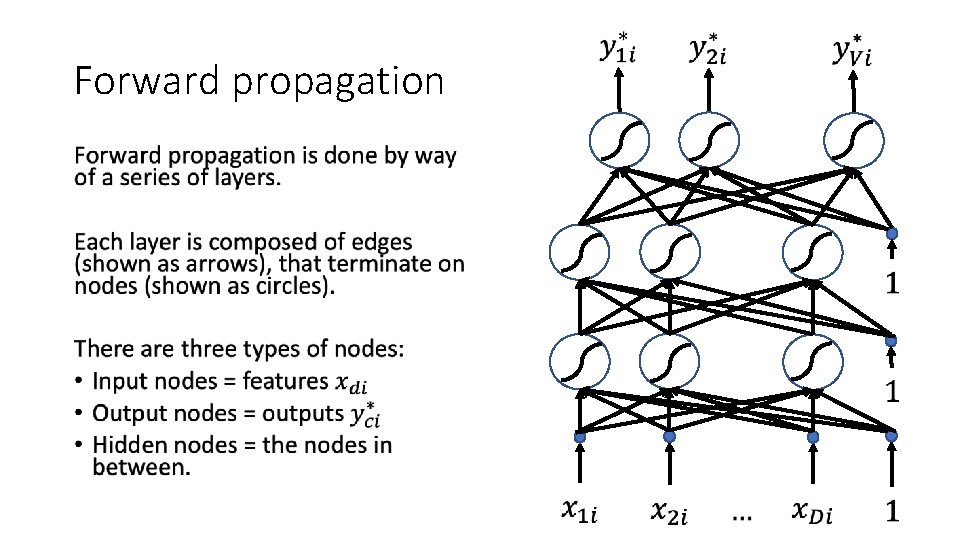
Forward propagation •
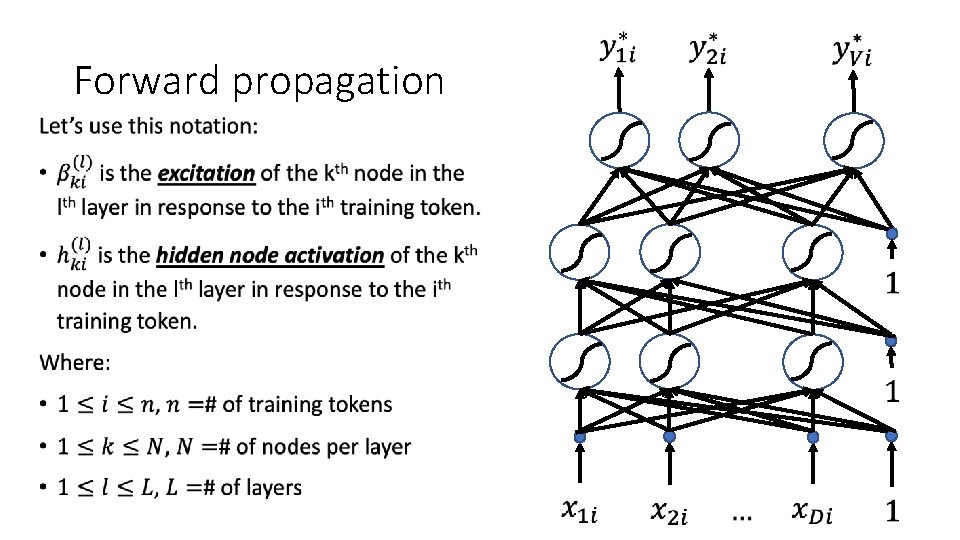
Forward propagation •
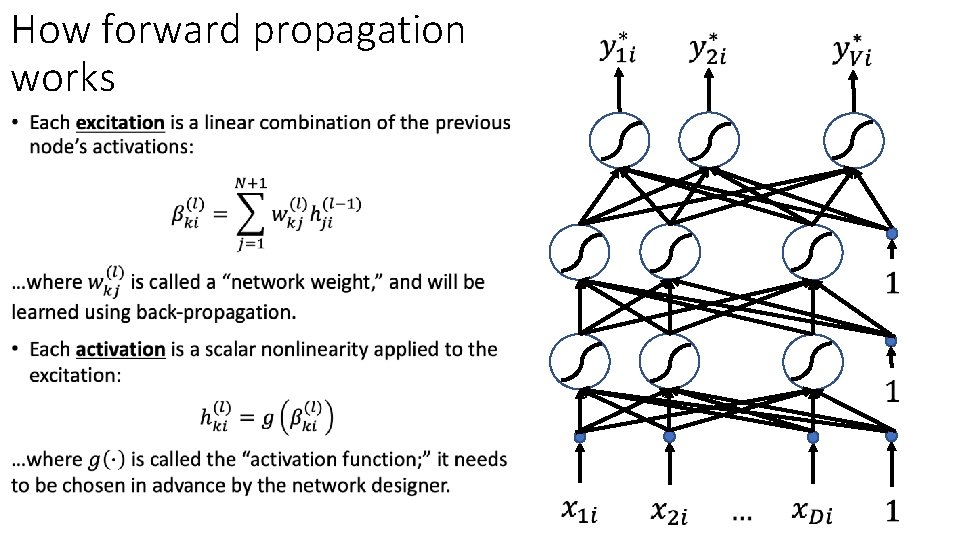
How forward propagation works •
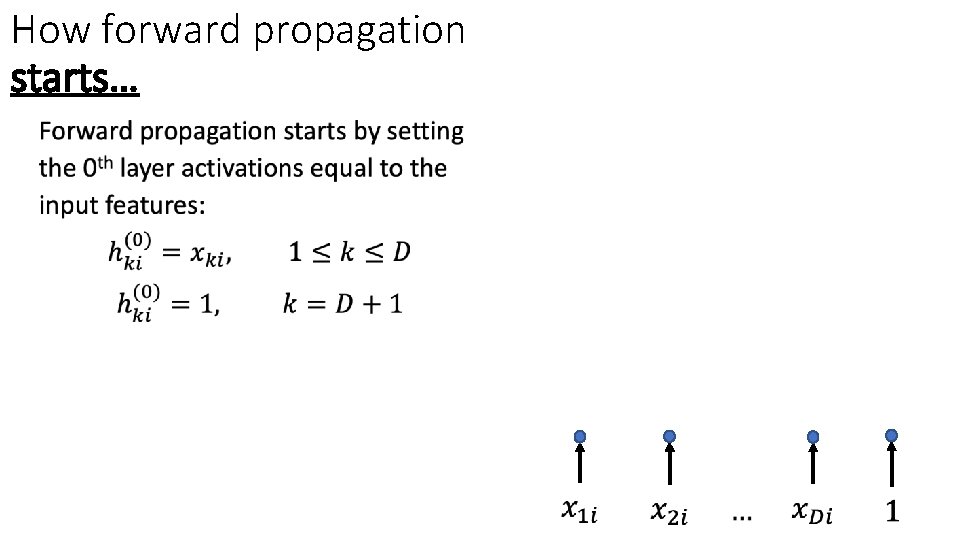
How forward propagation starts… •
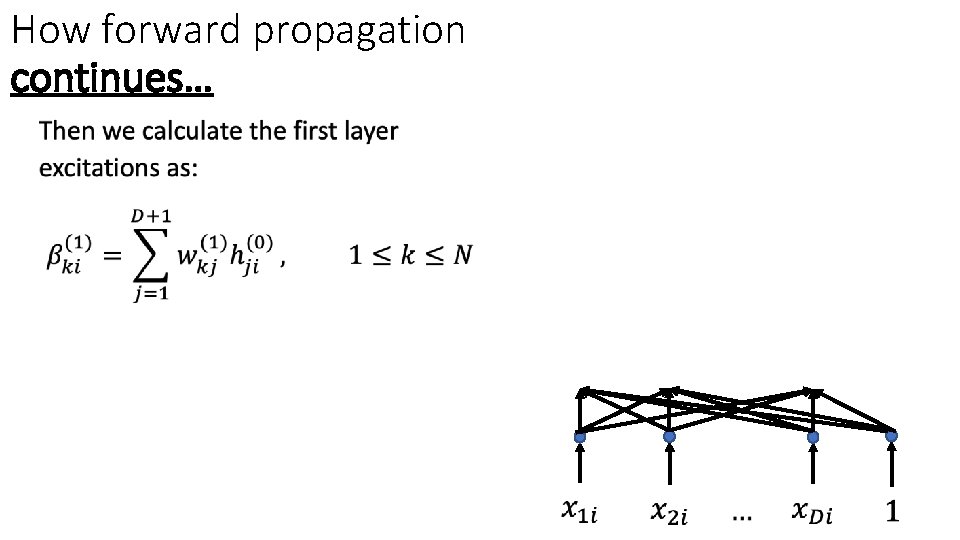
How forward propagation continues… •
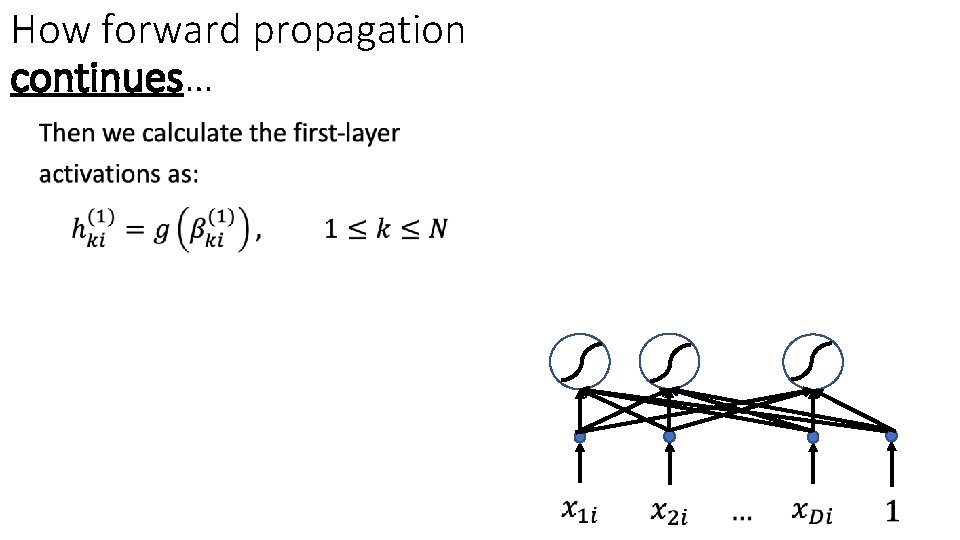
How forward propagation continues… •
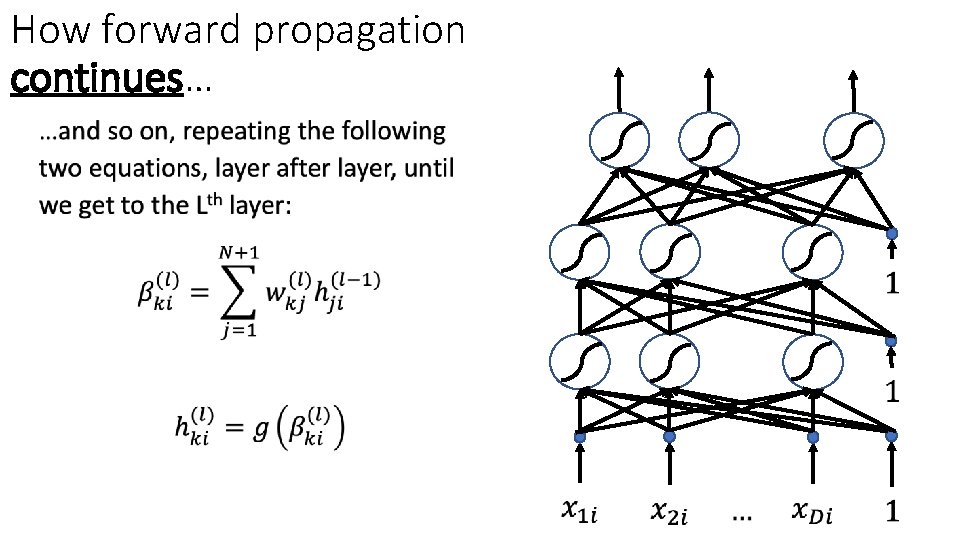
How forward propagation continues… •
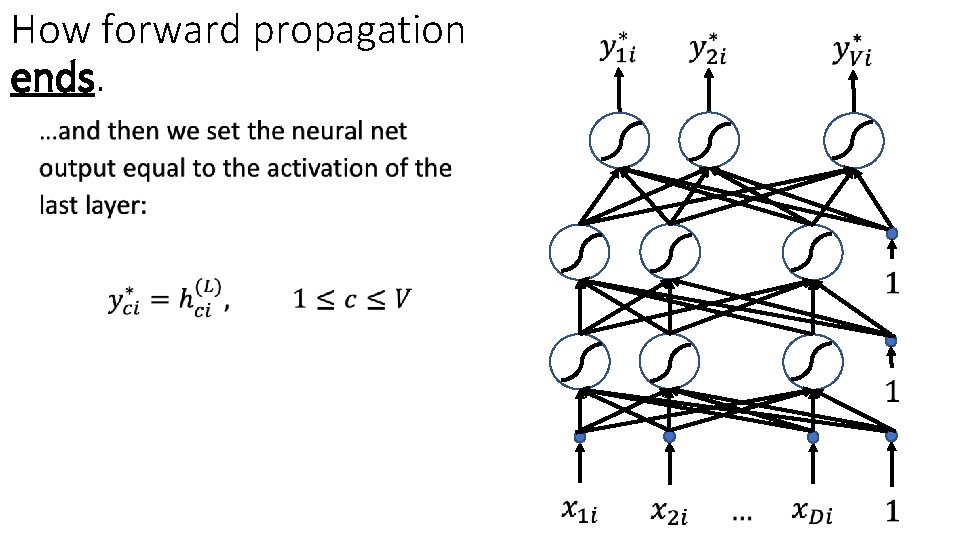
How forward propagation ends. •
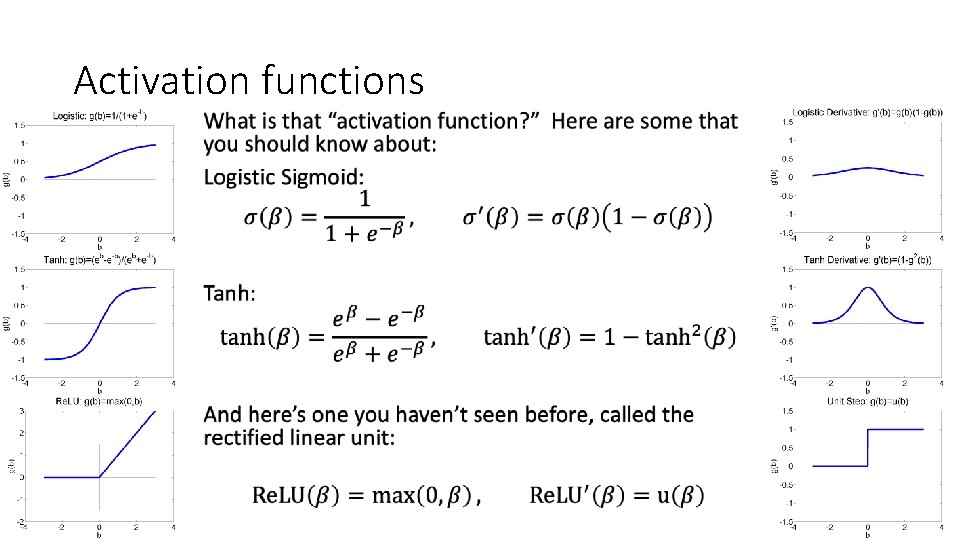
Activation functions •
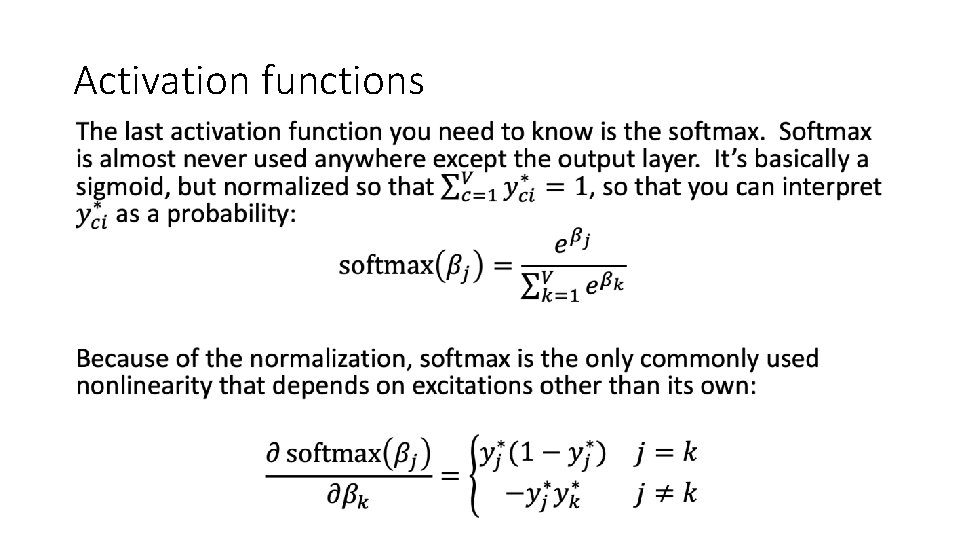
Activation functions •
How to make a neural network • Training Data • Forward propagation • Loss Function • Back propagation
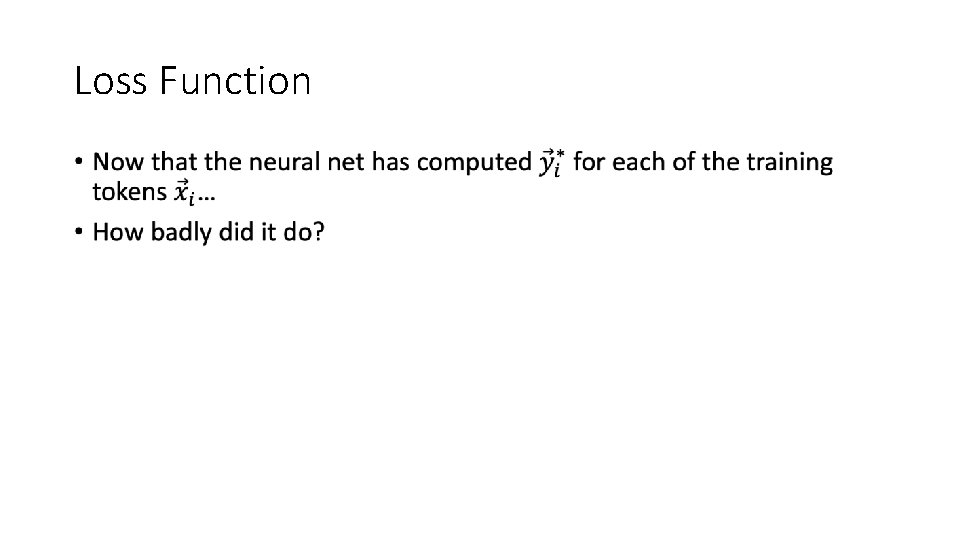
Loss Function •

Loss Function •
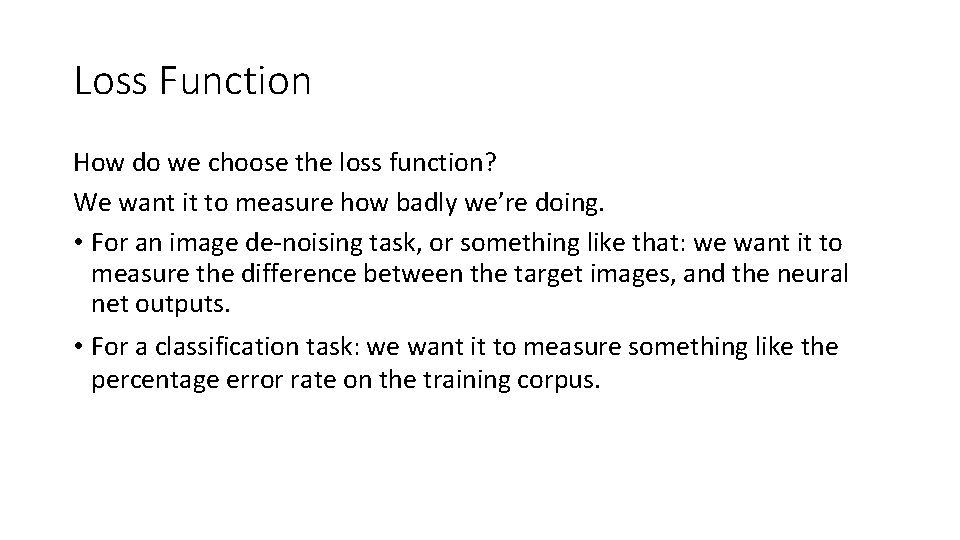
Loss Function How do we choose the loss function? We want it to measure how badly we’re doing. • For an image de-noising task, or something like that: we want it to measure the difference between the target images, and the neural net outputs. • For a classification task: we want it to measure something like the percentage error rate on the training corpus.
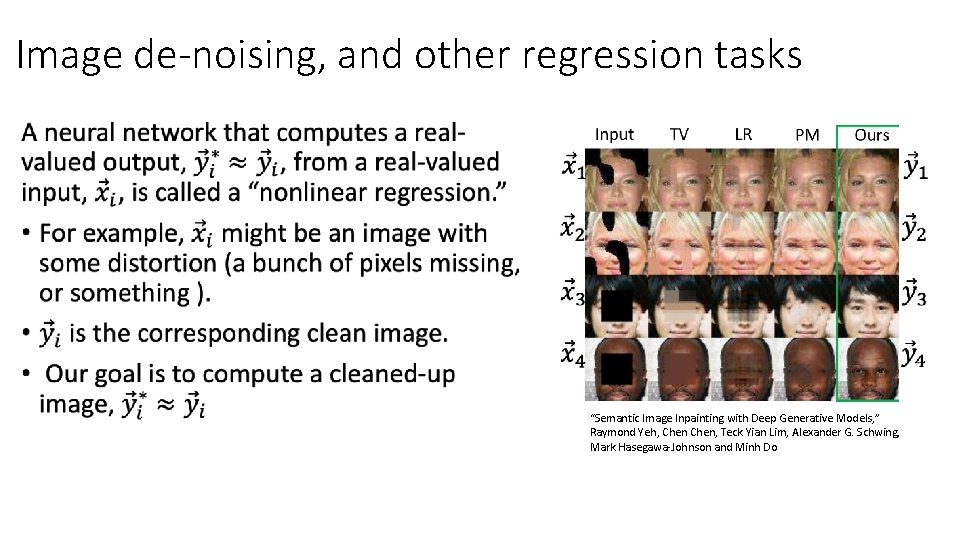
Image de-noising, and other regression tasks • “Semantic Image Inpainting with Deep Generative Models, ” Raymond Yeh, Chen, Teck Yian Lim, Alexander G. Schwing, Mark Hasegawa-Johnson and Minh Do
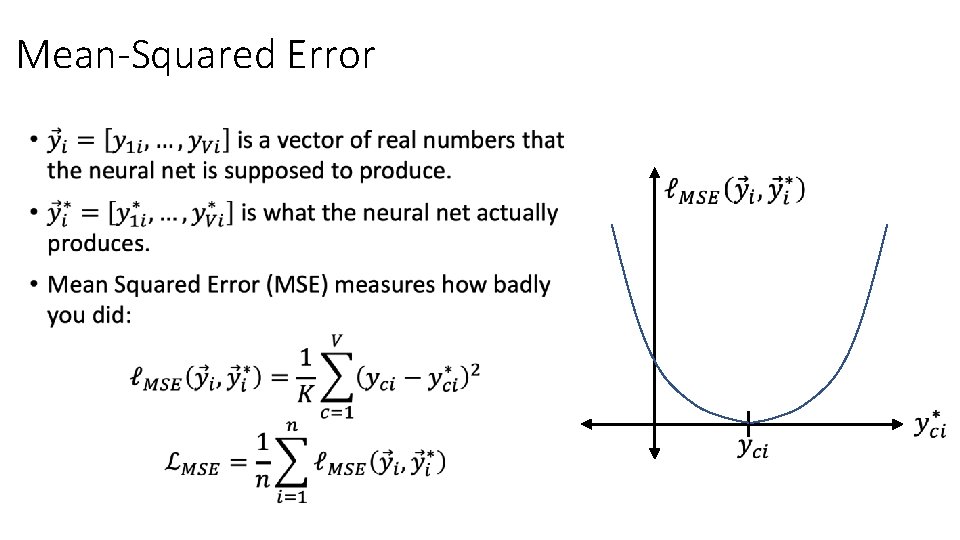
Mean-Squared Error •
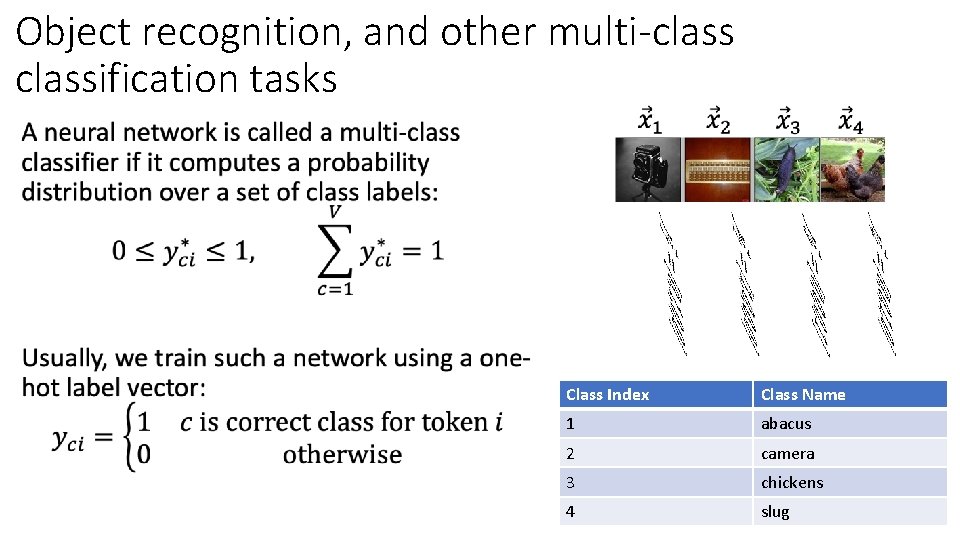
Object recognition, and other multi-classification tasks • Class Index Class Name 1 abacus 2 camera 3 chickens 4 slug
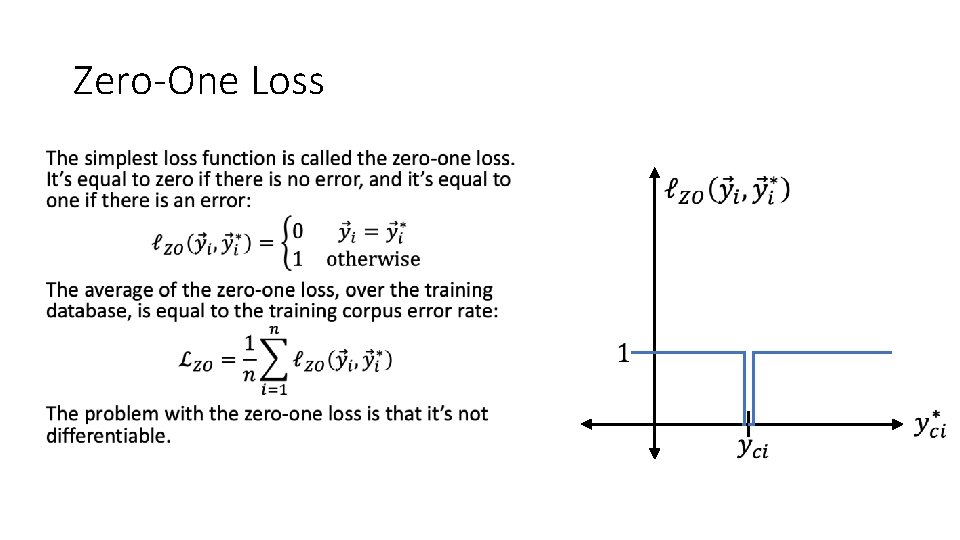
Zero-One Loss •
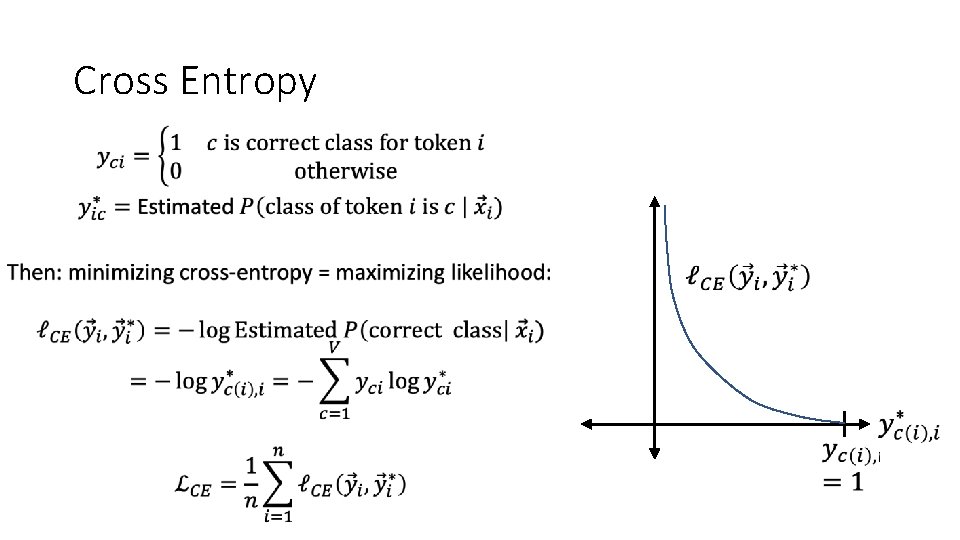
Cross Entropy •
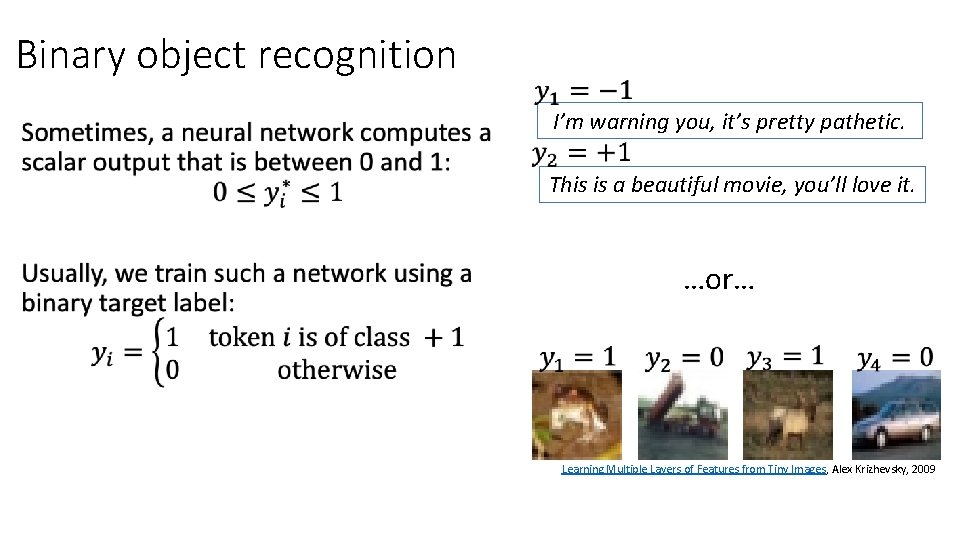
Binary object recognition • I’m warning you, it’s pretty pathetic. This is a beautiful movie, you’ll love it. …or… Learning Multiple Layers of Features from Tiny Images, Alex Krizhevsky, 2009
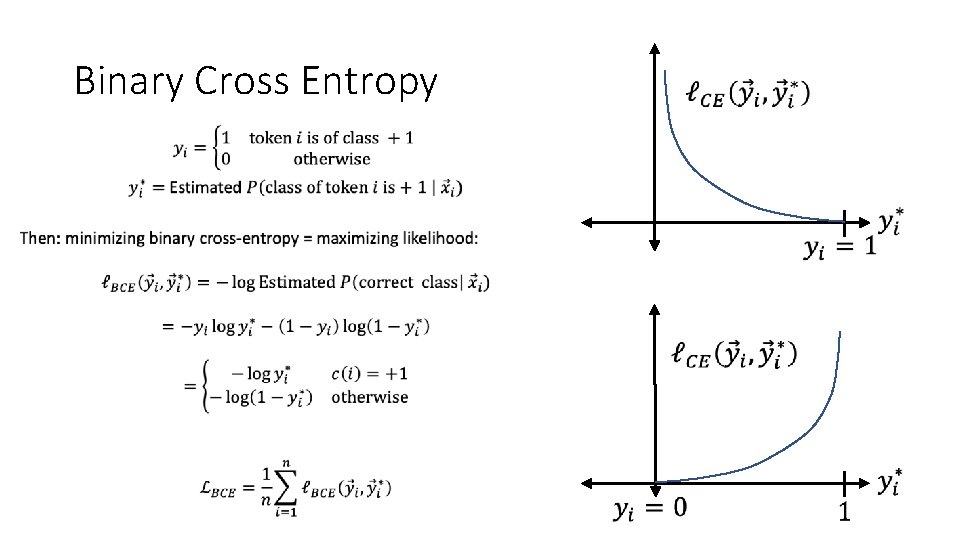
Binary Cross Entropy •
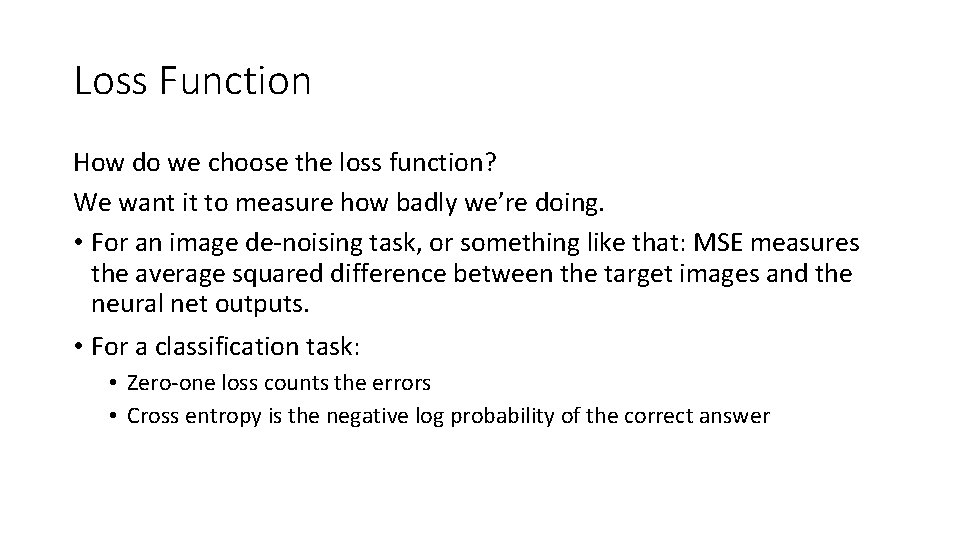
Loss Function How do we choose the loss function? We want it to measure how badly we’re doing. • For an image de-noising task, or something like that: MSE measures the average squared difference between the target images and the neural net outputs. • For a classification task: • Zero-one loss counts the errors • Cross entropy is the negative log probability of the correct answer
How to make a neural network • Training Data • Forward propagation • Loss Function • Back propagation
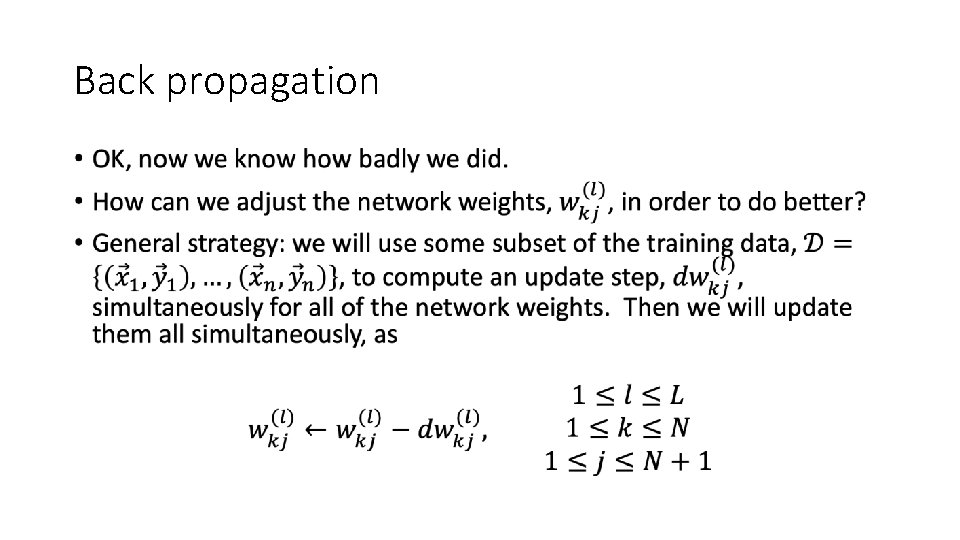
Back propagation •
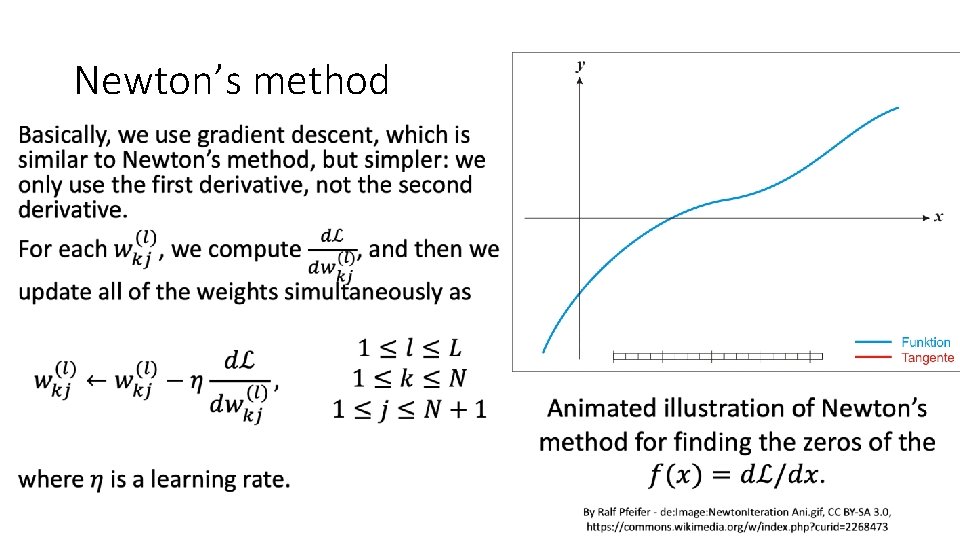
Newton’s method •
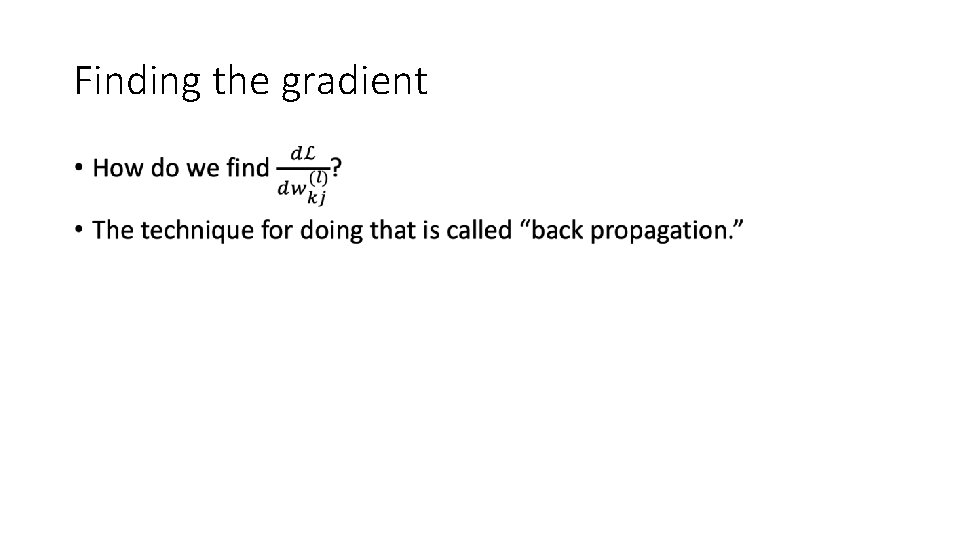
Finding the gradient •
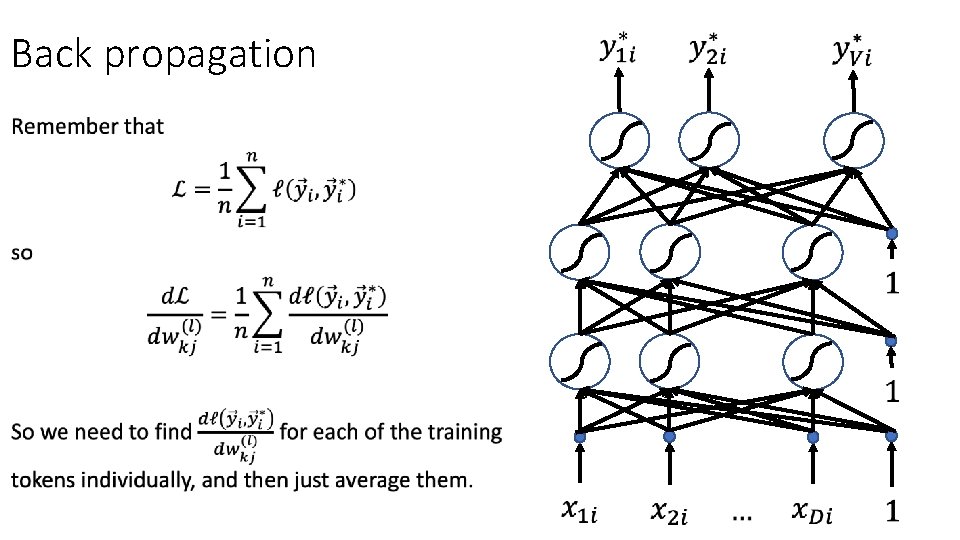
Back propagation •
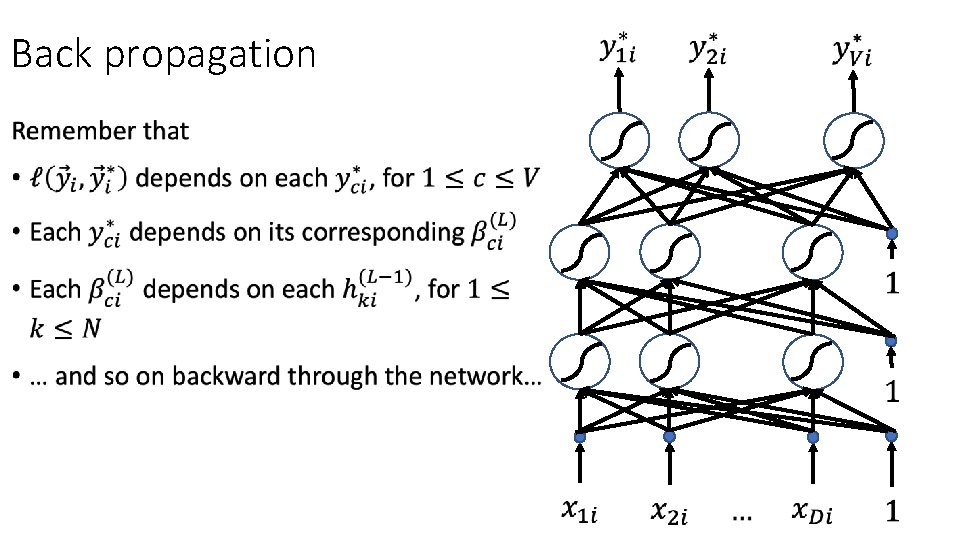
Back propagation •
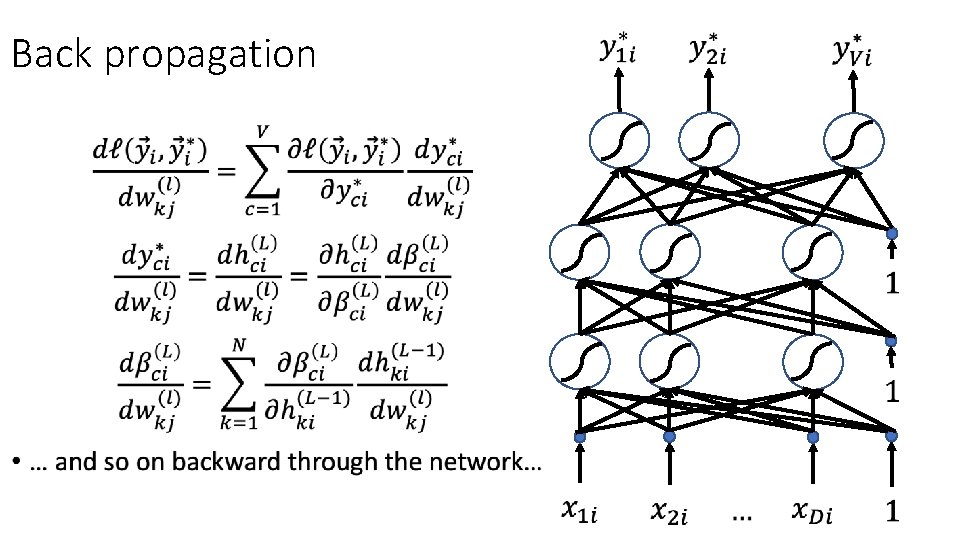
Back propagation •
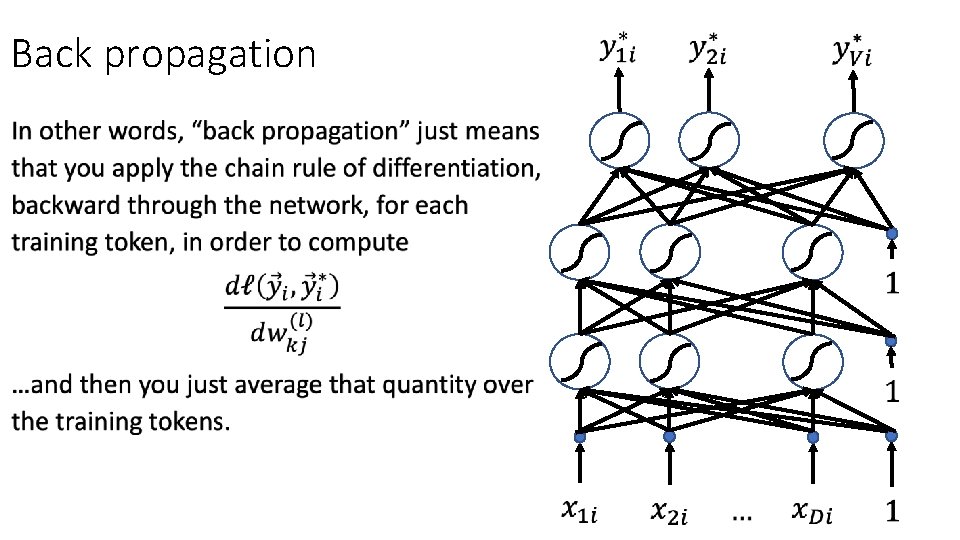
Back propagation •
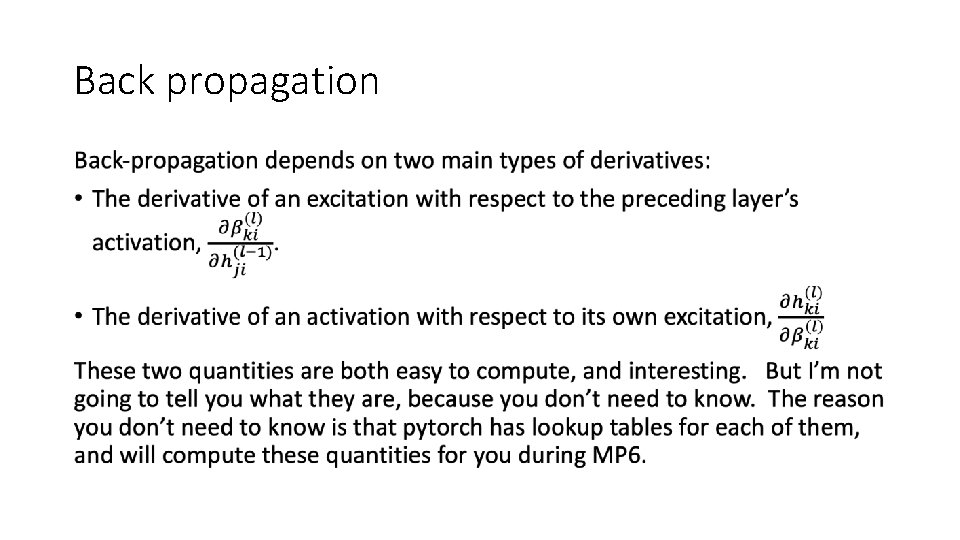
Back propagation •
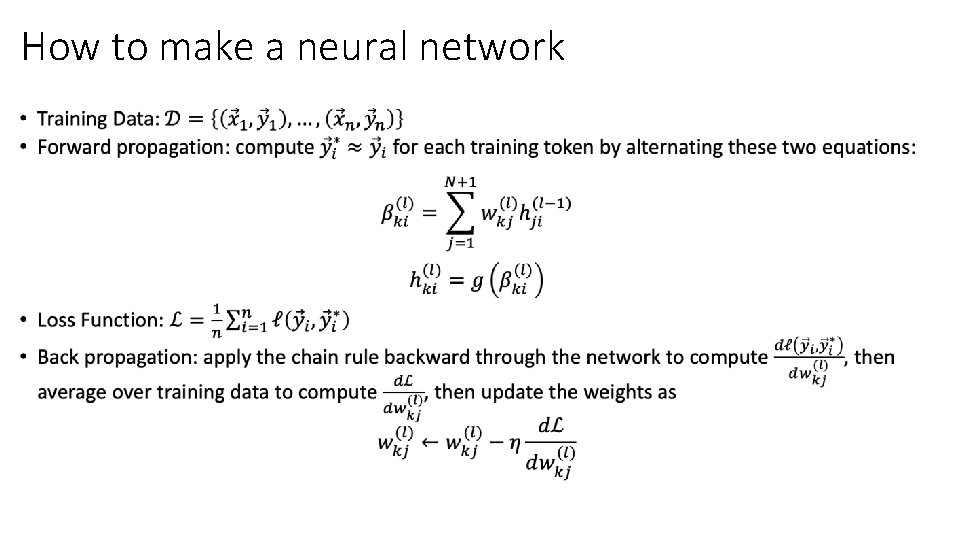
How to make a neural network •
- Slides: 41