
Lecture 25 Laplace Transform Hungyi Lee Reference Textbook
Lecture 25 Laplace Transform Hung-yi Lee
Reference • Textbook 13. 1, 13. 2

Laplace Transform Motivation and Introduction
![Laplace Transform Time domain Laplace Transform ( L[f(t)] ) s-domain Inverse Laplace Transform (L-1[F(s)])](http://slidetodoc.com/presentation_image_h/d7c9036fcd4a45c810726e71d3710b5b/image-4.jpg "Laplace Transform Time domain Laplace Transform ( L[f(t)] ) s-domain Inverse Laplace Transform (L-1[F(s)])")
Laplace Transform Time domain Laplace Transform ( L[f(t)] ) s-domain Inverse Laplace Transform (L-1[F(s)])
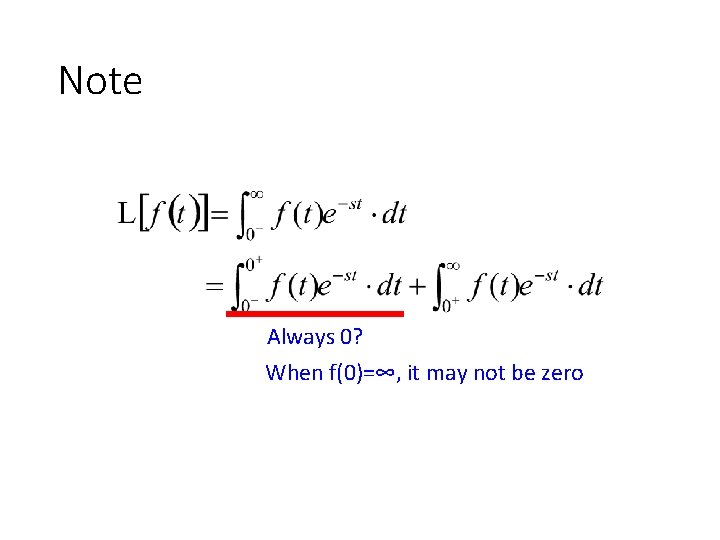
Note Always 0? When f(0)=∞, it may not be zero
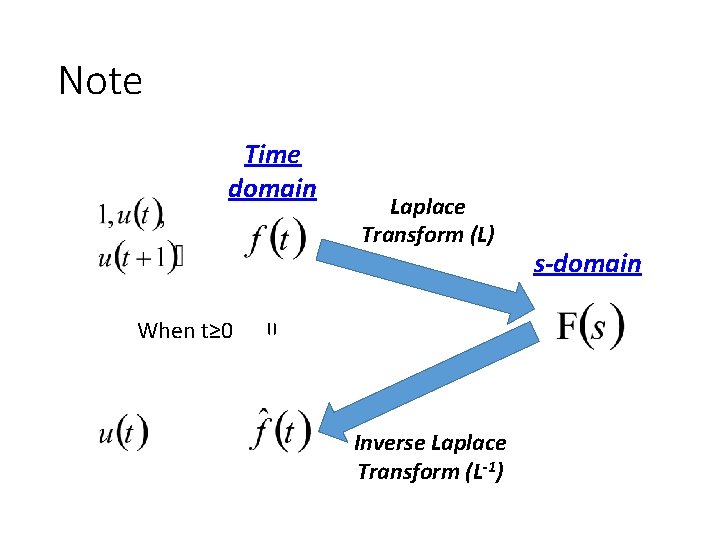
Note Time domain = When t≥ 0 Laplace Transform (L) Inverse Laplace Transform (L-1) s-domain
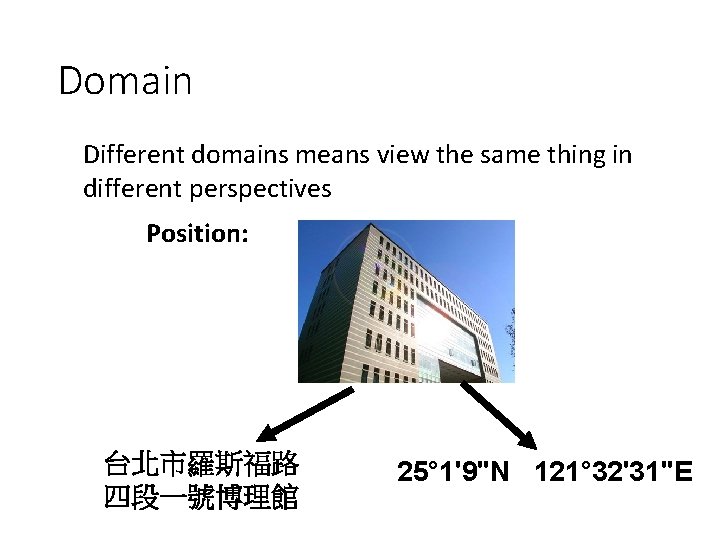
Domain Different domains means view the same thing in different perspectives Position: 台北市羅斯福路 四段一號博理館 25° 1'9"N 121° 32'31"E
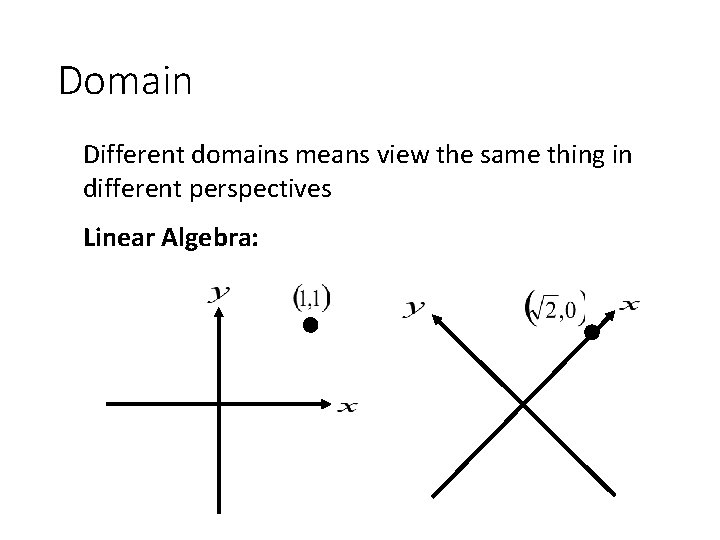
Domain Different domains means view the same thing in different perspectives Linear Algebra:
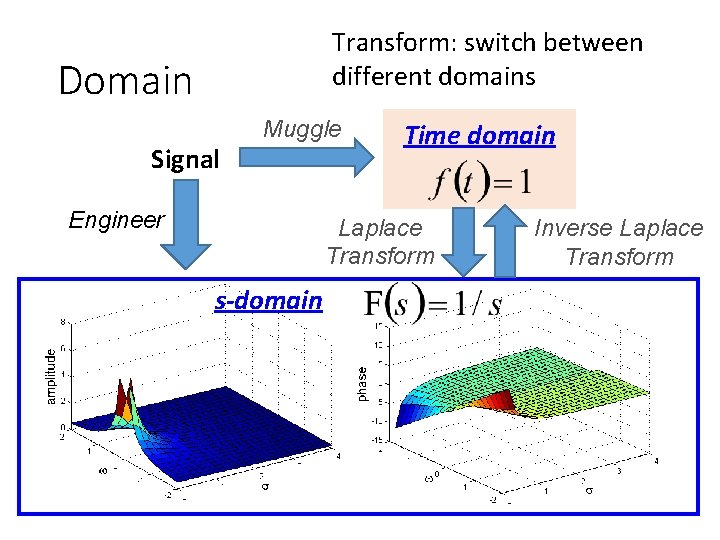
Transform: switch between different domains Domain Signal Muggle Engineer Time domain Laplace Transform s-domain Inverse Laplace Transform
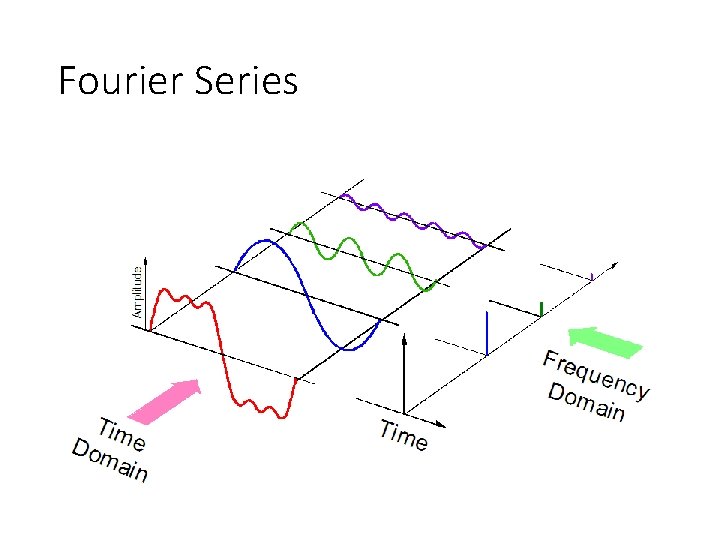
Fourier Series
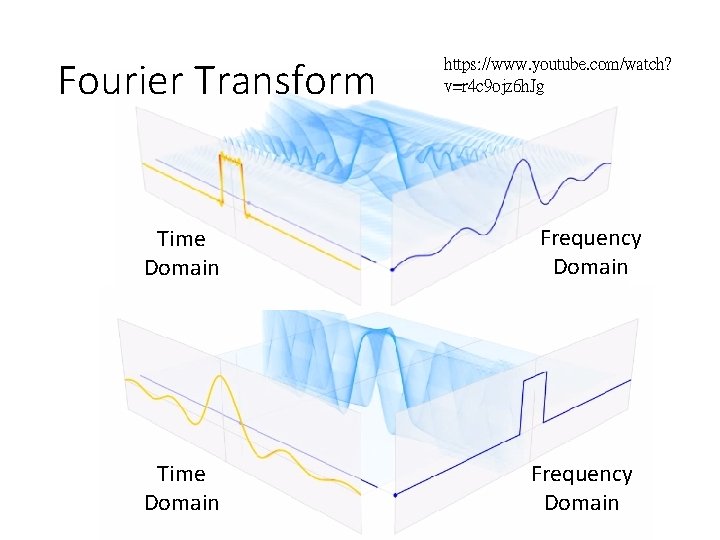
Fourier Transform Time Domain https: //www. youtube. com/watch? v=r 4 c 9 ojz 6 h. Jg Frequency Domain
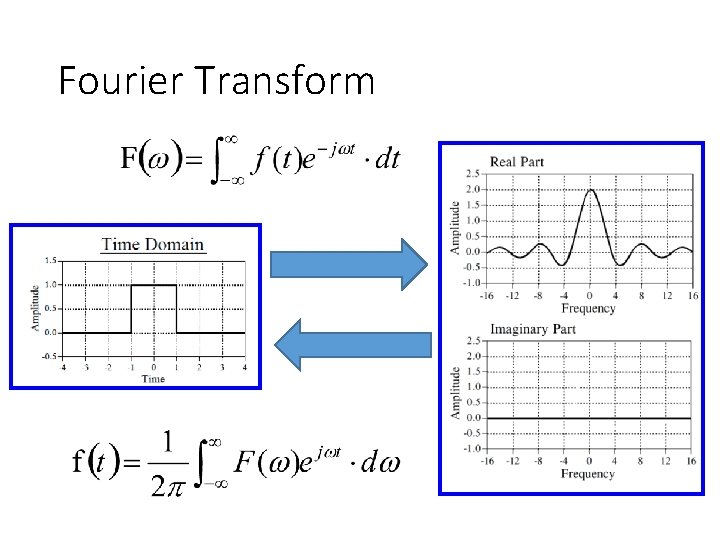
Fourier Transform
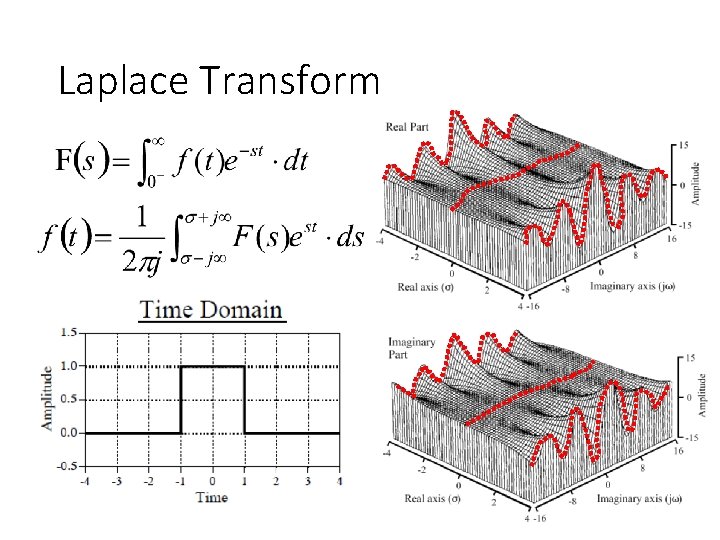
Laplace Transform
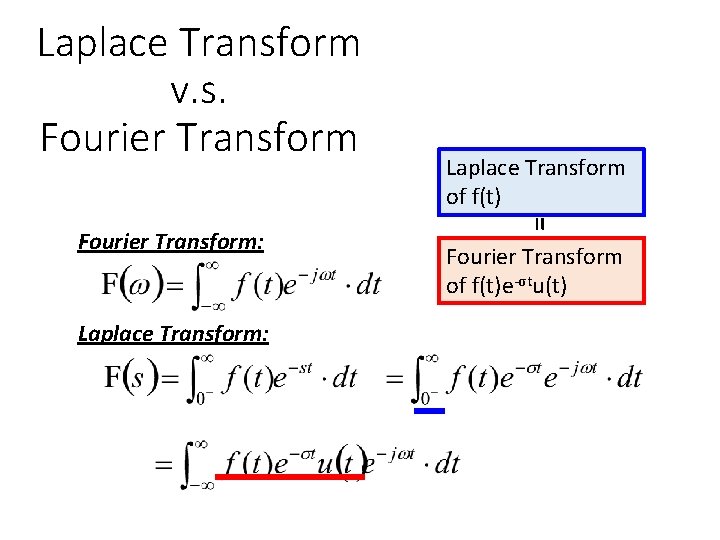
Laplace Transform v. s. Fourier Transform Laplace Transform: = Fourier Transform: Laplace Transform of f(t) Fourier Transform of f(t)e-σtu(t)
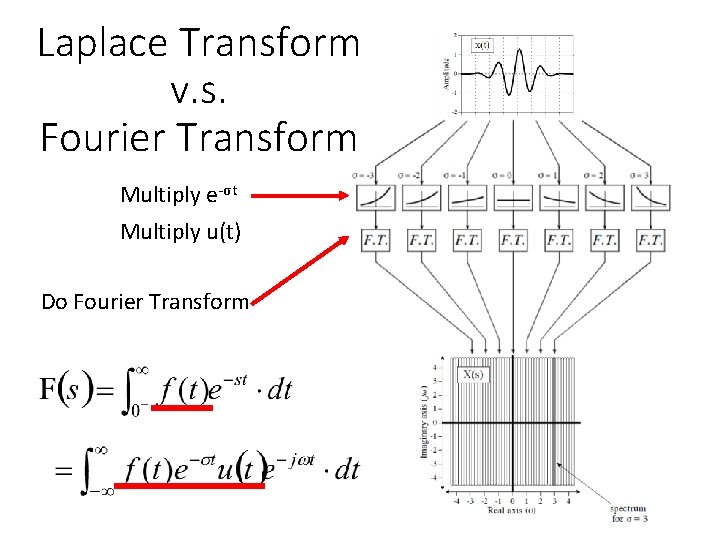
Laplace Transform v. s. Fourier Transform Multiply e-σt Multiply u(t) Do Fourier Transform
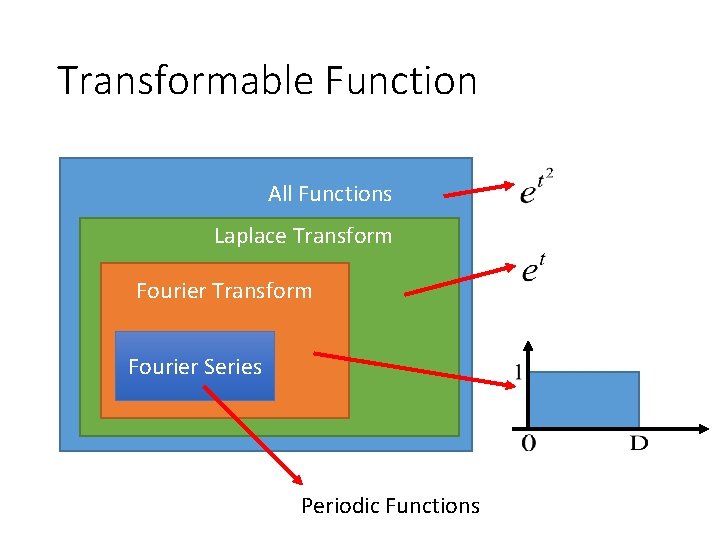
Transformable Function All Functions Laplace Transform Fourier Series Periodic Functions
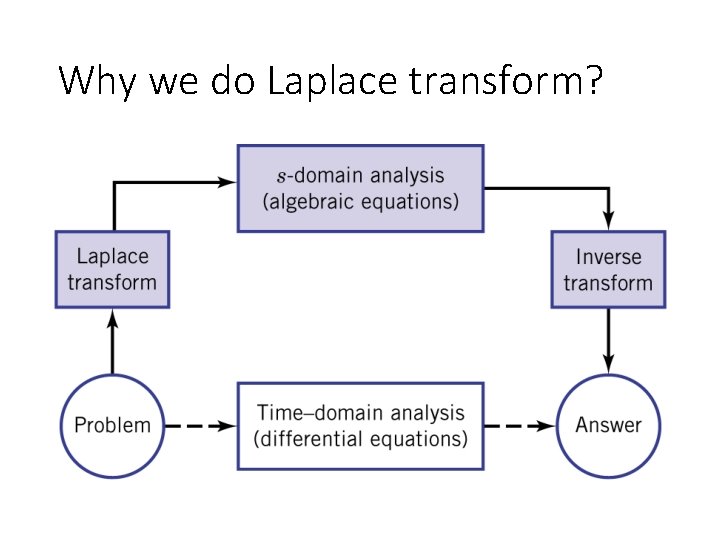
Why we do Laplace transform?
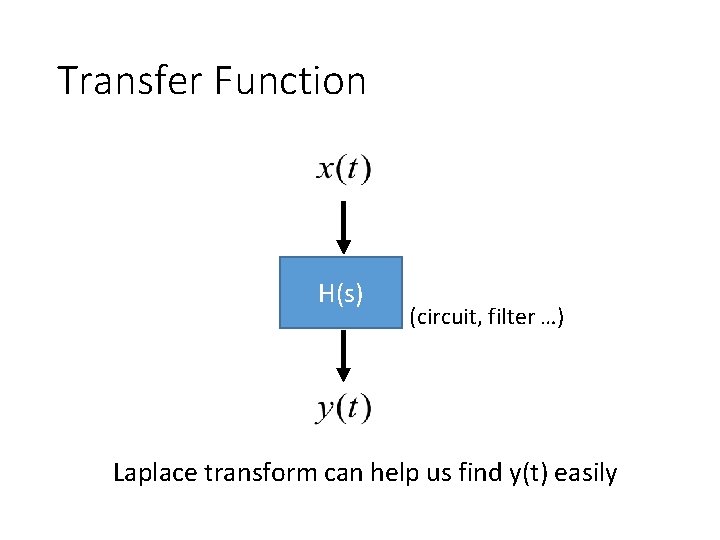
Transfer Function H(s) (circuit, filter …) Laplace transform can help us find y(t) easily
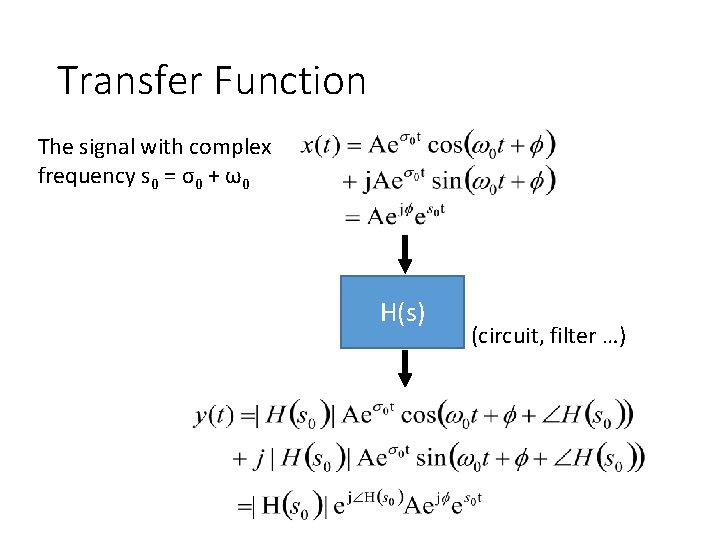
Transfer Function The signal with complex frequency s 0 = σ0 + ω0 H(s) (circuit, filter …)
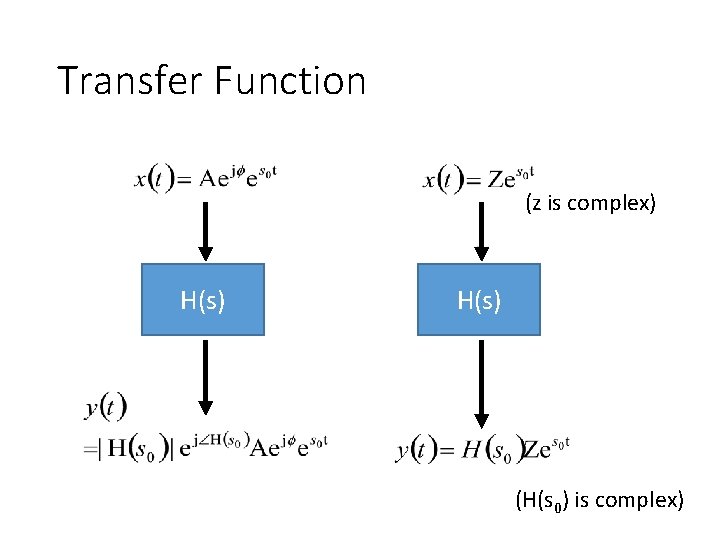
Transfer Function (z is complex) H(s) (H(s 0) is complex)

Transfer Function H(s) We do not know y(t), but we know its Laplace transform
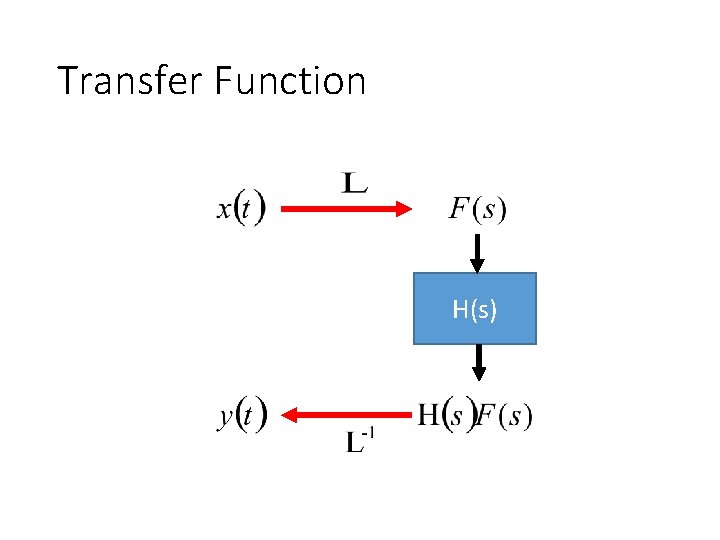
Transfer Function H(s)

Laplace Transform Pairs
![Laplace Transform Pairs (1/4) If Re[s]=σ>0 Time domain: 1 Time domain: u(t) t>0) (Only](http://slidetodoc.com/presentation_image_h/d7c9036fcd4a45c810726e71d3710b5b/image-24.jpg "Laplace Transform Pairs (1/4) If Re[s]=σ>0 Time domain: 1 Time domain: u(t) t>0) (Only")
Laplace Transform Pairs (1/4) If Re[s]=σ>0 Time domain: 1 Time domain: u(t) t>0) (Only consider s-domain: 1/s ROC: σ > 0 ROC
![Laplace Transform Pairs (2/4) If Re[a+s]=a+σ>0 Time domain: e-at s-domain: 1/(s+a) ROC: σ >](http://slidetodoc.com/presentation_image_h/d7c9036fcd4a45c810726e71d3710b5b/image-25.jpg "Laplace Transform Pairs (2/4) If Re[a+s]=a+σ>0 Time domain: e-at s-domain: 1/(s+a) ROC: σ >")
Laplace Transform Pairs (2/4) If Re[a+s]=a+σ>0 Time domain: e-at s-domain: 1/(s+a) ROC: σ > -a -a ROC
![Laplace Transform Pairs (3/4) If Re[s]=σ>0](http://slidetodoc.com/presentation_image_h/d7c9036fcd4a45c810726e71d3710b5b/image-26.jpg "Laplace Transform Pairs (3/4) If Re[s]=σ>0")
Laplace Transform Pairs (3/4) If Re[s]=σ>0
![Laplace Transform Pairs (4/4) If Re[s]=σ>0](http://slidetodoc.com/presentation_image_h/d7c9036fcd4a45c810726e71d3710b5b/image-27.jpg "Laplace Transform Pairs (4/4) If Re[s]=σ>0")
Laplace Transform Pairs (4/4) If Re[s]=σ>0
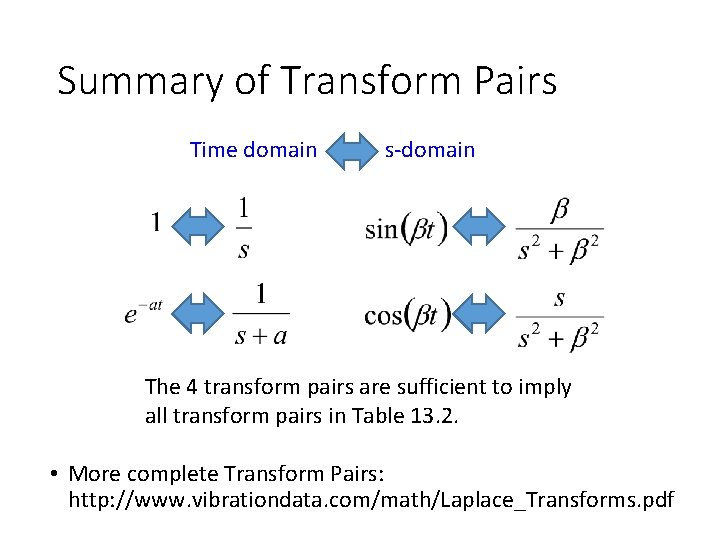
Summary of Transform Pairs Time domain s-domain The 4 transform pairs are sufficient to imply all transform pairs in Table 13. 2. • More complete Transform Pairs: http: //www. vibrationdata. com/math/Laplace_Transforms. pdf
![Note: Impulse function • What is L-1[1]? L-1[1]=δ(t) (impulse function, Dirac delta function)](http://slidetodoc.com/presentation_image_h/d7c9036fcd4a45c810726e71d3710b5b/image-29.jpg "Note: Impulse function • What is L-1[1]? L-1[1]=δ(t) (impulse function, Dirac delta function)")
Note: Impulse function • What is L-1[1]? L-1[1]=δ(t) (impulse function, Dirac delta function)
Laplace Transform Properties The six properties in Table 13. 1 (P 585)
![Property 1: Linear Combination • Let L[f(t)]=F(s) and L[g(t)]=G(s)](http://slidetodoc.com/presentation_image_h/d7c9036fcd4a45c810726e71d3710b5b/image-31.jpg "Property 1: Linear Combination • Let L[f(t)]=F(s) and L[g(t)]=G(s)")
Property 1: Linear Combination • Let L[f(t)]=F(s) and L[g(t)]=G(s)
![Property 2: Multiplication by e-at • Let L[f(t)]=F(s) Multiplication by e-at ROC -a ROC](http://slidetodoc.com/presentation_image_h/d7c9036fcd4a45c810726e71d3710b5b/image-32.jpg "Property 2: Multiplication by e-at • Let L[f(t)]=F(s) Multiplication by e-at ROC -a ROC")
Property 2: Multiplication by e-at • Let L[f(t)]=F(s) Multiplication by e-at ROC -a ROC
![Property 3: Multiplication by t • Let L[f(t)]=F(s)](http://slidetodoc.com/presentation_image_h/d7c9036fcd4a45c810726e71d3710b5b/image-33.jpg "Property 3: Multiplication by t • Let L[f(t)]=F(s)")
Property 3: Multiplication by t • Let L[f(t)]=F(s)
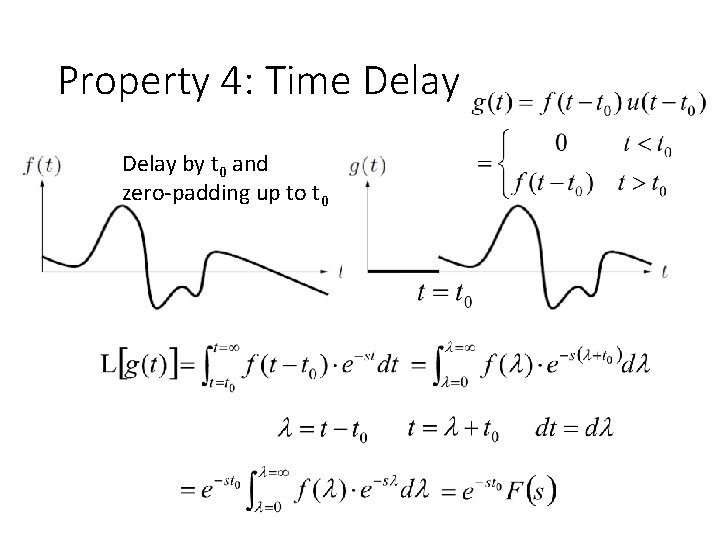
Property 4: Time Delay by t 0 and zero-padding up to t 0
![Property 5: Differentiation Integration by parts: • Let L[f(t)]=F(s) v’ v u u v](http://slidetodoc.com/presentation_image_h/d7c9036fcd4a45c810726e71d3710b5b/image-35.jpg "Property 5: Differentiation Integration by parts: • Let L[f(t)]=F(s) v’ v u u v")
Property 5: Differentiation Integration by parts: • Let L[f(t)]=F(s) v’ v u u v u’
![Property 5: Differentiation • Let L[f(t)]=F(s) Example](http://slidetodoc.com/presentation_image_h/d7c9036fcd4a45c810726e71d3710b5b/image-36.jpg "Property 5: Differentiation • Let L[f(t)]=F(s) Example")
Property 5: Differentiation • Let L[f(t)]=F(s) Example
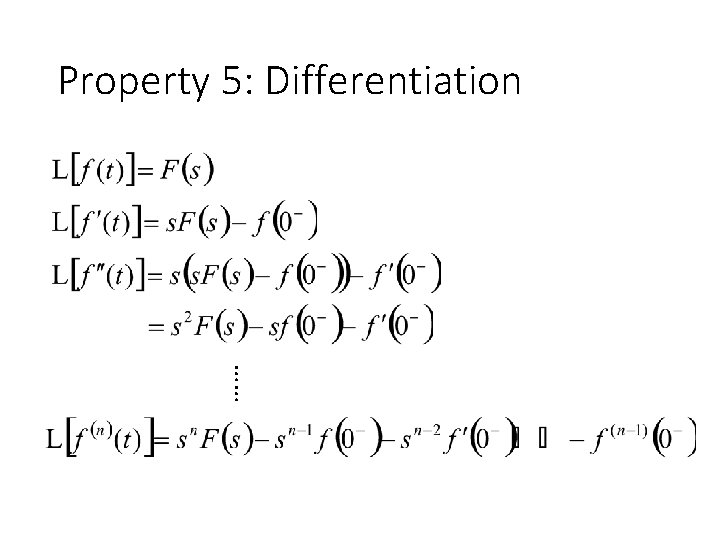
Property 5: Differentiation ……
![Property 6: Integration • Let L[f(t)]=F(s) (You can use integration by parts as in](http://slidetodoc.com/presentation_image_h/d7c9036fcd4a45c810726e71d3710b5b/image-38.jpg "Property 6: Integration • Let L[f(t)]=F(s) (You can use integration by parts as in")
Property 6: Integration • Let L[f(t)]=F(s) (You can use integration by parts as in P 584)
![Property 6: Integration • Let L[f(t)]=F(s)](http://slidetodoc.com/presentation_image_h/d7c9036fcd4a45c810726e71d3710b5b/image-39.jpg "Property 6: Integration • Let L[f(t)]=F(s)")
Property 6: Integration • Let L[f(t)]=F(s)
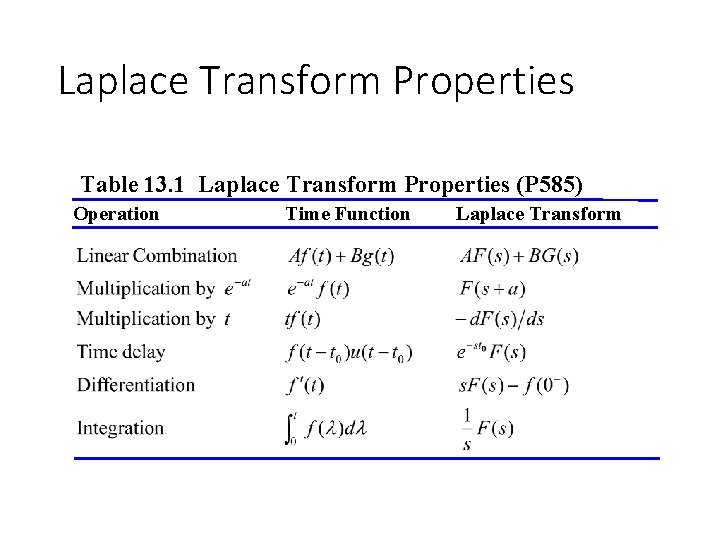
Laplace Transform Properties Table 13. 1 Laplace Transform Properties (P 585) Operation Time Function Laplace Transform

More properties (in Homework) n Time-scaling property n Integral of F(s) n Periodic function f(t)=0 outside 0<t<T …. .
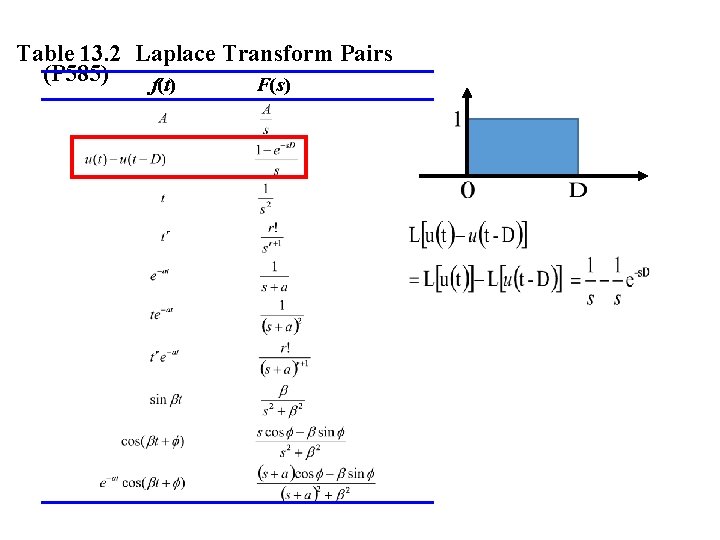
Table 13. 2 Laplace Transform Pairs (P 585) f(t) F(s)

Table 13. 2 Laplace Transform Pairs (P 585) f(t) F(s)
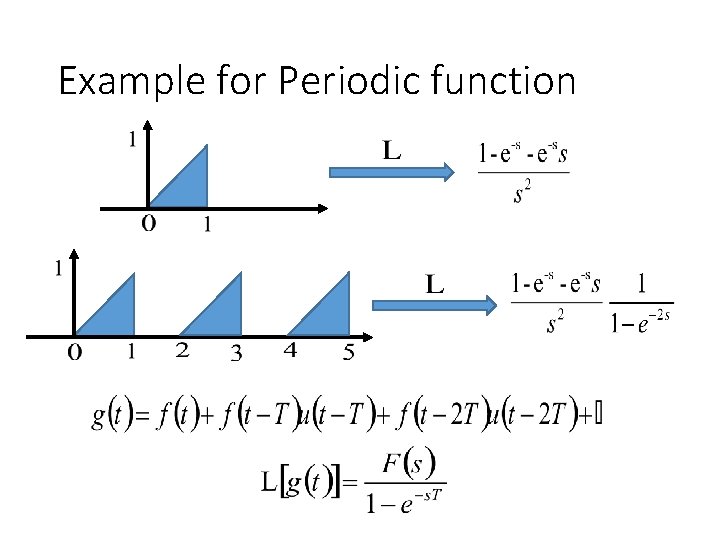
Example for Periodic function
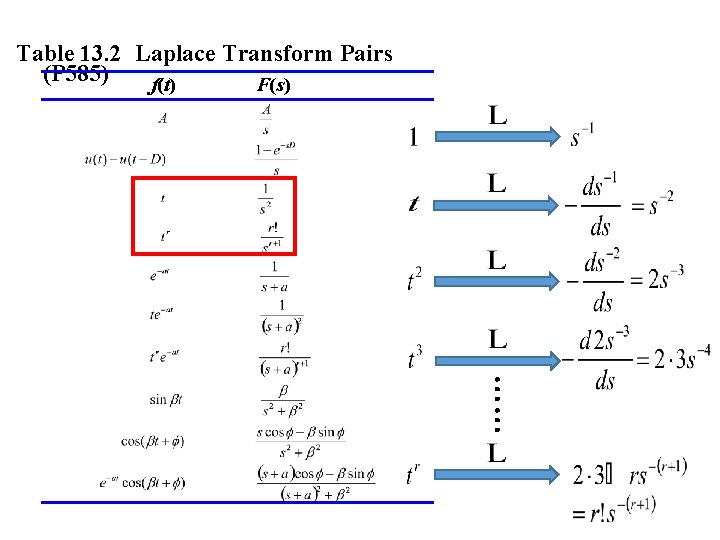
Table 13. 2 Laplace Transform Pairs (P 585) f(t) F(s) ……
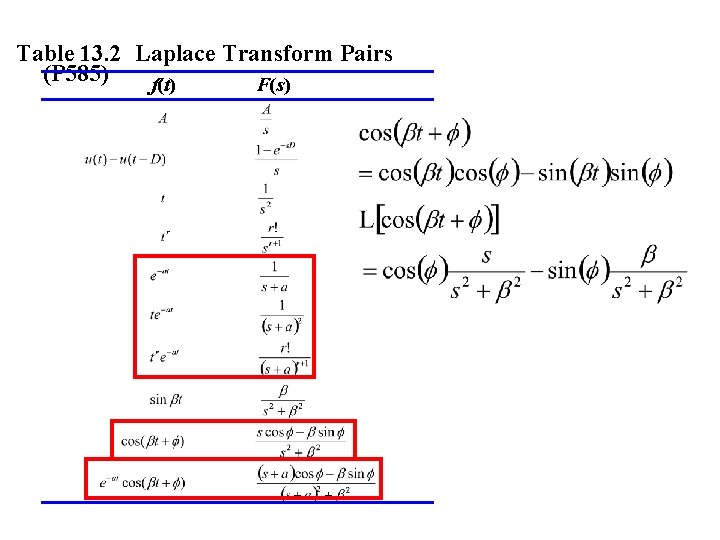
Table 13. 2 Laplace Transform Pairs (P 585) f(t) F(s)
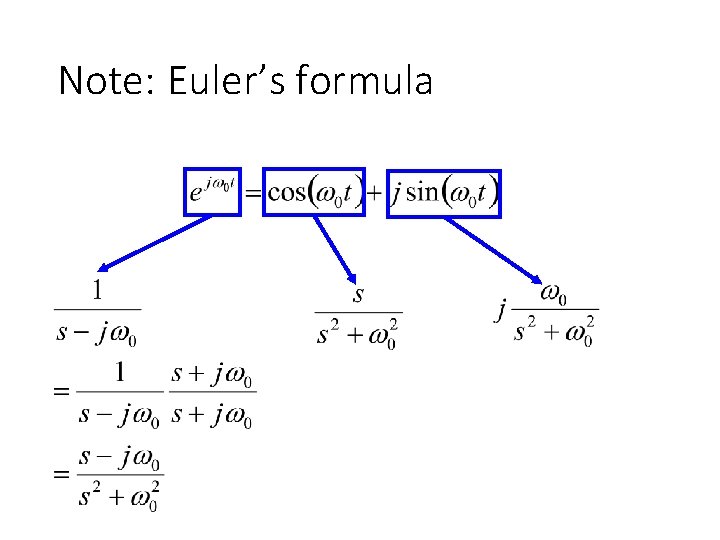
Note: Euler’s formula
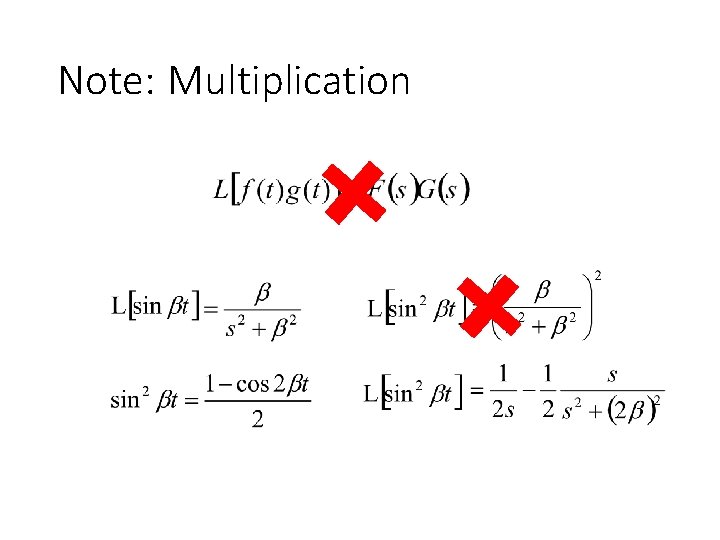
Note: Multiplication

Laplace Transform Inverse Laplace Transform
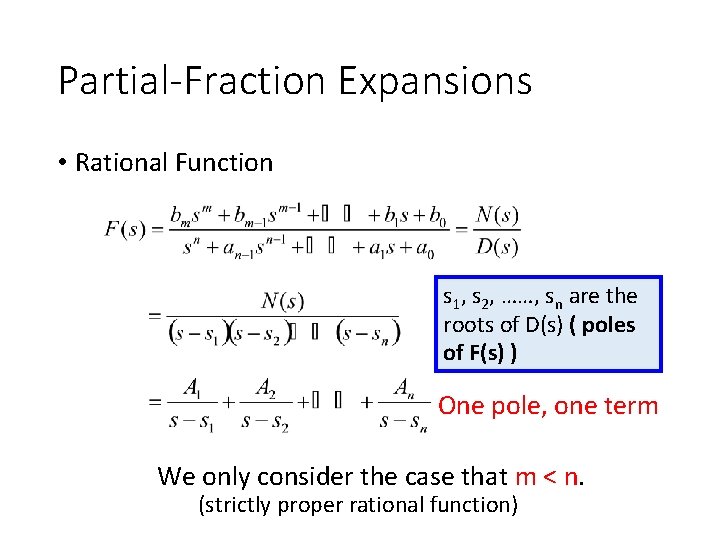
Partial-Fraction Expansions • Rational Function s 1, s 2, ……, sn are the roots of D(s) ( poles of F(s) ) One pole, one term We only consider the case that m < n. (strictly proper rational function)

Partial-Fraction Expansions • Rational Function If m = n δ(t) If m = n + 1 1 differentiate dδ(t)/dt …… multiply s s
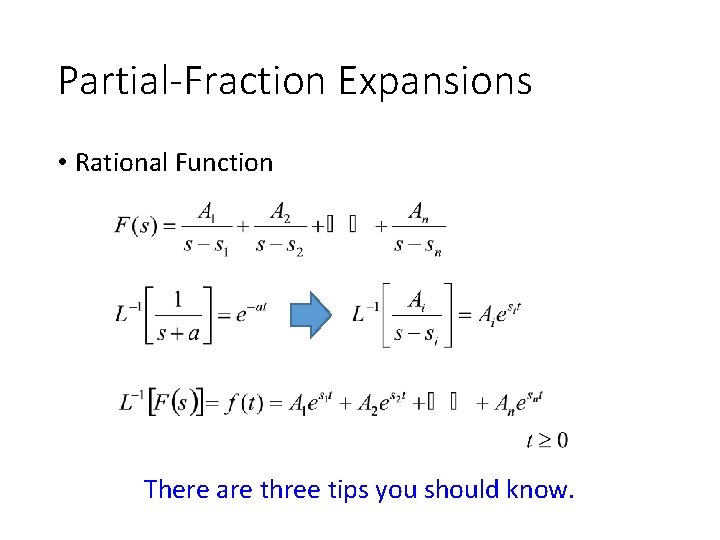
Partial-Fraction Expansions • Rational Function There are three tips you should know.
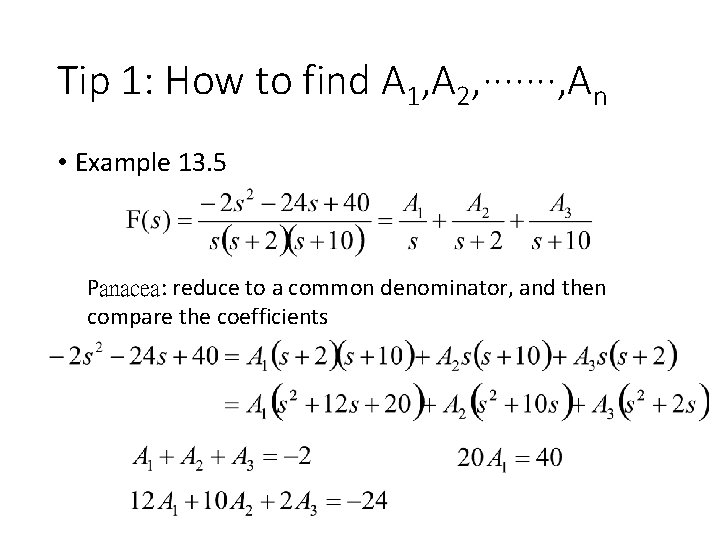
Tip 1: How to find A 1, A 2, ∙∙∙∙∙∙∙, An • Example 13. 5 Panacea: reduce to a common denominator, and then compare the coefficients
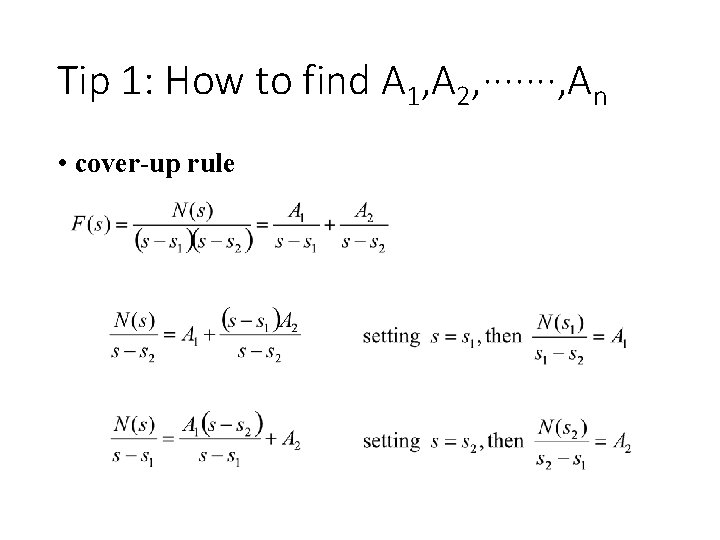
Tip 1: How to find A 1, A 2, ∙∙∙∙∙∙∙, An • cover-up rule
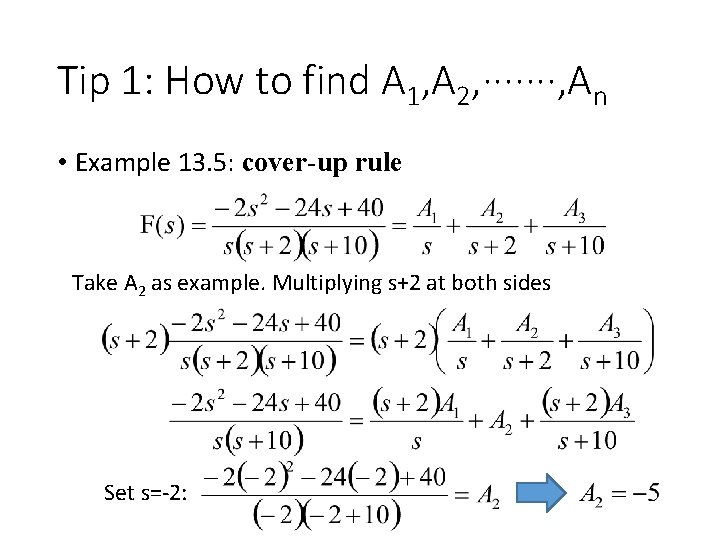
Tip 1: How to find A 1, A 2, ∙∙∙∙∙∙∙, An • Example 13. 5: cover-up rule Take A 2 as example. Multiplying s+2 at both sides Set s=-2:
![Tip 2: For Complex Poles • Example 13. 6: Find f(t) = L-1[F(s)] It](http://slidetodoc.com/presentation_image_h/d7c9036fcd4a45c810726e71d3710b5b/image-56.jpg "Tip 2: For Complex Poles • Example 13. 6: Find f(t) = L-1[F(s)] It")
Tip 2: For Complex Poles • Example 13. 6: Find f(t) = L-1[F(s)] It is not easy to find A 21 and A 22. Set s=-3+j 4 to find A 21…….
![Tip 2: For Complex Poles • Example 13. 6: Find f(t) = L-1[F(s)] Do](http://slidetodoc.com/presentation_image_h/d7c9036fcd4a45c810726e71d3710b5b/image-57.jpg "Tip 2: For Complex Poles • Example 13. 6: Find f(t) = L-1[F(s)] Do")
Tip 2: For Complex Poles • Example 13. 6: Find f(t) = L-1[F(s)] Do not split the complex poles Find B and C
![Tip 2: For Complex Poles • Example 13. 6: Find f(t) = L-1[F(s)] Do](http://slidetodoc.com/presentation_image_h/d7c9036fcd4a45c810726e71d3710b5b/image-58.jpg "Tip 2: For Complex Poles • Example 13. 6: Find f(t) = L-1[F(s)] Do")
Tip 2: For Complex Poles • Example 13. 6: Find f(t) = L-1[F(s)] Do not split the complex poles Find B and C (another approach)
![Tip 2: For Complex Poles • Example 13. 6: Find f(t) = L-1[F(s)] Find](http://slidetodoc.com/presentation_image_h/d7c9036fcd4a45c810726e71d3710b5b/image-59.jpg "Tip 2: For Complex Poles • Example 13. 6: Find f(t) = L-1[F(s)] Find")
Tip 2: For Complex Poles • Example 13. 6: Find f(t) = L-1[F(s)] Find (Refer to P 593)
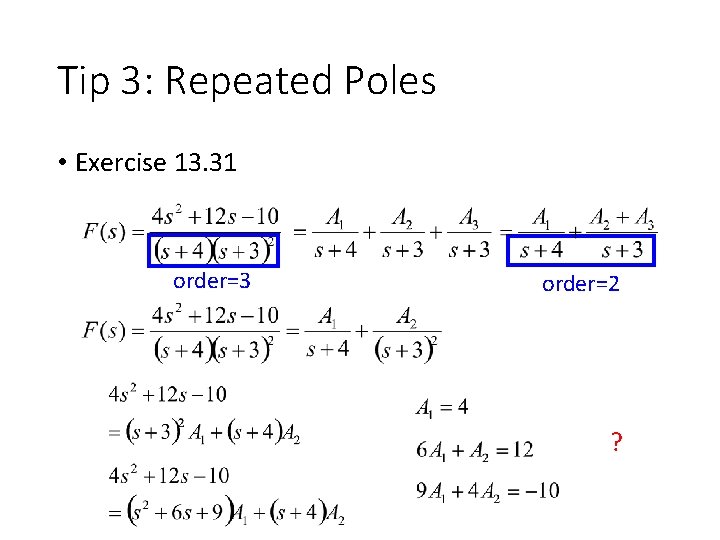
Tip 3: Repeated Poles • Exercise 13. 31 order=3 order=2 ?
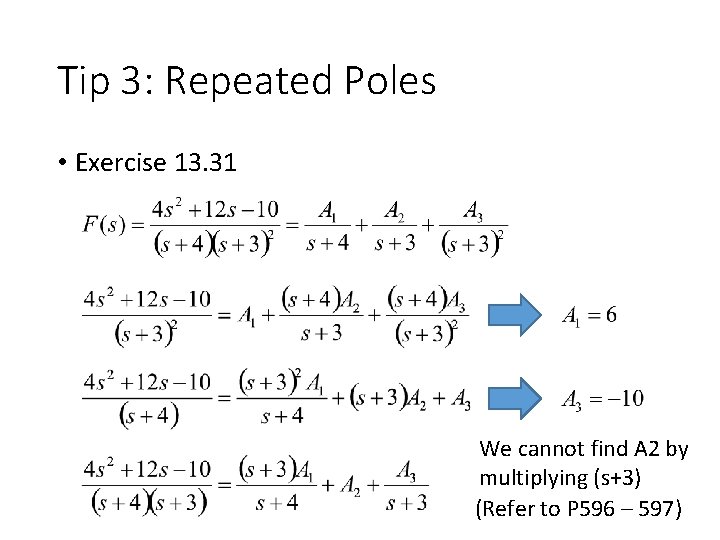
Tip 3: Repeated Poles • Exercise 13. 31 We cannot find A 2 by multiplying (s+3) (Refer to P 596 – 597)
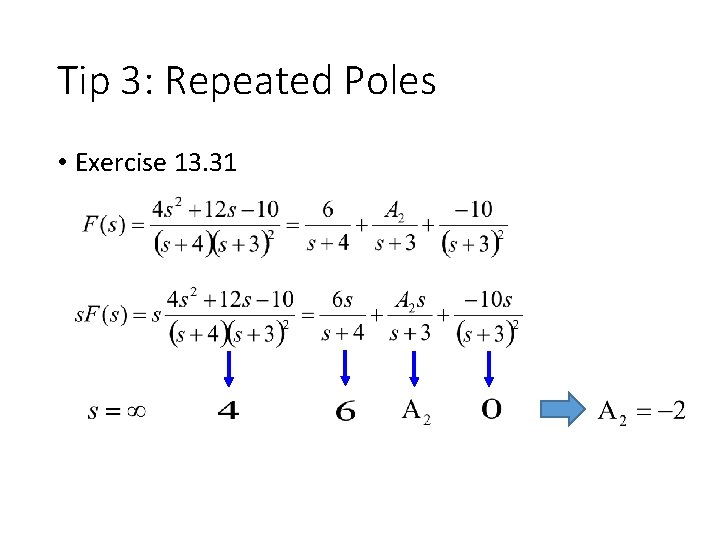
Tip 3: Repeated Poles • Exercise 13. 31
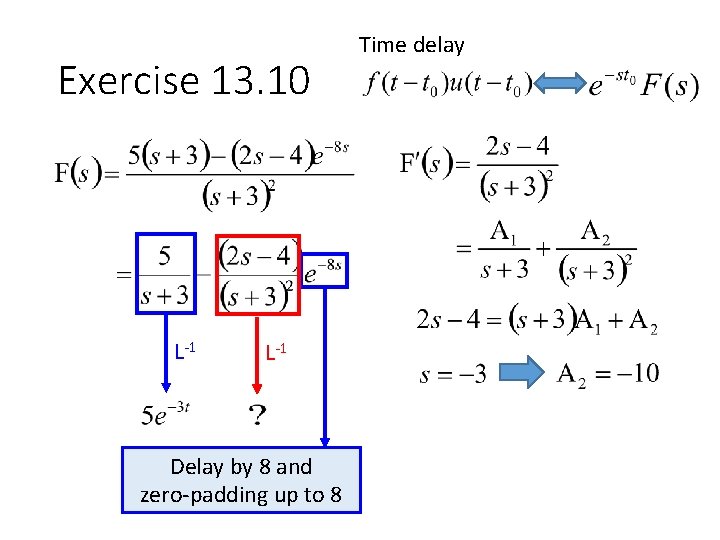
Exercise 13. 10 L-1 Delay by 8 and zero-padding up to 8 Time delay
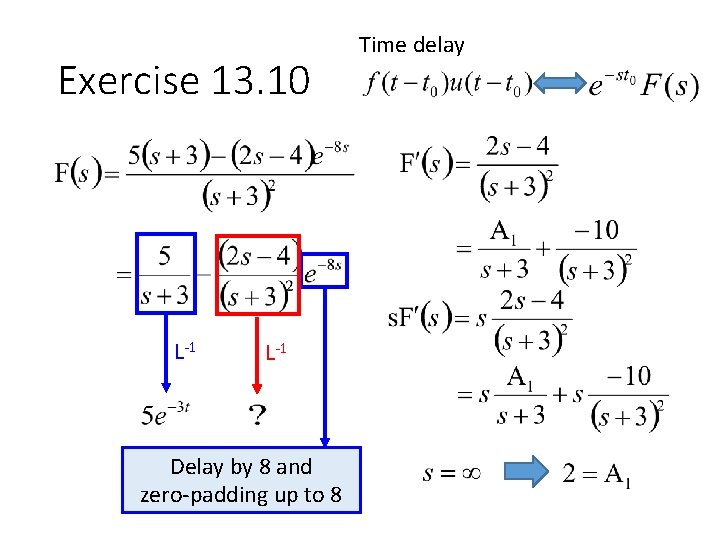
Exercise 13. 10 L-1 Delay by 8 and zero-padding up to 8 Time delay
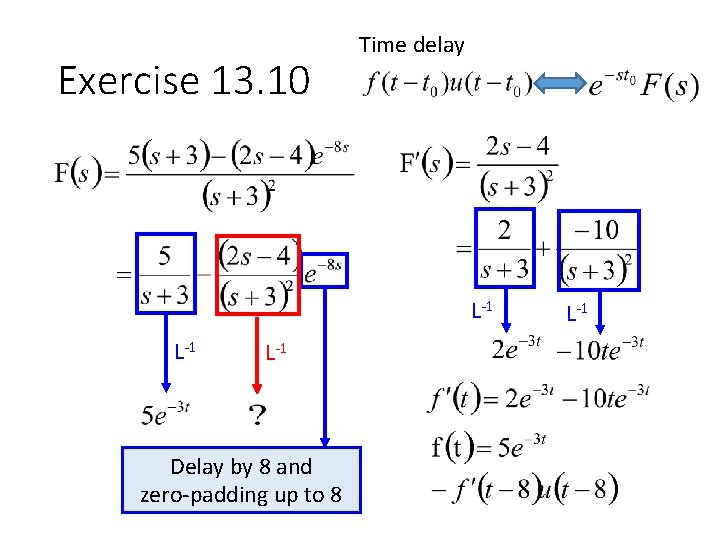
Exercise 13. 10 Time delay L-1 L-1 Delay by 8 and zero-padding up to 8 L-1
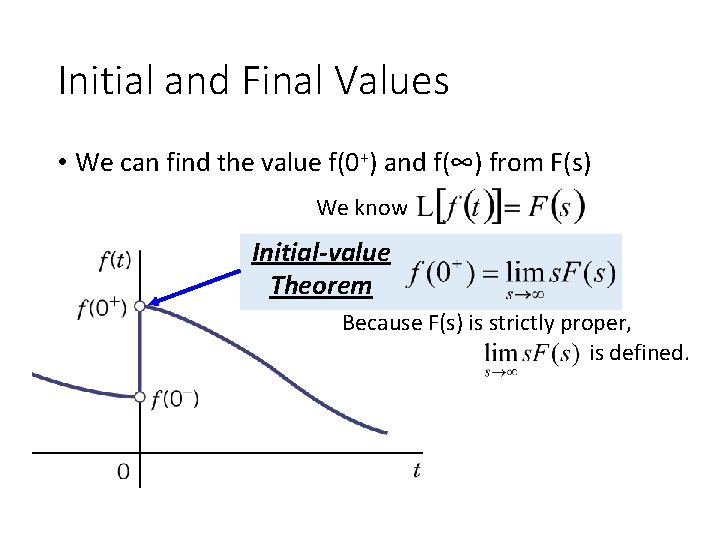
Initial and Final Values • We can find the value f(0+) and f(∞) from F(s) We know Initial-value Theorem Because F(s) is strictly proper, is defined.
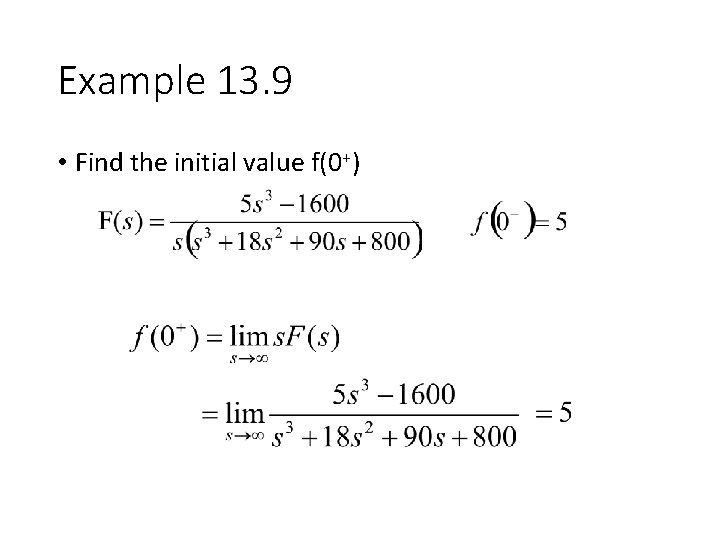
Example 13. 9 • Find the initial value f(0+)
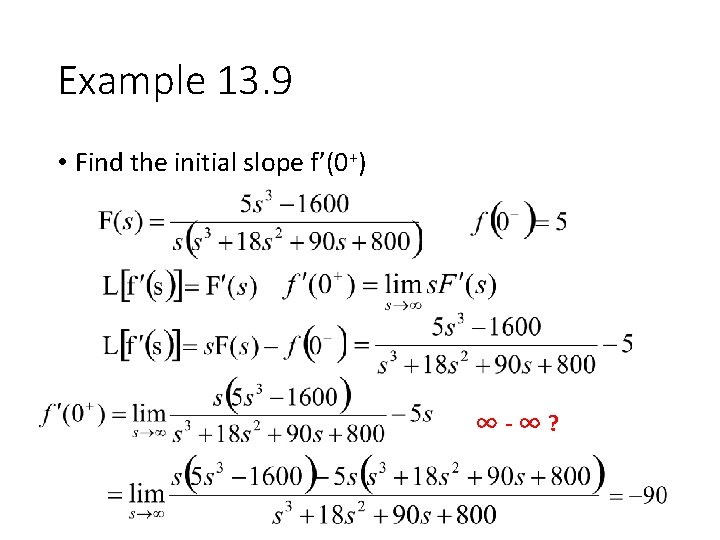
Example 13. 9 • Find the initial slope f’(0+) ∞-∞?
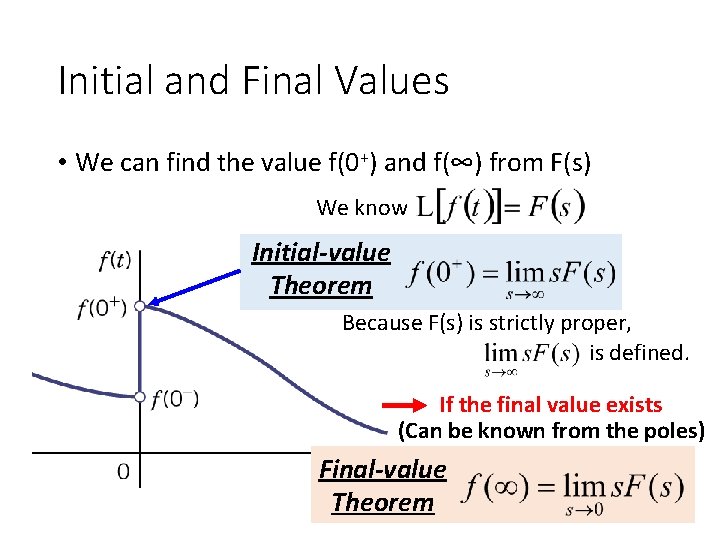
Initial and Final Values • We can find the value f(0+) and f(∞) from F(s) We know Initial-value Theorem Because F(s) is strictly proper, is defined. If the final value exists (Can be known from the poles) Final-value Theorem
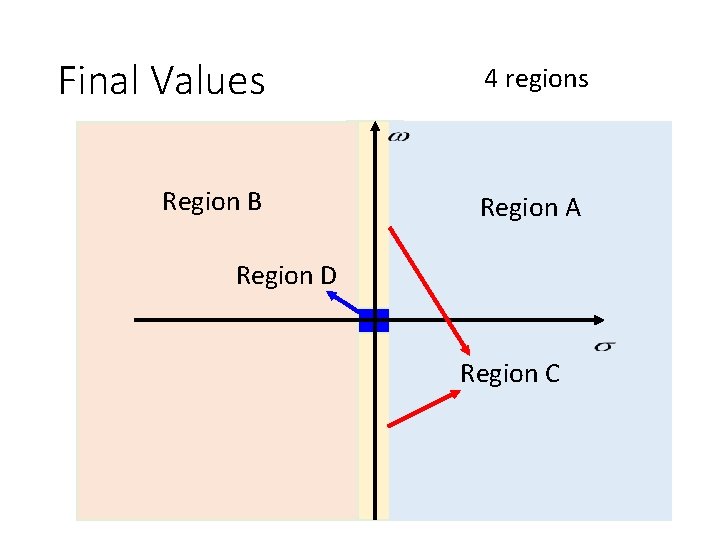
Final Values 4 regions Region B Region A Region D Region C
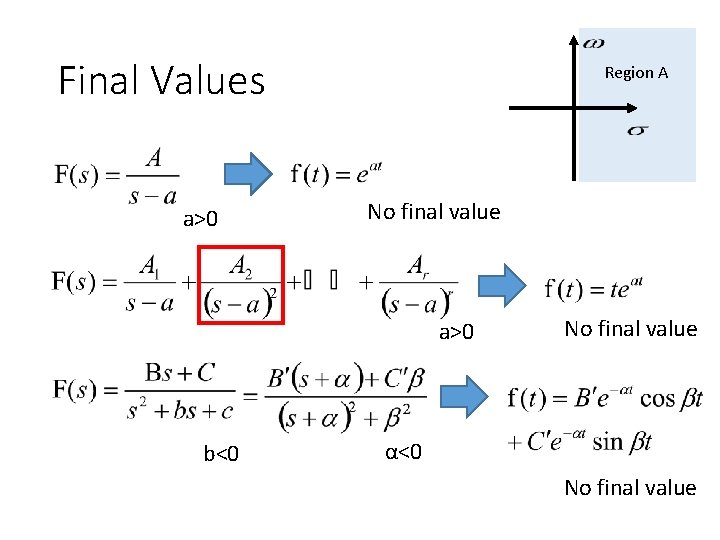
Final Values a>0 Region A No final value a>0 b<0 No final value α<0 No final value
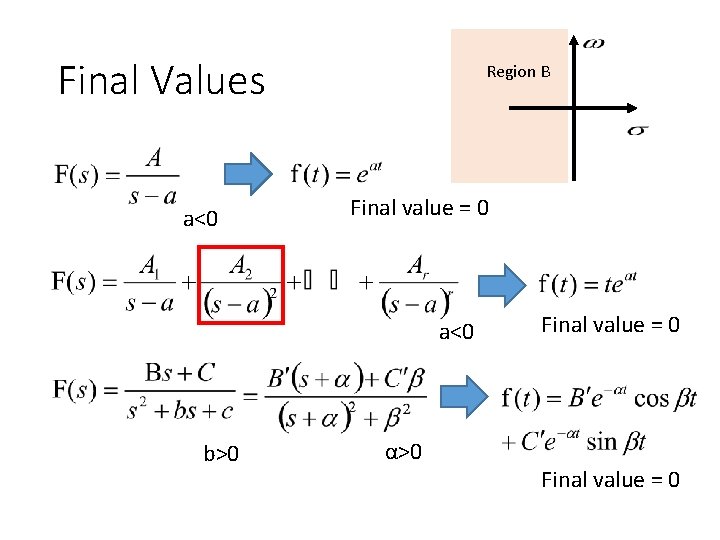
Final Values a<0 Region B Final value = 0 a<0 b>0 α>0 Final value = 0
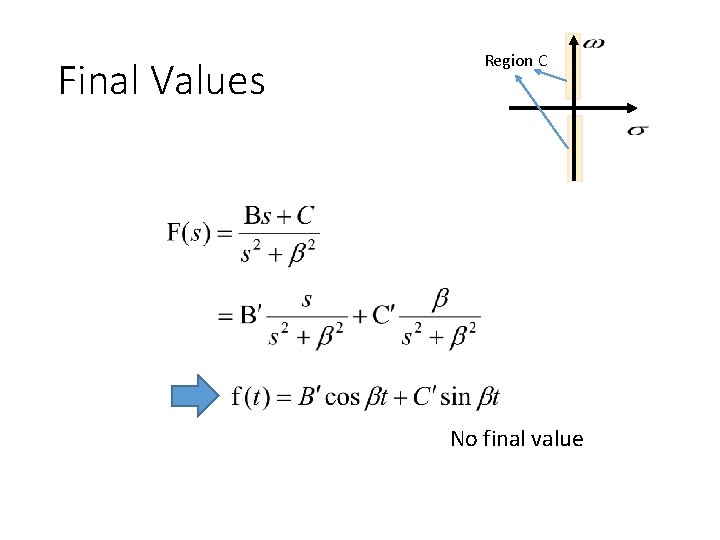
Final Values Region C No final value
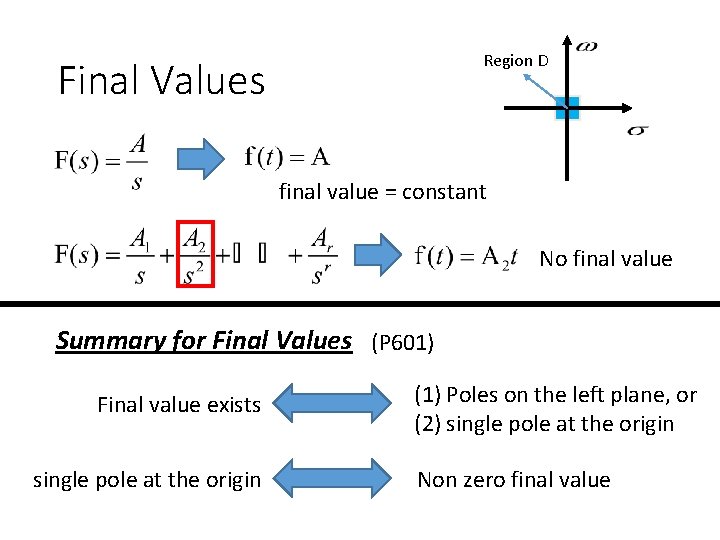
Region D Final Values final value = constant No final value Summary for Final Values (P 601) Final value exists single pole at the origin (1) Poles on the left plane, or (2) single pole at the origin Non zero final value
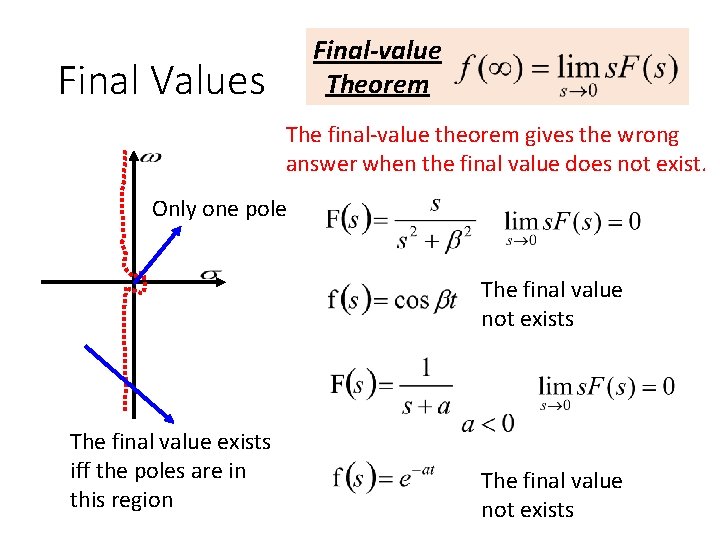
Final-value Theorem Final Values The final-value theorem gives the wrong answer when the final value does not exist. Only one pole The final value not exists The final value exists iff the poles are in this region The final value not exists
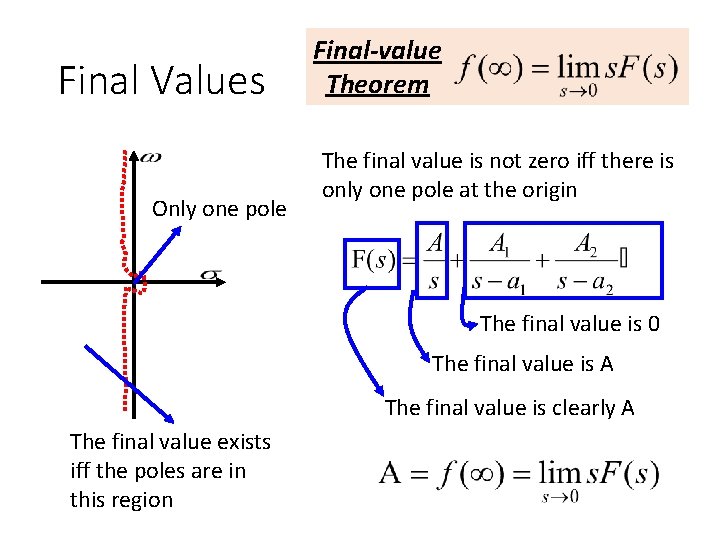
Final Values Only one pole Final-value Theorem The final value is not zero iff there is only one pole at the origin The final value is 0 The final value is A The final value is clearly A The final value exists iff the poles are in this region
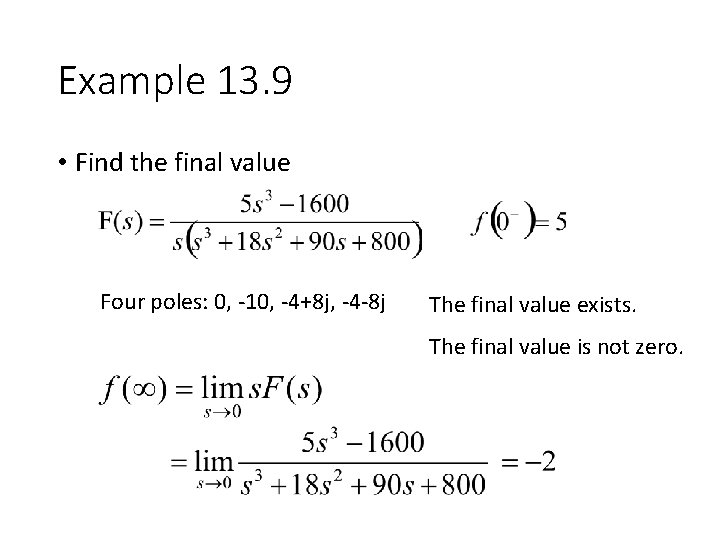
Example 13. 9 • Find the final value Four poles: 0, -10, -4+8 j, -4 -8 j The final value exists. The final value is not zero.

Laplace Transform Application
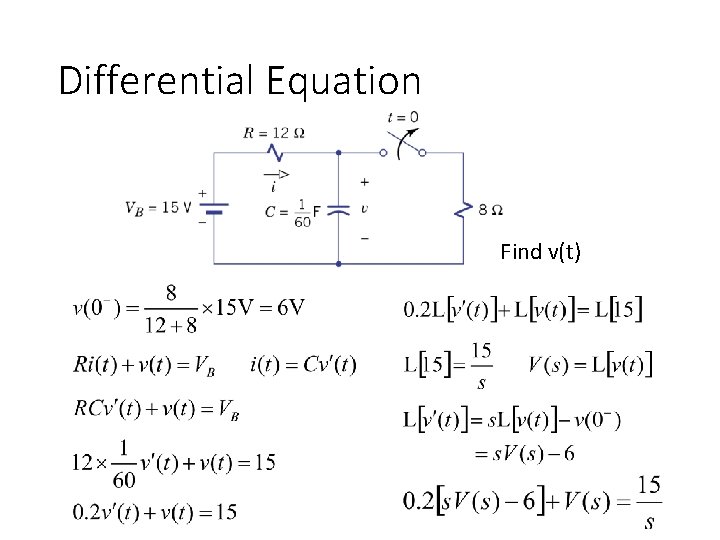
Differential Equation Find v(t)
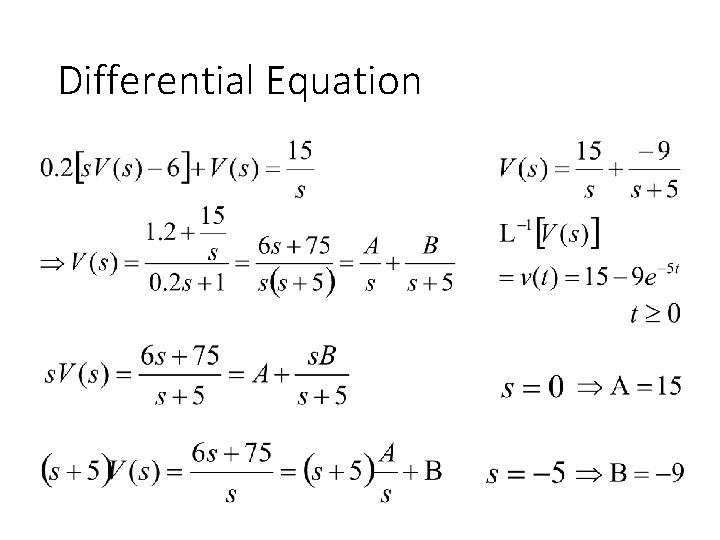
Differential Equation
Homework • 13. 6, 13. 9, 13. 10, 13. 16, 13. 25, 13. 28, 13. 35, 13. 38. 13. 46

Thank you!
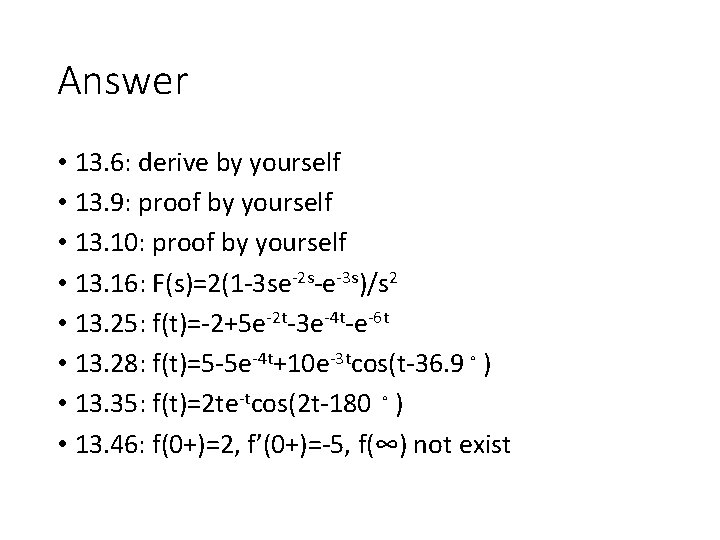
Answer • 13. 6: derive by yourself • 13. 9: proof by yourself • 13. 10: proof by yourself • 13. 16: F(s)=2(1 -3 se-2 s-e-3 s)/s 2 • 13. 25: f(t)=-2+5 e-2 t-3 e-4 t-e-6 t • 13. 28: f(t)=5 -5 e-4 t+10 e-3 tcos(t-36. 9。) • 13. 35: f(t)=2 te-tcos(2 t-180 。) • 13. 46: f(0+)=2, f’(0+)=-5, f(∞) not exist
Appendix
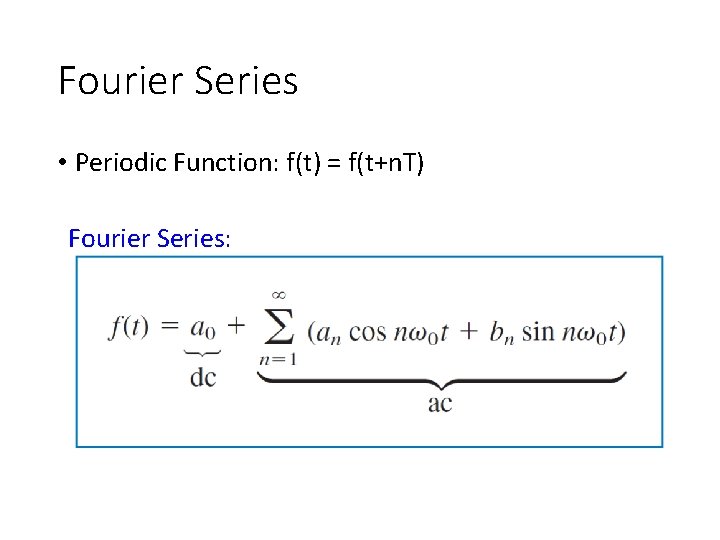
Fourier Series • Periodic Function: f(t) = f(t+n. T) Fourier Series:
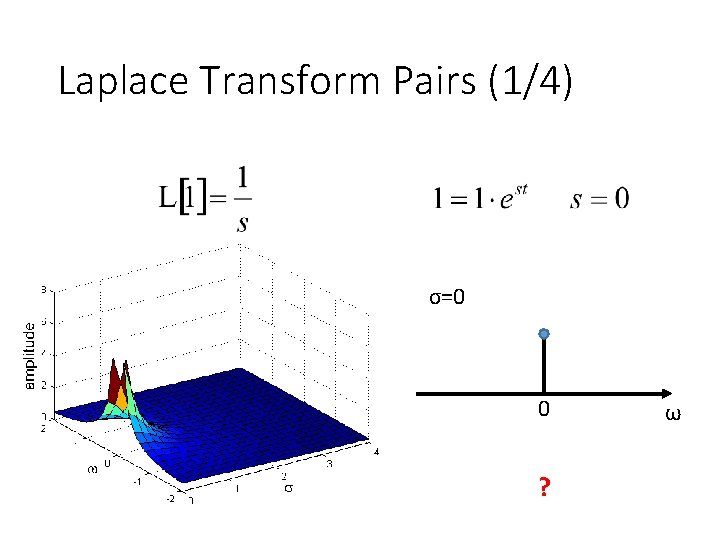
Laplace Transform Pairs (1/4) σ=0 0 ? ω
- Slides: 86