
Lecture 2 Stars Hubble sequence Galaxy classification Photometry
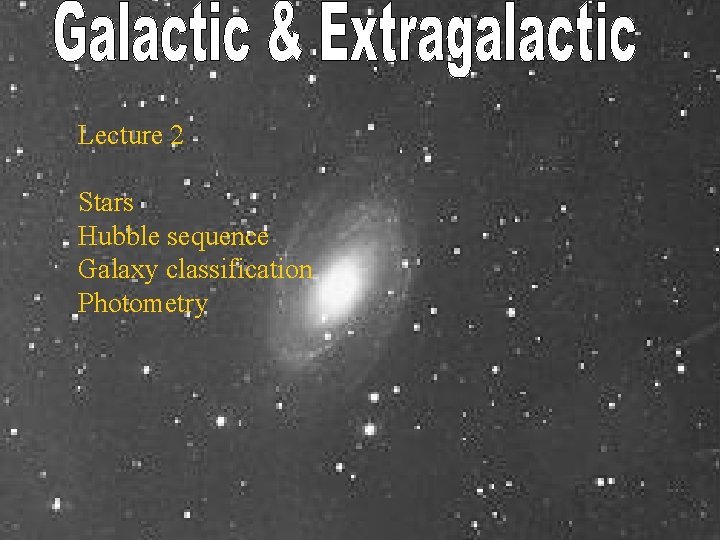
Lecture 2 Stars Hubble sequence Galaxy classification Photometry
The role of star formation
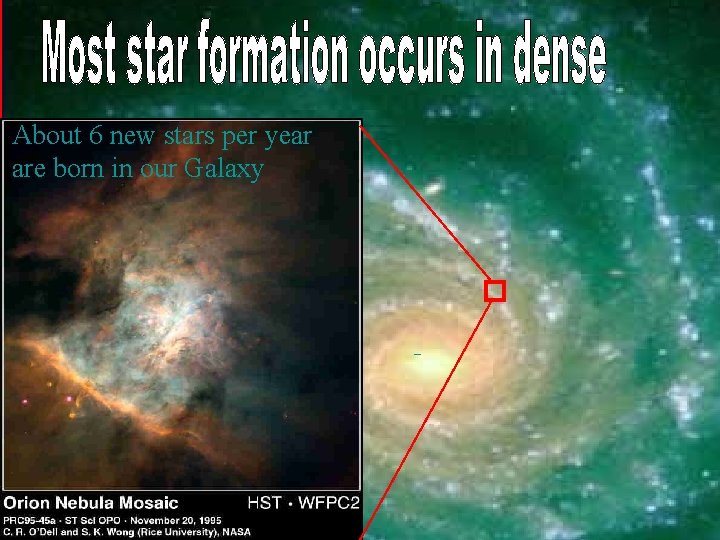
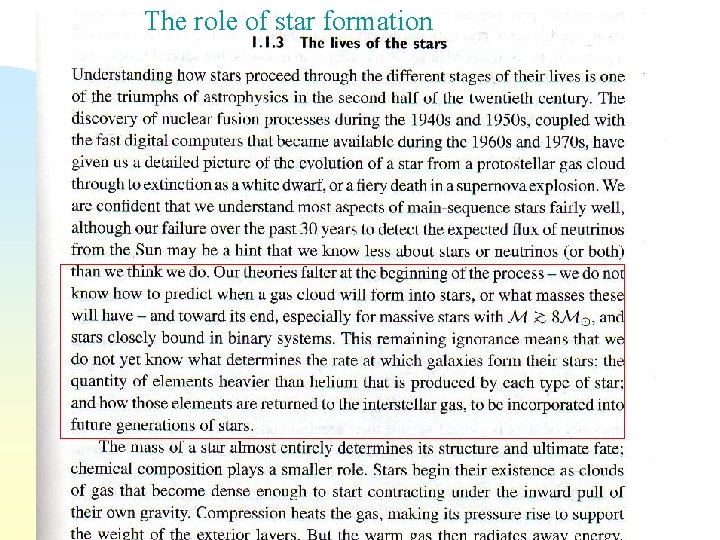
About 6 new stars per year are born in our Galaxy
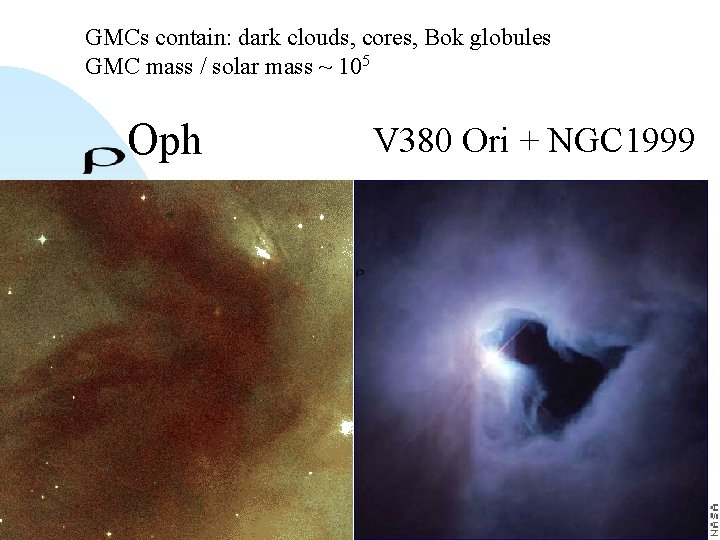
GMCs contain: dark clouds, cores, Bok globules GMC mass / solar mass ~ 105 Oph V 380 Ori + NGC 1999
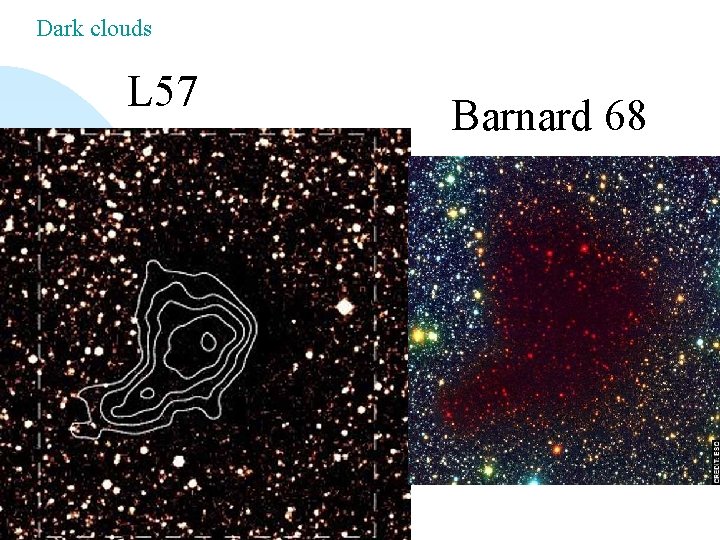
Dark clouds L 57 Barnard 68
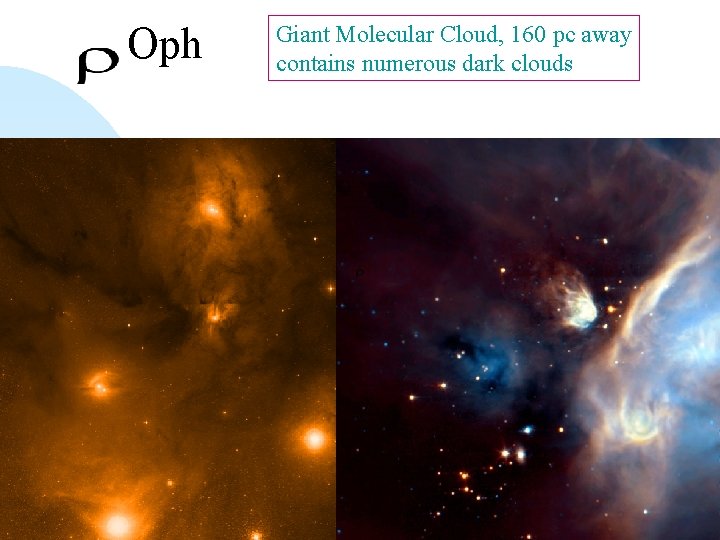
Oph Giant Molecular Cloud, 160 pc away contains numerous dark clouds
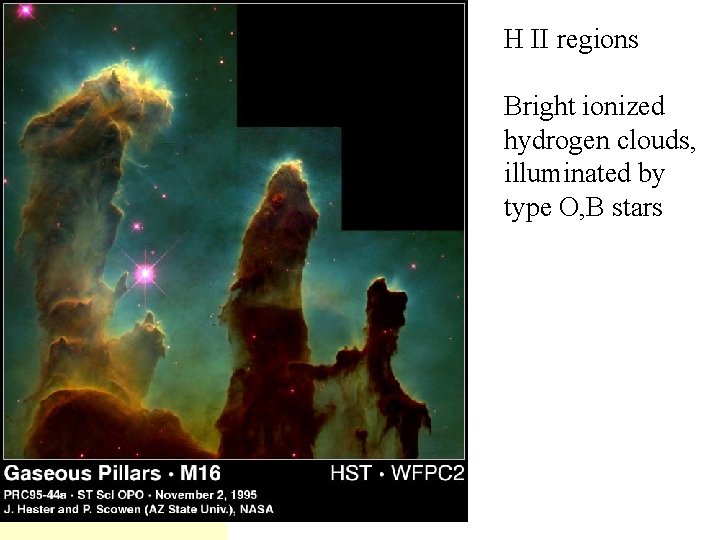
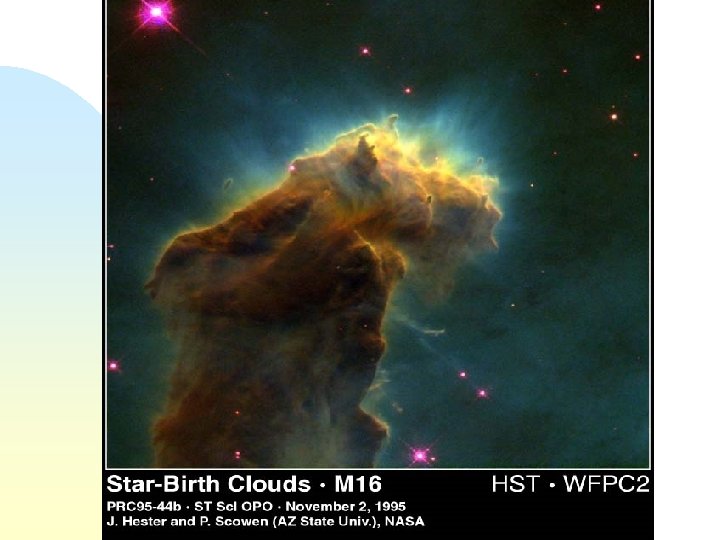
H II regions Bright ionized hydrogen clouds, illuminated by type O, B stars
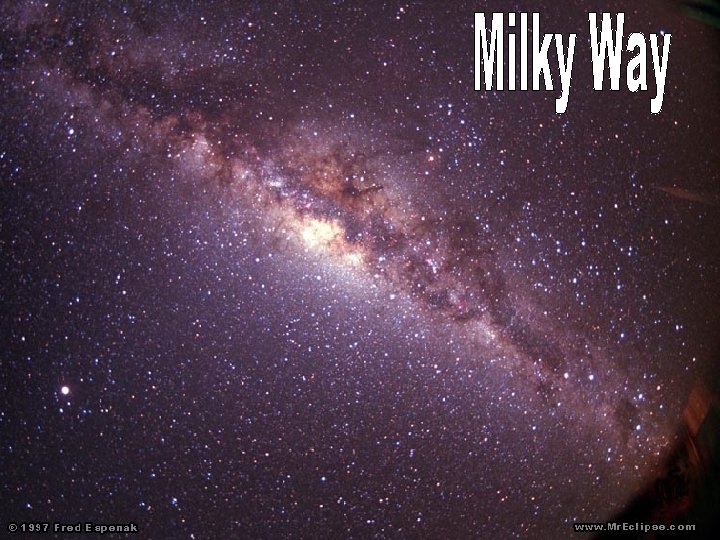
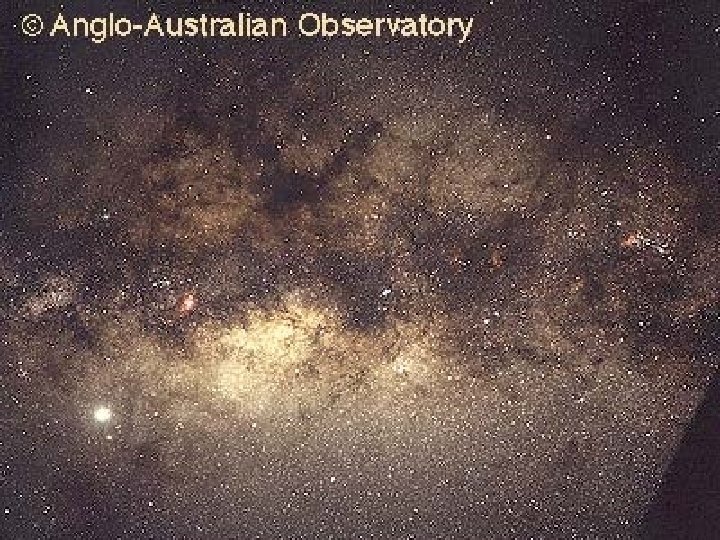
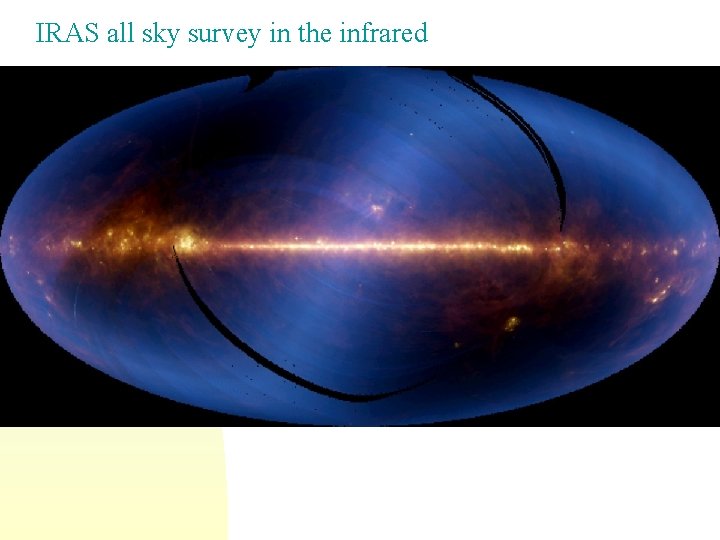
IRAS all sky survey in the infrared
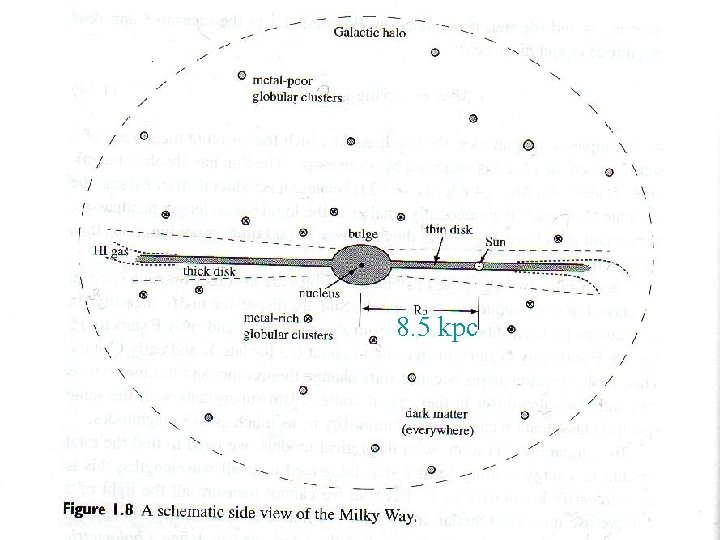
8. 5 kpc
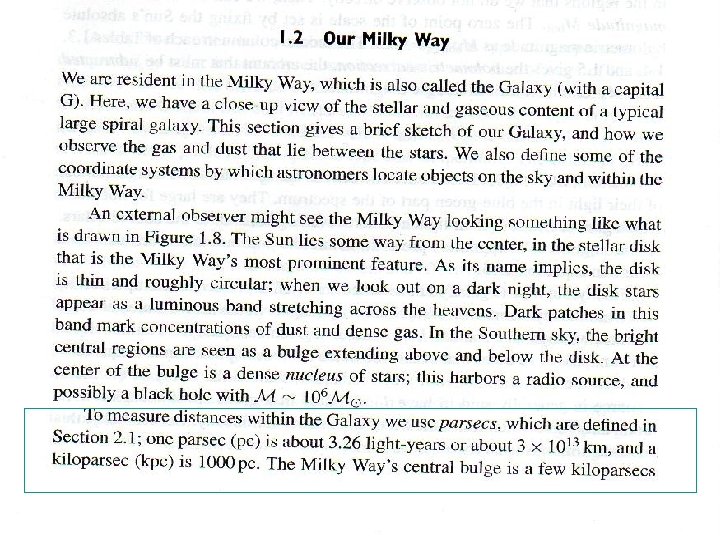
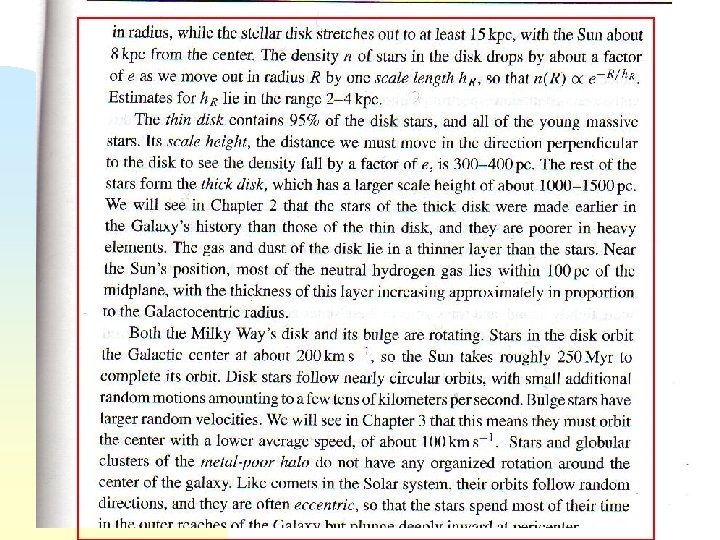
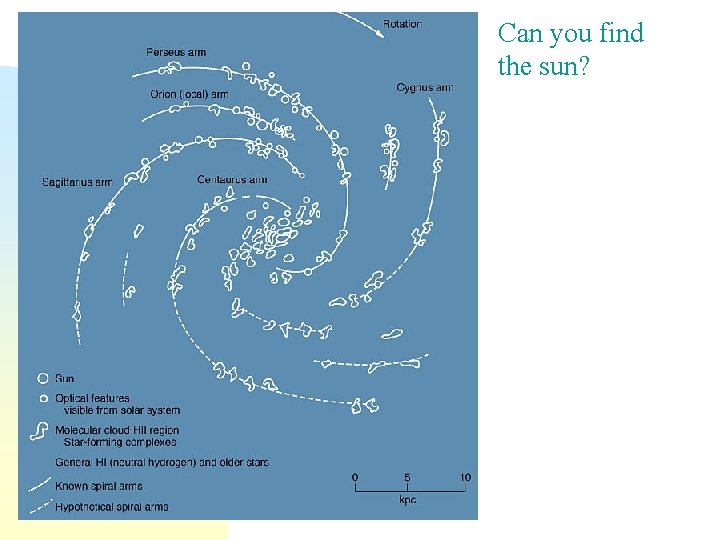
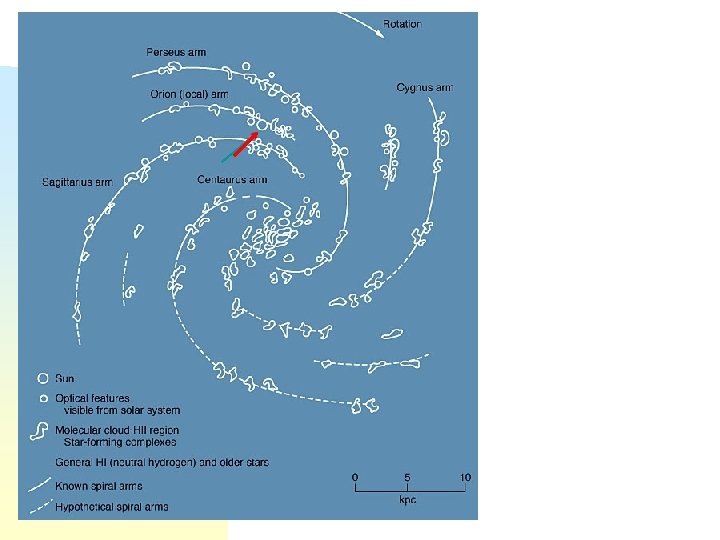
Can you find the sun?
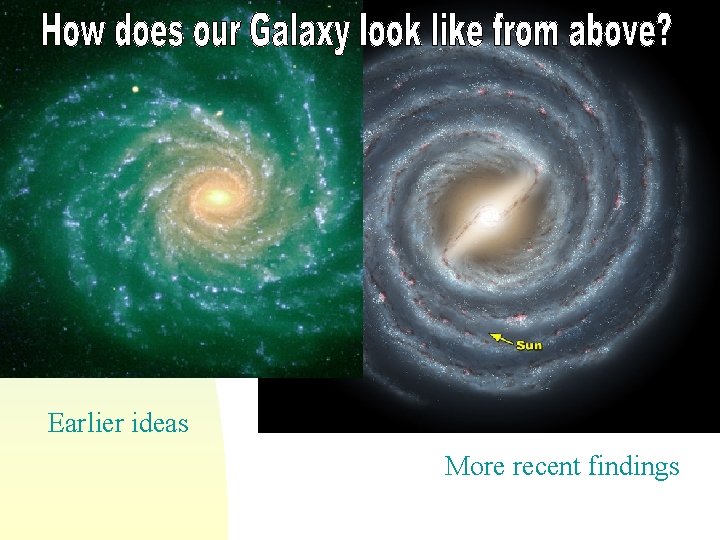
Earlier ideas More recent findings
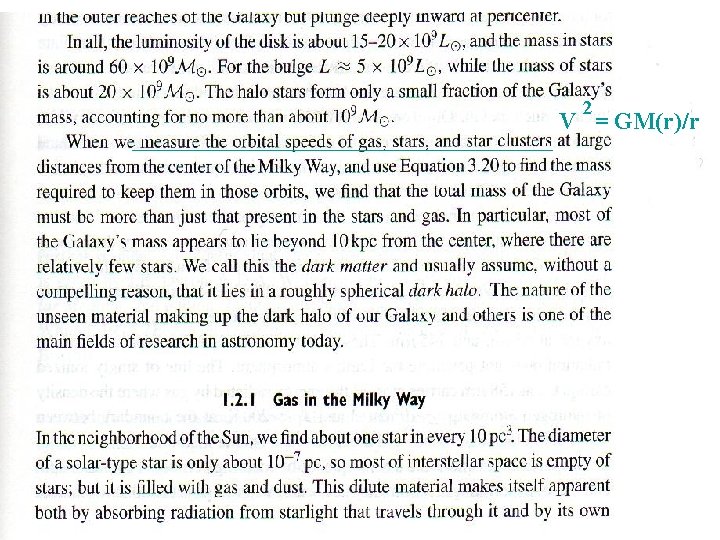
2 V = GM(r)/r
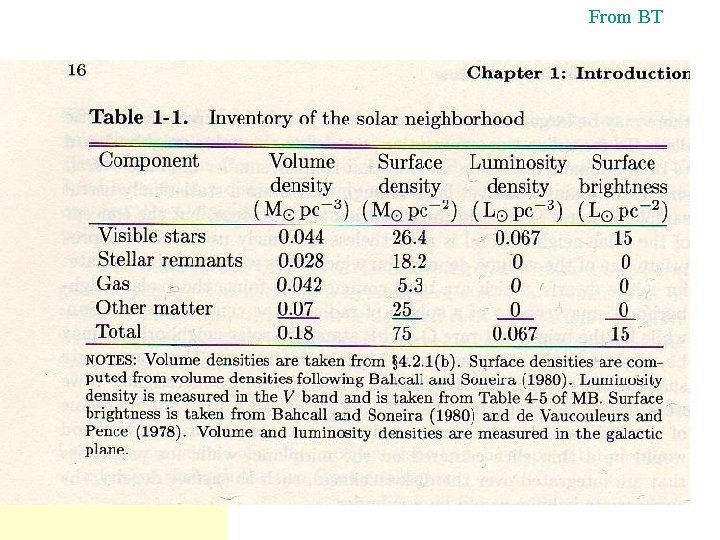
From BT
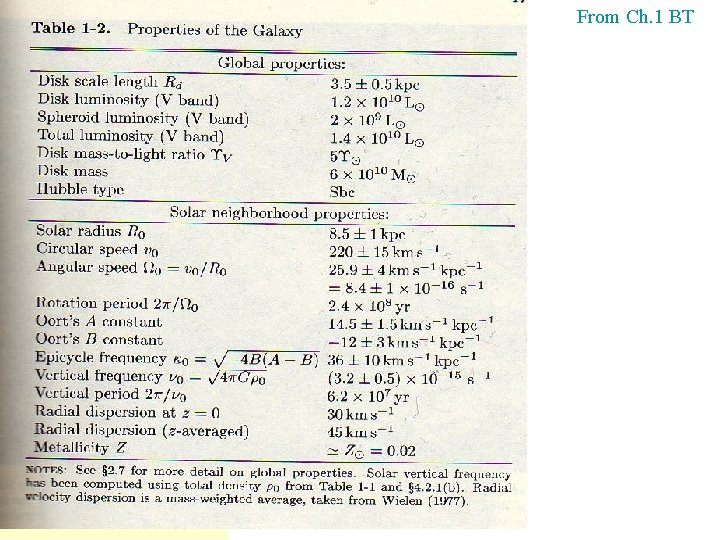
From Ch. 1 BT
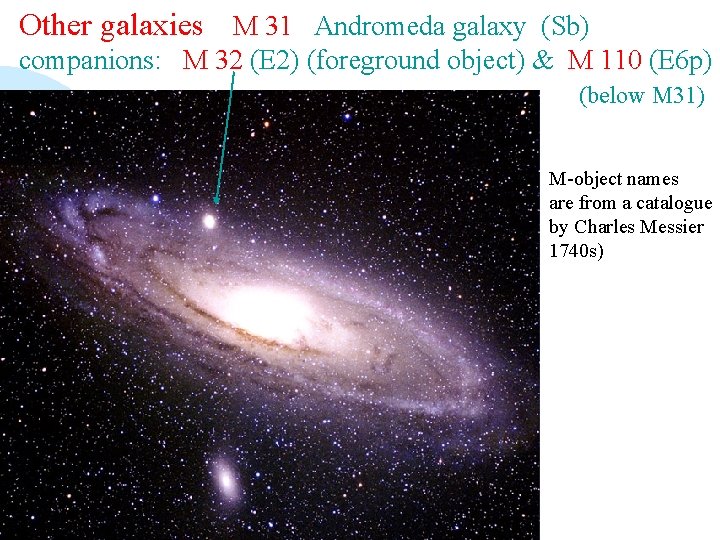
Other galaxies M 31 Andromeda galaxy (Sb) companions: M 32 (E 2) (foreground object) & M 110 (E 6 p) (below M 31) M-object names are from a catalogue by Charles Messier 1740 s)
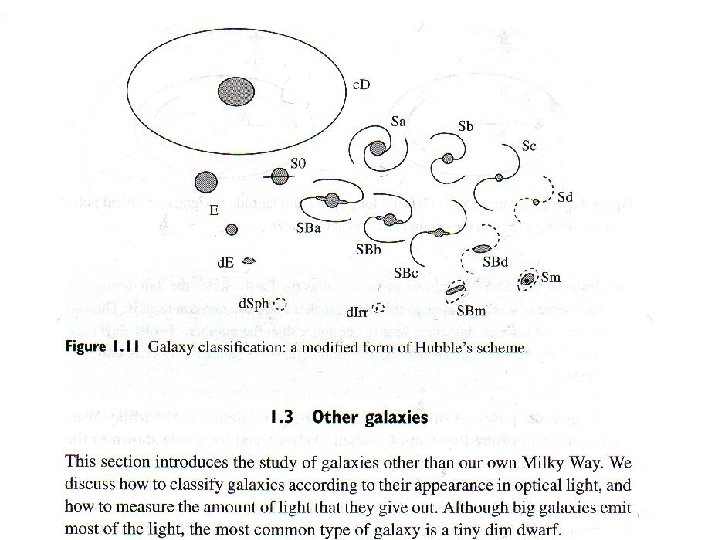
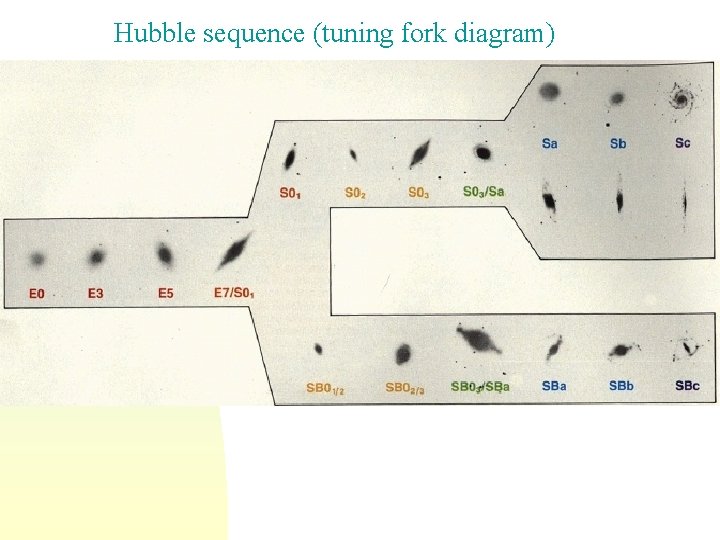
Hubble sequence (tuning fork diagram)
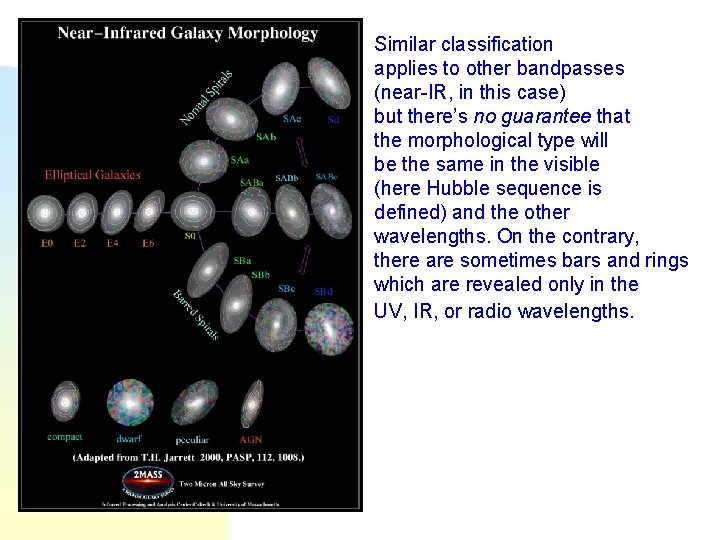
Similar classification applies to other bandpasses (near-IR, in this case) but there’s no guarantee that the morphological type will be the same in the visible (here Hubble sequence is defined) and the other wavelengths. On the contrary, there are sometimes bars and rings which are revealed only in the UV, IR, or radio wavelengths.
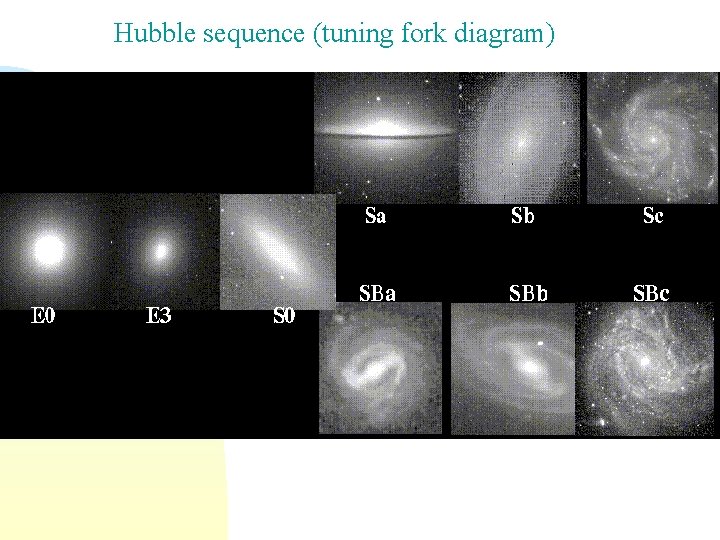
Hubble sequence (tuning fork diagram)
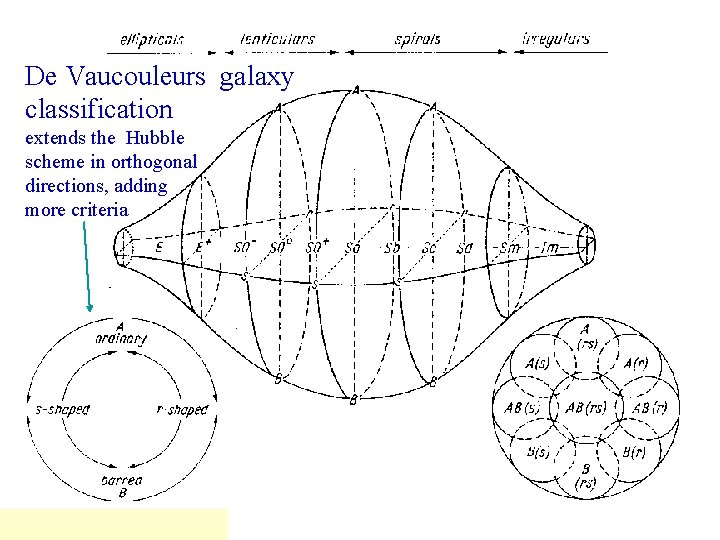
De Vaucouleurs galaxy classification extends the Hubble scheme in orthogonal directions, adding more criteria
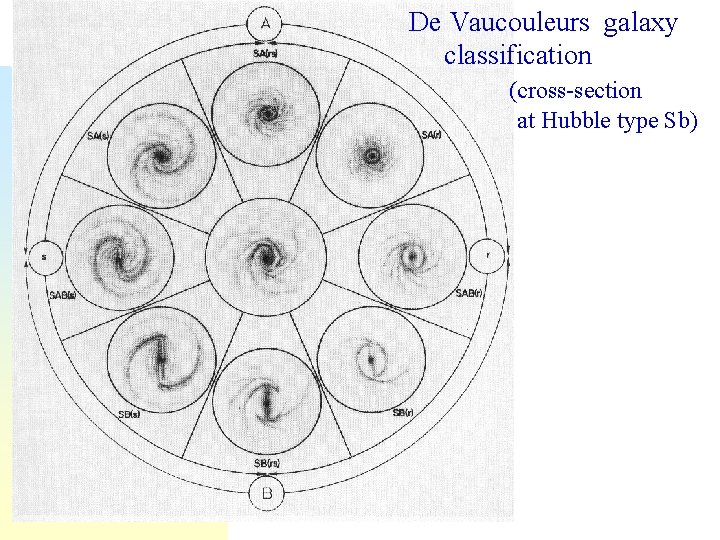
De Vaucouleurs galaxy classification (cross-section at Hubble type Sb)
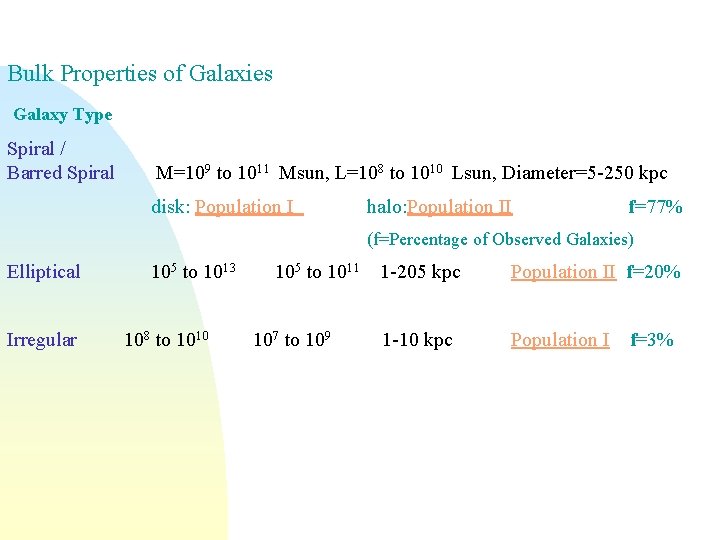
Bulk Properties of Galaxies Galaxy Type Spiral / Barred Spiral M=109 to 1011 Msun, L=108 to 1010 Lsun, Diameter=5 -250 kpc disk: Population I halo: Population II f=77% (f=Percentage of Observed Galaxies) Elliptical Irregular 105 to 1013 108 to 1010 105 to 1011 107 to 109 1 -205 kpc Population II f=20% 1 -10 kpc Population I f=3%
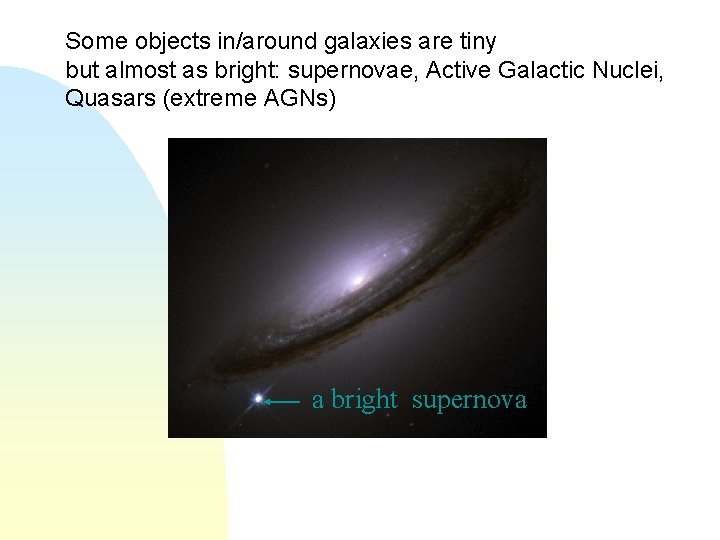
Some objects in/around galaxies are tiny but almost as bright: supernovae, Active Galactic Nuclei, Quasars (extreme AGNs) a bright supernova
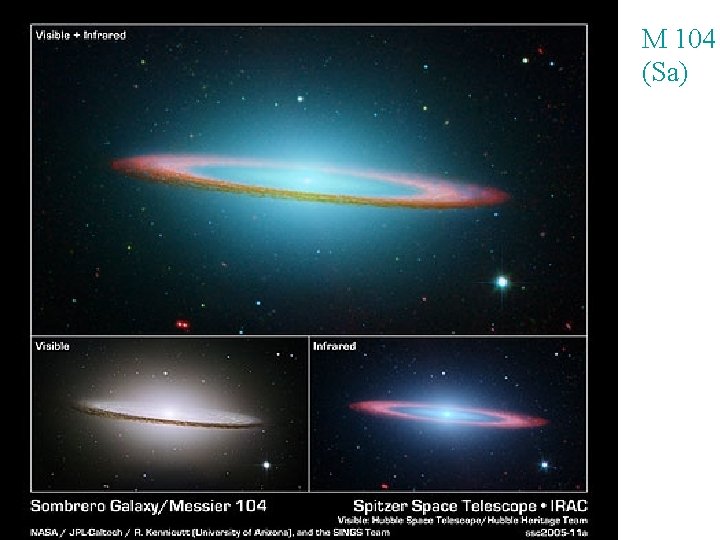
M 104 (Sa)
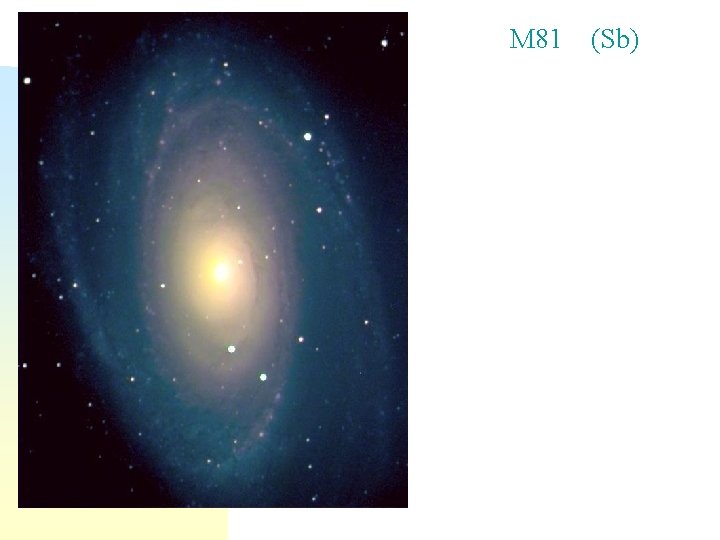
M 81 (Sb)
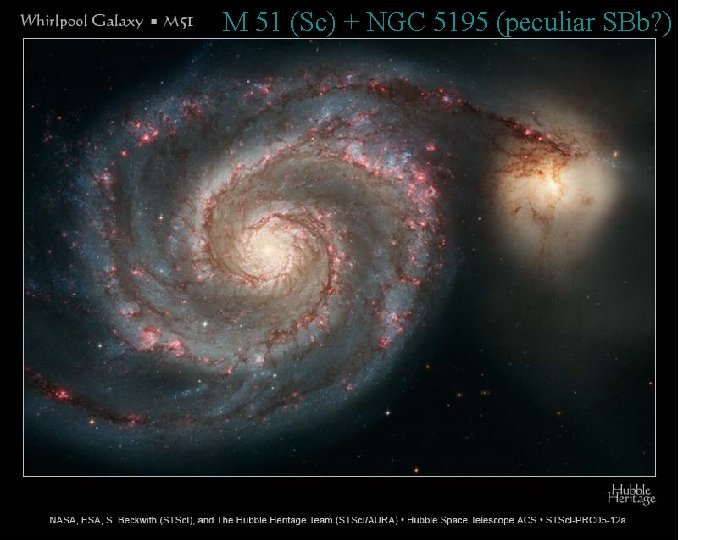
M 51 (Sc) + NGC 5195 (peculiar SBb? )
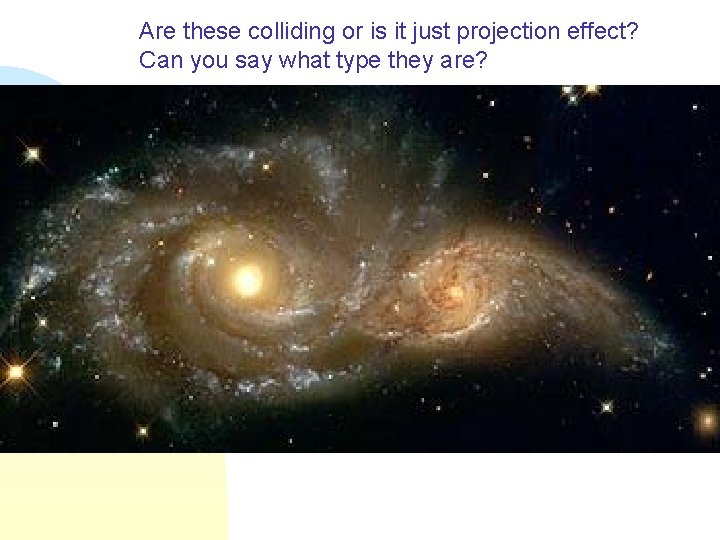
Are these colliding or is it just projection effect? Can you say what type they are?
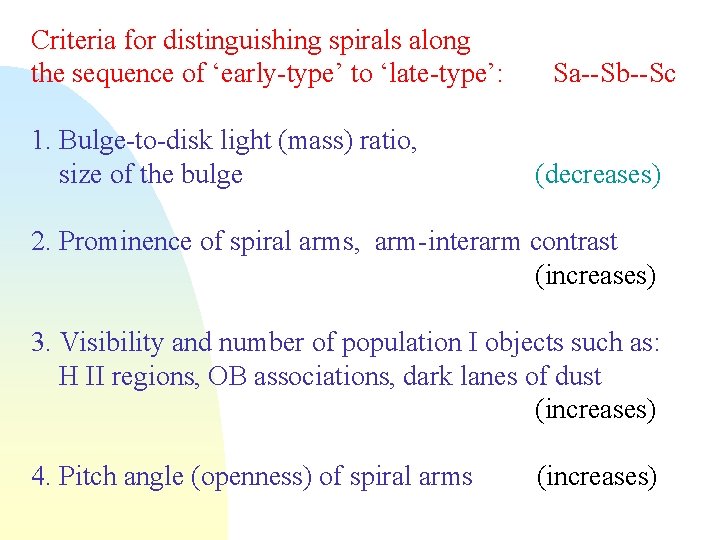
Criteria for distinguishing spirals along the sequence of ‘early-type’ to ‘late-type’: 1. Bulge-to-disk light (mass) ratio, size of the bulge Sa--Sb--Sc (decreases) 2. Prominence of spiral arms, arm-interarm contrast (increases) 3. Visibility and number of population I objects such as: H II regions, OB associations, dark lanes of dust (increases) 4. Pitch angle (openness) of spiral arms (increases)
- Slides: 44