
Lecture 12 Therapeutics Medication Safety Principles and Practices



- Slides: 75
Lecture 1+2 Therapeutics Medication Safety Principles and Practices AND Evidence Based Medicine and Clinical guidelines Dr Sura Al Zoubi Ph. D, MClin. Pharm 1
References: • Chapter e 4: Medication Safety Principles and Practices. Pharmacotherapy: A Pathophysiologic Approach, 11 e • Do final-year medical students have sufficient prescribing competencies? A systematic literature review. Br J Clin Pharmacol (2018) 84 615– 635. https: //bpspubs. onlinelibrary. wiley. com/toc/13652125/8 4/4 • What are clinical practice guidelines? https: //www. ncbi. nlm. nih. gov/books/NBK 390308/ 2
Introduction • Rational prescribing (i. e. effectively, safely and at low cost) is a challenging task for every medical doctor as it involves a mixture of knowledge, skills and attitudes integrated into the complex social context of the clinical workplace. • Poor prescribing may result in prescribing errors and adverse drugs reactions, which could adversely affect patient outcomes, leading to hospitalization or even death. • There is considerable evidence that junior hospital doctors in the first 2 years of practice after graduation make relatively many prescribing errors (8– 10% of prescriptions) and are more likely to make these errors than consultants. • This is particularly worrying as junior doctors write a large proportion (68%) of hospital prescriptions. 3
Introduction • Studies have identified a range of factors underlying the poor prescribing skills of junior doctors, including the following factors 1. Individual (e. g. lack of experience), 2. Environmental (e. g. high workload), 3. Organizational (e. g. lack of standardization) and 4. Patient (e. g. polypharmacy). • A lack of prescribing competencies (i. e. knowledge, skills and attitudes) among junior doctors is frequently mentioned, which might be due to inadequate undergraduate education and training in clinical pharmacology and therapeutics (CPT). 4
Introduction • Although few studies have attempted to assess the impact of changes in undergraduate medical curricula on prescribing, it is likely that the reduction in CPT teaching has contributed to the 500% increase in patient deaths due to ADRs since the early 1990 s, and the rising incidence of medication errors and ADRs in the UK 5
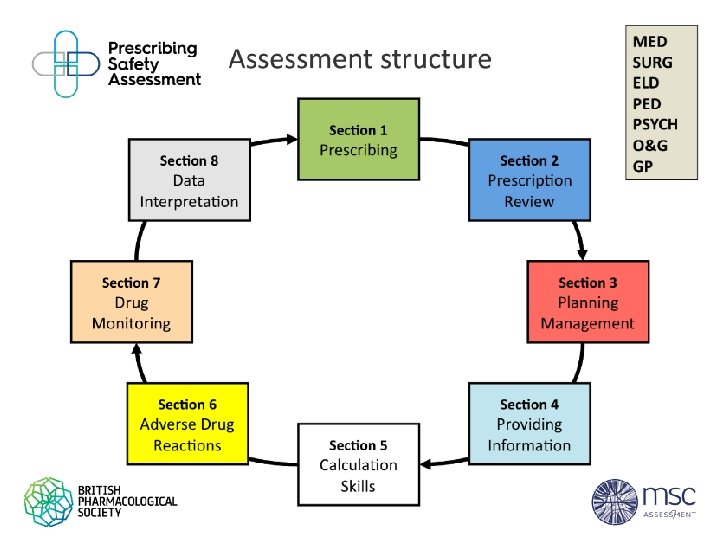
Solution in the UK • The British Pharmacological Society and MSC Assessment are working together to deliver the Prescribing Safety Assessment (PSA) that allows all students to demonstrate their competencies in relation to the safe and effective use of medicines. 6
7
Medication Safety Principles and Practices 8
Medication Safety Principles and Practices • Medical errors are not a new phenomenon. • Medical errors causing harm may lead to devastating effects on patients. • In 1991, the Harvard Medical Practice Study showed that a significant number of people are victims of medical errors, and a subset experienced medication errors (MEs). • Examples of mistakes noted in the Harvard study included renal failure from angiographic dye and a missed diagnosis of colon cancer. Drug complications were the most common type of outcome attributed to negligence, accounting for 19% of these preventable adverse events. 9
Medication Safety Principles and Practices • The goal of medication therapy is achieving defined therapeutic goals to improve a patient’s quality of life while minimizing harm. • Known and unknown risks are associated with therapeutic use of prescription and non-prescription drugs and drug administration devices. • Mishaps related to medication therapy include both adverse drug events (ADEs) and MEs. 10
Medication Safety Principles and Practices • Medication errors negatively affect patients’ confidence in the healthcare system and increase healthcare costs. • Research conducted by the American Society of Health. System Pharmacists (ASHP) showed that 61% of patients surveyed reported that they were “very concerned” about being given the wrong medicine during a hospital stay. • MEs are also very costly—to healthcare systems, patients and their families, and healthcare workers. The emotional cost of an ME is also significant, including the burden on the family for grieving loss or stress for the healthcare worker (often referred to as the "second victim") involved in an ME that caused harm. 11
12
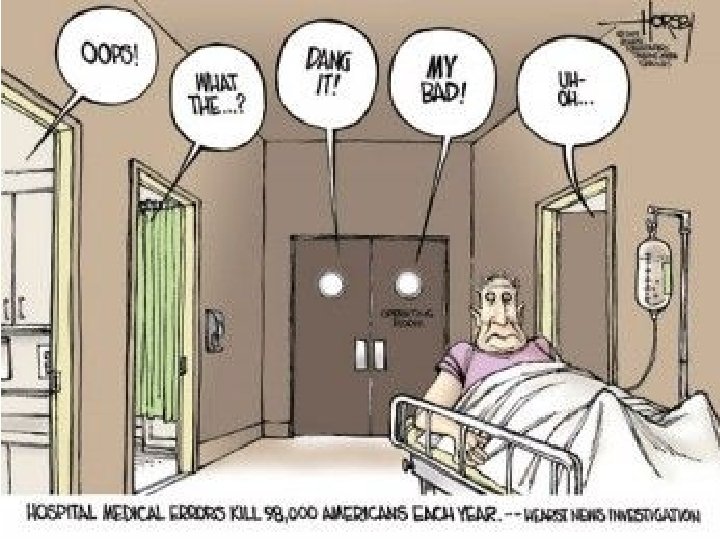
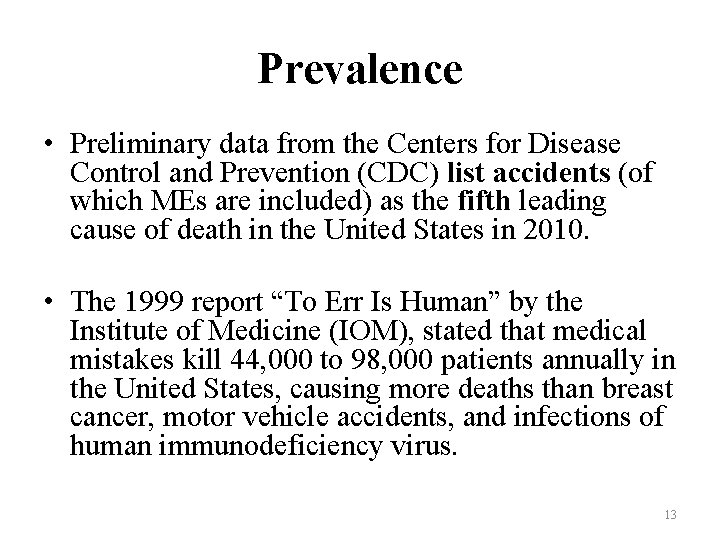
Prevalence • Preliminary data from the Centers for Disease Control and Prevention (CDC) list accidents (of which MEs are included) as the fifth leading cause of death in the United States in 2010. • The 1999 report “To Err Is Human” by the Institute of Medicine (IOM), stated that medical mistakes kill 44, 000 to 98, 000 patients annually in the United States, causing more deaths than breast cancer, motor vehicle accidents, and infections of human immunodeficiency virus. 13
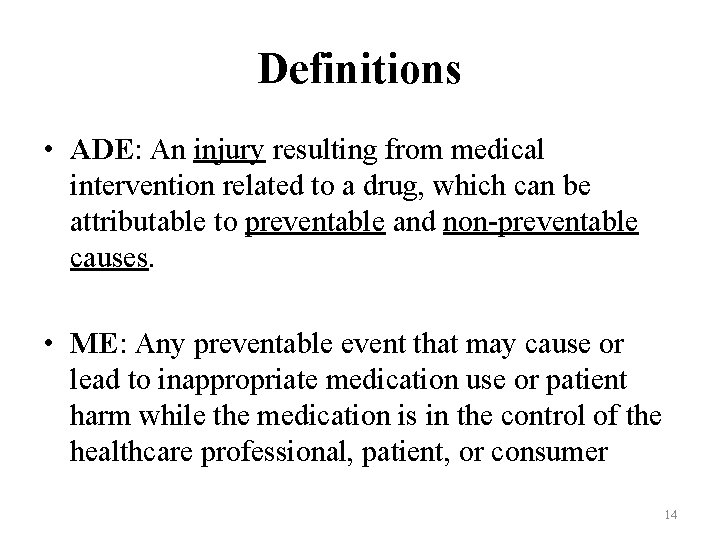
Definitions • ADE: An injury resulting from medical intervention related to a drug, which can be attributable to preventable and non-preventable causes. • ME: Any preventable event that may cause or lead to inappropriate medication use or patient harm while the medication is in the control of the healthcare professional, patient, or consumer 14
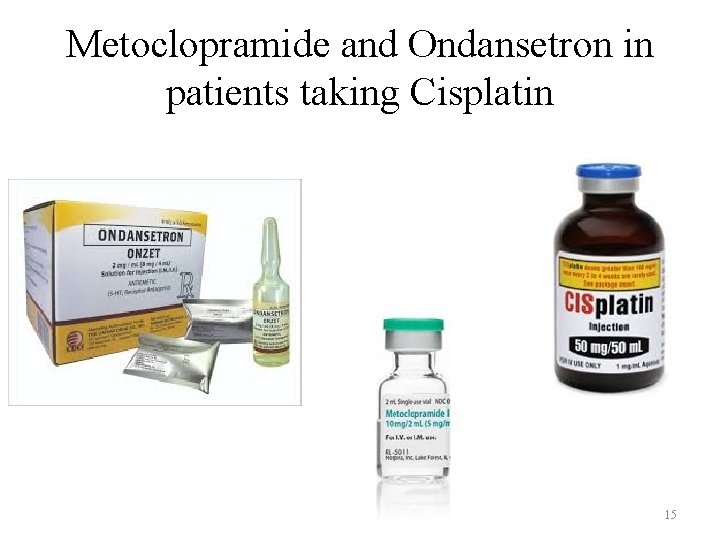
Metoclopramide and Ondansetron in patients taking Cisplatin 15
Angioedema and ACEI 16
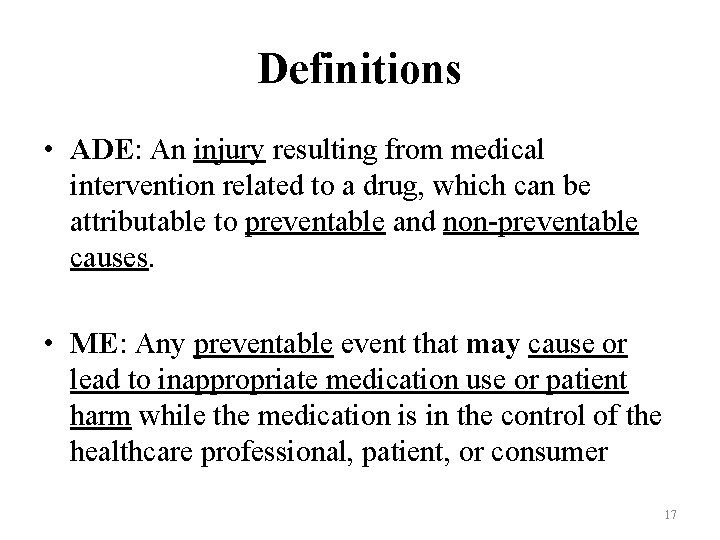
Definitions • ADE: An injury resulting from medical intervention related to a drug, which can be attributable to preventable and non-preventable causes. • ME: Any preventable event that may cause or lead to inappropriate medication use or patient harm while the medication is in the control of the healthcare professional, patient, or consumer 17
18
• Patients can experience an ADE even if the correct medication was prescribed and administered because an ADE refers to the effect the drug had on the patient, not necessarily that an error occurred in the medication process. • MEs involve any mistake in the medication process, regardless of patient outcome. Not all MEs lead to serious consequences. • All ADEs cause patient harm, but are not necessarily preventable. All MEs are preventable, but do not necessarily cause patient harm. 19
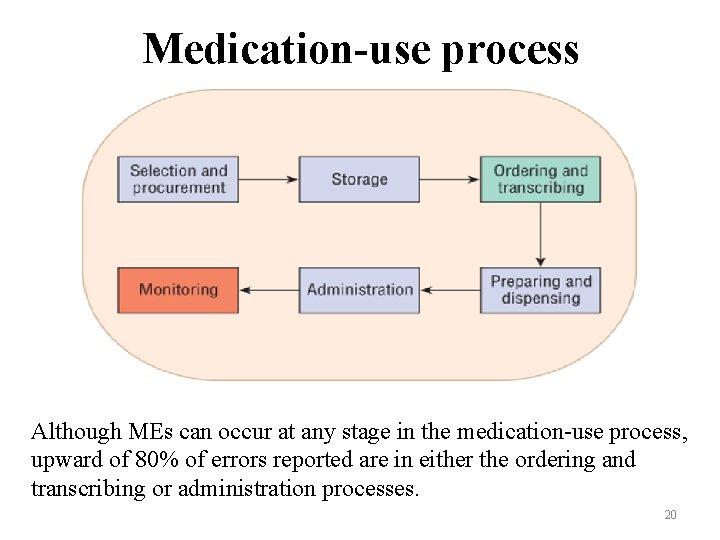
Medication-use process Although MEs can occur at any stage in the medication-use process, upward of 80% of errors reported are in either the ordering and transcribing or administration processes. 20
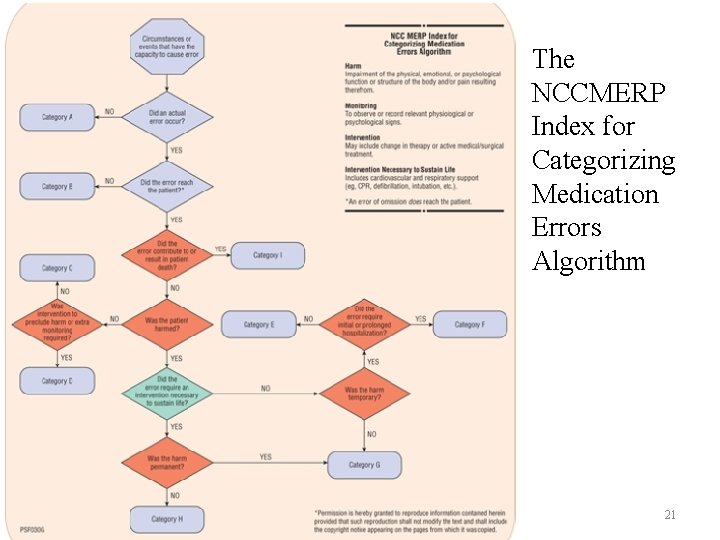
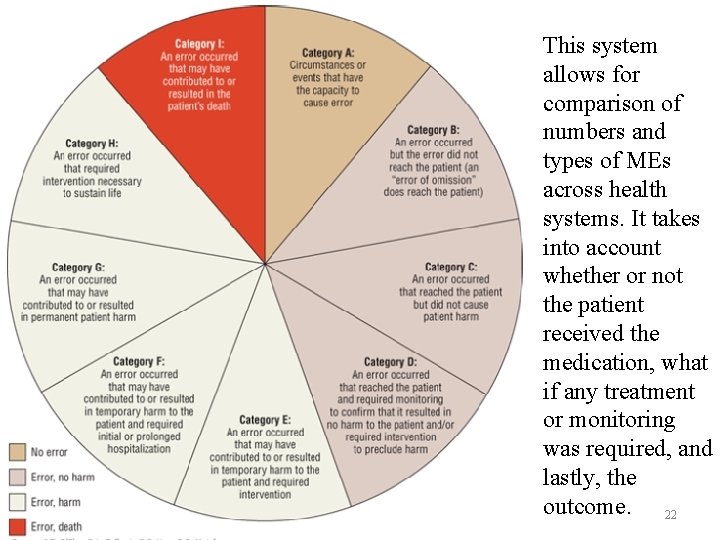
The NCCMERP Index for Categorizing Medication Errors Algorithm 21
This system allows for comparison of numbers and types of MEs across health systems. It takes into account whether or not the patient received the medication, what if any treatment or monitoring was required, and lastly, the outcome. 22
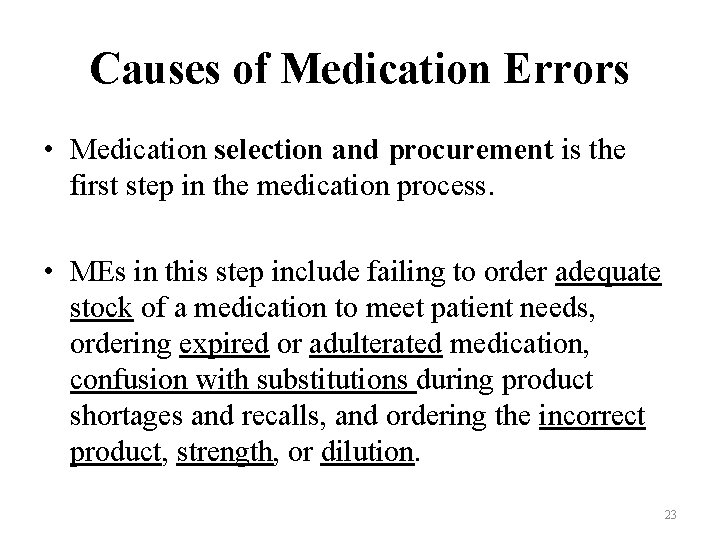
Causes of Medication Errors • Medication selection and procurement is the first step in the medication process. • MEs in this step include failing to order adequate stock of a medication to meet patient needs, ordering expired or adulterated medication, confusion with substitutions during product shortages and recalls, and ordering the incorrect product, strength, or dilution. 23
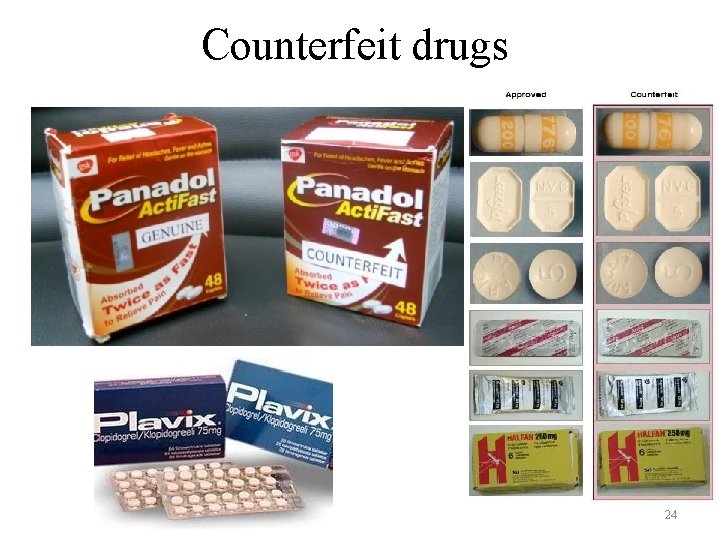
Counterfeit drugs 24
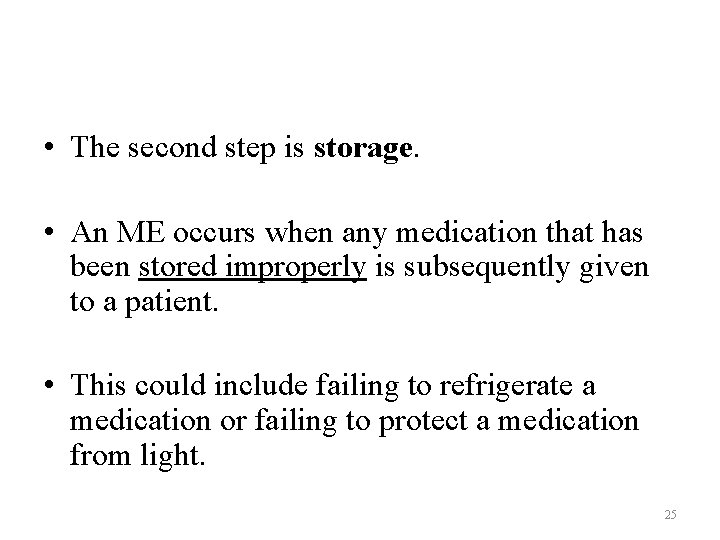
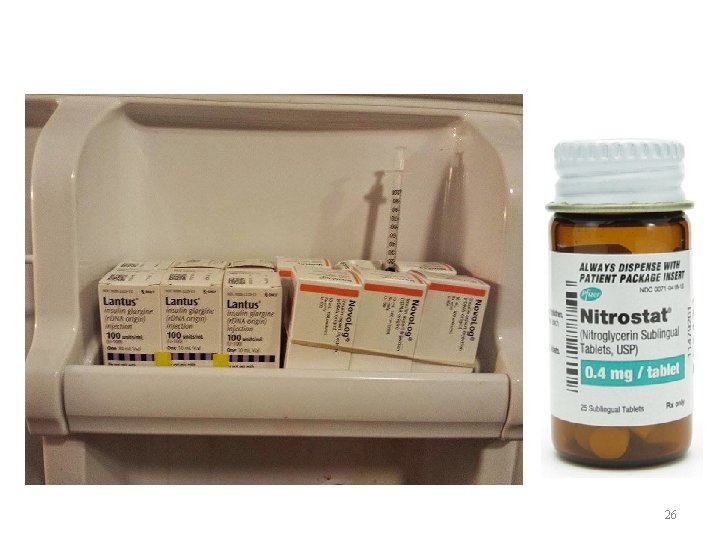
• The second step is storage. • An ME occurs when any medication that has been stored improperly is subsequently given to a patient. • This could include failing to refrigerate a medication or failing to protect a medication from light. 25
26
• The third step is ordering and transcribing. MEs in ordering occur when the drug selected and/or its dose, frequency, or dosing duration is not appropriate for the patient’s disease or physiologic condition. • MEs in the transcribing phase include failure to correctly interpret the medication order. 27
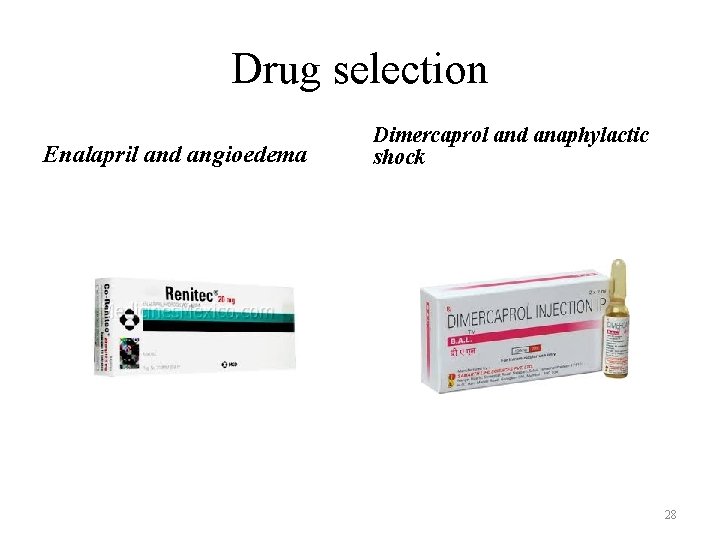
Drug selection Enalapril and angioedema Dimercaprol and anaphylactic shock 28
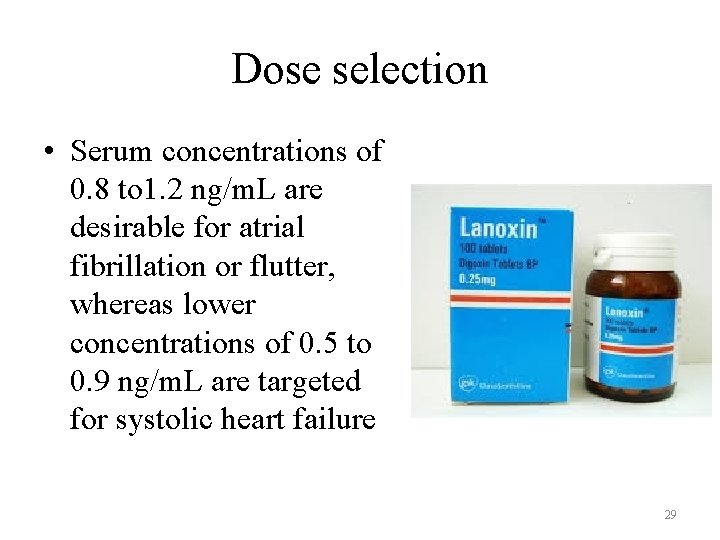
Dose selection • Serum concentrations of 0. 8 to 1. 2 ng/m. L are desirable for atrial fibrillation or flutter, whereas lower concentrations of 0. 5 to 0. 9 ng/m. L are targeted for systolic heart failure 29
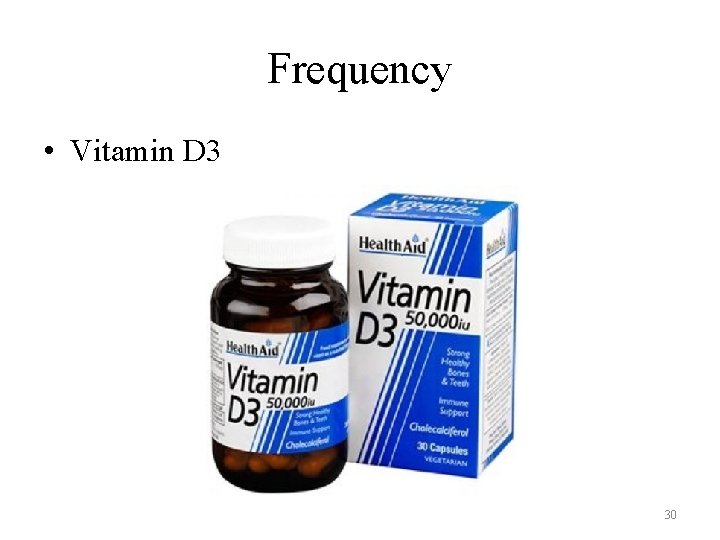
Frequency • Vitamin D 3 30
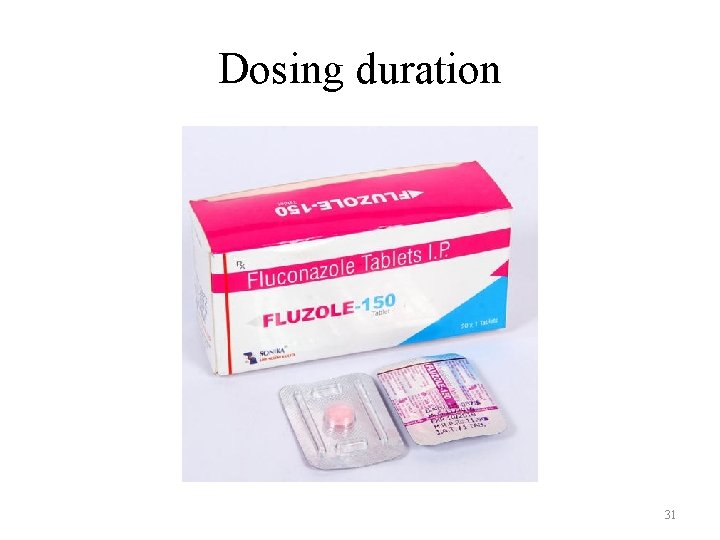
Dosing duration 31
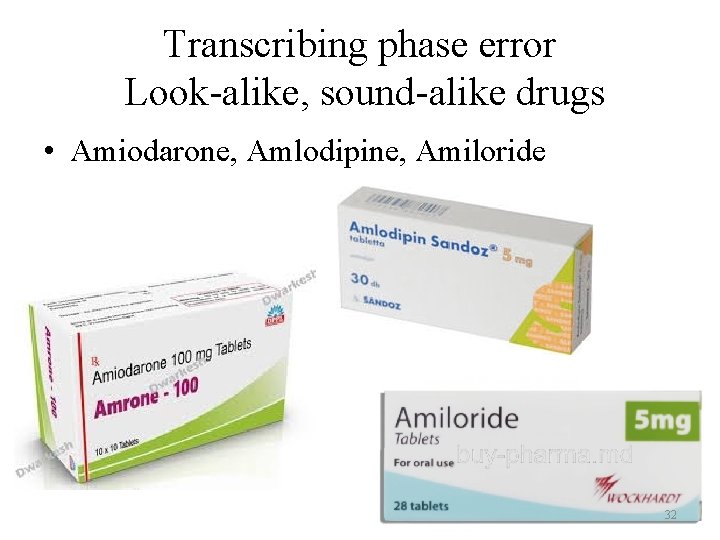
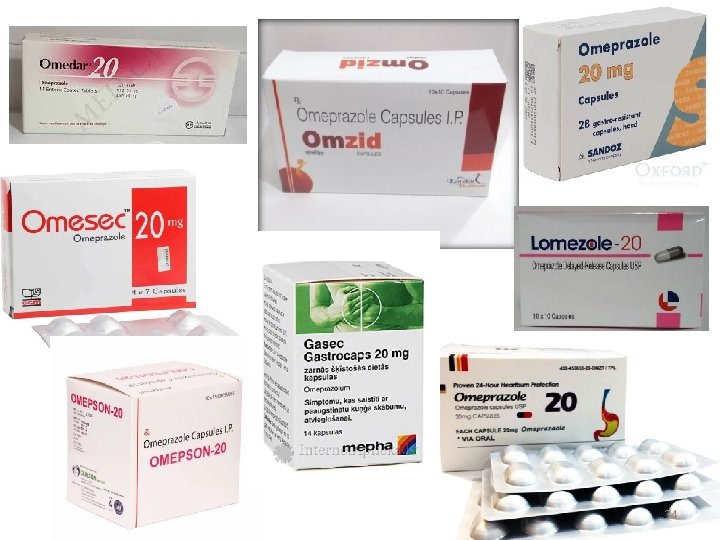
Transcribing phase error Look-alike, sound-alike drugs • Amiodarone, Amlodipine, Amiloride 32
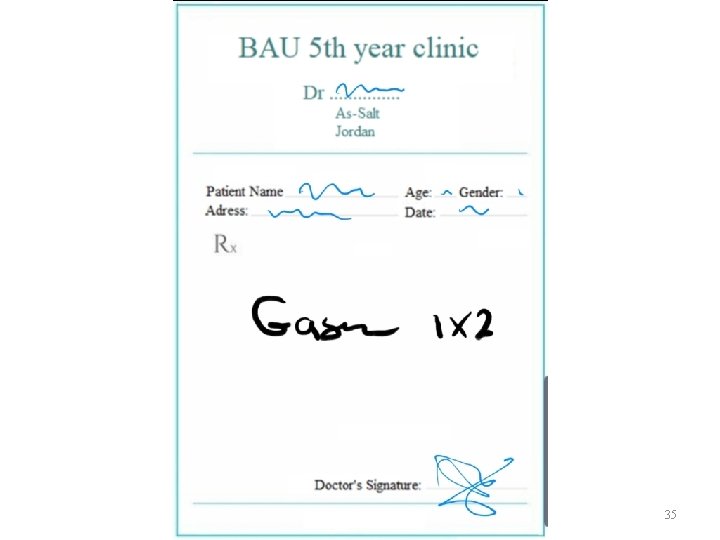
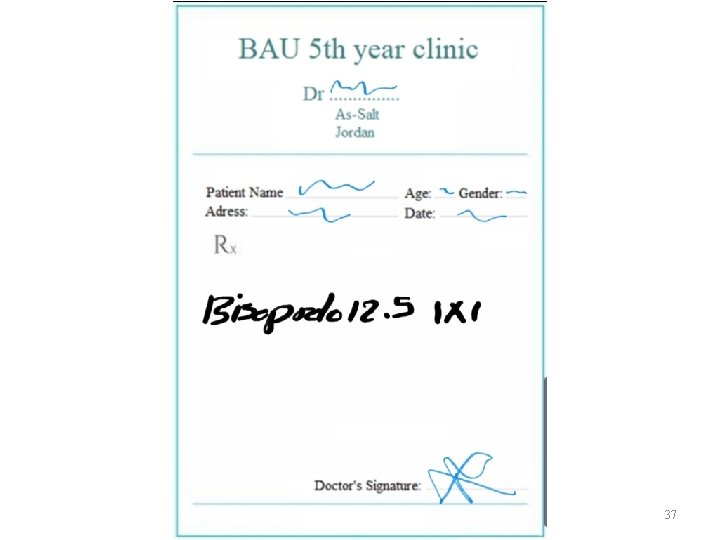
• During preparing and dispensing, health professionals must obtain and package the correct drug, dose, or dilution of a product. • Medication dispensing errors are defined as any discrepancy between the medication dispensed and the original prescriber’s order. 33
34
35
36
37
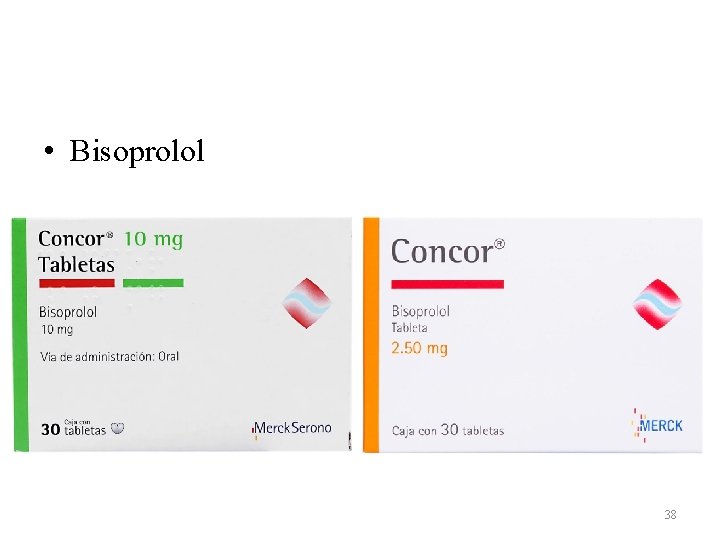
• Bisoprolol 38
• ME in administration is any discrepancy between how the medication is given to the patient and the administration directions from the physician or hospital guidelines. 39
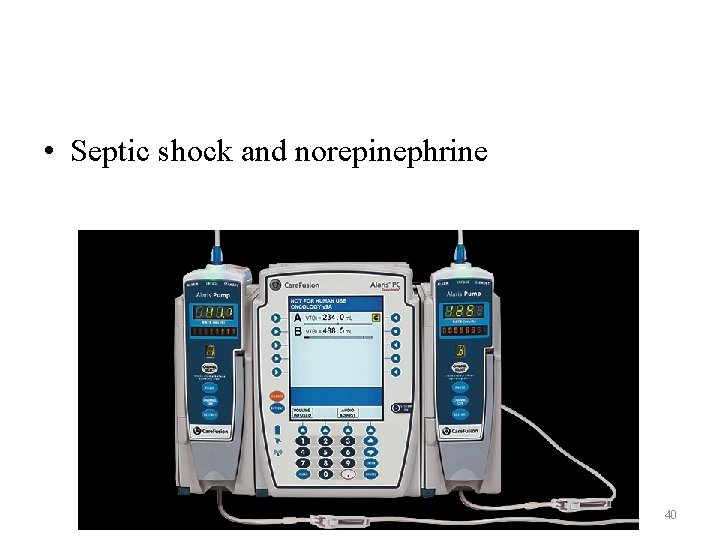
• Septic shock and norepinephrine 40
• Medication errors involved in monitoring and evaluating the effects of medication are defined as not ensuring proper follow-up of therapeutic effect of a medication or failing to recognize an adverse effect of a medication. 41
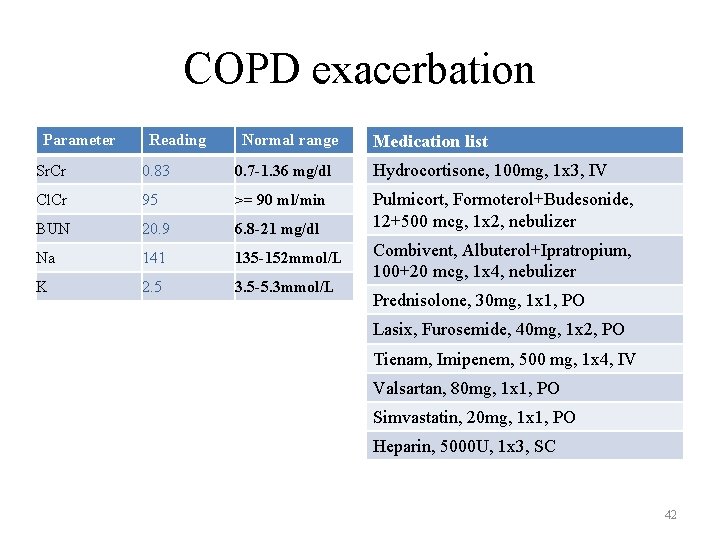
COPD exacerbation Parameter Reading Normal range Medication list Sr. Cr 0. 83 0. 7 -1. 36 mg/dl Hydrocortisone, 100 mg, 1 x 3, IV Cl. Cr 95 >= 90 ml/min BUN 20. 9 6. 8 -21 mg/dl Pulmicort, Formoterol+Budesonide, 12+500 mcg, 1 x 2, nebulizer Na 141 135 -152 mmol/L K 2. 5 3. 5 -5. 3 mmol/L Combivent, Albuterol+Ipratropium, 100+20 mcg, 1 x 4, nebulizer Prednisolone, 30 mg, 1 x 1, PO Lasix, Furosemide, 40 mg, 1 x 2, PO Tienam, Imipenem, 500 mg, 1 x 4, IV Valsartan, 80 mg, 1 x 1, PO Simvastatin, 20 mg, 1 x 1, PO Heparin, 5000 U, 1 x 3, SC 42
• One analysis showed that the most common errors involved prescriptions in which a medication was incorrectly prescribed (18. 5%), dosage or quantity was incorrectly interpreted during dispensing (25. 5%), and omission (25. 6%), in which the prescribed medication was not administered • A majority of errors in the ordering phase are wrong dose or frequency, known drug allergy, and drug-drug interactions. • Many errors occur in the administration phase, such as wrong dose or incorrect drug administration technique 43
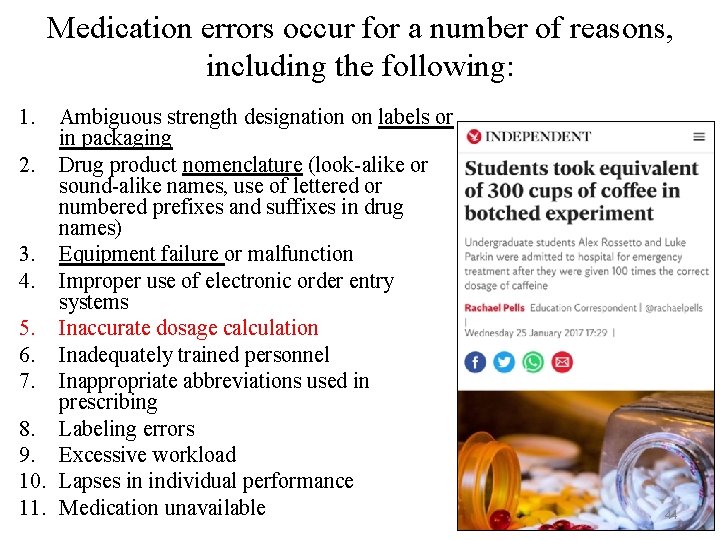
Medication errors occur for a number of reasons, including the following: 1. Ambiguous strength designation on labels or in packaging 2. Drug product nomenclature (look-alike or sound-alike names, use of lettered or numbered prefixes and suffixes in drug names) 3. Equipment failure or malfunction 4. Improper use of electronic order entry systems 5. Inaccurate dosage calculation 6. Inadequately trained personnel 7. Inappropriate abbreviations used in prescribing 8. Labeling errors 9. Excessive workload 10. Lapses in individual performance 11. Medication unavailable 44
Preventing Medication Errors • Errors can occur at any step in the medicationuse process. For each type of error, it is important to determine the root cause, or main reason, for the error. • After researching the error and determining its root cause, a tracking system for MEs should be created. 45
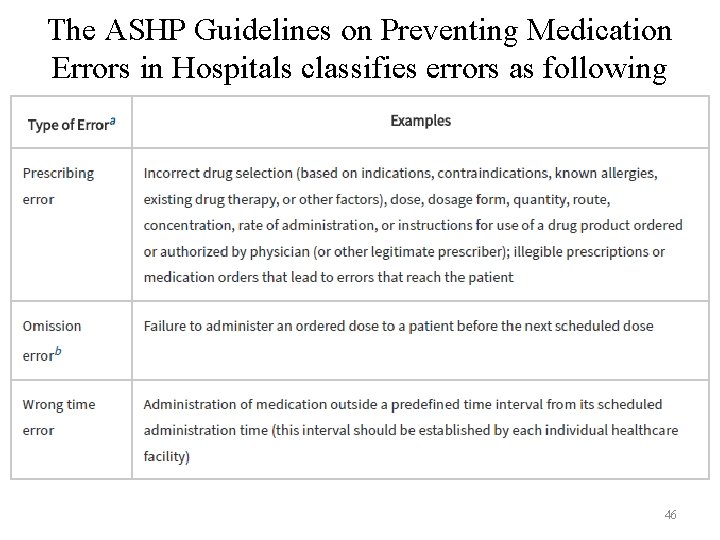
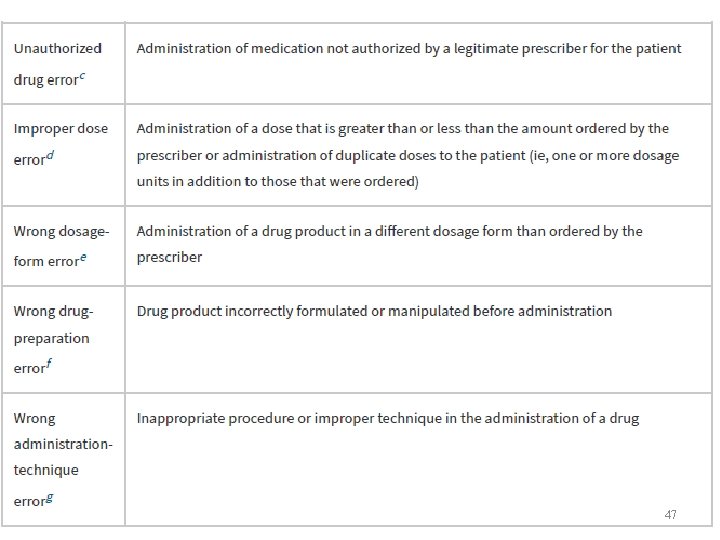
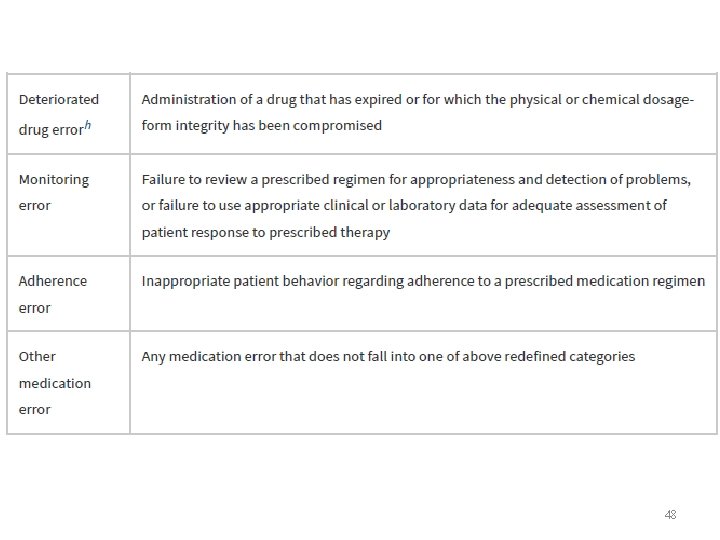
The ASHP Guidelines on Preventing Medication Errors in Hospitals classifies errors as following 46
47
48
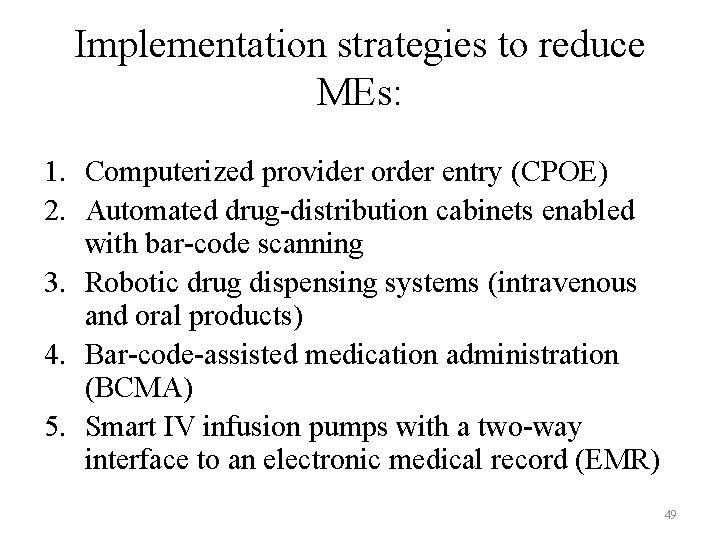
Implementation strategies to reduce MEs: 1. Computerized provider order entry (CPOE) 2. Automated drug-distribution cabinets enabled with bar-code scanning 3. Robotic drug dispensing systems (intravenous and oral products) 4. Bar-code-assisted medication administration (BCMA) 5. Smart IV infusion pumps with a two-way interface to an electronic medical record (EMR) 49
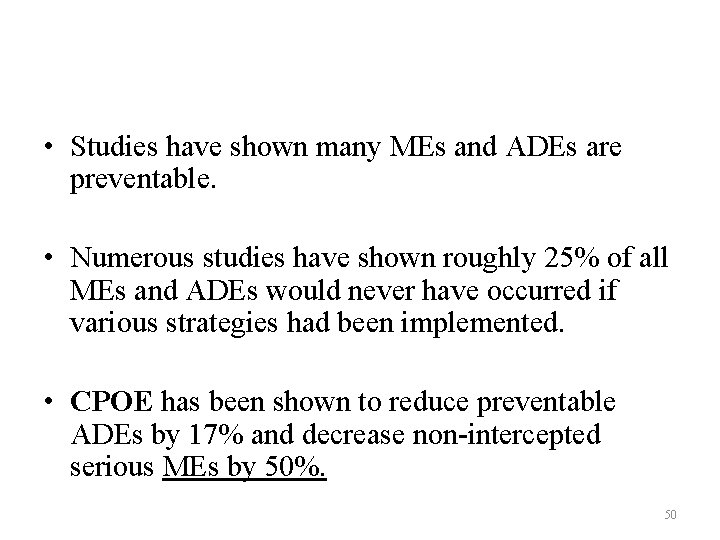
• Studies have shown many MEs and ADEs are preventable. • Numerous studies have shown roughly 25% of all MEs and ADEs would never have occurred if various strategies had been implemented. • CPOE has been shown to reduce preventable ADEs by 17% and decrease non-intercepted serious MEs by 50%. 50
Evidence-Based Medicine: The Basics 51
Outline • • • What is evidence-based medicine? Why? SIX-A Asking the right clinical questions Hierarchy of evidence 52
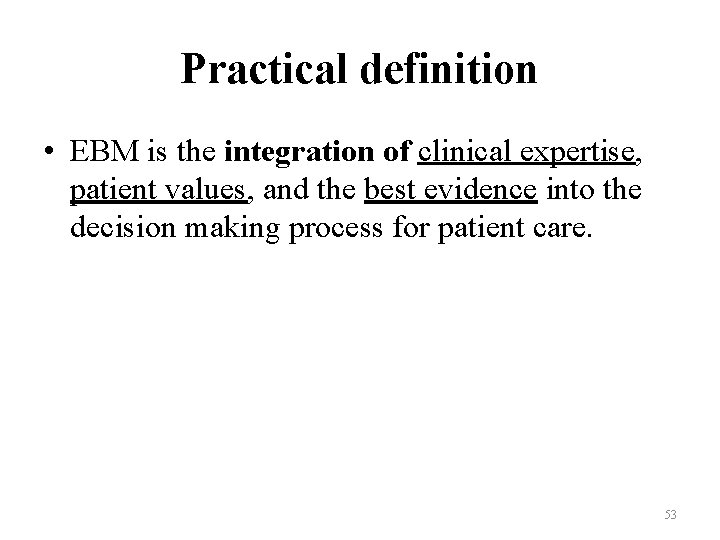
Practical definition • EBM is the integration of clinical expertise, patient values, and the best evidence into the decision making process for patient care. 53
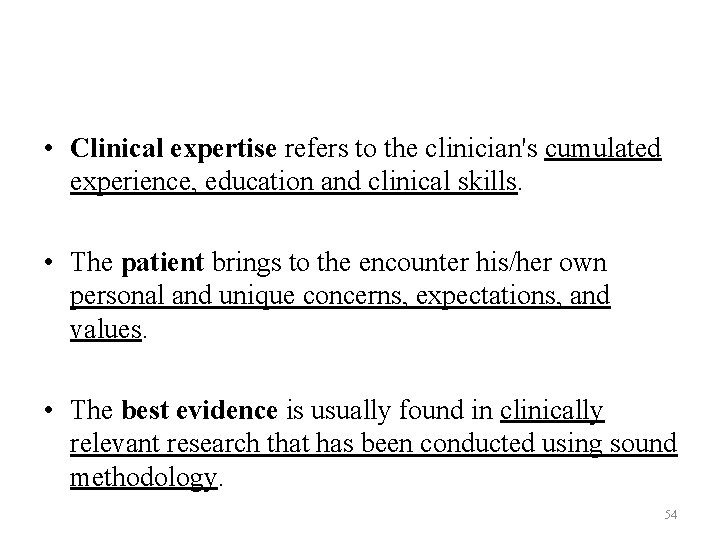
• Clinical expertise refers to the clinician's cumulated experience, education and clinical skills. • The patient brings to the encounter his/her own personal and unique concerns, expectations, and values. • The best evidence is usually found in clinically relevant research that has been conducted using sound methodology. 54
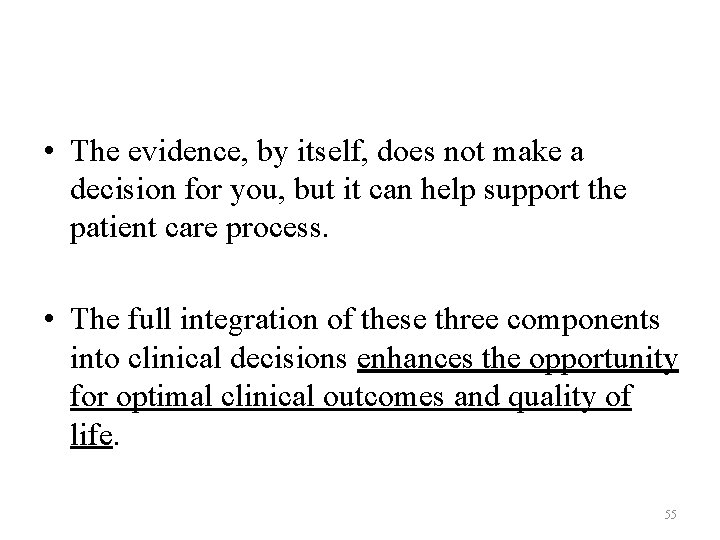
• The evidence, by itself, does not make a decision for you, but it can help support the patient care process. • The full integration of these three components into clinical decisions enhances the opportunity for optimal clinical outcomes and quality of life. 55
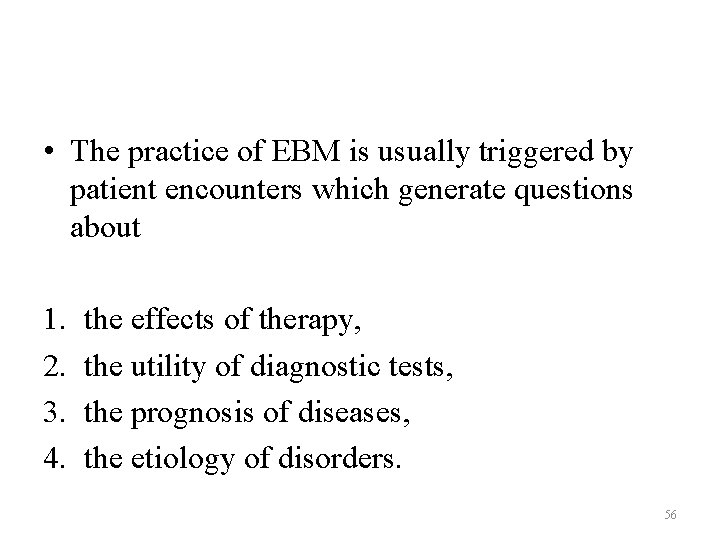
• The practice of EBM is usually triggered by patient encounters which generate questions about 1. 2. 3. 4. the effects of therapy, the utility of diagnostic tests, the prognosis of diseases, the etiology of disorders. 56
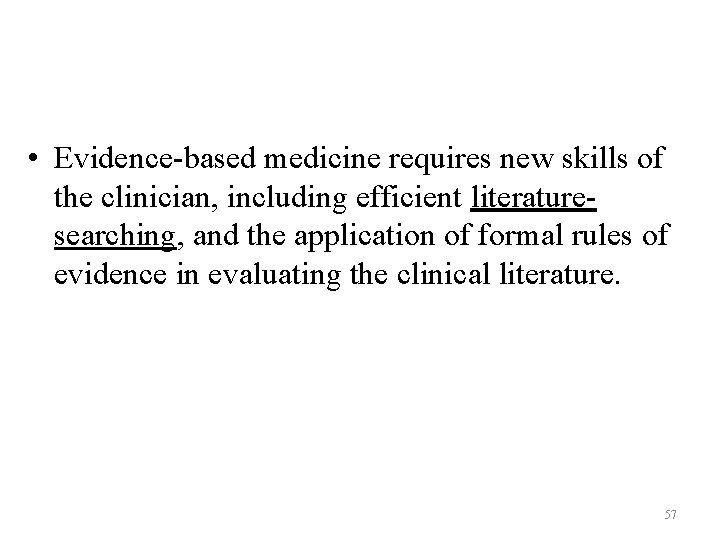
• Evidence-based medicine requires new skills of the clinician, including efficient literaturesearching, and the application of formal rules of evidence in evaluating the clinical literature. 57
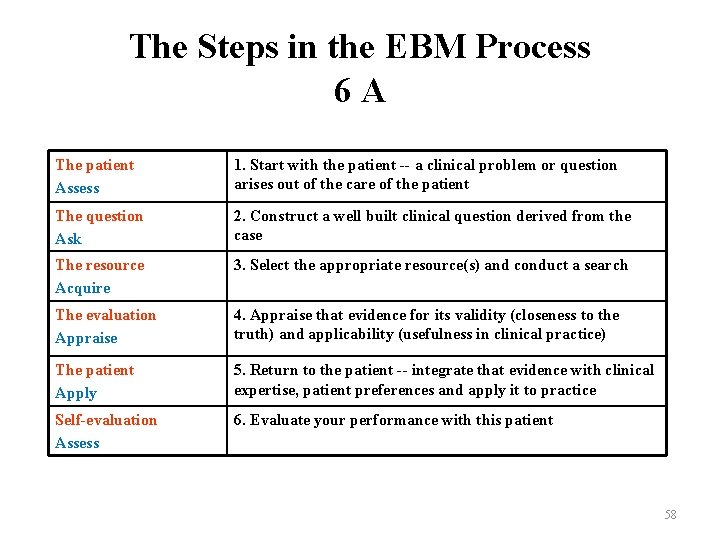
The Steps in the EBM Process 6 A The patient Assess 1. Start with the patient -- a clinical problem or question arises out of the care of the patient The question Ask 2. Construct a well built clinical question derived from the case The resource Acquire 3. Select the appropriate resource(s) and conduct a search The evaluation Appraise 4. Appraise that evidence for its validity (closeness to the truth) and applicability (usefulness in clinical practice) The patient Apply 5. Return to the patient -- integrate that evidence with clinical expertise, patient preferences and apply it to practice Self-evaluation Assess 6. Evaluate your performance with this patient 58
Why is EBM important? • Studies of information-seeking habits of physicians, have shown that when asked, physicians reported that their practice generated about 2 questions for every 3 patients. • Only 30% of physicians' information needs were met during the patient visit, usually by a colleague. 59
• Instead of routinely reviewing the contents of dozens of journals for interesting articles, EBM suggests that you target your reading to issues related to specific patient problems. • Developing clinical questions and then searching current databases may be a more productive way of keeping current with the literature. 60
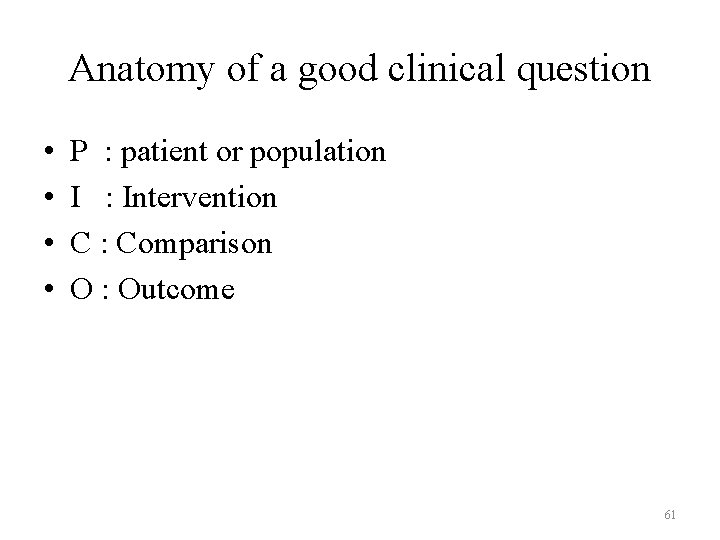
Anatomy of a good clinical question • • P : patient or population I : Intervention C : Comparison O : Outcome 61
Types of Questions and Studies • Two additional elements of the well-built clinical question are the type of question and the type of study. • This information can be helpful in focusing the question and determining the most appropriate type of evidence. 62
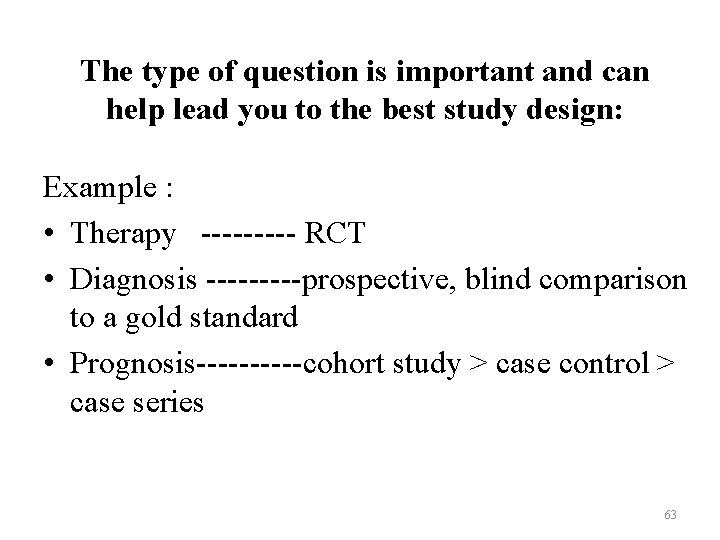
The type of question is important and can help lead you to the best study design: Example : • Therapy ----- RCT • Diagnosis -----prospective, blind comparison to a gold standard • Prognosis-----cohort study > case control > case series 63
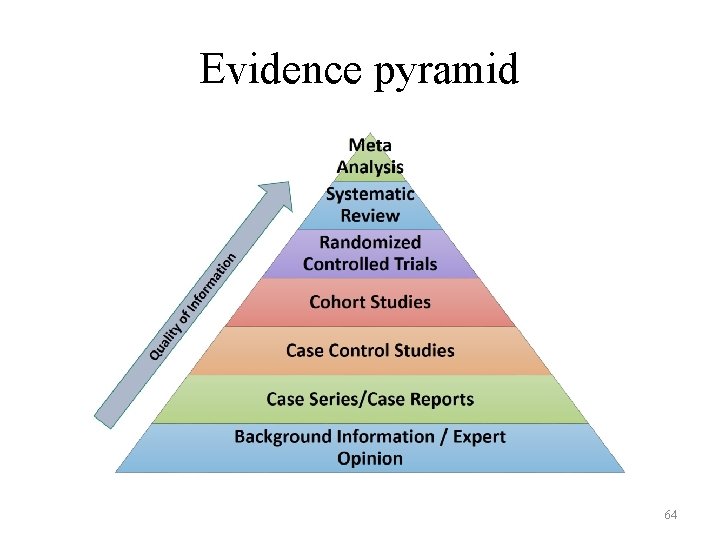
Evidence pyramid 64
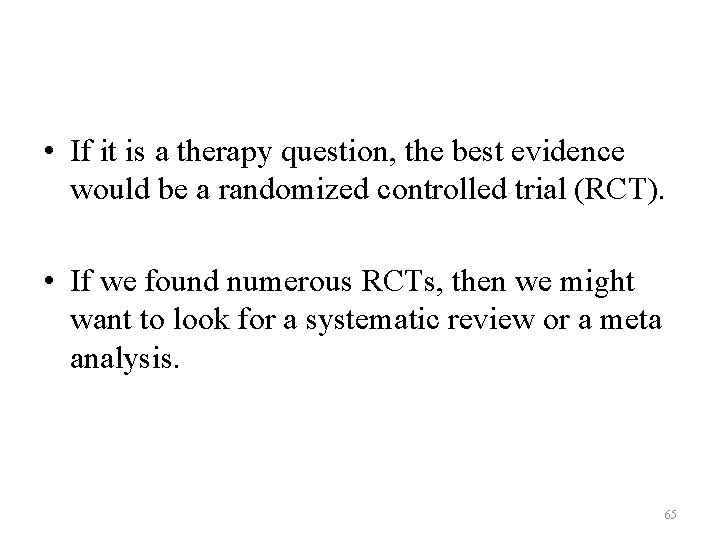
• If it is a therapy question, the best evidence would be a randomized controlled trial (RCT). • If we found numerous RCTs, then we might want to look for a systematic review or a meta analysis. 65
Evaluating the Validity of a Therapy Study • We have now identified current information which can answer our clinical question. • The next step is to read the article and evaluate the study. 66
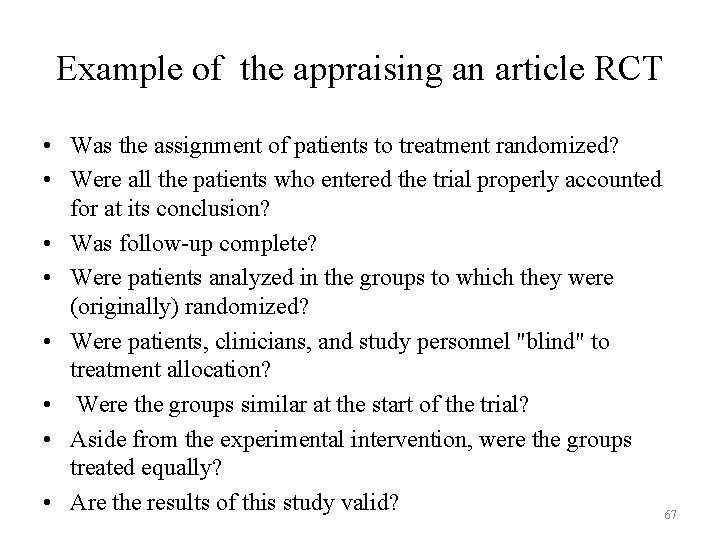
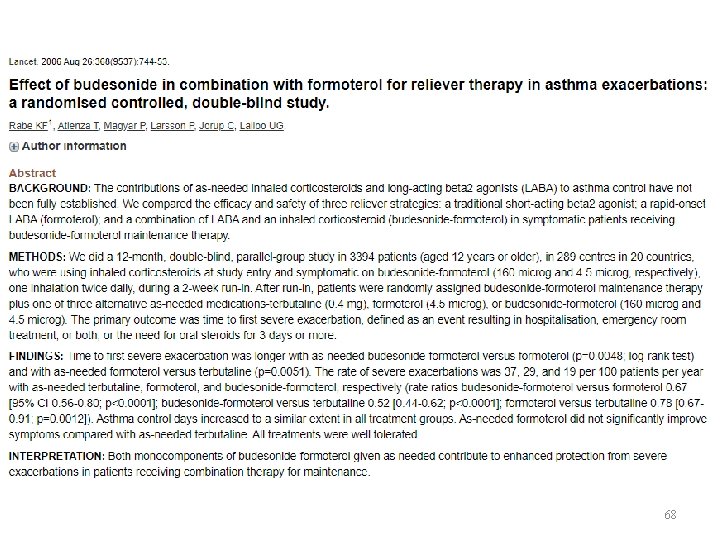
Example of the appraising an article RCT • Was the assignment of patients to treatment randomized? • Were all the patients who entered the trial properly accounted for at its conclusion? • Was follow-up complete? • Were patients analyzed in the groups to which they were (originally) randomized? • Were patients, clinicians, and study personnel "blind" to treatment allocation? • Were the groups similar at the start of the trial? • Aside from the experimental intervention, were the groups treated equally? • Are the results of this study valid? 67
68
Clinical Practice Guidelines 69
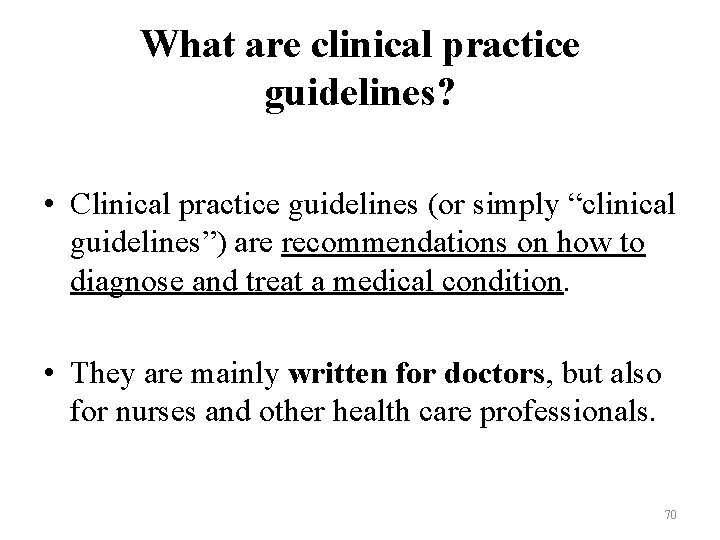
What are clinical practice guidelines? • Clinical practice guidelines (or simply “clinical guidelines”) are recommendations on how to diagnose and treat a medical condition. • They are mainly written for doctors, but also for nurses and other health care professionals. 70
• Clinical guidelines are meant to help ensure that patients receive appropriate treatment and care. • Guidelines 1. summarize the current medical knowledge, 2. weigh the benefits and harms of diagnostic procedures and treatments, 3. give specific recommendations based on this information. 4. provide information about the scientific evidence supporting those recommendations 5. updated regularly. • Guidelines aren’t legally binding. In other words, doctors don’t have to follow the recommendations if they don’t think they are suitable for certain patients. But deviations from guidelines must be justified. 71
How are clinical practice guidelines developed? • Ideally, clinical guidelines should be developed systematically – in other words, following a certain procedure: 1. First a guideline committee is formed, including specialists to cover all the important aspects of the medical condition in question. The committee is usually led by a member of the medical association responsible for the medical condition. 2. It collects as much information as possible from different sources and assesses the information based on predetermined criteria. The various assessments and opinions of the committee members are discussed and taken into consideration when writing the guidelines. In other words, the recommendations are "consensus-based. “ 3. The committee members have to declare any conflicts of interest. For instance, they have to say whether they have worked for a pharmaceutical company that makes medication to treat the medical condition that the clinical guidelines are being written about. 72
• Good clinical guidelines should be based on up -to-date scientific knowledge, and it should be possible to follow the recommendations in daily medical practice. • International uniform standards are now used worldwide for the assessment of clinical guidelines. 73
Types of guidelines 1. S 1 guidelines: These guidelines summarize the recommendations of experts. The recommendations made in S 1 guidelines aren’t very reliable. 2. S 2 K guidelines: S 2 K guidelines are developed by a committee of specialists in the medical field in question. The recommendations made are consensus-based. However, they aren’t very reliable. 3. S 2 e guidelines: Here the guideline committee systematically compiles the medical knowledge from different sources. But if the members of the committee disagree, they do not use a consensus-based approach to develop the guidelines. 4. S 3 guidelines: This is the only category of guidelines that meets all of the following requirements: ü The guideline committee includes experts representing various areas of the field in question, ü The medical knowledge is systematically collected and assessed, ü If different members of the committee have different views, a specific procedure is followed in order to develop consensus-based recommendations. • S 3 guidelines are the most reliable kind of guidelines, but they also involve the most effort: It can take several years to develop them. When S 3 guidelines are developed for doctors and health care professionals, patient guidelines are usually developed too. 74
Thank you 75