
Lecture 11 Galaxies and Their Nuclei The Hubble
Lecture 11: Galaxies and Their Nuclei
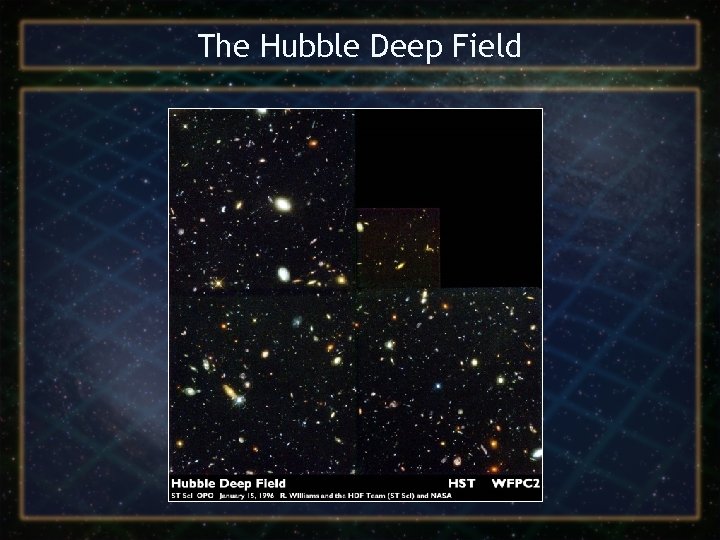
The Hubble Deep Field

Eye on a Dime
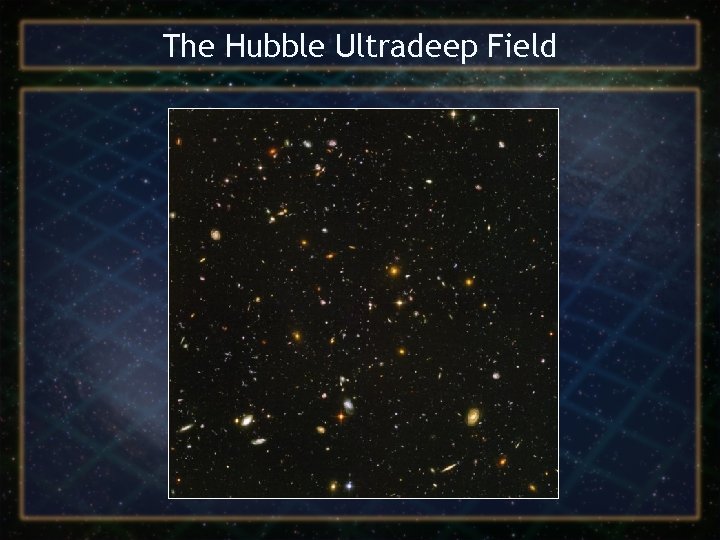
The Hubble Ultradeep Field
Brief Review of Galaxy Structure Disks Prominent feature in spiral galaxies (like Milky Way) Stars in nearly circular orbits Analogies: Solar System, accretion disk Bulges Coexist with disks in spirals (central bulge, halo) Elliptical galaxies: whole galaxy is bulge Stars in random orbits
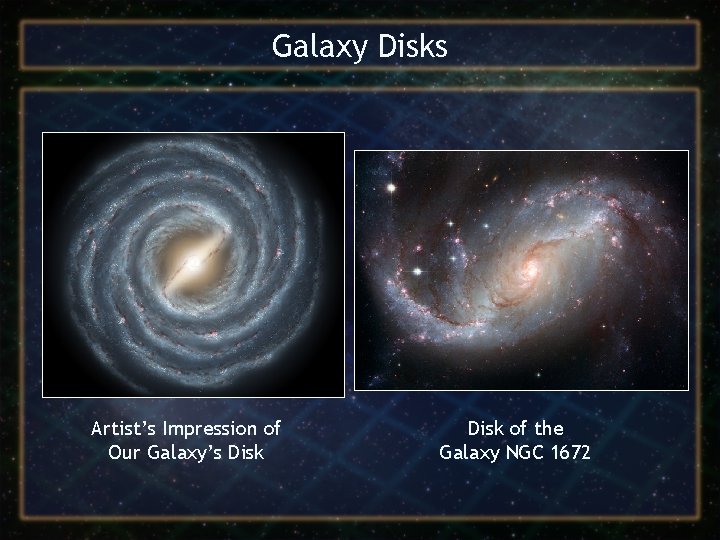
Galaxy Disks Artist’s Impression of Our Galaxy’s Disk of the Galaxy NGC 1672
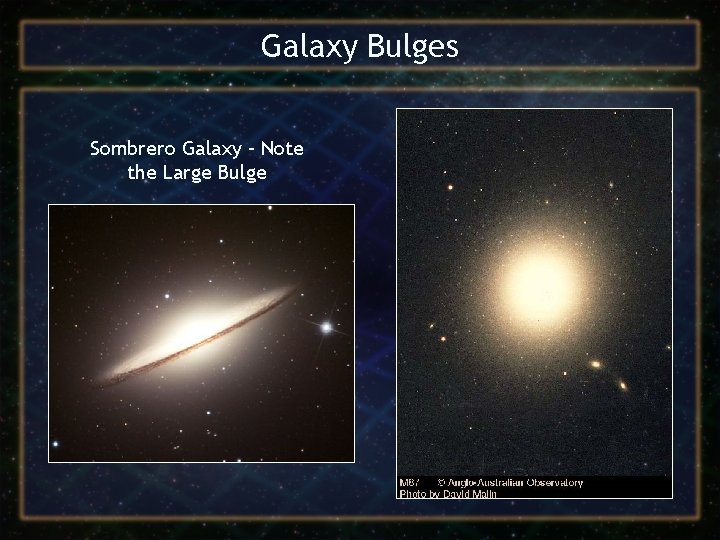
Galaxy Bulges Sombrero Galaxy – Note the Large Bulge
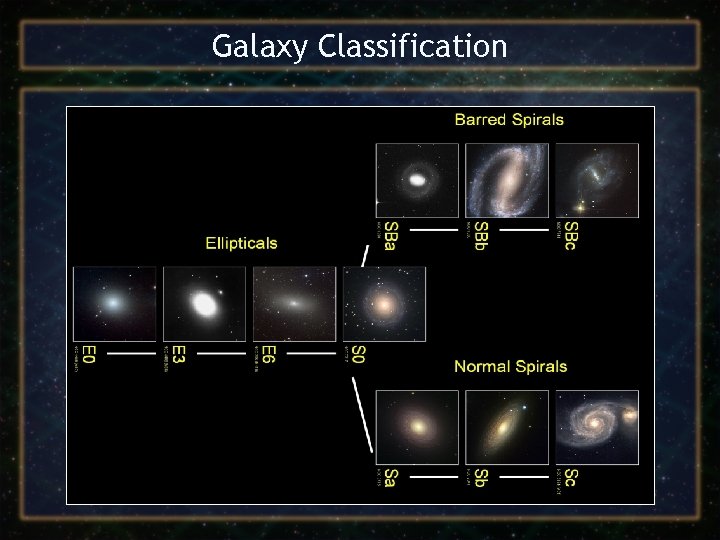
Galaxy Classification
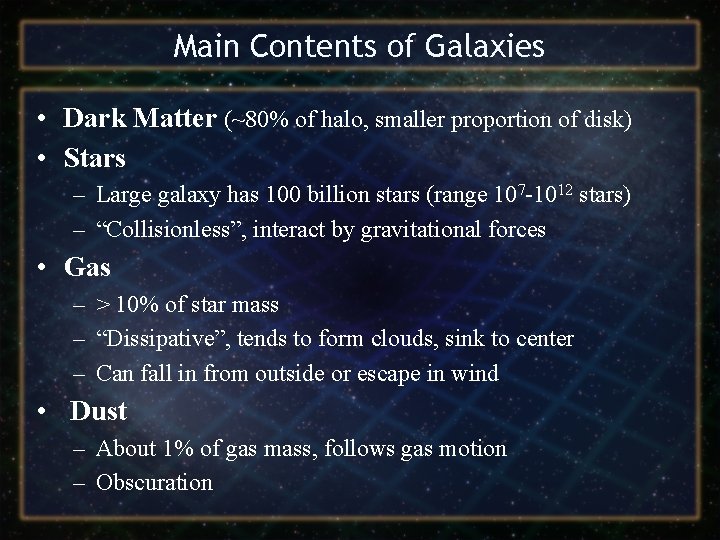
Main Contents of Galaxies • Dark Matter (~80% of halo, smaller proportion of disk) • Stars – Large galaxy has 100 billion stars (range 107 -1012 stars) – “Collisionless”, interact by gravitational forces • Gas – > 10% of star mass – “Dissipative”, tends to form clouds, sink to center – Can fall in from outside or escape in wind • Dust – About 1% of gas mass, follows gas motion – Obscuration
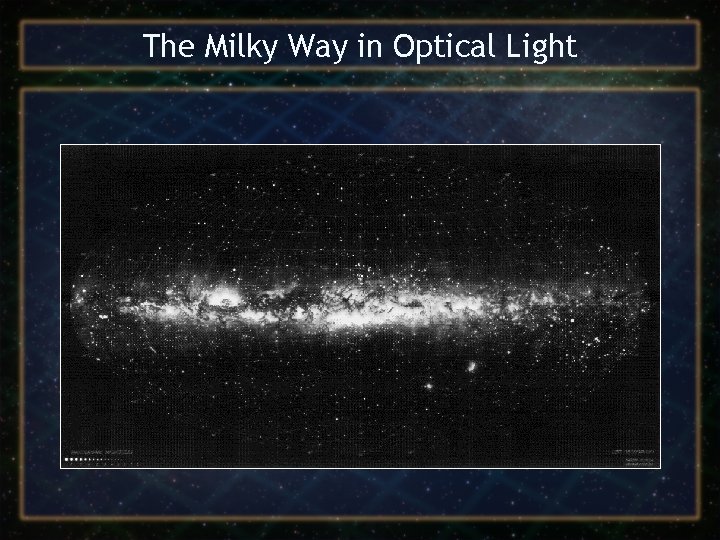
The Milky Way in Optical Light
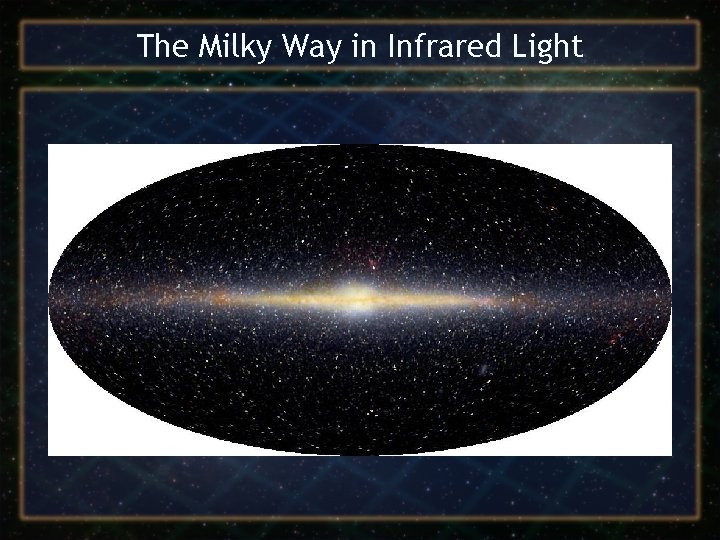
The Milky Way in Infrared Light
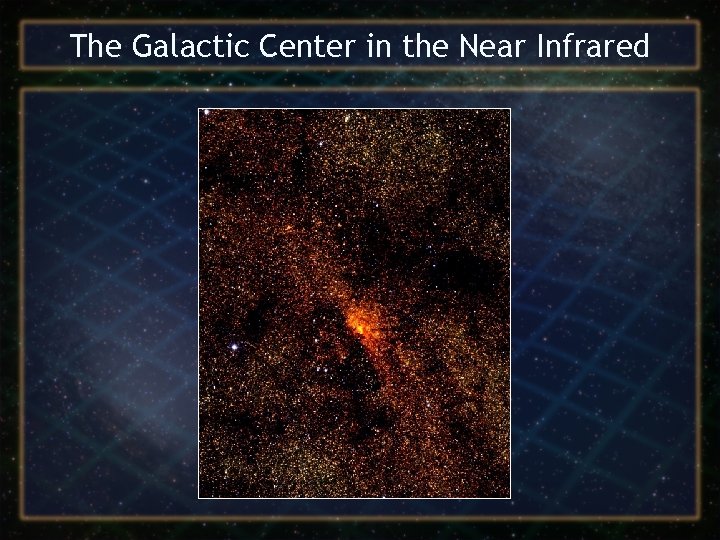
The Galactic Center in the Near Infrared
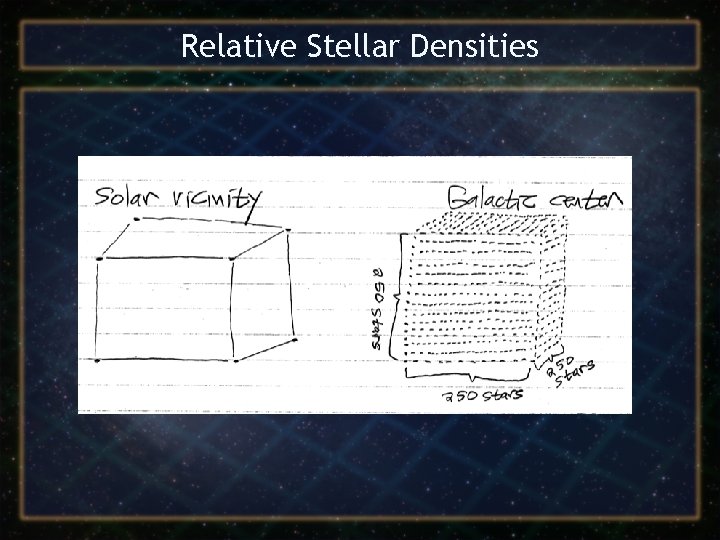
Relative Stellar Densities
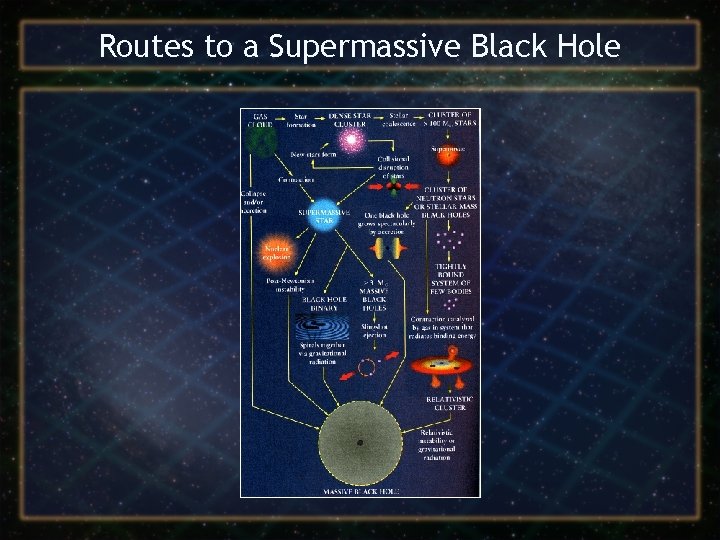
Routes to a Supermassive Black Hole
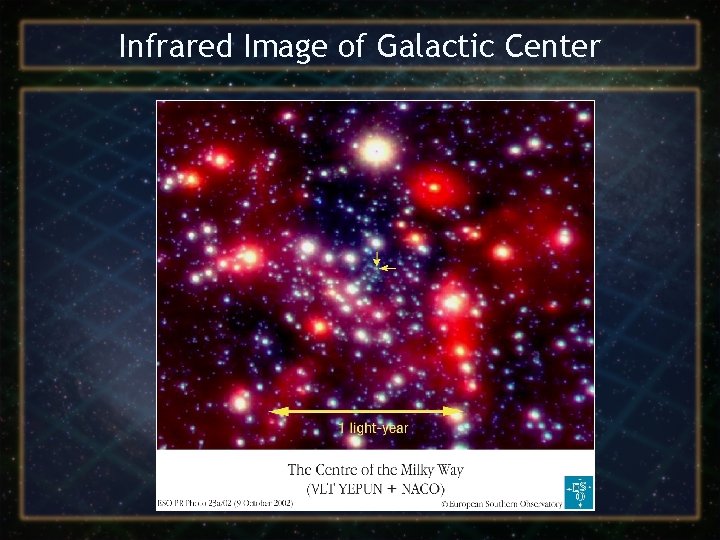
Infrared Image of Galactic Center
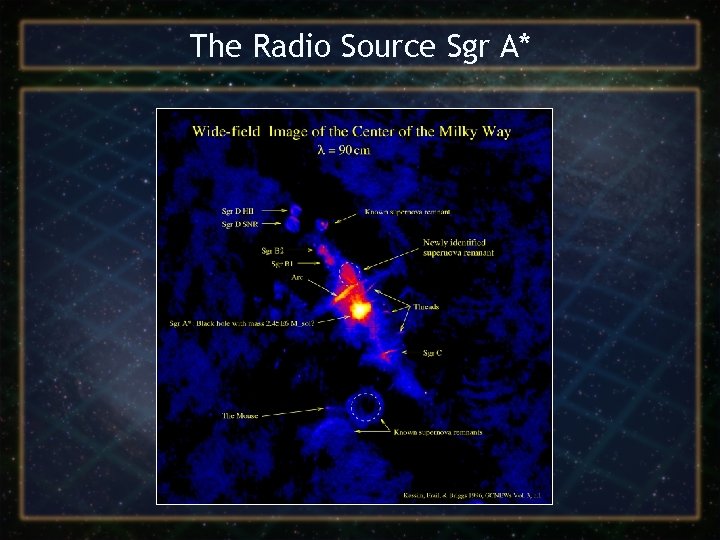
The Radio Source Sgr A*
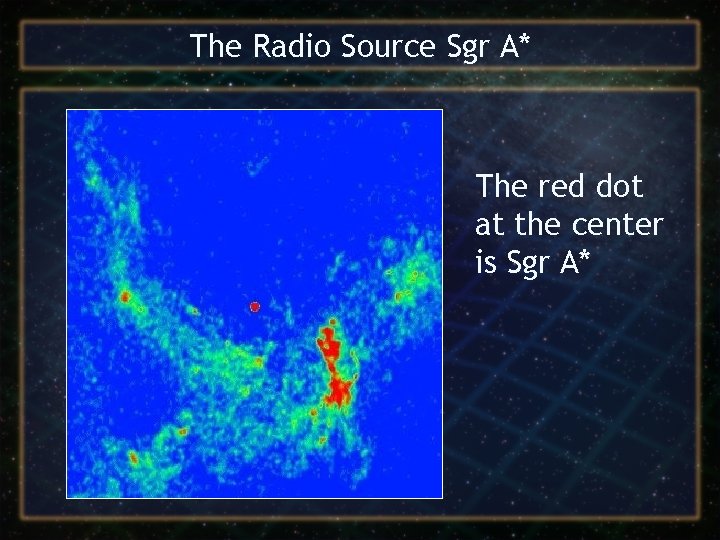
The Radio Source Sgr A* The red dot at the center is Sgr A*
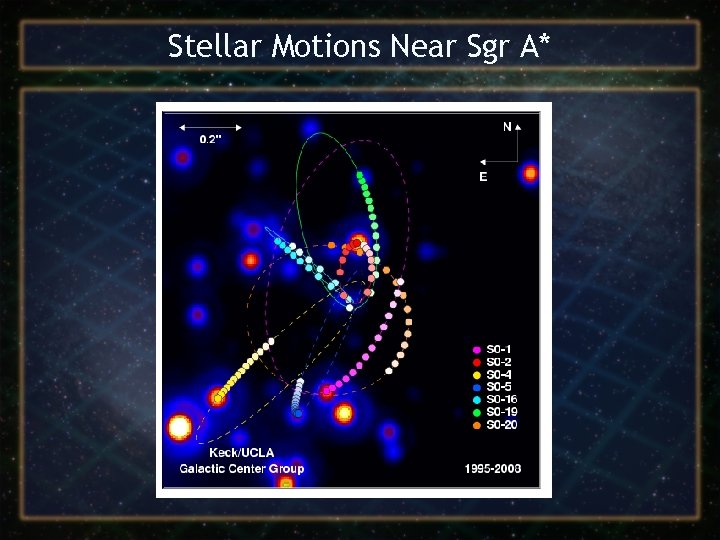
Stellar Motions Near Sgr A*
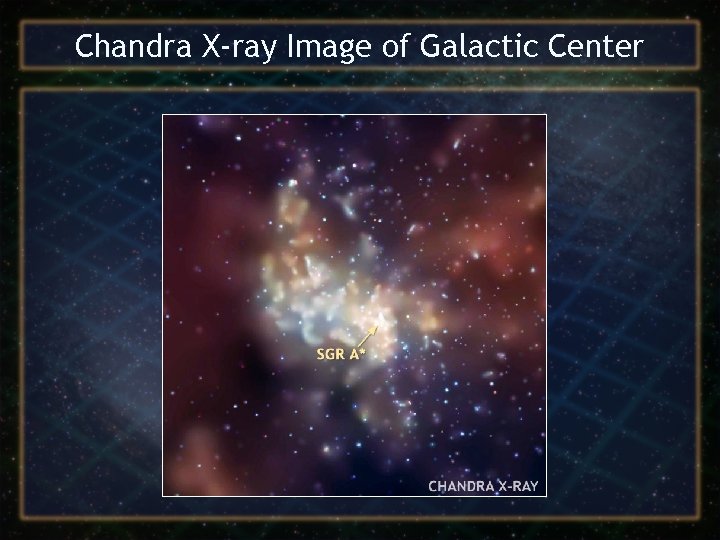
Chandra X-ray Image of Galactic Center
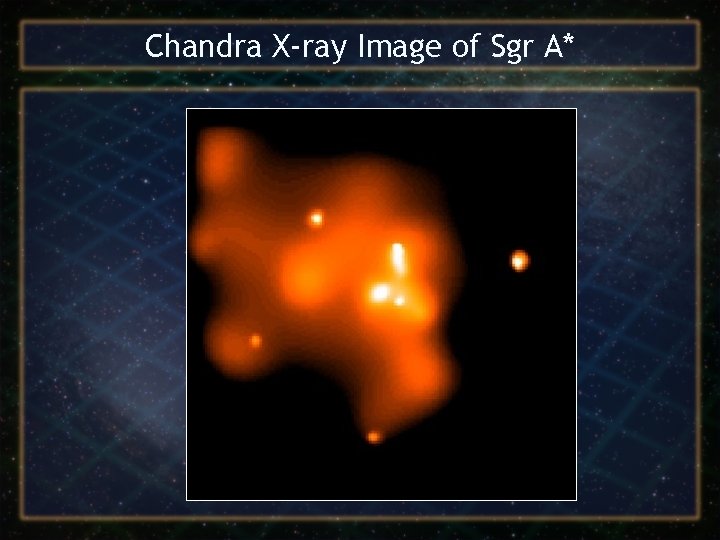
Chandra X-ray Image of Sgr A*
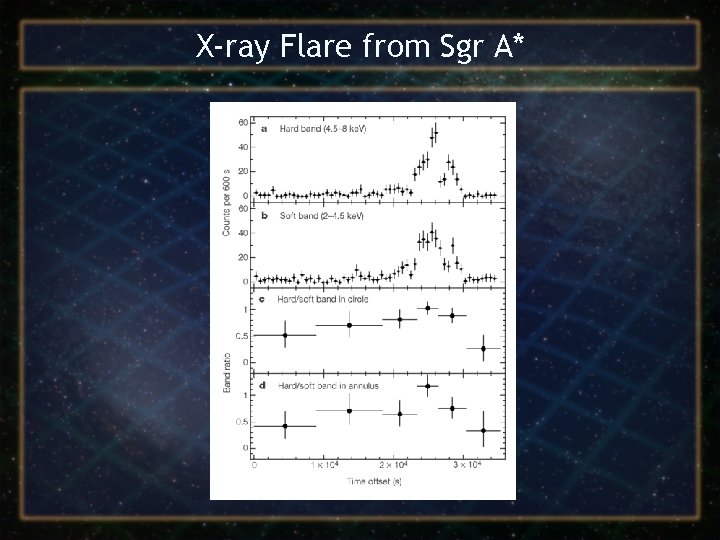
X-ray Flare from Sgr A*
- Slides: 21