
Lecture 1 What is and When was MODERNITY
- Slides: 32
Lecture 1: What is and When was MODERNITY ? Andrea Peach
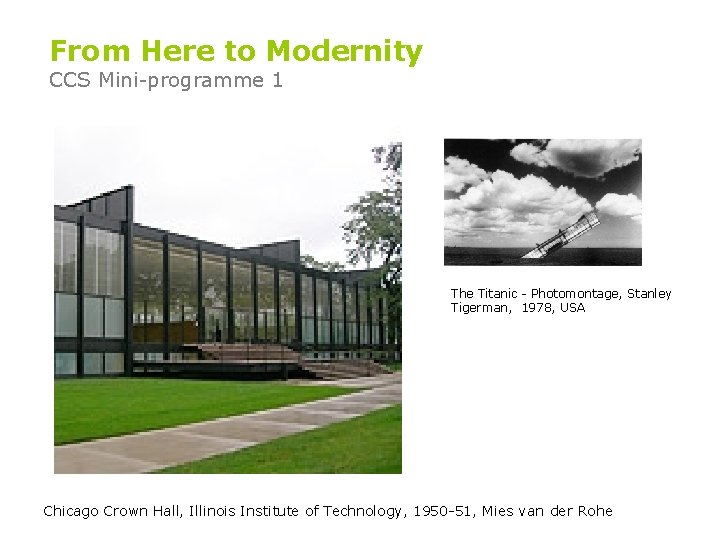
From Here to Modernity CCS Mini-programme 1 The Titanic - Photomontage, Stanley Tigerman, 1978, USA Chicago Crown Hall, Illinois Institute of Technology, 1950 -51, Mies van der Rohe
Modernity and Modernism
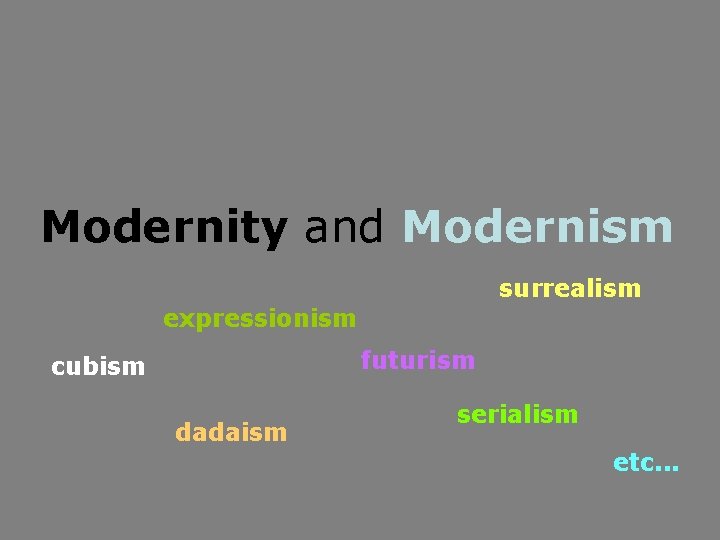
Modernity and Modernism surrealism expressionism futurism cubism dadaism serialism etc. . .
Modernism Dominant ideology throughout western industrialised world in art, design and architecture for most of the twentieth century
Modernity The social conditions and experiences that are the effects of modernisation. Technological, economic and political processes associated with the industrial revolution and its aftermath.
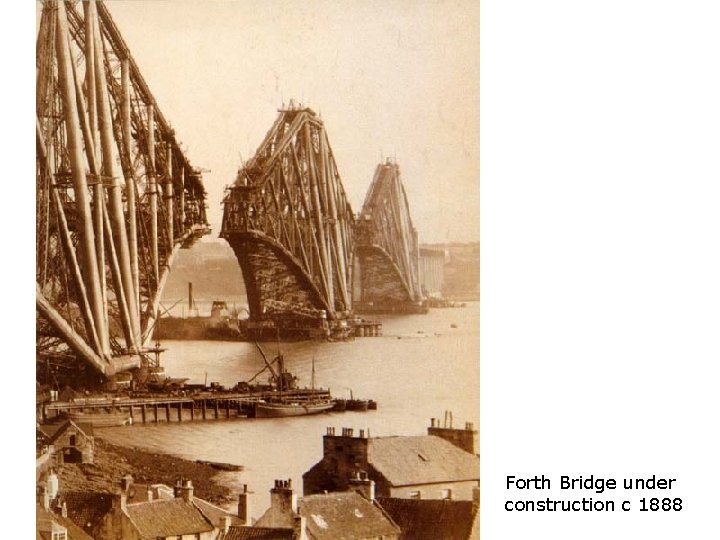
Forth Bridge under construction c 1888
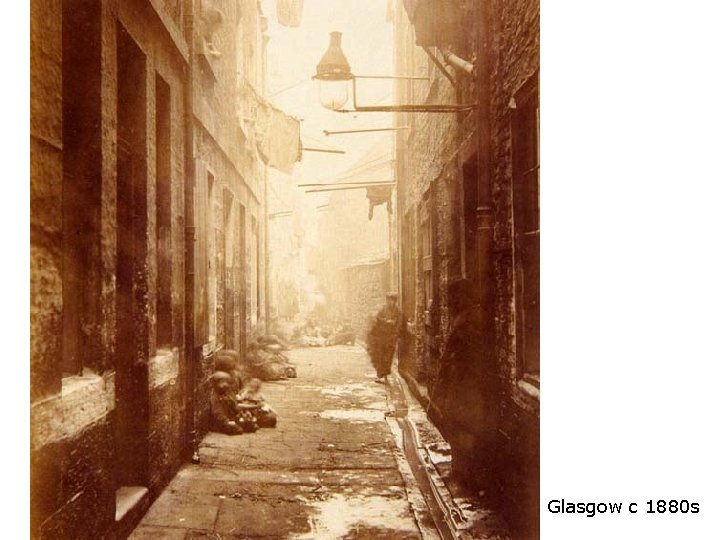
Glasgow c 1880 s
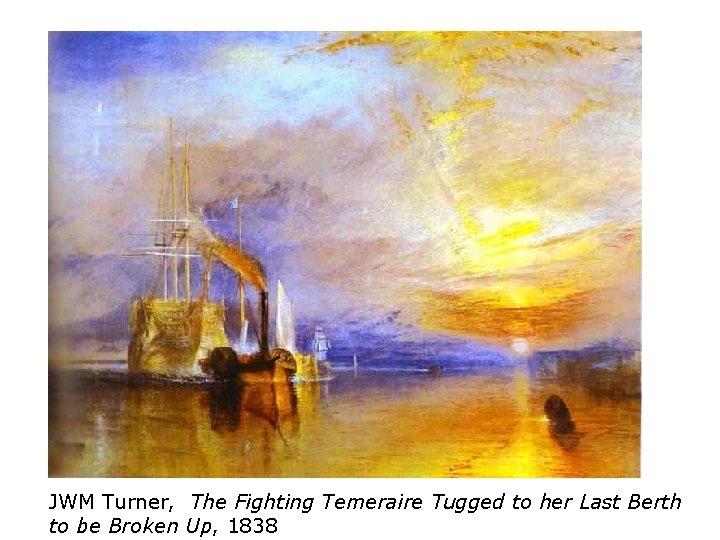
JWM Turner, The Fighting Temeraire Tugged to her Last Berth to be Broken Up, 1838
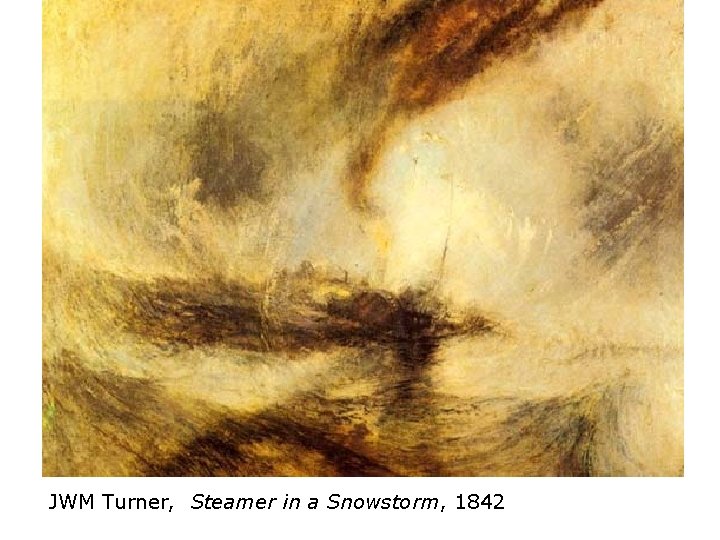
JWM Turner, Steamer in a Snowstorm, 1842
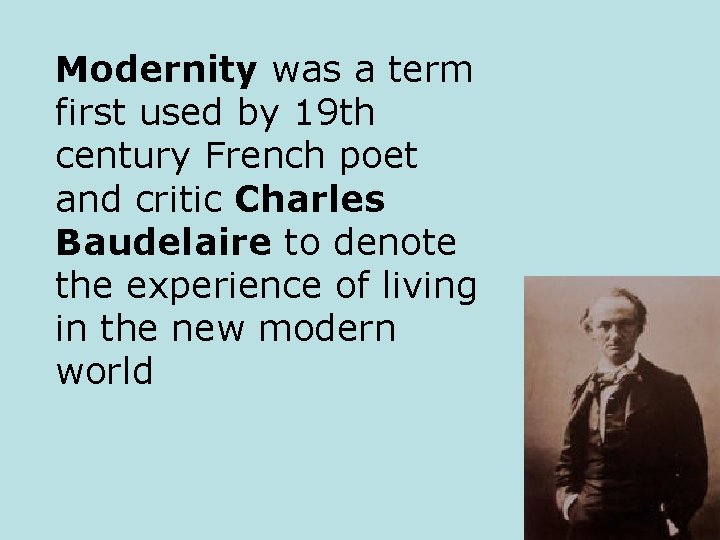
Modernity was a term first used by 19 th century French poet and critic Charles Baudelaire to denote the experience of living in the new modern world
Baudelaire talked about the ephemeral, the fugitive and contingent aspects of living in the new modern world. Put simply: life seemed to have speeded up
All fixed, fast-frozen relations, with their train of ancient and venerable prejudices and opinions are swept away All that is solid melts into air Karl Marx 1848
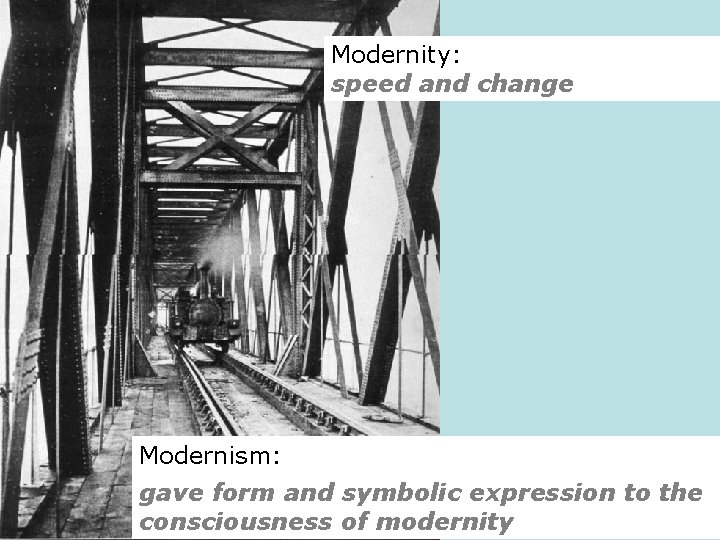
Modernity: speed and change Modernism: gave form and symbolic expression to the consciousness of modernity
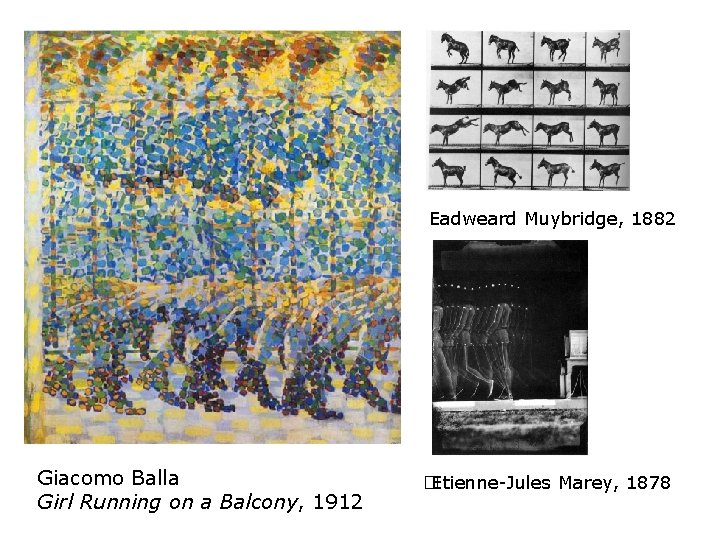
Eadweard Muybridge, 1882 Giacomo Balla Girl Running on a Balcony, 1912 �Etienne-Jules Marey, 1878
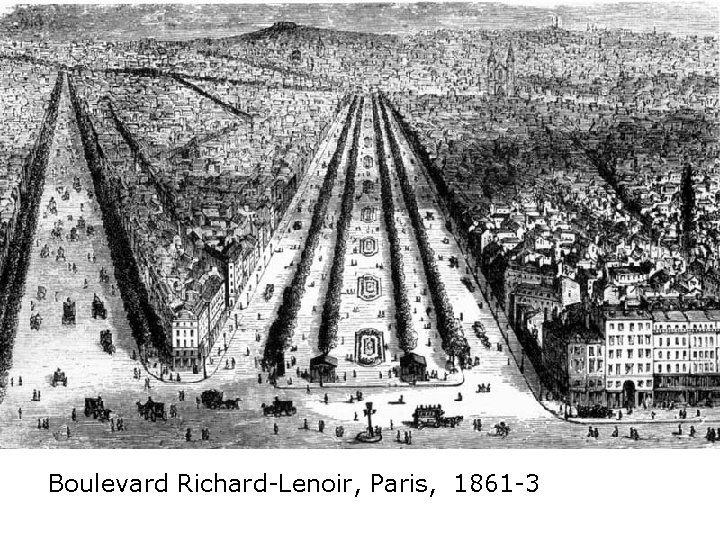
Boulevard Richard-Lenoir, Paris, 1861 -3
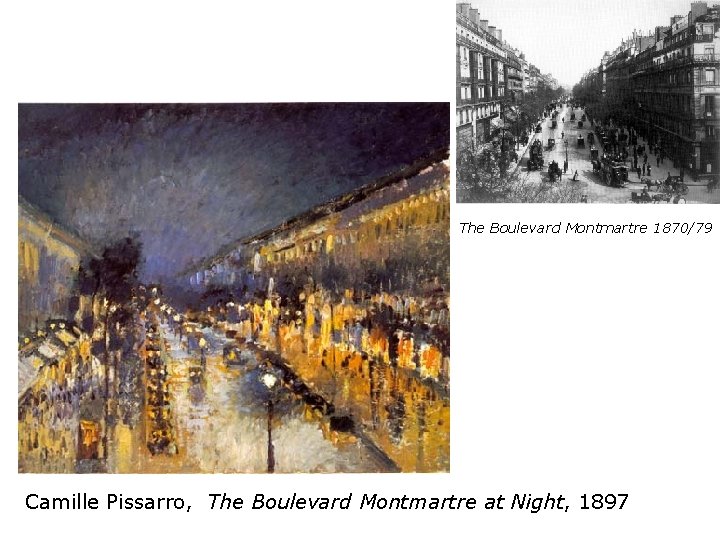
The Boulevard Montmartre 1870/79 Camille Pissarro, The Boulevard Montmartre at Night, 1897
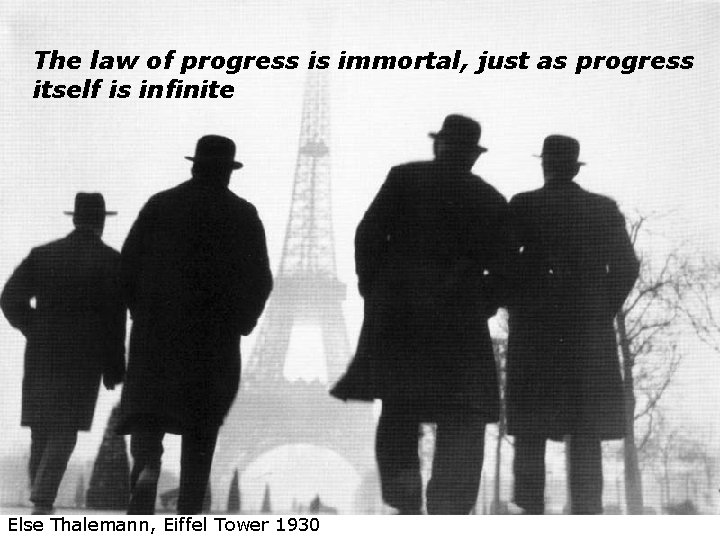
The law of progress is immortal, just as progress itself is infinite Else Thalemann, Eiffel Tower 1930
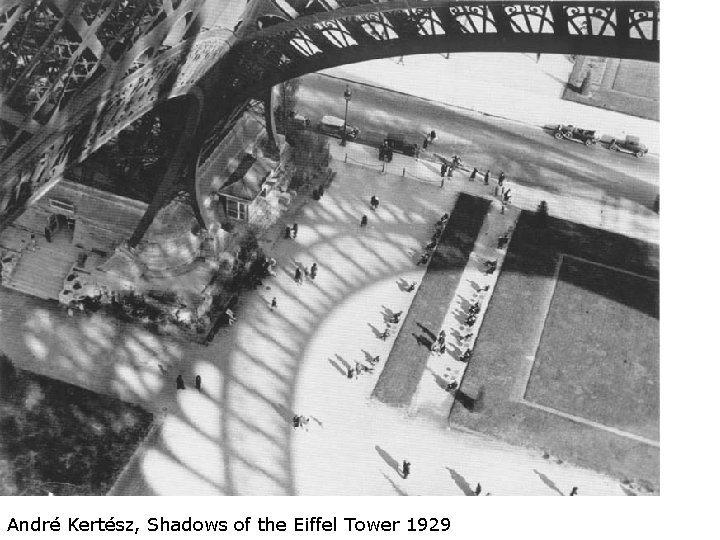
André Kertész, Shadows of the Eiffel Tower 1929
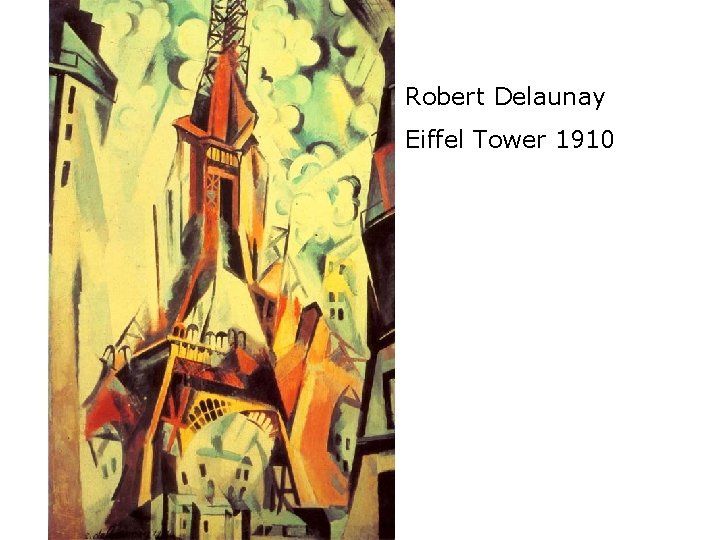
Robert Delaunay Eiffel Tower 1910
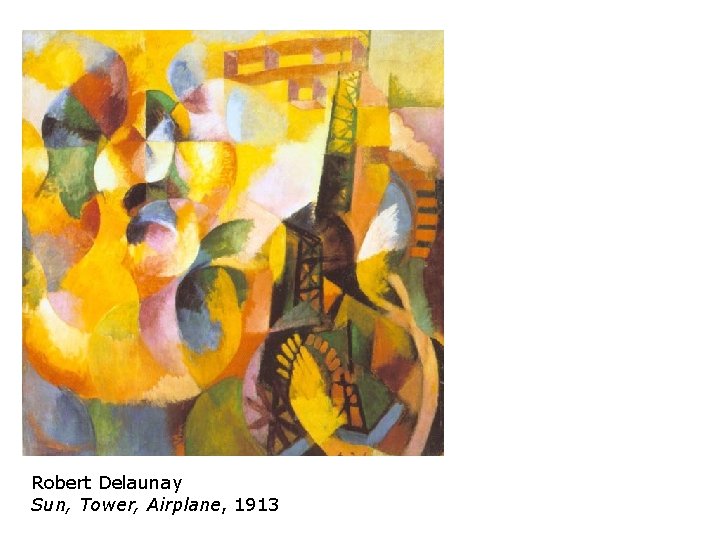
Robert Delaunay Sun, Tower, Airplane, 1913
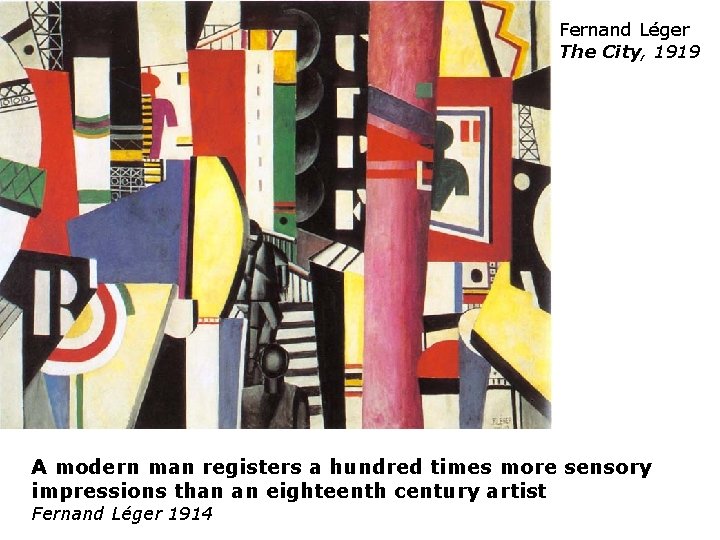
Fernand Léger The City, 1919 A modern man registers a hundred times more sensory impressions than an eighteenth century artist Fernand Léger 1914
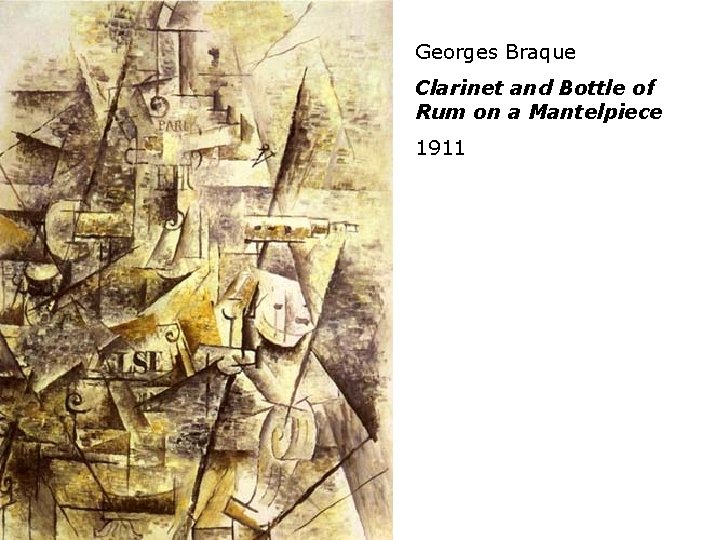
Georges Braque Clarinet and Bottle of Rum on a Mantelpiece 1911
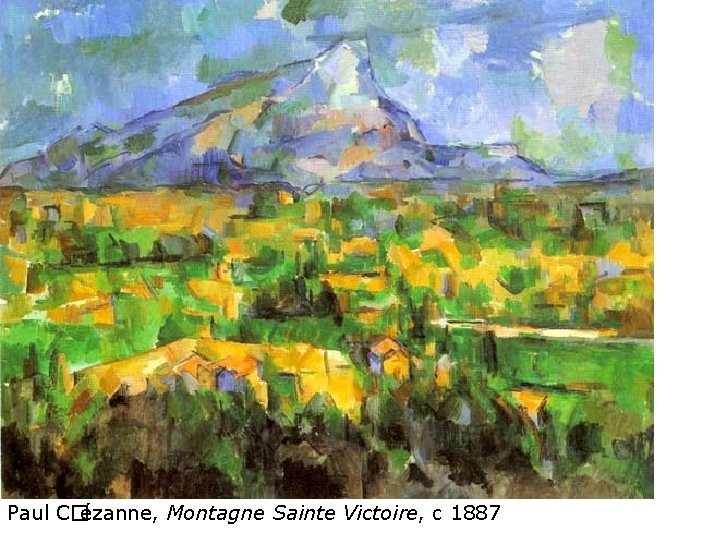
Clement Greenberg art critic (1909 -1994) Modern art can be related to the changing forms of modern life, even when it does not depict modernity
Paul C�ézanne, Montagne Sainte Victoire, c 1887
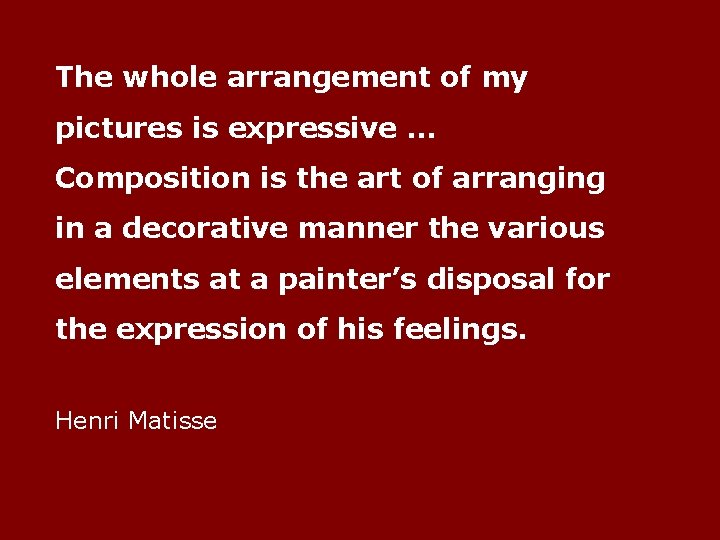
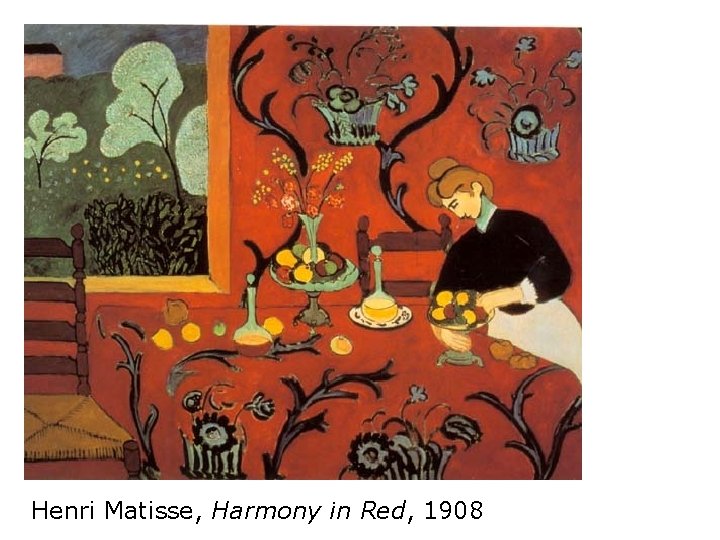
The whole arrangement of my pictures is expressive … Composition is the art of arranging in a decorative manner the various elements at a painter’s disposal for the expression of his feelings. Henri Matisse
Henri Matisse, Harmony in Red, 1908
Clement Greenberg Essay: Modernist Painting 1960 Formalism: based on approach which emphasises line, colour, tone, and mass at the expense of the significance of the subject matter Based on theories of Clive Bell and Roger Fry
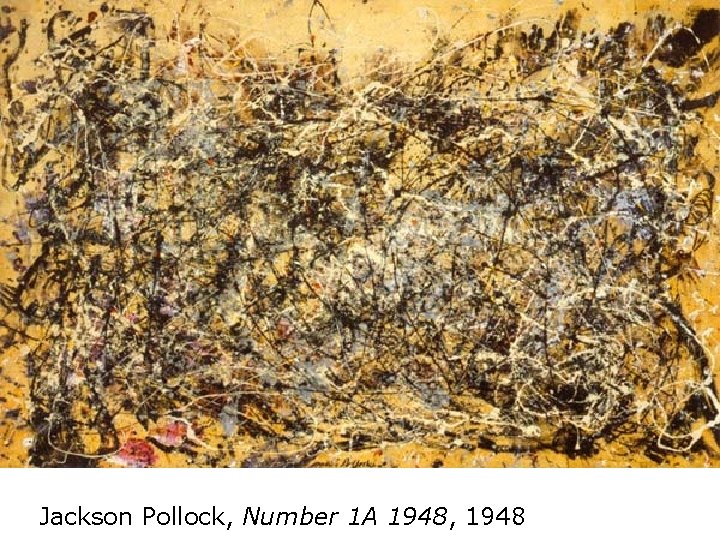
Modern art to me is nothing more than the expression of contemporary aims of the age that we’re living in … It seems to me that the modern painter cannot express this age, the airplane, the atom bomb, the radio, in the old forms of the Renaissance or of any other past culture. Each age finds its own technique. Jackson Pollock 1950
Jackson Pollock, Number 1 A 1948, 1948
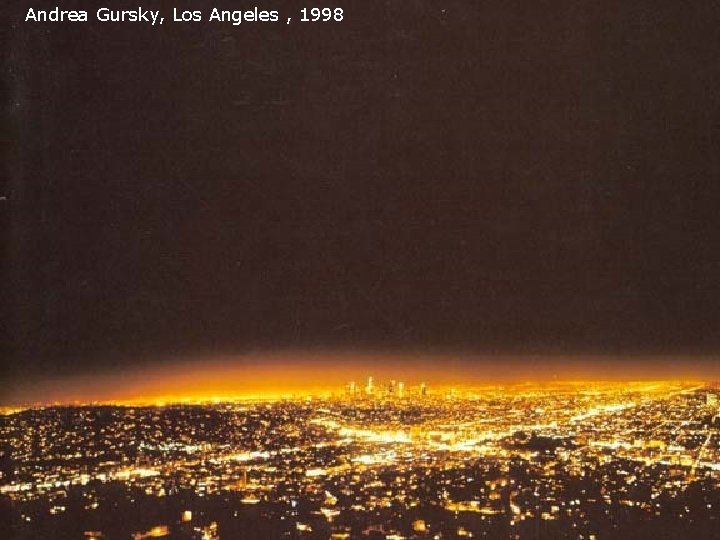
Andrea Gursky, Los Angeles , 1998
Reading: Frameworks for Modern Art - Jason Gaiger (ed) Chapter 1 ‘Art of the Twentieth Century’ Modernity and Modernism - Paul Wood (pp. 16 -27)