
Lect 6 The Hysteresis Motor Construction of Hysteresis

- Slides: 16
Lect. 6 The Hysteresis Motor
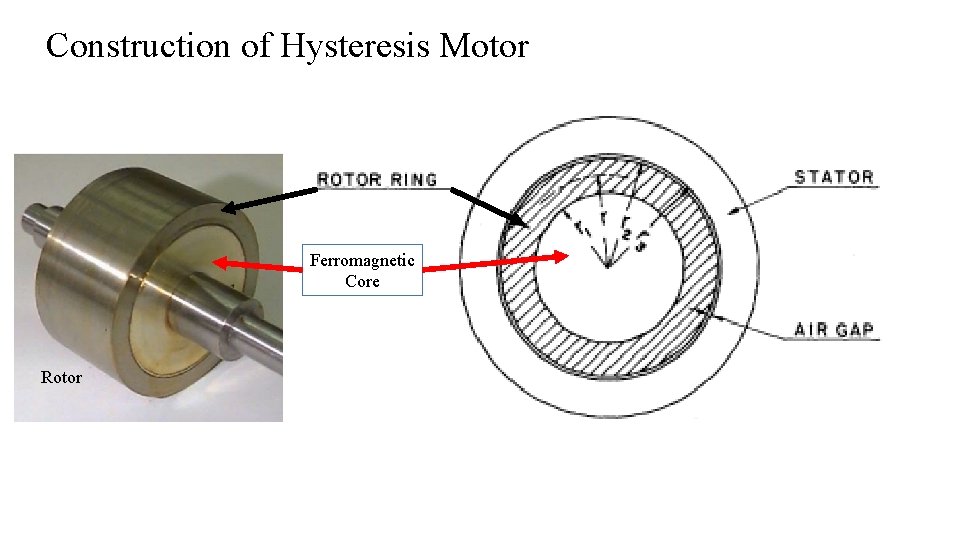
Construction of Hysteresis Motor Ferromagnetic Core Rotor
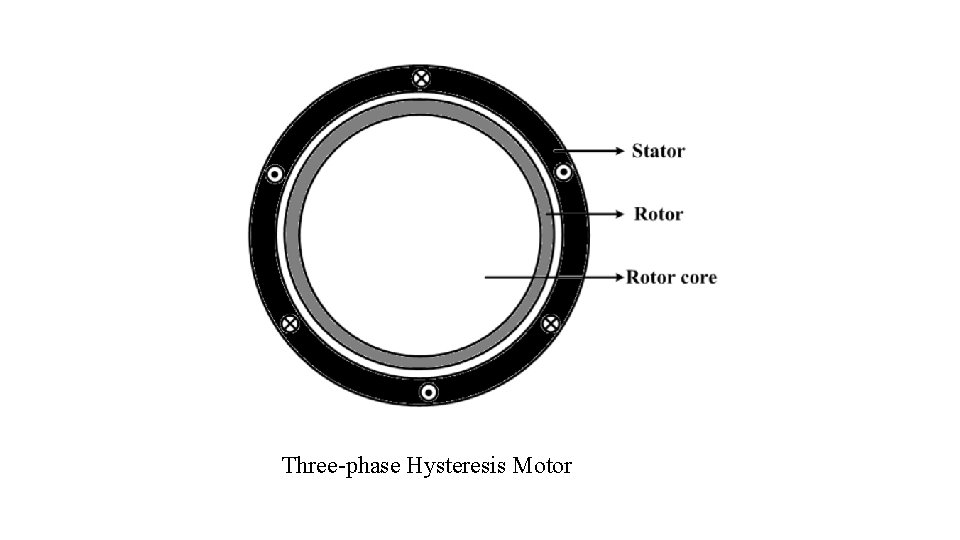
Three-phase Hysteresis Motor
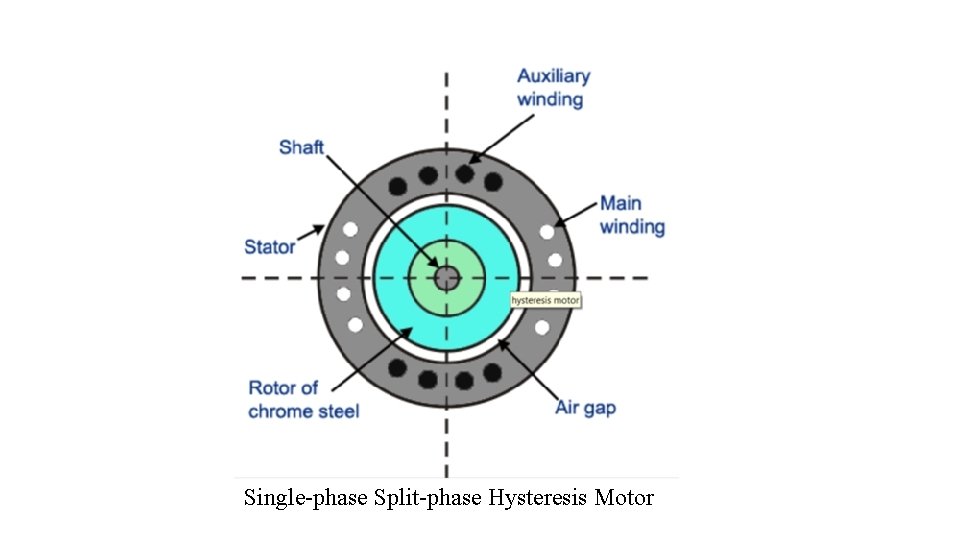
Single-phase Split-phase Hysteresis Motor
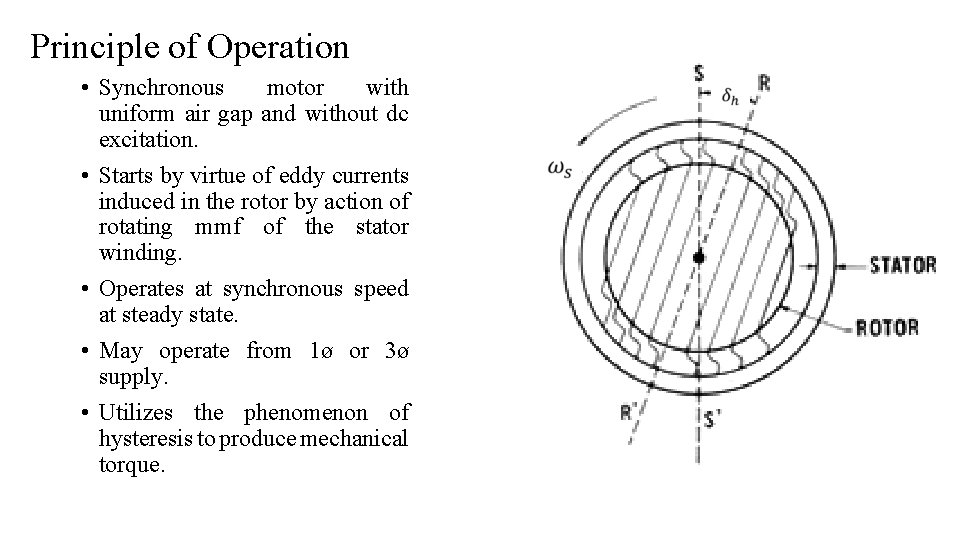
Principle of Operation • Synchronous motor with uniform air gap and without dc excitation. • Starts by virtue of eddy currents induced in the rotor by action of rotating mmf of the stator winding. • Operates at synchronous speed at steady state. • May operate from 1ø or 3ø supply. • Utilizes the phenomenon of hysteresis to produce mechanical torque.
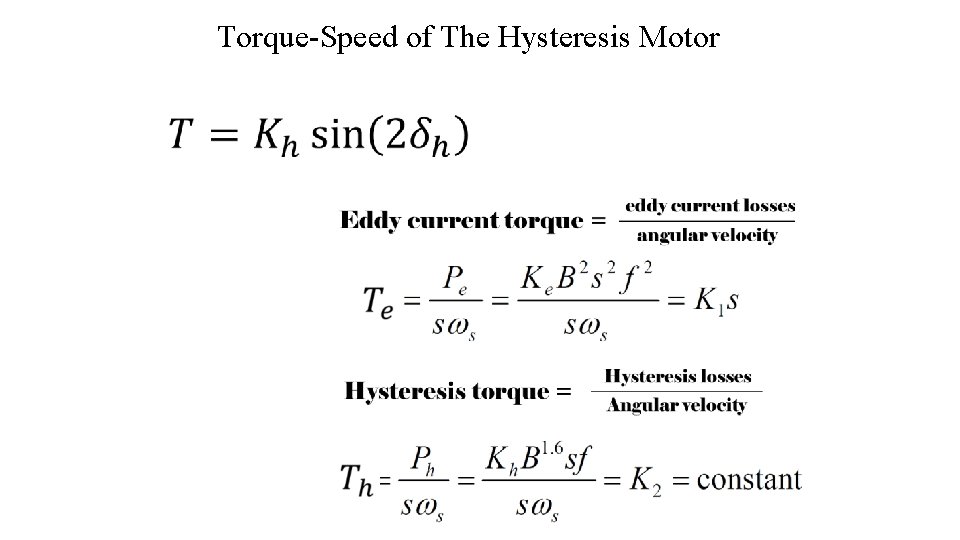
Torque-Speed of The Hysteresis Motor
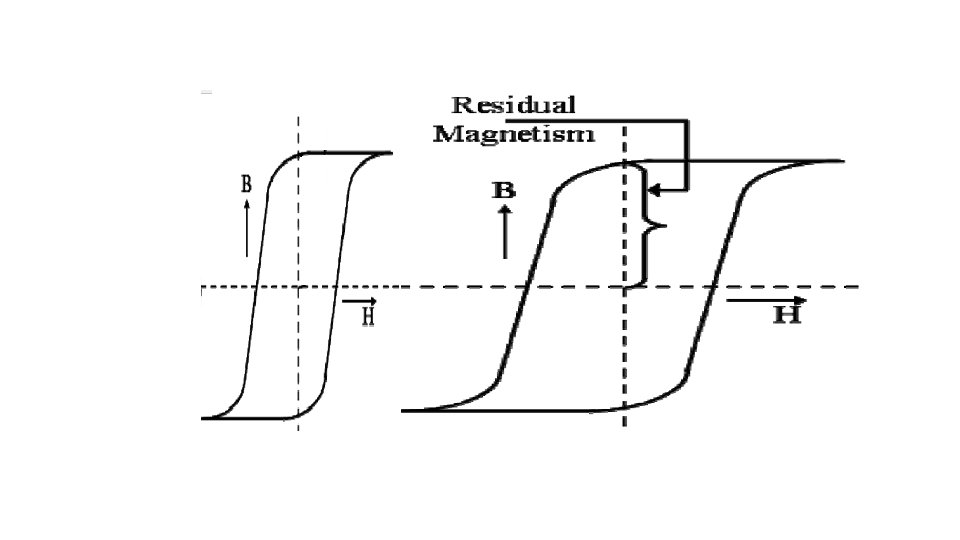
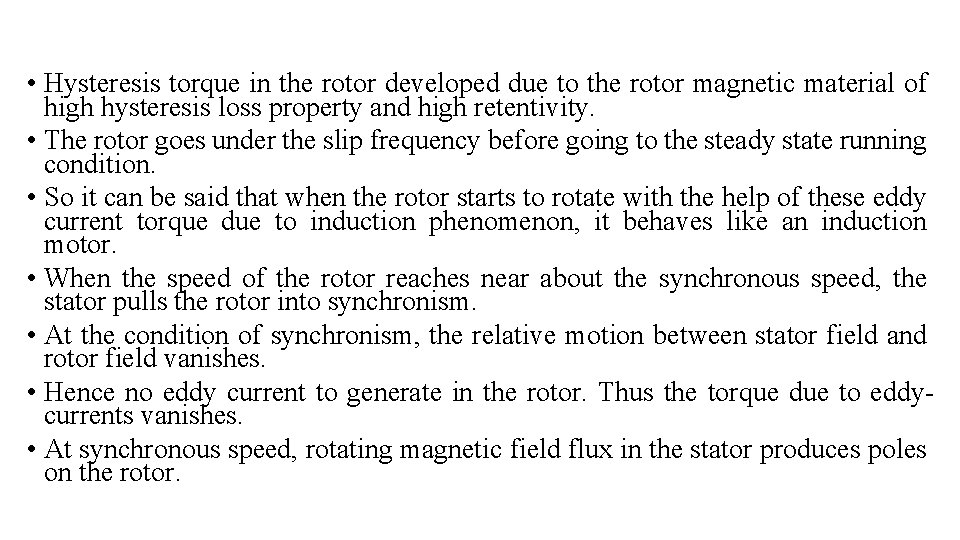
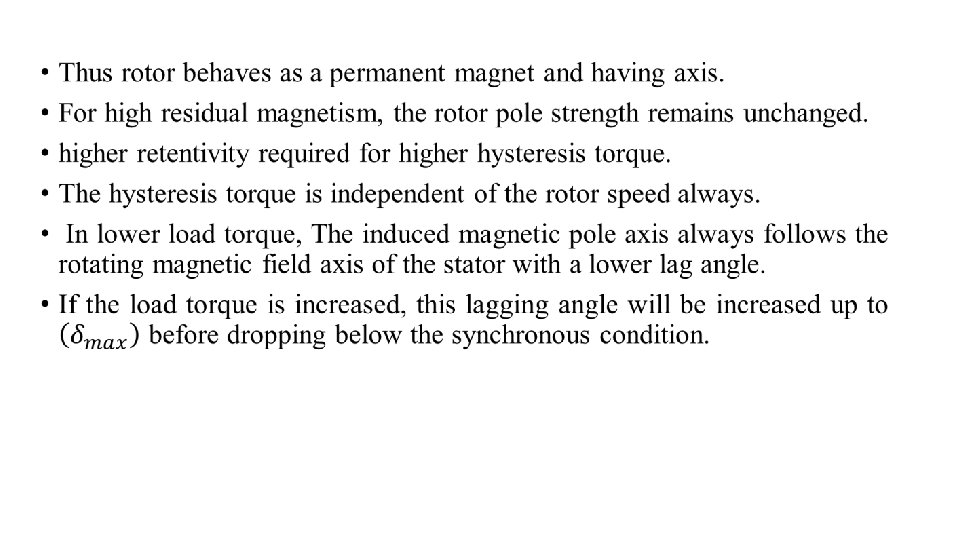
• Hysteresis torque in the rotor developed due to the rotor magnetic material of high hysteresis loss property and high retentivity. • The rotor goes under the slip frequency before going to the steady state running condition. • So it can be said that when the rotor starts to rotate with the help of these eddy current torque due to induction phenomenon, it behaves like an induction motor. • When the speed of the rotor reaches near about the synchronous speed, the stator pulls the rotor into synchronism. • At the condition of synchronism, the relative motion between stator field and rotor field vanishes. • Hence no eddy current to generate in the rotor. Thus the torque due to eddycurrents vanishes. • At synchronous speed, rotating magnetic field flux in the stator produces poles on the rotor.
Advantages of Hysteresis Motor • • As no teeth and no winding in rotor, no mechanical vibrations. Its operation is quiet and noiseless. Operates at constant speed. Acceptable starting torque. Disadvantages of Hysteresis Motor • Low power factor • Low efficiency
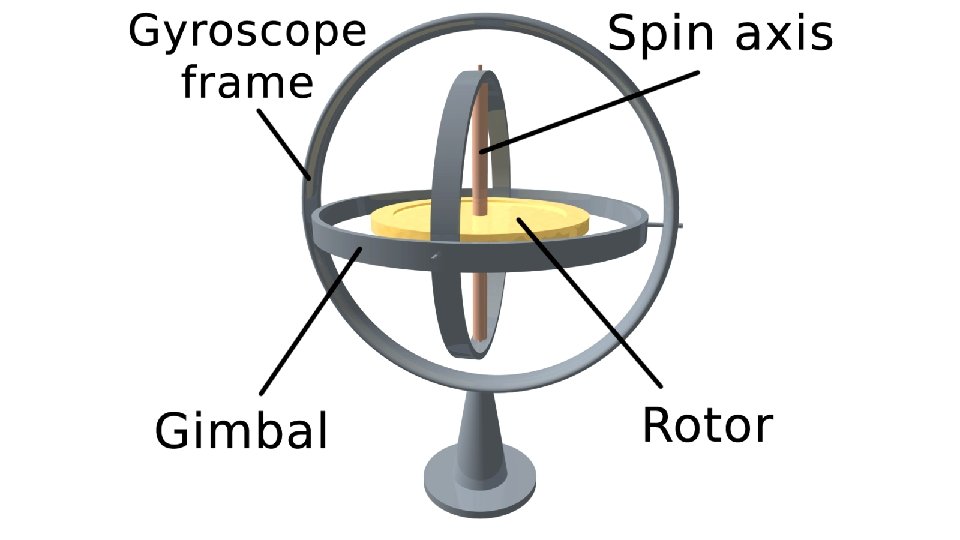
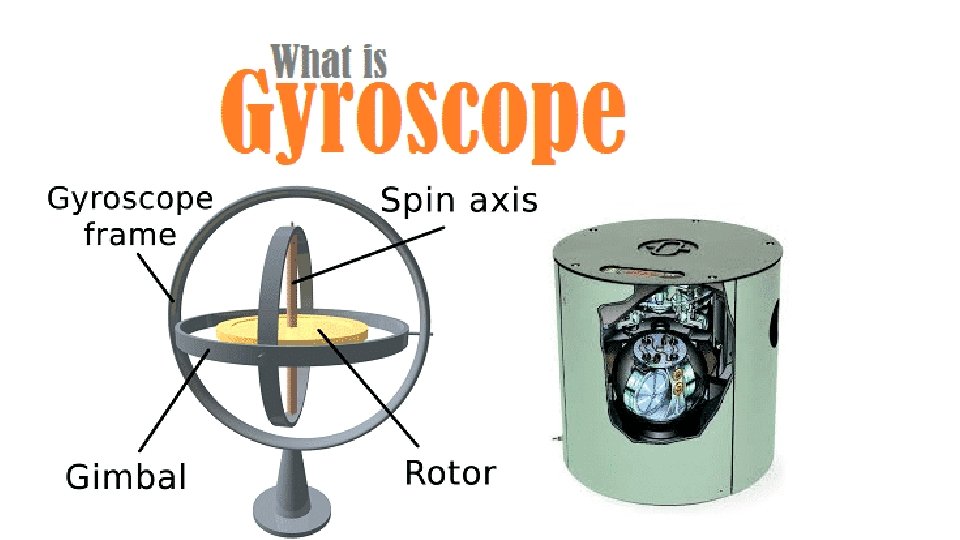
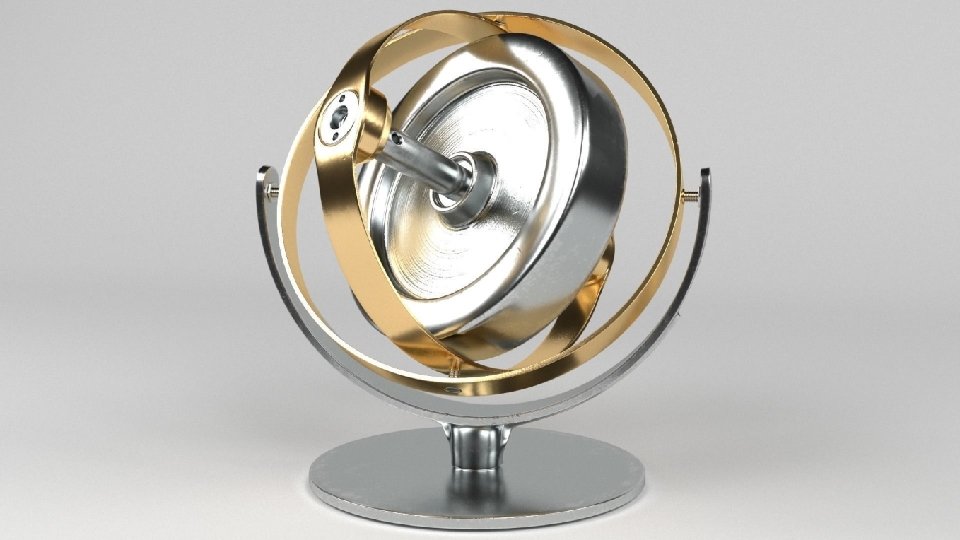
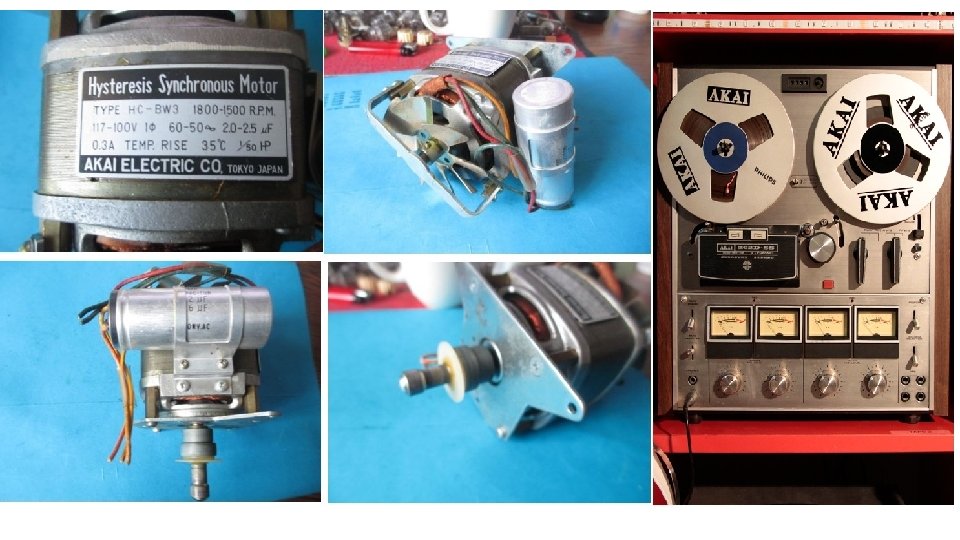
Applications of Hysteresis Motors They are widely used in: • High quality record players. • Timing devices. • Electric clocks. • Teleprinters. • Navigation (Gyroscope)