
Learning to read and spell High Frequency Words

- Slides: 18
Learning to read and spell High Frequency Words Ann Beckitt
Whats so good about it? • Whole/High Frequency Words Knowledge of the words that appear most often in text will allow your child to read more fluently and with deeper understanding. 100 HFW=50% of most texts. • Multisensory • Reading and spelling are learnt together • Word Families This increases the likelihood of the words being remembered and used. • Repetitive and rewarding This increases the likelihood of the words being remembered and used.
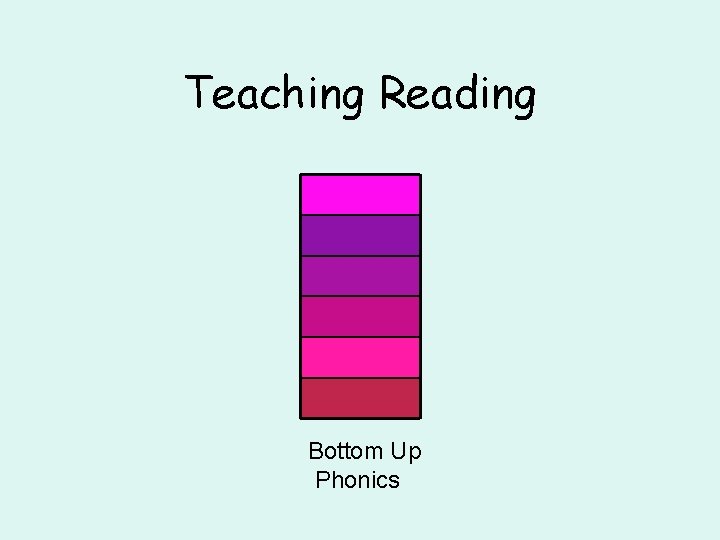
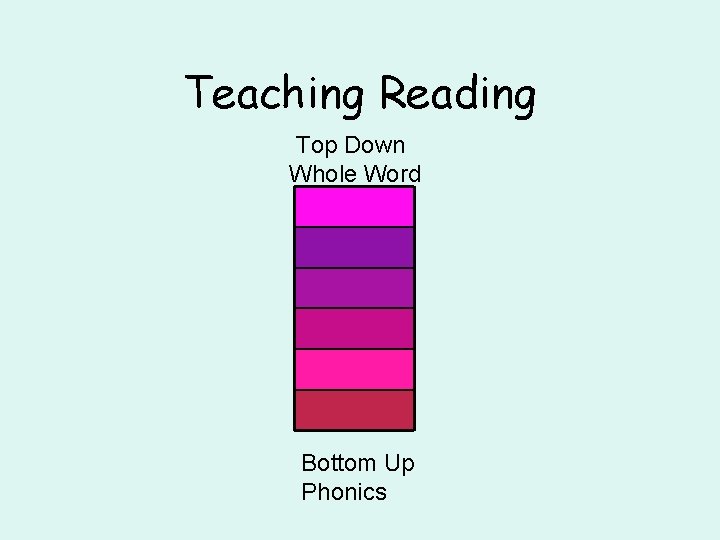
Teaching Reading Bottom Up Phonics
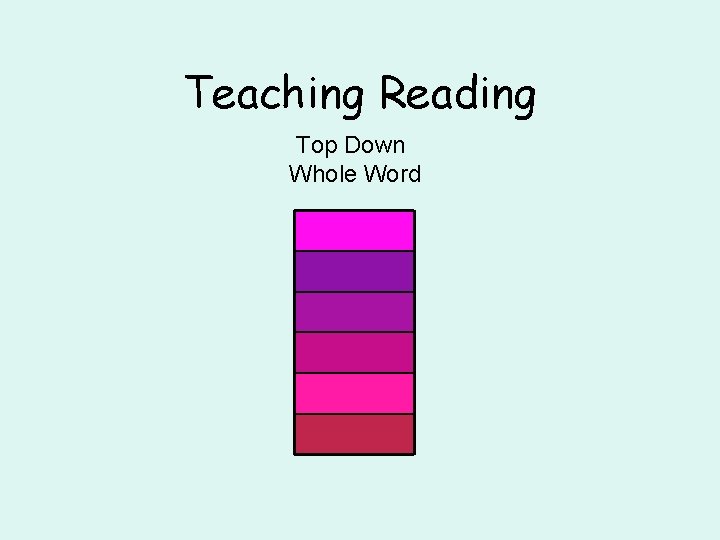
Teaching Reading Top Down Whole Word
Teaching Reading Top Down Whole Word Bottom Up Phonics
Reading is unnatural !
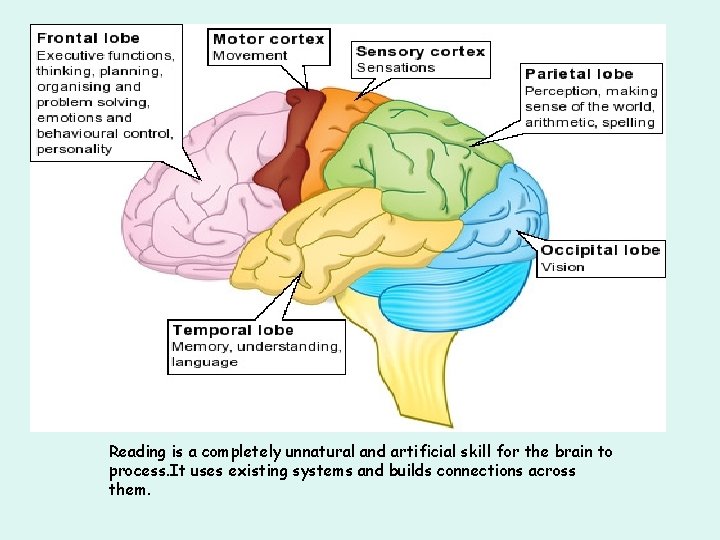
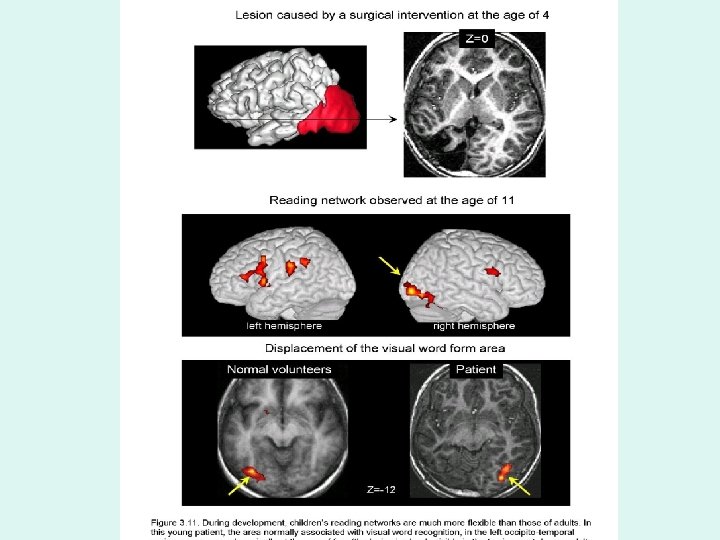
Reading is a completely unnatural and artificial skill for the brain to process. It uses existing systems and builds connections across them.
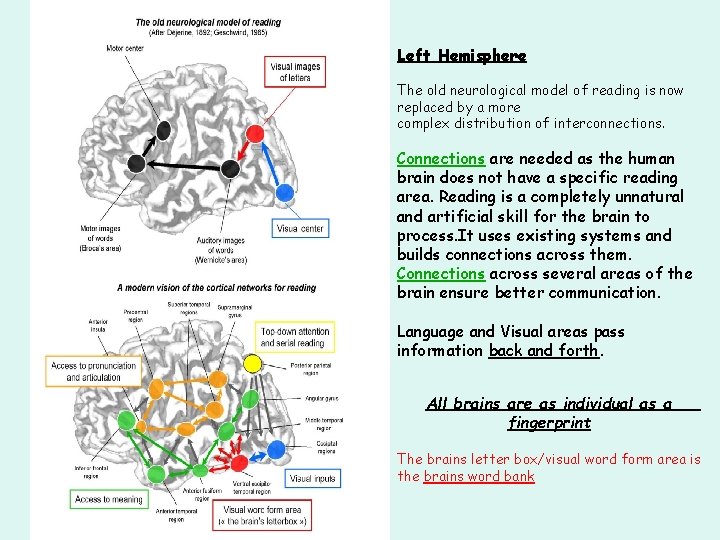
Left Hemisphere The old neurological model of reading is now replaced by a more complex distribution of interconnections. Connections are needed as the human brain does not have a specific reading area. Reading is a completely unnatural and artificial skill for the brain to process. It uses existing systems and builds connections across them. Connections across several areas of the brain ensure better communication. Language and Visual areas pass information back and forth. All brains are as individual as a fingerprint The brains letter box/visual word form area is the brains word bank
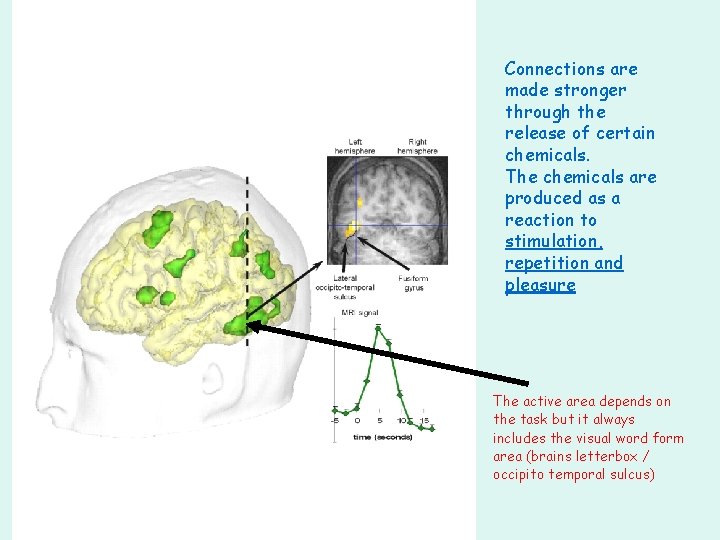
Connections are made stronger through the release of certain chemicals. The chemicals are produced as a reaction to stimulation, repetition and pleasure The active area depends on the task but it always includes the visual word form area (brains letterbox / occipito temporal sulcus)
All brains are different in the way they are organised developed and matured. How do we encourage the brain to compensate and remediate when connections are weak or impaired? How do we ensure the connections that are maderemain?
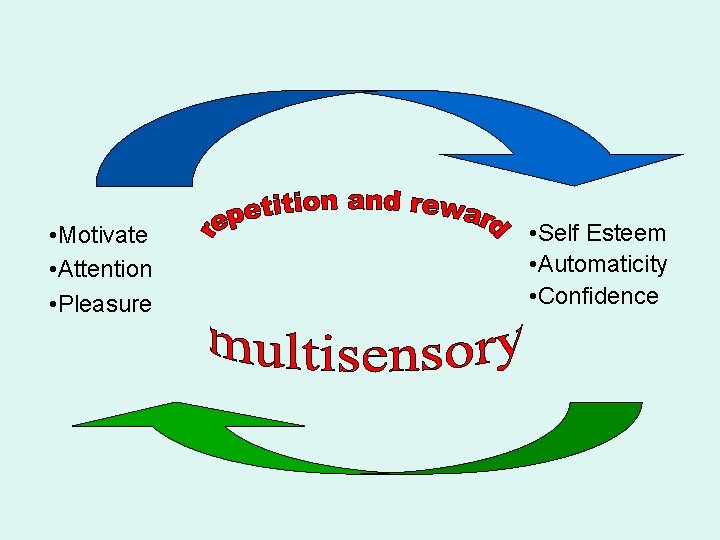
• Motivate • Attention • Pleasure • Self Esteem • Automaticity • Confidence
Spell Bound A motivational spelling programme • • • Developed by 3 resource teachers 300 high frequency words 6 Sets A-F arranged in order of difficulty 50 words per set 5 colour coded lists-10 words in each
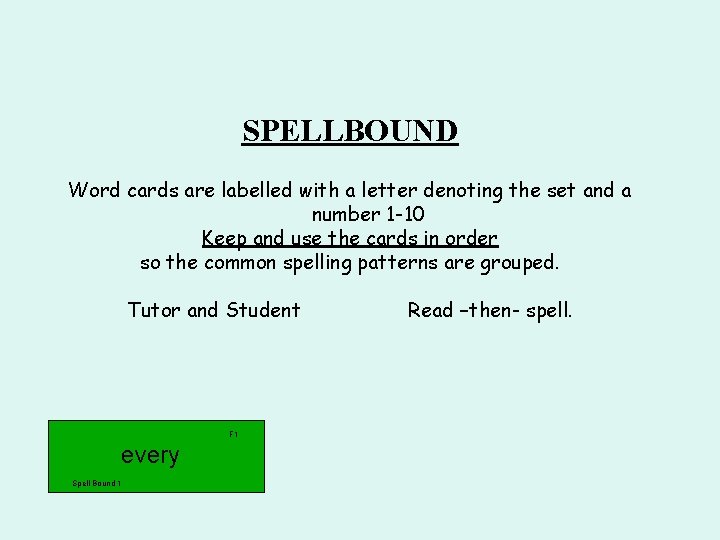
SPELLBOUND Word cards are labelled with a letter denoting the set and a number 1 -10 Keep and use the cards in order so the common spelling patterns are grouped. Tutor and Student F 1 every Spell Bound 1 Read –then- spell.
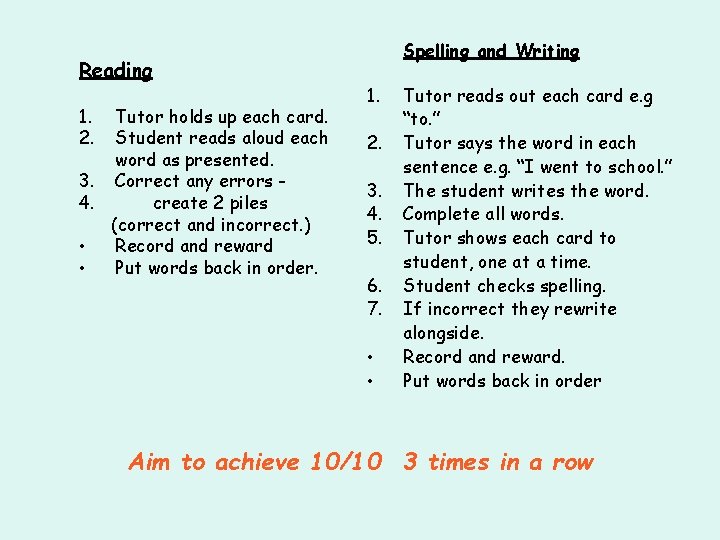
Reading 1. 2. Tutor holds up each card. Student reads aloud each word as presented. 3. Correct any errors 4. create 2 piles (correct and incorrect. ) • Record and reward • Put words back in order. Spelling and Writing 1. 2. 3. 4. 5. 6. 7. • • Tutor reads out each card e. g “to. ” Tutor says the word in each sentence e. g. “I went to school. ” The student writes the word. Complete all words. Tutor shows each card to student, one at a time. Student checks spelling. If incorrect they rewrite alongside. Record and reward. Put words back in order Aim to achieve 10/10 3 times in a row
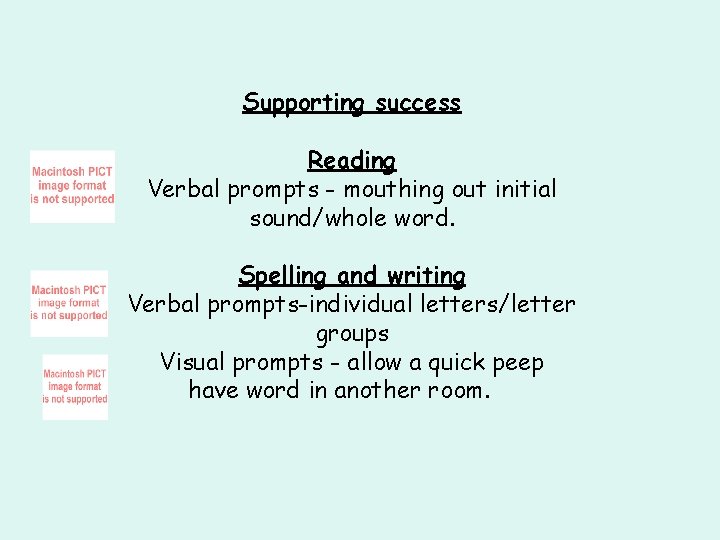
Supporting success Reading Verbal prompts - mouthing out initial sound/whole word. Spelling and writing Verbal prompts-individual letters/letter groups Visual prompts - allow a quick peep have word in another room.
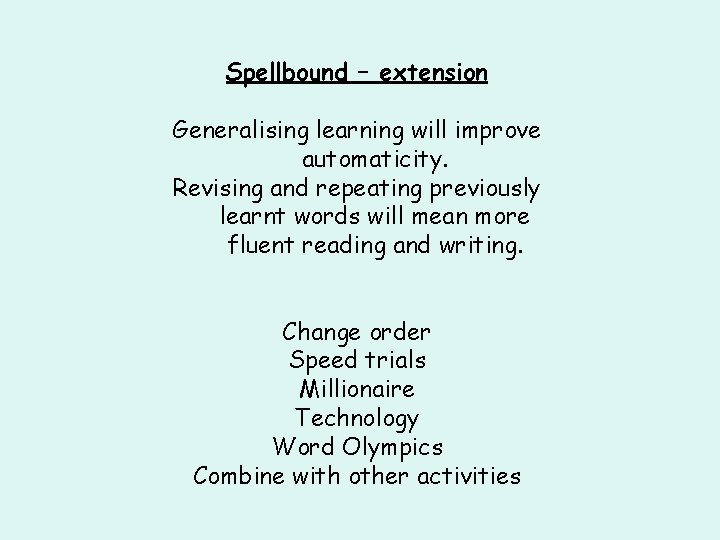
Spellbound – extension Generalising learning will improve automaticity. Revising and repeating previously learnt words will mean more fluent reading and writing. Change order Speed trials Millionaire Technology Word Olympics Combine with other activities