
Learning to Learn By Katie Bresnahan CIS 1020
Learning to Learn By: Katie Bresnahan CIS 1020 -066 Ages 17 -100
Introduction • • What is learning? How do we learn? Why do some people learn better or faster? How can we improve our learning?
What is Learning? • “Learning is a relatively permanent change in behavior that is the result of experience. ” (Cherry, 2005). • Memory is learning! When we are learning we are simply creating and recalling memories.

Encoding Storage Retrieval
Encoding • Step one in the learning process is Attention! • Step two is • Along with processing we have Imagery
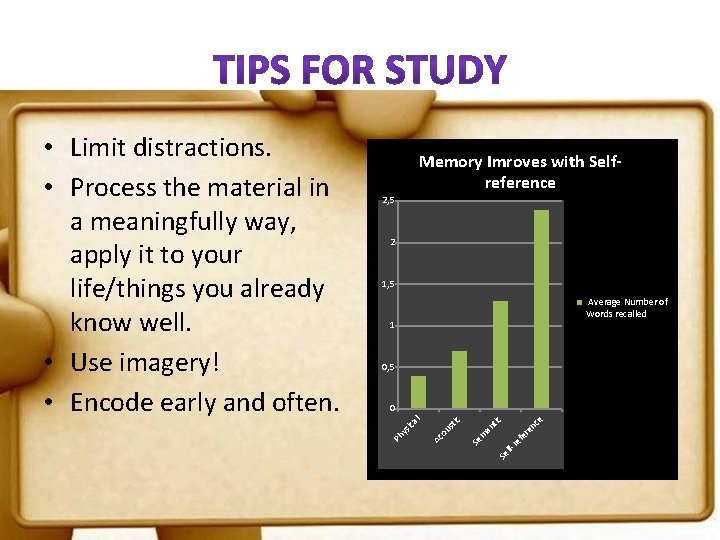
Memory Imroves with Selfreference 2, 5 2 1, 5 Average Number of Words recalled 1 0, 5 ce fe r Se lfre m Se en tic an ic st Ac ou ys ica l 0 Ph • Limit distractions. • Process the material in a meaningfully way, apply it to your life/things you already know well. • Use imagery! • Encode early and often.
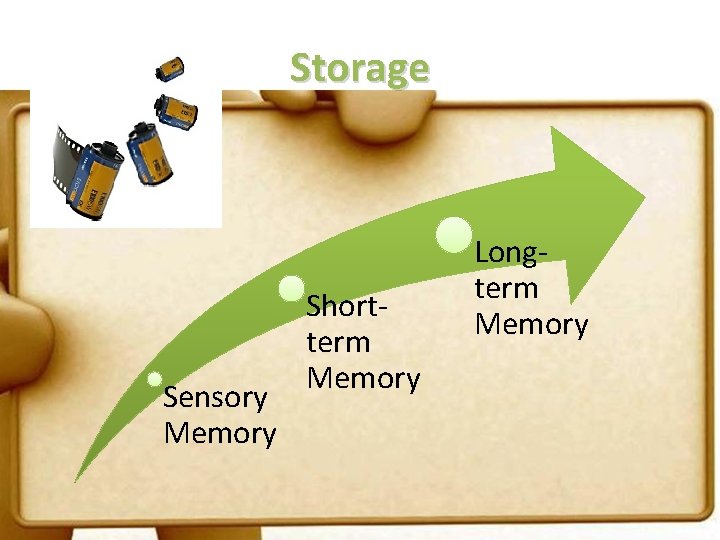
Storage Sensory Memory Shortterm Memory Longterm Memory
Tips for Study • Rewrite and go over notes you have taken. • Take chances to teach other people. • Make tests for yourself to track your progress and see where you need to improve. • While you study, go to class, read and work problems ask questions, to yourself and others.
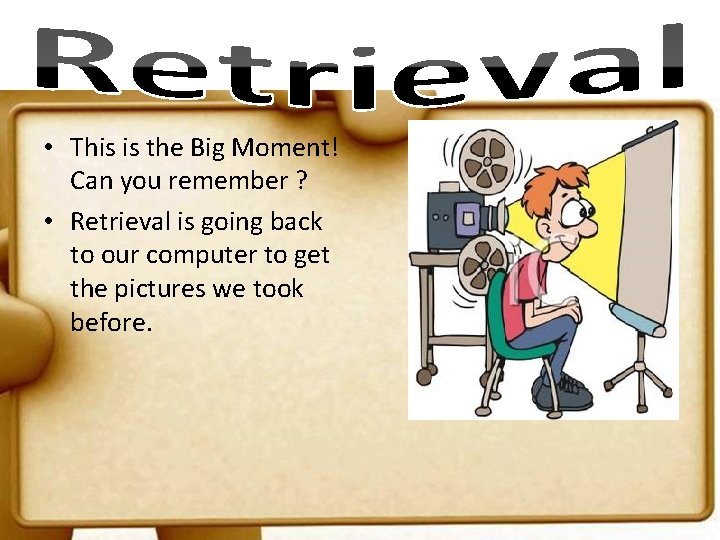
• This is the Big Moment! Can you remember ? • Retrieval is going back to our computer to get the pictures we took before.
Tips for Study • Use cues to help your brain get in gear and start thinking about what you will need to remember. • Be calm, take slow deep breaths, drink water and relax.
Factors that Effect Memory • Forgetting is more than just memory loss • Did you really encode and make a memory in the first place? • Unpleasant memories can be repressed. • When you learned it may determine if you remember.
Tips to Improve Study Skills • Sleep is Vital! “Sleep not only rights the wrong of prolonged wakefulness, but, at a neurocognitive level, it moves you beyond where you were before you took a nap. ” • When Solving problems: – – Find and Frame Develop Good Strategies Evaluate Solutions Rethink and Redefine
The End References • E: Learning to Lear 1. docx • King, L. A. (2010). Experience Psychology (1 st ed. ). New York: Mc. Graw Hill. • Congratulations! You have made it through the semester and now it is test time. Use these learning strategies and you can go wrong!
- Slides: 13