
Learning Theories Behaviourism Kimberley A Clow kclow 2uwo
Learning Theories - Behaviourism Kimberley A. Clow kclow 2@uwo. ca http: //instruct. uwo. ca/psychology/257 e-570 Office Hour: Thursdays 2 -3 pm Office: S 302
Outline What is Learning? ¢ Classical Conditioning ¢ Pavlov l Watson l ¢ Operant Conditioning Thorndike l Skinner l ¢ Observational Learning l Bandura
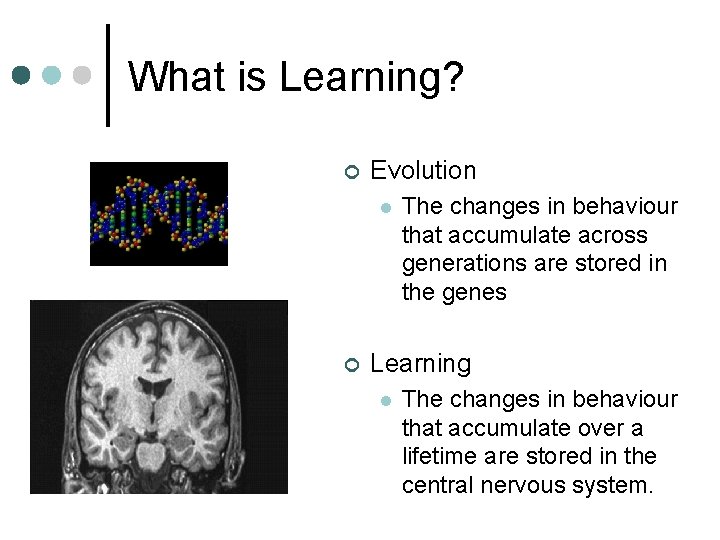
What is Learning? ¢ Evolution l ¢ The changes in behaviour that accumulate across generations are stored in the genes Learning l The changes in behaviour that accumulate over a lifetime are stored in the central nervous system.
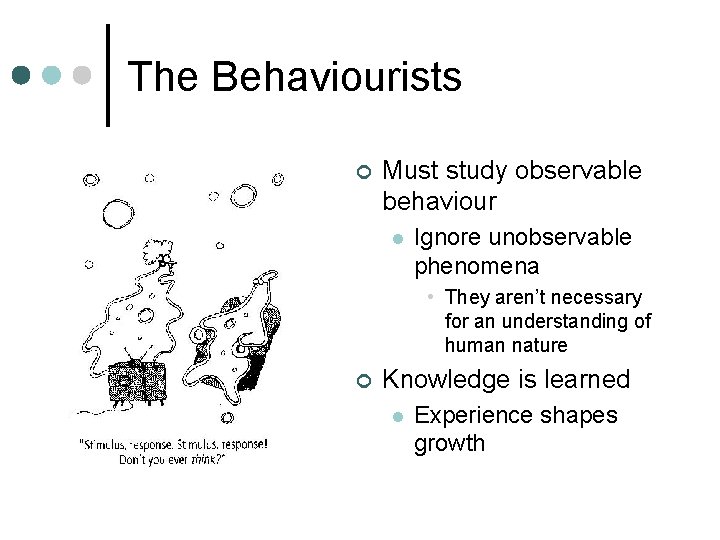
The Behaviourists ¢ Must study observable behaviour l Ignore unobservable phenomena • They aren’t necessary for an understanding of human nature ¢ Knowledge is learned l Experience shapes growth
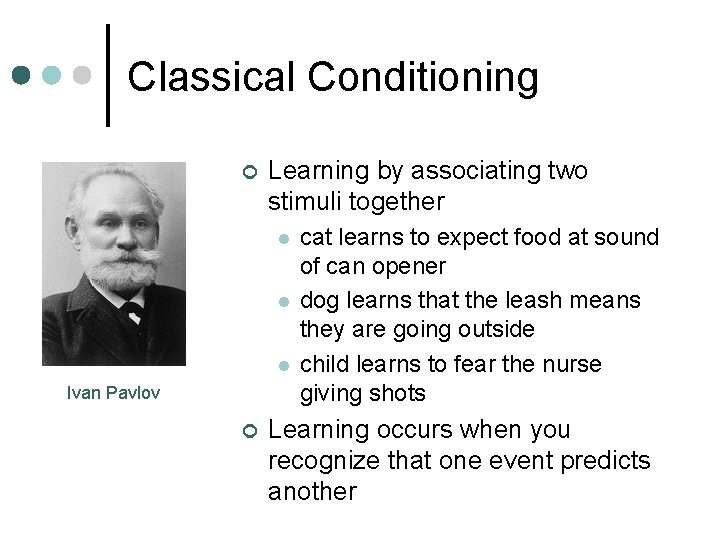
Classical Conditioning ¢ Learning by associating two stimuli together l l l Ivan Pavlov ¢ cat learns to expect food at sound of can opener dog learns that the leash means they are going outside child learns to fear the nurse giving shots Learning occurs when you recognize that one event predicts another
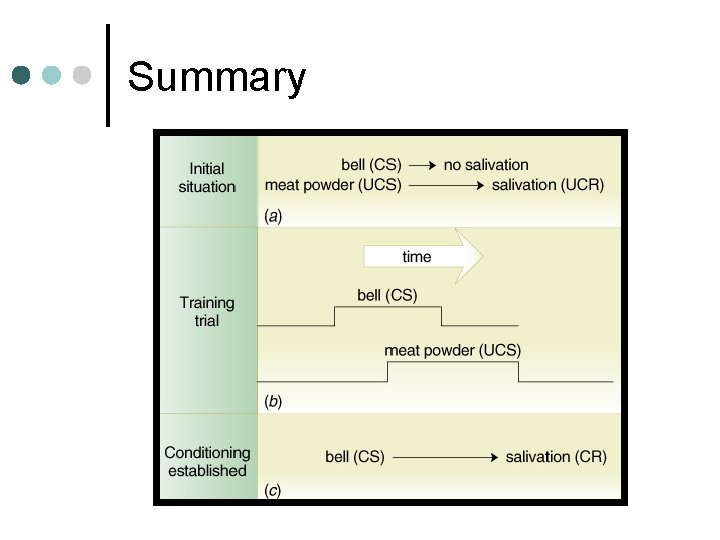
Summary
The Terminology Game ¢ Indicate the UCS, and CR for the following examples: ¢ Every time Robert’s wife flushes the toilet when he’s in the shower, the water becomes painfully hot. One day, as Robert is stepping into the shower, he hears a flushing sound and flinches.
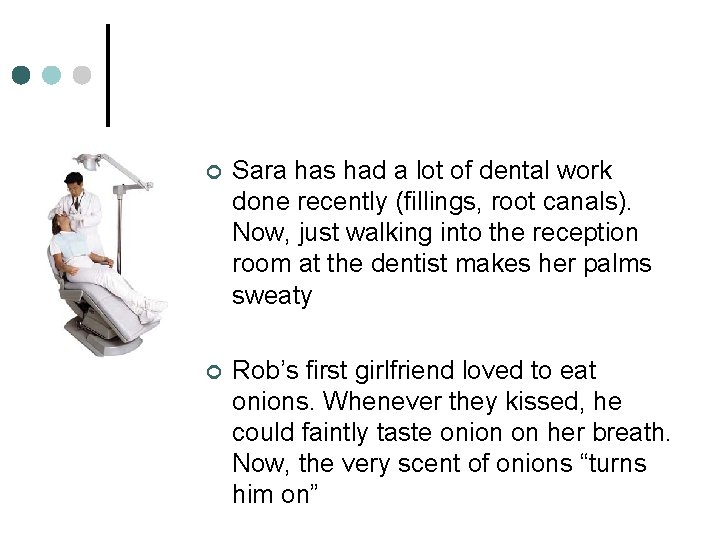
¢ Sara has had a lot of dental work done recently (fillings, root canals). Now, just walking into the reception room at the dentist makes her palms sweaty ¢ Rob’s first girlfriend loved to eat onions. Whenever they kissed, he could faintly taste onion on her breath. Now, the very scent of onions “turns him on”
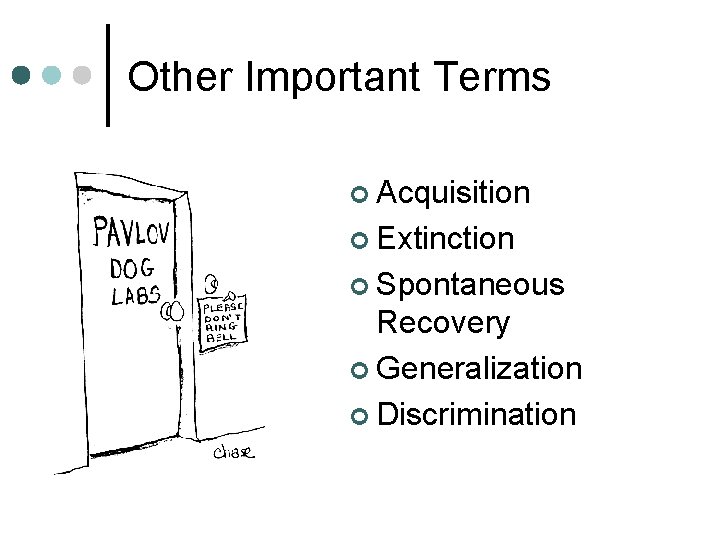
Other Important Terms ¢ Acquisition ¢ Extinction ¢ Spontaneous Recovery ¢ Generalization ¢ Discrimination
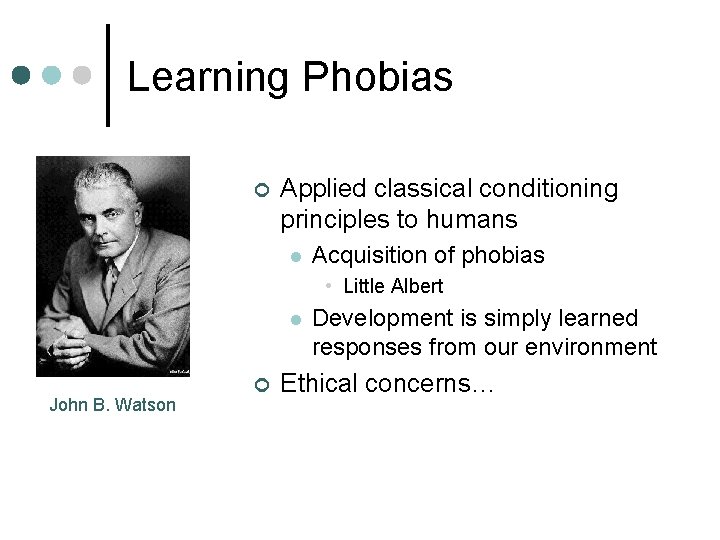
Learning Phobias ¢ Applied classical conditioning principles to humans l Acquisition of phobias • Little Albert l John B. Watson ¢ Development is simply learned responses from our environment Ethical concerns…
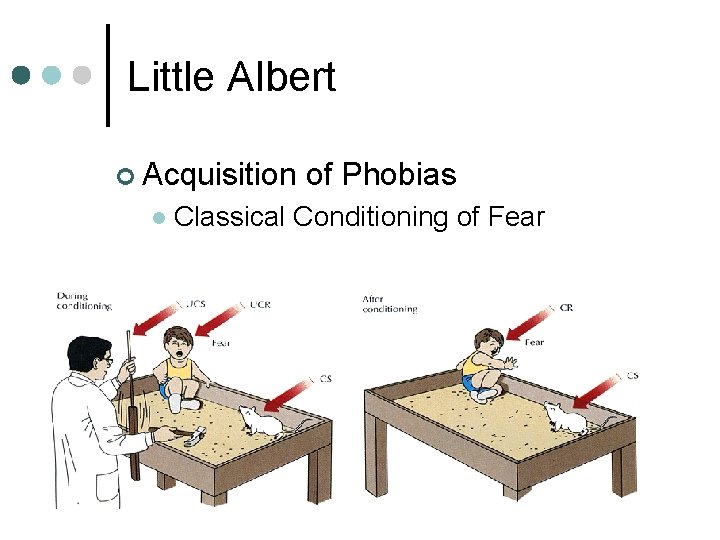
Little Albert ¢ Acquisition l of Phobias Classical Conditioning of Fear
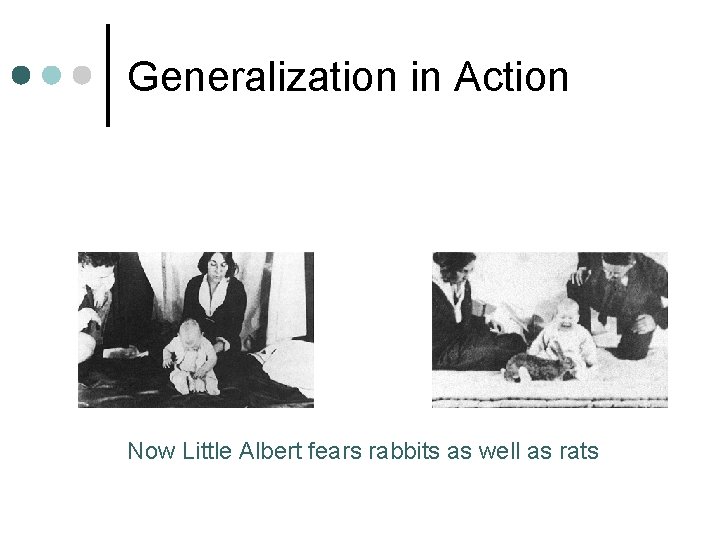
Generalization in Action Now Little Albert fears rabbits as well as rats
Other Applications ¢ Inspiration from Classical Conditioning l Systematic Desensitization • Progressive technique designed to replace anxiety with relaxation • Baby steps! l Aversive Conditioning • Associate unpleasant state with unwanted behaviour • Reduces the unwanted behaviour
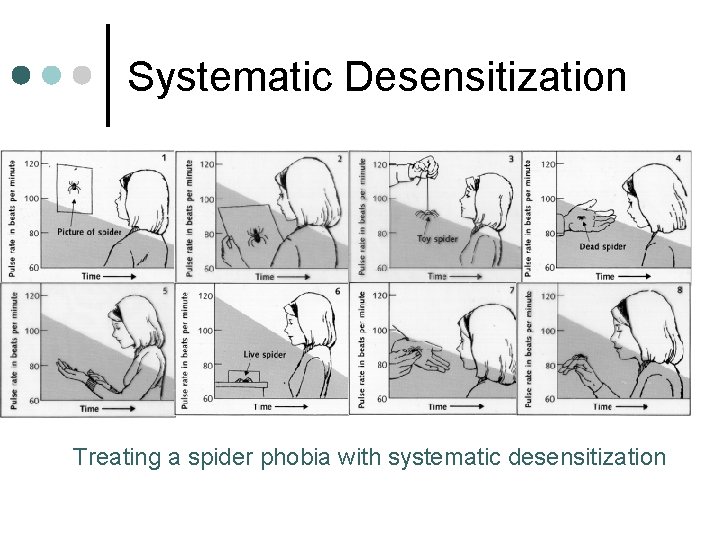
Systematic Desensitization Treating a spider phobia with systematic desensitization

Aversive Conditioning
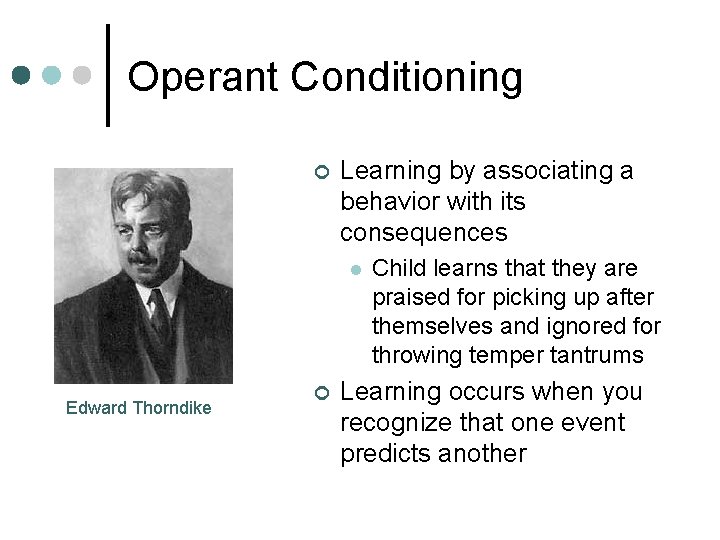
Operant Conditioning ¢ Learning by associating a behavior with its consequences l Edward Thorndike ¢ Child learns that they are praised for picking up after themselves and ignored for throwing temper tantrums Learning occurs when you recognize that one event predicts another

Thorndike’s Experiment Learning Curve Puzzle Box
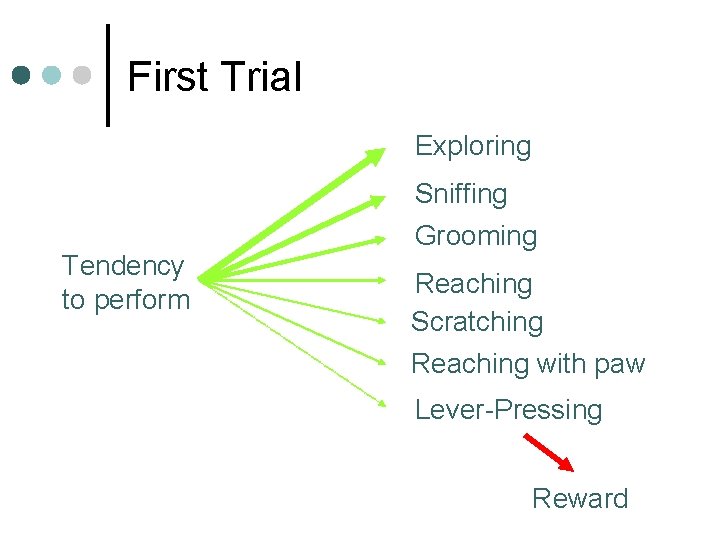
First Trial Exploring Tendency to perform Sniffing Grooming Reaching Scratching Reaching with paw Lever-Pressing Reward
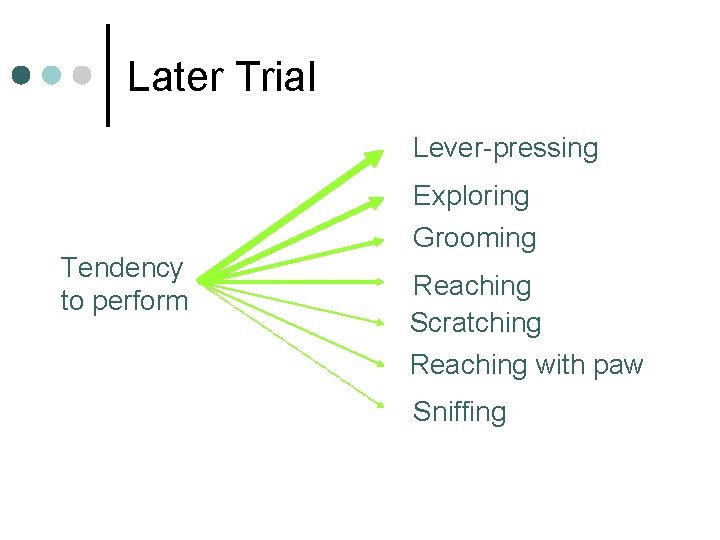
Later Trial Lever-pressing Tendency to perform Exploring Grooming Reaching Scratching Reaching with paw Sniffing
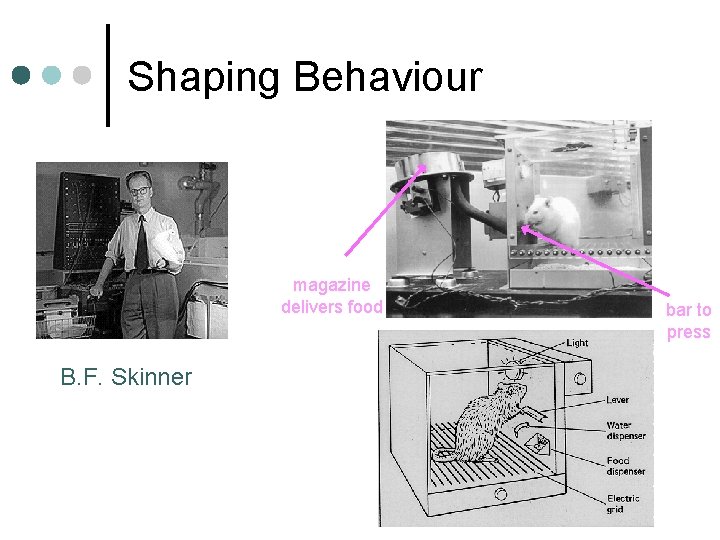
Shaping Behaviour magazine delivers food B. F. Skinner bar to press
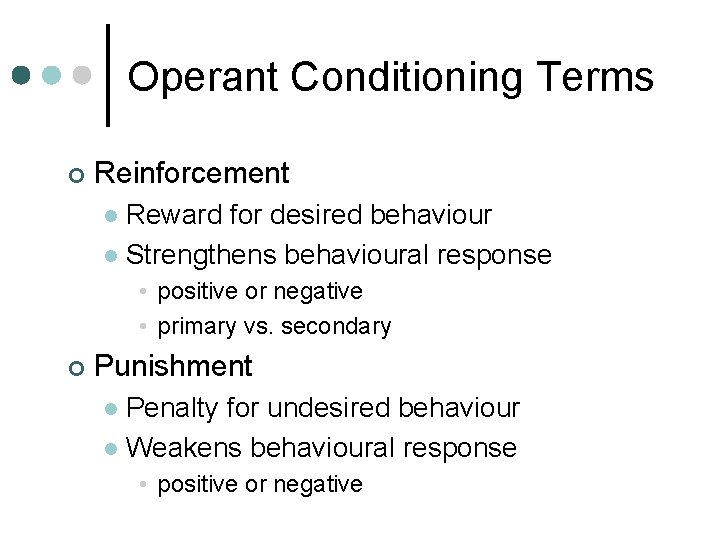
Operant Conditioning Terms ¢ Reinforcement Reward for desired behaviour l Strengthens behavioural response l • positive or negative • primary vs. secondary ¢ Punishment Penalty for undesired behaviour l Weakens behavioural response l • positive or negative
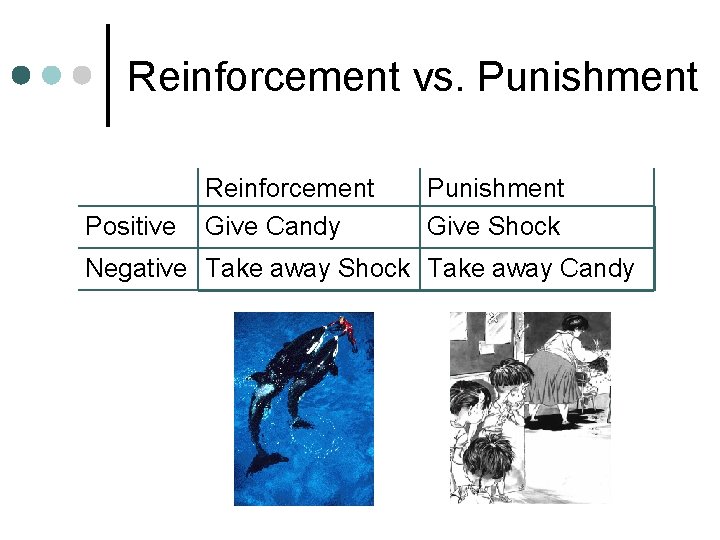
Reinforcement vs. Punishment Positive Reinforcement Give Candy Punishment Give Shock Negative Take away Shock Take away Candy
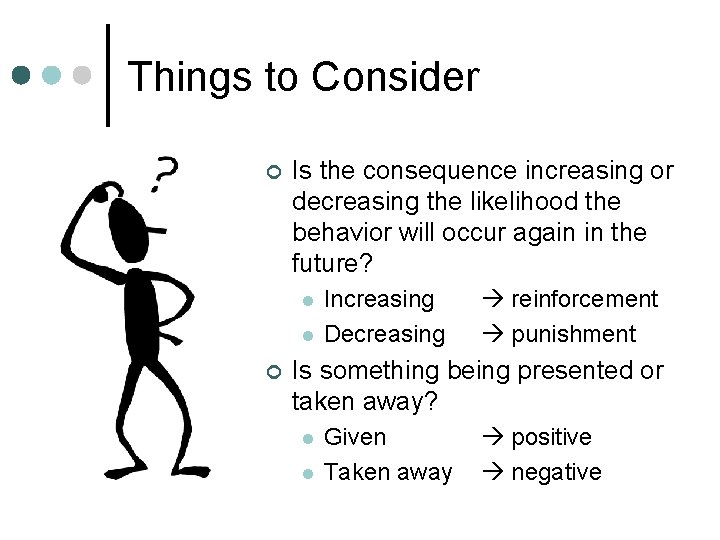
Things to Consider ¢ Is the consequence increasing or decreasing the likelihood the behavior will occur again in the future? l l ¢ Increasing Decreasing reinforcement punishment Is something being presented or taken away? l l Given Taken away positive negative
Practice ¢ ¢ ¢ ¢ If you bring your umbrella, you won’t get rained on A parent tells a child they can watch TV if they finish their homework If you get out of bed, your roommate will stop yelling at you to get up A police officer gives a speeding motorist a ticket A parent tells a child that if keeps acting up, he will get a “time out” A dog gets a Milkbone if he rolls over and plays dead If you take an aspirin, your headache pain will go away If you get caught drunk driving, you will lose your license
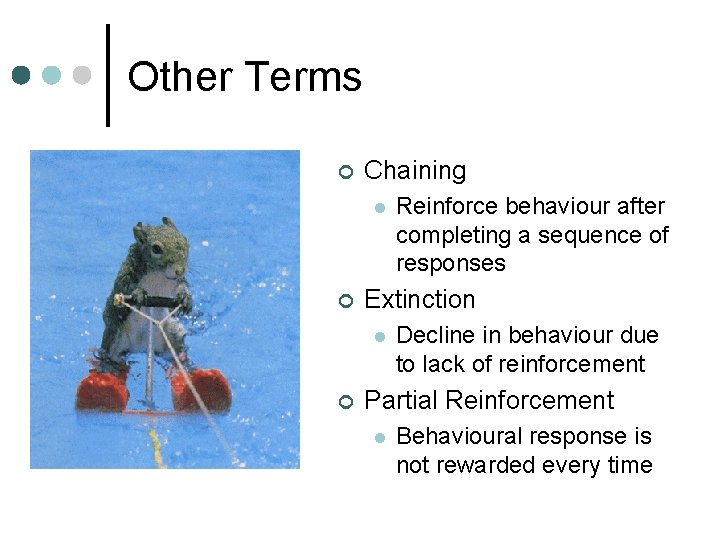
Other Terms ¢ Chaining l ¢ Extinction l ¢ Reinforce behaviour after completing a sequence of responses Decline in behaviour due to lack of reinforcement Partial Reinforcement l Behavioural response is not rewarded every time
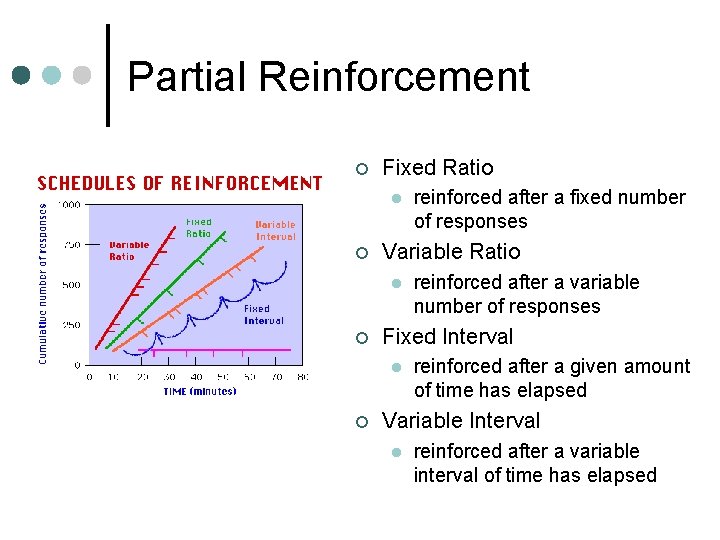
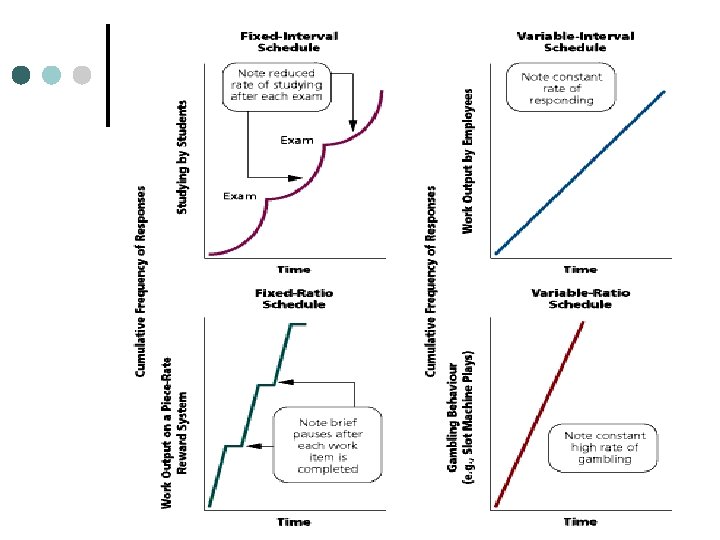
Partial Reinforcement ¢ Fixed Ratio l ¢ Variable Ratio l ¢ reinforced after a variable number of responses Fixed Interval l ¢ reinforced after a fixed number of responses reinforced after a given amount of time has elapsed Variable Interval l reinforced after a variable interval of time has elapsed
Name that Schedule ¢ ¢ You get 1 air mile for every $20 you spend at Shell You may win a large amount playing video poker You study for the tests that your professor gives you; the tests occur once per month You study for the periodically “pop” quizzes that your professor gives you without warning
¢ ¢ ¢ You get one Coca-Cola for every Loony you put in the vending machine You check your snail mail, which comes once per day Your boss pays you $10/hour Your boss pays you 5 cents for every letter you engrave Your boss pays you a commission for each sale you make
Beyond Freedom & Dignity ¢ Skinner Man has no personality, will, intention, self-determinism, or personal responsibility l We hide behind these terms and use them to explain things we don’t understand l It all comes down to stimulus response l • We repeat the actions we’re rewarded for • We stop the actions we’re punished for
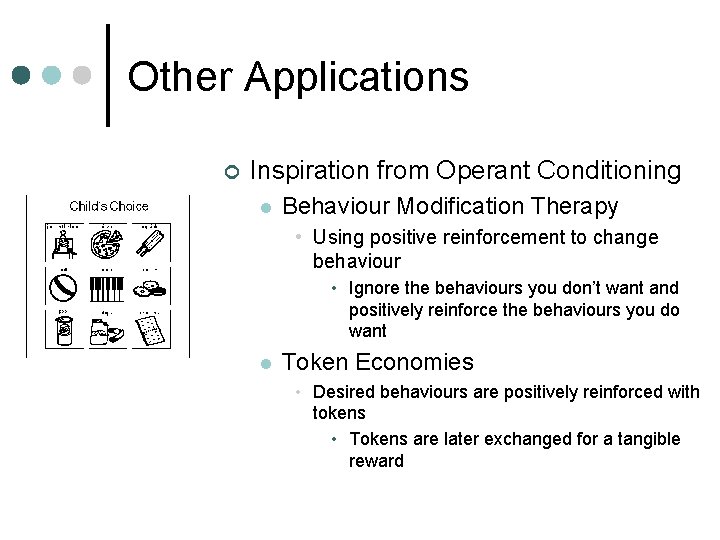
Other Applications ¢ Inspiration from Operant Conditioning l Behaviour Modification Therapy • Using positive reinforcement to change behaviour • Ignore the behaviours you don’t want and positively reinforce the behaviours you do want l Token Economies • Desired behaviours are positively reinforced with tokens • Tokens are later exchanged for a tangible reward
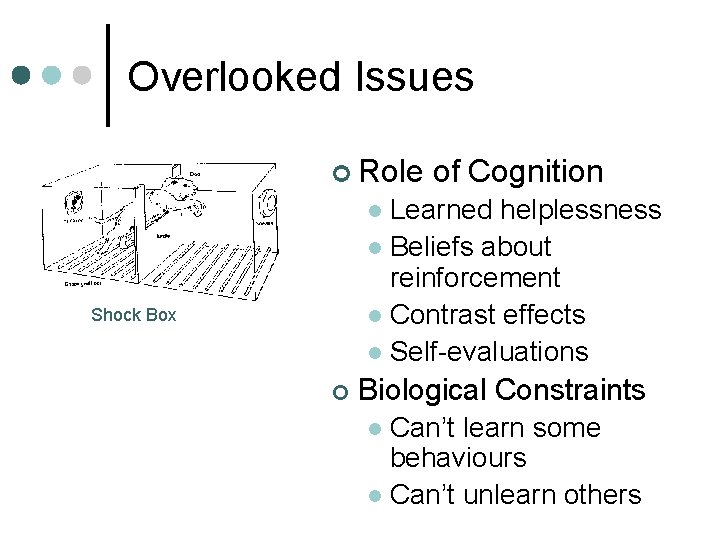
Overlooked Issues ¢ Role of Cognition Learned helplessness l Beliefs about reinforcement l Contrast effects l Self-evaluations l Shock Box ¢ Biological Constraints Can’t learn some behaviours l Can’t unlearn others l
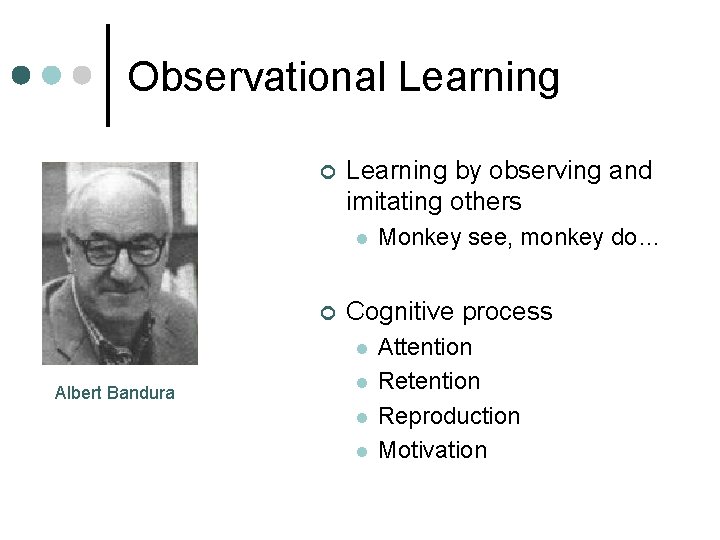
Observational Learning ¢ Learning by observing and imitating others l ¢ Cognitive process l Albert Bandura Monkey see, monkey do… l l l Attention Reproduction Motivation
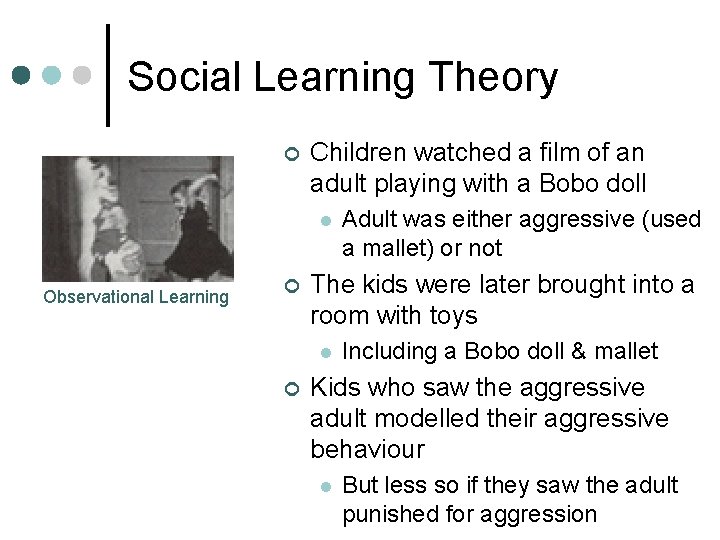
Social Learning Theory ¢ Children watched a film of an adult playing with a Bobo doll l Observational Learning ¢ The kids were later brought into a room with toys l ¢ Adult was either aggressive (used a mallet) or not Including a Bobo doll & mallet Kids who saw the aggressive adult modelled their aggressive behaviour l But less so if they saw the adult punished for aggression

Vicarious Reinforcement ¢ We learn based on other people’s experiences l If they were rewarded, we do it too • Vicarious Reinforcement l If they were punished, we don’t • Vicarious Punishment ¢ If you see someone reacting to a German Shepherd with fear, how does that make you feel?
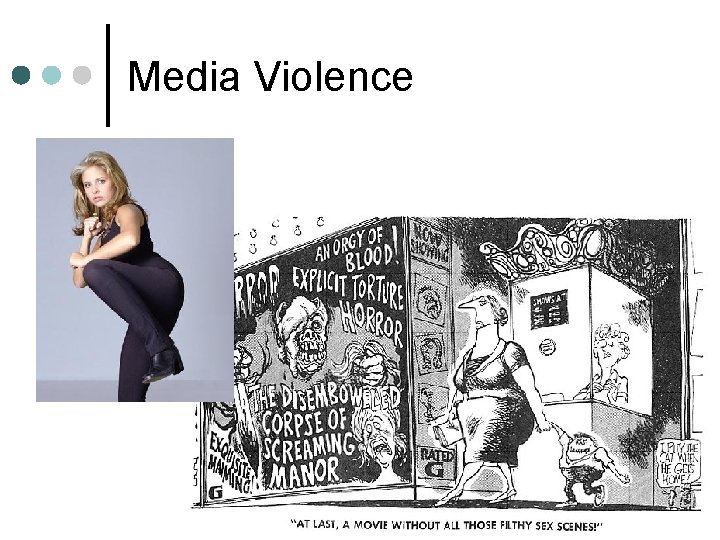
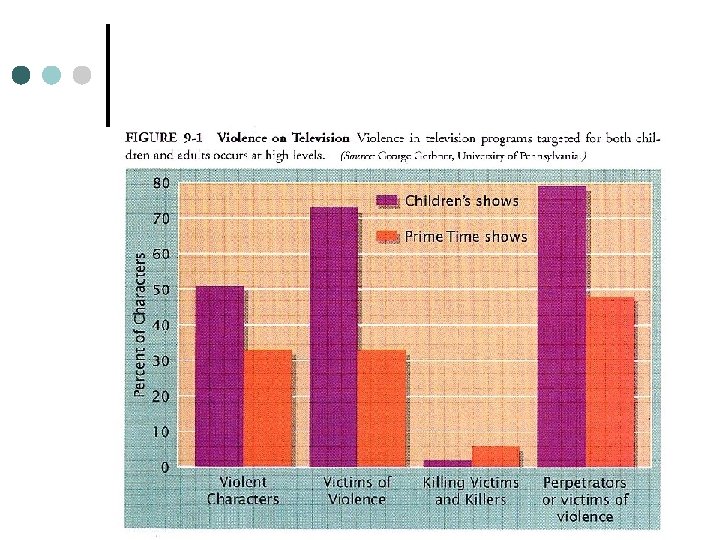
Media Violence
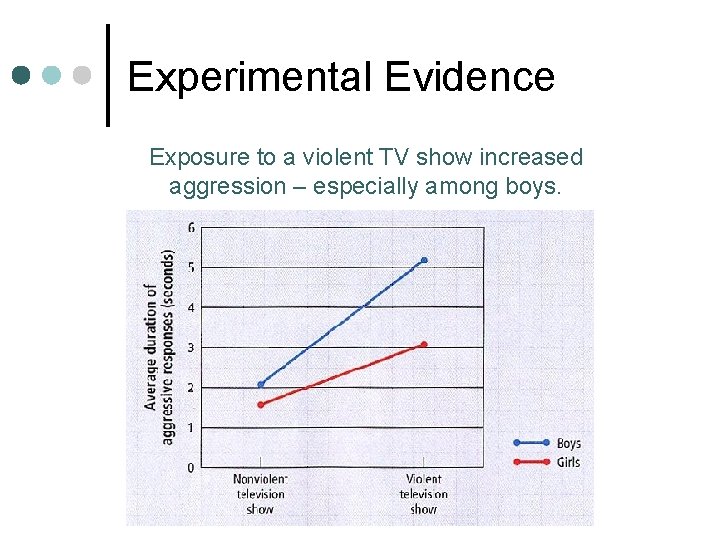
Experimental Evidence Exposure to a violent TV show increased aggression – especially among boys.
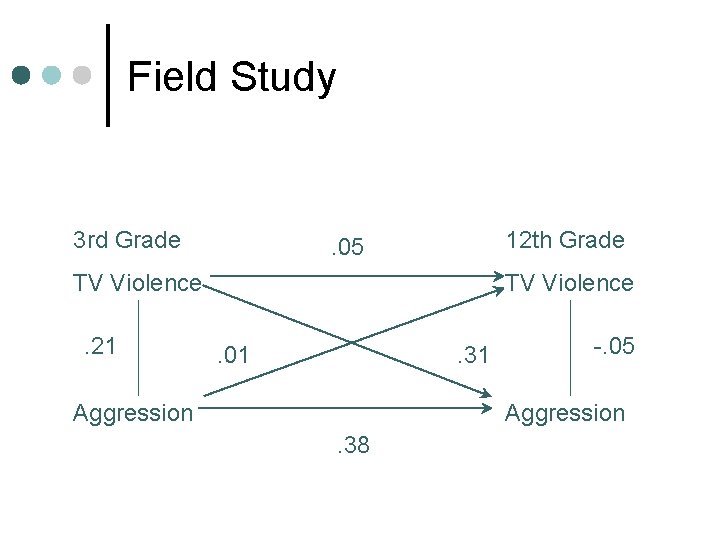
Field Study 3 rd Grade 12 th Grade . 05 TV Violence. 21 TV Violence. 01 . 31 Aggression -. 05 Aggression . 38
- Slides: 39