
LEARNING SPACES EARLY CHILDHOOD AND PRIMARY SETTINGS Learning
- Slides: 13
LEARNING SPACES: EARLY CHILDHOOD AND PRIMARY SETTINGS
Learning is the central activity of early childhood settings and primary schools. Our surrounding environment or space can have an impact on our learning. It can bring people together, encourage explorations, collaboration and discussion. Here are some images of a few of the different types of Learning Spaces we as educators may encounter or want to explore in our classrooms.
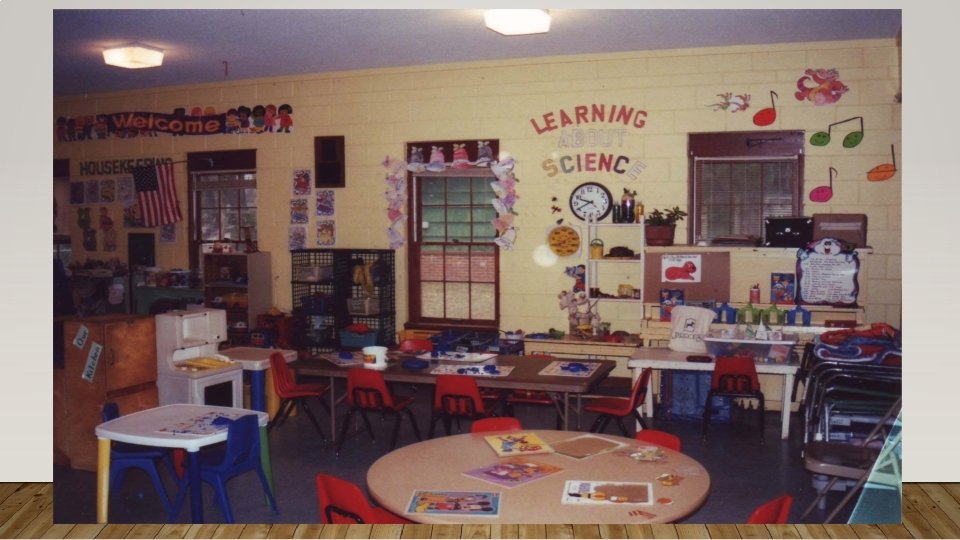
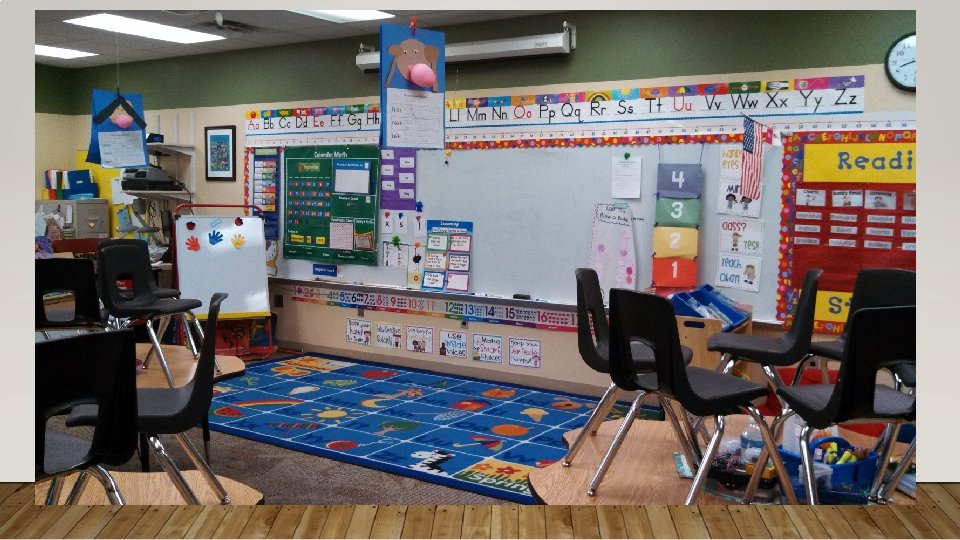
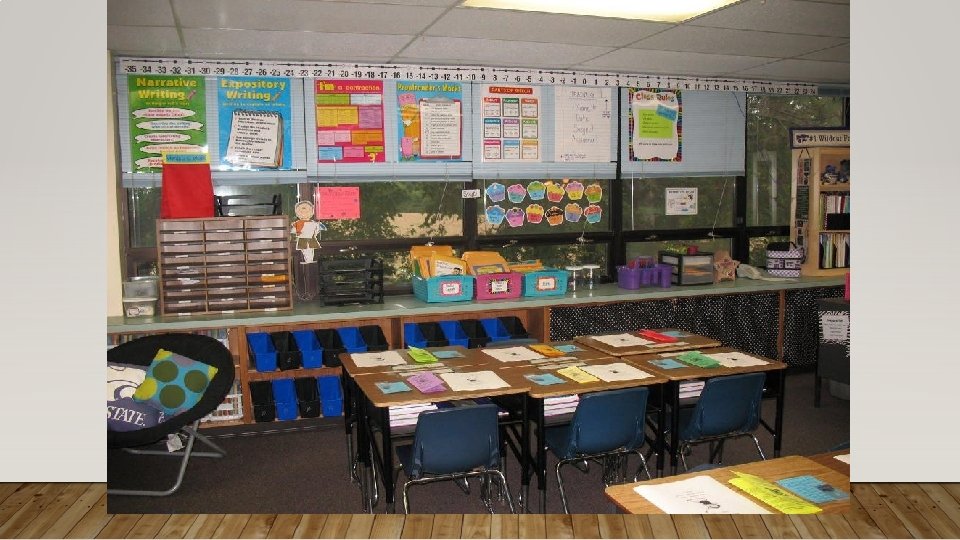
CLASSROOMS WITH HIGH VISUAL STIMULATION • Classroom environment with plenty of books, visual materials and activities which aims to keep the child engaged, active and promotes questioning and discussion. • Provides a stimulating and creating environment in the classroom. • Such an environment stimulates children's minds and makes them much better learners and thinkers. - (Read, 2010)
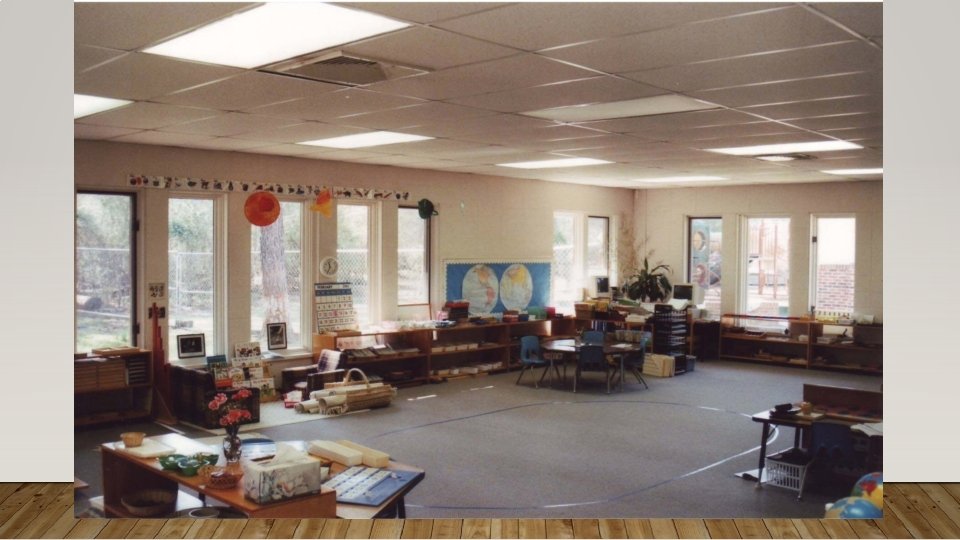
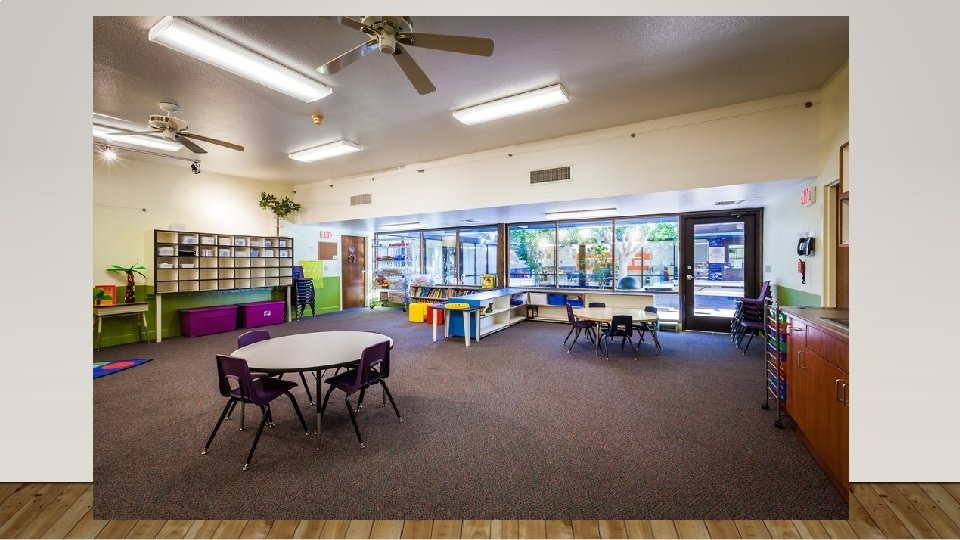
CLASSROOMS WITH LOW VISUAL STIMULATION • Open room with a lot of space. Space for physical activities. • Minimal visual displays. • Generally surrounded by large scale windows. • Allows students and teachers more room for movement. - (Reade, 2010)
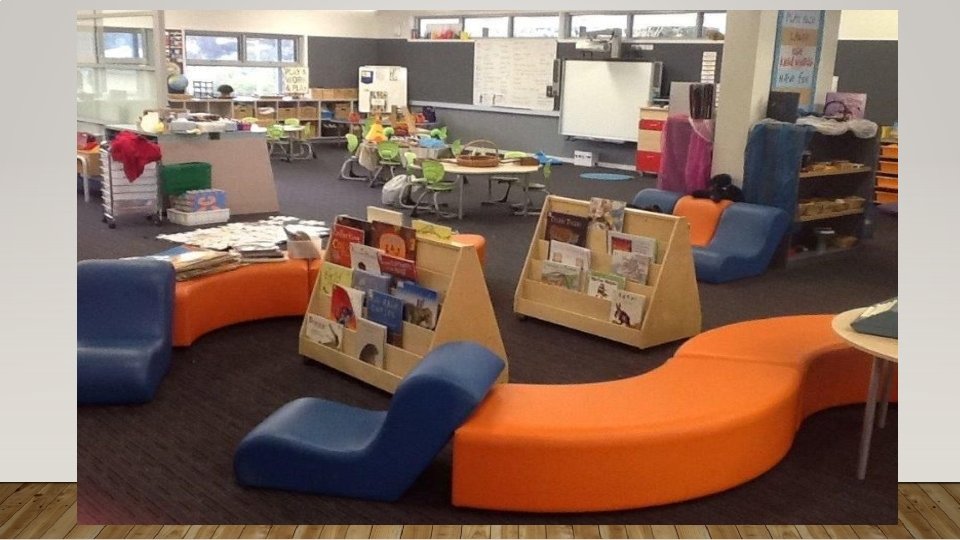
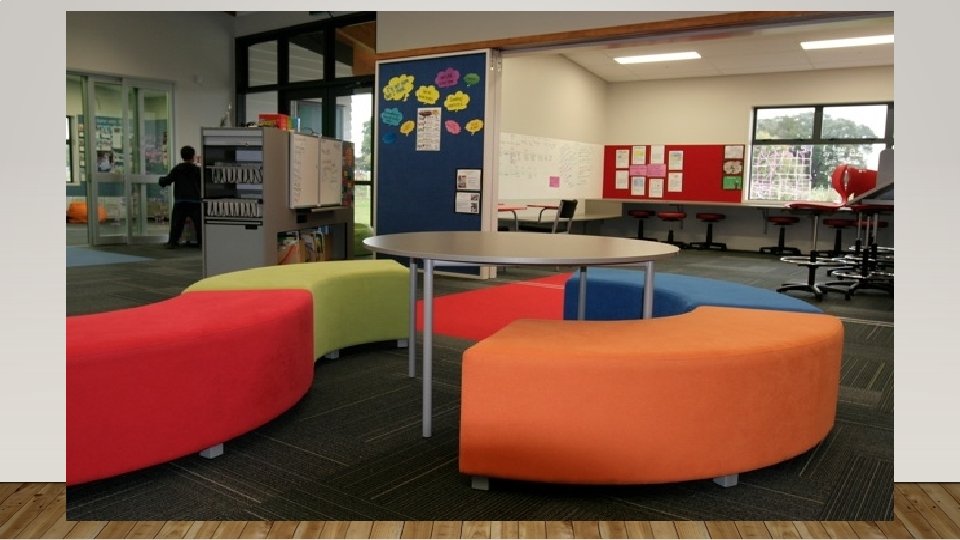
OPEN LEARNING SPACES • Flexible learning space. One big room is divided into different learning areas. • Designed to be multidisciplinary and communal. • Students are able to learn in ways suited to their individual learning differences. • Teachers are able to collaborate, teach, work together to provide student learning programs that support improved student outcomes. - (Biddick, 2014)
REFERENCES • Biddick, N. (2014). Working in Open Plan Learning Spaces. Teacher Learning Network, 21(1), 23 -25. • Read, M. A. (2010). Contemplating Design: Listening to Children’s Preferences about Classroom Design. Creative Education CE, 01(02), 75 -80. • Slide 5 Image (2016), High Visual Learning Space. Retrieved from: http: //www. megangunter. com/first-gradeclassroom/ • Slide 6 Image (2016), High Visual Learning Space. Retrieved from: http: //www. outsidedesigns. us/classroomdesign-ideas. html • Slide 9 Image (2016), Low Visual Learning Space. Retrieved from: http: //www. nja. pl/blog/szybka-naukajezyka-angielskiego/ • Slide 11 Images (2016), Open Learning Space. Retrieved from: https: //academica. lamula. pe/2015/08/09/espacios-de-aprendizaje-de-la-fogata-al-ciberespacio/jorgebossio/ • Slide 12 Image (2016), Open Learning Space. Retrieved from: http: //openlearningspaces. blogspot. com. au/2012_03_01_archive. html