
Learning From Multicultural Friends Why is it important
- Slides: 14
Learning From Multicultural Friends Why is it important to learn from other cultures? By Teresa Hodges
Exploring Differences l Have you ever felt like you were different from everybody else? l Take a look at the information about some groups of people in the United States. What do you notice about the groups that is similar to you? What do you notice that is different? What is something that you learned about the group?
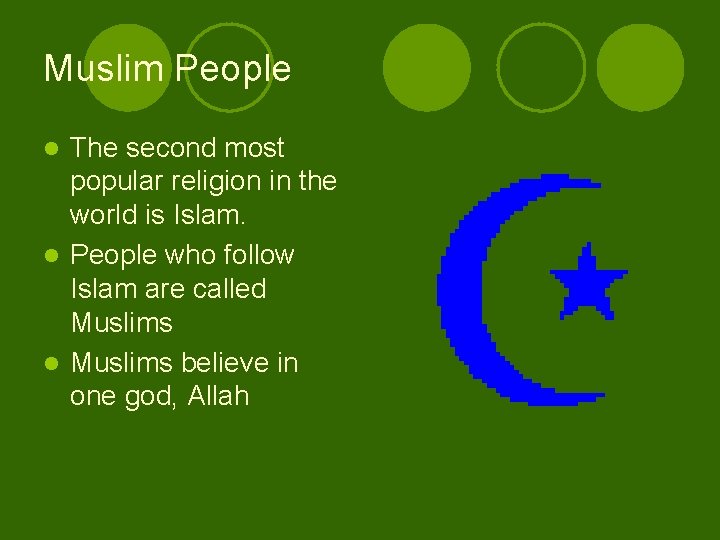
Muslim People The second most popular religion in the world is Islam. l People who follow Islam are called Muslims l Muslims believe in one god, Allah l
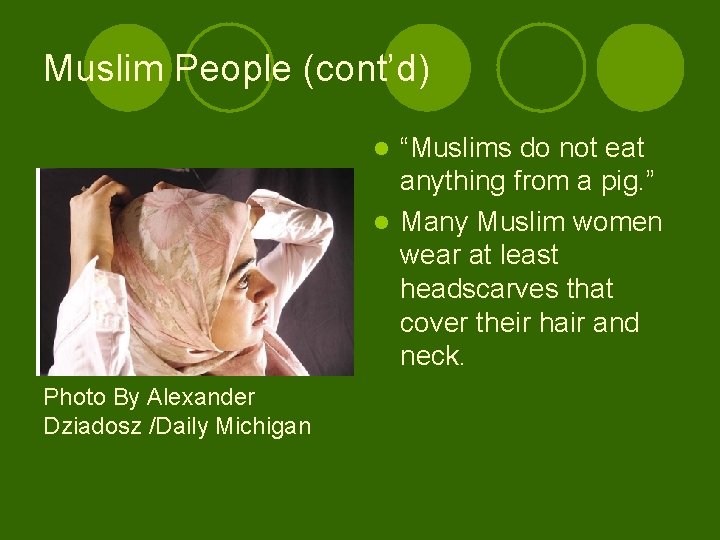
Muslim People (cont’d) “Muslims do not eat anything from a pig. ” l Many Muslim women wear at least headscarves that cover their hair and neck. l Photo By Alexander Dziadosz /Daily Michigan
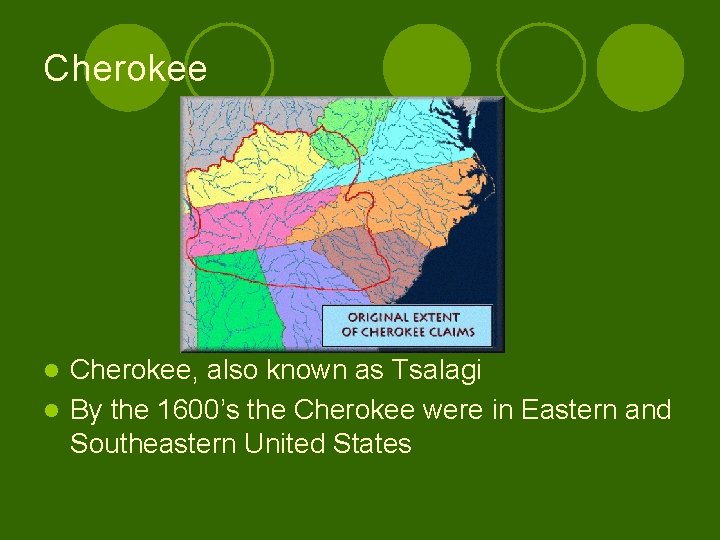
Cherokee, also known as Tsalagi l By the 1600’s the Cherokee were in Eastern and Southeastern United States l
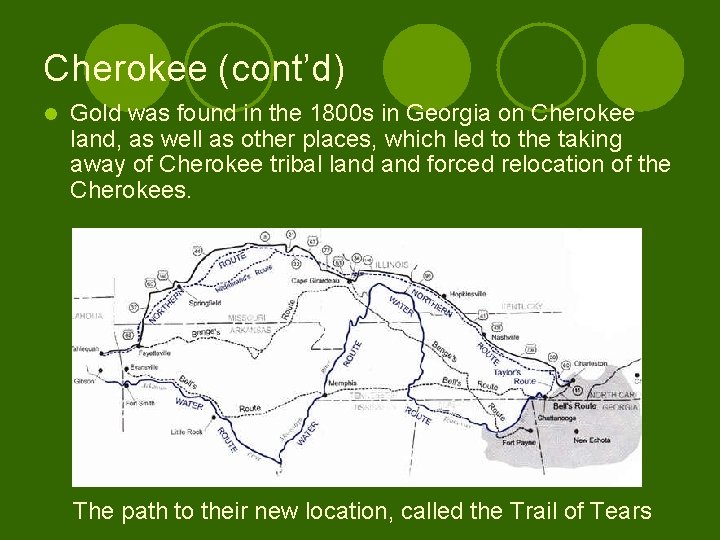
Cherokee (cont’d) l Gold was found in the 1800 s in Georgia on Cherokee land, as well as other places, which led to the taking away of Cherokee tribal land forced relocation of the Cherokees. The path to their new location, called the Trail of Tears
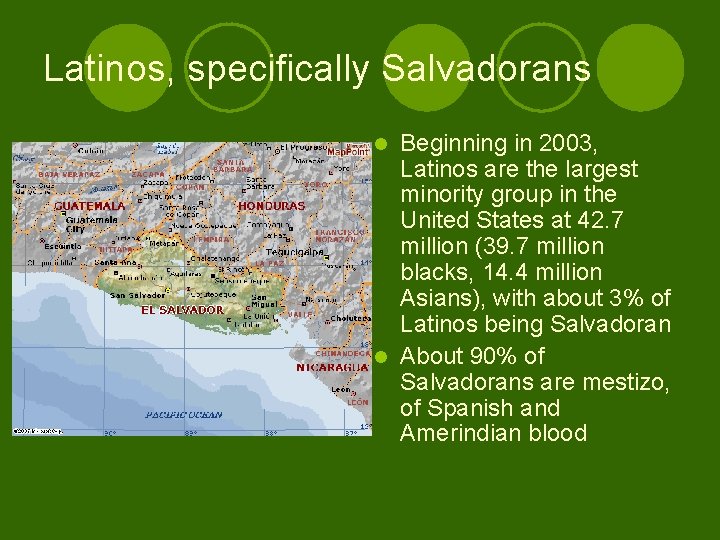
Latinos, specifically Salvadorans Beginning in 2003, Latinos are the largest minority group in the United States at 42. 7 million (39. 7 million blacks, 14. 4 million Asians), with about 3% of Latinos being Salvadoran l About 90% of Salvadorans are mestizo, of Spanish and Amerindian blood l
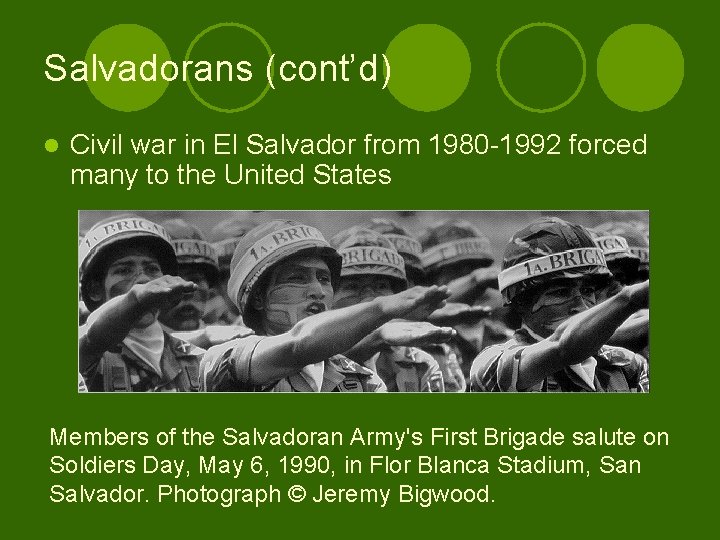
Salvadorans (cont’d) l Civil war in El Salvador from 1980 -1992 forced many to the United States Members of the Salvadoran Army's First Brigade salute on Soldiers Day, May 6, 1990, in Flor Blanca Stadium, San Salvador. Photograph © Jeremy Bigwood.
Japanese American internment Anti-Japanese statements during wartime l Especially since the late 1800’s, people of Japanese descent were discriminated against, even not allowed to emigrate from Japan to the United States.
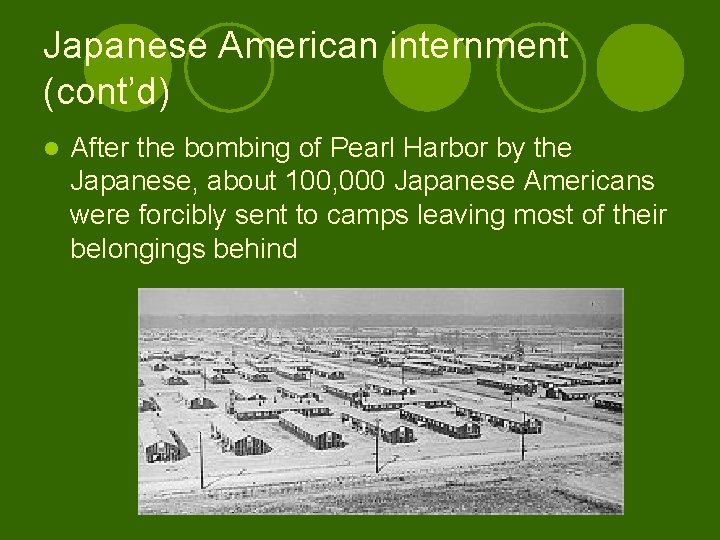
Japanese American internment (cont’d) l After the bombing of Pearl Harbor by the Japanese, about 100, 000 Japanese Americans were forcibly sent to camps leaving most of their belongings behind
Think about this… l What did you learn from these groups of people? l Think about why it is important to learn from different cultures.
Citations l l l http: //www. woodlandsjunior. kent. sch. uk/Homework/religion/Islam. htm http: //atschool. eduweb. co. uk/carolrb/islam/dailyli fe. html http: //en. wikipedia. org/wiki/Headscarf http: //en. wikipedia. org/wiki/Cherokee http: //library. thinkquest. org/J 0110325/history. htm
Citations (cont’d) l l l http: //www. census. gov/Press. Release/www/releases/archives/population/0068 08. html http: //en. wikipedia. org/wiki/Hispanics_in_the_Uni ted_States http: //www 3. nationalgeographic. com/places/cou ntries/country_elsalvador. html http: //media. www. michigandaily. com/media/stor age/paper 851/news/2005/03/31/News/Wrapped. In. Modesty-1429890. shtml http: //cherokeehistory. com/map 1. html
Citations (cont’d) l http: //ngeorgia. com/history/trailoftearsmap 2. html l http: //encarta. msn. com/map_701512274/E l_Salvador. html l http: //www. gwu. edu/~nsarchiv/nsa/publicat ions/elsalvador 2/index. html l http: //www. learncalifornia. org/doc. asp? id= 2537