
Learning Description From Examples Learning by Analyzing Differences
Learning Description From Examples Learning by Analyzing Differences: the Winston Algorithm
Artificial Intelligence Learning by Analyzing Differences L. Manevitz

Procedure W 1. Let description First Sample. 2. For all samples: 1. If near miss use SPECIALIZE. 2. If example use GENERALIZE.
“Near-Miss” • Need to find single important difference from example to description • If cant identify the difference, then skip example
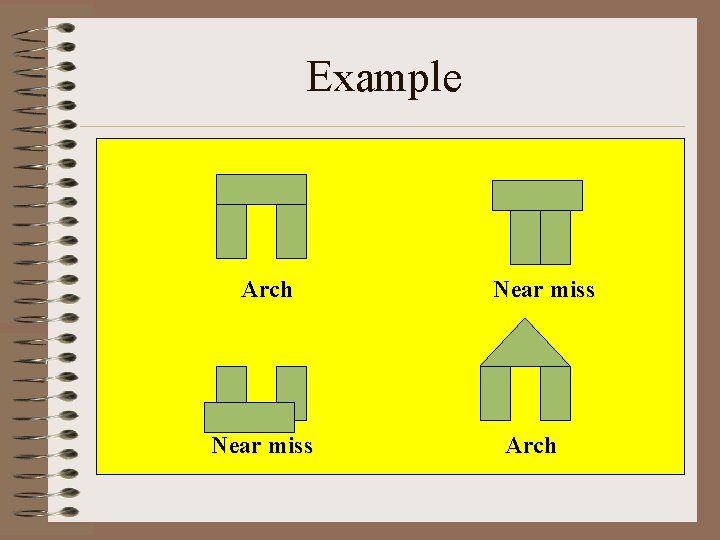
Example Arch Near miss Arch

Structural Descriptions A has-part a B Is-a Wedge supported-by C Is-a Brick

Structural Descriptions cont. A has-part b sup -by d e t por B Is-a Brick haspart has-part sup C por Is-a Brick left-of right-of Does-not-marry ted- by D Is-a Brick

Structural Descriptions cont. A has-part c sup -by d e t por B Is-a Brick haspart has-part sup C por Is-a Wedge left-of right-of Does-not-marry ted- by D Is-a Brick
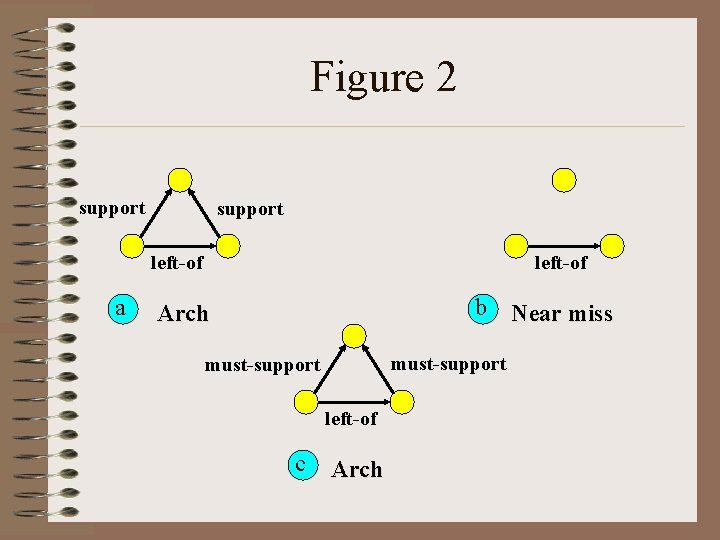
Figure 2 support left-of a b Arch must-support left-of c Arch Near miss
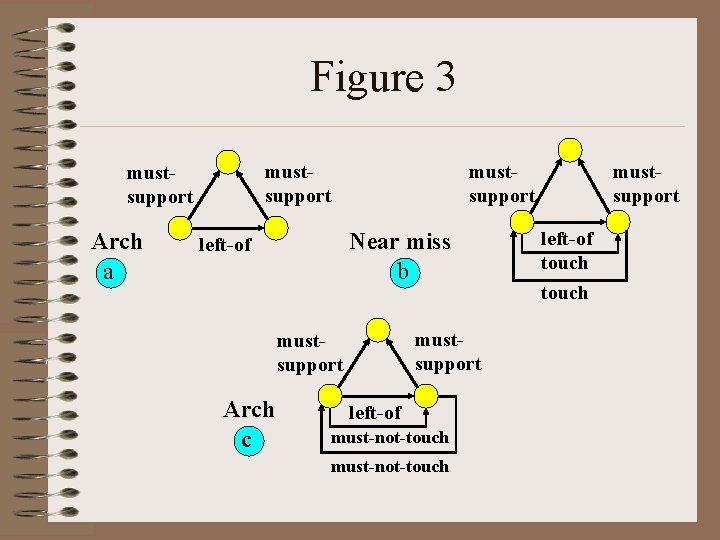
Figure 3 mustsupport Arch a mustsupport Near miss b left-of mustsupport Arch c left-of must-not-touch mustsupport left-of touch
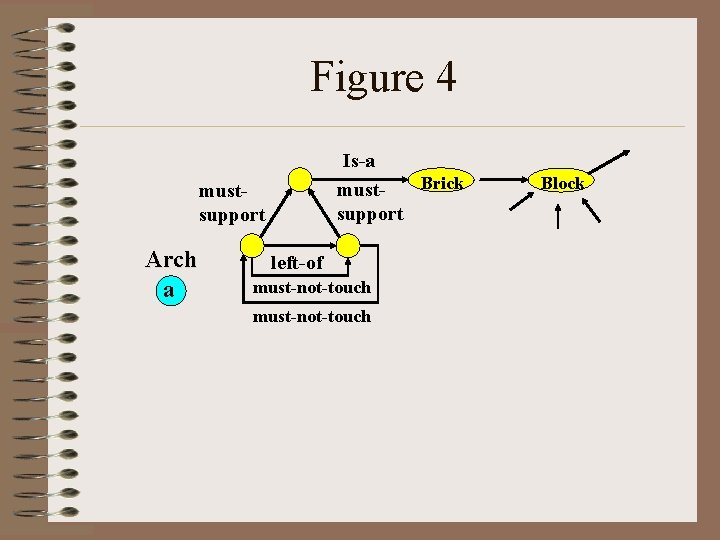
Figure 4 Is-a Brick mustsupport Arch a left-of must-not-touch Block
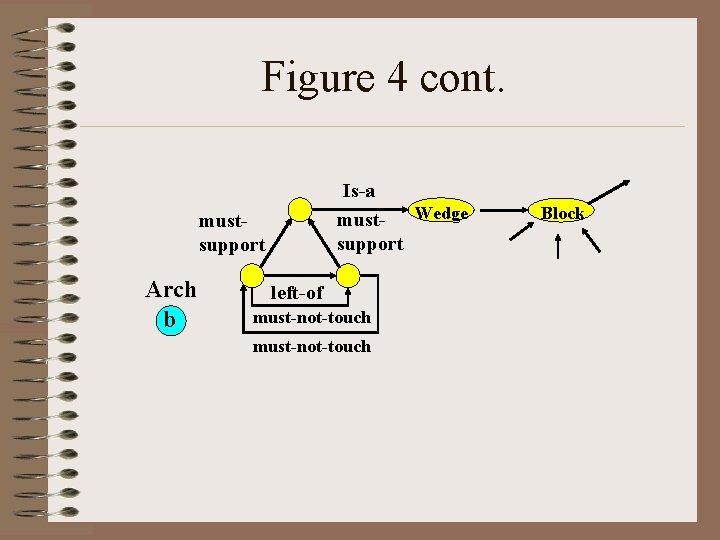
Figure 4 cont. Is-a must- Wedge support mustsupport Arch b left-of must-not-touch Block
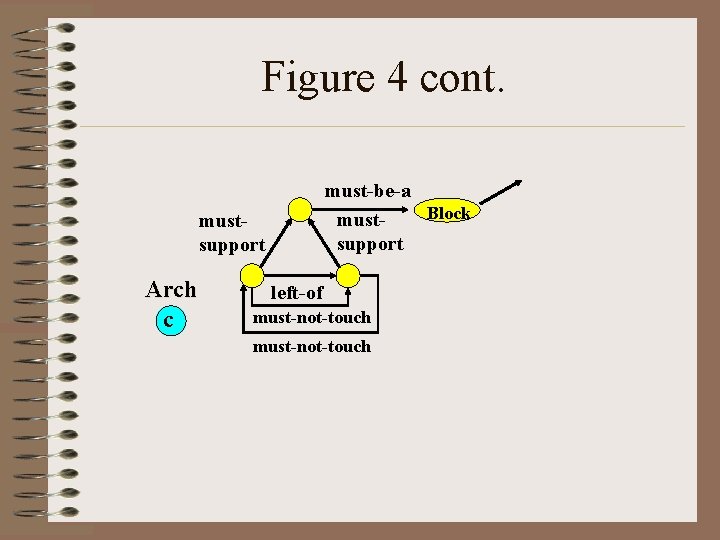
Figure 4 cont. must-be-a Block mustsupport Arch c left-of must-not-touch
Specialize 1. Match the evolving model to the sample to establish correspondences among parts.
Specialize cont. 2. Determine whethere is a single, most important difference between the evolving model and the near miss: 2. If there is a single, most important difference , determine whether the evolving model or the near miss has a link that is not in the other: 2. 3. If the evolving model has a link that is not in the near miss, use the require-link heuristic. If the near miss has a link that is not in the model, use the forbid-link heuristic. 3. Otherwise ignore the sample.
Generalize 1. Match the evolving model to the sample to establish correspondences among parts. 2. For each difference, determine the difference type: 1. If the difference is that the link points to a different class in the evolving model from the class the link points to in the sample, determine if the classes are part of a classification tree:
Generalize cont. 1. 2. 3. If the classes are part of a classification tree, use the climbtree heuristic. If the classes form an exhaustive set, use the drop-link heuristic. Otherwise, use the enlarge-set heuristic. 2. If the difference is that a link is missing in either the evolving model or the example, use the drop-link heuristic. 3. If the difference is that different numbers, or an interval and a number outside the interval, are involved, use the close-interval heuristic. 4. Otherwise ignore the difference.
The Heuristics • • • The require-link heuristic. The forbid-link heuristic. The climb-tree heuristic. The enlarge-set heuristic. The drop-link heuristic. The close-interval heuristic.
- Slides: 18