
Learning Aim Intention I am learning about working
Learning Aim Intention I am learning about working memory and how I can improve my memory skills. Success Criteria • • IStatement can explain what working memory is. consectetur adipiscing elit. 1 Lorem ipsum dolor sit amet, IStatement can take part 2 in auditory and visual memory tests. • Sub statement I can name some strategies for improving memory.
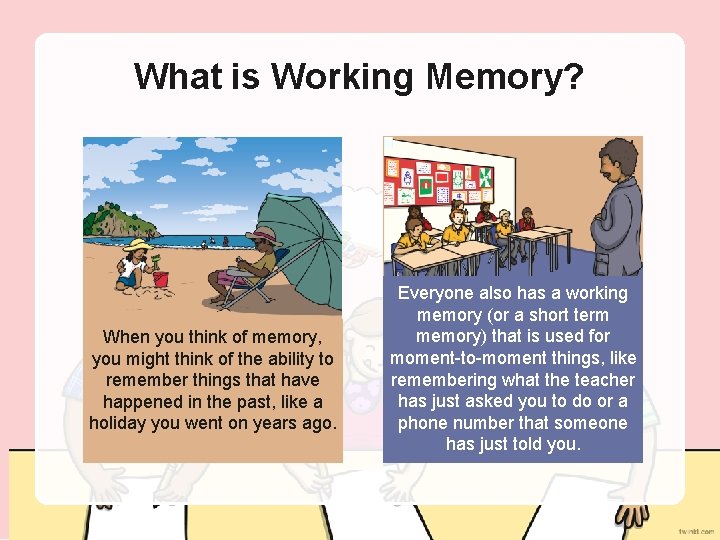
What is Working Memory? When you think of memory, you might think of the ability to remember things that have happened in the past, like a holiday you went on years ago. Everyone also has a working memory (or a short term memory) that is used for moment-to-moment things, like remembering what the teacher has just asked you to do or a phone number that someone has just told you.
Memory Limits There is a limit to how much information you can hold in your working memory. Let’s test how good your working memory is! On the next four slides, you will see a series of numbers. They will slowly move across the screen and then disappear. Once they have gone, you must try to remember the numbers and write them down. They will then reappear for you to check how you did.
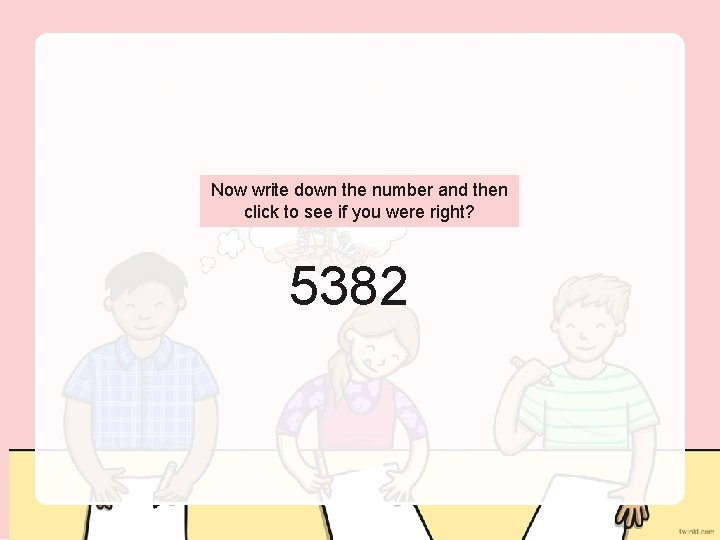
Now write down the number and then click to see if you were right? 5382
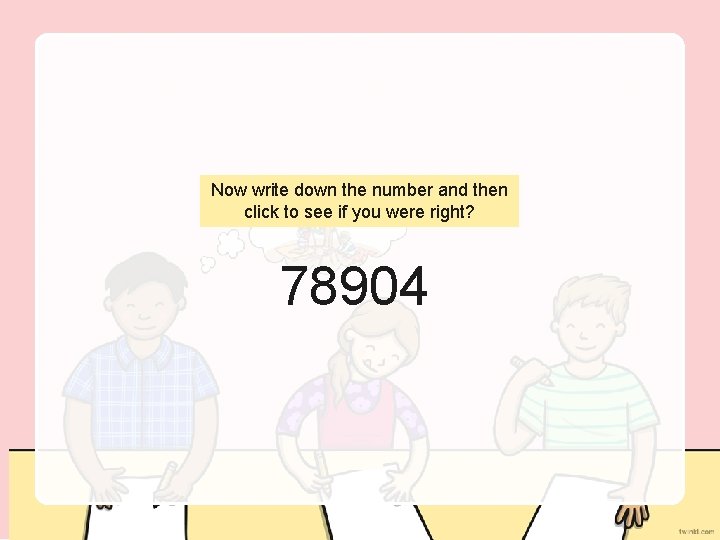
4 Now write down the number and then click to see if you were right? 78904
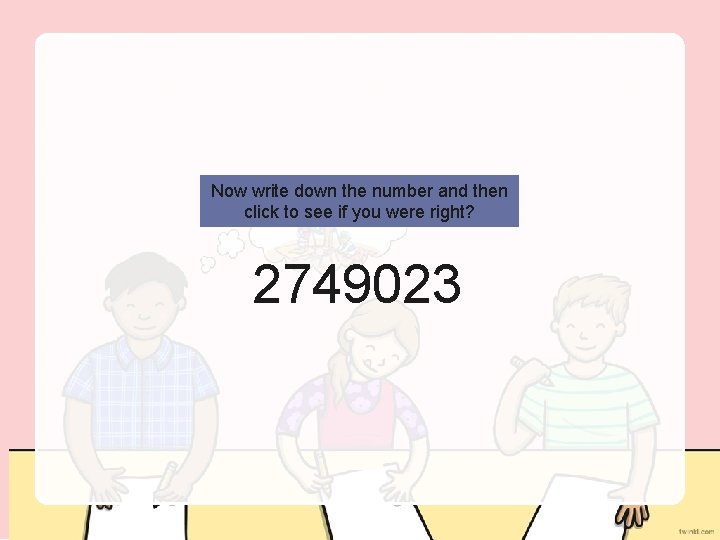
Now write down the number and then click to see if you were right? 2749023
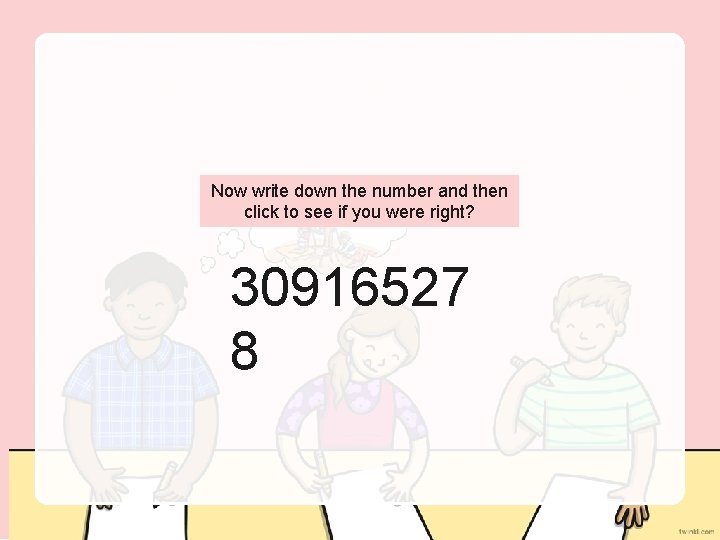
7 Now write down the number and then click to see if you were right? 30916527 8
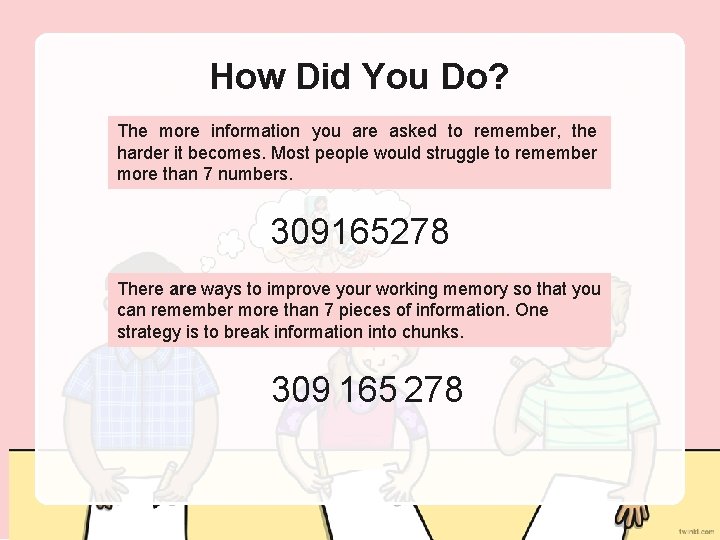
How Did You Do? The more information you are asked to remember, the harder it becomes. Most people would struggle to remember more than 7 numbers. 309165278 There are ways to improve your working memory so that you can remember more than 7 pieces of information. One strategy is to break information into chunks. 309 165 278
Chunking, Rhyme and Song As well as breaking information into chunks to help you remember things, you can also add rhymes or songs. • How did you learn the letters of the alphabet or your times tables? Do you know a rhyme for remembering which months have 30 days? • You could make up your own rhymes or songs or use familiar tunes like ‘Twinkle, Little Star’ to help you remember lists of items or words for a school play.
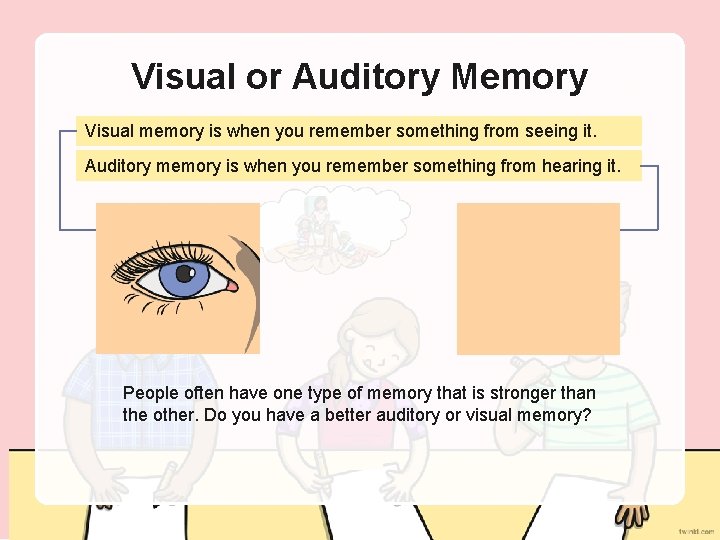
Visual or Auditory Memory Visual memory is when you remember something from seeing it. Auditory memory is when you remember something from hearing it. People often have one type of memory that is stronger than the other. Do you have a better auditory or visual memory?
Auditory Memory Test Your teacher will read out a list of objects to you. When the list is finished, try to write down as many of the objects that you can remember.
Auditory Memory Test How many objects did you remember? key banana bowl pencil shoe fox table train lamp fork
Visual Memory Test You will shortly see a series of pictures of objects. Try to remember as many objects as you can. Start
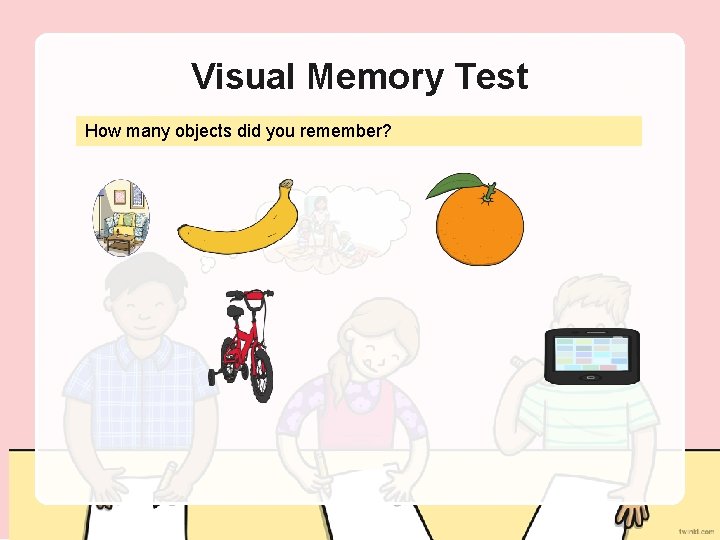
Visual Memory Test How many objects did you remember?
Visual or Auditory Memory Which test did you find easier? If you have a good auditory memory, then using rhymes and songs and repeating words out loud might help you remember. If you have a good visual memory, then imagining pictures of things or making up visual stories in your head might help you remember.
Word Game Memory Tricks You can use words and letters to help you remember lots of things. Acronyms: Take the first letter of each word to make a new word. NASA - National Aeronautical and Space Administration LOL – laugh out loud ROY G BIV – red, orange, yellow, green, blue, indigo, violet (colours of the rainbow) Acrostics: Take the first letter of each word to make a sentence. ‘Every Good Boy Deserves Food’ – to remember musical notes EGBDF Mary Victoria eats mulberry jam sandwiches until nine – to remember the order of the planets from the Sun
Linking For people with strong visual memories, creating stories and images in your mind can help you remember long lists of items. Link a list of items into a story to remember a shopping list: Mr Pepper wore an orange shirt and shoes that were as big as bananas. Link parts of words together to make silly words: peporana (pepper, orange and banana)
Familiar Links Link phrases or objects to familiar places, journeys or routines: imagine walking around your home picturing the things you need to remember in your writing. You walk through your door and say ‘capital letters and full stops’. You sit on your couch and say ‘adjectives and wow words’. You walk up the stairs and say ‘paragraphs’. You walk into your bedroom and say ‘conjunctions’.
Familiar Links Link words to touch: To remember reading strategies you could: touch your head and say ‘sound it out’ touch your knees and say ‘syllables’ touch your toes and say ‘root words’
Can You Remember All the Strategies? • • • chunking rhymes and songs repeating out loud acronyms acrostics stories making silly words journeys touch
- Slides: 22