
Leaf Identification Identification Life Cycles Flowers Fruits Activity

- Slides: 35
Leaf Identification, Identification Life Cycles, Flowers, Fruits
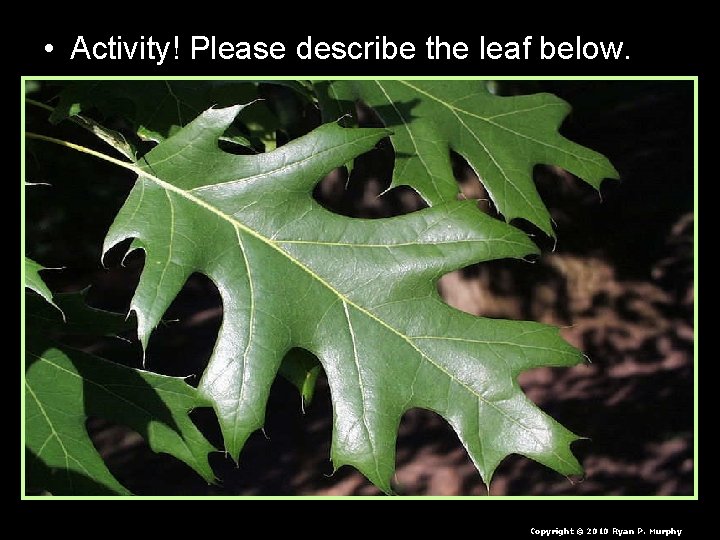
• Activity! Please describe the leaf below. Copyright © 2010 Ryan P. Murphy
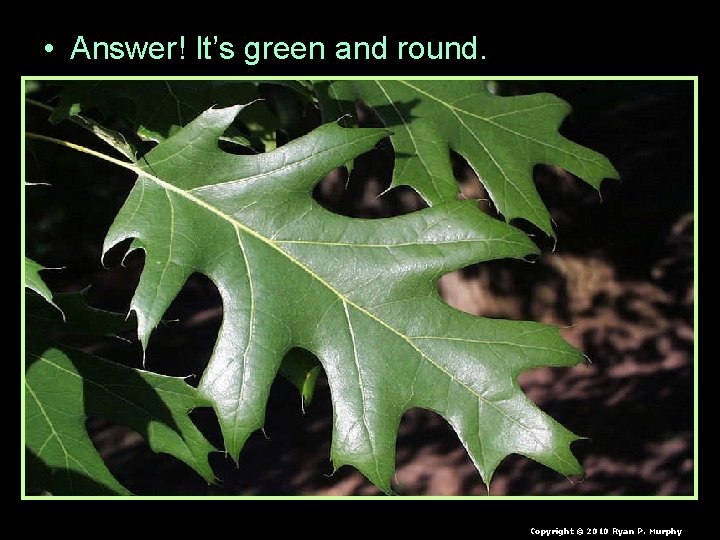
• Answer! It’s green and round. Copyright © 2010 Ryan P. Murphy
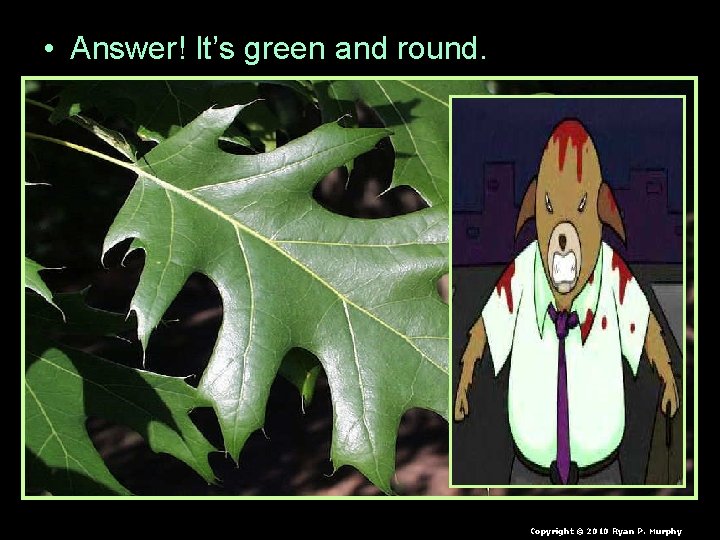
• Answer! It’s green and round. Copyright © 2010 Ryan P. Murphy
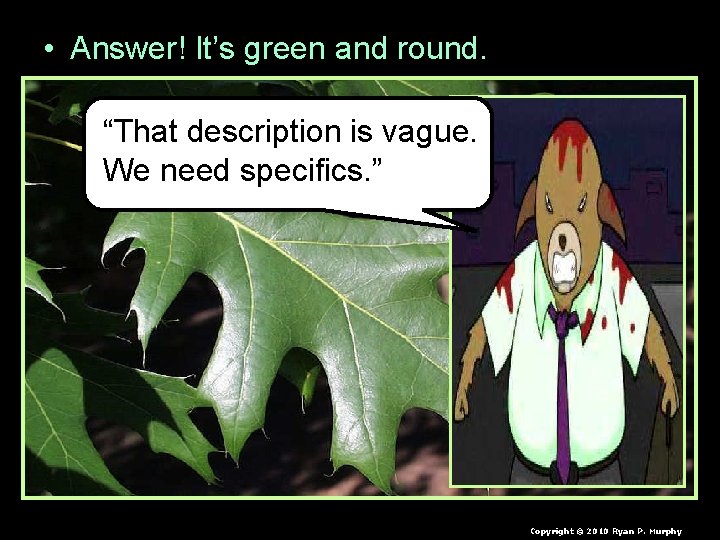
• Answer! It’s green and round. “That description is vague. We need specifics. ” Copyright © 2010 Ryan P. Murphy
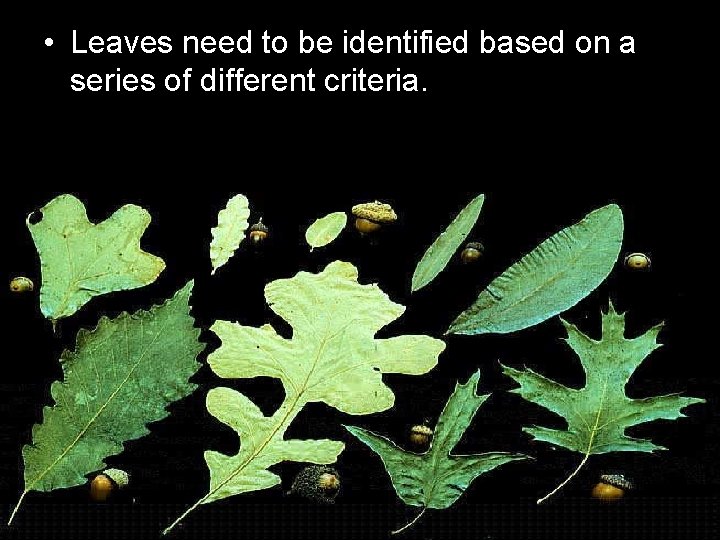
• Leaves need to be identified based on a series of different criteria. Copyright © 2010 Ryan P. Murphy
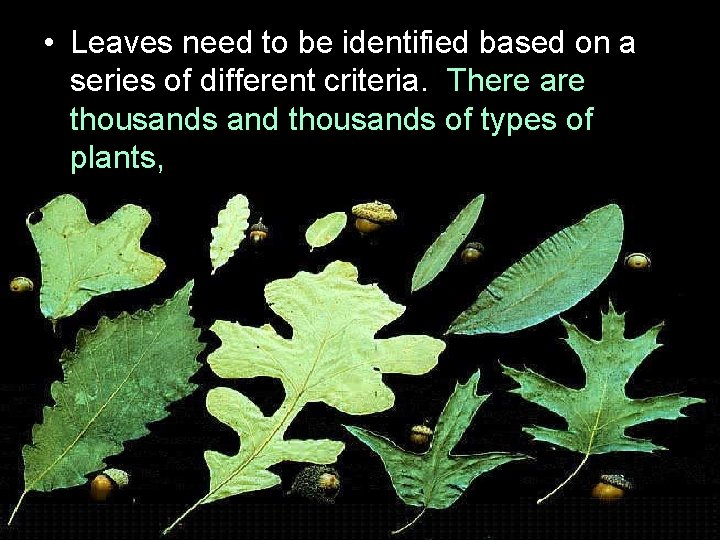
• Leaves need to be identified based on a series of different criteria. There are thousands and thousands of types of plants, Copyright © 2010 Ryan P. Murphy
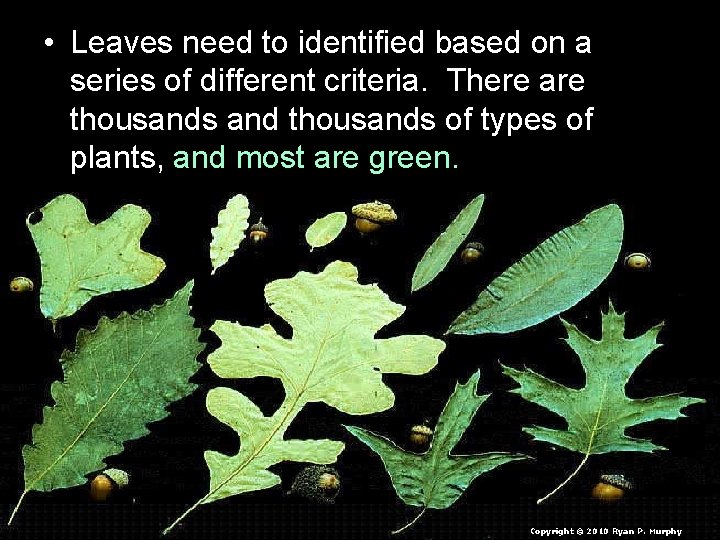
• Leaves need to identified based on a series of different criteria. There are thousands and thousands of types of plants, and most are green. Copyright © 2010 Ryan P. Murphy
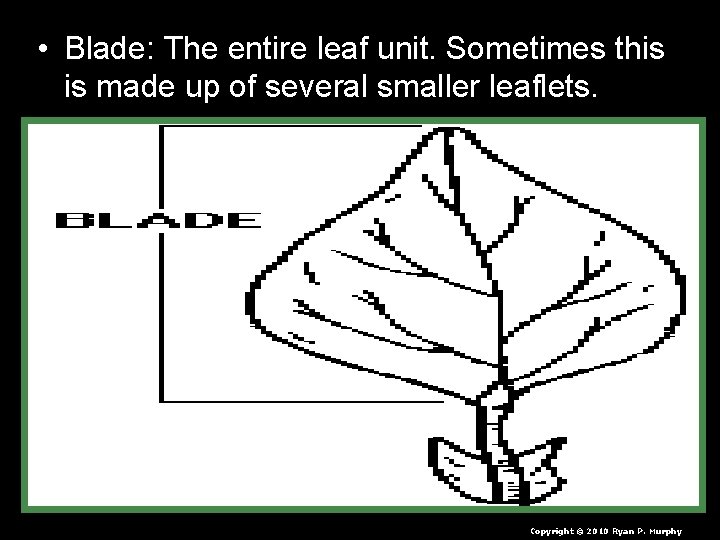
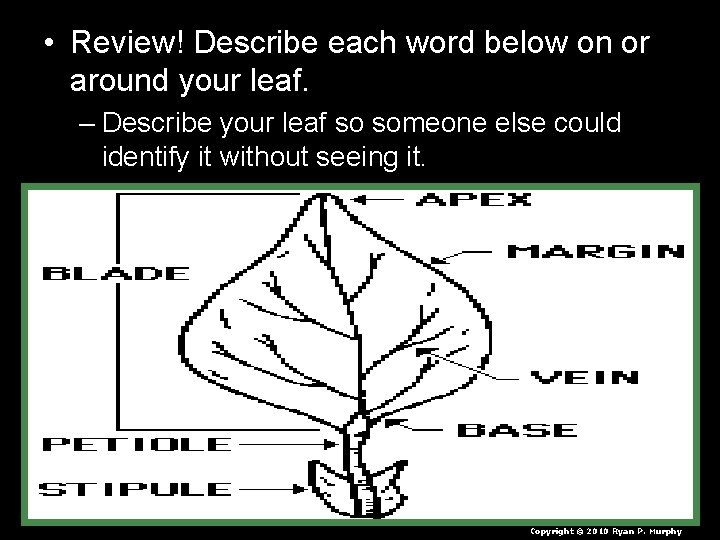
• Blade: The entire leaf unit. Sometimes this is made up of several smaller leaflets. Copyright © 2010 Ryan P. Murphy
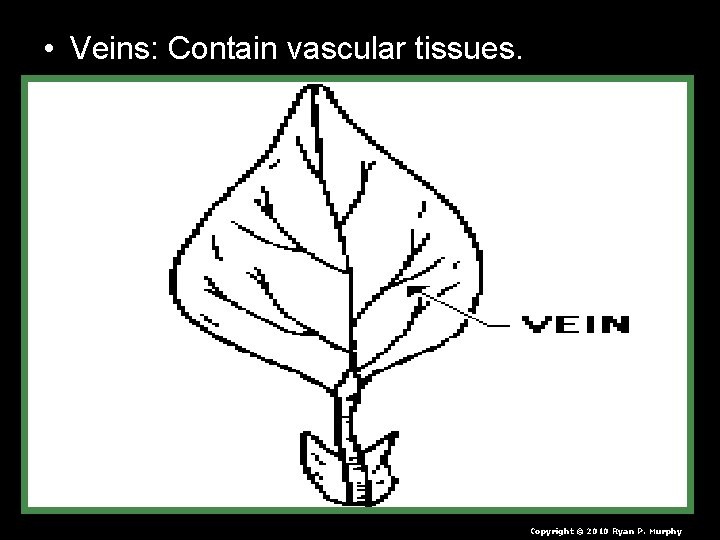
• Veins: Contain vascular tissues. Copyright © 2010 Ryan P. Murphy
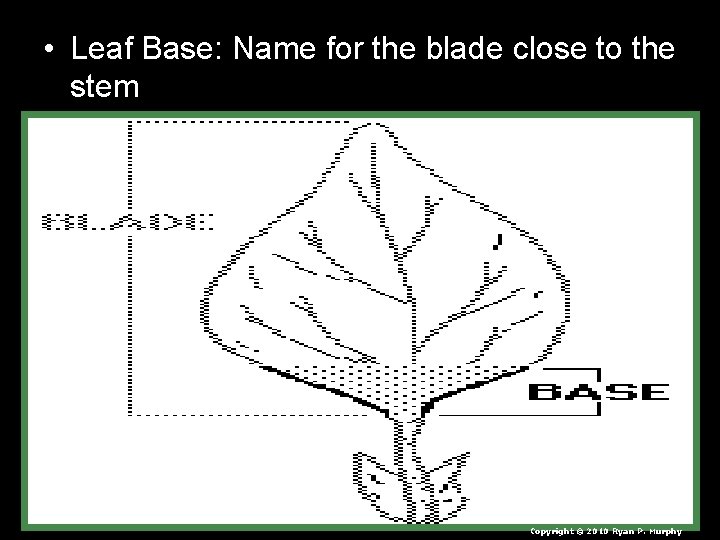
• Leaf Base: Name for the blade close to the stem Copyright © 2010 Ryan P. Murphy
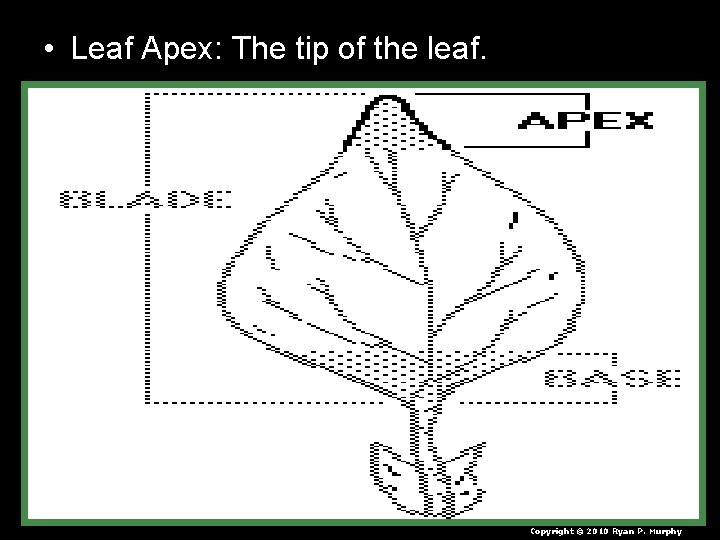
• Leaf Apex: The tip of the leaf. Copyright © 2010 Ryan P. Murphy
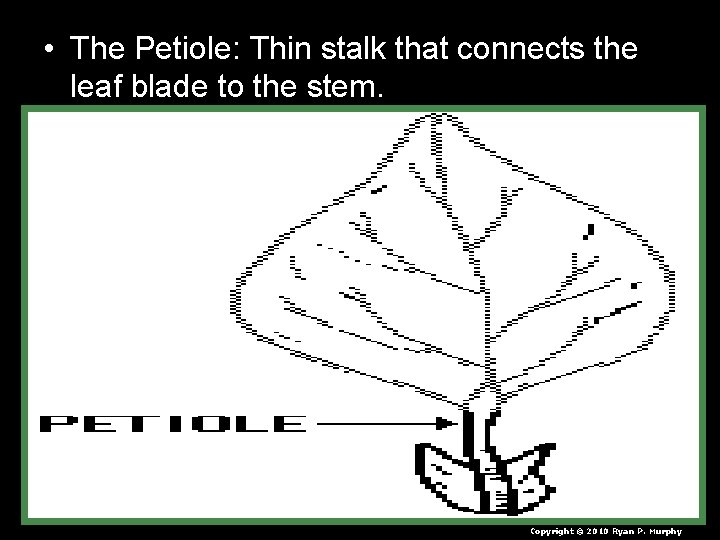
• The Petiole: Thin stalk that connects the leaf blade to the stem. Copyright © 2010 Ryan P. Murphy
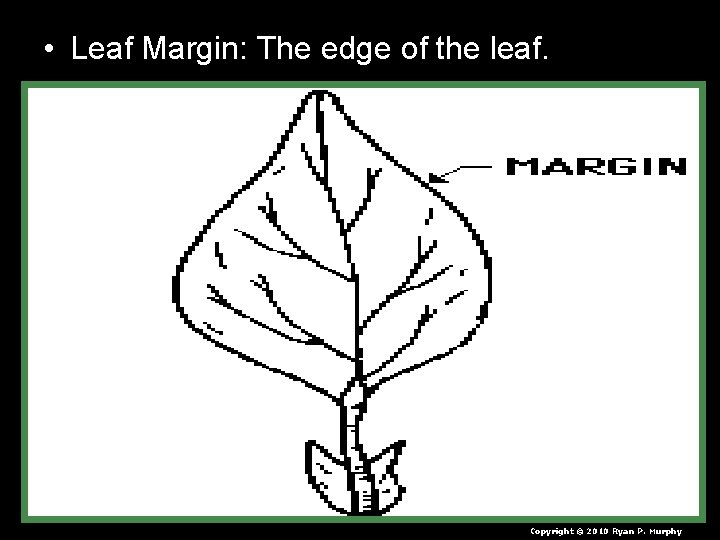
• Leaf Margin: The edge of the leaf. Copyright © 2010 Ryan P. Murphy
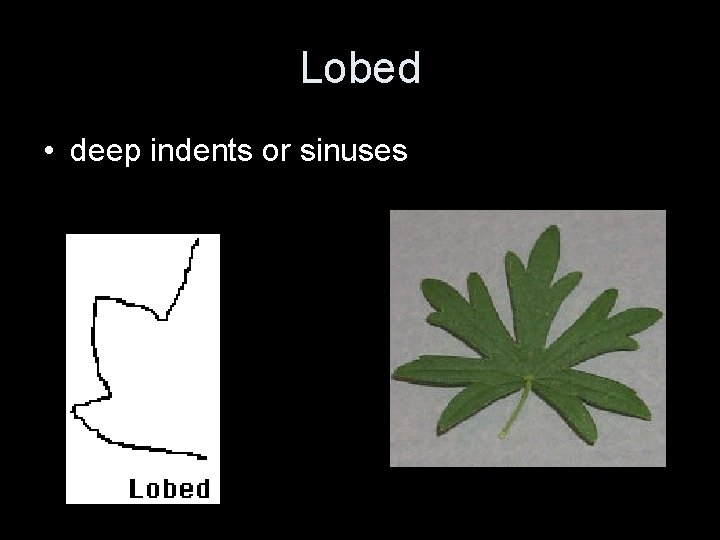
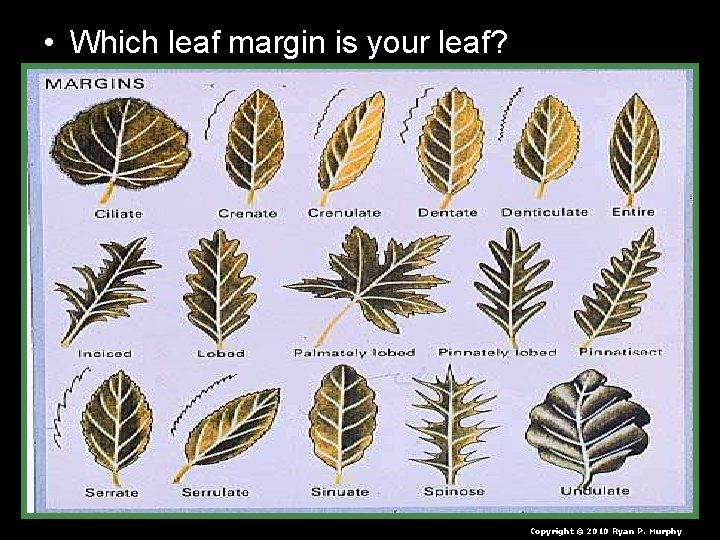
Leaf Margins • The shape of the edge or margin of a leaf is another way it can be identified. Three kinds of margins are Entire, Toothed, and Lobed.
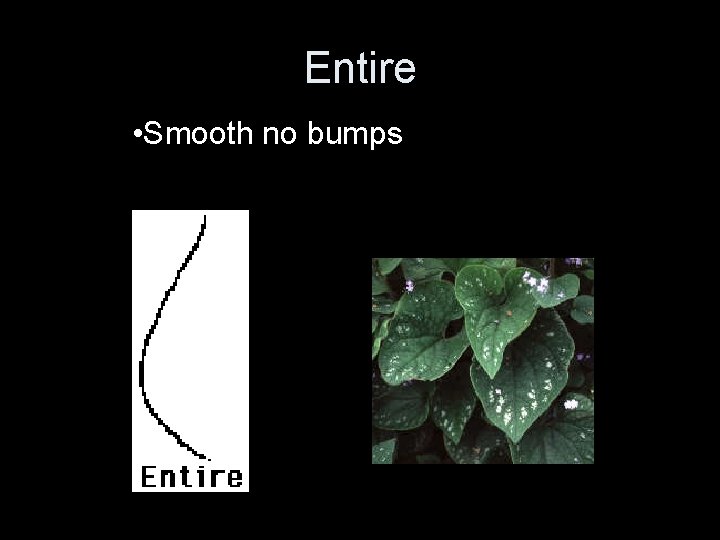
Entire • Smooth no bumps
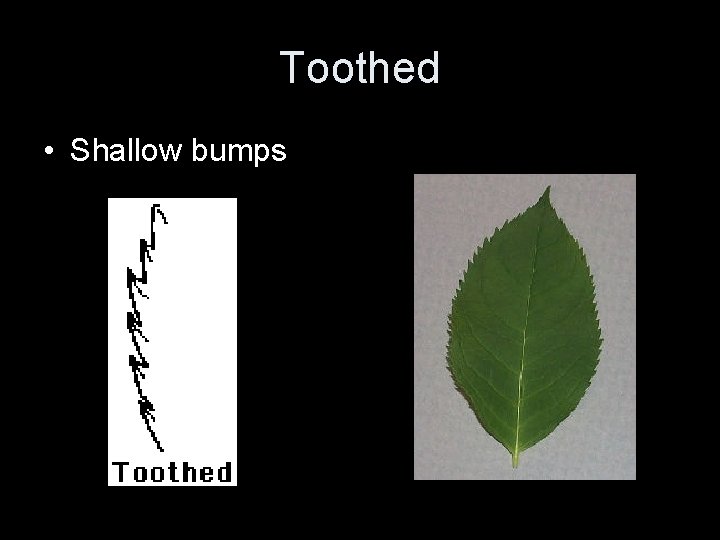
Toothed • Shallow bumps
Lobed • deep indents or sinuses
• Which leaf margin is your leaf? Copyright © 2010 Ryan P. Murphy
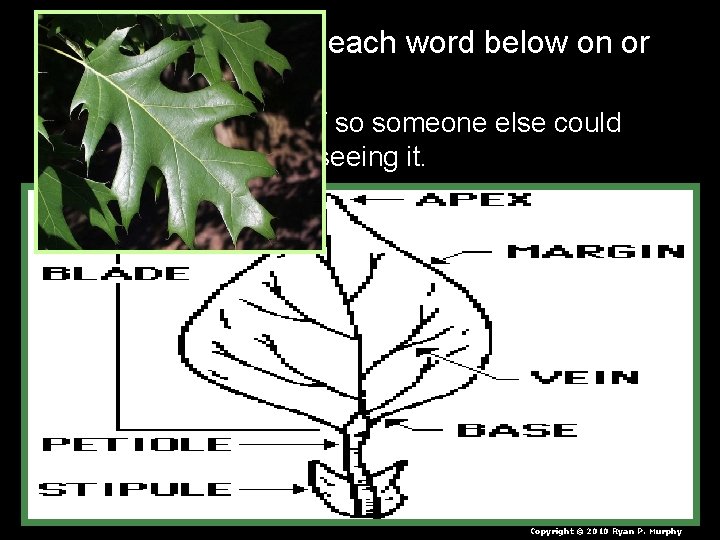
• Review! Describe each word below on or around your leaf. – Describe your leaf so someone else could identify it without seeing it. Copyright © 2010 Ryan P. Murphy
• Review! Describe each word below on or around your leaf. – Describe your leaf so someone else could identify it without seeing it. Copyright © 2010 Ryan P. Murphy
• Is your leaf Simple or Compound? Copyright © 2010 Ryan P. Murphy
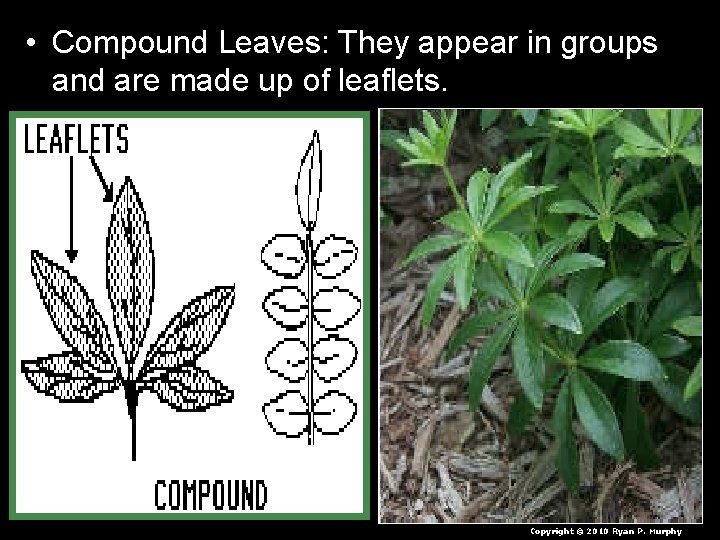
• Compound Leaves: They appear in groups and are made up of leaflets. Copyright © 2010 Ryan P. Murphy
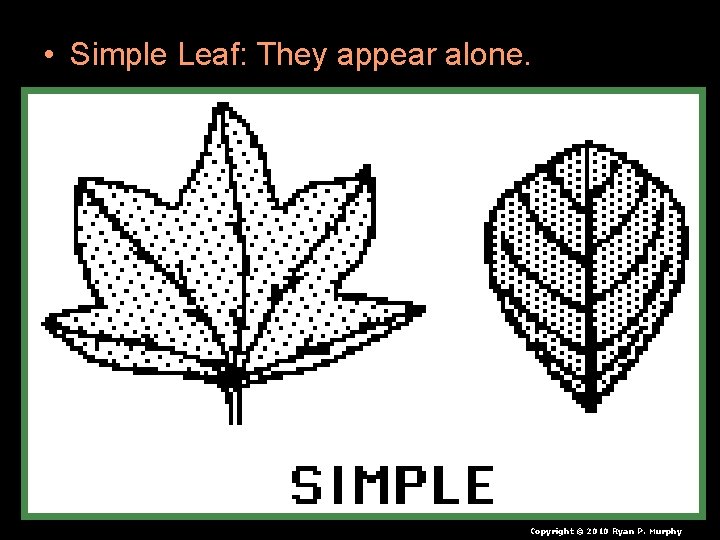
• Simple Leaf: They appear alone. Copyright © 2010 Ryan P. Murphy
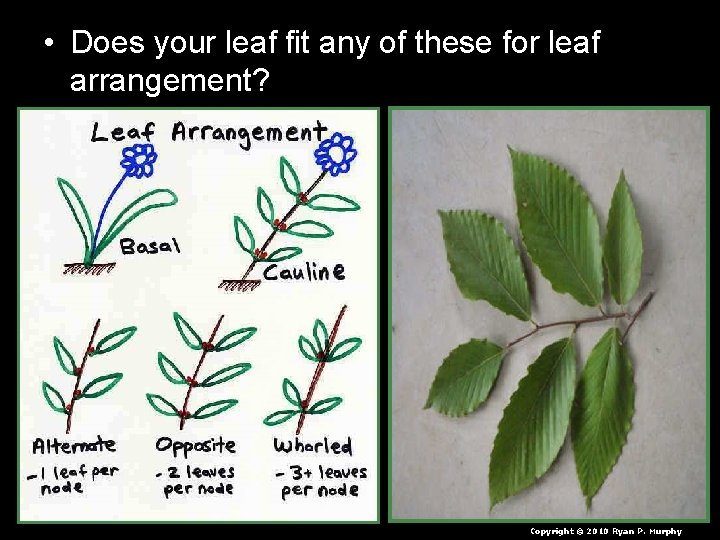
• Does your leaf fit any of these for leaf arrangement? Copyright © 2010 Ryan P. Murphy
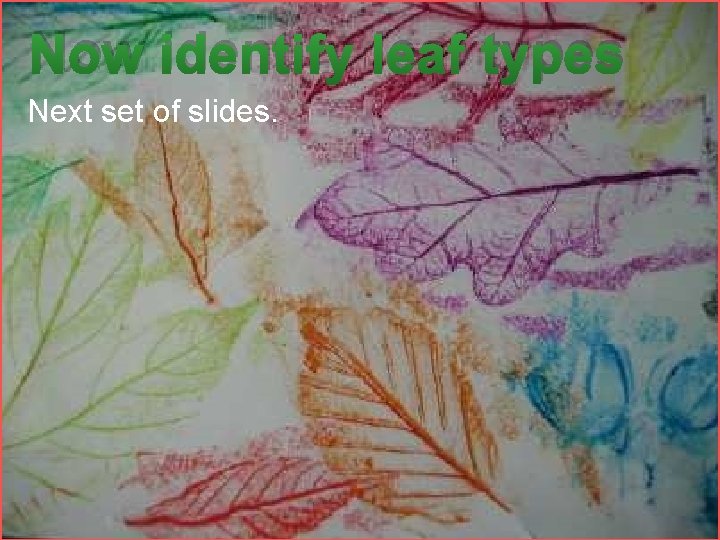
Now identify leaf types Next set of slides. Copyright © 2010 Ryan P. Murphy
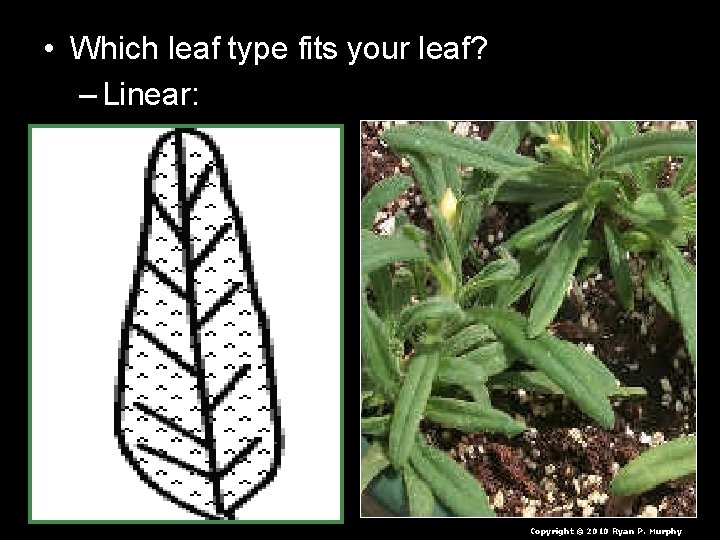
• Which leaf type fits your leaf? – Linear: Copyright © 2010 Ryan P. Murphy
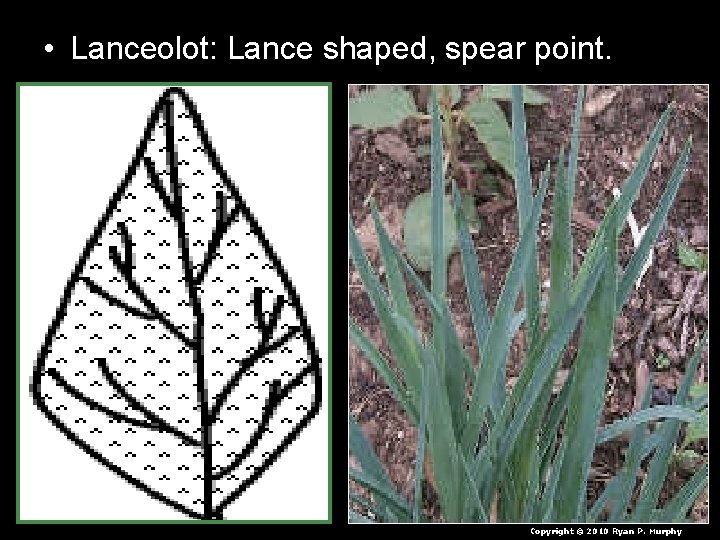
• Lanceolot: Lance shaped, spear point. Copyright © 2010 Ryan P. Murphy
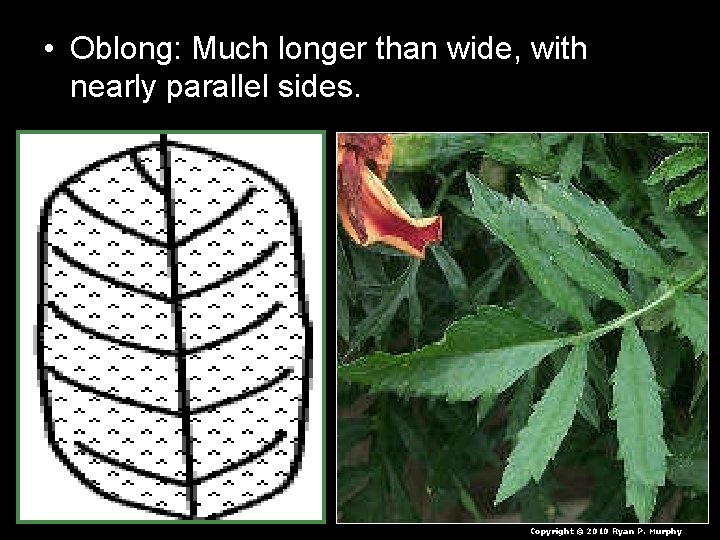
• Oblong: Much longer than wide, with nearly parallel sides. Copyright © 2010 Ryan P. Murphy
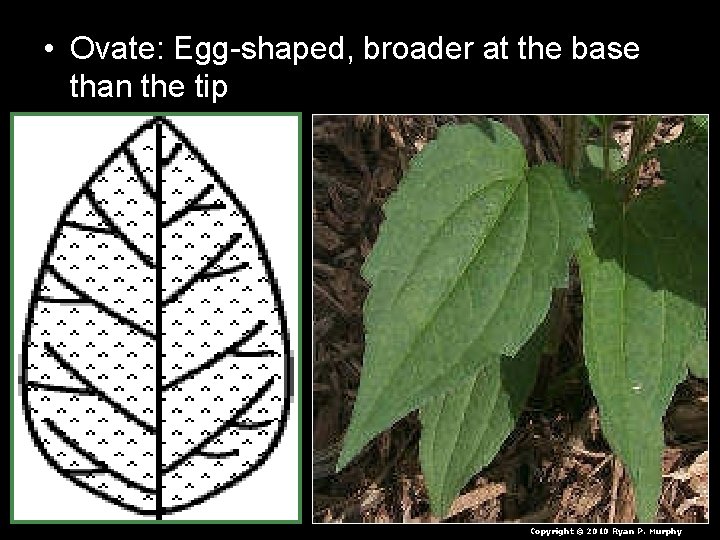
• Ovate: Egg-shaped, broader at the base than the tip Copyright © 2010 Ryan P. Murphy
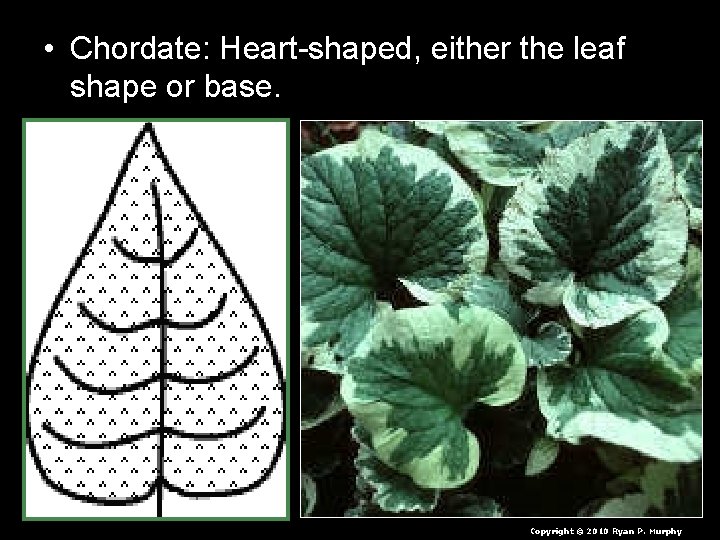
• Chordate: Heart-shaped, either the leaf shape or base. Copyright © 2010 Ryan P. Murphy
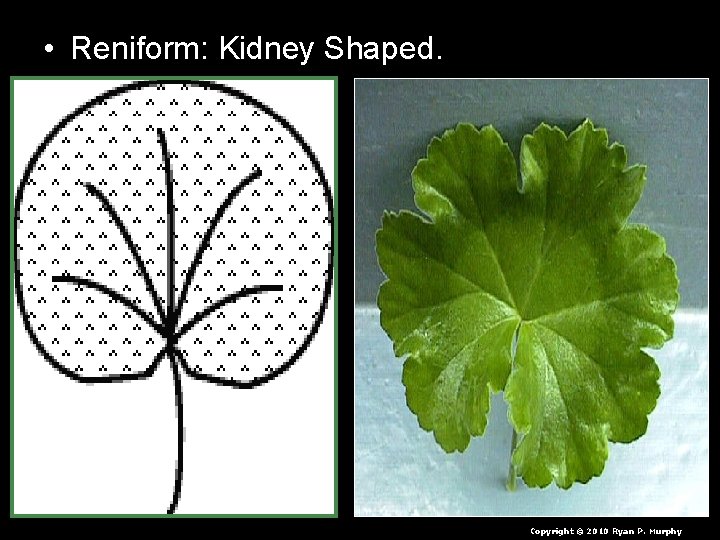
• Reniform: Kidney Shaped. Copyright © 2010 Ryan P. Murphy
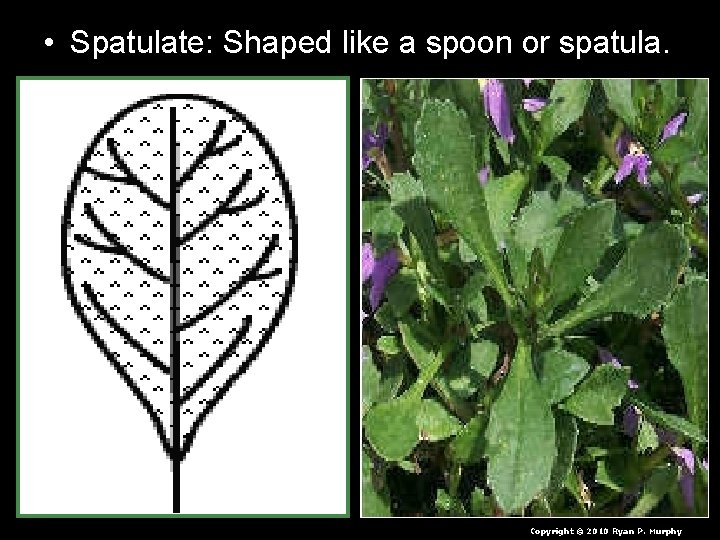
• Spatulate: Shaped like a spoon or spatula. Copyright © 2010 Ryan P. Murphy
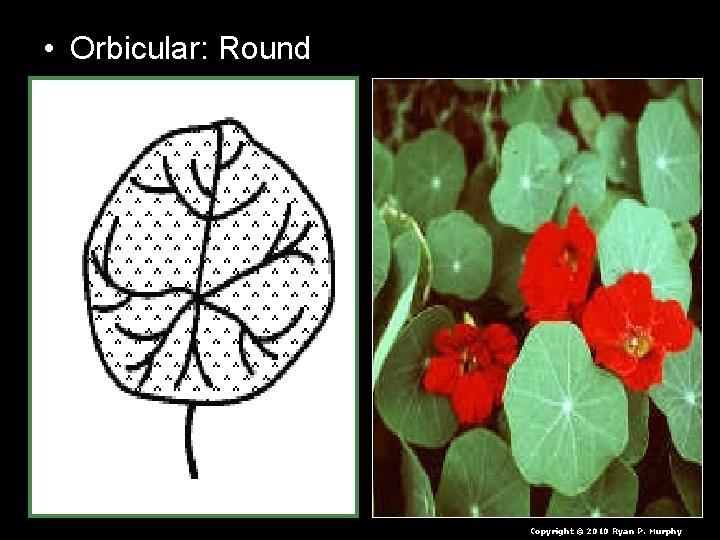
• Orbicular: Round Copyright © 2010 Ryan P. Murphy
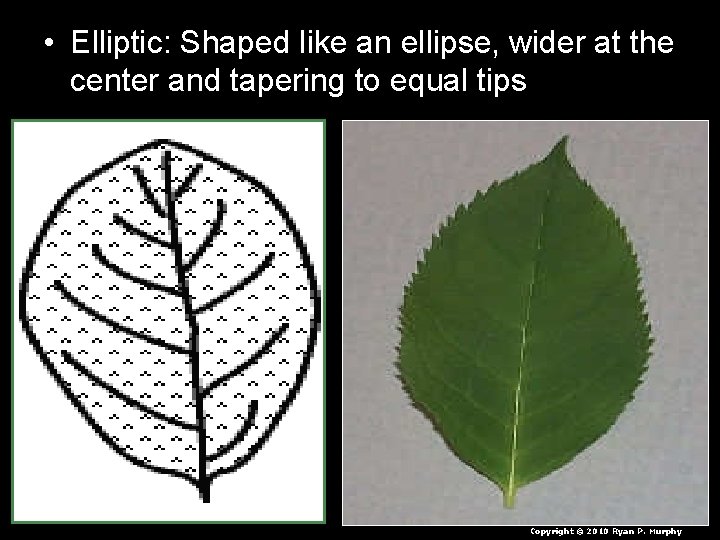
• Elliptic: Shaped like an ellipse, wider at the center and tapering to equal tips Copyright © 2010 Ryan P. Murphy