
Leading to Learn and Learning to Lead Education

- Slides: 23
Leading to Learn and Learning to Lead Education For Sustainable Development Dr Sarah Shobrook Based on the work of Paul Murray The Sustainable Self (2012)
Aims of the Session • Reflect on own values and beliefs around sustainability and its impact and influence on education • Reflect on how your beliefs impact on your teaching, your local environment and your students and relate to wider issues of sustainable development • Consider ways of embedding sustainability principles through teaching and learning, for example through curriculum design, choice of teaching materials and/or Scheme of Work
Task 1 - Sustainability and You • Are you: – A passionate advocate? – Interested and well informed? – Interested but not well informed? – Only vaguely aware of the issues – Are you a true sceptic?
Task 2 – answer the following question… – “If the success or failure of this planet and of human beings depended on how I am and what I do. . . HOW WOULD I BE? WHAT WOULD I DO? ” – Richard Buckminster (‘Bucky’) Fuller – Environmentalist, Engineer and Philosopher 1895 -1983
Task 3 - Discuss the concept of ESD • What are the key sustainability arguments that point to the need for individuals to engage in change at a personal level? • What prevents governments and educational establishments undertaking more radical approaches to sustainable practices? • How are personal and educational benefits of engaging with sustainability potentially linked?
Read the definitions. Highlight any key words you resonate with. Then choose the interpretation that relates to you the most Sustainability/Sustainable Development is …. • “A dynamic process which enables all people to realise their potential and to improve their quality of life in ways that simultaneously protect and enhance the Earth‟s life support systems” Forum for the Future (2008) • “A balanced interaction between population and the carrying capacity of the environment, such that the population develops to its full potential without adversely affecting the carrying capacity of the environment upon which it depends” Buckminster Fuller Institute (Source Citnet 2010)
• “The ability of all to live a safe, healthy and productive life in harmony with nature and local, cultural and spiritual values” Chrisna du Plessis (2002) • ☼ • “ … maintaining a delicate balance between the human need to improve lifestyles and feelings of wellbeing on one hand preserving and enhancing natural resources and ecosystems on the other” Global Development Research Center, Kobe, Japan (Source: GRDC 2009)
• “…… economic growth that will benefit present and future generations without detrimentally affecting the resources or biological systems of the planet” W. Clinton's US President’s Council for Sustainable Development (1993) • ☼ • “…. . leaving the world a better place than you found it, taking no more than you need, trying not to harm life or the environment and making amends if you do” Paul Hawken (2004)
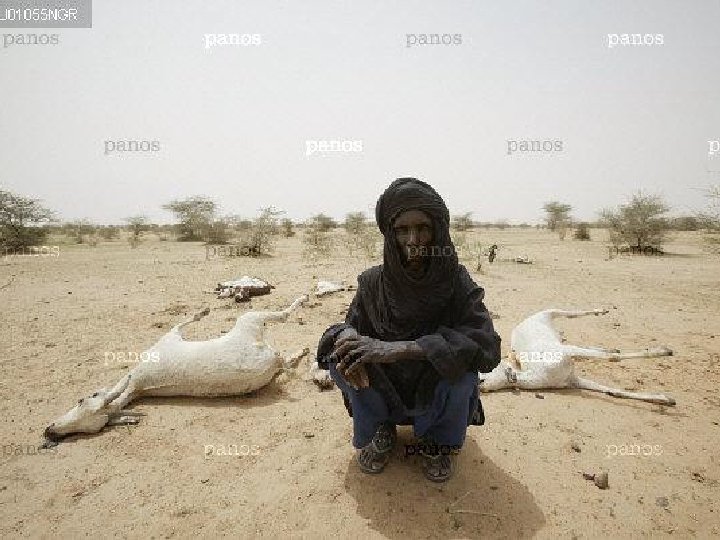
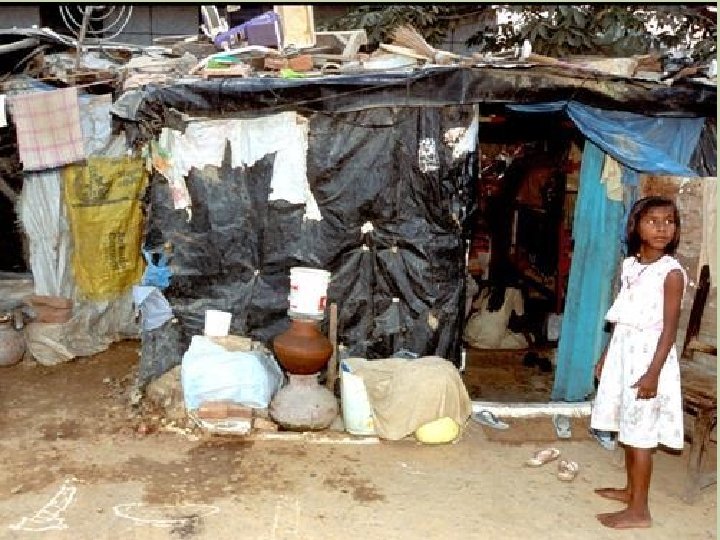
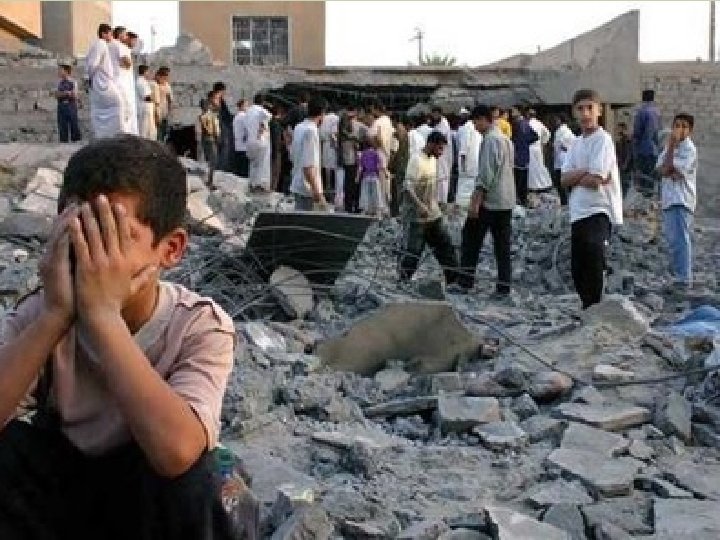
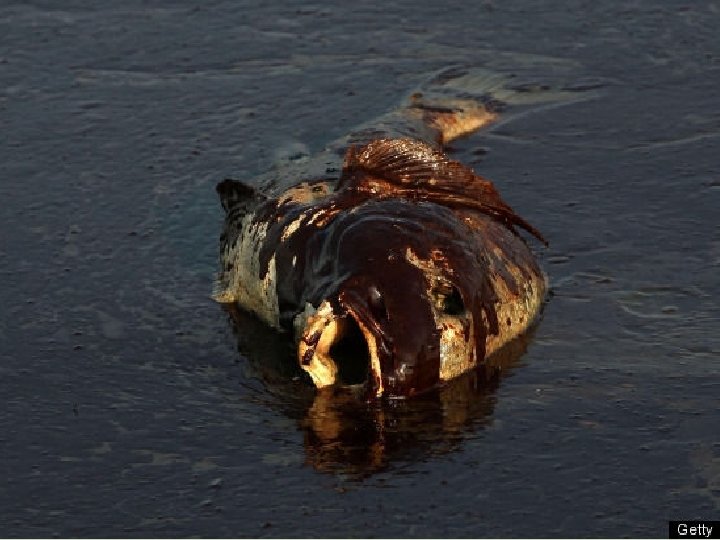
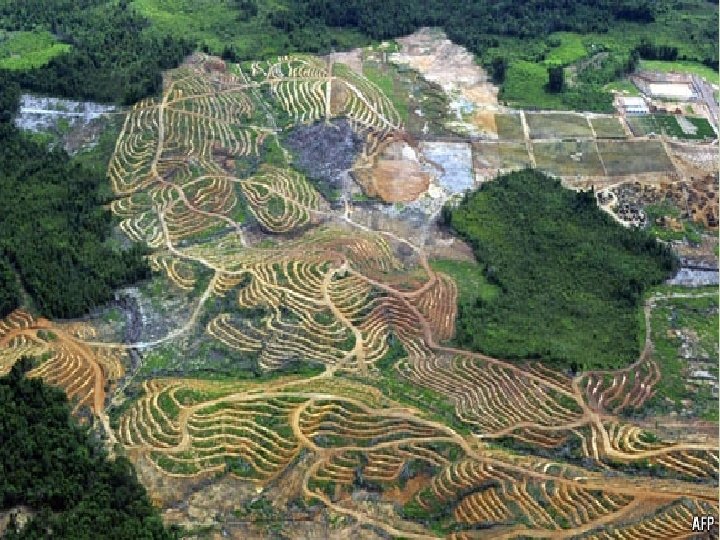
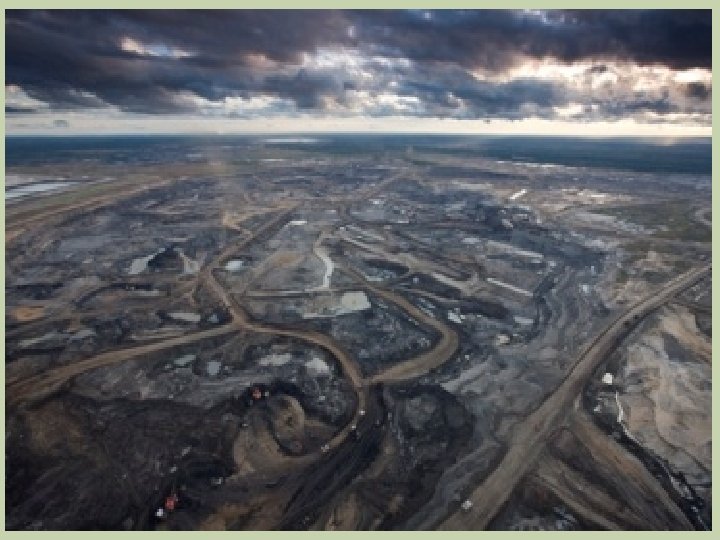
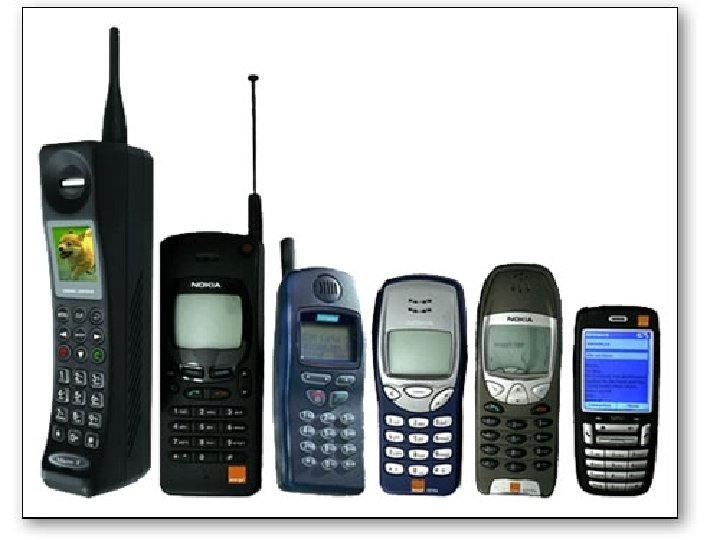
Task 4 – place the photographs in order of importance to you… • Can you physically draw links between the nine photographs to demonstrate a chain of interconnectedness between the issues they represent? • How do the decisions you take in your life affect other people and the environment locally, regionally and globally?
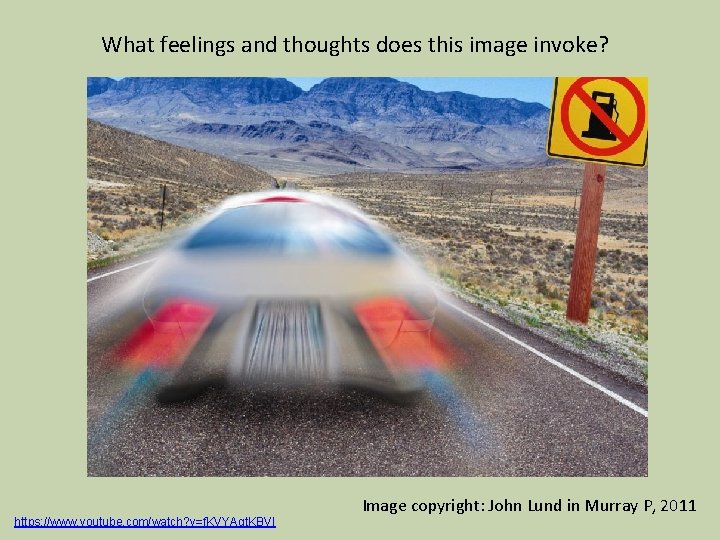
What feelings and thoughts does this image invoke? https: //www. youtube. com/watch? v=f. KVYAqt. KBVI Image copyright: John Lund in Murray P, 2011
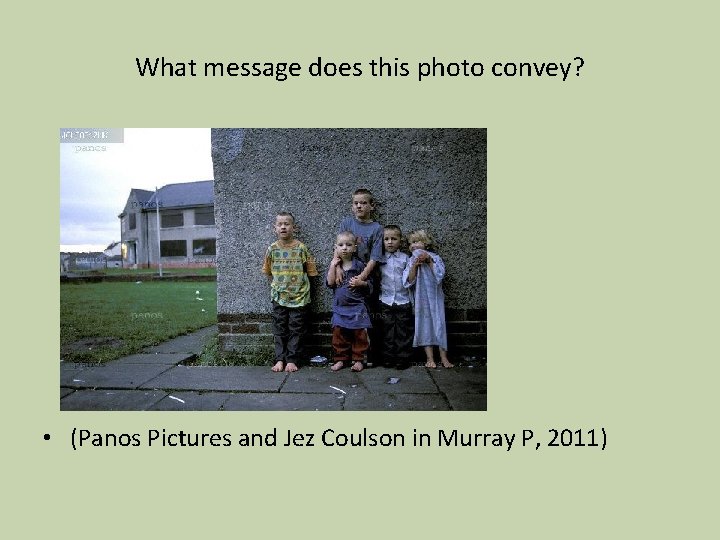
What message does this photo convey? • (Panos Pictures and Jez Coulson in Murray P, 2011)
Task 5 - Think about the following questions from a personal perspective? • What would life be like without coal, oil or natural gas? • What do you need to live, that you do not already have, to fulfil your human potential? • How much of your ‘self’ is reflected in your teaching? • Why does an environmental disaster like an oil spillage or tsunami matter?
Task 6 – How would you explain the importance of ESD to your … • • • students your parents a friend a teaching associate a manager a stranger you meet on the train
The future • Can you imagine a different future? • Write down five things you think will be different in 20 years – 2032 • Write down five things you think will be different in 50 years – 2062 • As future leaders of education what changes would you make to influence education for future generations?