
Leading and Managing for Wellbeing Fiona Meechan Organisational
Leading and Managing for Wellbeing Fiona Meechan Organisational Development Wellbeing Lead
Leading and Managing for Wellbeing Exercise @Oscar. Kilo. UK | www. oscarkilo. org. uk
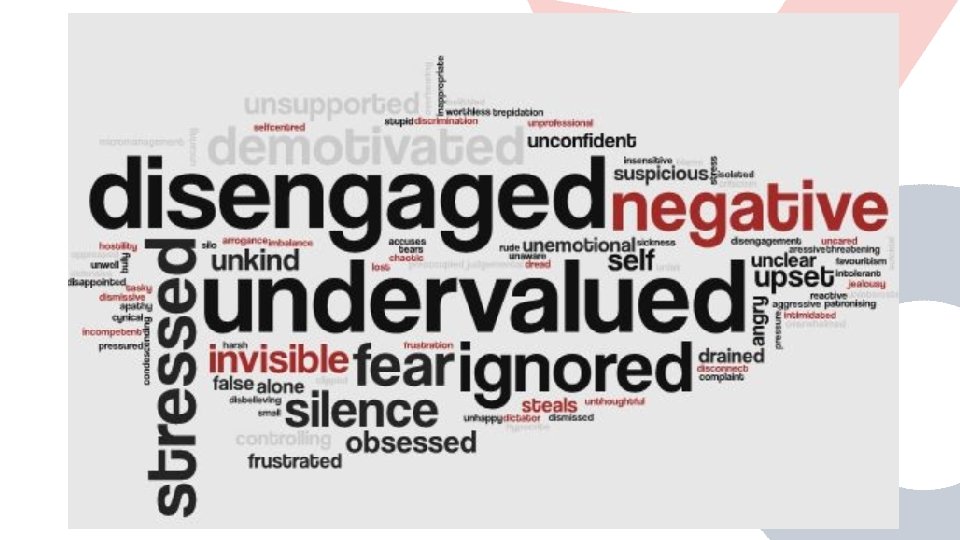
Think about a time when you have worked for a “leader” or “manager” who had a negative impact on your wellbeing… wellbeing • What did you see? • What did you hear? • How did it make you feel?
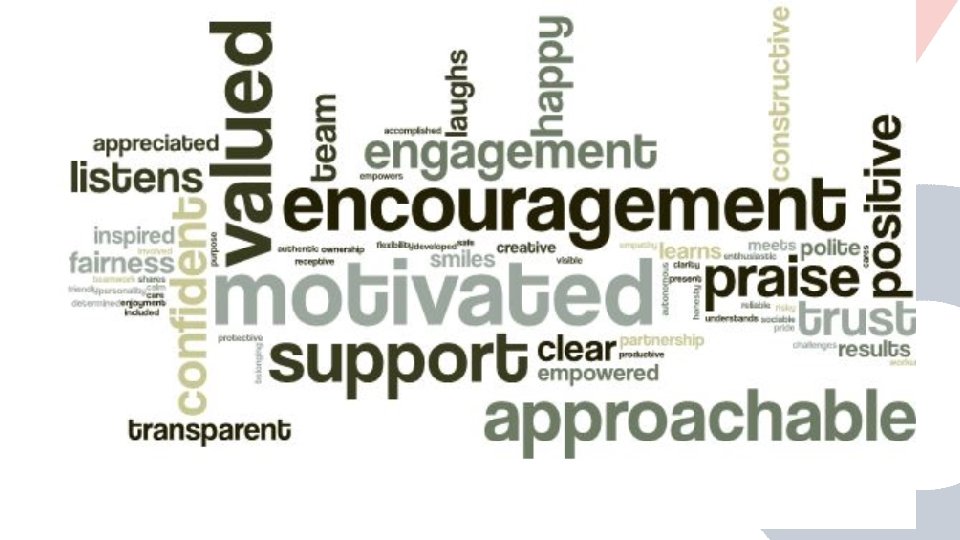
Think about a time when you have worked for a leader or manager who has had a positive impact on your wellbeing… wellbeing • What do you see? • What do you hear? • How does it make you feel?
In your role as a Leader… 1. Where do you see yourself in this? 2. What’s it like to be on the receiving end of you?
Reflections Freewriting Exercise Pen and paper Just write! Anything! 5 mins – keep the pen on the paper
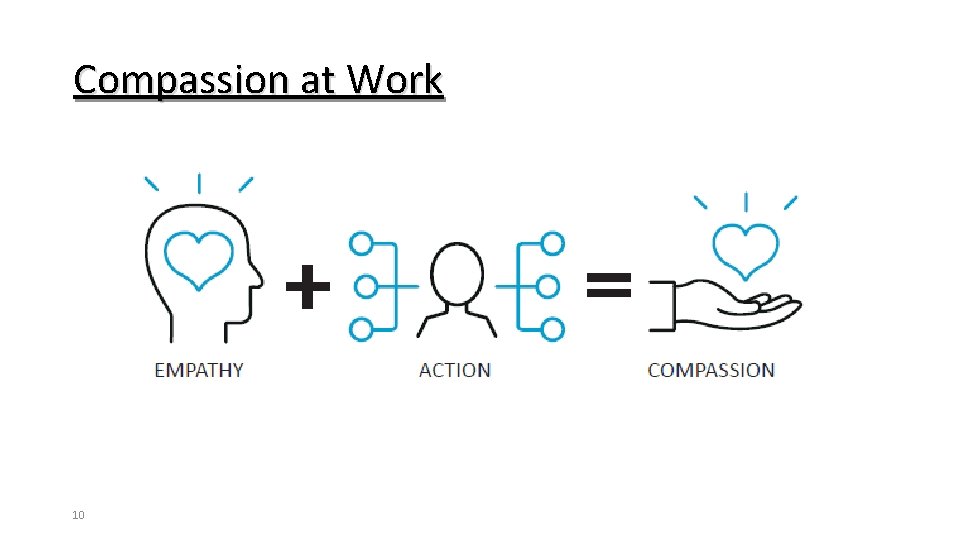
Compassion at Work 10
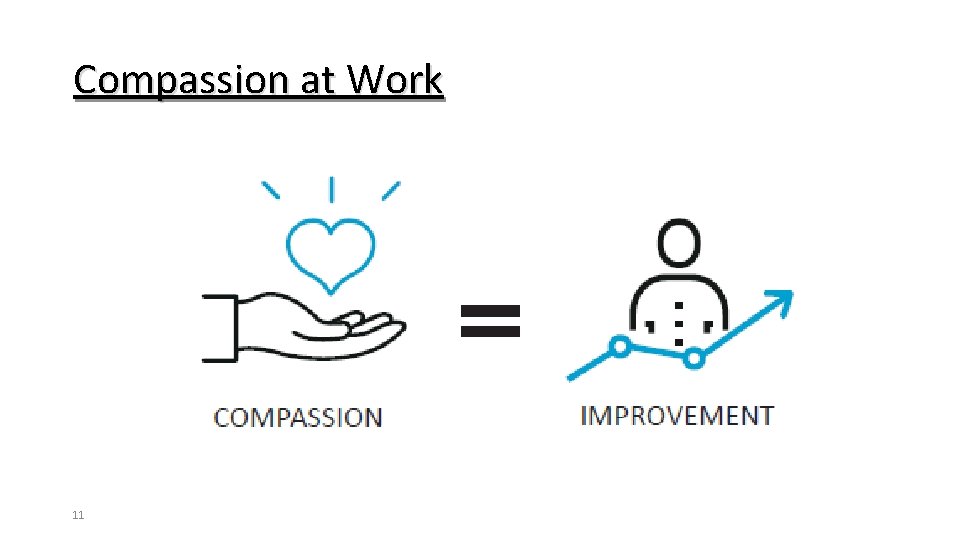
Compassion at Work 11
COMPASSION AT WORK ü ü ü ü ü Resilience Health outcomes Innovation = Improved wellbeing Collaboration and productivity Trust Effectiveness Job satisfaction Organisational commitment Reduced turnover Ethical and moral leadership
Or search: Oscar Kilo Compassion https: //oscarkilo. org. uk/compassion-work-toolkit-launched/
Leading and Managing for Wellbeing The Evidence @Oscar. Kilo. UK | www. oscarkilo. org. uk
Front Line Review • Support from line managers is critical to wellbeing “The level and nature of support affects how much people give to the job”
Simple formulas! Undervalued = Disengaged Valued = Motivated
Front Line Review - Wellbeing • Support from line managers is critical to wellbeing • People want line managers who: üAre good listeners üHave emotional intelligence üShow empathy and understanding üHave common sense üHave awareness of individuals’ personalities and lives üRecognise signs of stress üKnow when they’ve had a tough job – talking to them üAllow time to decompress with each other üAre consistent (and consistent across teams)
Front Line Review - Wellbeing • Support from line managers is critical to wellbeing • People DON’T want line managers who: × Only provide negative feedback × Only focus on the task × Ignore or deal badly with staff wellbeing × Focus on petty issues × Are patronising/rude
Front Line Review - Leadership People want leaders who: üCare for the workforce and are mindful of wellbeing üAre inspirational and motivational üAre part of the team, and support staff üRecognise good work and reward people üShow trust, empower, enable üRole model and behave ethically üMake decisions and think ahead üAre honest, acknowledge issues, admit mistakes üListen genuinely, take feedback üTreat people equally and consistently üDeal with poor performance üVisible and approachable
Guidance Documents – Analysis of last 10 years: • • • NICE Guidance: ‘Managing long term sickness absence and incapacity at work’ (2009) NICE Guidance: ‘Mental Wellbeing at Work’ (2009) Health and Safety Executive and CIPD: ‘Line Managers Competency Indicator Tool’ (2009) CIPD/HSE – ‘Line Management Behaviour and Stress at Work’ (2009) BOHRF – ‘Line Manager Support for Return to Work Following Long-Term Absence’ (2010) CIPD – ‘Developing managers to manage sustainable employee engagement, health and wellbeing’ (2014) CIPD – ‘Managing for sustainable employee engagement’ (2015) Nice Guidance - ‘Workplace Health: management practices’ (2015) IOSH – ‘Out of sight, out of mind? Managing the occupational safety and health of distributed workers’ (2016) NICE Quality Standards – ‘Healthy Workplaces: improving employee mental and physical health and wellbeing’ (2017)
Summary from research evidence - 1 üFacilitate staff engagement and empowerment – encouraging participation in service development, delivery and decision making, actively listening to and taking account of what staff have to say, and trusting staff to take responsibility for delivering outcomes creatively. × Ignore suggestions, taking improvement suggestions as a personal insult and take little or no interest in people’s ideas and projects, telling people what to do and imposing ‘my way is the only way’. Question every move of employees, questioning mistakes and allocating blame.
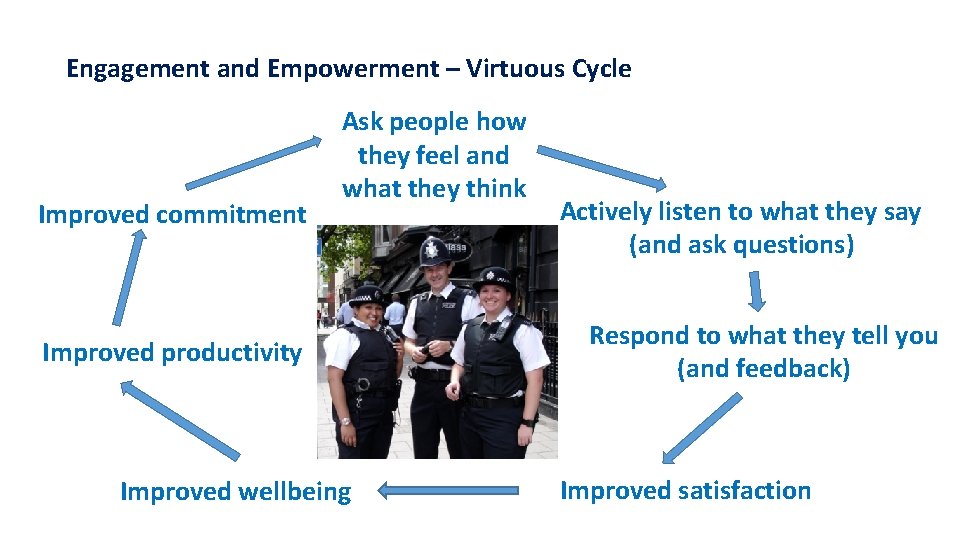
Engagement and Empowerment – Virtuous Cycle Improved commitment Ask people how they feel and what they think Improved productivity Improved wellbeing Actively listen to what they say (and ask questions) Respond to what they tell you (and feedback) Improved satisfaction
Summary from research evidence - 2 üCommunicate clearly and consistently, setting out a clear, shared vision and objectives, and sense of meaning, giving encouragement and giving (and seeking) constructive feedback and recognising good work and positive attitudes. × Withhold information and give little feedback on progress, giving more negative than positive feedback and being indecisive.
Summary from research evidence - 3 üTake an active approach to problem solving, pro-actively managing work allocation and conflict, demonstrating competence in relation to legal and policy issues and providing suitable guidance to staff, taking responsibility for their actions. × Ignore problems or rely on others to solve them, failing to resolve conflict or address bullying. Fails to plan, making short term demands, creating unrealistic deadlines and panicking about them. Providing too little direction and guidance and failing to manage the team.
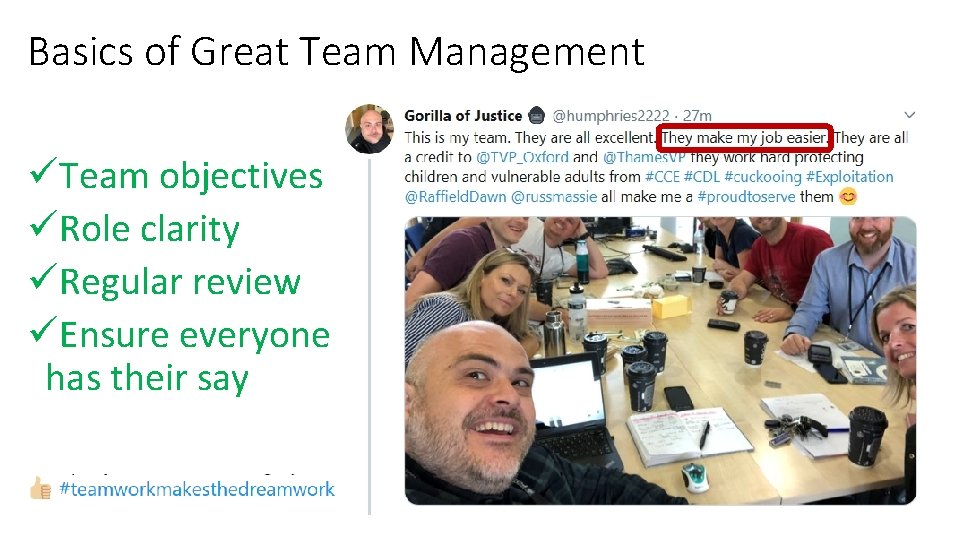
Basics of Great Team Management üTeam objectives üRole clarity üRegular review üEnsure everyone has their say
Summary from research evidence - 4 üBe accessible and approachable, consistently role modelling values-driven behaviour which demonstrates integrity, respect, openness and fairness and generates trust. Be sociable and allow humour and laughter in work. × Be unpredictable and inconsistent, saying one thing and doing another, losing patience and getting aggressive, talking about team members behind their backs and being disrespectful in front of them. Being too busy to give staff time. Using humour, ‘banter’ and sarcasm inappropriately.
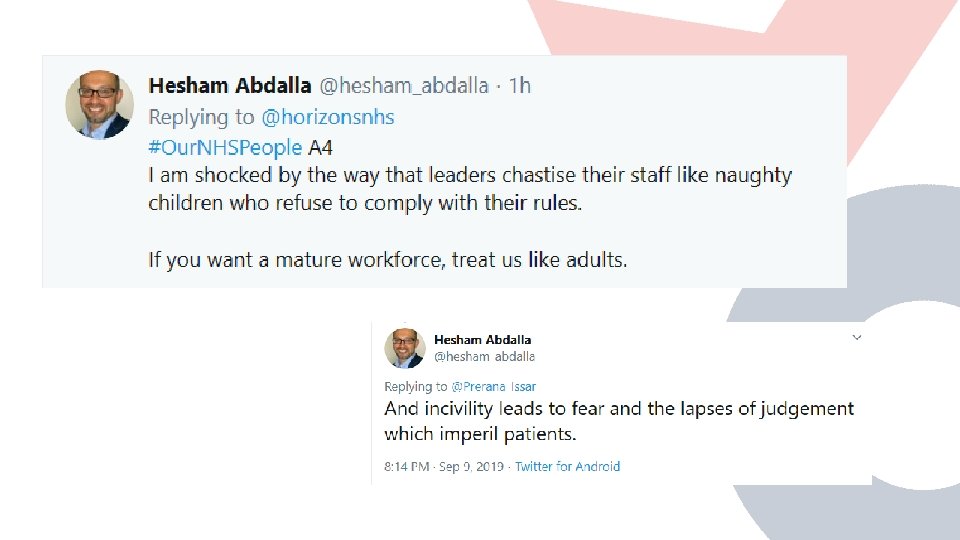
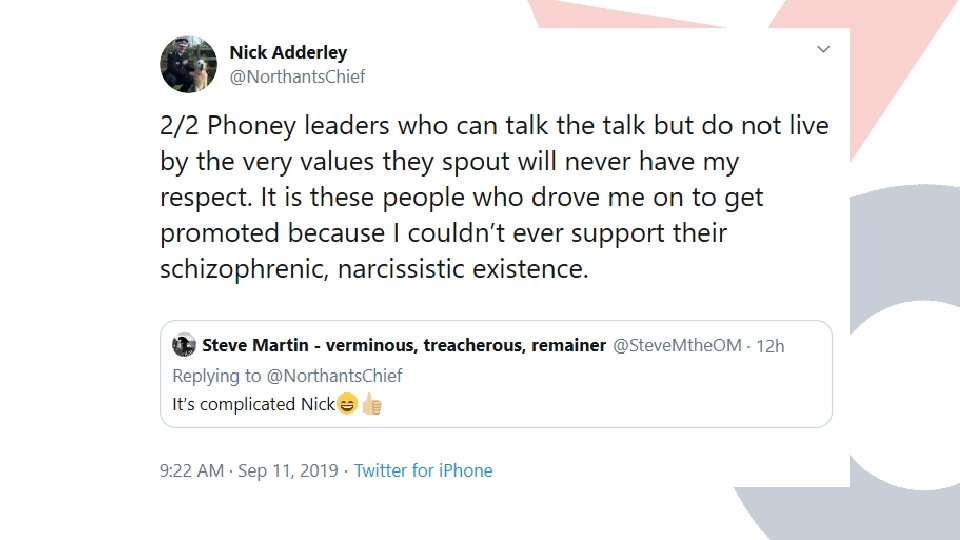
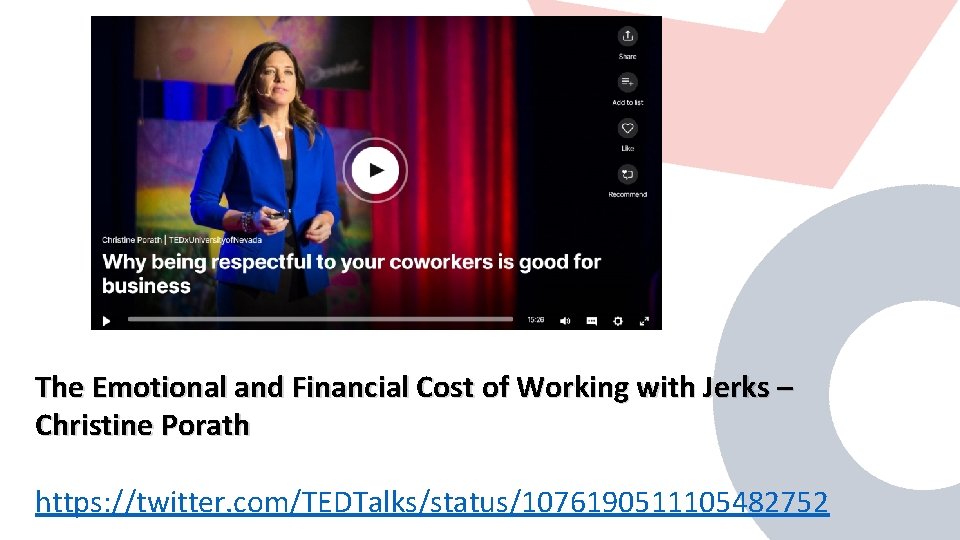
The Emotional and Financial Cost of Working with Jerks – Christine Porath https: //twitter. com/TEDTalks/status/1076190511105482752
Summary from research evidence - 5 üSupport staff and their development, being sensitive to their emotions and needs, suspending assumptions and judgement, rewarding and recognising their talents and potential and helping them to reach it through adopting a coaching and mentoring approach. × Not supporting development and taking no interest in staff and their wider lives outside of work, and giving no consideration to work-life balance and needs, making assumptions that everyone is fine. Passing stress on to the team.
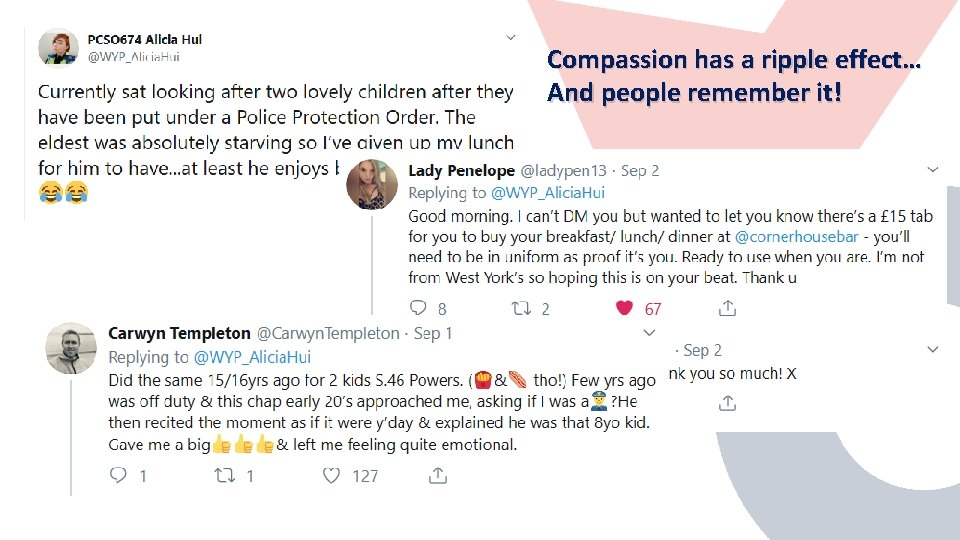
Compassion has a ripple effect… And people remember it!
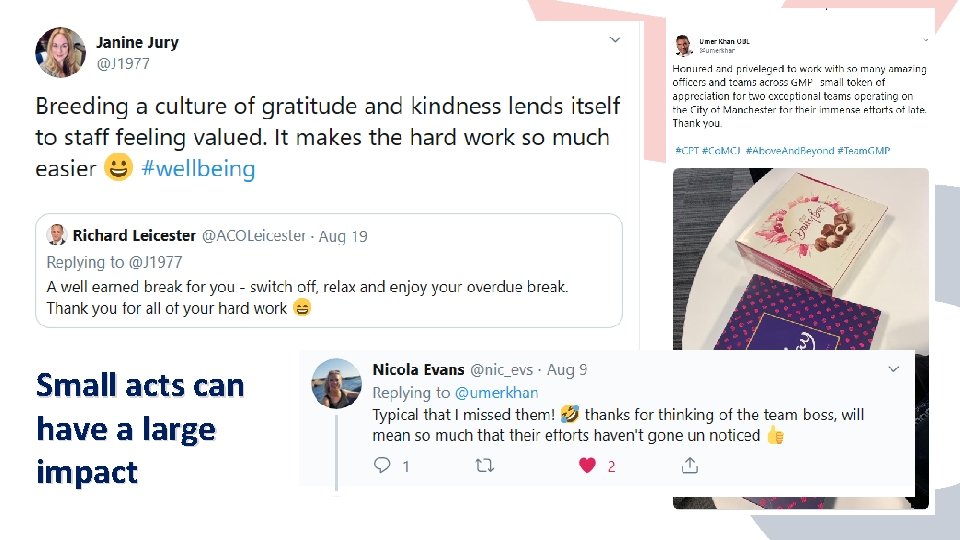
Small acts can have a large impact
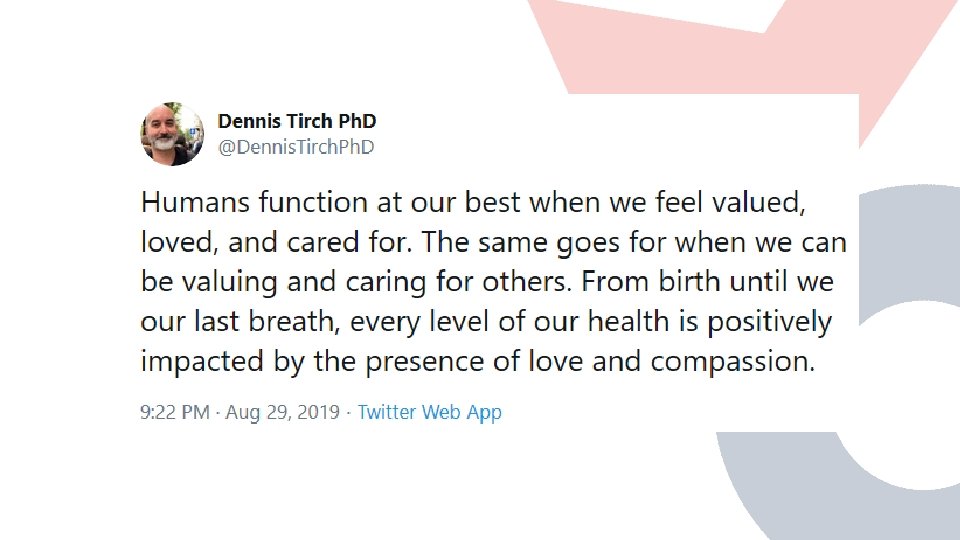
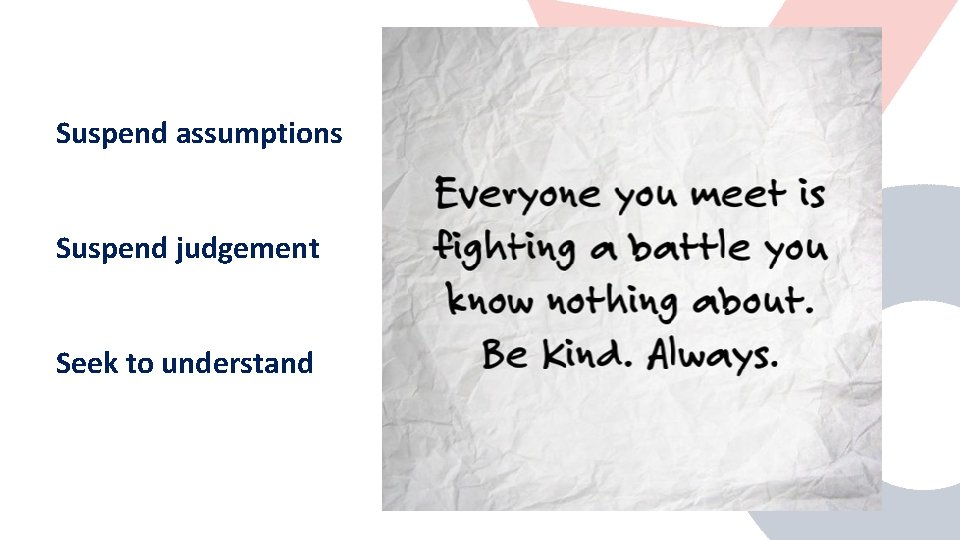
Suspend assumptions Suspend judgement Seek to understand
Summary from research evidence - 6 üWork in partnership, both with staff and with wider stakeholders, generating and sustaining positive relationships through a considerate approach which generates reassurance and confidence. × Work alone, feeling threatened by competence of others and not seeking help, support and professional expertise from others. Assuming they know better.
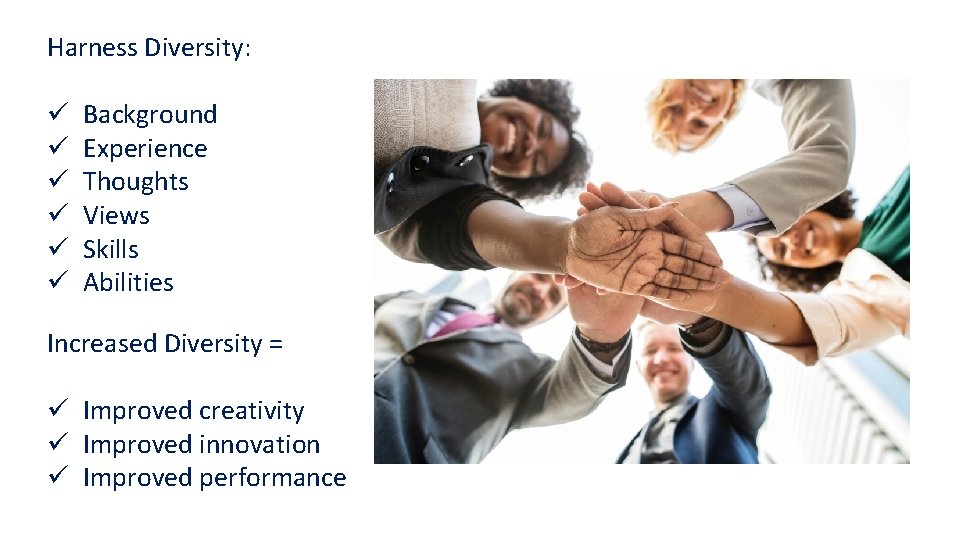
Harness Diversity: ü ü ü Background Experience Thoughts Views Skills Abilities Increased Diversity = ü Improved creativity ü Improved innovation ü Improved performance
What works for wellbeing… üFacilitate staff engagement and empowerment üCommunicate clearly and consistently üTake an active approach to problem solving üBe accessible and approachable üSupport staff and their development üWork in partnership
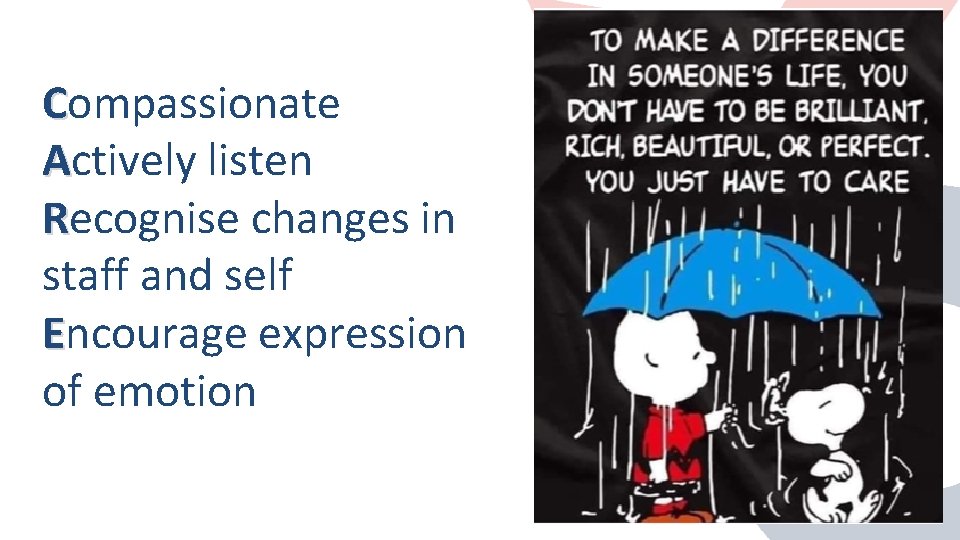
Compassionate Actively listen Recognise changes in staff and self Encourage expression of emotion
Reflection • What? • So What? • Now What?
? s n o i uest Q Com men ts? Cri F ? k c a eedb Cha t an d brew a ? tiq ue? fiona. meechan@college. pnn. police. uk
- Slides: 41