
Leadership What defines a great Leader Frequently Asked

- Slides: 21
Leadership
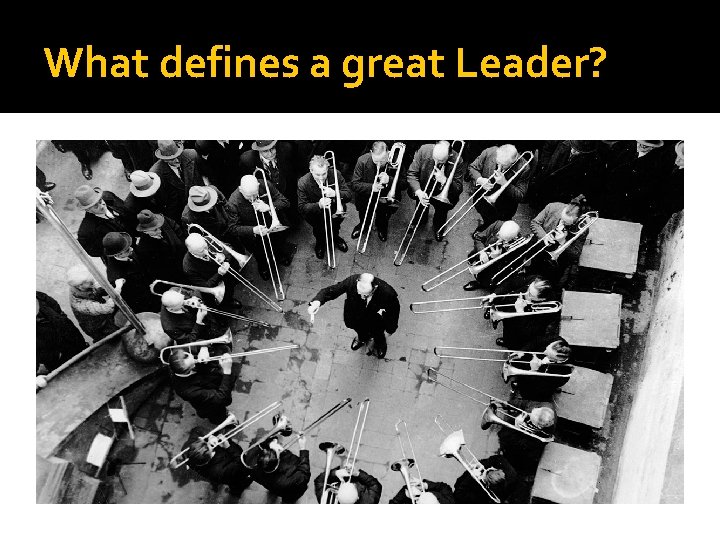
What defines a great Leader?
Frequently Asked Questions �Historians �Political Scientists �Psychologists �And Management experts
Foundations of Leadership �Management is doing the things right; leadership is doing the right things. Peter Drucker (2001). �My job is not to be east on people. My job is to take these great people whe have and to push them and make them even better. Steve Jobs (2008) �As we look ahead into the next century, leaders will be those who empower others. Bill Gates (2012)
Leadership Traits and Skills �One of the perennial questions about leaders is whether they are born or made. Today, experts in leadership acknowledge that some people are “natural” leaders, gifted with a confidence and charisma that is difficult fo others to learn or imitate.
Traits of a Leader (Anne Hollifield, Media Management 2016) � Intelligence � Ambition � Self confidence � Expertise � Charisma � Creativity � Perseverance � Flexibility � Commitment � Integrity � The ability to inspire and motivate � Social and emotional intelligence � Ability to envision what the future ought to be.
Successful Leaders �Successful leadership demands that leaders transform their visions into realities. Executing a vision is where most leaders fail because a new vision represents change (Johnson, 2004). And at the same time managing change is one of the most difficult of all management challenges.
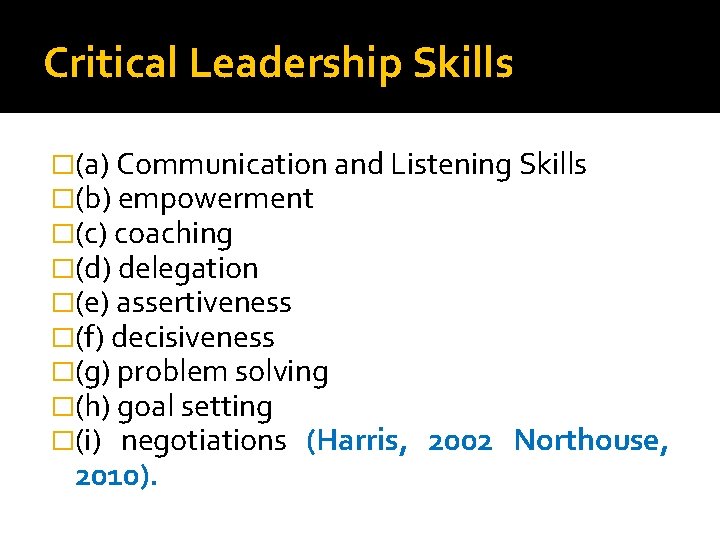
Critical Leadership Skills �(a) Communication and Listening Skills �(b) empowerment �(c) coaching �(d) delegation �(e) assertiveness �(f) decisiveness �(g) problem solving �(h) goal setting �(i) negotiations (Harris, 2002 Northouse, 2010).
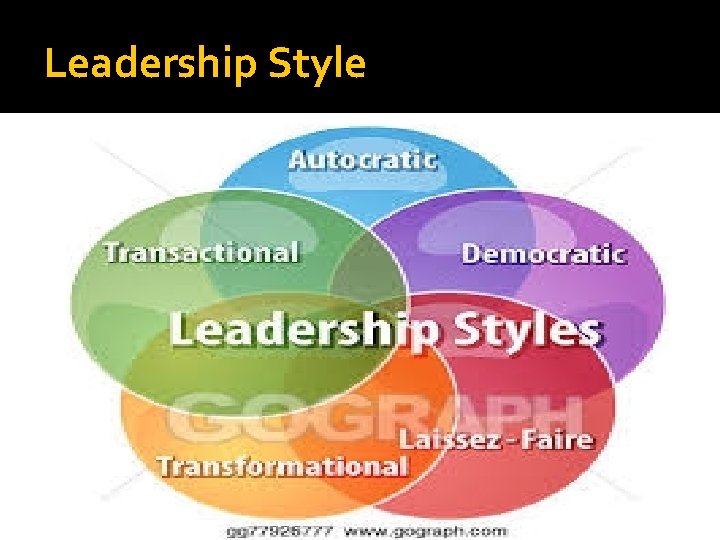
Leadership Style
Effects of Organizational Structures on Leadership Style �Functional �Critical / Interpretive �UST
Individual Leadership Styles
Leading Followers � Situational Leadership Theory (1969), maintains that an effective leader approaches leadership by understanding the followers’ task and psychological maturity.
Leading Followers �Task relationship orientation (Hughes et. al, 1999) leaders orientations towards tasks and relationships have worked its way into many leadership theories. It argues that some leaders are more concerned about job-related tasks, while others focus on maintaining good relationships with colleagues.
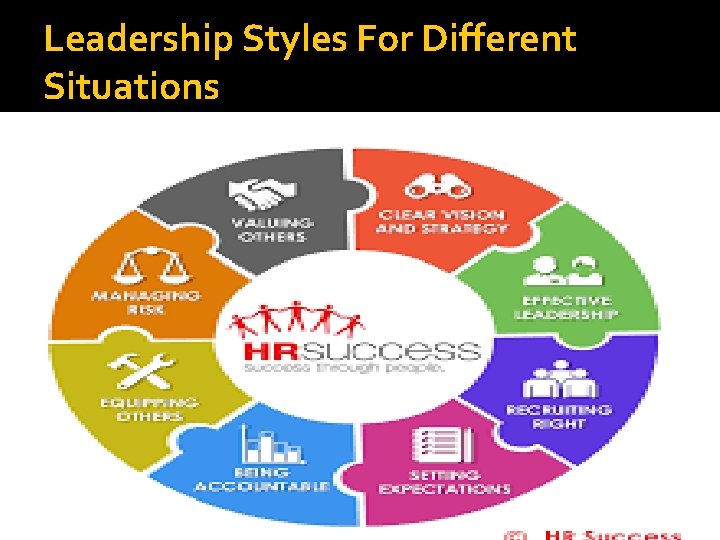
Leadership Styles For Different Situations
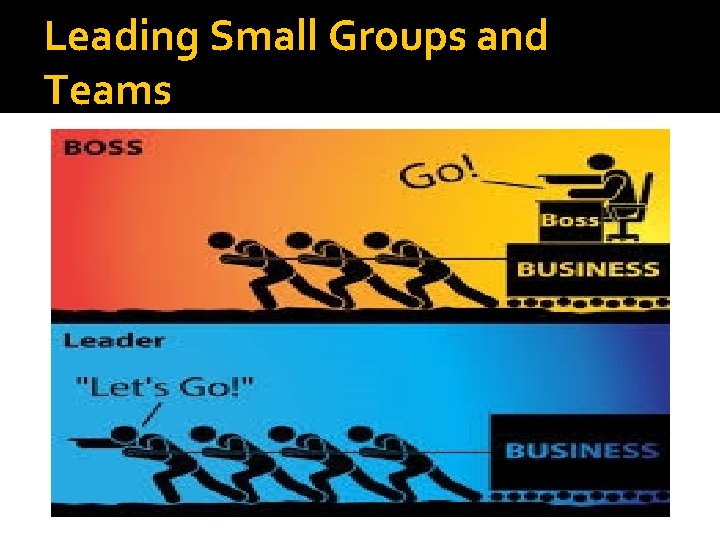
Leading Small Groups and Teams
Leading Creative Projects and People
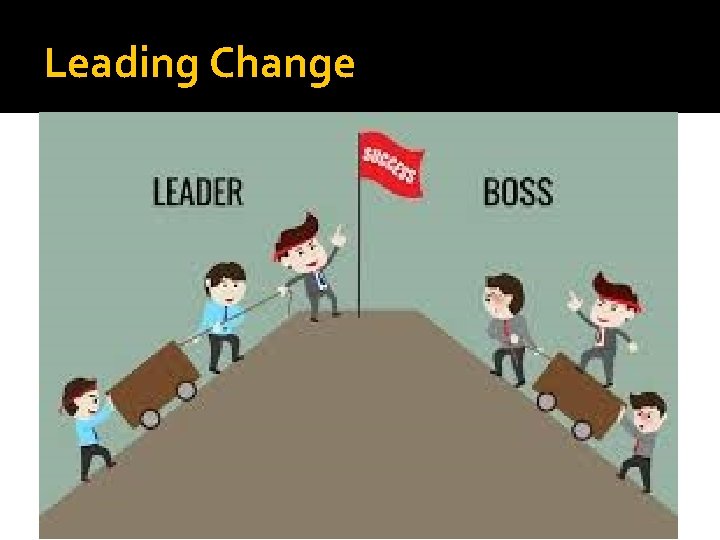
Leading Change
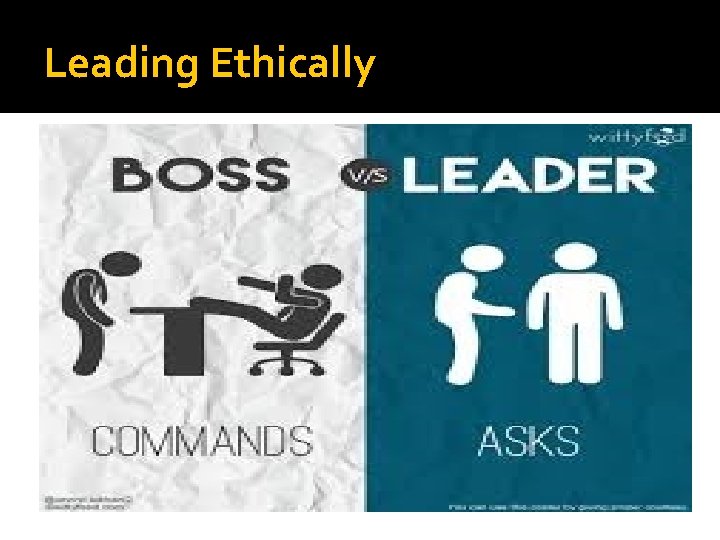
Leading Ethically
Leading Yourself �The vision, self discipline, confidence, assertiveness, decisiveness, communication skills, flexibility, adaptability, creativity, ability to work with a wide range of other people, and integrity and must be self supplied by the entrepreneur or freelancer.