
Lead Poisoning Clinical Effects A pediatric emergency medicine

- Slides: 51
Lead Poisoning: Clinical Effects. A pediatric emergency medicine perspective 2018 Regional New York State Lead Conference The Children’s Hospital at Montefiore Medical Center November 2, 2018 Fred M. Henretig, MD Section of Clinical Toxicology Division of Emergency Medicine Children’s Hospital of Philadelphia
Overview • Review of background and pathophysiology of lead toxicity • Pediatric exposures • Adult exposures • Treatment considerations • ED issues • Questions
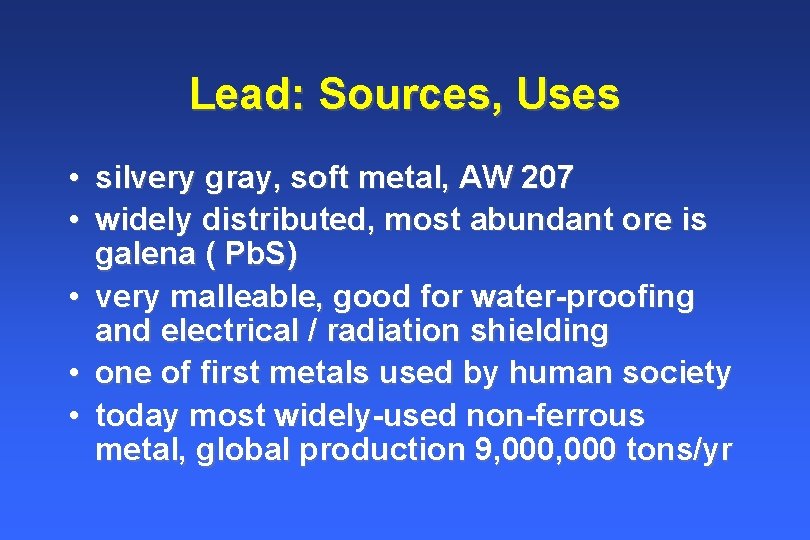
Lead: Sources, Uses • silvery gray, soft metal, AW 207 • widely distributed, most abundant ore is galena ( Pb. S) • very malleable, good for water-proofing and electrical / radiation shielding • one of first metals used by human society • today most widely-used non-ferrous metal, global production 9, 000 tons/yr
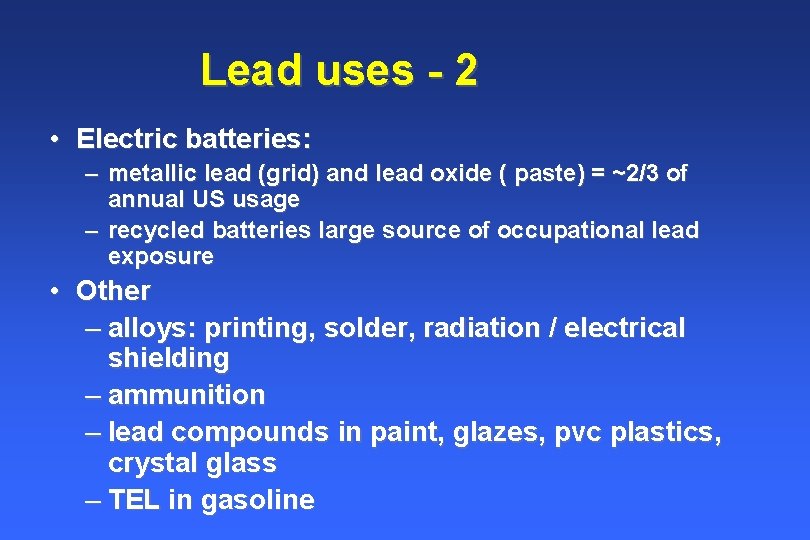
Lead uses - 2 • Electric batteries: – metallic lead (grid) and lead oxide ( paste) = ~2/3 of annual US usage – recycled batteries large source of occupational lead exposure • Other – alloys: printing, solder, radiation / electrical shielding – ammunition – lead compounds in paint, glazes, pvc plastics, crystal glass – TEL in gasoline
Lead and plumbism: ancient history • Lead-based paints and artifacts from 40, 000 -6, 000 BC • Romans used it extensively, esp in pipes, cooking utensils, ceramic glazes, and “sapa”- grape syrup simmered in lead vessels – Pliny: beware the dangers of inhaled lead fumes from smelting – perhaps: caused the fall of the Roman empire!
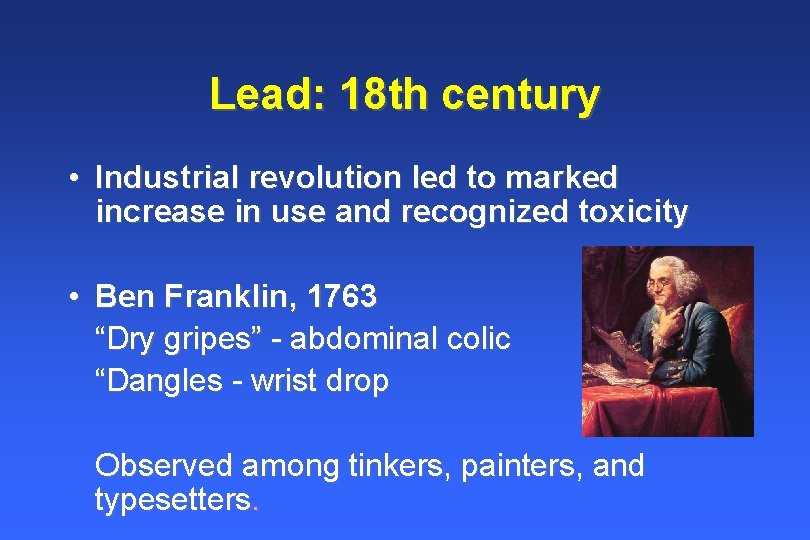
Lead: 18 th century • Industrial revolution led to marked increase in use and recognized toxicity • Ben Franklin, 1763 “Dry gripes” - abdominal colic “Dangles - wrist drop Observed among tinkers, painters, and typesetters.
Lead: 19 th century Charles Dickens 1863 The Uncommercial Traveler
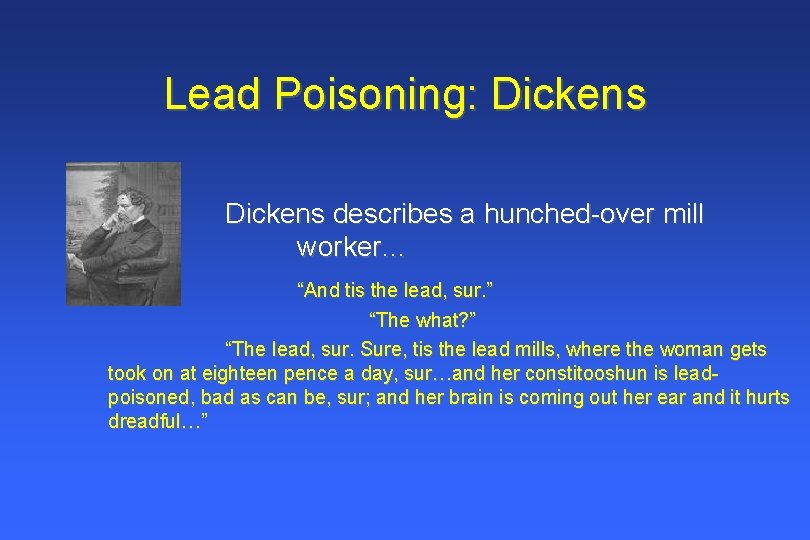
Lead Poisoning: Dickens describes a hunched-over mill worker… “And tis the lead, sur. ” “The what? ” “The lead, sur. Sure, tis the lead mills, where the woman gets took on at eighteen pence a day, sur…and her constitooshun is leadpoisoned, bad as can be, sur; and her brain is coming out her ear and it hurts dreadful…”
Lead: late 19 th-20 th century Recognition of children at risk… Turner AJ , 1897 Childhood poisoning linked to lead based paint in Australia. Byers and Lord, 1943 Childhood plumbism often assoc’d with severe neuro sequelae Needleman HL , 1979 Deficit in intellectual function observed even among asymptomatic children with hi tooth lead vs low lead
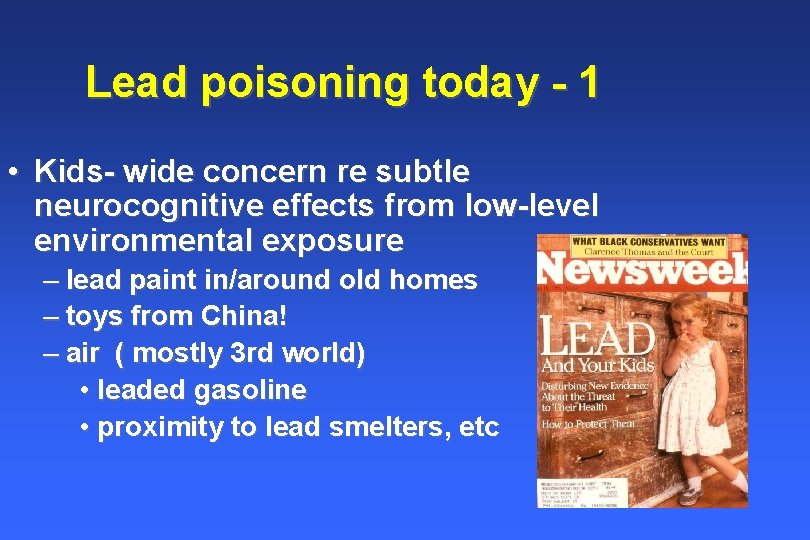
Lead poisoning today - 1 • Kids- wide concern re subtle neurocognitive effects from low-level environmental exposure – lead paint in/around old homes – toys from China! – air ( mostly 3 rd world) • leaded gasoline • proximity to lead smelters, etc
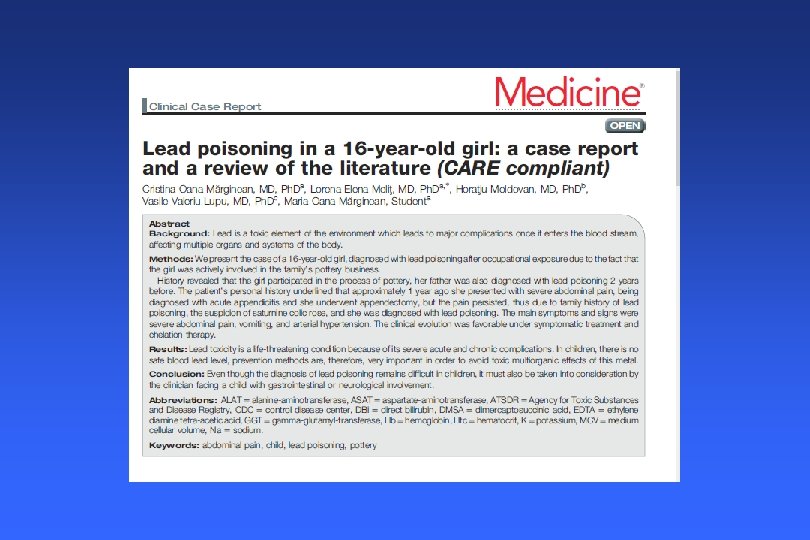
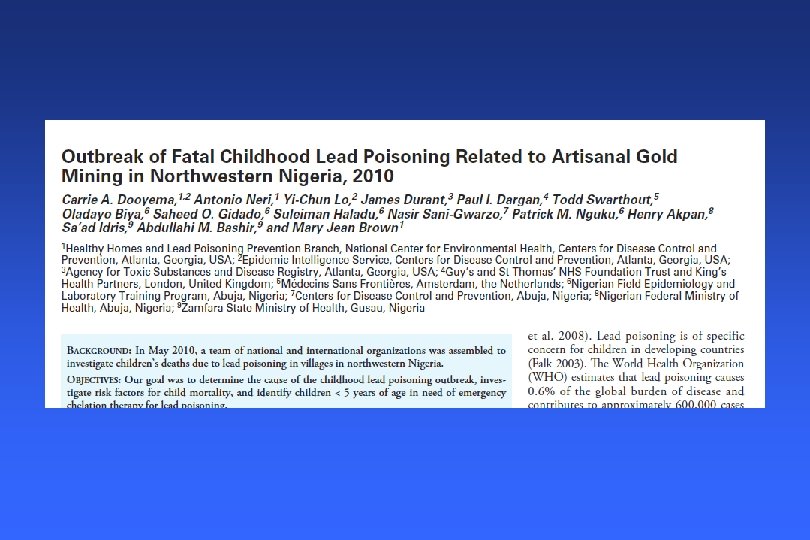
Lead poisoning today - 2 • Children: rare case reports of symptomatic plumbism – US: usually, lead paint exposure • Pica • House dust in home, soil – US: sometimes exotic source, eg, swallowed lead object – 3 rd world: above, + air/water/food, + occupational / home exposures
Lead poisoning today - 3 • Adults: – Occ’l symptomatic cases from occ/ rec exposures – More and more: are some “diseases of aging” exacerbated, by occult plumbism? • • • Hypertension Renal failure CV disease Cataracts Dementia
Adult lead exposures • • • Lead refining, smelting, etc Battery production, reclamation Painting, construction, metal cutting/welding, etc Shipwrecking Firing range work or hobby Artists, home remodelers, target shooting Retained bullets, etc Many misc exotic sources! Residual childhood exposure
Lead: toxicology - 1 • Absorption via GI ( esp kids) and inhalation (esp adults) primarily; transplacental • Distribution to blood; soft tissues ( most of toxic effects); and bone ( 75% in kids, 90% in adults) • Elimination: very slow, 65% renal, 35% hepatic: T 1/2 for blood 1 -10 mos, bone 10 -20 yrs!
Lead: toxicology - 2 • Gen: strong affinity for many biologic ligands, esp -SH groups, w/ consequent effects on structural and enzymatic proteins • Similar to Ca++ and interferes in many Camediated intracellular and 2 nd messenger systems
Lead: toxicology - 3 • CNS – Acute encephalopathy w/ neuronal damage, cerebral edema – Subtle neurocognitive effects prob related to neurotransmitter dysfunction and mild morphologic changes in developing brain – Also: protein kinase stim, altered neuronal cell adhesion • PNS – Demyelination and axonal degeneration – Primarily motor nerves
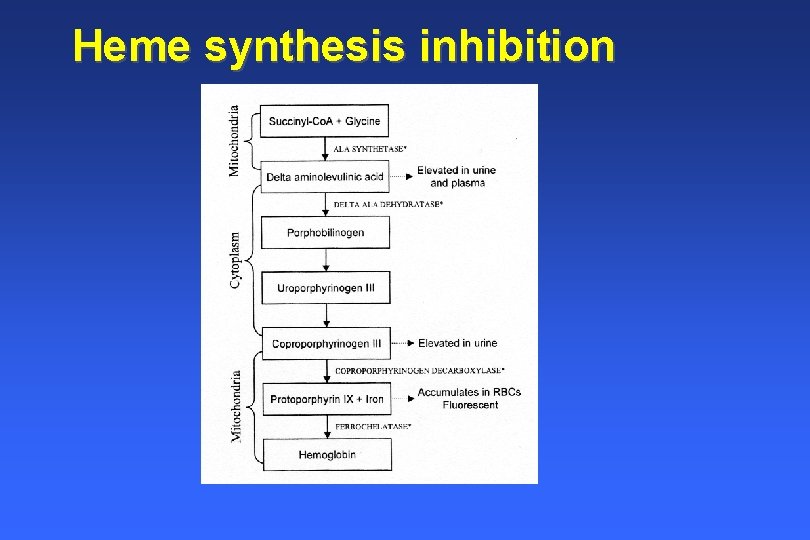
Lead toxicology - 4 • Hematologic – heme synth pathway inhib, elev EP, microcytic anemia; increased hemolysis • Renal – nephropathy w/ Fanconi syndrome – hypertension in adults – “saturnine” gout • Reproductive: dec’d fertility, m and f • GI: anorexia, N/V, constip, pain ( lead colic) • Endocrine: dec thyroid, adrenopit • Immunologic: dec’d cellular imm markers
Heme synthesis inhibition
Case presentation-1 • 3 y. o. boy to ED in status epilepticus • Required several doses diazepam, then ETT • VS p ETT: T 38. 3, HR 120, BP 84/53 • Atraumatic, card, pulm, abd exam neg • Neuro: obtunded, interm w/drawal to pain vs ext posturing, pupils 3 mm, sluggish, nl fundi, inc DTRs w/ ankle clonus
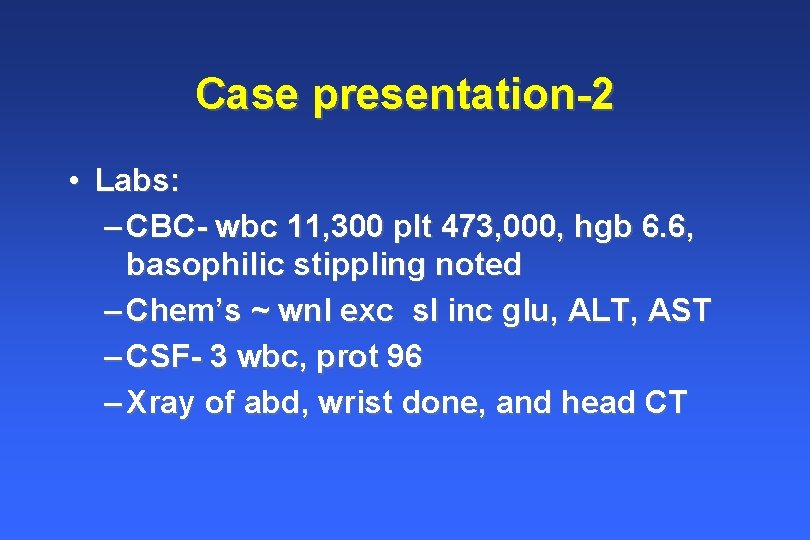
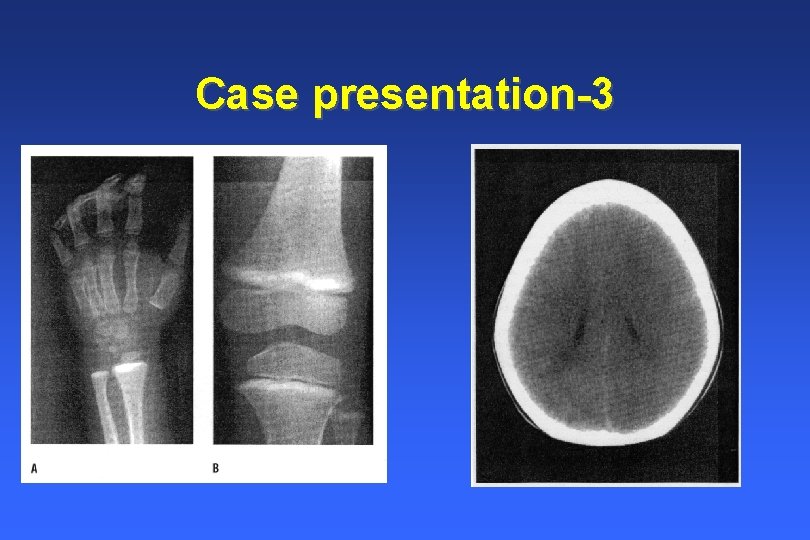
Case presentation-2 • Labs: – CBC- wbc 11, 300 plt 473, 000, hgb 6. 6, basophilic stippling noted – Chem’s ~ wnl exc sl inc glu, ALT, AST – CSF- 3 wbc, prot 96 – Xray of abd, wrist done, and head CT
Case presentation-3
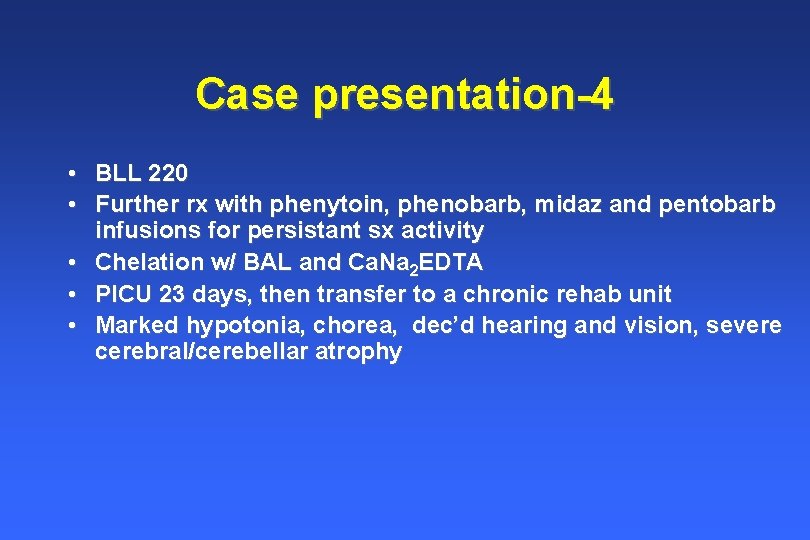
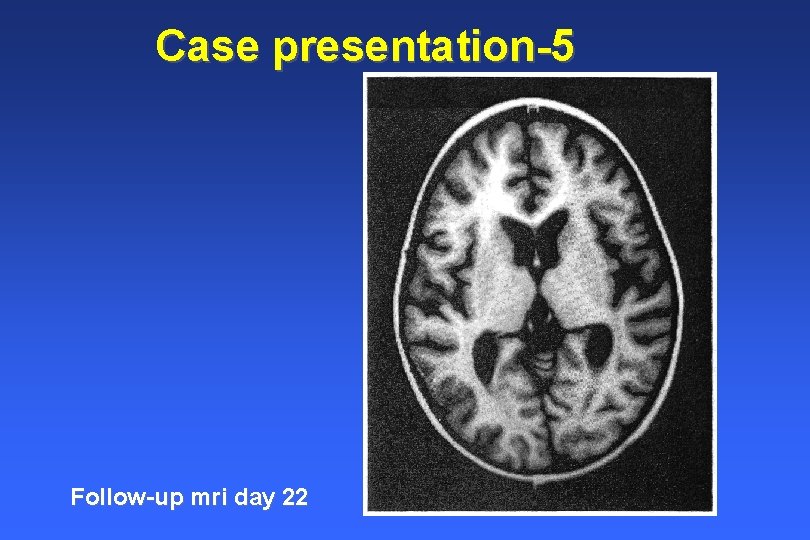
Case presentation-4 • BLL 220 • Further rx with phenytoin, phenobarb, midaz and pentobarb infusions for persistant sx activity • Chelation w/ BAL and Ca. Na 2 EDTA • PICU 23 days, then transfer to a chronic rehab unit • Marked hypotonia, chorea, dec’d hearing and vision, severe cerebral/cerebellar atrophy
Case presentation-5 Follow-up mri day 22
Clinical presentation: children-1 • Severe ( usually BLL > 100) – CNS: encephalopathy w/ coma, sx’s, papilledema, Cr N palsies, inc’d ICP – GI: pernicious vom’g often prodromal – Heme: pallor (anemia)
Clinical presentation: children-2 • Mild/Mod (BLL ~ 70 -100) – CNS: irritable, lethargy, dec’d play – GI: occ’l vomiting, constipation, abd pain • Asymptomatic ( BLL ~ 10 -70) – impaired cognition, behavior – possible subtle impaired fine-motor coord, hearing, growth
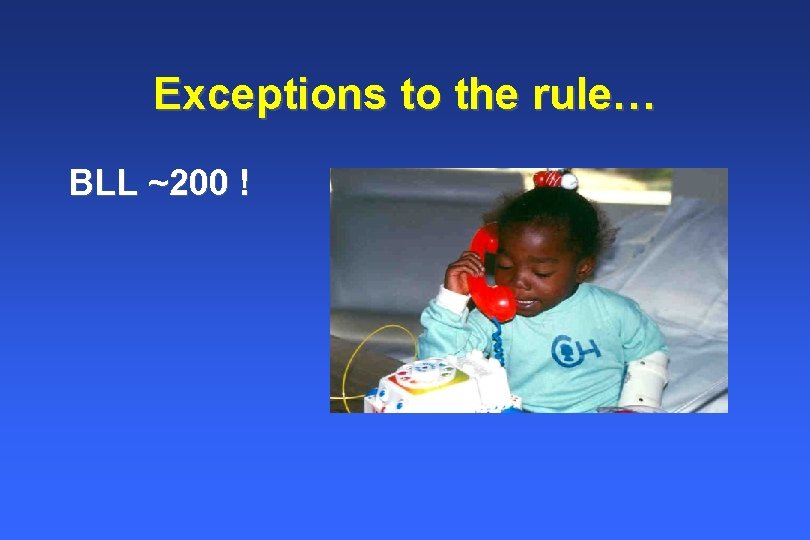
Exceptions to the rule… BLL ~200 !
Low-level lead in kids-1 • • • BLLs 10 -44 intensively studied Most appear asympt to parents, MDs Cross-sectional studies find strong asssoc’s of inc’g BLL w/ dec’g IQ or similar markers of cog function 1 • Maybe even effect at 0 -10, esp in very young 2 • Lead has no physiologic role! 1 Needleman NEJM 1979 2 Canfield NEJM 2003
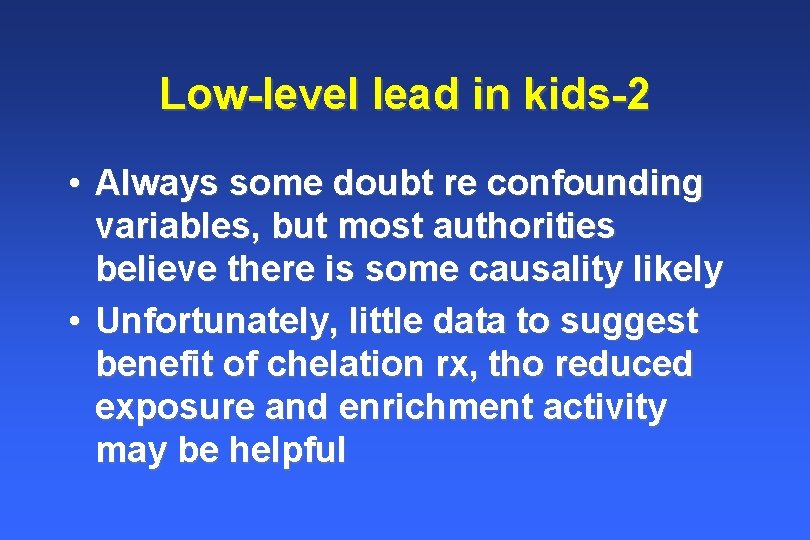
Low-level lead in kids-2 • Always some doubt re confounding variables, but most authorities believe there is some causality likely • Unfortunately, little data to suggest benefit of chelation rx, tho reduced exposure and enrichment activity may be helpful
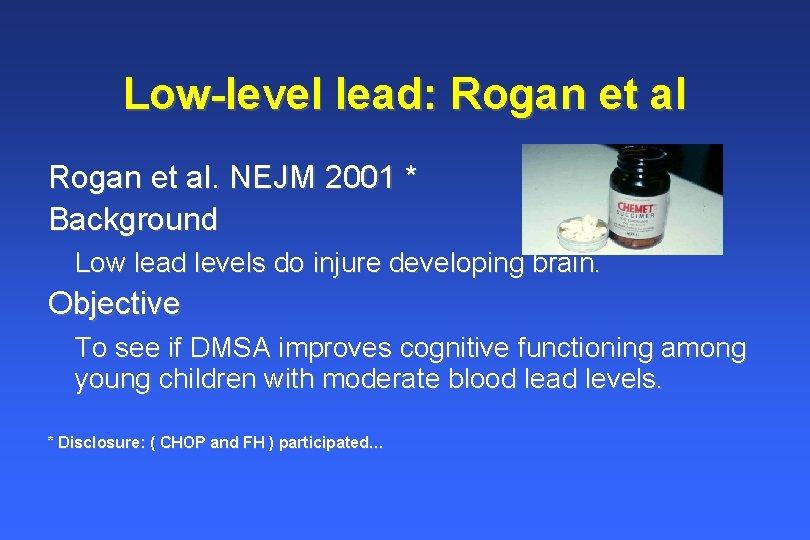
Low-level lead: Rogan et al. NEJM 2001 * Background Low lead levels do injure developing brain. Objective To see if DMSA improves cognitive functioning among young children with moderate blood lead levels. * Disclosure: ( CHOP and FH ) participated…
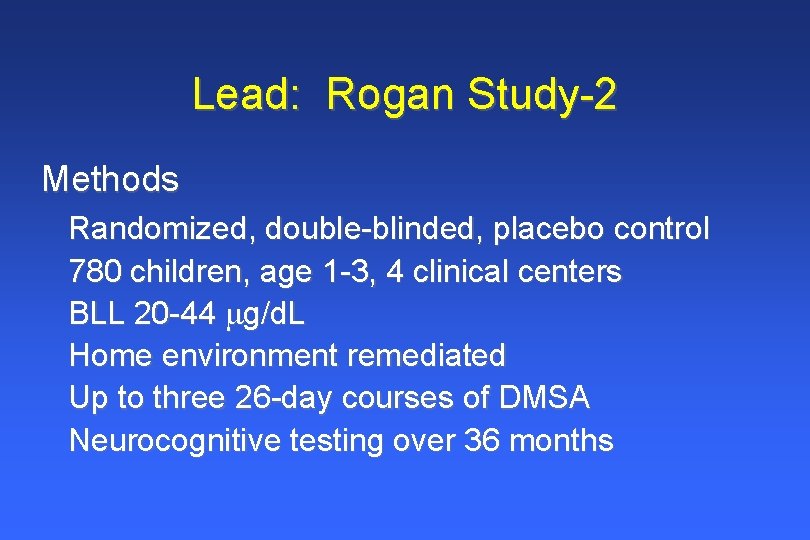
Lead: Rogan Study-2 Methods Randomized, double-blinded, placebo control 780 children, age 1 -3, 4 clinical centers BLL 20 -44 g/d. L Home environment remediated Up to three 26 -day courses of DMSA Neurocognitive testing over 36 months
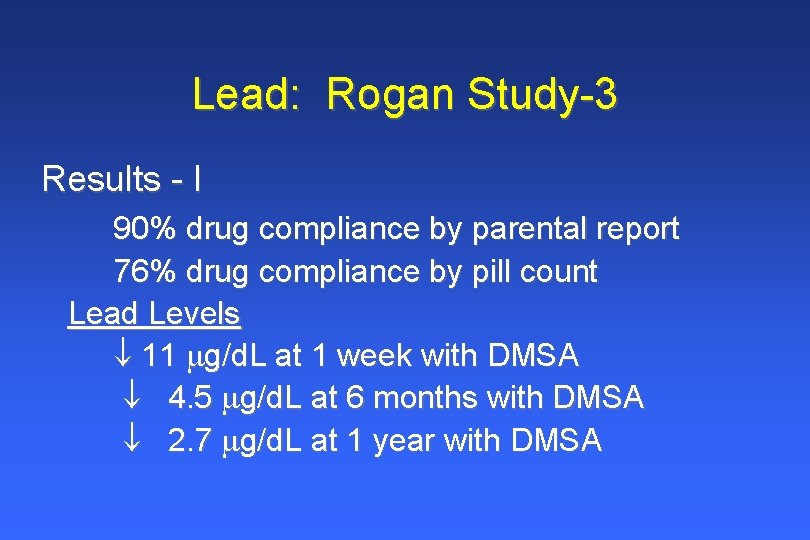
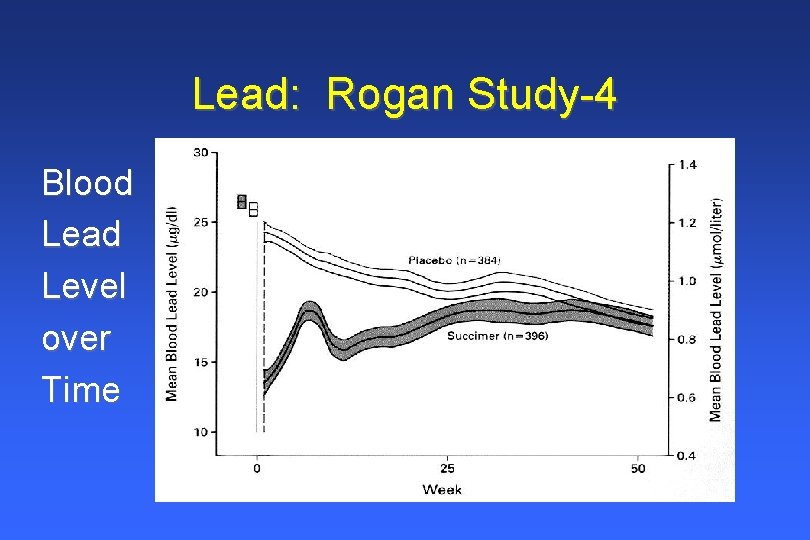
Lead: Rogan Study-3 Results - I 90% drug compliance by parental report 76% drug compliance by pill count Lead Levels 11 g/d. L at 1 week with DMSA 4. 5 g/d. L at 6 months with DMSA 2. 7 g/d. L at 1 year with DMSA
Lead: Rogan Study-4 Blood Lead Level over Time
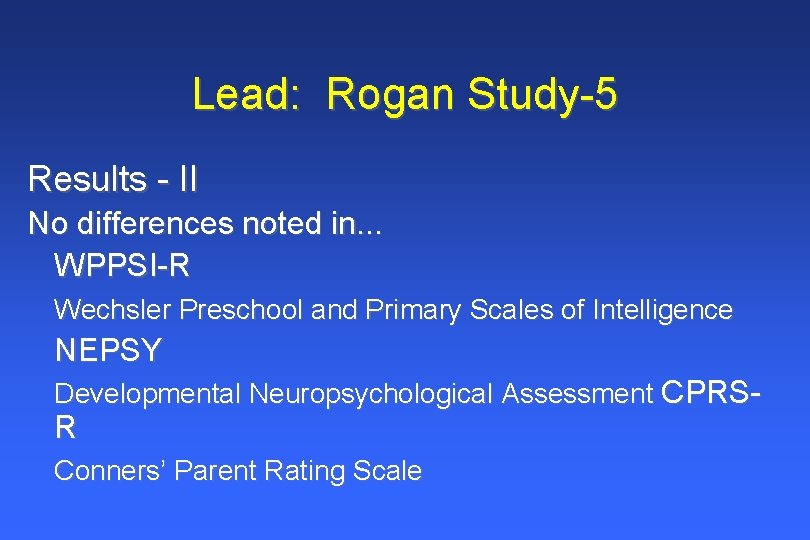
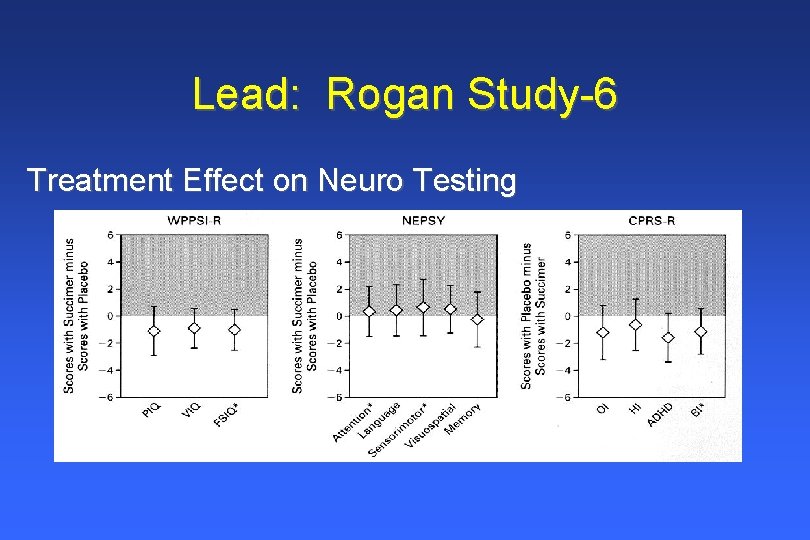
Lead: Rogan Study-5 Results - II No differences noted in. . . WPPSI-R Wechsler Preschool and Primary Scales of Intelligence NEPSY Developmental Neuropsychological Assessment CPRS- R Conners’ Parent Rating Scale
Lead: Rogan Study-6 Treatment Effect on Neuro Testing
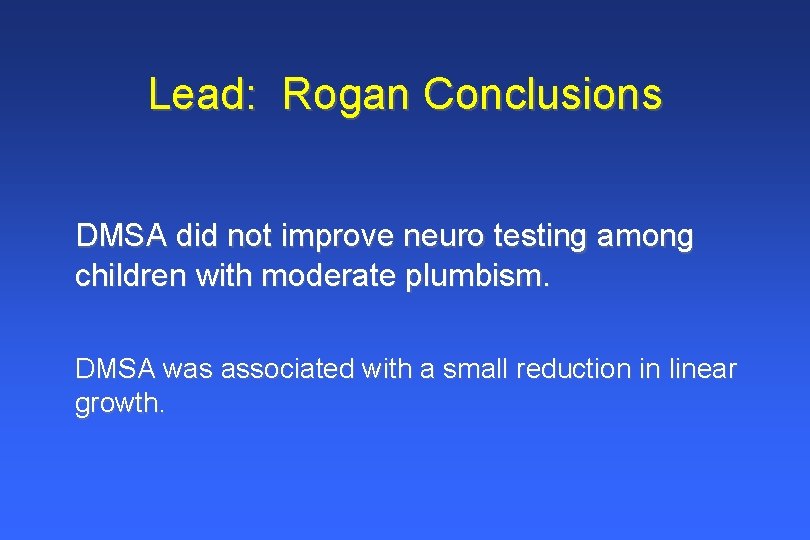
Lead: Rogan Conclusions DMSA did not improve neuro testing among children with moderate plumbism. DMSA was associated with a small reduction in linear growth.
Lead: Rogan Criticisms Study Flaws Little BLL reduction at 6 mos; none at 1 yr. No EP data (marker of soft tissue effect). Mean maternal IQ = 80. Only DMSA studied. Only one dosing regimen.
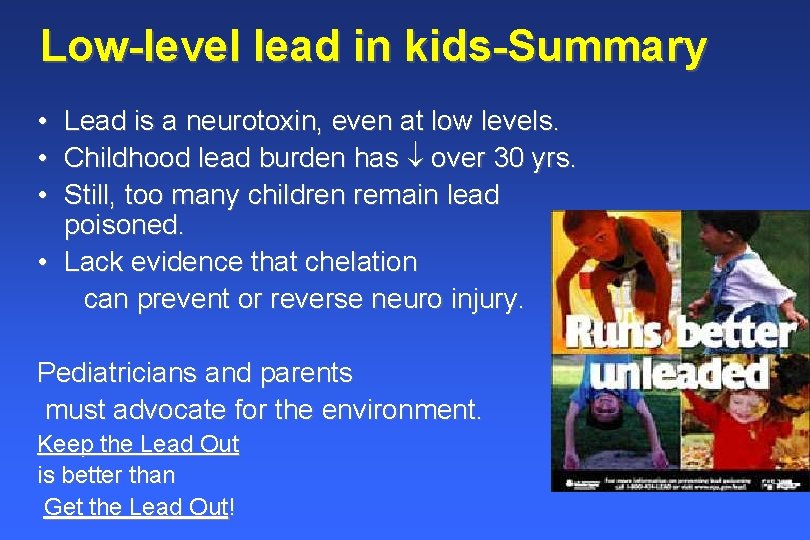
Low-level lead in kids-Summary • • • Lead is a neurotoxin, even at low levels. Childhood lead burden has over 30 yrs. Still, too many children remain lead poisoned. • Lack evidence that chelation can prevent or reverse neuro injury. Pediatricians and parents must advocate for the environment. Keep the Lead Out is better than Get the Lead Out!
Case presentation-2 • A 50 -something man presents with gen’d sx, after prodrome of being confused for several days • Postictally is agitated and combative • Occ. Hx: he scavenges bullets at Phila shooting ranges, has hx of prior rx for lead toxicity some yrs before • After a few days of BAL and EDTA has quite a tale to tell…
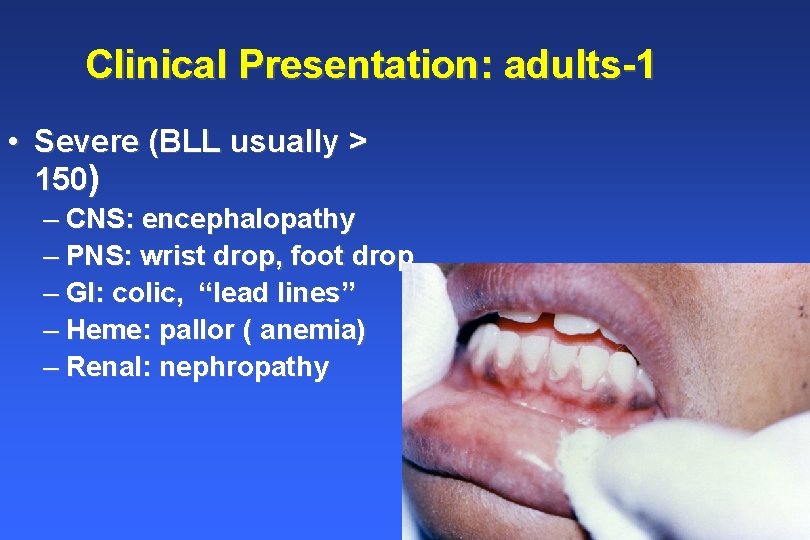
Clinical Presentation: adults-1 • Severe (BLL usually > 150) – CNS: encephalopathy – PNS: wrist drop, foot drop – GI: colic, “lead lines” – Heme: pallor ( anemia) – Renal: nephropathy
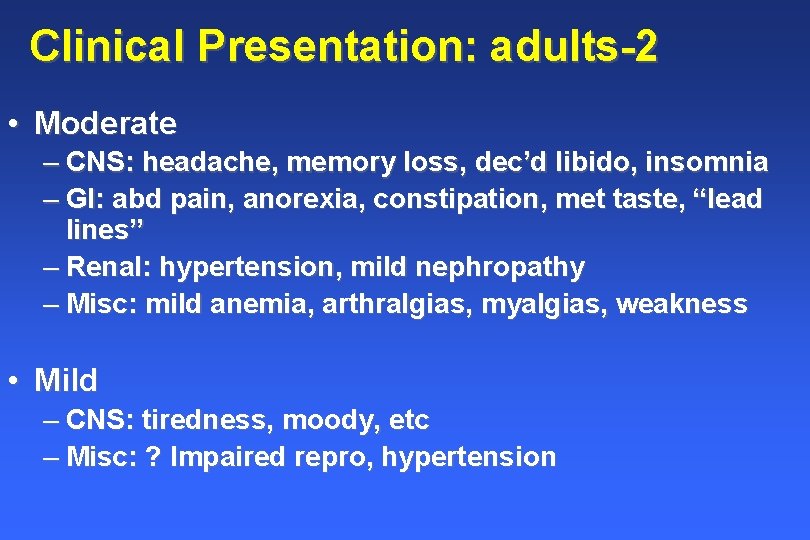
Clinical Presentation: adults-2 • Moderate – CNS: headache, memory loss, dec’d libido, insomnia – GI: abd pain, anorexia, constipation, met taste, “lead lines” – Renal: hypertension, mild nephropathy – Misc: mild anemia, arthralgias, myalgias, weakness • Mild – CNS: tiredness, moody, etc – Misc: ? Impaired repro, hypertension
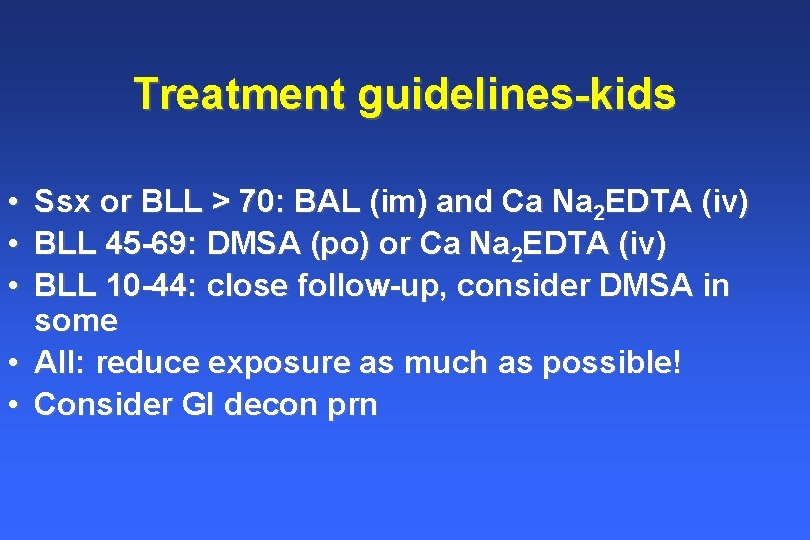
Treatment guidelines-kids • • • Ssx or BLL > 70: BAL (im) and Ca Na 2 EDTA (iv) BLL 45 -69: DMSA (po) or Ca Na 2 EDTA (iv) BLL 10 -44: close follow-up, consider DMSA in some • All: reduce exposure as much as possible! • Consider GI decon prn
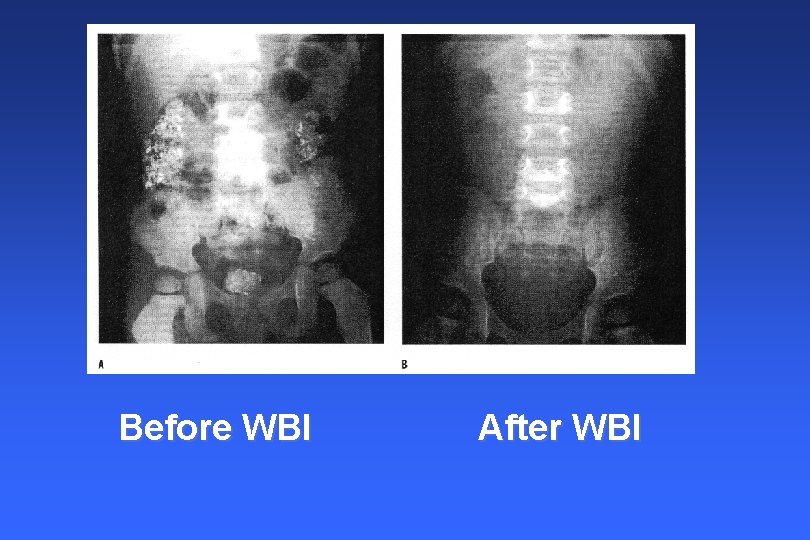
Before WBI After WBI
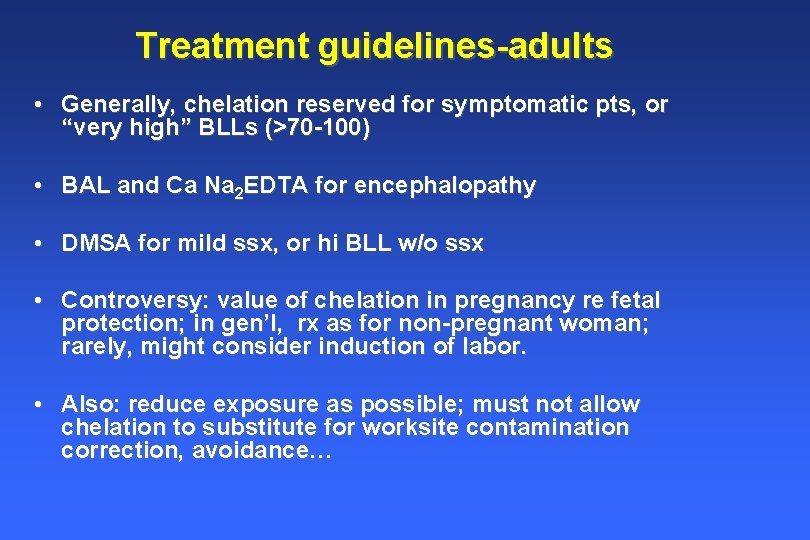
Treatment guidelines-adults • Generally, chelation reserved for symptomatic pts, or “very high” BLLs (>70 -100) • BAL and Ca Na 2 EDTA for encephalopathy • DMSA for mild ssx, or hi BLL w/o ssx • Controversy: value of chelation in pregnancy re fetal protection; in gen’l, rx as for non-pregnant woman; rarely, might consider induction of labor. • Also: reduce exposure as possible; must not allow chelation to substitute for worksite contamination correction, avoidance…
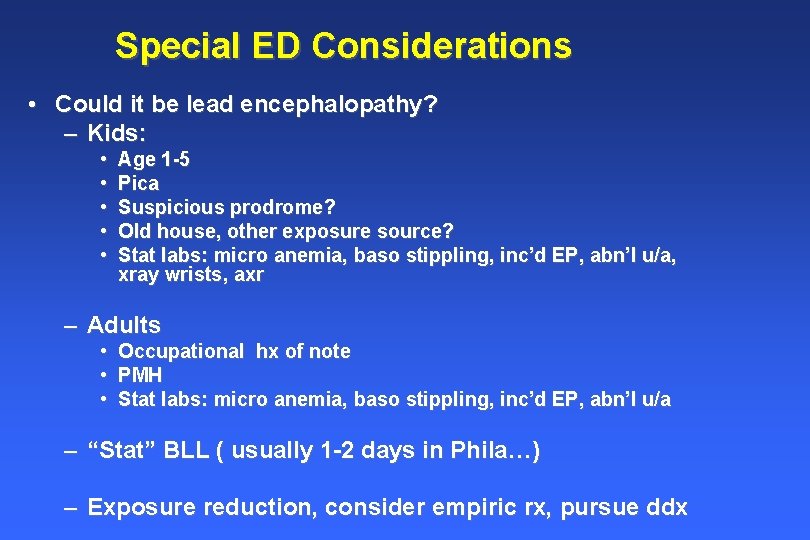
Special ED Considerations • Could it be lead encephalopathy? – Kids: • • • Age 1 -5 Pica Suspicious prodrome? Old house, other exposure source? Stat labs: micro anemia, baso stippling, inc’d EP, abn’l u/a, xray wrists, axr – Adults • Occupational hx of note • PMH • Stat labs: micro anemia, baso stippling, inc’d EP, abn’l u/a – “Stat” BLL ( usually 1 -2 days in Phila…) – Exposure reduction, consider empiric rx, pursue ddx
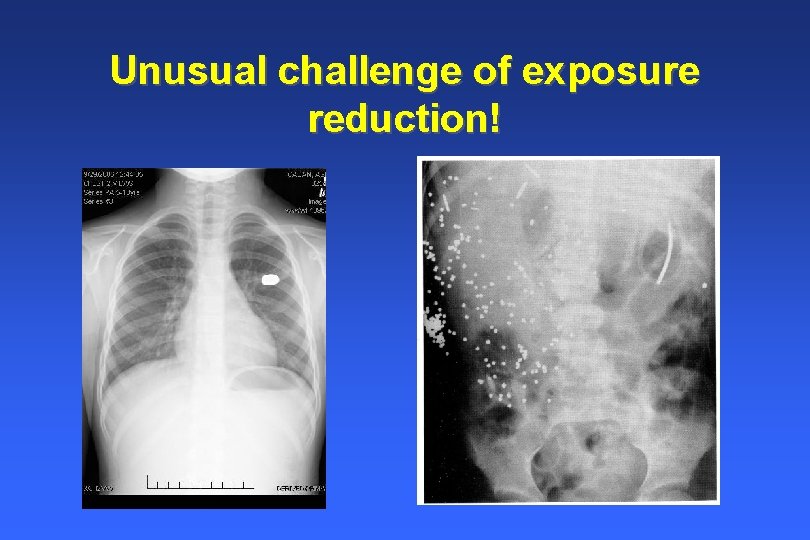
Unusual challenge of exposure reduction!
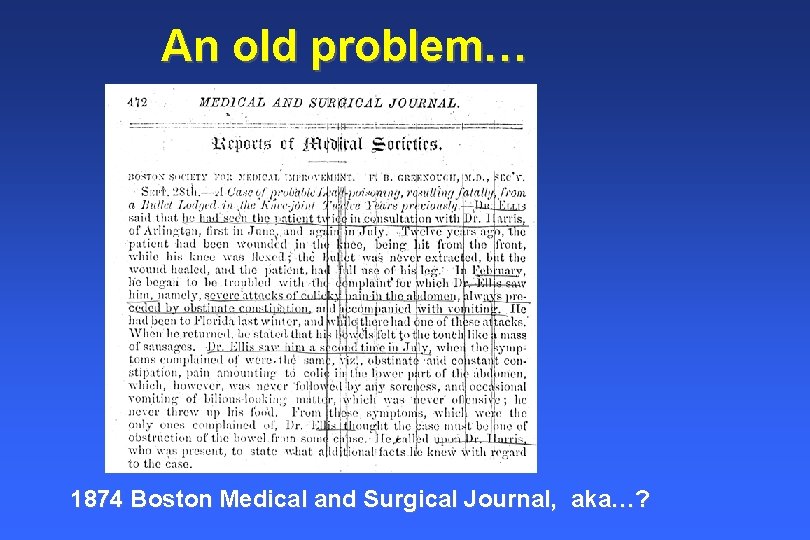
An old problem… 1874 Boston Medical and Surgical Journal, aka…?
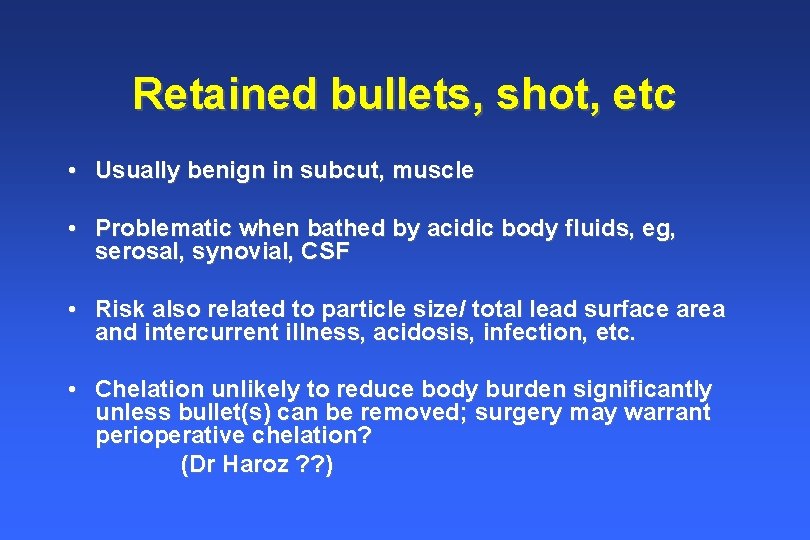
Retained bullets, shot, etc • Usually benign in subcut, muscle • Problematic when bathed by acidic body fluids, eg, serosal, synovial, CSF • Risk also related to particle size/ total lead surface area and intercurrent illness, acidosis, infection, etc. • Chelation unlikely to reduce body burden significantly unless bullet(s) can be removed; surgery may warrant perioperative chelation? (Dr Haroz ? ? )
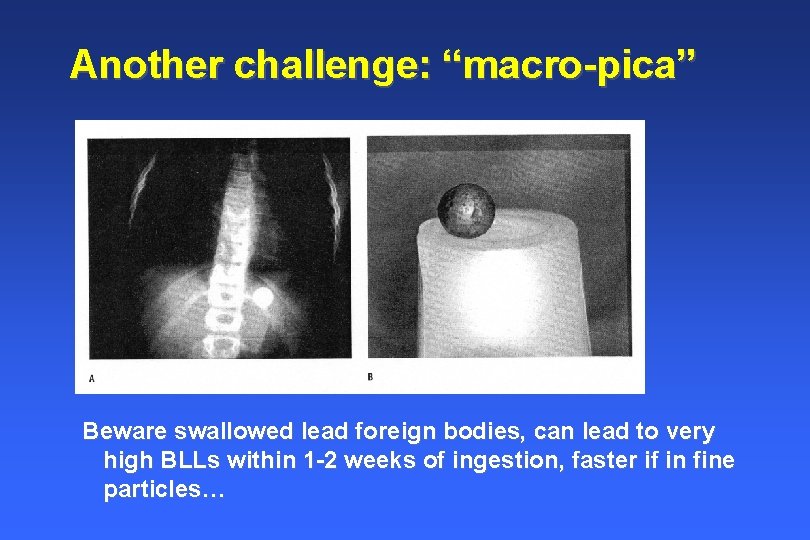
Another challenge: “macro-pica” Beware swallowed lead foreign bodies, can lead to very high BLLs within 1 -2 weeks of ingestion, faster if in fine particles…
Lead - summary • Ubiquitous element in earth’s crust, many industrial uses • Long history of toxicity • Toxic effects on many organ systems, esp CNS and heme in pts of all ages, and renal in adults • Treatment: reduce exposure, including retained or swallowed FB’s if possible; chelation prn • Defining asymptomatic pts who might benefit has been problematic