
Latin American Cities 1 CBD Was the original
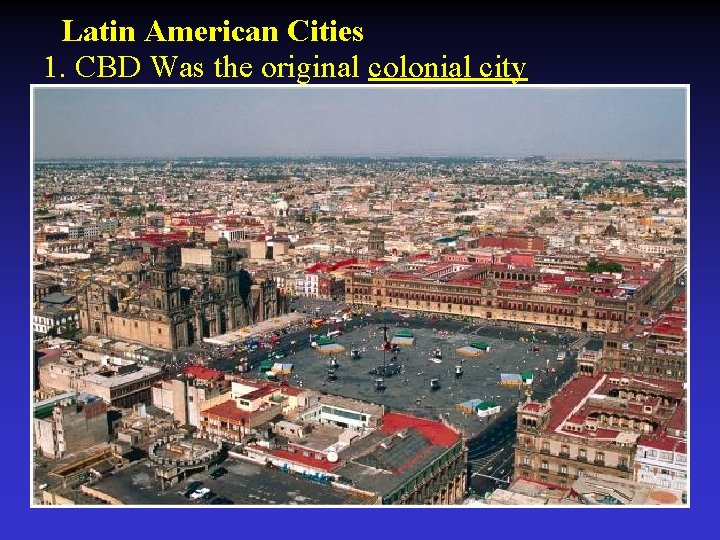
Latin American Cities 1. CBD Was the original colonial city
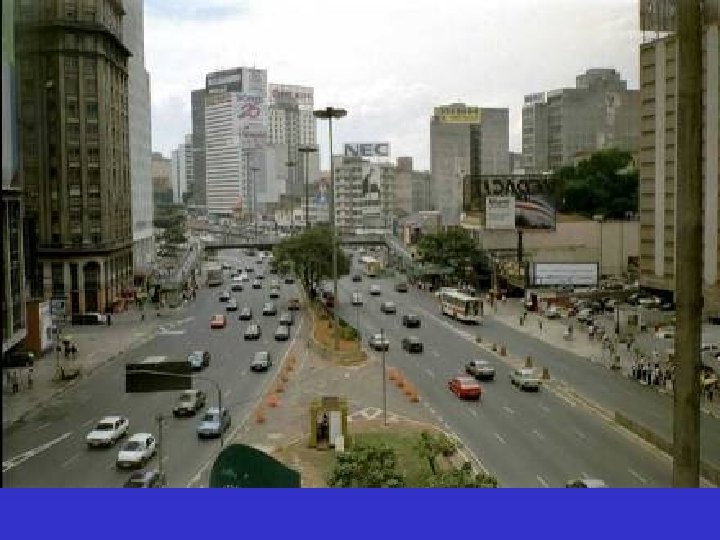
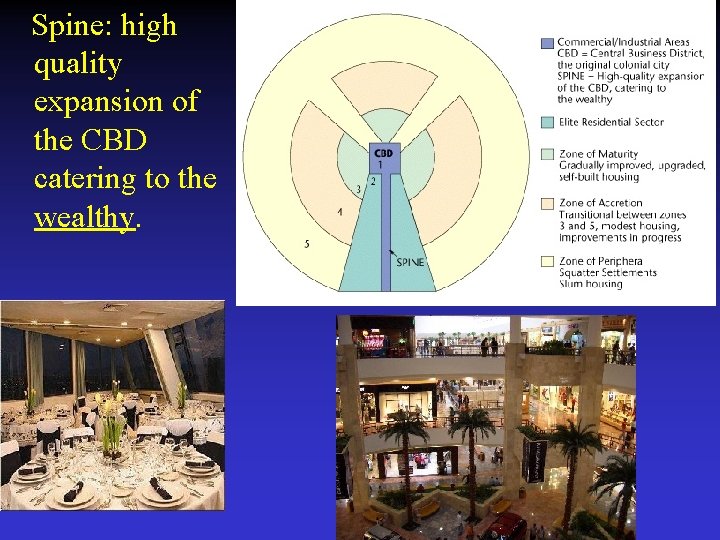
Spine: high quality expansion of the CBD catering to the wealthy.
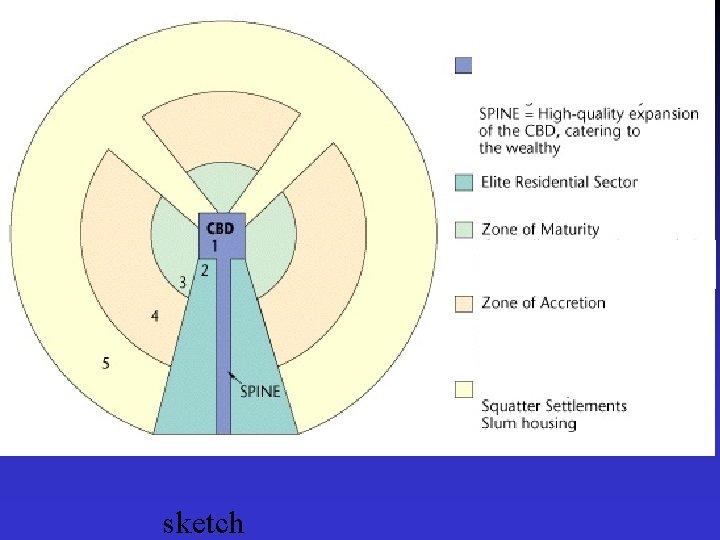
sketch
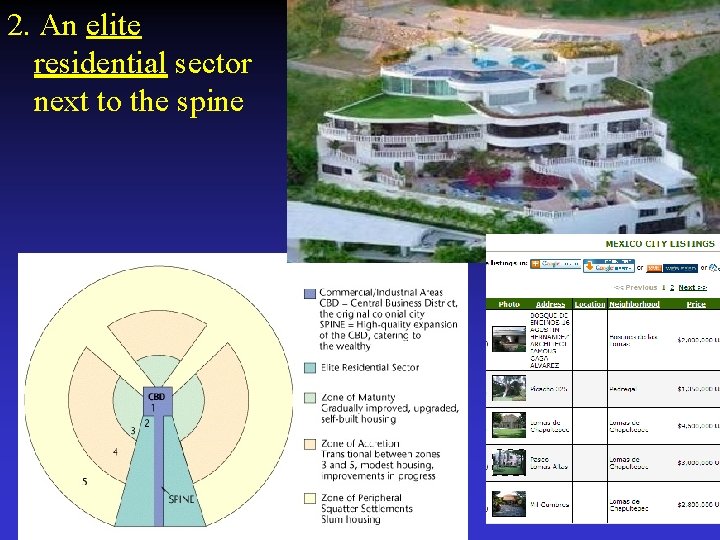
2. An elite residential sector next to the spine
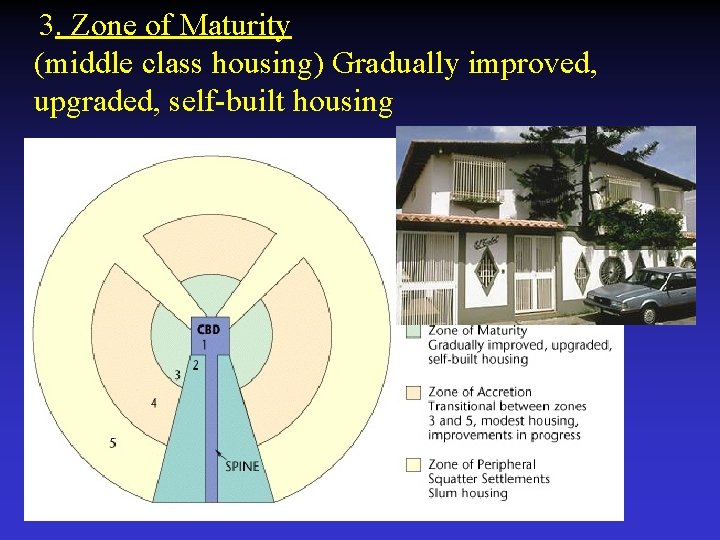
3. Zone of Maturity (middle class housing) Gradually improved, upgraded, self-built housing
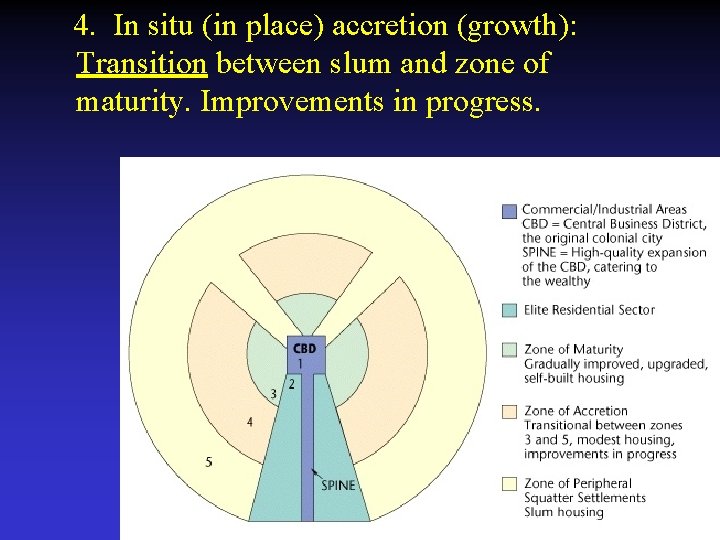
4. In situ (in place) accretion (growth): Transition between slum and zone of maturity. Improvements in progress.
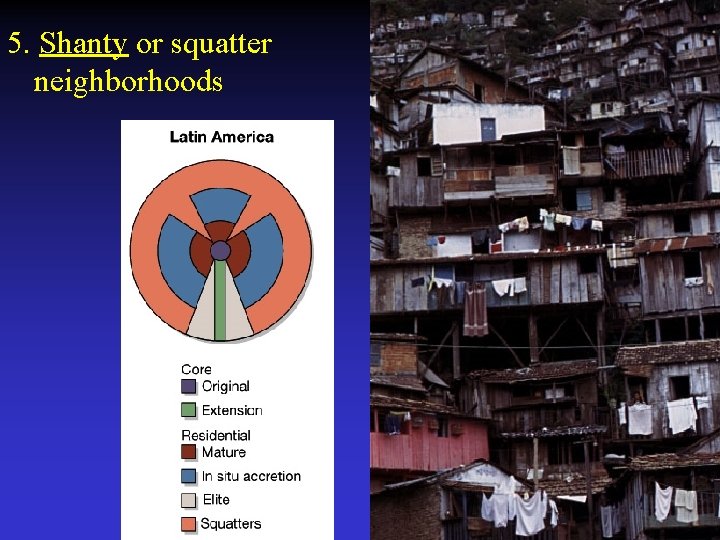
5. Shanty or squatter neighborhoods
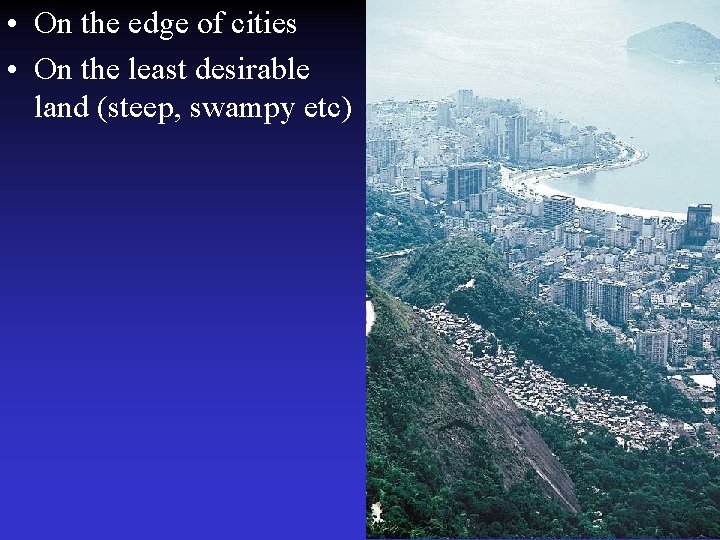
• On the edge of cities • On the least desirable land (steep, swampy etc)
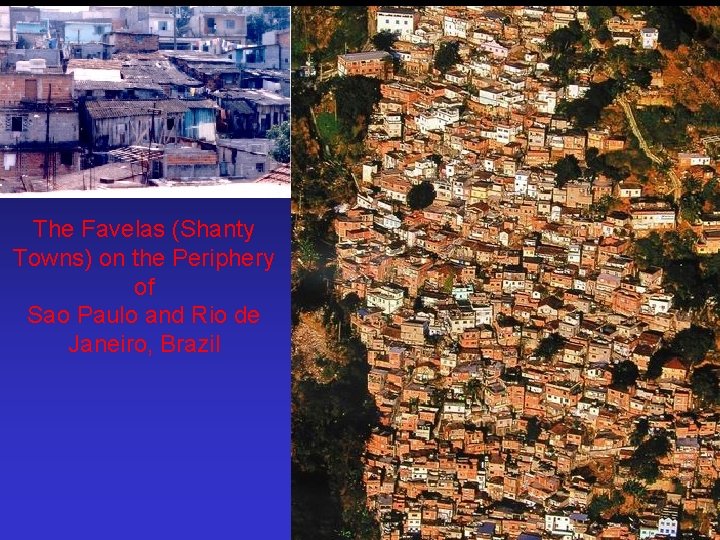
The Favelas (Shanty Towns) on the Periphery of Sao Paulo and Rio de Janeiro, Brazil
FR: Compare and contrast the causes and size of urban migration in the MDCs versus LDCs.
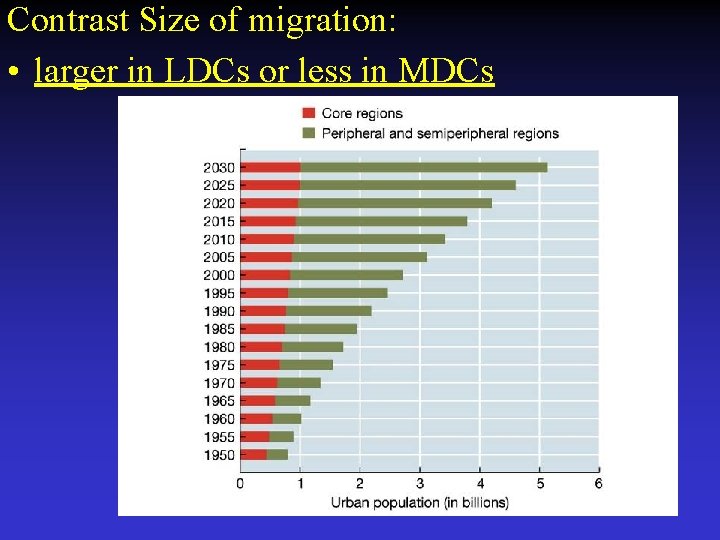
Contrast Size of migration: • larger in LDCs or less in MDCs
Compare Cause: • jobs • Opportunities, wide range of services,
Contrast • Causes of migration (Why):
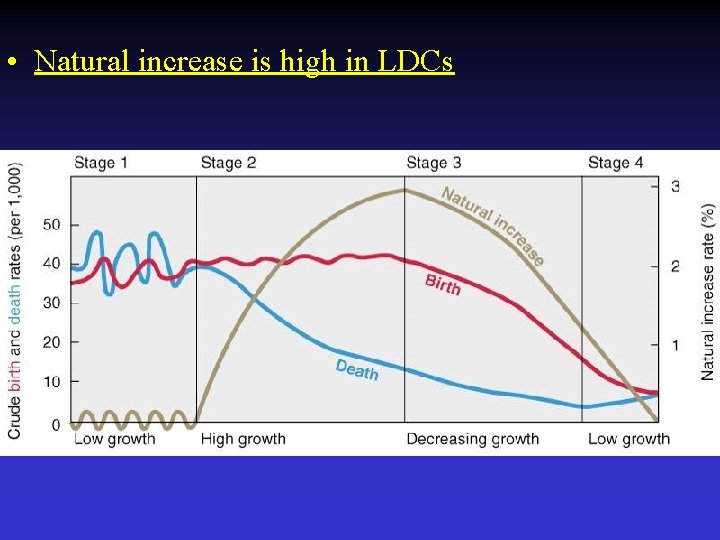
• Natural increase is high in LDCs
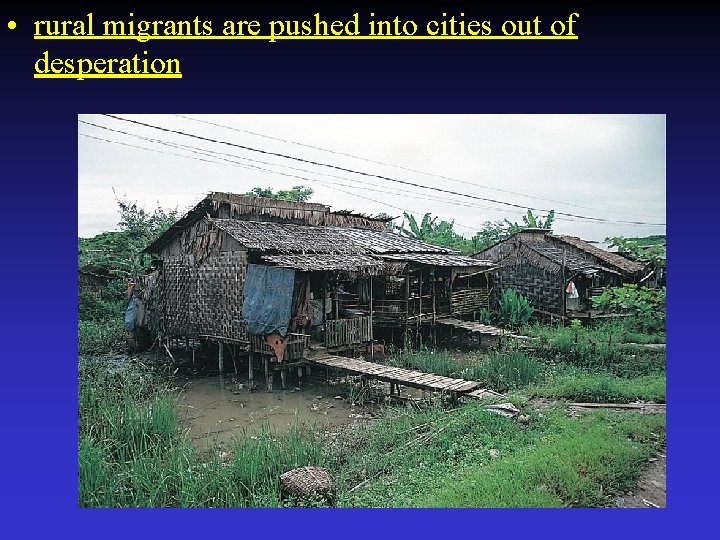
• rural migrants are pushed into cities out of desperation
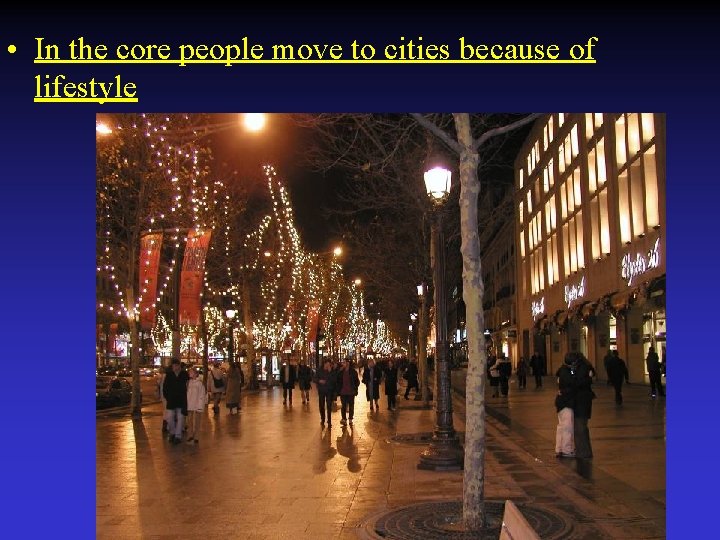
• In the core people move to cities because of lifestyle
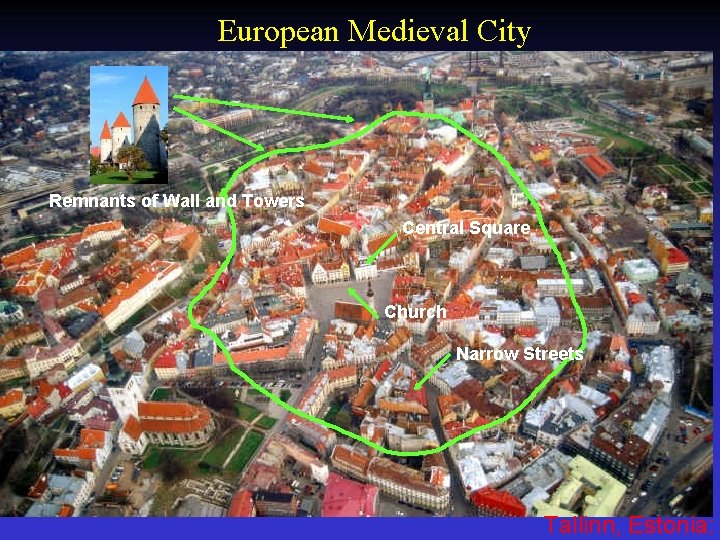
European Medieval City Remnants of Wall and Towers Central Square Church Narrow Streets Tallinn, Estonia:
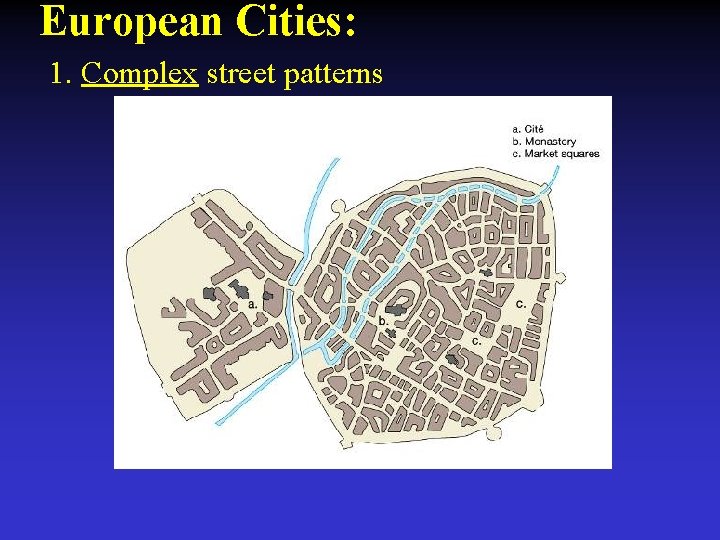
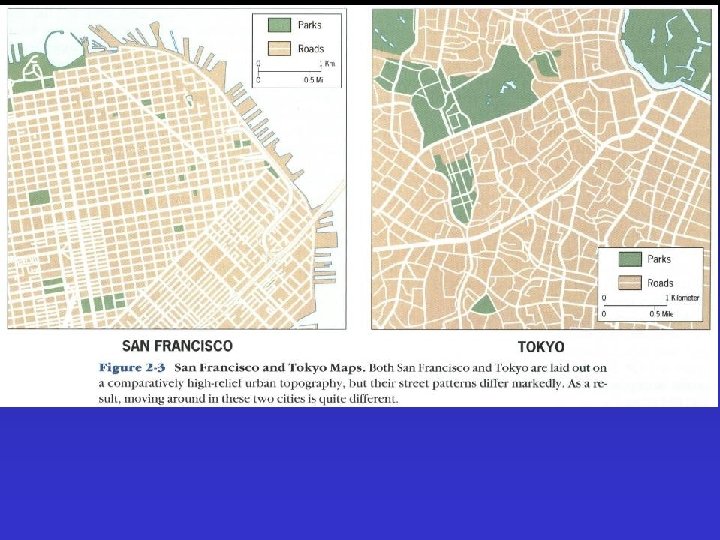
European Cities: 1. Complex street patterns
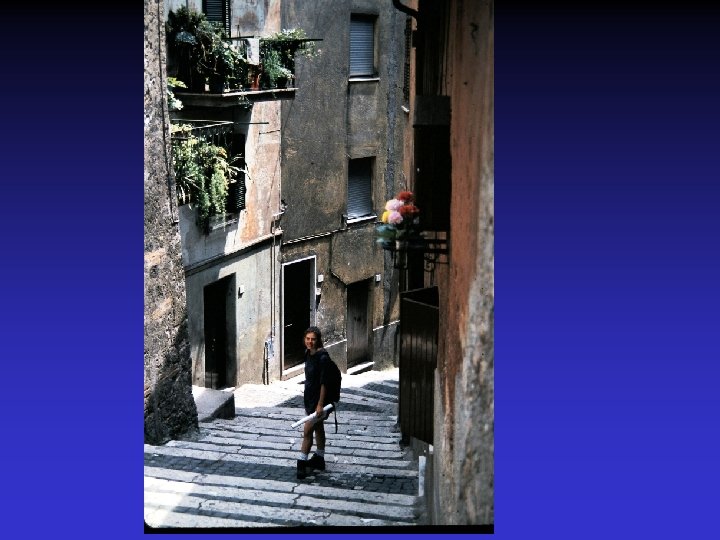
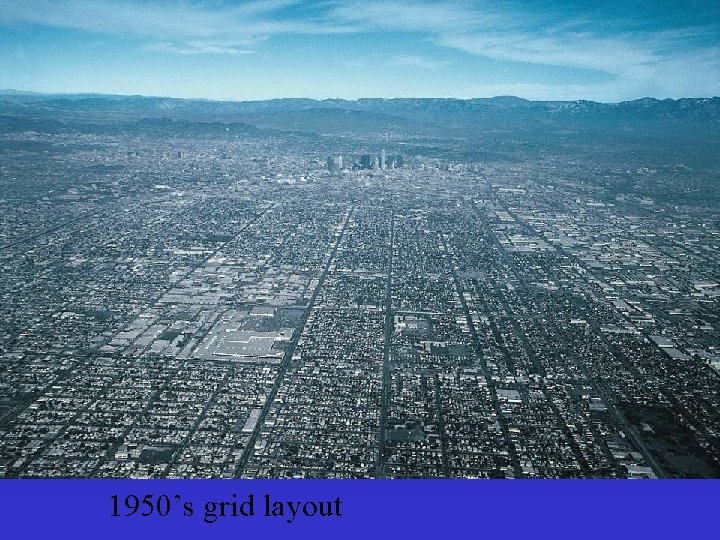
1950’s grid layout
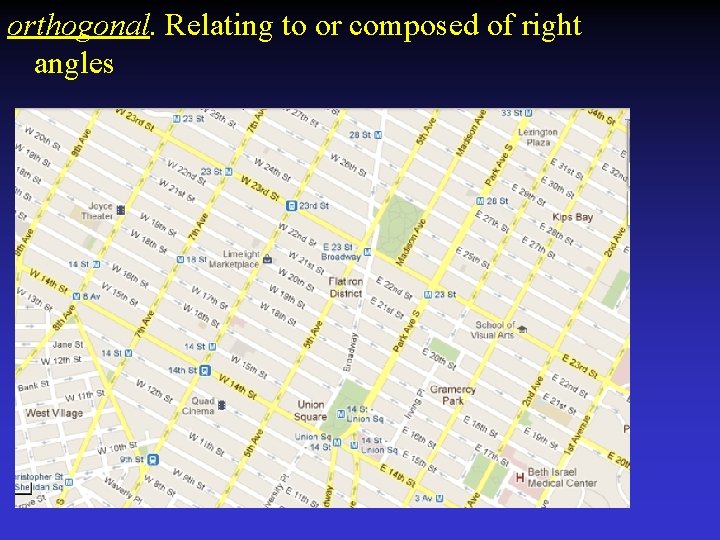
orthogonal. Relating to or composed of right angles
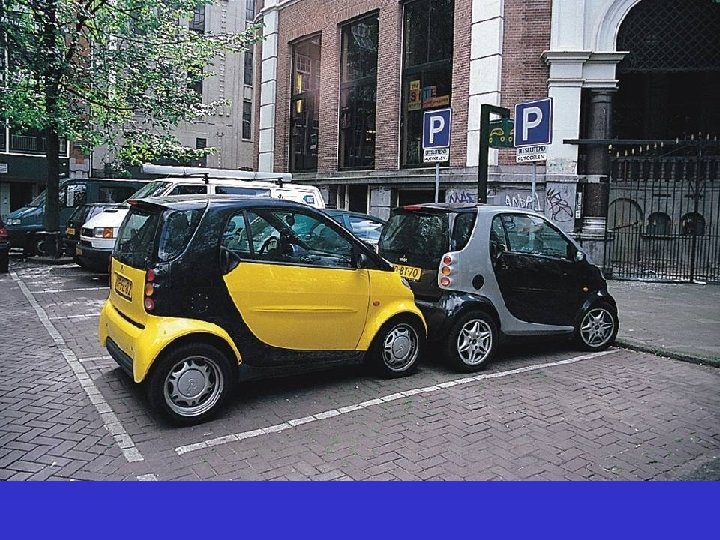
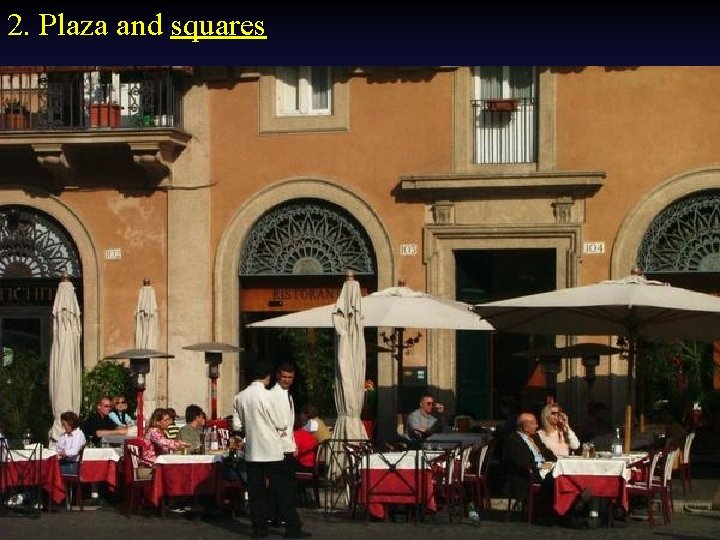
2. Plaza and squares

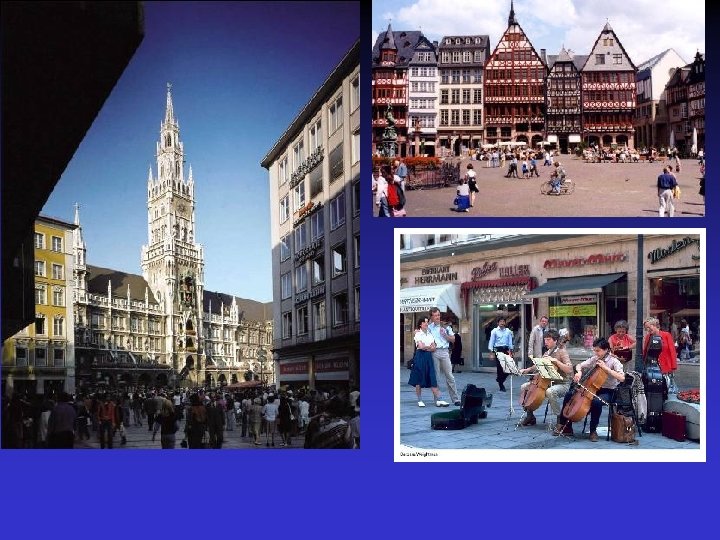
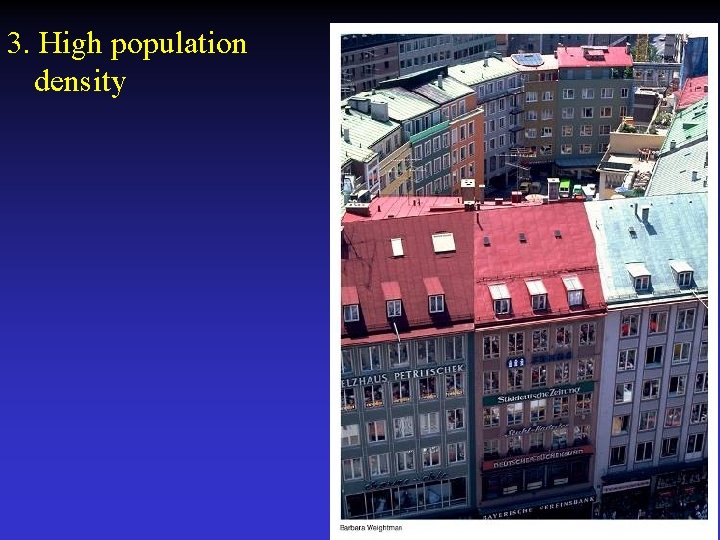
3. High population density
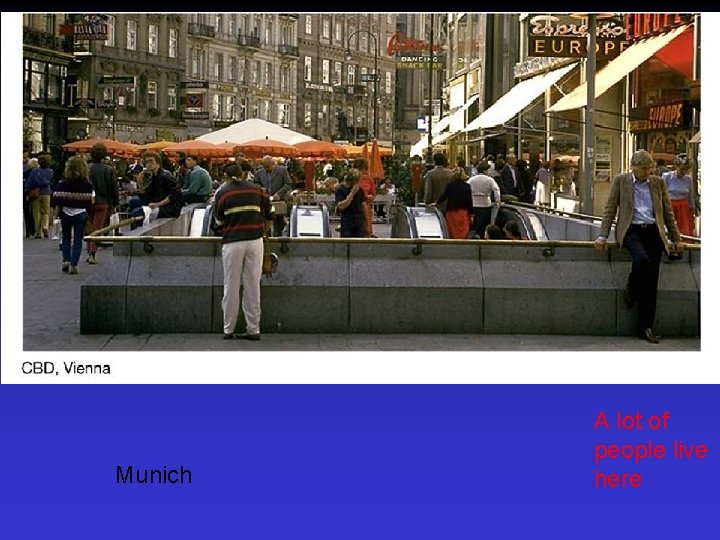
Munich A lot of people live here
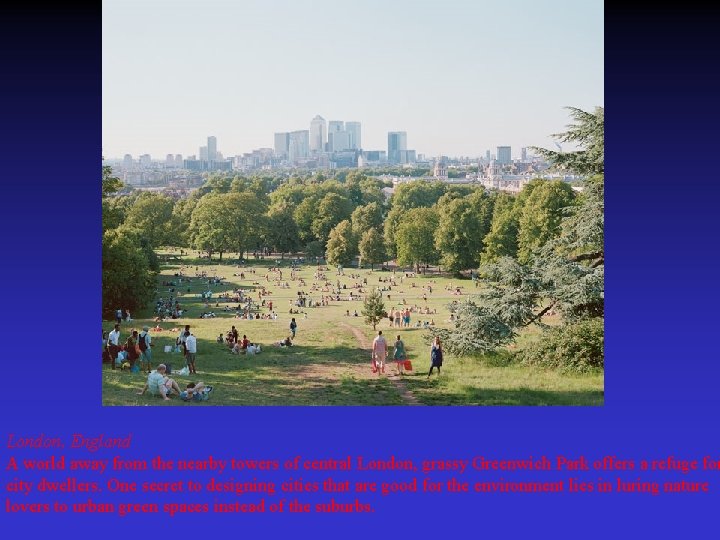
London, England A world away from the nearby towers of central London, grassy Greenwich Park offers a refuge for city dwellers. One secret to designing cities that are good for the environment lies in luring nature lovers to urban green spaces instead of the suburbs.
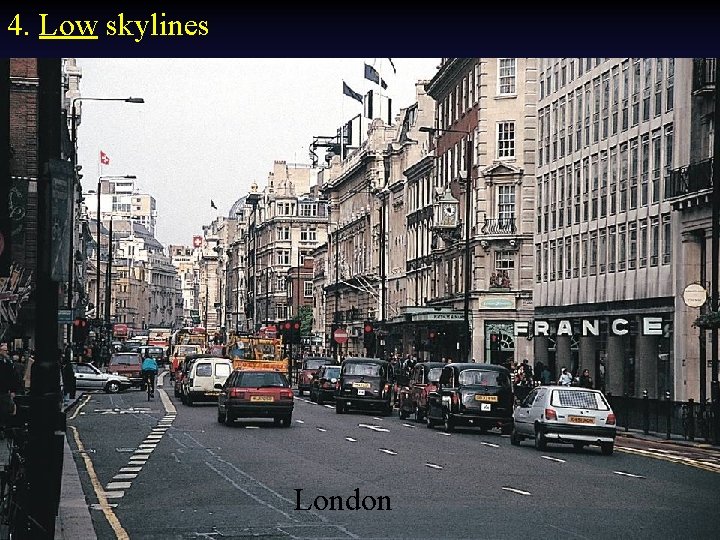
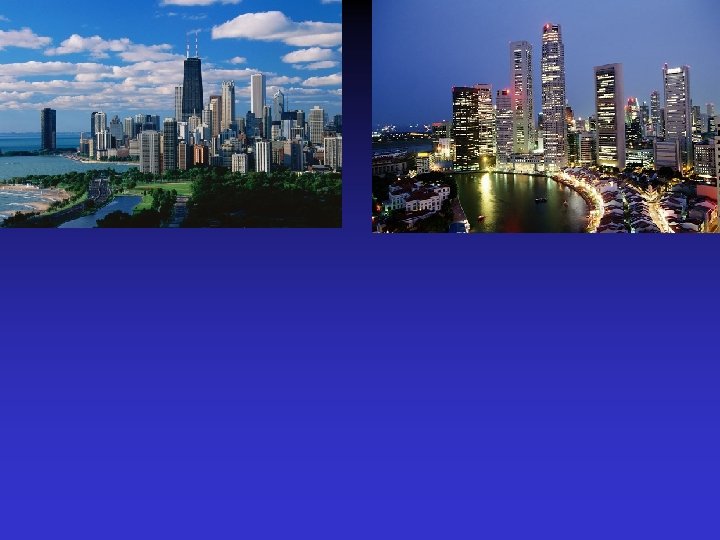
4. Low skylines London
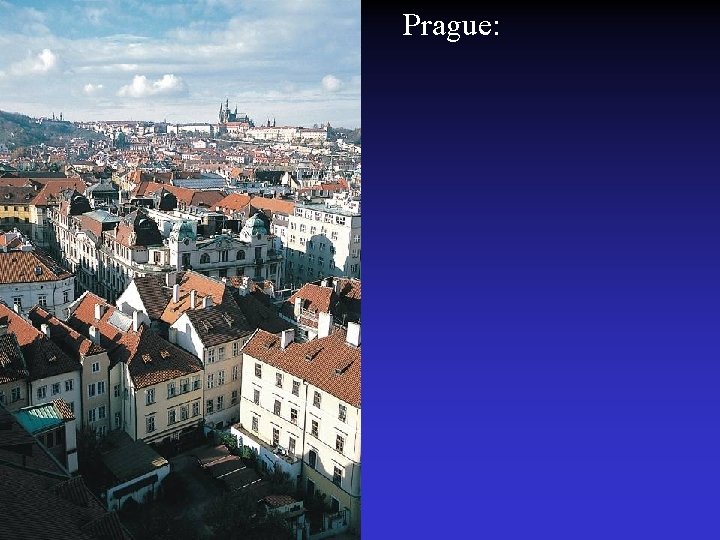
Prague:
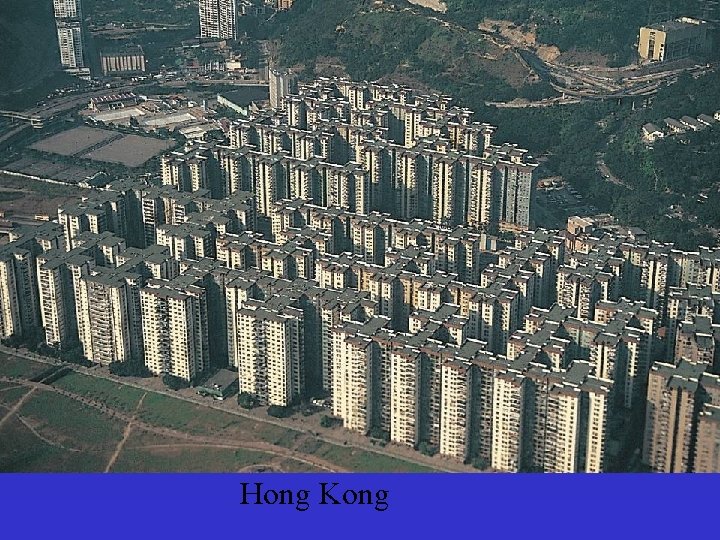
Hong Kong

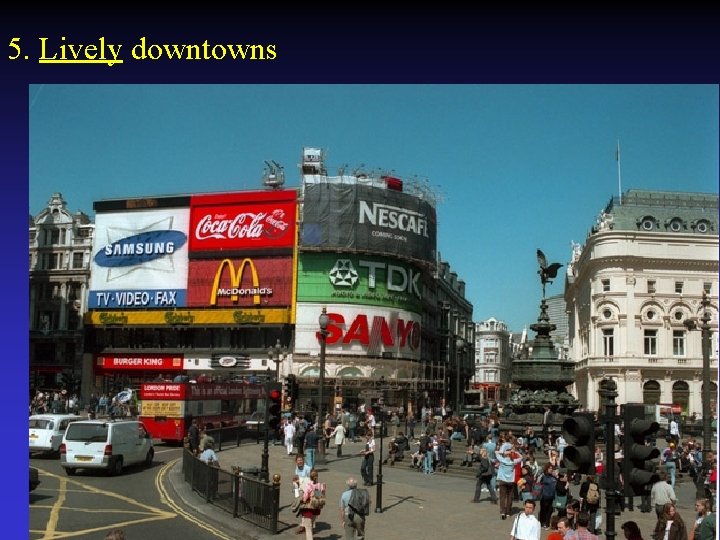
5. Lively downtowns
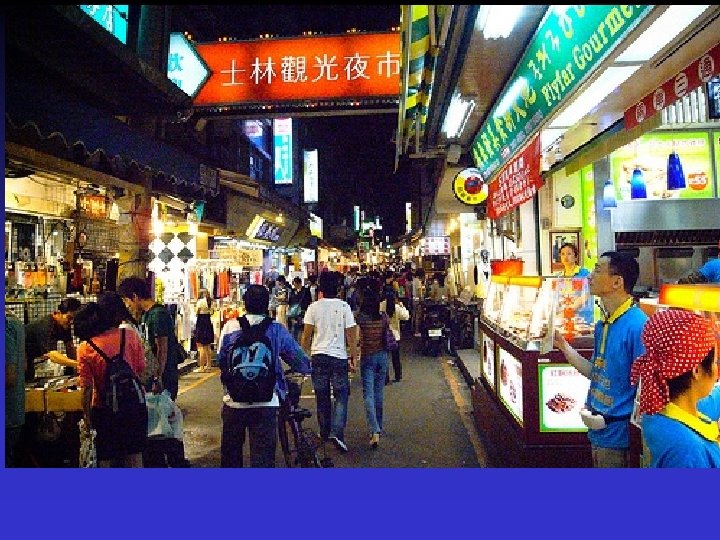
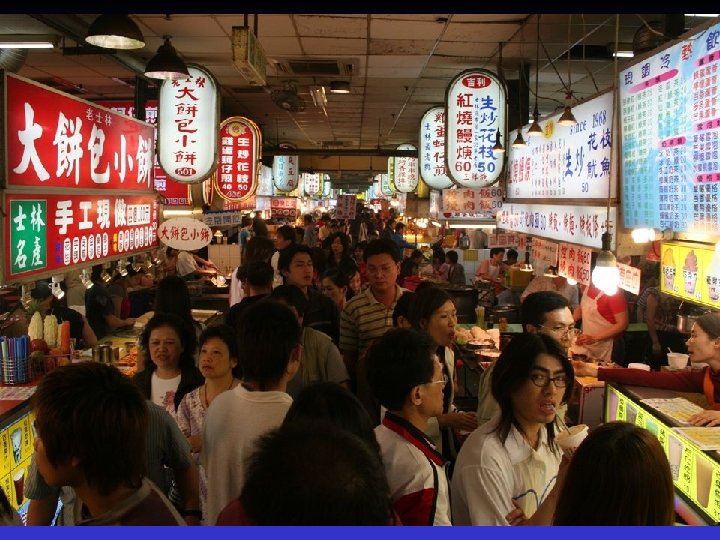
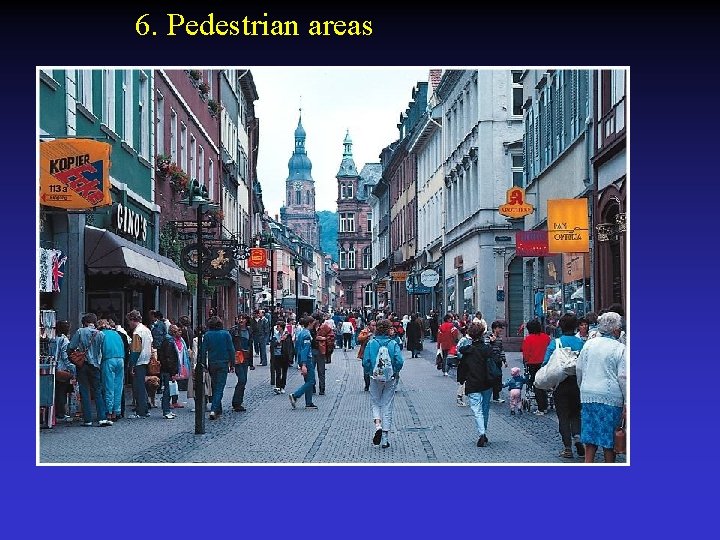
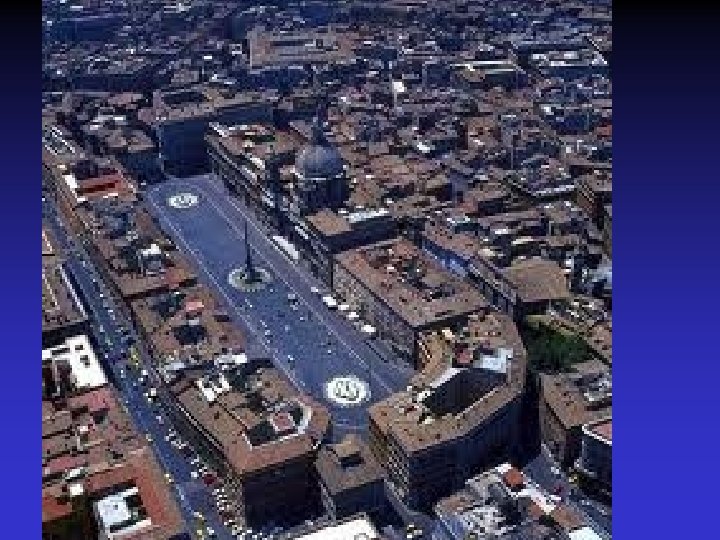
6. Pedestrian areas
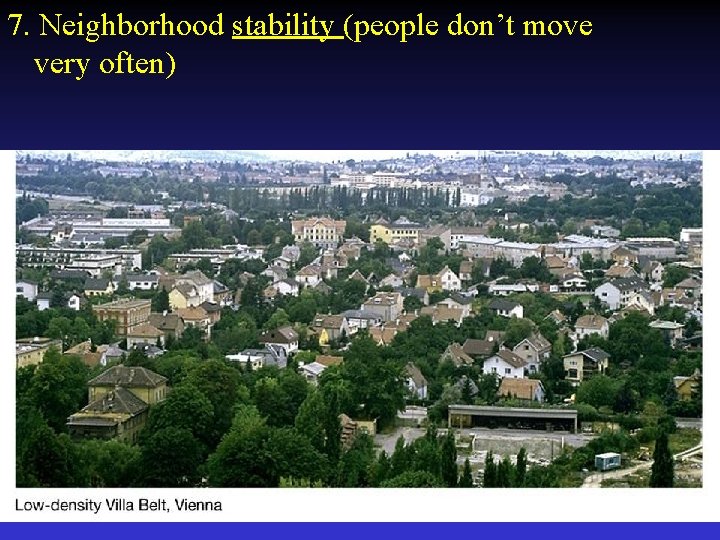
7. Neighborhood stability (people don’t move very often)
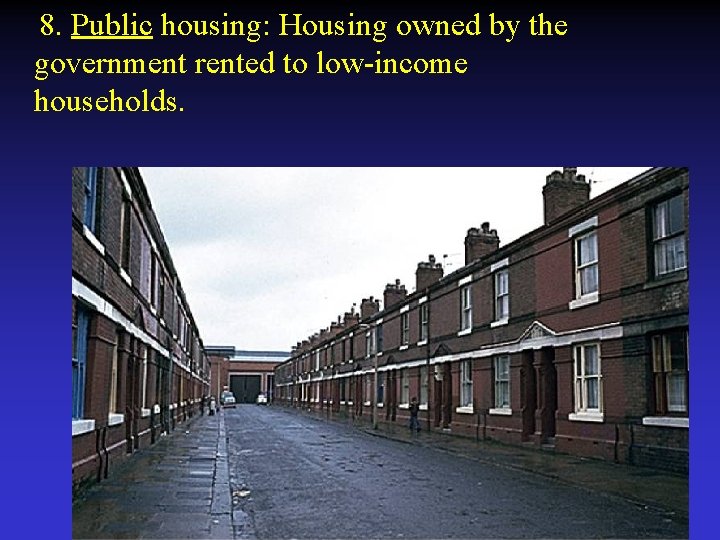
8. Public housing: Housing owned by the government rented to low-income households.
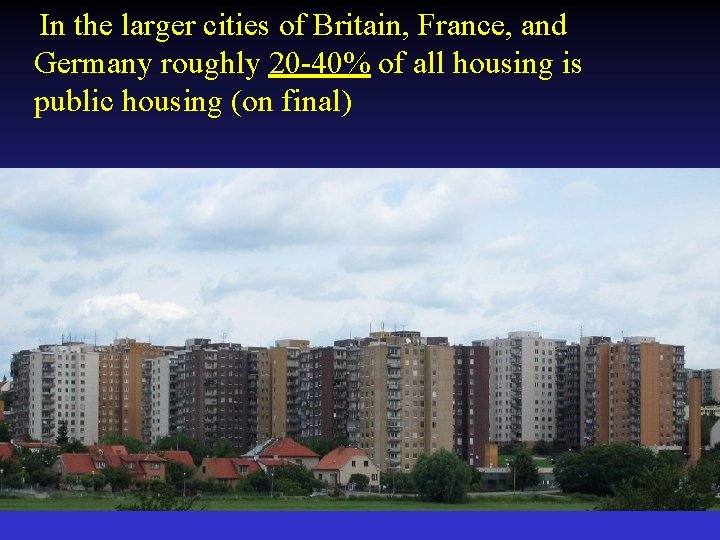
In the larger cities of Britain, France, and Germany roughly 20 -40% of all housing is public housing (on final)
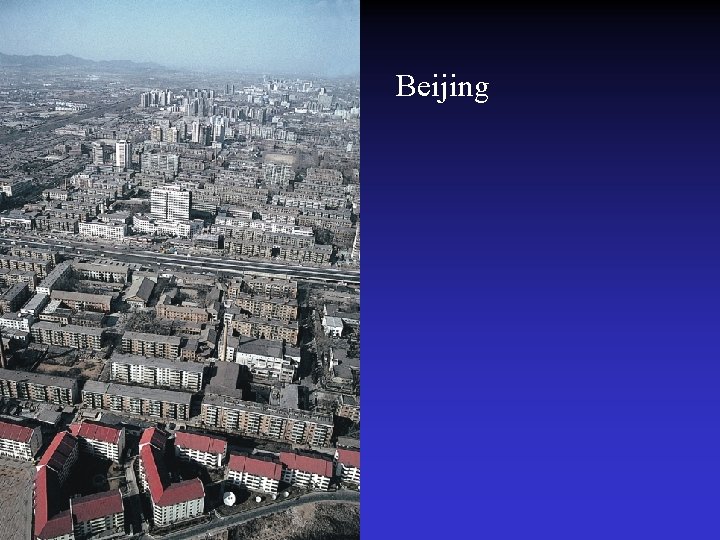
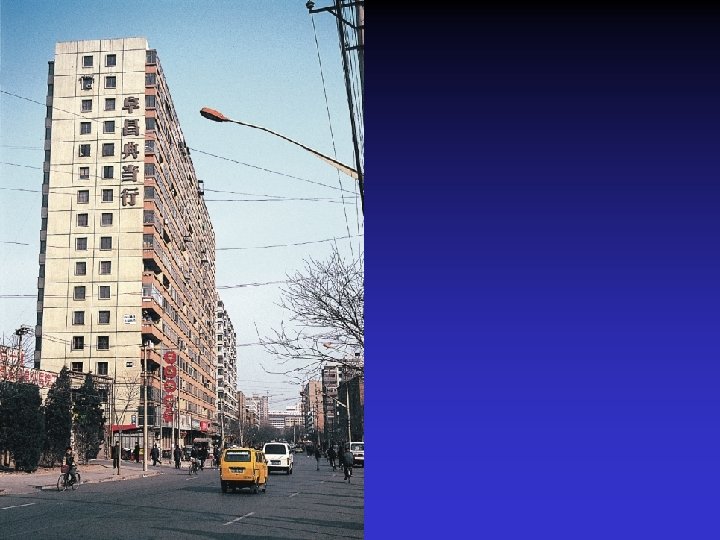
Beijing
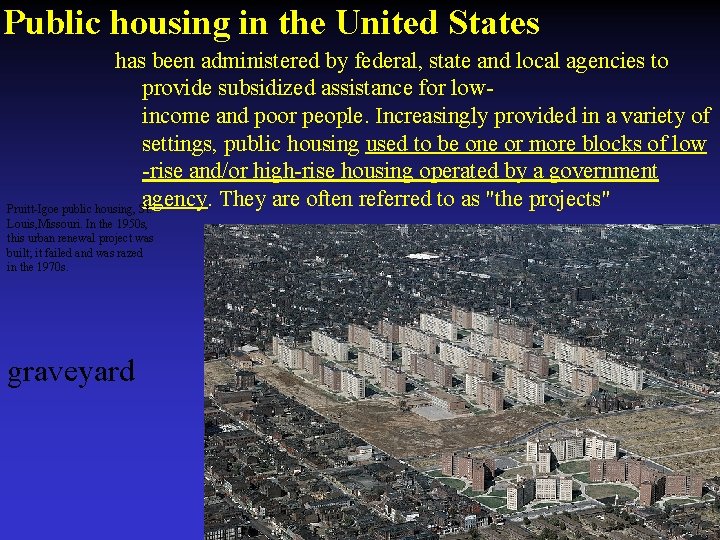
Public housing in the United States has been administered by federal, state and local agencies to provide subsidized assistance for lowincome and poor people. Increasingly provided in a variety of settings, public housing used to be one or more blocks of low -rise and/or high-rise housing operated by a government agency. They are often referred to as "the projects" Pruitt-Igoe public housing, St. Louis, Missouri. In the 1950 s, this urban renewal project was built; it failed and was razed in the 1970 s. graveyard
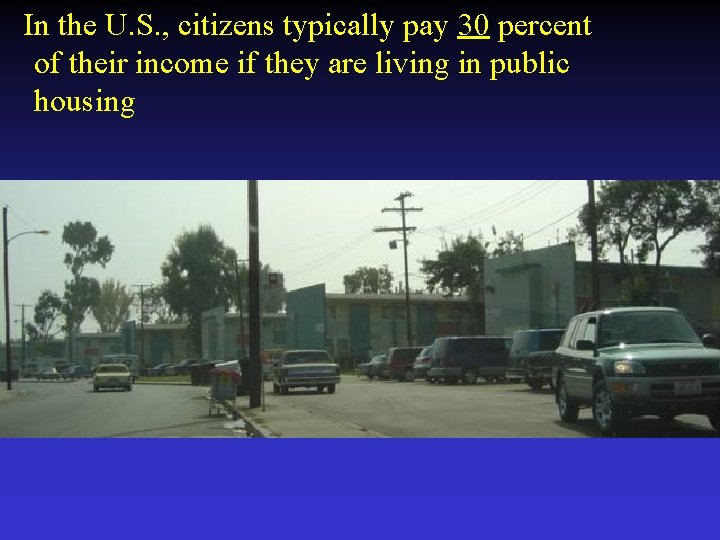
In the U. S. , citizens typically pay 30 percent of their income if they are living in public housing
• Section 8 of the Housing Act of 1937 often simply known as Section 8, authorizes the payment of rental housing assistance to private landlords on behalf of approximately 3. 1 million low-income households. It operates through several programs, the largest of which, the Housing Choice Voucher program, pays a large portion of the rents and utilities of about 2. 1 million households. The U. S. Department of Housing and Urban Development manages the Section 8 programs.
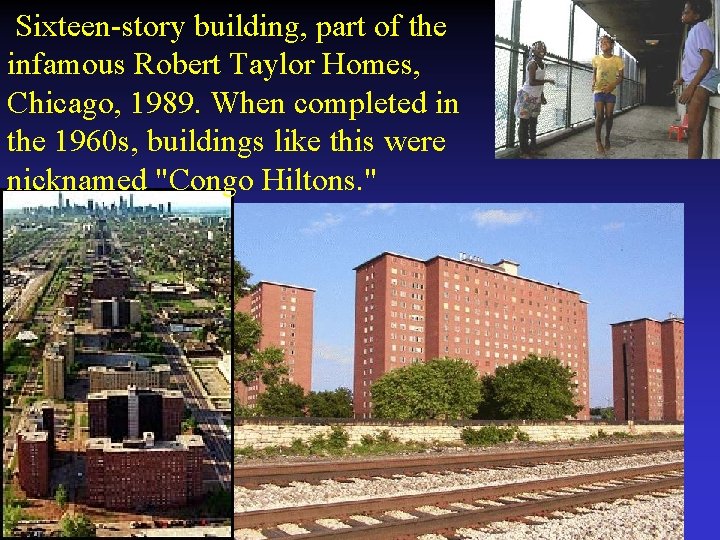
Sixteen-story building, part of the infamous Robert Taylor Homes, Chicago, 1989. When completed in the 1960 s, buildings like this were nicknamed "Congo Hiltons. "
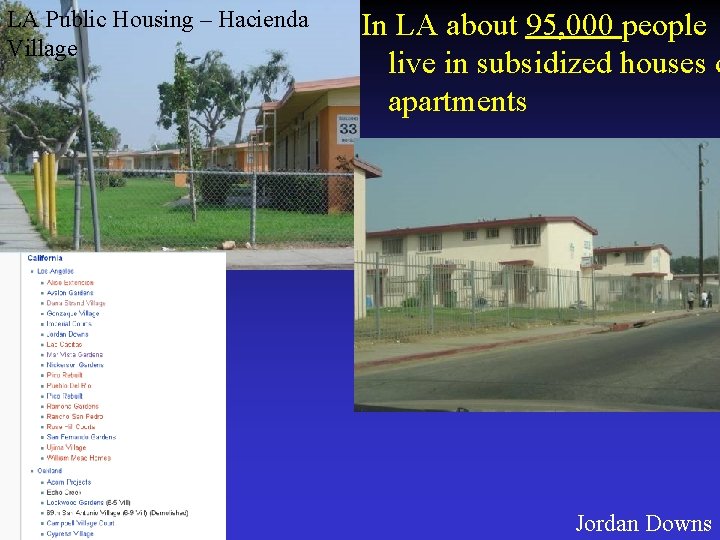
LA Public Housing – Hacienda Village In LA about 95, 000 people live in subsidized houses o apartments Jordan Downs
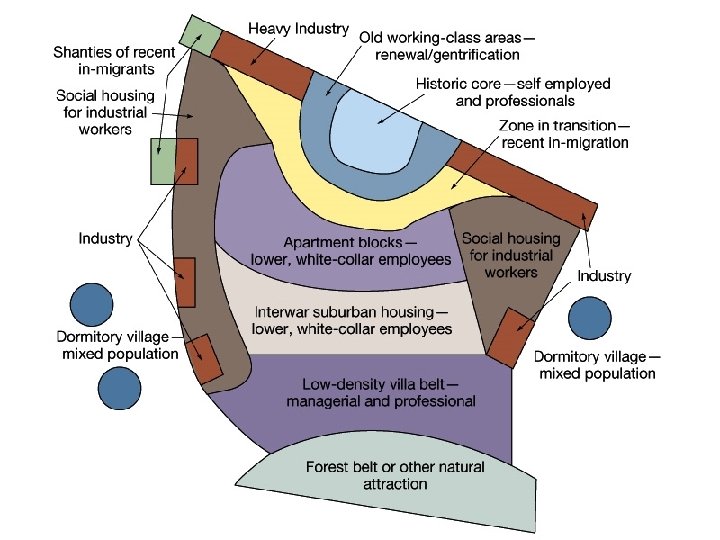
FR Similarities between Europe and Latin America cities?
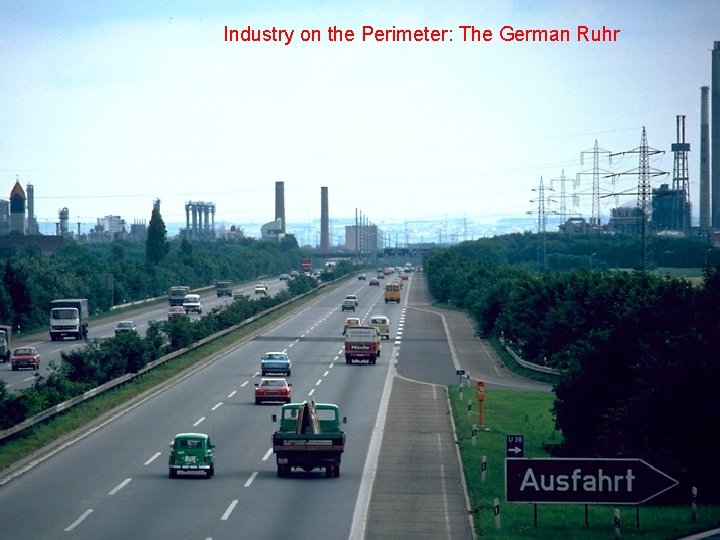
Industry on the Perimeter: The German Ruhr
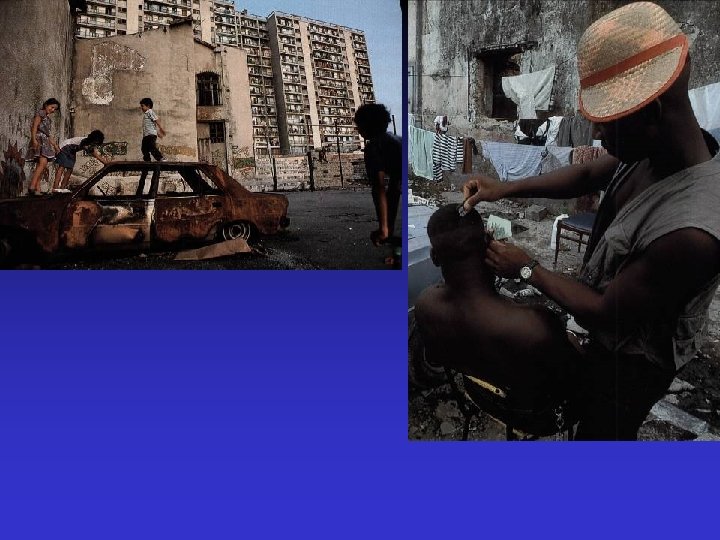
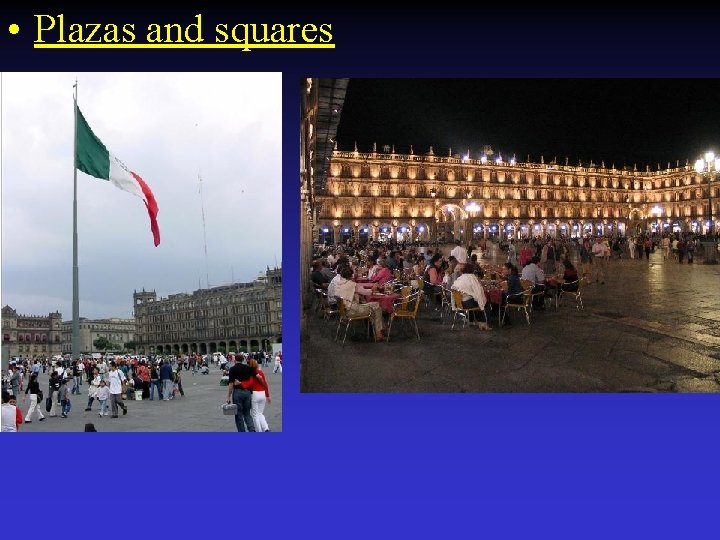
• Plazas and squares Rio
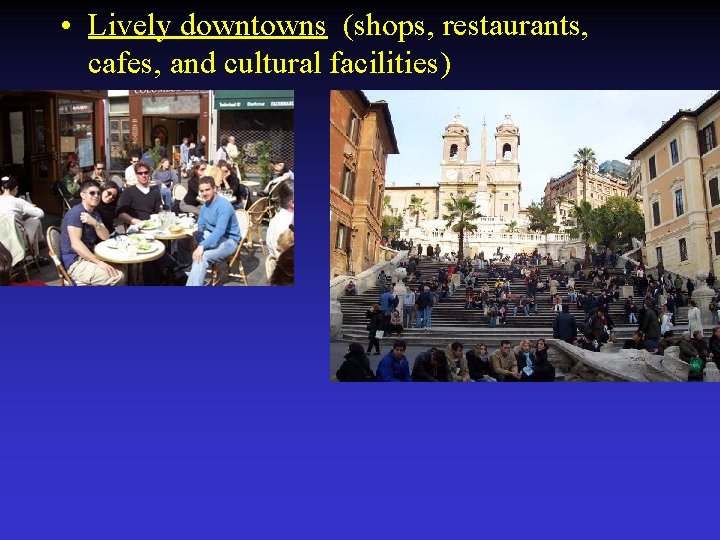
• Lively downtowns (shops, restaurants, cafes, and cultural facilities)
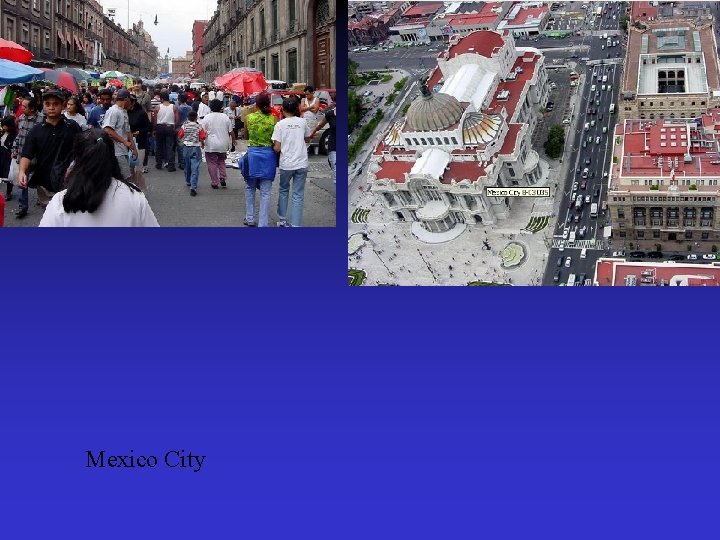
Mexico City
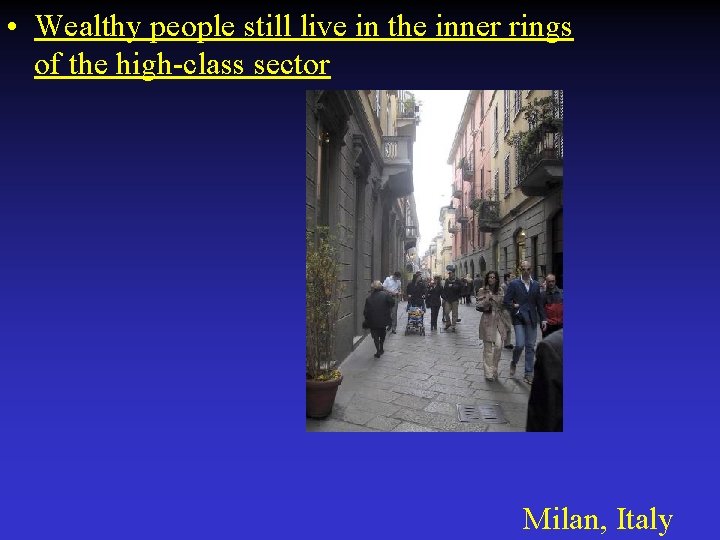
• Wealthy people still live in the inner rings of the high-class sector Milan, Italy
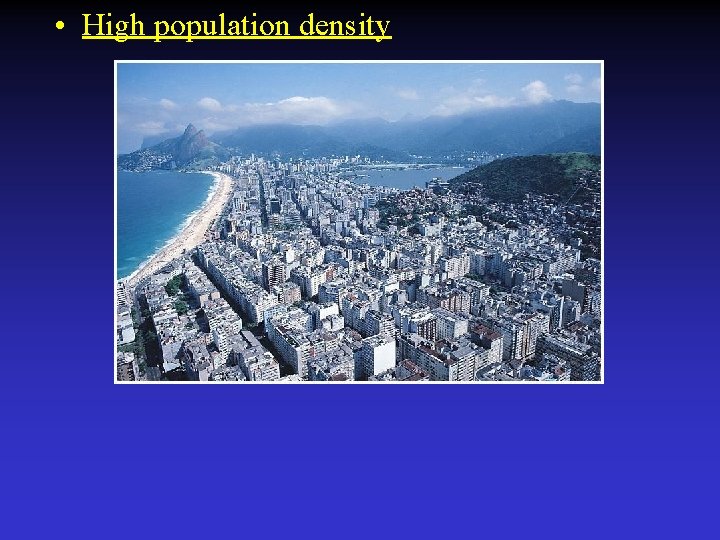
• High population density
Differences? • Latin American cities have Shanty towns/squatter settlements • Public Housing in Europe • Complex street patterns in Europe
- Slides: 61