
Latent Conditions Site Investigation and Dispute Avoidance Risk
- Slides: 20
Latent Conditions : Site Investigation and Dispute Avoidance
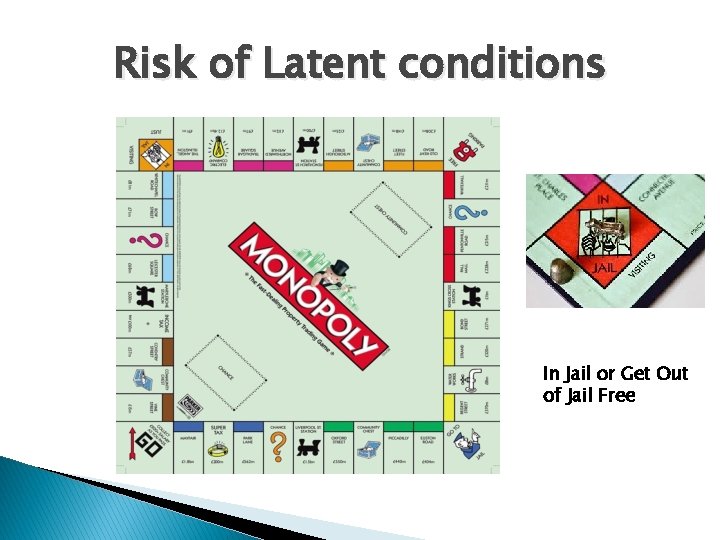
Risk of Latent conditions In Jail or Get Out of Jail Free
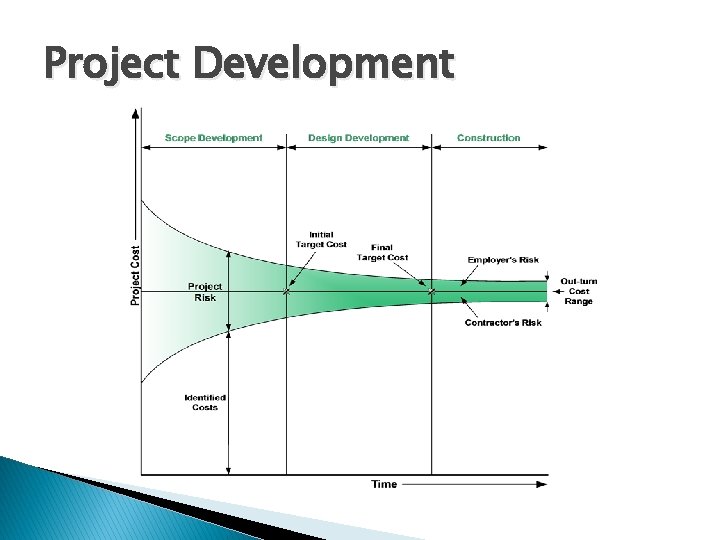
Project Development
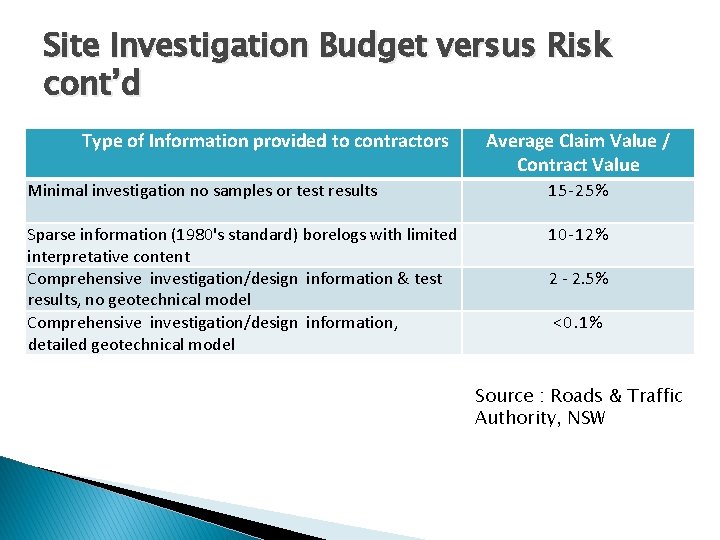
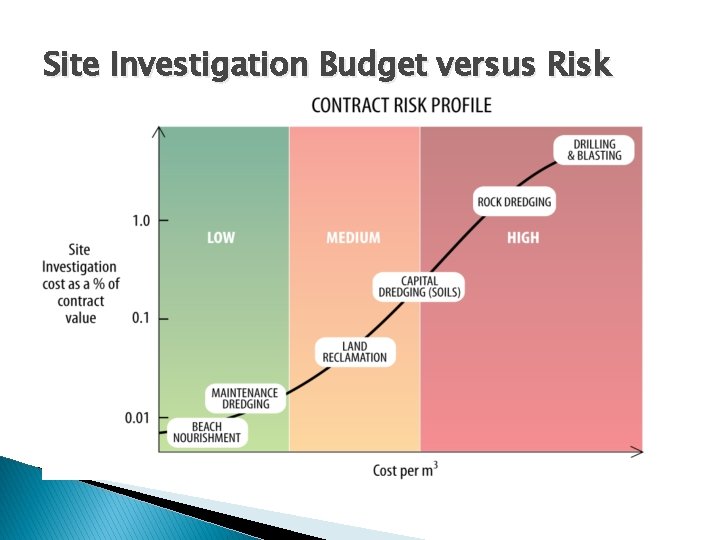
Site Investigation Budget versus Risk cont’d Type of Information provided to contractors Average Claim Value / Contract Value Minimal investigation no samples or test results 15 -25% Sparse information (1980's standard) borelogs with limited interpretative content Comprehensive investigation/design information & test results, no geotechnical model Comprehensive investigation/design information, detailed geotechnical model 10 -12% 2 - 2. 5% <0. 1% Source : Roads & Traffic Authority, NSW
Site Investigation Budget versus Risk
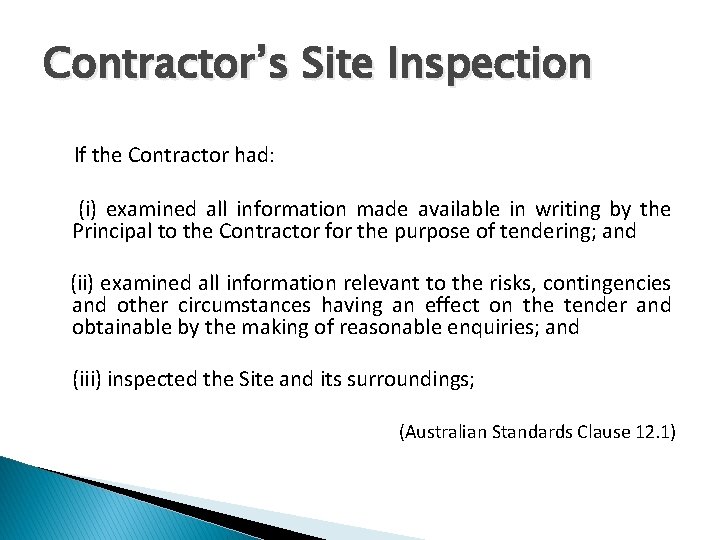
Contractor’s Site Inspection If the Contractor had: (i) examined all information made available in writing by the Principal to the Contractor for the purpose of tendering; and (ii) examined all information relevant to the risks, contingencies and other circumstances having an effect on the tender and obtainable by the making of reasonable enquiries; and (iii) inspected the Site and its surroundings; (Australian Standards Clause 12. 1)
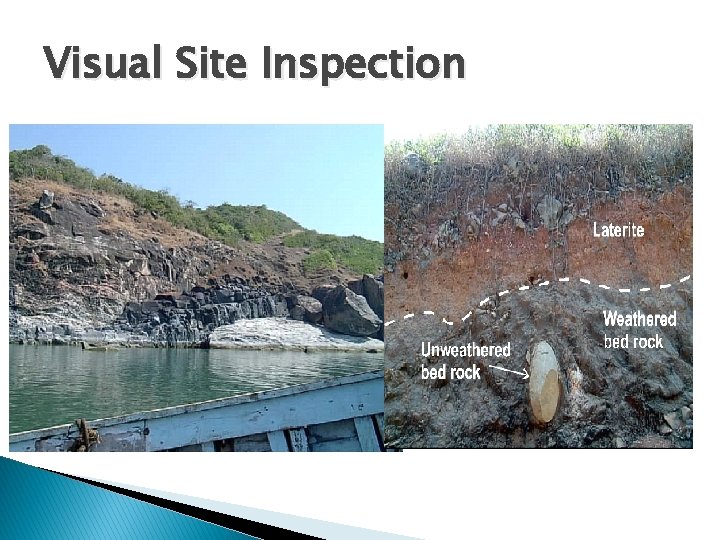
Visual Site Inspection
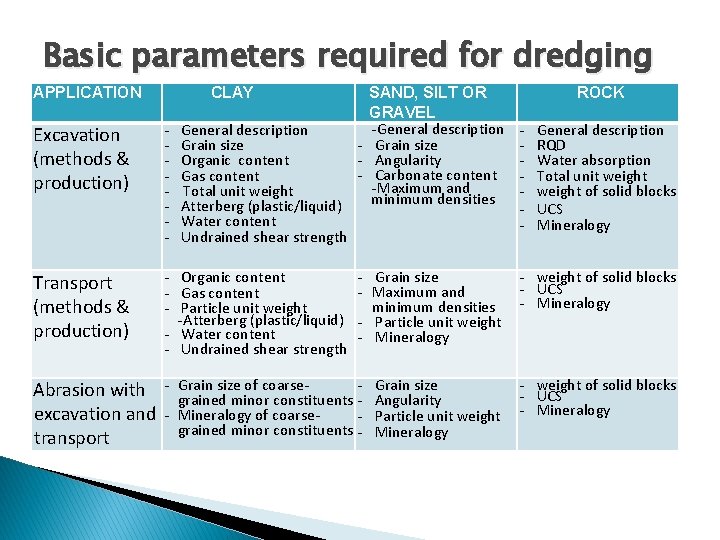
Basic parameters required for dredging APPLICATION CLAY SAND, SILT OR GRAVEL -General description - Grain size - Angularity Organic content - Carbonate content Gas content -Maximum and Total unit weight minimum densities Atterberg (plastic/liquid) Water content Undrained shear strength Excavation (methods & production) - Transport (methods & production) - Organic content - Gas content - Particle unit weight -Atterberg (plastic/liquid) - Water content - Undrained shear strength Abrasion with excavation and transport - Grain size of coarsegrained minor constituents - Mineralogy of coarsegrained minor constituents - - Grain size - Maximum and minimum densities - Particle unit weight - Mineralogy Grain size Angularity Particle unit weight Mineralogy ROCK - General description RQD Water absorption Total unit weight of solid blocks UCS Mineralogy - weight of solid blocks - UCS - Mineralogy
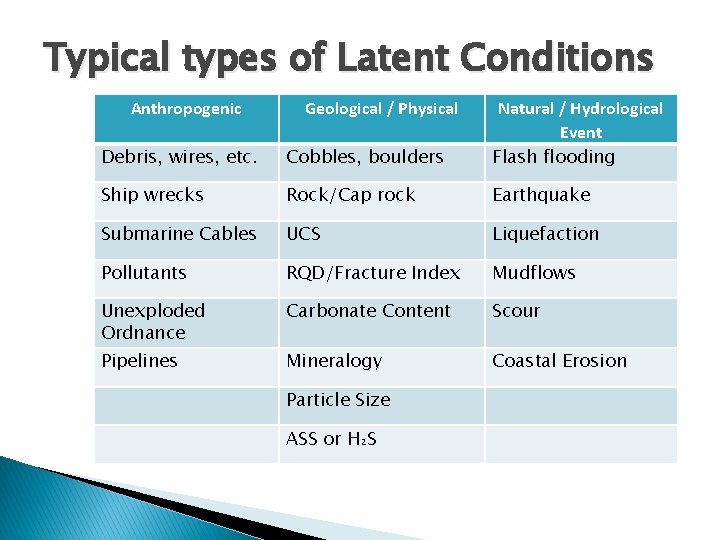
Typical types of Latent Conditions Anthropogenic Geological / Physical Debris, wires, etc. Cobbles, boulders Natural / Hydrological Event Flash flooding Ship wrecks Rock/Cap rock Earthquake Submarine Cables UCS Liquefaction Pollutants RQD/Fracture Index Mudflows Unexploded Ordnance Carbonate Content Scour Pipelines Mineralogy Coastal Erosion Particle Size ASS or H 2 S
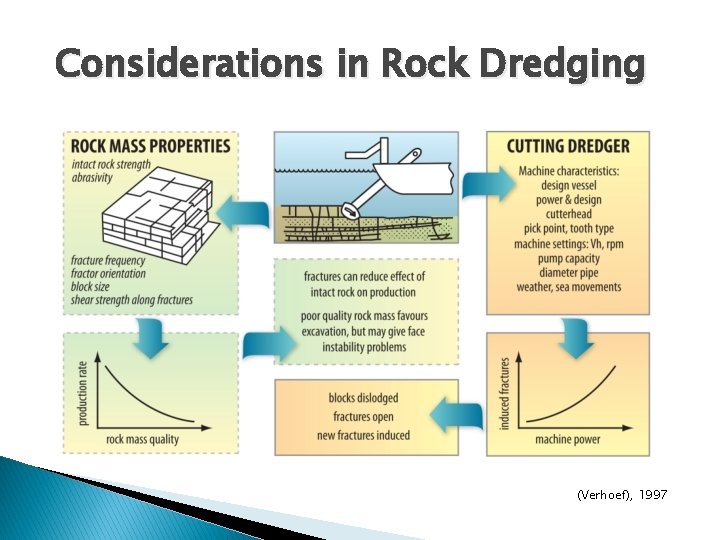
Considerations in Rock Dredging (Verhoef), 1997
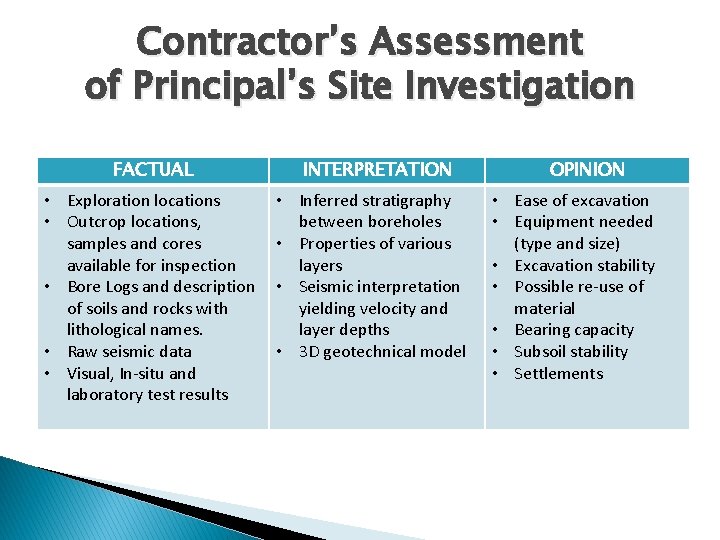
Contractor’s Assessment of Principal’s Site Investigation FACTUAL • Exploration locations • Outcrop locations, samples and cores available for inspection • Bore Logs and description of soils and rocks with lithological names. • Raw seismic data • Visual, In-situ and laboratory test results INTERPRETATION • Inferred stratigraphy between boreholes • Properties of various layers • Seismic interpretation yielding velocity and layer depths • 3 D geotechnical model OPINION • Ease of excavation • Equipment needed (type and size) • Excavation stability • Possible re-use of material • Bearing capacity • Subsoil stability • Settlements
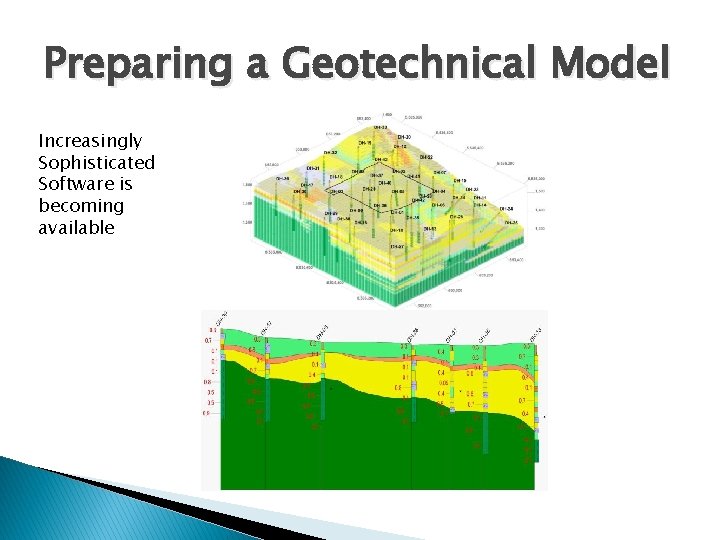
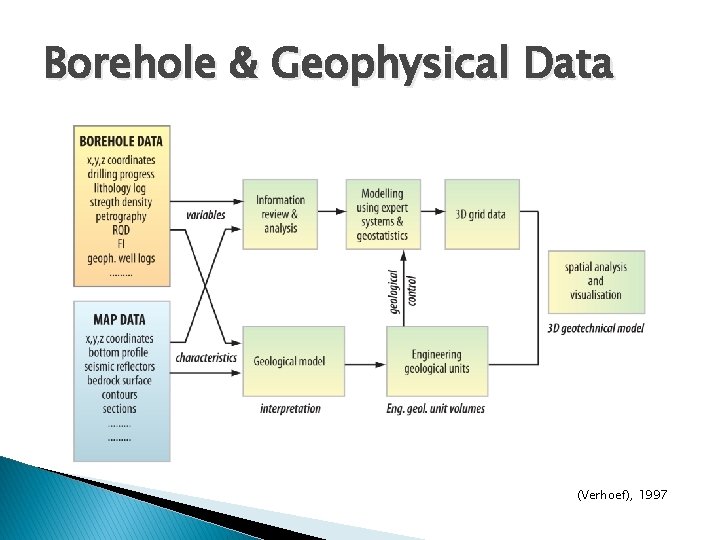
Preparing a Geotechnical Model Increasingly Sophisticated Software is becoming available
Borehole & Geophysical Data (Verhoef), 1997
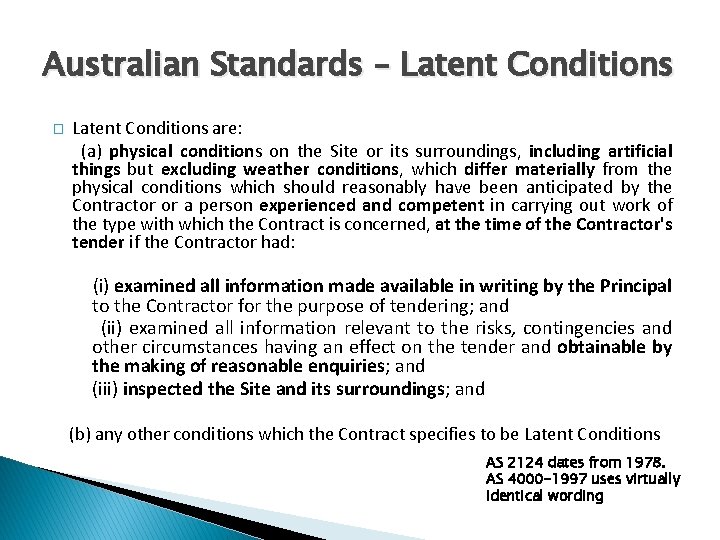
Australian Standards – Latent Conditions � Latent Conditions are: (a) physical conditions on the Site or its surroundings, including artificial things but excluding weather conditions, which differ materially from the physical conditions which should reasonably have been anticipated by the Contractor or a person experienced and competent in carrying out work of the type with which the Contract is concerned, at the time of the Contractor's tender if the Contractor had: (i) examined all information made available in writing by the Principal to the Contractor for the purpose of tendering; and (ii) examined all information relevant to the risks, contingencies and other circumstances having an effect on the tender and obtainable by the making of reasonable enquiries; and (iii) inspected the Site and its surroundings; and (b) any other conditions which the Contract specifies to be Latent Conditions AS 2124 dates from 1978. AS 4000 -1997 uses virtually identical wording
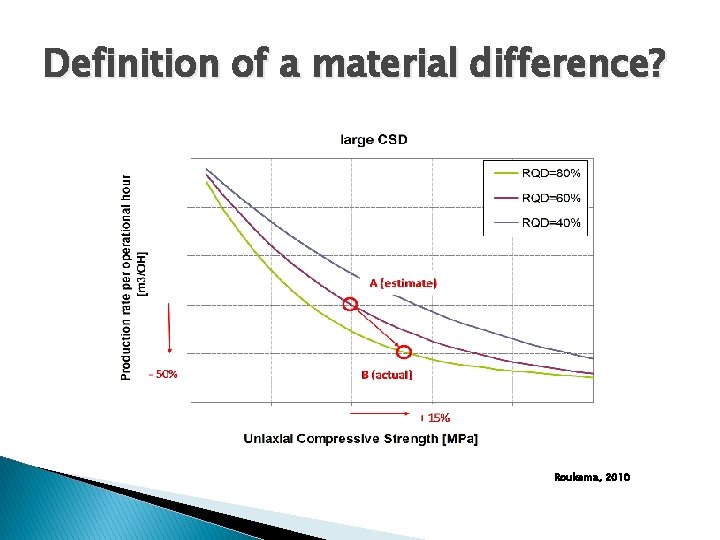
Definition of a material difference? Roukema, 2010
FIDIC 1999 Contracts Clause 4. 12 Contractor has based the Contract Amount on the Site Data. � If the Contractor encounters adverse physical conditions which are Unforeseeable entitled to EOT and Cost. � "physical conditions" means natural physical conditions and man made and other physical obstructions and pollutants, which the Contractor encounters at the Site when executing the Works, including sub-surface and hydrological conditions but excluding climatic conditions. � "Unforeseeable" means not reasonably foreseeable by an experienced contractor by the date for submission of the Tender. �
NEC 3 Contract Entitlement to compensation if the Contractor encounters physical conditions which : - are within the site - are not weather conditions, and - which an experienced contractor would have judged at the Contract Date to have ‘such a small chance of occurring that it would have been unreasonable for him to have allowed for them’.
Dispute Avoidance / Management ü Early ü Risk Contractor Involvement Register ü Establish ü Dispute Geotechnical Reference Conditions Review Board
Geotechnical Reference Conditions � Establish baseline & boundary conditions to define what is a Latent condition, not dredgeable or outside the basis of pricing; � Parties are clear as to the allocation of risk in the project; � Avoids the subjective assessment of what should have been anticipated and disputes in interpretation of a ‘Latent Condition’
Further Reading ‘Adverse Physical Conditions and the Experienced Contractor ‘ author - David Kinlan To be published by Delft Academic Press due for release in mid 2014