
Late Consequences of Cancer Therapy Dr Claire Higham
- Slides: 48
Late Consequences of Cancer Therapy Dr Claire Higham 3. 10. 19 Consultant Endocrinologist, The Christie Hospital NHS FT Honorary Senior Lecturer, University of Manchester
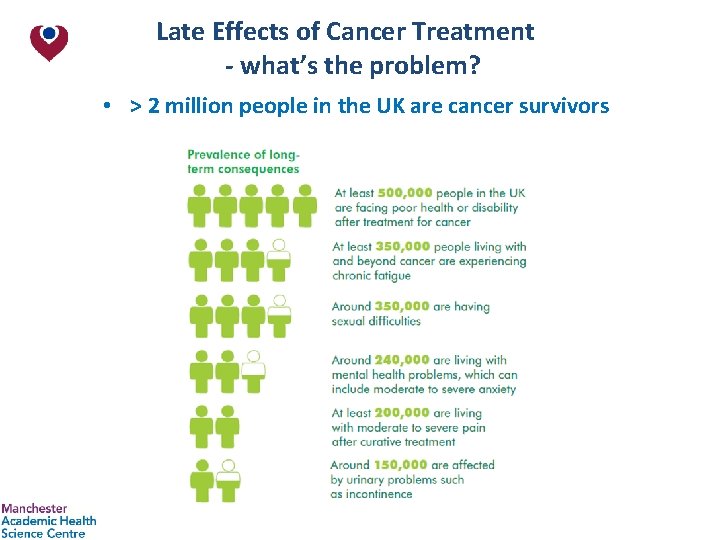
Late Effects of Cancer Treatment - what’s the problem? • > 2 million people in the UK are cancer survivors
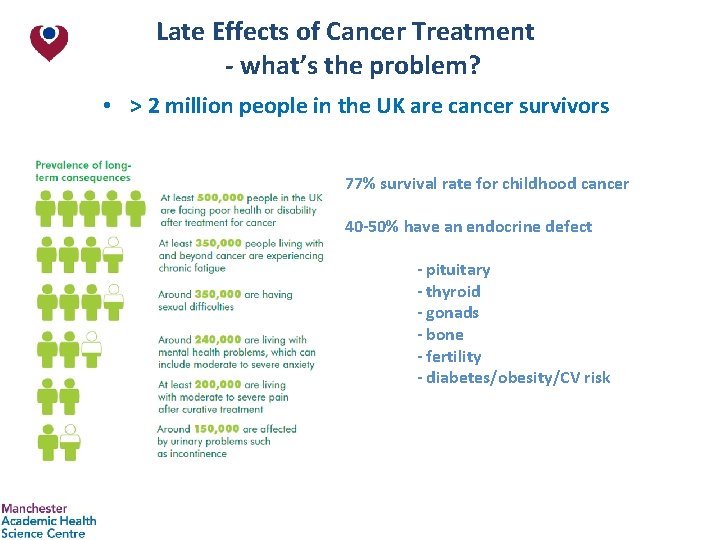
Late Effects of Cancer Treatment - what’s the problem? • > 2 million people in the UK are cancer survivors 77% survival rate for childhood cancer 40 -50% have an endocrine defect - pituitary - thyroid - gonads - bone - fertility - diabetes/obesity/CV risk
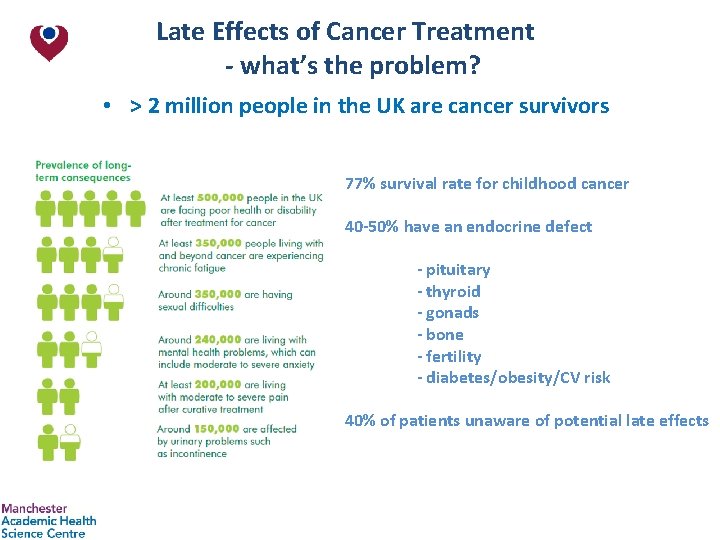
Late Effects of Cancer Treatment - what’s the problem? • > 2 million people in the UK are cancer survivors 77% survival rate for childhood cancer 40 -50% have an endocrine defect - pituitary - thyroid - gonads - bone - fertility - diabetes/obesity/CV risk 40% of patients unaware of potential late effects
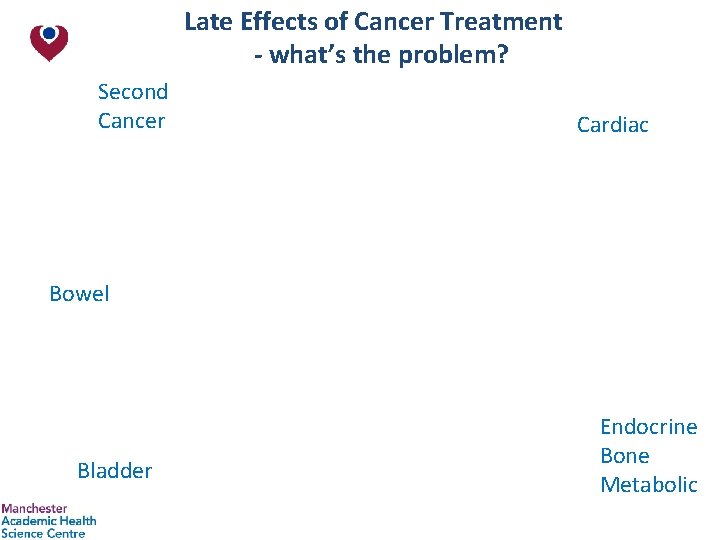
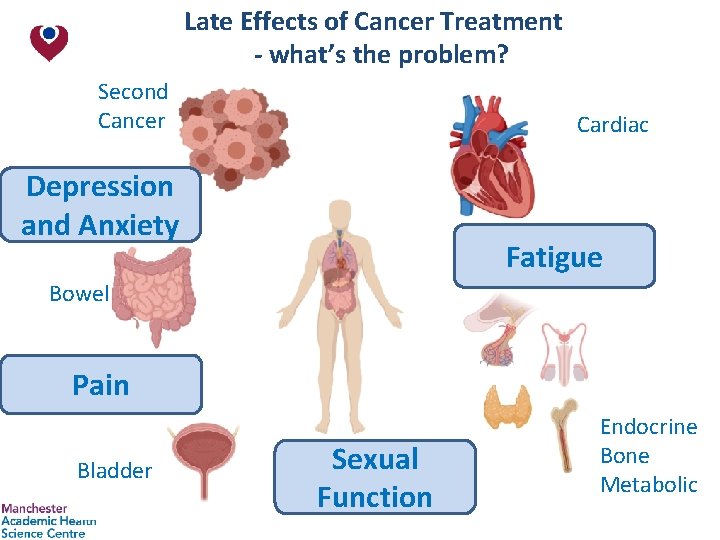
Late Effects of Cancer Treatment - what’s the problem? Second Cancer Cardiac Bowel Bladder Endocrine Bone Metabolic
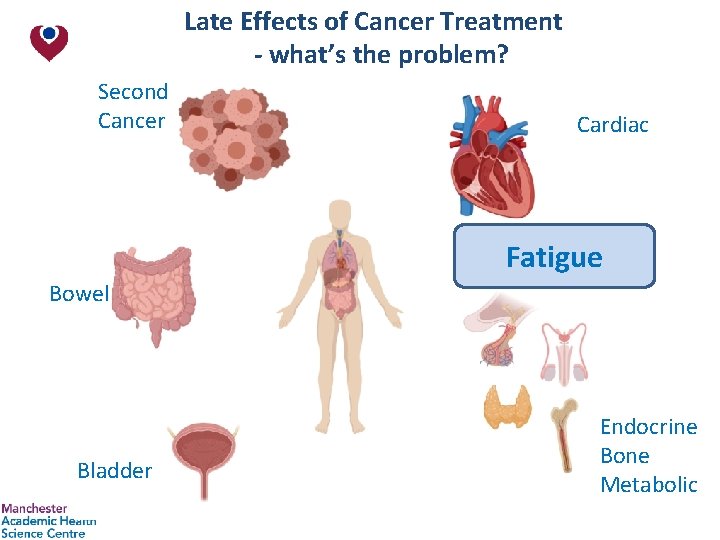
Late Effects of Cancer Treatment - what’s the problem? Second Cancer Cardiac Fatigue Bowel Bladder Endocrine Bone Metabolic
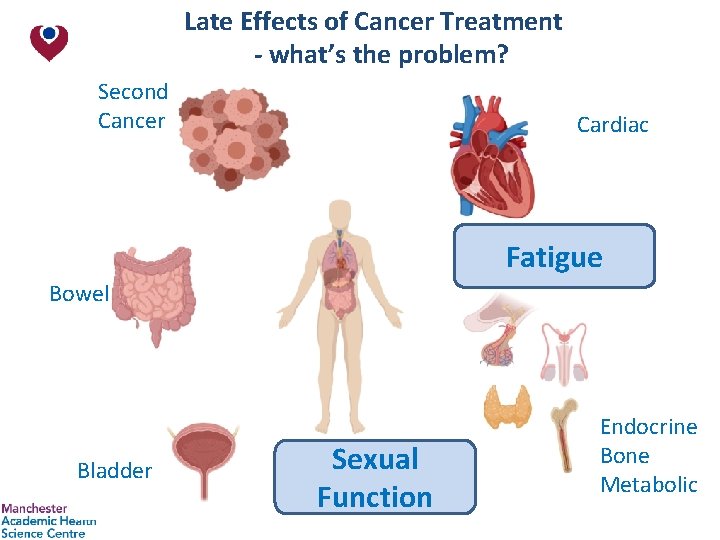
Late Effects of Cancer Treatment - what’s the problem? Second Cancer Cardiac Fatigue Bowel Bladder Sexual Function Endocrine Bone Metabolic
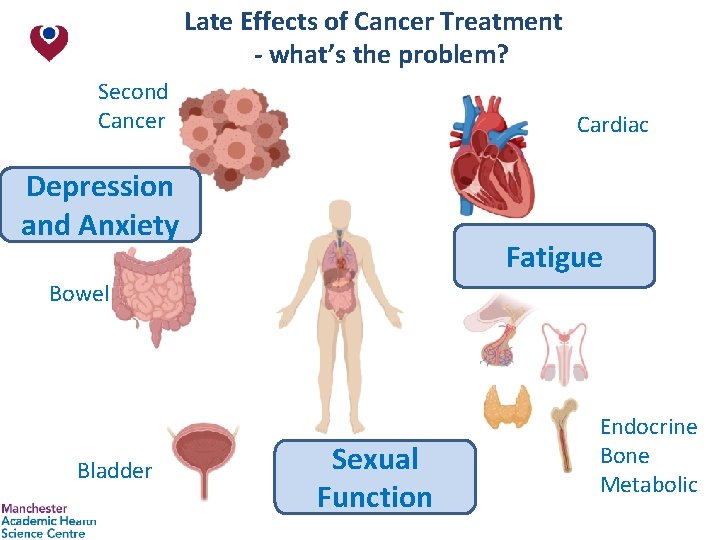
Late Effects of Cancer Treatment - what’s the problem? Second Cancer Cardiac Depression and Anxiety Fatigue Bowel Bladder Sexual Function Endocrine Bone Metabolic
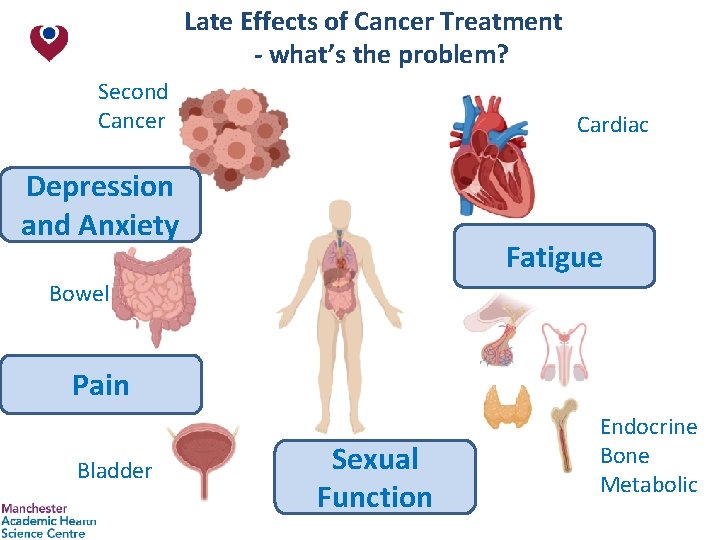
Late Effects of Cancer Treatment - what’s the problem? Second Cancer Cardiac Depression and Anxiety Fatigue Bowel Pain Bladder Sexual Function Endocrine Bone Metabolic
Late Effects of Cancer Treatment - what’s the problem? Second Cancer Cardiac Depression and Anxiety Fatigue Bowel Pain Bladder Sexual Function Endocrine Bone Metabolic
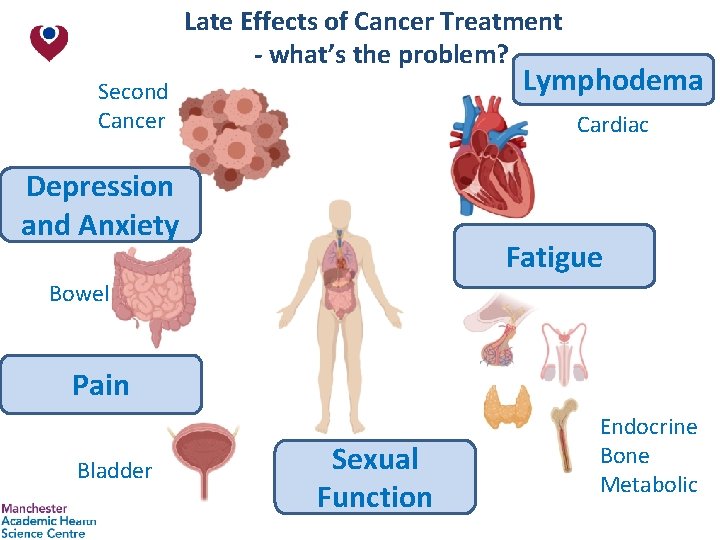
Late Effects of Cancer Treatment - what’s the problem? Lymphodema Second Cancer Cardiac Depression and Anxiety Fatigue Bowel Pain Bladder Sexual Function Endocrine Bone Metabolic
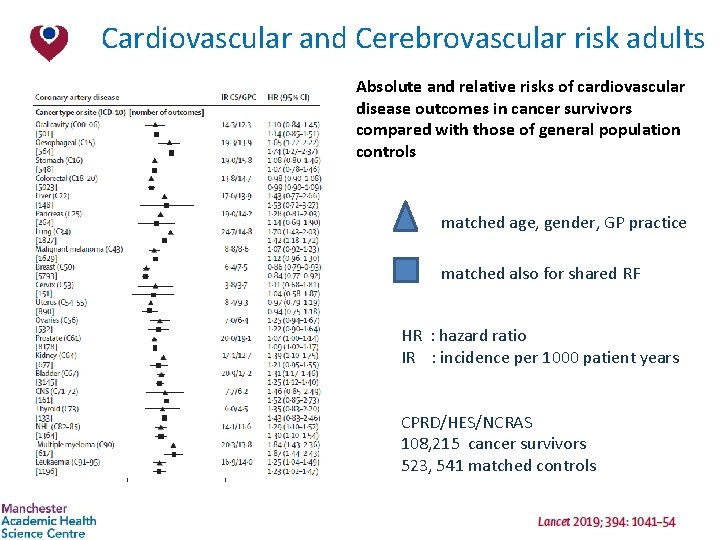
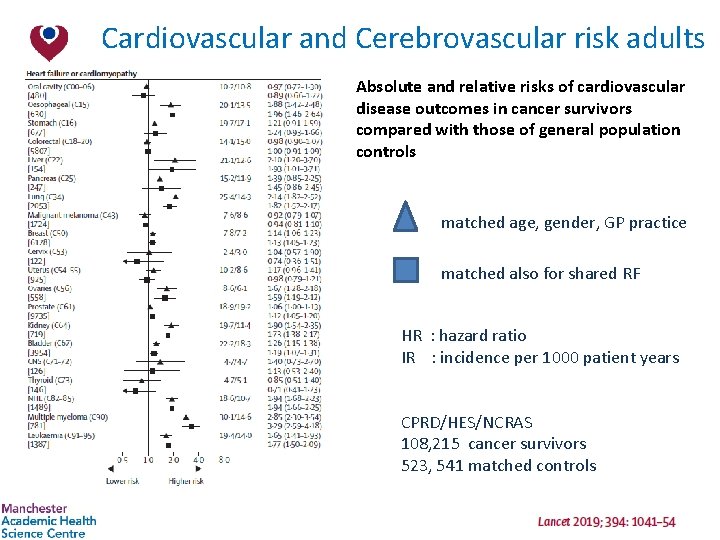
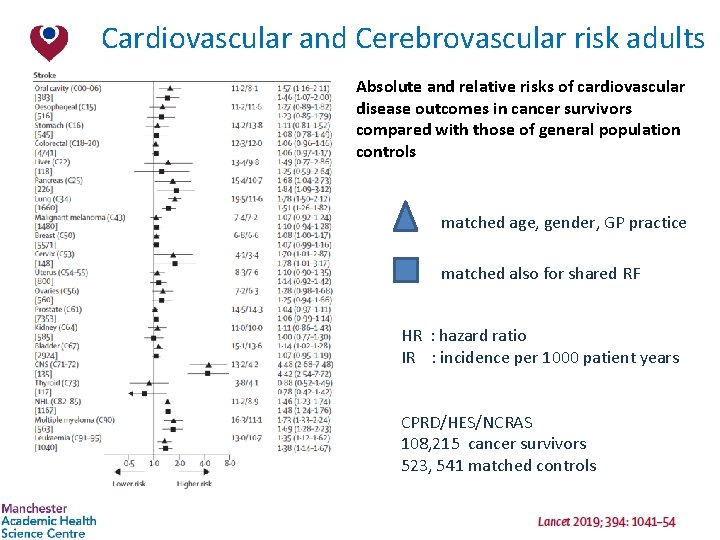
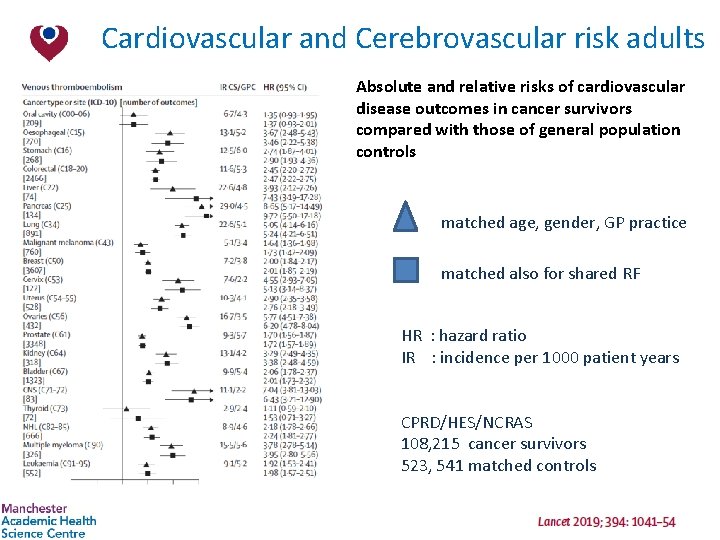
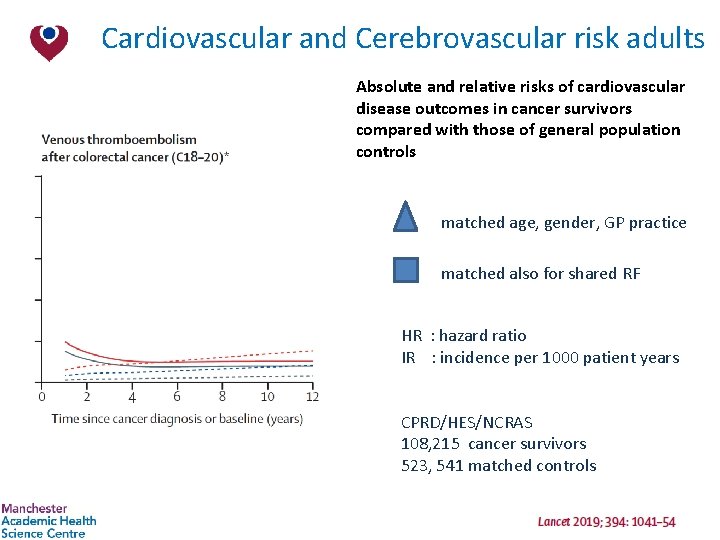
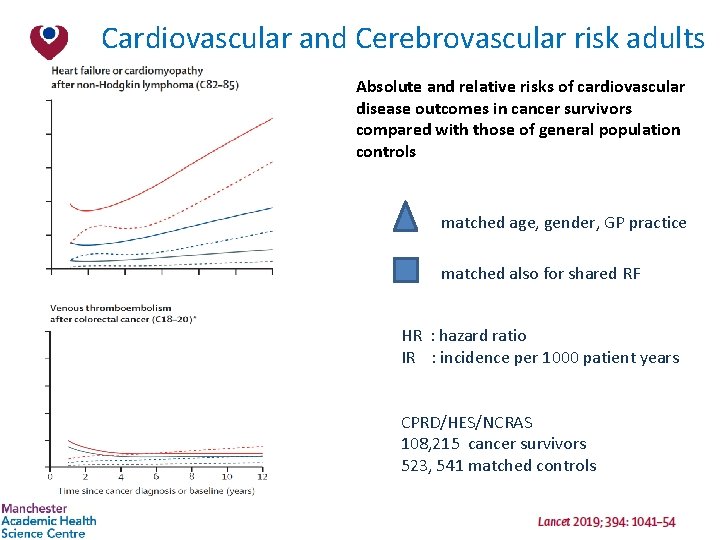
Cardiovascular and Cerebrovascular risk adults Absolute and relative risks of cardiovascular disease outcomes in cancer survivors compared with those of general population controls matched age, gender, GP practice matched also for shared RF HR : hazard ratio IR : incidence per 1000 patient years CPRD/HES/NCRAS 108, 215 cancer survivors 523, 541 matched controls
Cardiovascular and Cerebrovascular risk adults Absolute and relative risks of cardiovascular disease outcomes in cancer survivors compared with those of general population controls matched age, gender, GP practice matched also for shared RF HR : hazard ratio IR : incidence per 1000 patient years CPRD/HES/NCRAS 108, 215 cancer survivors 523, 541 matched controls
Cardiovascular and Cerebrovascular risk adults Absolute and relative risks of cardiovascular disease outcomes in cancer survivors compared with those of general population controls matched age, gender, GP practice matched also for shared RF HR : hazard ratio IR : incidence per 1000 patient years CPRD/HES/NCRAS 108, 215 cancer survivors 523, 541 matched controls
Cardiovascular and Cerebrovascular risk adults Absolute and relative risks of cardiovascular disease outcomes in cancer survivors compared with those of general population controls matched age, gender, GP practice matched also for shared RF HR : hazard ratio IR : incidence per 1000 patient years CPRD/HES/NCRAS 108, 215 cancer survivors 523, 541 matched controls
Cardiovascular and Cerebrovascular risk adults Absolute and relative risks of cardiovascular disease outcomes in cancer survivors compared with those of general population controls matched age, gender, GP practice matched also for shared RF HR : hazard ratio IR : incidence per 1000 patient years CPRD/HES/NCRAS 108, 215 cancer survivors 523, 541 matched controls
Cardiovascular and Cerebrovascular risk adults Absolute and relative risks of cardiovascular disease outcomes in cancer survivors compared with those of general population controls matched age, gender, GP practice matched also for shared RF HR : hazard ratio IR : incidence per 1000 patient years CPRD/HES/NCRAS 108, 215 cancer survivors 523, 541 matched controls
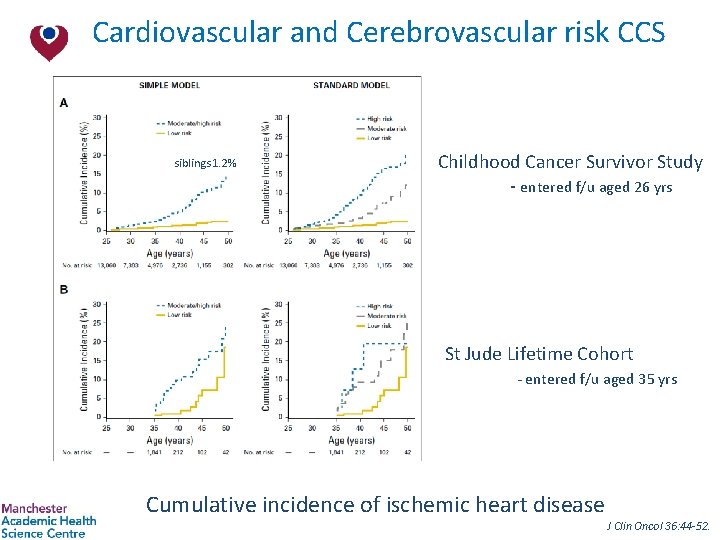
Cardiovascular and Cerebrovascular risk CCS siblings 1. 2% Childhood Cancer Survivor Study - entered f/u aged 26 yrs St Jude Lifetime Cohort - entered f/u aged 35 yrs Cumulative incidence of ischemic heart disease J Clin Oncol 36: 44 -52.
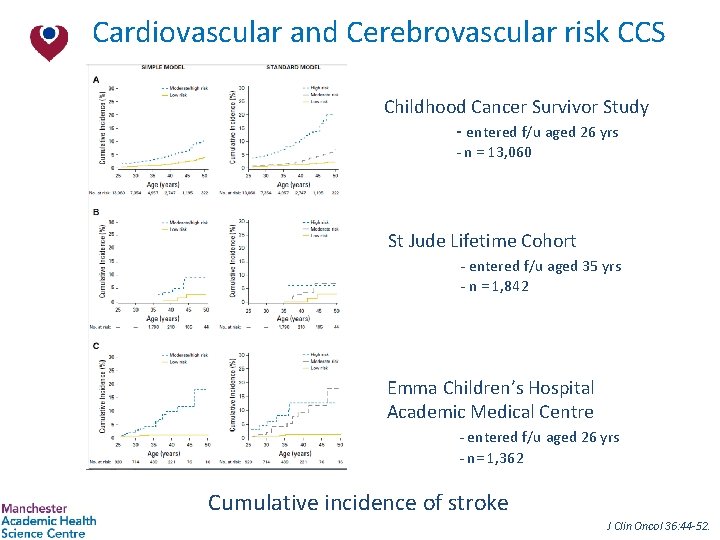
Cardiovascular and Cerebrovascular risk CCS Childhood Cancer Survivor Study - entered f/u aged 26 yrs - n = 13, 060 St Jude Lifetime Cohort - entered f/u aged 35 yrs - n = 1, 842 Emma Children’s Hospital Academic Medical Centre - entered f/u aged 26 yrs - n= 1, 362 Cumulative incidence of stroke J Clin Oncol 36: 44 -52.
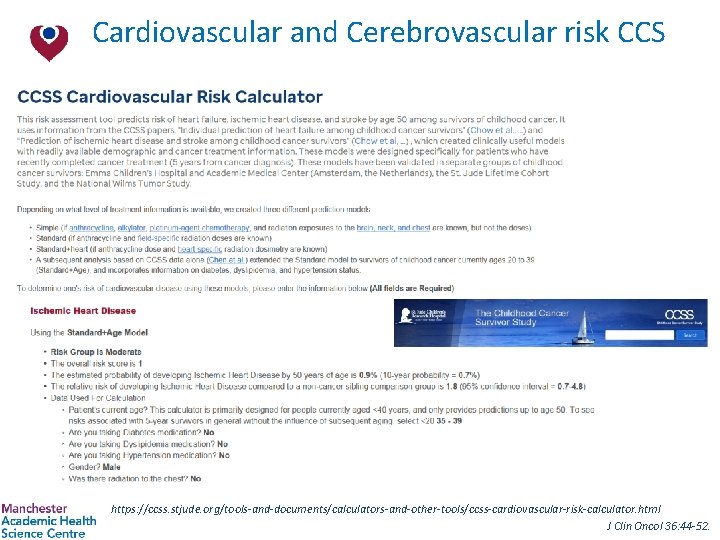
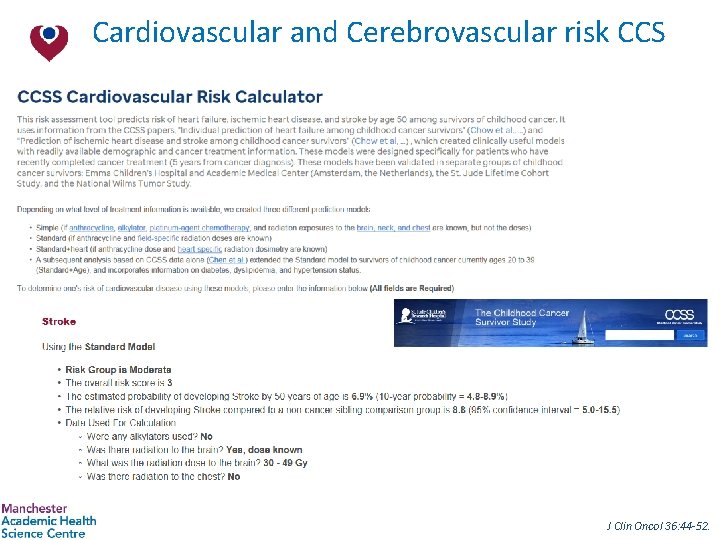
Cardiovascular and Cerebrovascular risk CCS https: //ccss. stjude. org/tools-and-documents/calculators-and-other-tools/ccss-cardiovascular-risk-calculator. html J Clin Oncol 36: 44 -52.
Cardiovascular and Cerebrovascular risk CCS J Clin Oncol 36: 44 -52.
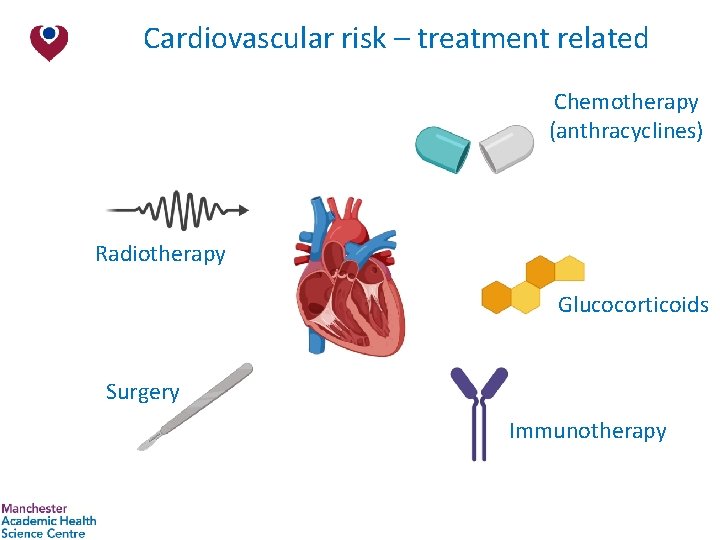
Cardiovascular risk – treatment related Chemotherapy (anthracyclines) Radiotherapy Glucocorticoids Surgery Immunotherapy
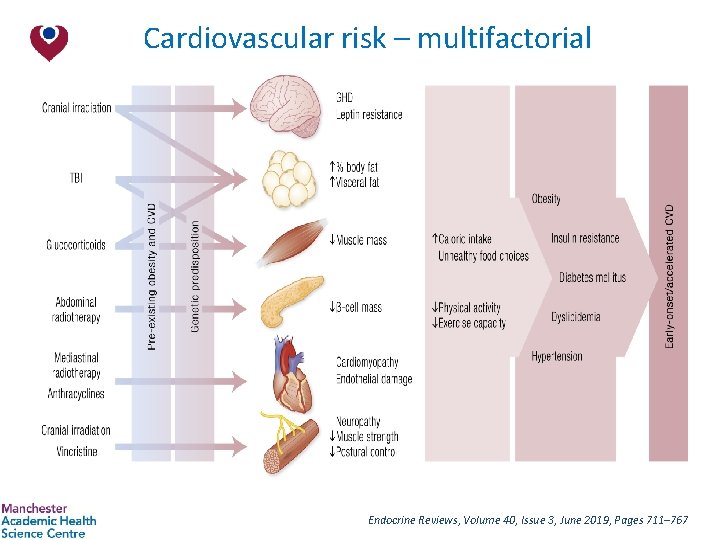
Cardiovascular risk – multifactorial Endocrine Reviews, Volume 40, Issue 3, June 2019, Pages 711– 767
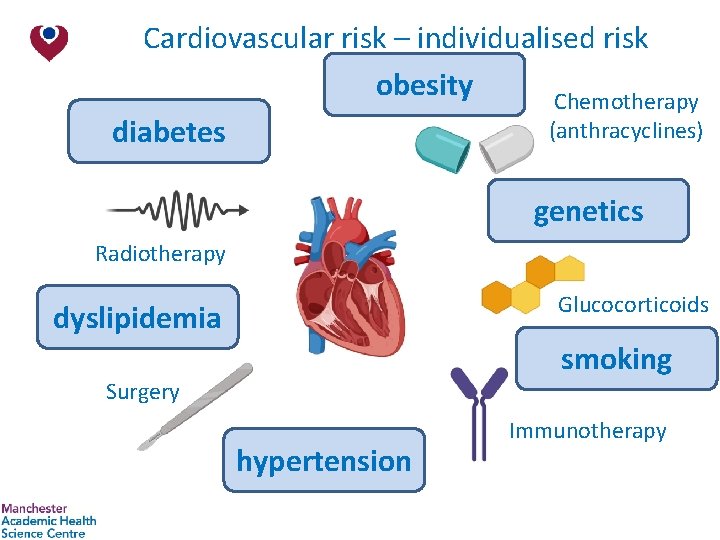
Cardiovascular risk – individualised risk obesity Chemotherapy (anthracyclines) diabetes genetics Radiotherapy Glucocorticoids dyslipidemia smoking Surgery hypertension Immunotherapy
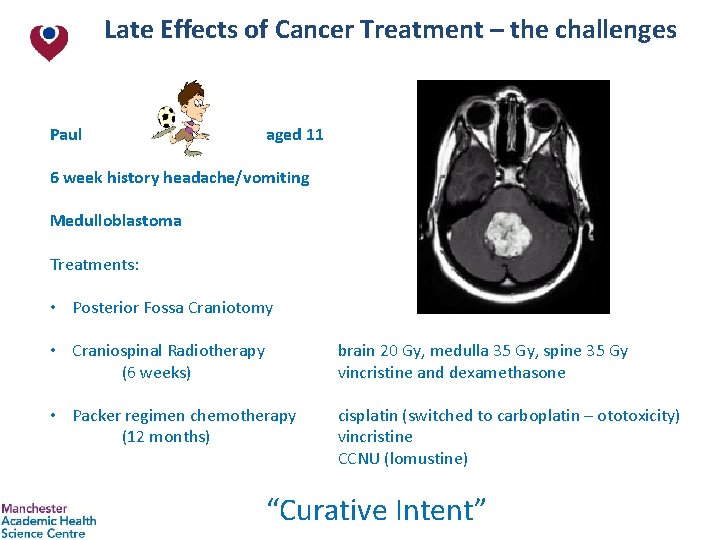
Late Effects of Cancer Treatment – the challenges Paul aged 11 6 week history headache/vomiting Medulloblastoma Treatments: • Posterior Fossa Craniotomy • Craniospinal Radiotherapy (6 weeks) • Packer regimen chemotherapy (12 months) brain 20 Gy, medulla 35 Gy, spine 35 Gy vincristine and dexamethasone cisplatin (switched to carboplatin – ototoxicity) vincristine CCNU (lomustine) “Curative Intent”
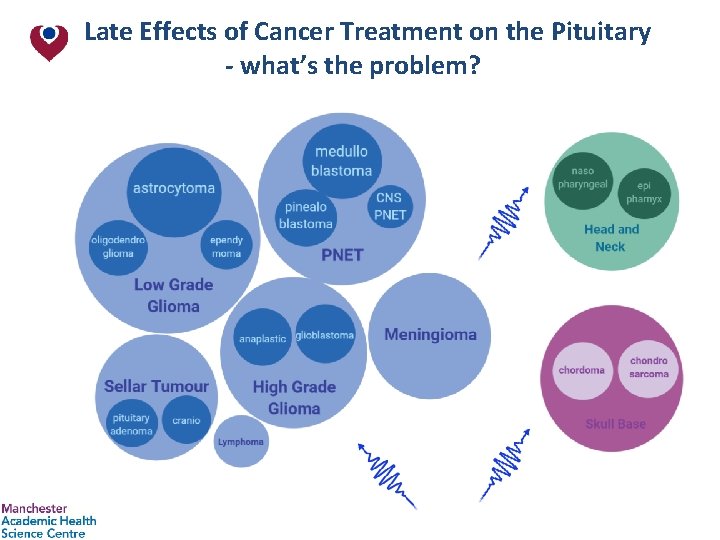
Late Effects of Cancer Treatment on the Pituitary - what’s the problem?
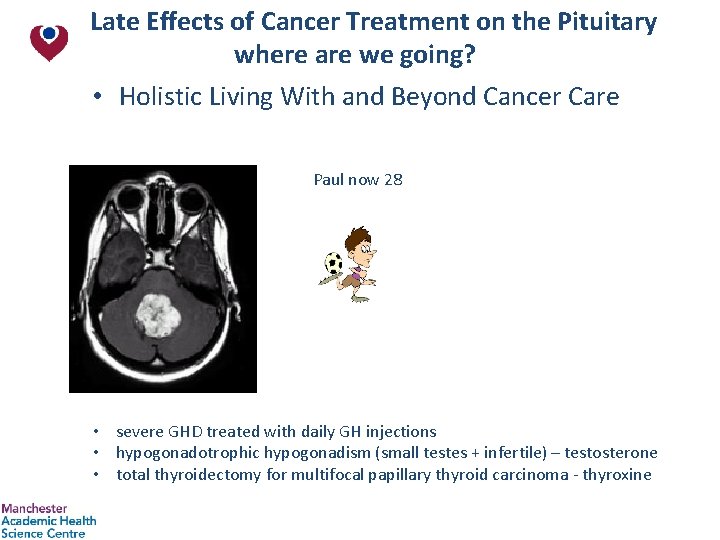
Late Effects of Cancer Treatment on the Pituitary where are we going? • Holistic Living With and Beyond Cancer Care Paul now 28 • severe GHD treated with daily GH injections • hypogonadotrophic hypogonadism (small testes + infertile) – testosterone • total thyroidectomy for multifocal papillary thyroid carcinoma - thyroxine
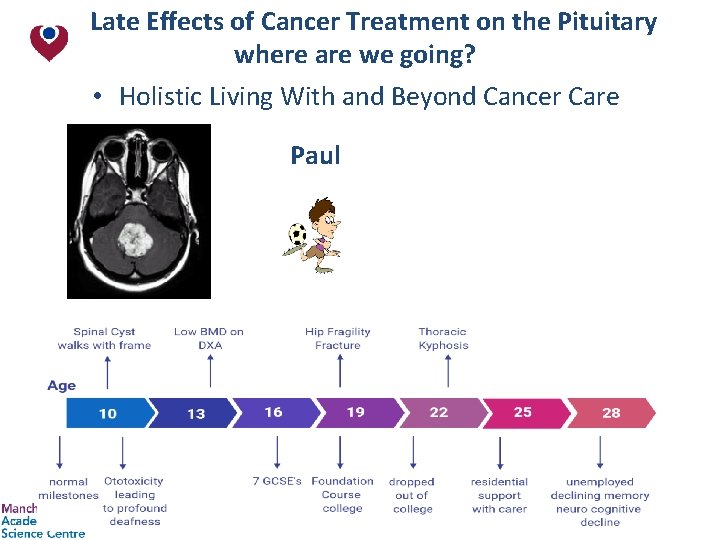
Late Effects of Cancer Treatment on the Pituitary where are we going? • Holistic Living With and Beyond Cancer Care Paul
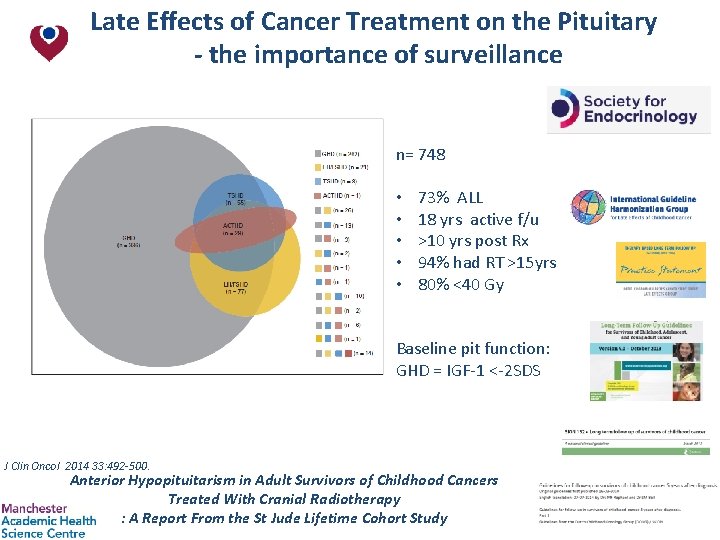
Late Effects of Cancer Treatment on the Pituitary - the importance of surveillance n= 748 • • • 73% ALL 18 yrs active f/u >10 yrs post Rx 94% had RT >15 yrs 80% <40 Gy Baseline pit function: GHD = IGF-1 <-2 SDS J Clin Oncol 2014 33: 492 -500. Anterior Hypopituitarism in Adult Survivors of Childhood Cancers Treated With Cranial Radiotherapy : A Report From the St Jude Lifetime Cohort Study
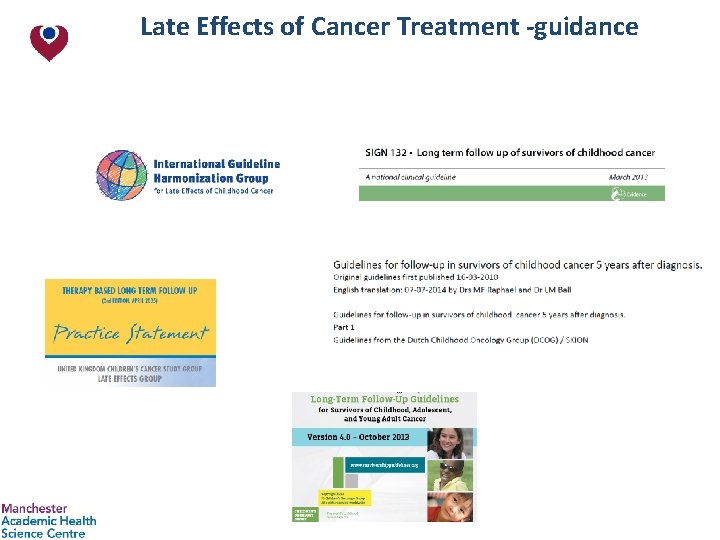
Late Effects of Cancer Treatment -guidance
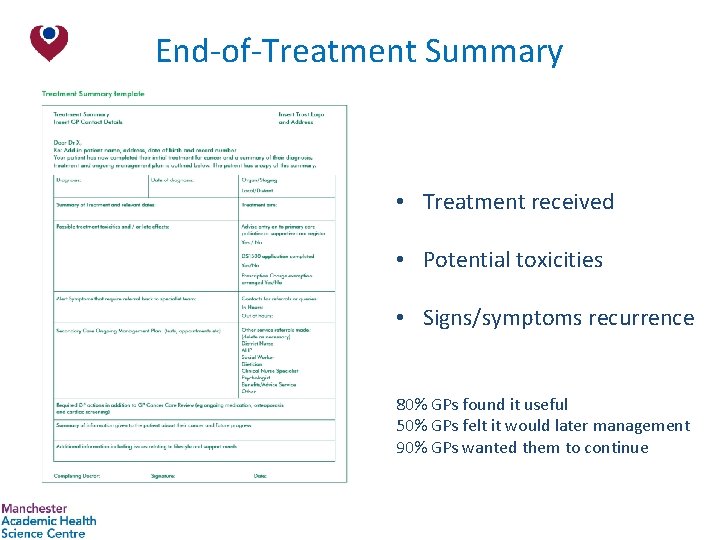
End-of-Treatment Summary • Treatment received • Potential toxicities • Signs/symptoms recurrence 80% GPs found it useful 50% GPs felt it would later management 90% GPs wanted them to continue
Problems following treatment for cancer: building a picture and pathways for Manchester Cancer 2015 (update 2019) Dr Claire Higham Manchester Cancer Pathway Board Living With and Beyond Cancer
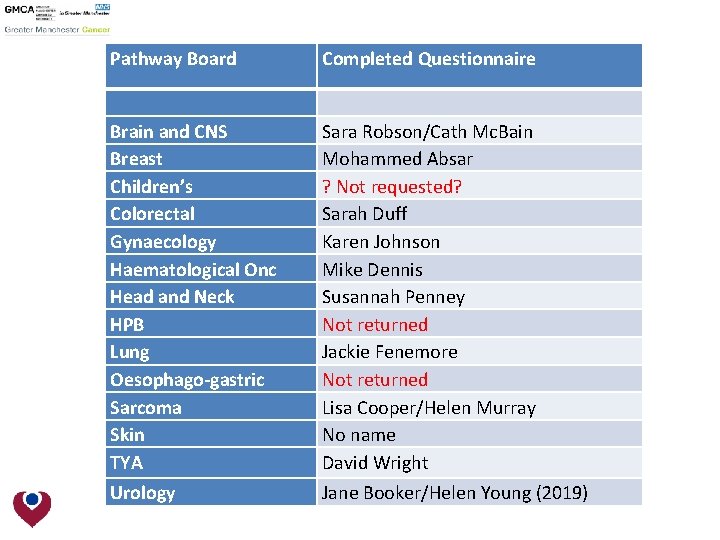
Pathway Board Completed Questionnaire Brain and CNS Breast Children’s Colorectal Gynaecology Haematological Onc Head and Neck HPB Lung Oesophago-gastric Sarcoma Skin TYA Sara Robson/Cath Mc. Bain Mohammed Absar ? Not requested? Sarah Duff Karen Johnson Mike Dennis Susannah Penney Not returned Jackie Fenemore Not returned Lisa Cooper/Helen Murray No name David Wright Urology Jane Booker/Helen Young (2019)
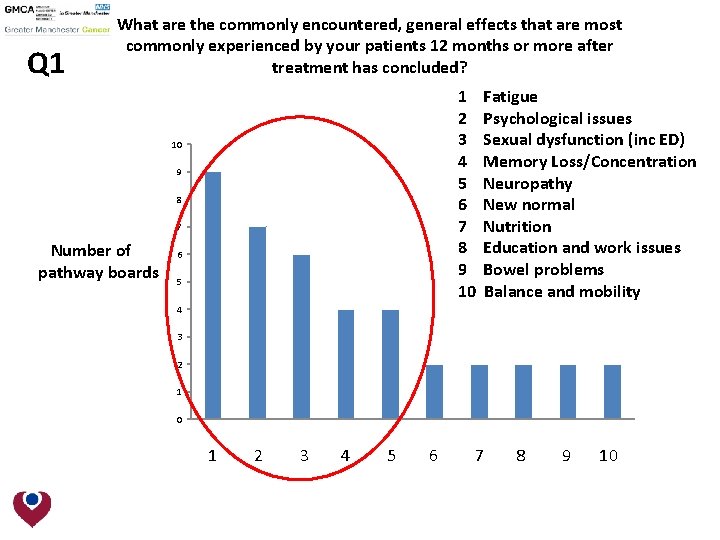
Q 1 What are the commonly encountered, general effects that are most commonly experienced by your patients 12 months or more after treatment has concluded? 10 9 8 Number of pathway boards 7 6 5 1 Fatigue 2 Psychological issues 3 Sexual dysfunction (inc ED) 4 Memory Loss/Concentration 5 Neuropathy 6 New normal 7 Nutrition 8 Education and work issues 9 Bowel problems 10 Balance and mobility 4 3 2 1 0 1 2 3 4 5 6 7 8 9 10
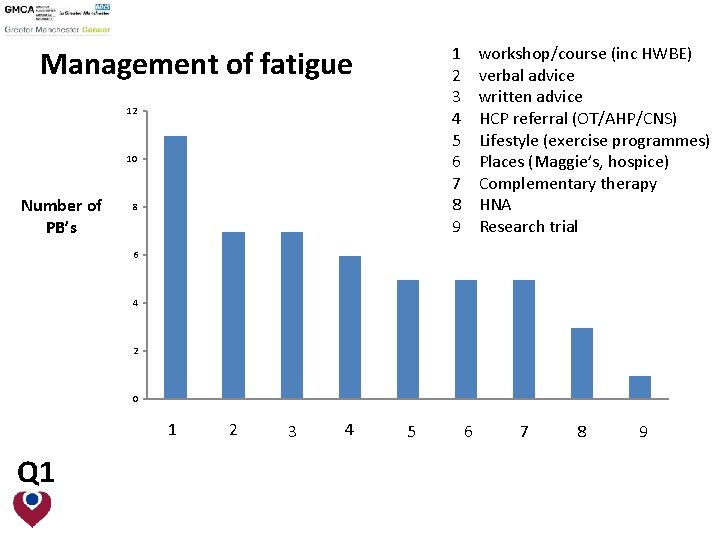
1 2 3 4 5 6 7 8 9 Management of fatigue 12 10 Number of PB’s 8 workshop/course (inc HWBE) verbal advice written advice HCP referral (OT/AHP/CNS) Lifestyle (exercise programmes) Places (Maggie’s, hospice) Complementary therapy HNA Research trial 6 4 2 0 1 Q 1 2 3 4 5 6 7 8 9
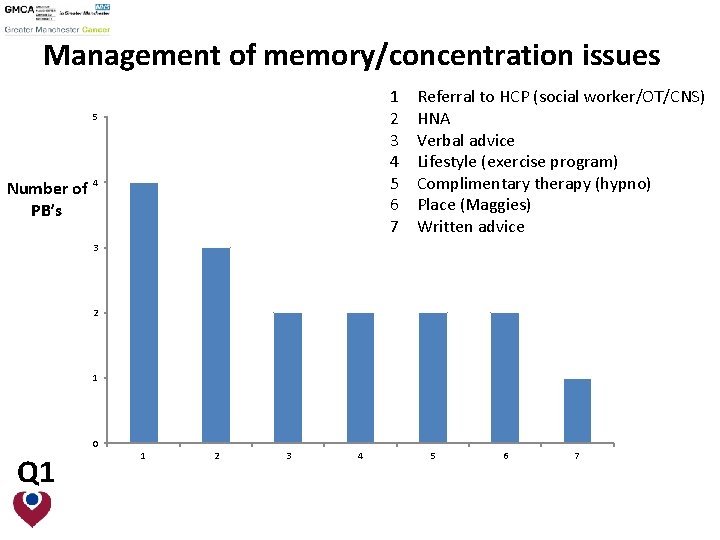
Management of memory/concentration issues 1 2 3 4 5 6 7 5 Number of PB’s 4 Referral to HCP (social worker/OT/CNS) HNA Verbal advice Lifestyle (exercise program) Complimentary therapy (hypno) Place (Maggies) Written advice 3 2 1 0 Q 1 1 2 3 4 5 6 7
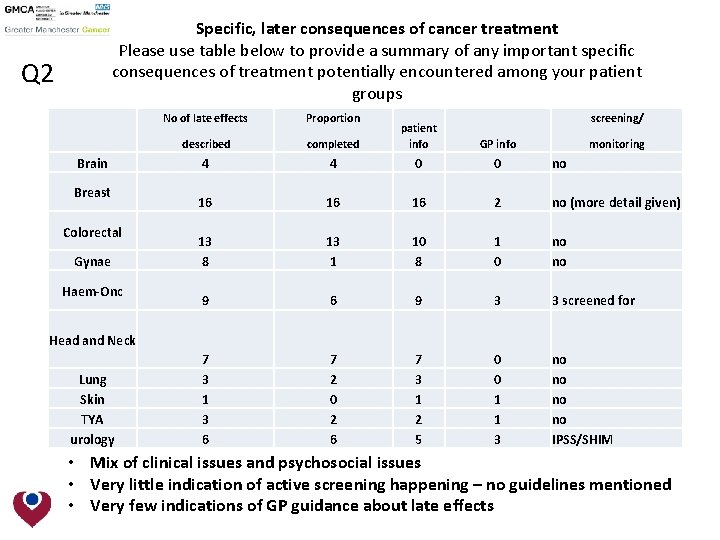
Specific, later consequences of cancer treatment Please use table below to provide a summary of any important specific consequences of treatment potentially encountered among your patient groups Q 2 Brain Breast Colorectal Gynae Haem-Onc No of late effects Proportion described screening/ completed patient info GP info 4 4 0 0 no 16 16 16 2 no (more detail given) 13 8 13 1 10 8 1 0 no no 9 6 9 3 3 screened for 7 3 1 3 6 7 2 0 2 6 7 3 1 2 5 0 0 1 1 3 no no IPSS/SHIM monitoring Head and Neck Lung Skin TYA urology • Mix of clinical issues and psychosocial issues • Very little indication of active screening happening – no guidelines mentioned • Very few indications of GP guidance about late effects
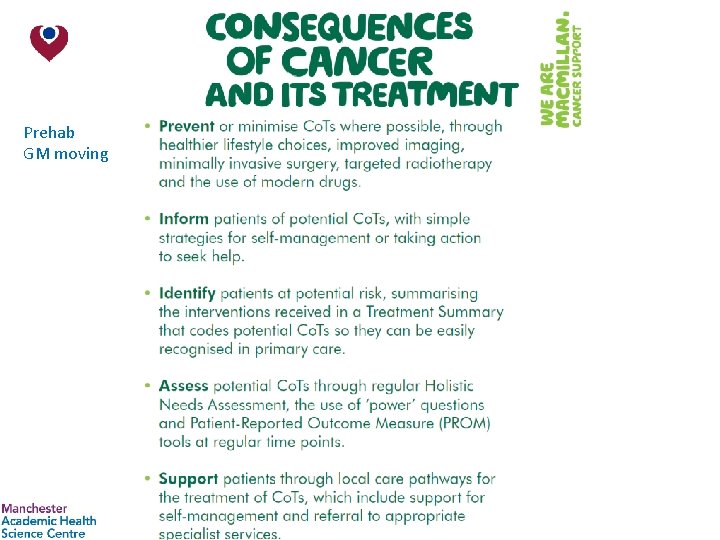
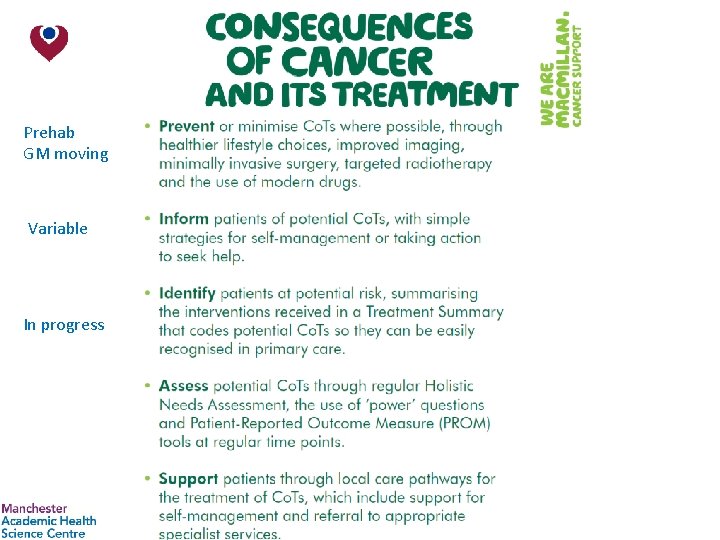
Prehab GM moving
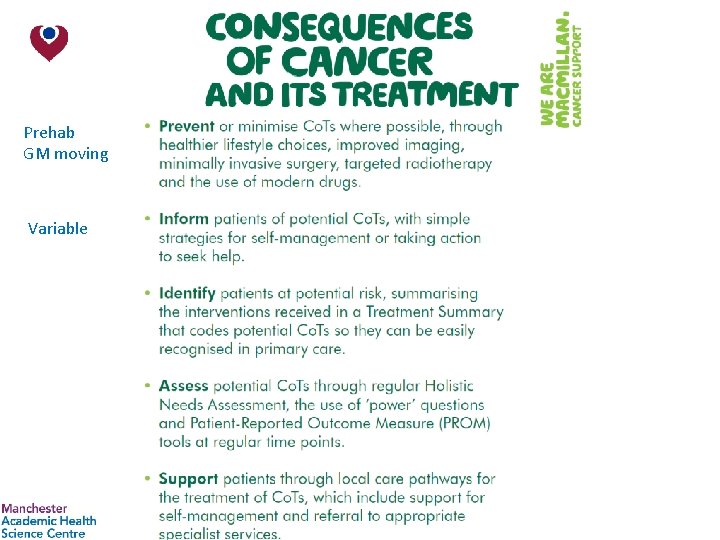
Prehab GM moving Variable
Prehab GM moving Variable In progress
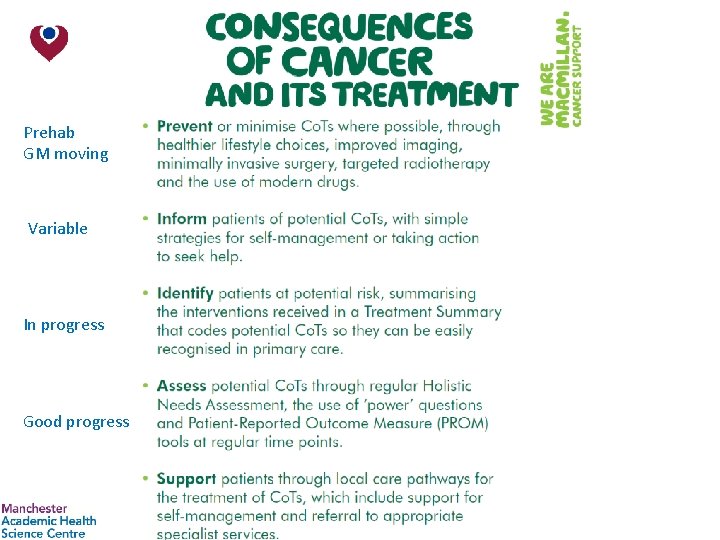
Prehab GM moving Variable In progress Good progress
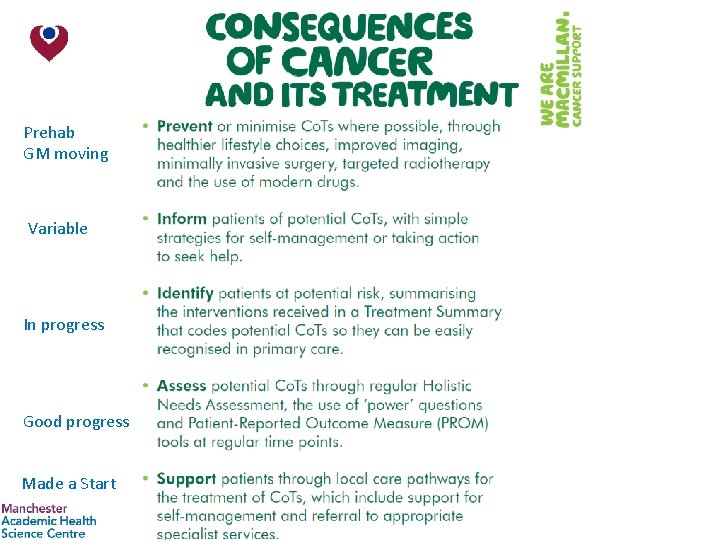
Prehab GM moving Variable In progress Good progress Made a Start
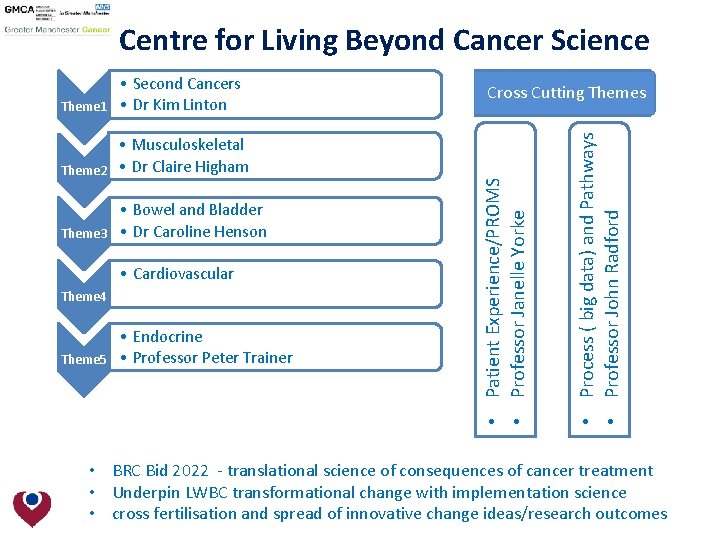
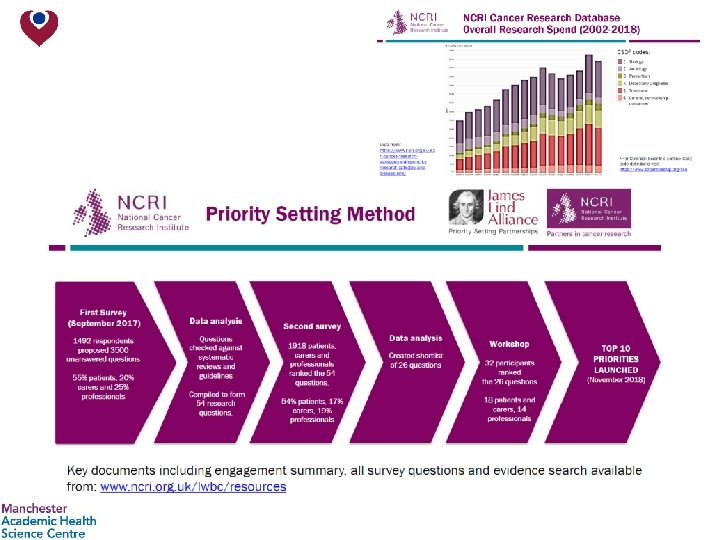
Centre for Living Beyond Cancer Science Theme 3 • Bowel and Bladder • Dr Caroline Henson • Cardiovascular Theme 4 Theme 5 • Endocrine • Professor Peter Trainer • Process ( big data) and Pathways • Professor John Radford Theme 2 • Musculoskeletal • Dr Claire Higham Cross Cutting Themes • Patient Experience/PROMS • Professor Janelle Yorke Theme 1 • Second Cancers • Dr Kim Linton • BRC Bid 2022 - translational science of consequences of cancer treatment • Underpin LWBC transformational change with implementation science • cross fertilisation and spread of innovative change ideas/research outcomes
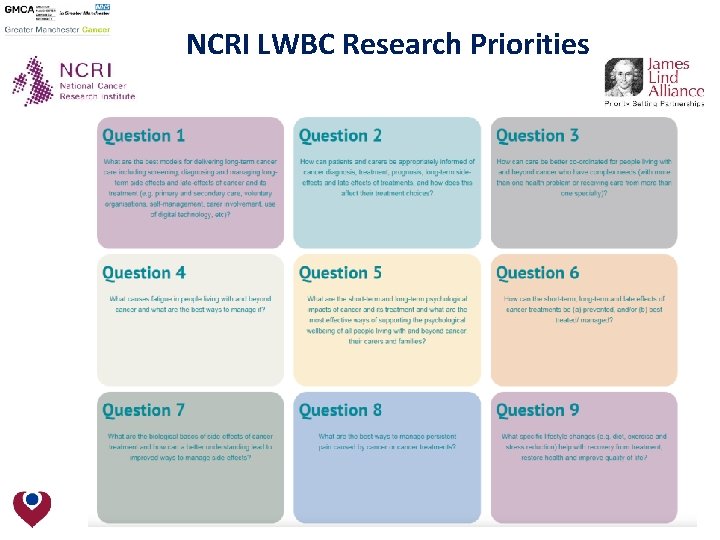
NCRI LWBC Research Priorities
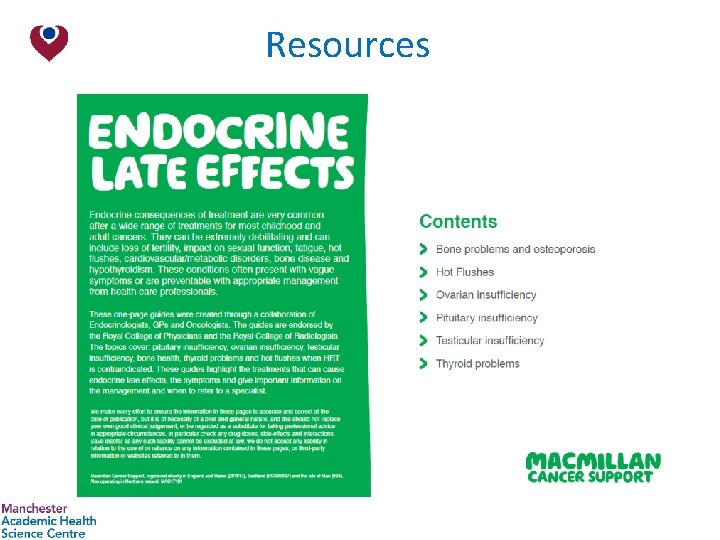
Resources
Summary and Discussion • Communication is crucial • Access to resources for patients and clinicians (IT/AI) • Predicting long term risk (eg CV disease, stroke, fracture) • Surveillance and screening protocols • Local clinical pathways for common long term effects • Empower patient and guided by PROMS • Research to guide best practice