
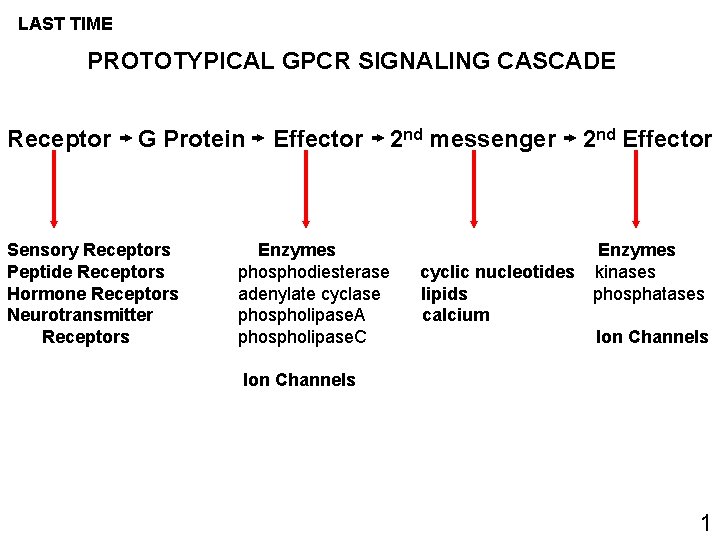
LAST TIME PROTOTYPICAL GPCR SIGNALING CASCADE Receptor G
- Slides: 18
LAST TIME PROTOTYPICAL GPCR SIGNALING CASCADE Receptor G Protein Sensory Receptors Peptide Receptors Hormone Receptors Neurotransmitter Receptors Effector 2 nd messenger Enzymes phosphodiesterase adenylate cyclase phospholipase. A phospholipase. C cyclic nucleotides lipids calcium 2 nd Effector Enzymes kinases phosphatases Ion Channels 1
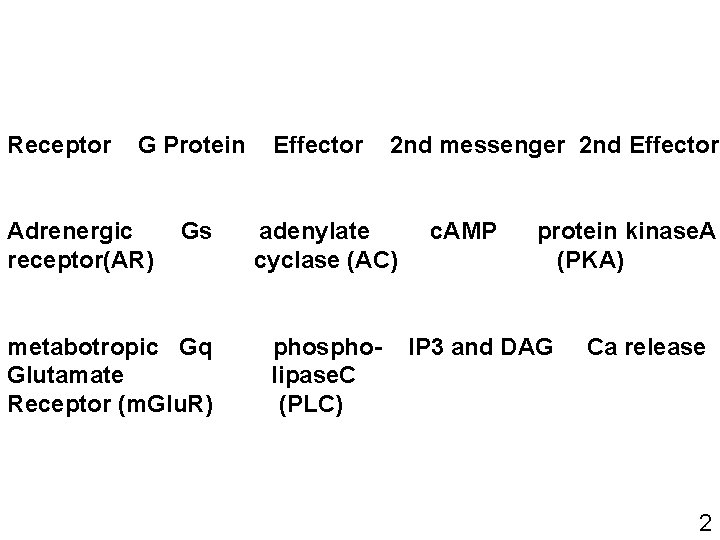
Receptor G Protein Adrenergic receptor(AR) Gs metabotropic Gq Glutamate Receptor (m. Glu. R) Effector 2 nd messenger 2 nd Effector adenylate cyclase (AC) phospholipase. C (PLC) c. AMP protein kinase. A (PKA) IP 3 and DAG Ca release 2
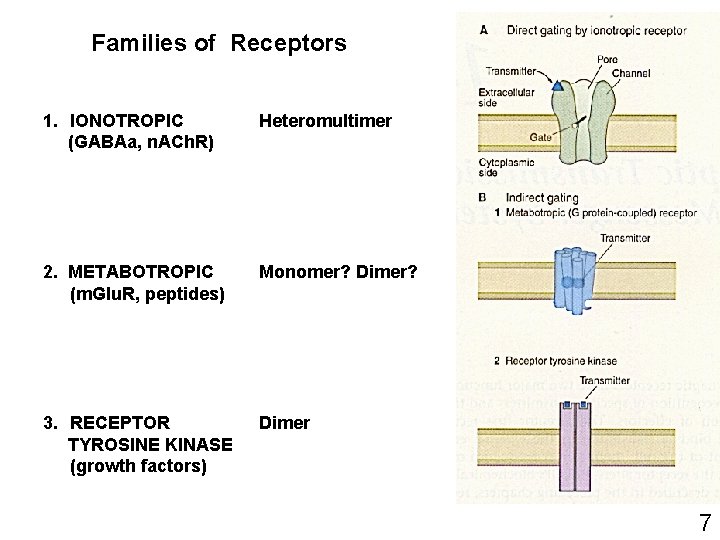
Families of Receptors 1. IONOTROPIC (GABAa, n. ACh. R) Heteromultimer 2. METABOTROPIC (m. Glu. R, peptides) Monomer? Dimer? 3. RECEPTOR TYROSINE KINASE (growth factors) Dimer 7
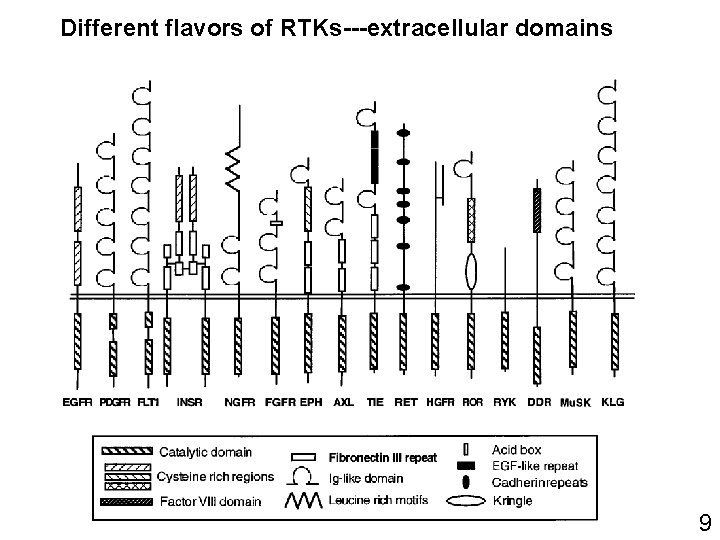
Different flavors of RTKs---extracellular domains 9
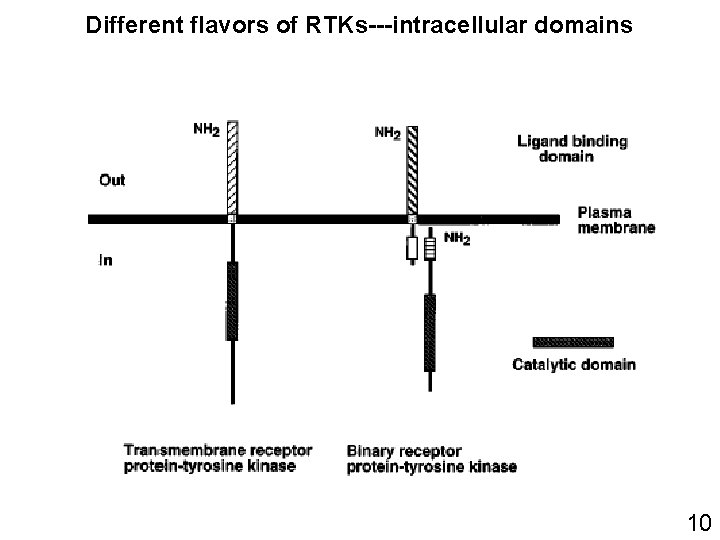
Different flavors of RTKs---intracellular domains 10
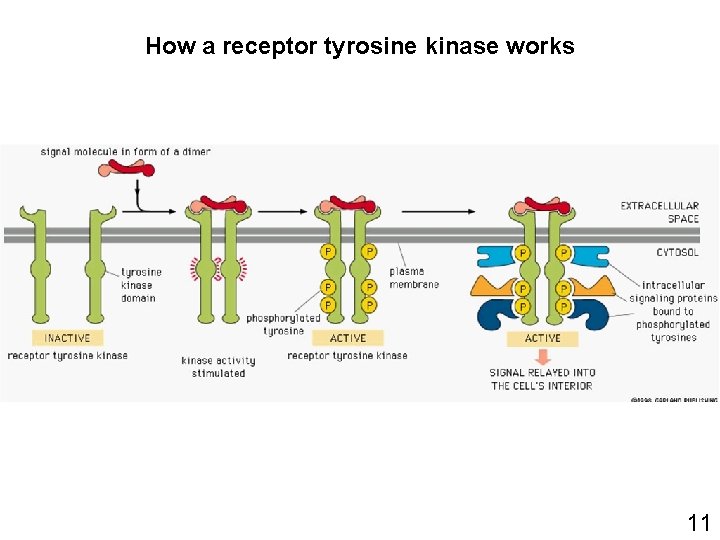
How a receptor tyrosine kinase works 11
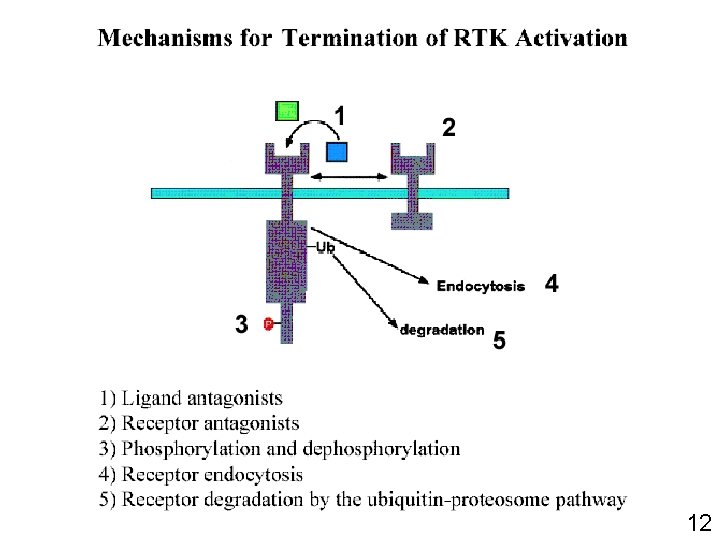
12
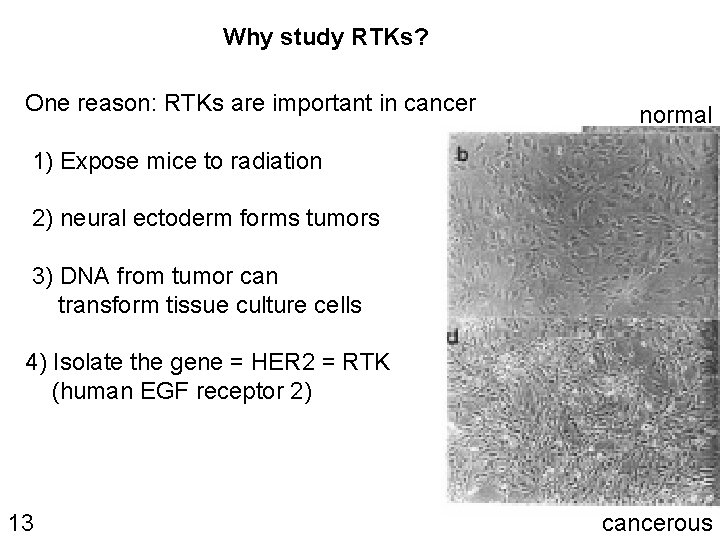
Why study RTKs? One reason: RTKs are important in cancer normal 1) Expose mice to radiation 2) neural ectoderm forms tumors 3) DNA from tumor can transform tissue culture cells 4) Isolate the gene = HER 2 = RTK (human EGF receptor 2) 13 cancerous
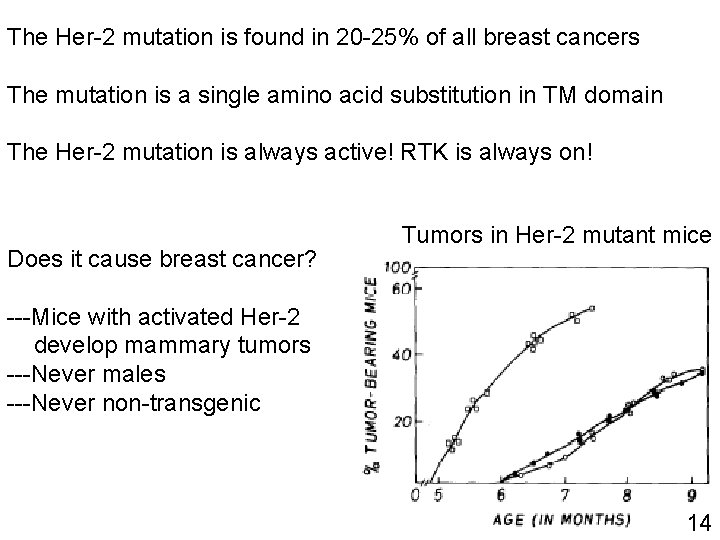
The Her-2 mutation is found in 20 -25% of all breast cancers The mutation is a single amino acid substitution in TM domain The Her-2 mutation is always active! RTK is always on! Does it cause breast cancer? Tumors in Her-2 mutant mice ---Mice with activated Her-2 develop mammary tumors ---Never males ---Never non-transgenic 14
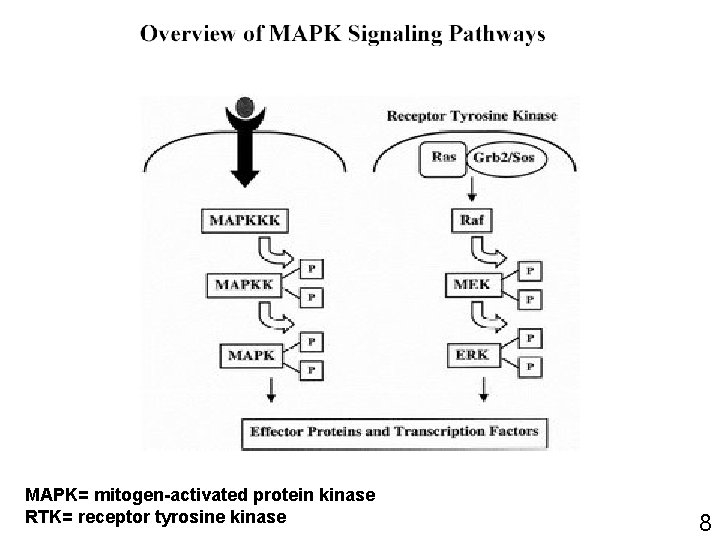
MAPK= mitogen-activated protein kinase RTK= receptor tyrosine kinase 8
16
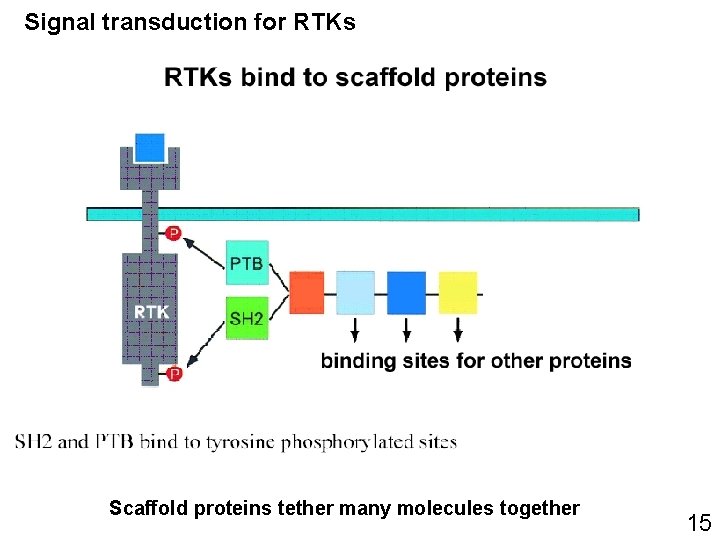
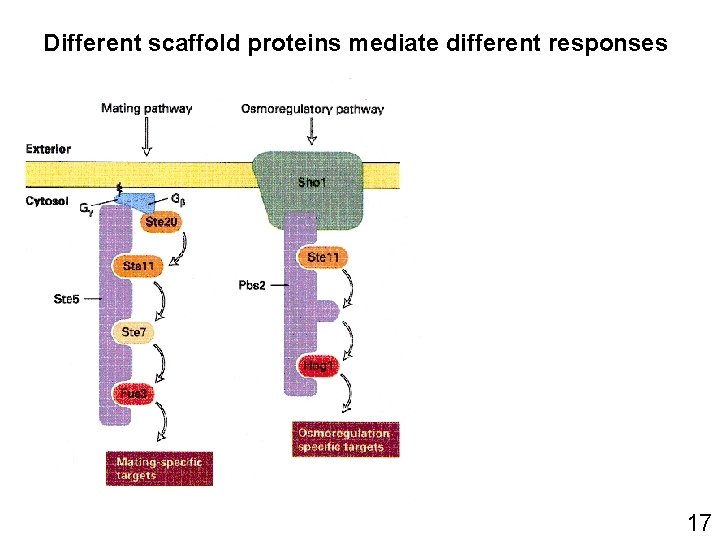
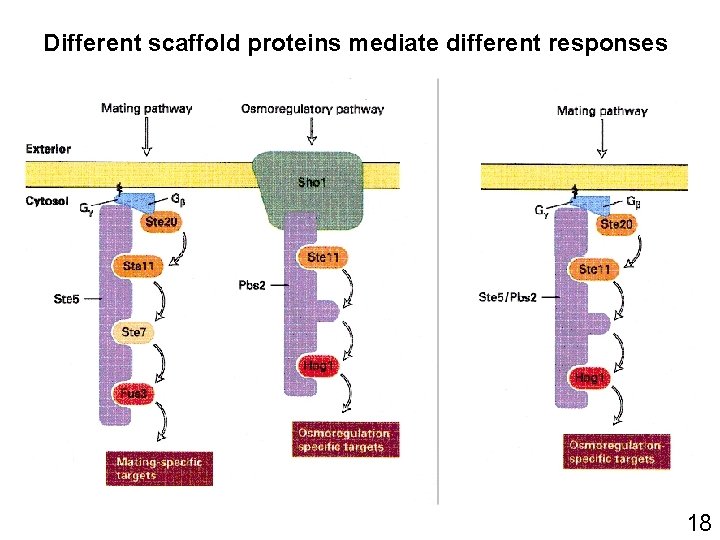
Signal transduction for RTKs Scaffold proteins tether many molecules together 15
Different scaffold proteins mediate different responses 17
Different scaffold proteins mediate different responses 18
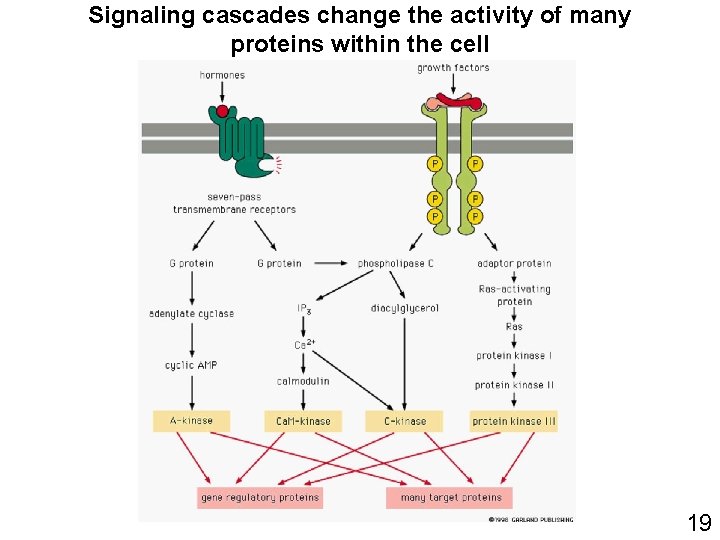
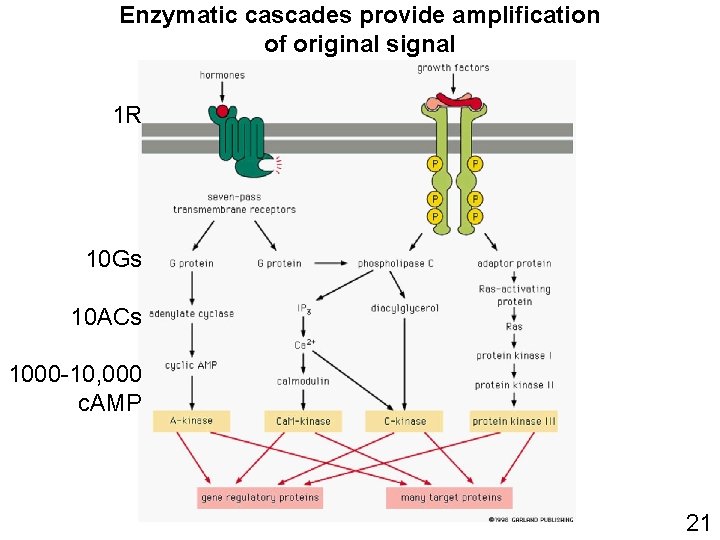
Signaling cascades change the activity of many proteins within the cell 19
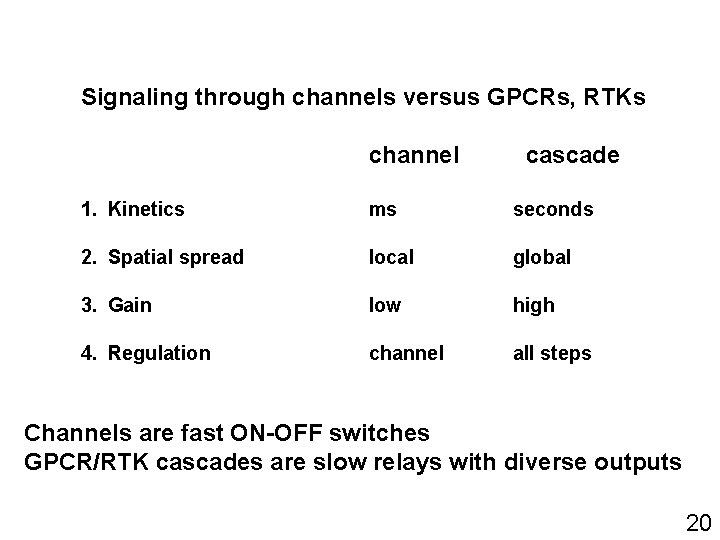
Signaling through channels versus GPCRs, RTKs channel cascade 1. Kinetics ms seconds 2. Spatial spread local global 3. Gain low high 4. Regulation channel all steps Channels are fast ON-OFF switches GPCR/RTK cascades are slow relays with diverse outputs 20
Enzymatic cascades provide amplification of original signal 1 R 10 Gs 10 ACs 1000 -10, 000 c. AMP 21
How do signaling cascades affect neural activity? Regulation of ion channel activity – through 2 nd messengers – through G proteins – through transcriptional activation 22