
Language development and science education for deaf children
![Deaf children education in Brazil [History] 1855 - First school for deaf students ●](https://slidetodoc.com/presentation_image_h/0aeb4d3e4fd1a75dc8fcbca207d10cb2/image-2.jpg "Deaf children education in Brazil [History] 1855 - First school for deaf students ●")
![Deaf children education in Brazil [History] 1980 - Bilingualism discussion in international level ●](https://slidetodoc.com/presentation_image_h/0aeb4d3e4fd1a75dc8fcbca207d10cb2/image-3.jpg "Deaf children education in Brazil [History] 1980 - Bilingualism discussion in international level ●")
![Deaf children education in Brazil [Context] - 5, 7 Mi deaf and hearing impaired](https://slidetodoc.com/presentation_image_h/0aeb4d3e4fd1a75dc8fcbca207d10cb2/image-4.jpg "Deaf children education in Brazil [Context] - 5, 7 Mi deaf and hearing impaired")
- Slides: 12
Language development and science education for deaf children Jucivagno Cambuhy, André Rodrigues* and Cristiano Mattos
Deaf children education in Brazil [History] 1855 - First school for deaf students ● ● based on French Sign Language teach using signs 1880 - Second International Congress on Education of the Deaf (Milan) ● Oral oriented education ● Stop using sign language From 1911 to 1970 - Oral predominance (Oralism) 1970 - Total communication theory ● A number of modes of communication such as , oral, auditory, written and visual aids
Deaf children education in Brazil [History] 1980 - Bilingualism discussion in international level ● Association of Sign Language and Written Portuguese 1994 - The Salamanca statement and framework for action ● All students in the regular schools ● How to include? 2002 - Brazilian Sign Language (LIBRAS) Official policy ● Brazilian official second language (recognition) 2005 - Include LIBRAS in Teacher Education Programs (Official policy) 2009 - LIBRAS interpreter professional regulation
Deaf children education in Brazil [Context] - 5, 7 Mi deaf and hearing impaired students -74. 547 in middle and high school -4. 485 in elementary -370 professional education -51330 middle school -8. 751 high school -9. 611 (EJA) -5. 660 in universities and colleges 148 Deaf Blind students in universities 30 % deaf and hearing impaired students aren´t literacy 480 mil - in SP 150 mil in São Paulo city
The problem -How to include students in Science Classes? -Three ways : Inclusion, School for special needs and bilingual schools (São Paulo city has 6 public schools, and four private school ) -Libras does not have specific signs for many concepts (scientific concepts)
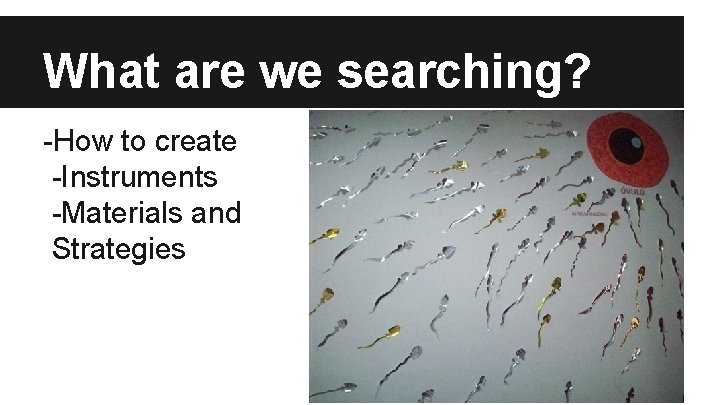
What are we searching? -How to create -Instruments -Materials and Strategies
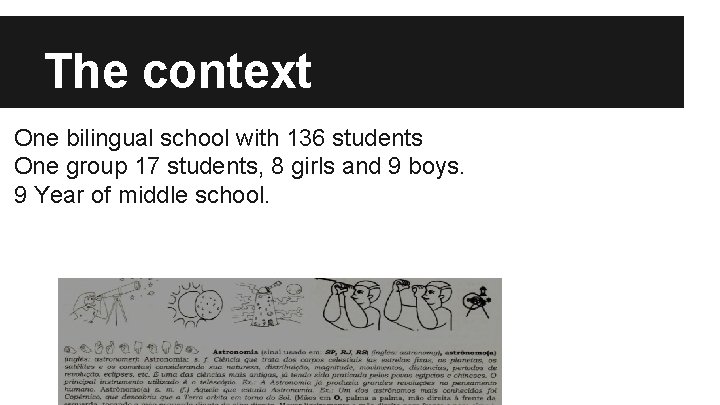
The context One bilingual school with 136 students One group 17 students, 8 girls and 9 boys. 9 Year of middle school.
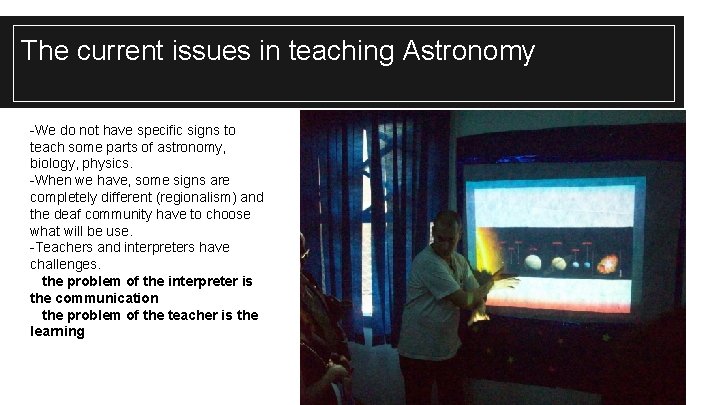
The current issues in teaching Astronomy -We do not have specific signs to teach some parts of astronomy, biology, physics. -When we have, some signs are completely different (regionalism) and the deaf community have to choose what will be use. -Teachers and interpreters have challenges. the problem of the interpreter is the communication the problem of the teacher is the learning
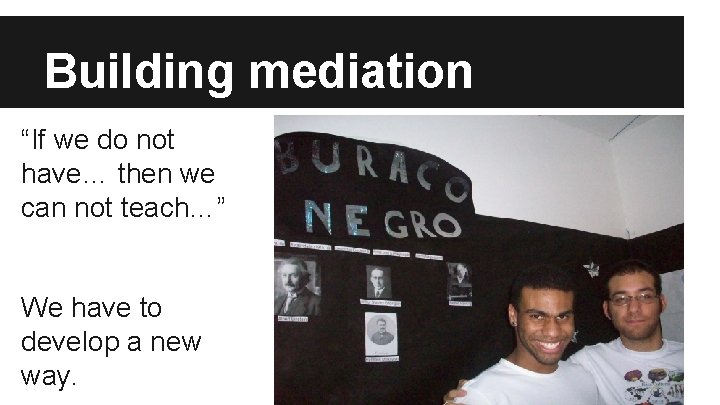
Building mediation “If we do not have… then we can not teach…” We have to develop a new way.
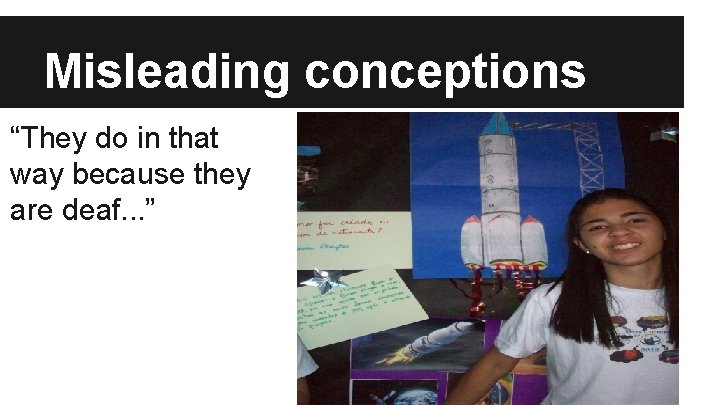
Misleading conceptions “They do in that way because they are deaf. . . ”
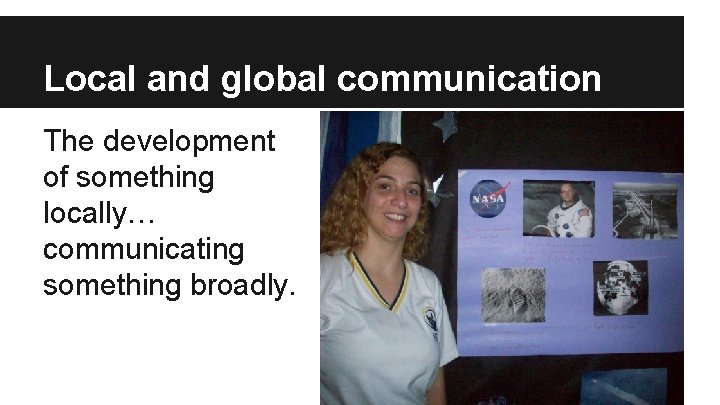
Local and global communication The development of something locally… communicating something broadly.
Thank you !