
Language and Writing Koine Greek Writing Systems Cuneiform
![Local (epichoric) Alphabets The red areas use Φ for [pʰ], Χ for [ks] and](https://slidetodoc.com/presentation_image_h2/876c8b7680be243cf935916ee58208cb/image-7.jpg "Local (epichoric) Alphabets The red areas use Φ for [pʰ], Χ for [ks] and")
- Slides: 23
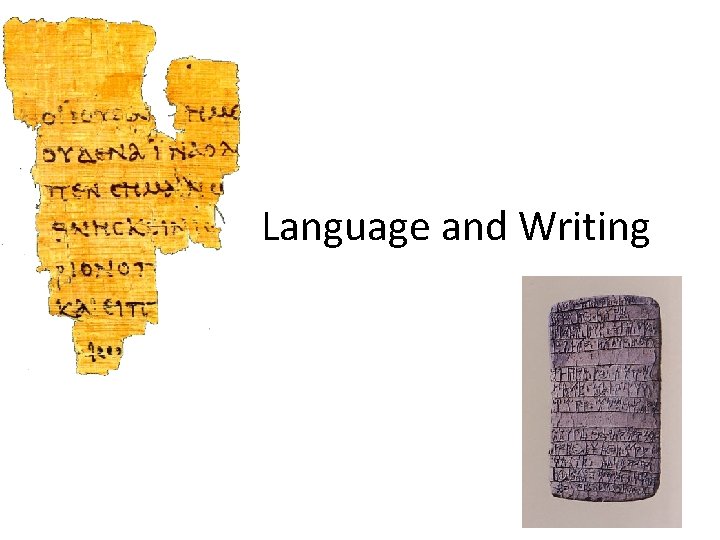
Language and Writing
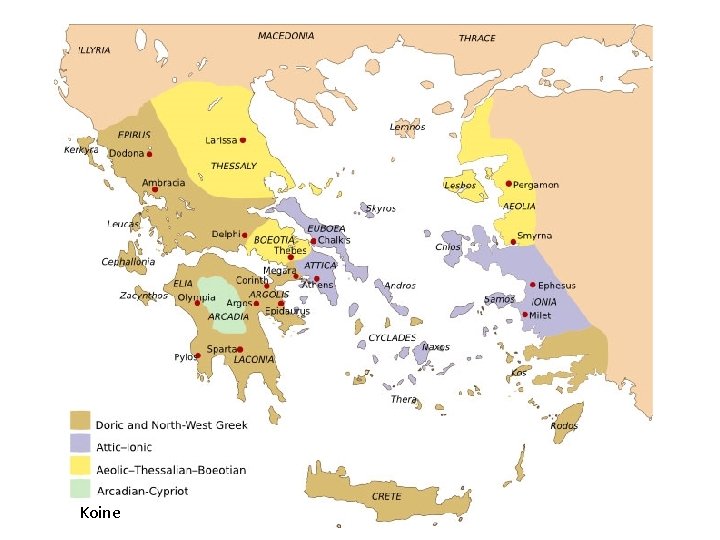
Koine
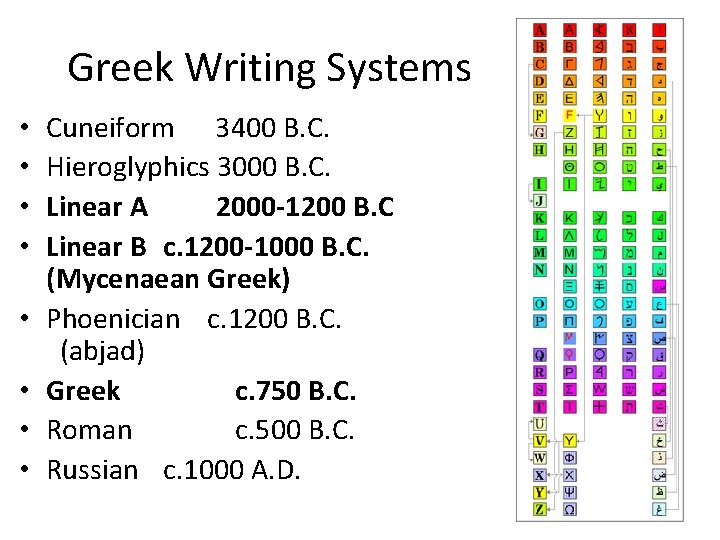
Greek Writing Systems • • Cuneiform 3400 B. C. Hieroglyphics 3000 B. C. Linear A 2000 -1200 B. C Linear B c. 1200 -1000 B. C. (Mycenaean Greek) Phoenician c. 1200 B. C. (abjad) Greek c. 750 B. C. Roman c. 500 B. C. Russian c. 1000 A. D.
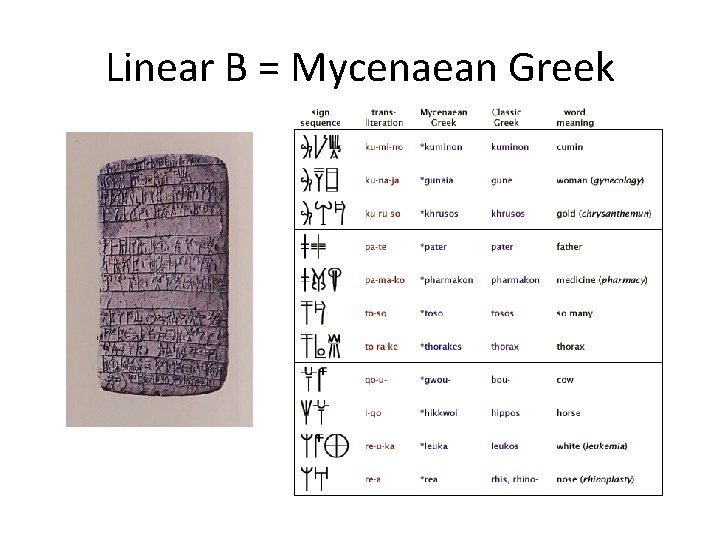
Linear B = Mycenaean Greek
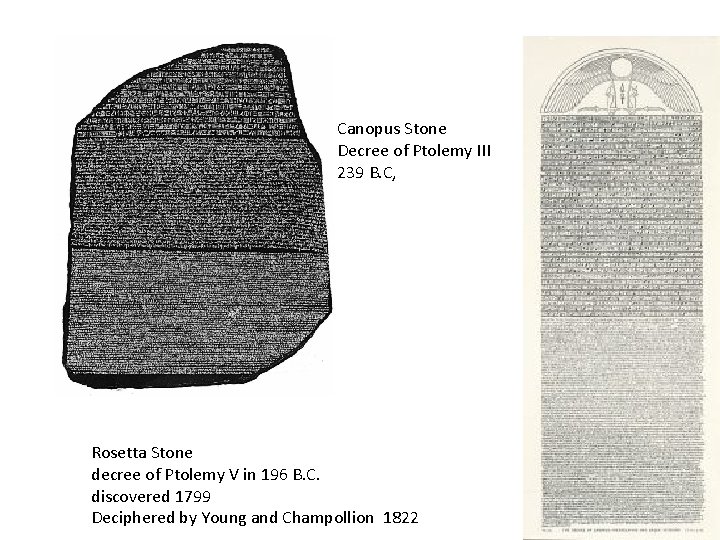
Canopus Stone Decree of Ptolemy III 239 B. C, Rosetta Stone decree of Ptolemy V in 196 B. C. discovered 1799 Deciphered by Young and Champollion 1822
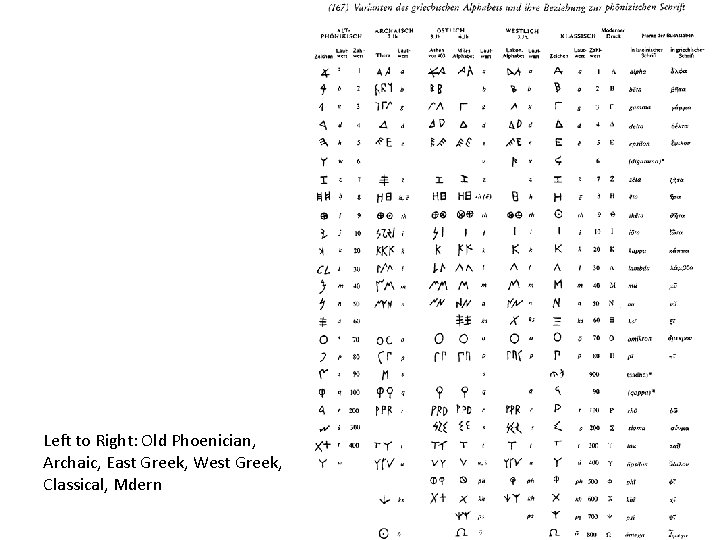
: Left to Right: Old Phoenician, Archaic, East Greek, West Greek, Classical, Mdern
Local (epichoric) Alphabets The red areas use Φ for [pʰ], Χ for [ks] and Ψ for [kʰ] The blue areas have Φ for [pʰ] and Χ for [kʰ]. A dark blue subgroup (Corinth and Rhodos) also having Ψ for [ps].
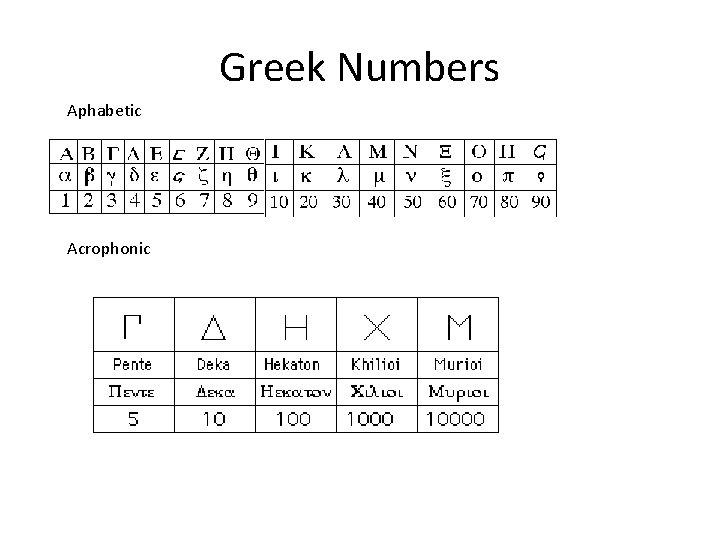
Greek Numbers Aphabetic Acrophonic
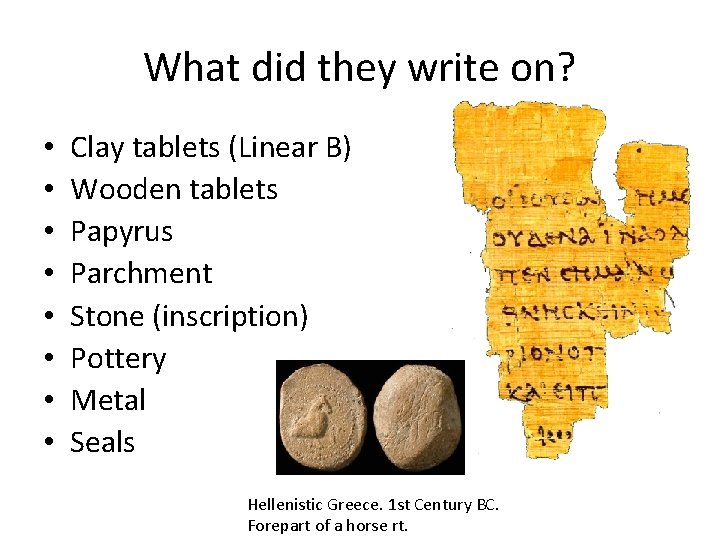
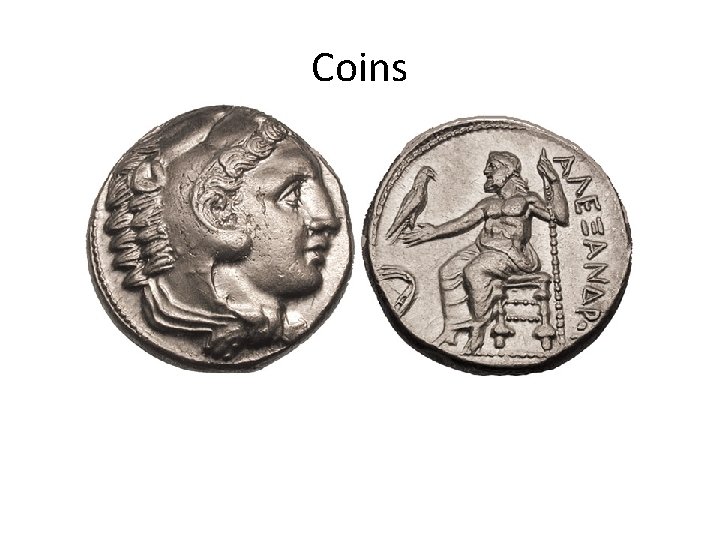
What did they write on? • • Clay tablets (Linear B) Wooden tablets Papyrus Parchment Stone (inscription) Pottery Metal Seals Hellenistic Greece. 1 st Century BC. Forepart of a horse rt.
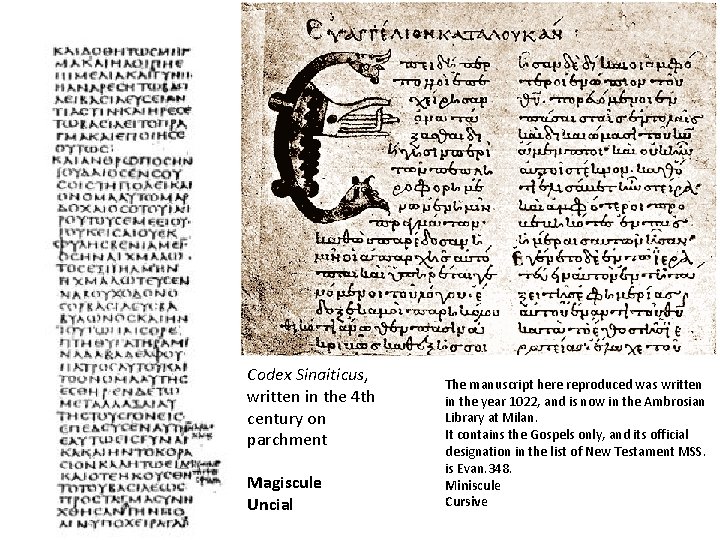
Codex Sinaiticus, written in the 4 th century on parchment Magiscule Uncial The manuscript here reproduced was written in the year 1022, and is now in the Ambrosian Library at Milan. It contains the Gospels only, and its official designation in the list of New Testament MSS. is Evan. 348. Miniscule Cursive
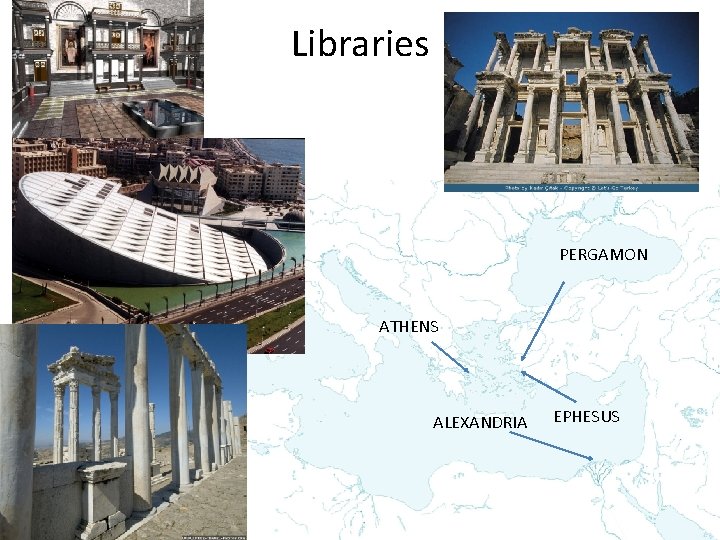
Libraries PERGAMON ATHENS ALEXANDRIA EPHESUS
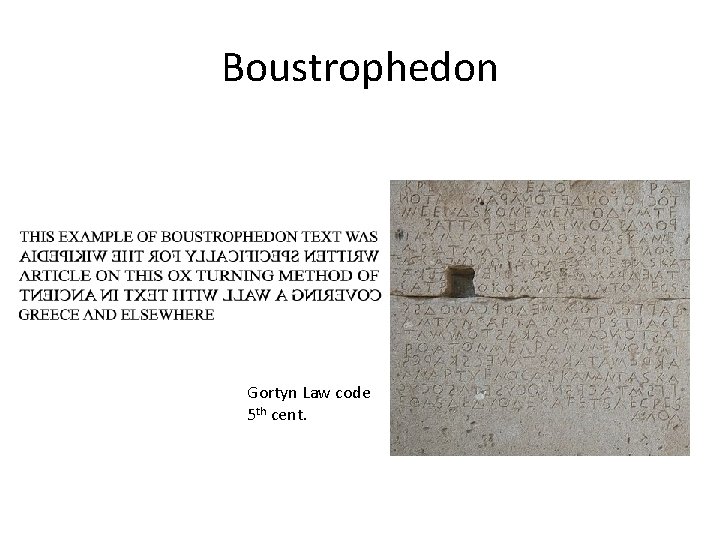
Boustrophedon Gortyn Law code 5 th cent.
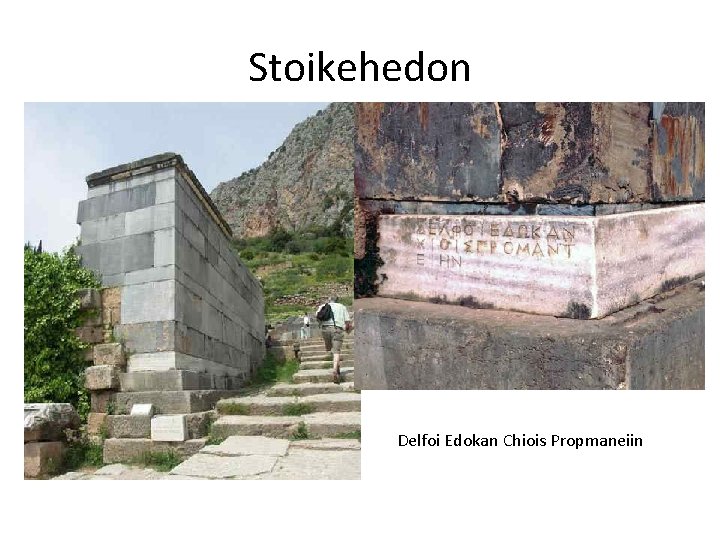
Stoikehedon Delfoi Edokan Chiois Propmaneiin
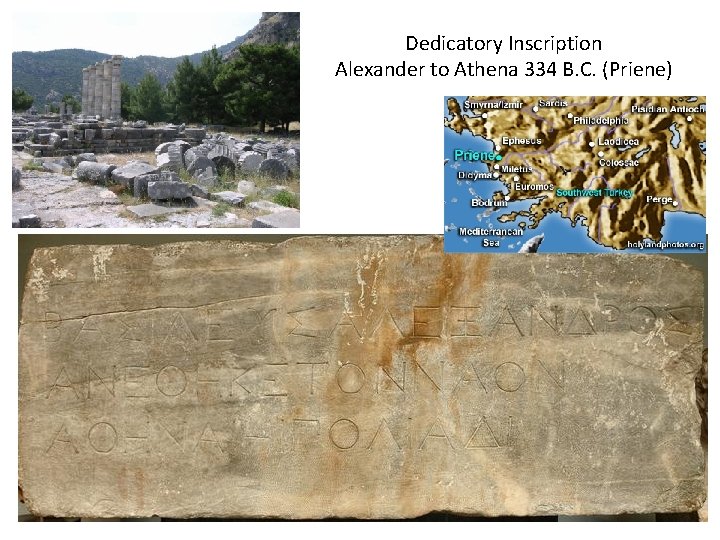
Dedicatory Inscription Alexander to Athena 334 B. C. (Priene)
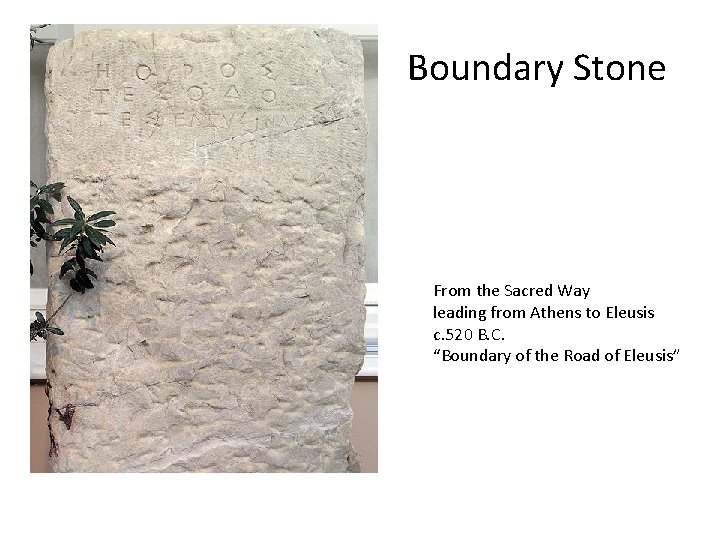
Boundary Stone From the Sacred Way leading from Athens to Eleusis c. 520 B. C. “Boundary of the Road of Eleusis”
Coins
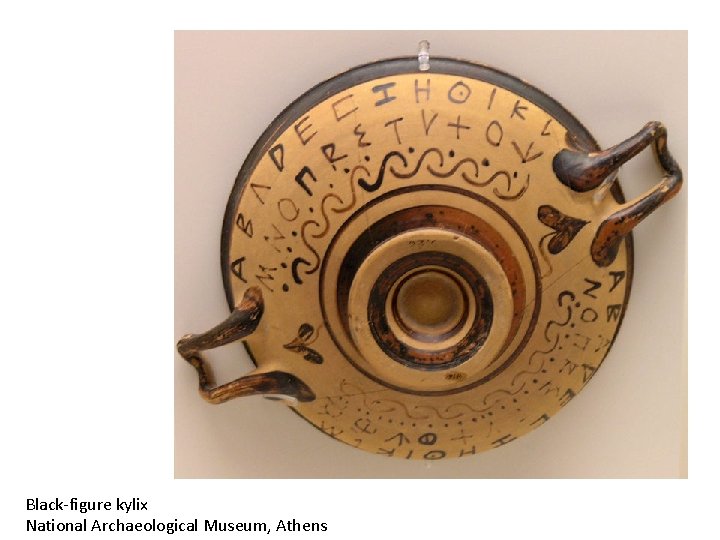
Black-figure kylix National Archaeological Museum, Athens
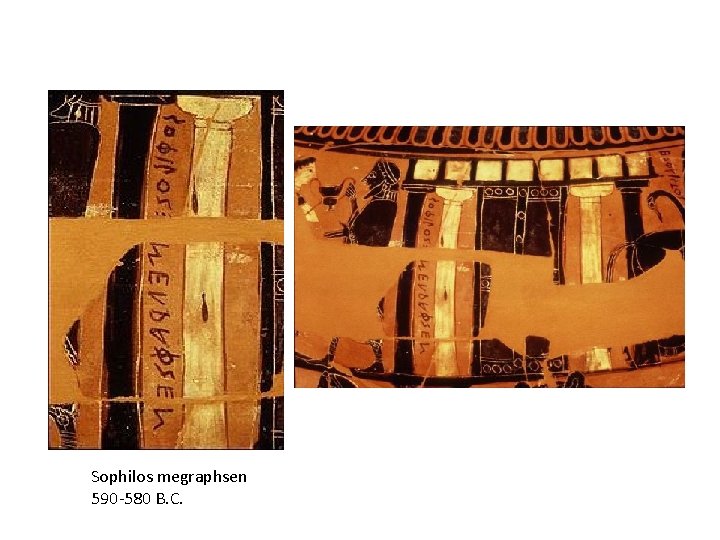
Sophilos megraphsen 590 -580 B. C.
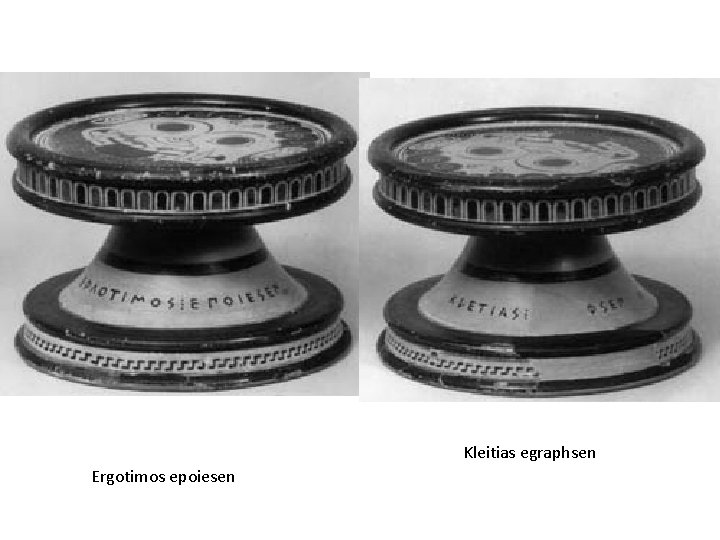
Kleitias egraphsen Ergotimos epoiesen
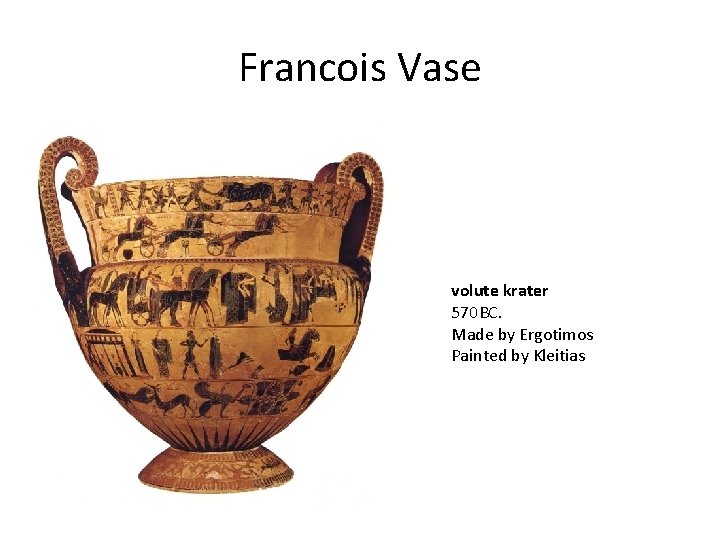
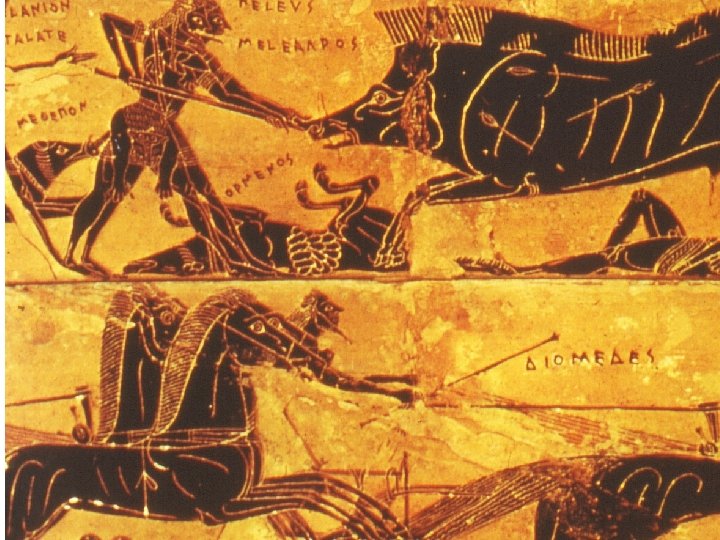
Francois Vase volute krater 570 BC. Made by Ergotimos Painted by Kleitias
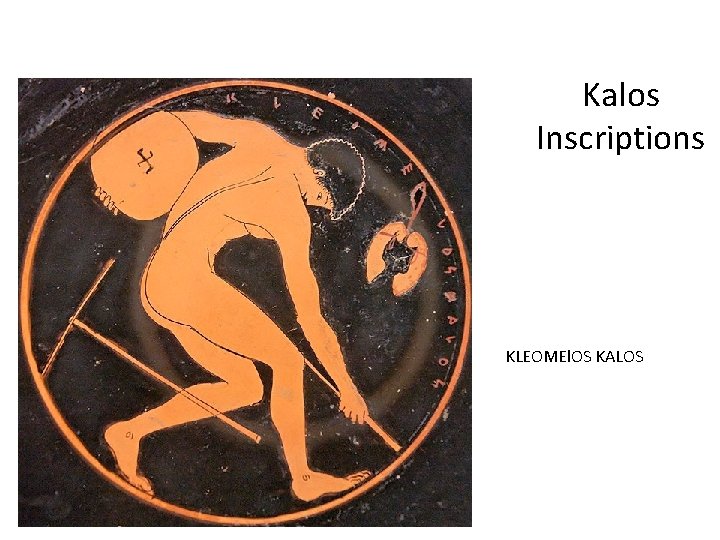
Kalos Inscriptions KLEOMEl. OS KALOS
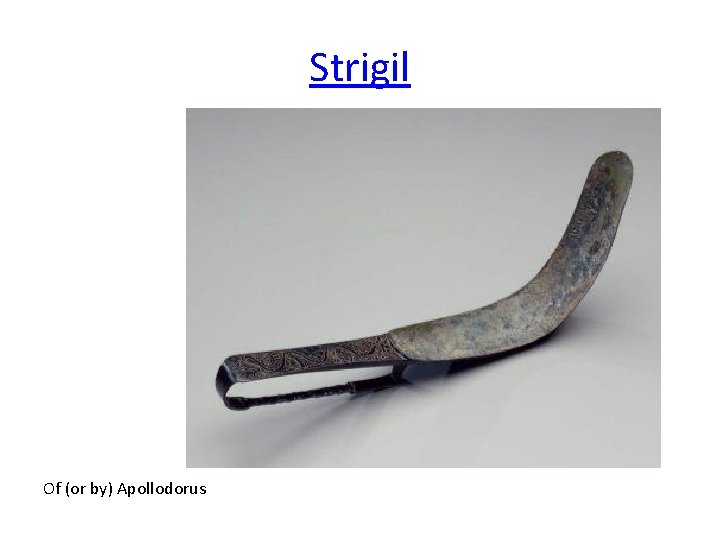
Strigil Of (or by) Apollodorus