
Laminated Root Rot in the Southern Interior Phellinus


- Slides: 29
Laminated Root Rot in the Southern Interior
Phellinus weirii (Douglas-fir type) or Inonotus sulphurascens
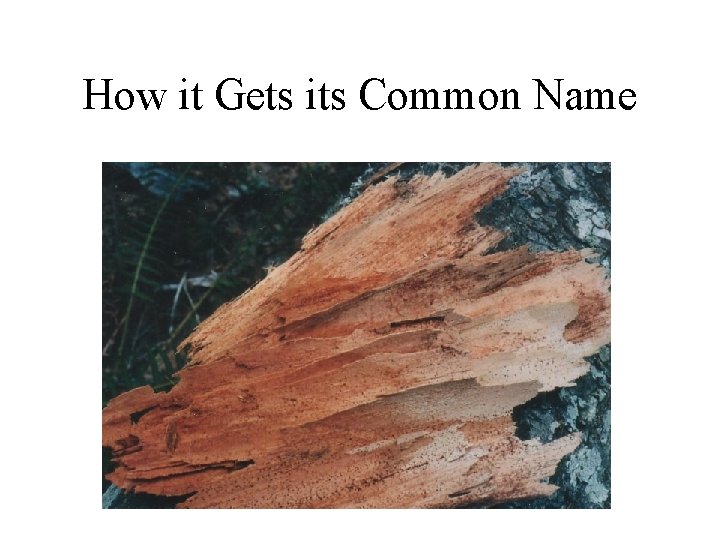
How it Gets its Common Name
What is it? • Fungus that grows on the roots of conifers • Spreads by root to root contact • Survives for long periods in stumps • Losses in BC estimated at over 1 million m 3/yr. (40, 000 houses)
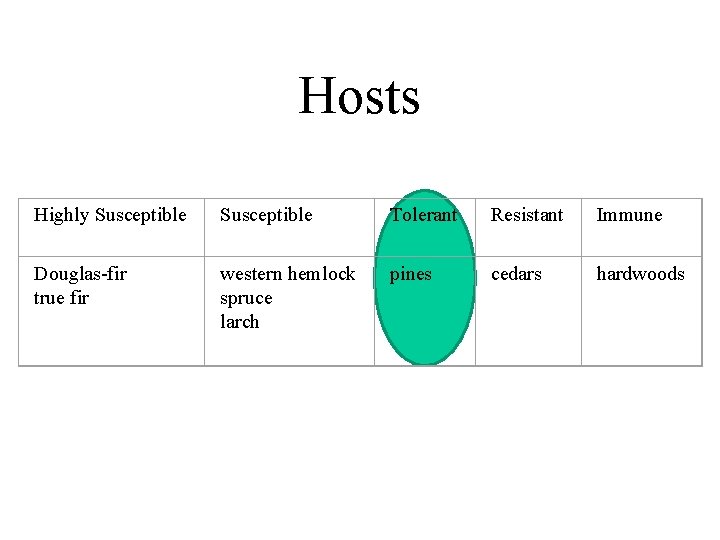
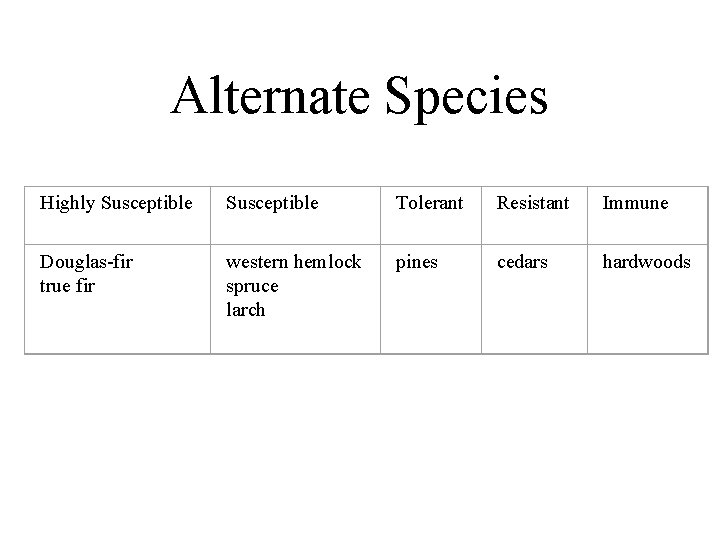
Hosts Highly Susceptible Tolerant Resistant Immune Douglas-fir true fir western hemlock spruce larch pines cedars hardwoods
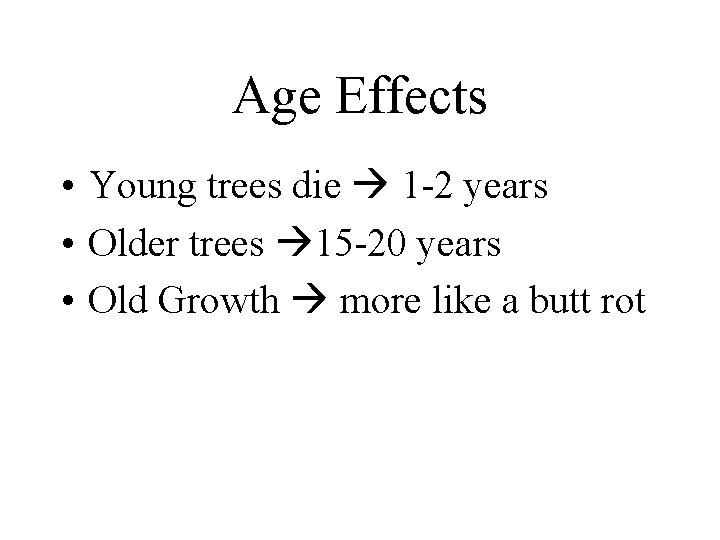
Age Effects • Young trees die 1 -2 years • Older trees 15 -20 years • Old Growth more like a butt rot
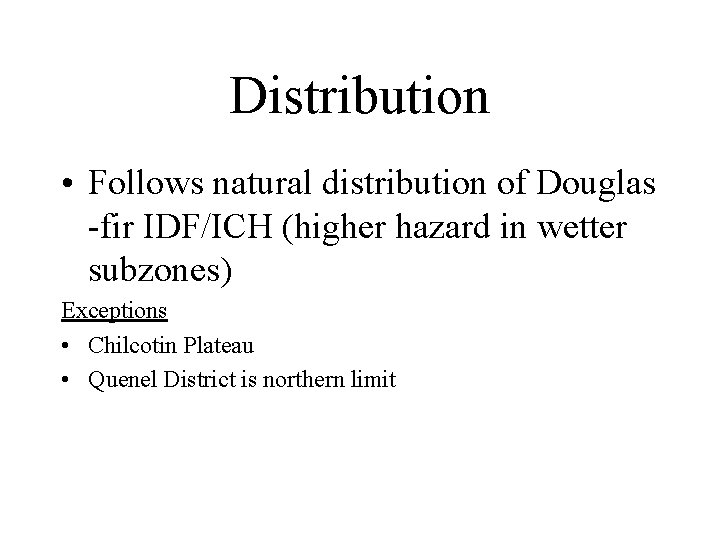
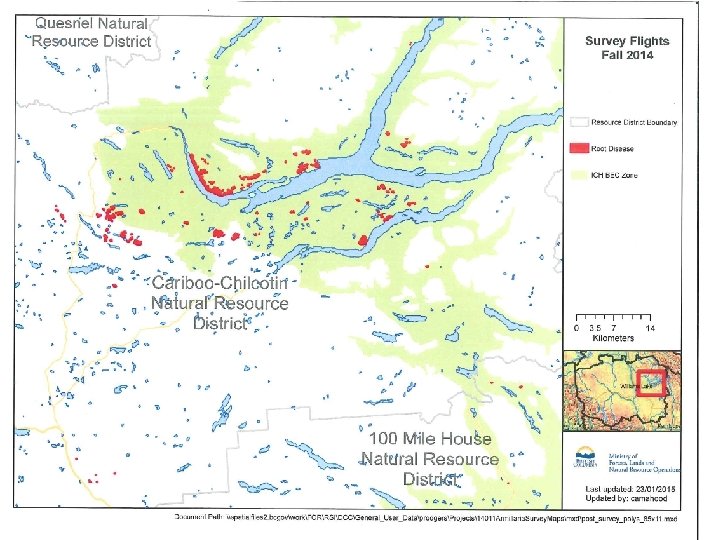
Distribution • Follows natural distribution of Douglas -fir IDF/ICH (higher hazard in wetter subzones) Exceptions • Chilcotin Plateau • Quenel District is northern limit
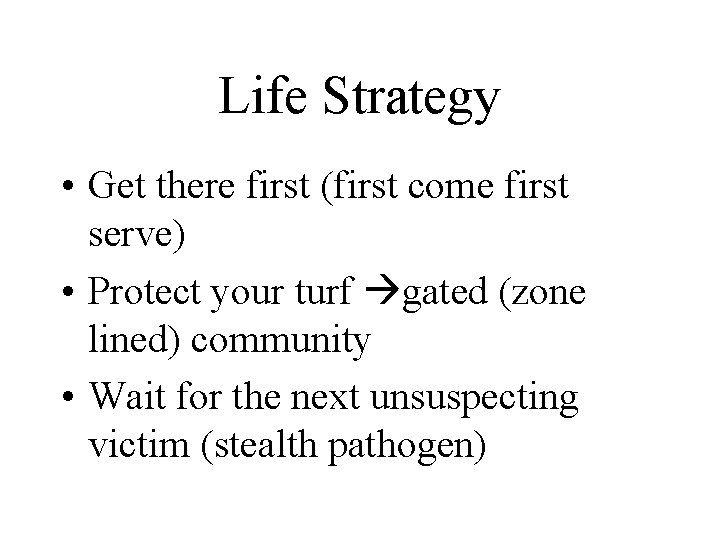
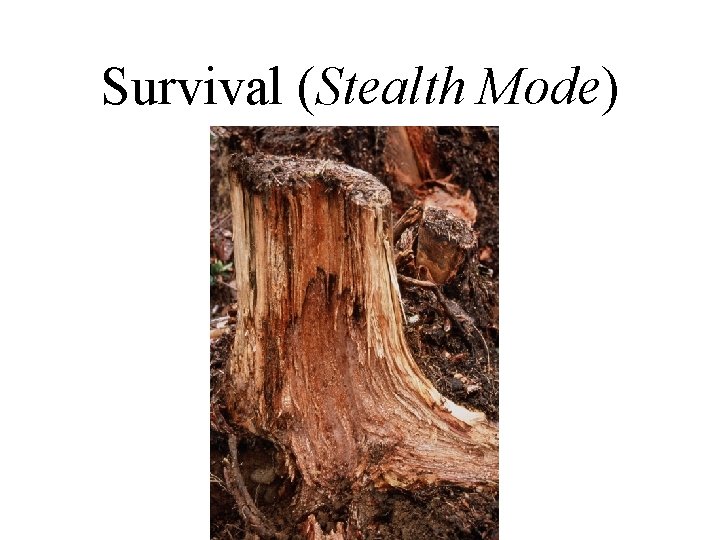
Life Strategy • Get there first (first come first serve) • Protect your turf gated (zone lined) community • Wait for the next unsuspecting victim (stealth pathogen)
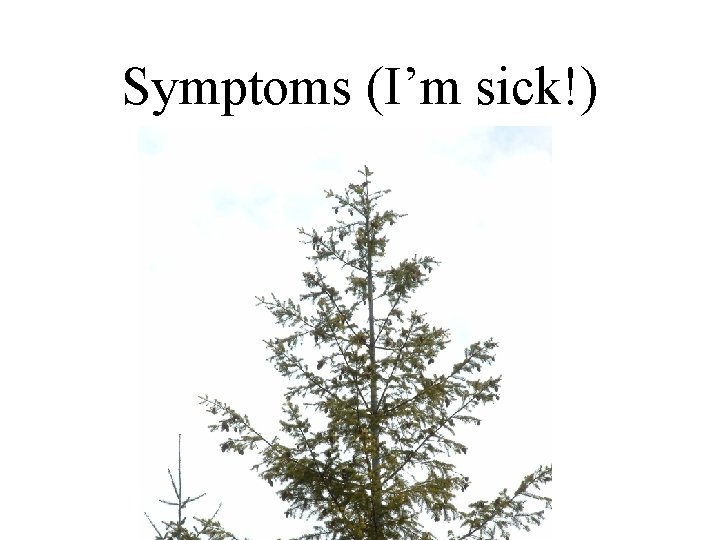
Symptoms (I’m sick!)
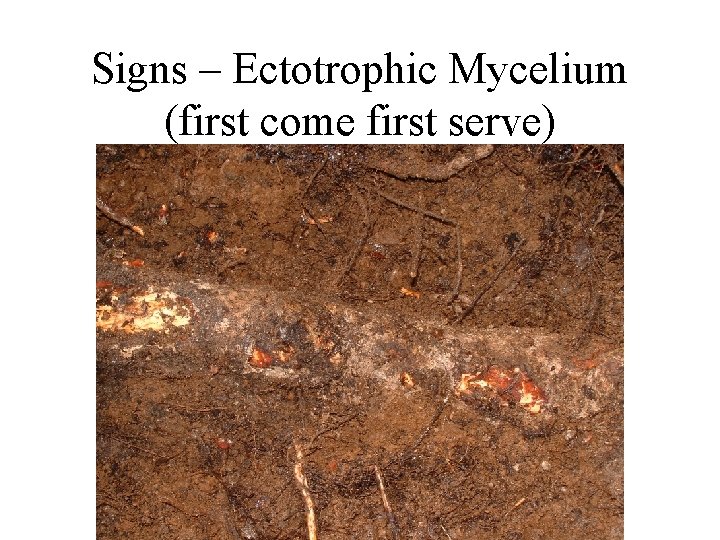
Signs – Ectotrophic Mycelium (first come first serve)
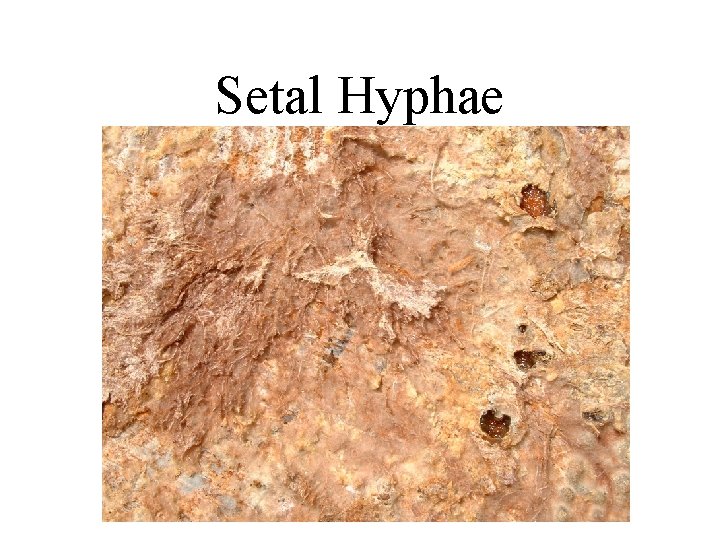
Setal Hyphae
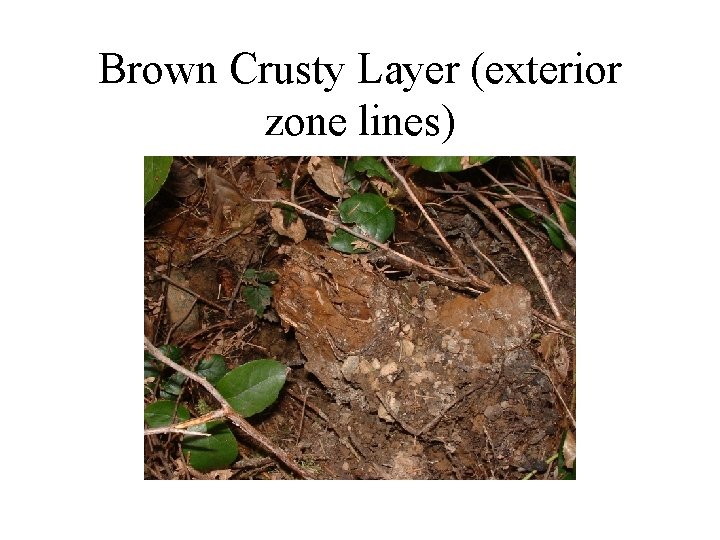
Brown Crusty Layer (exterior zone lines)
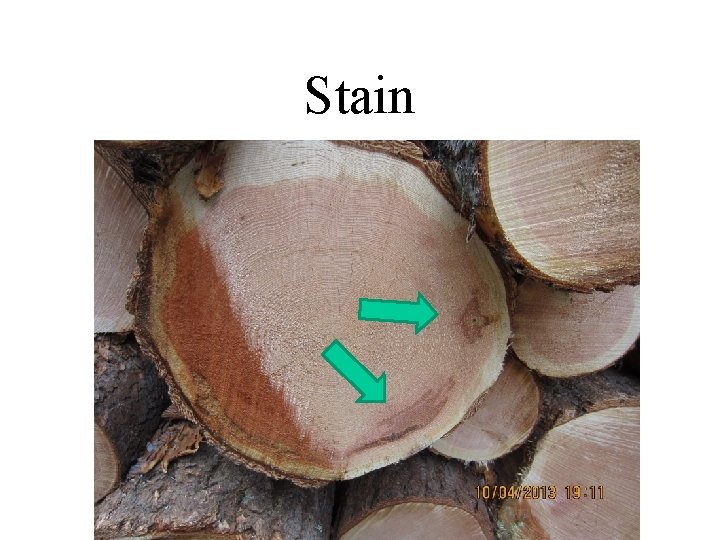
Stain
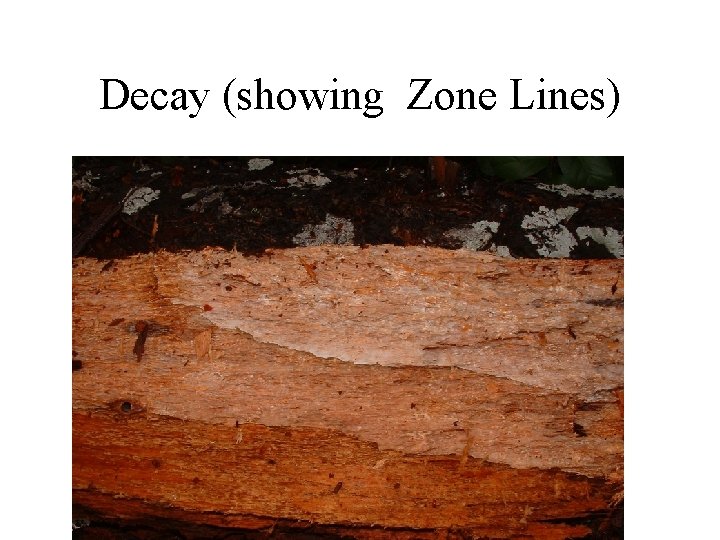
Decay (showing Zone Lines)
Survival (Stealth Mode)
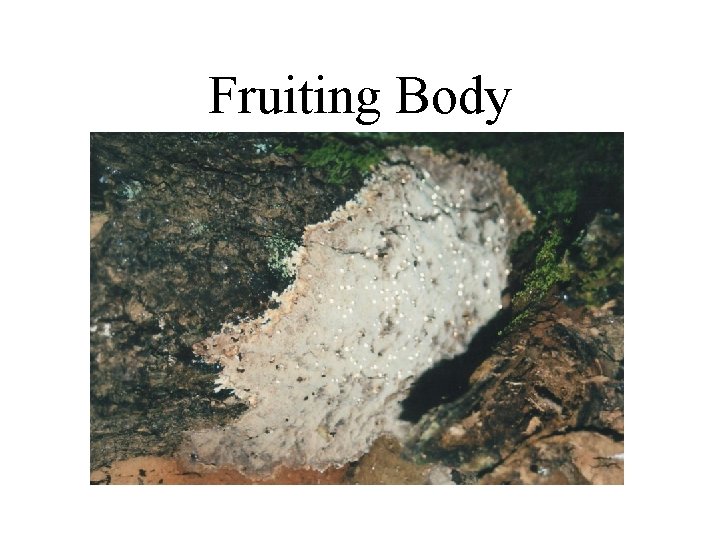
Fruiting Body
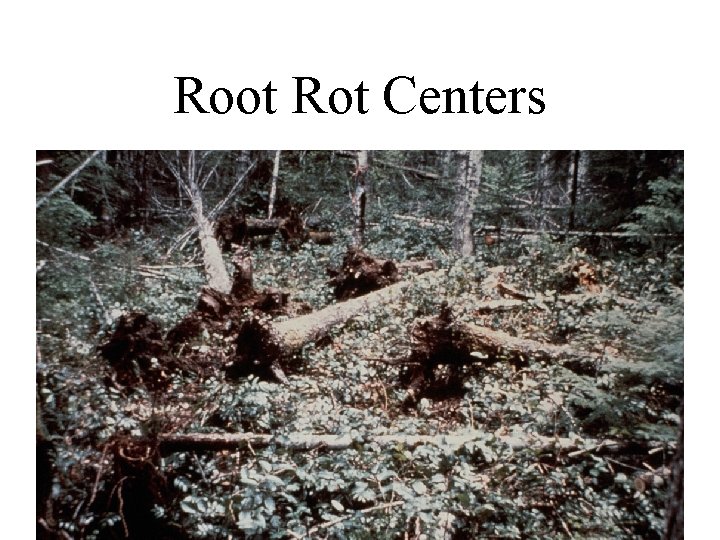
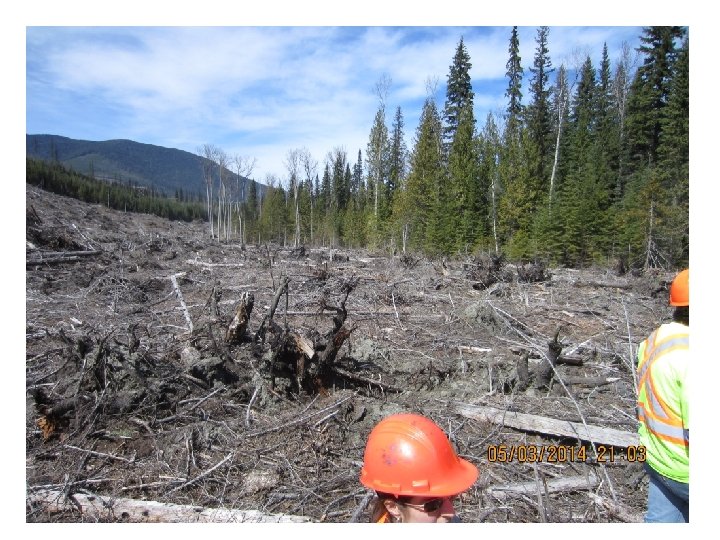
Root Rot Centers
Look Up Way Up
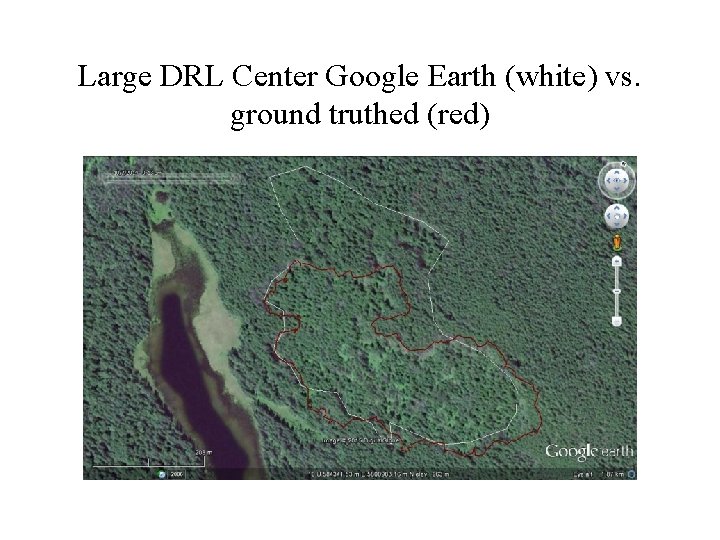
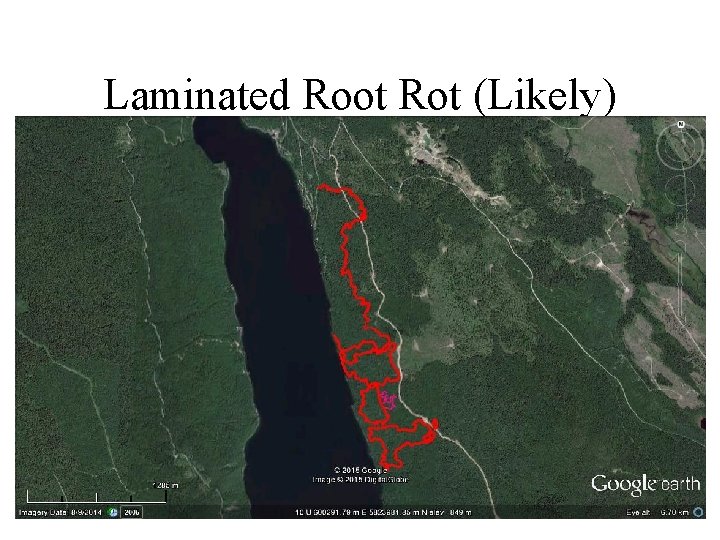
Large DRL Center Google Earth (white) vs. ground truthed (red)
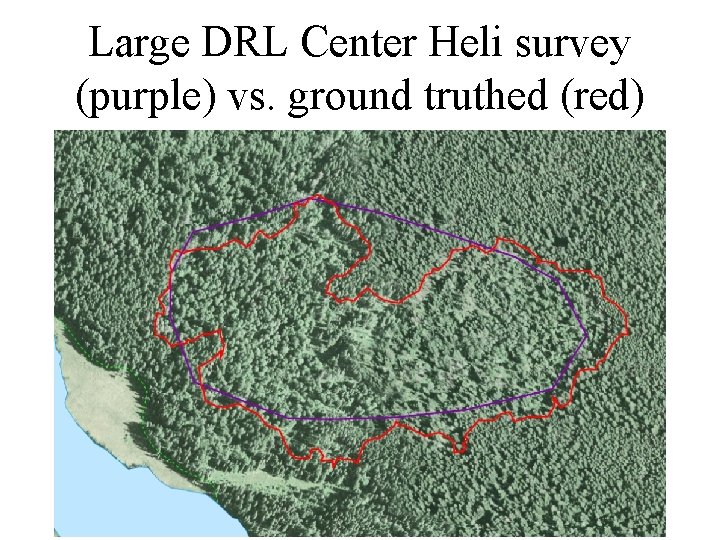
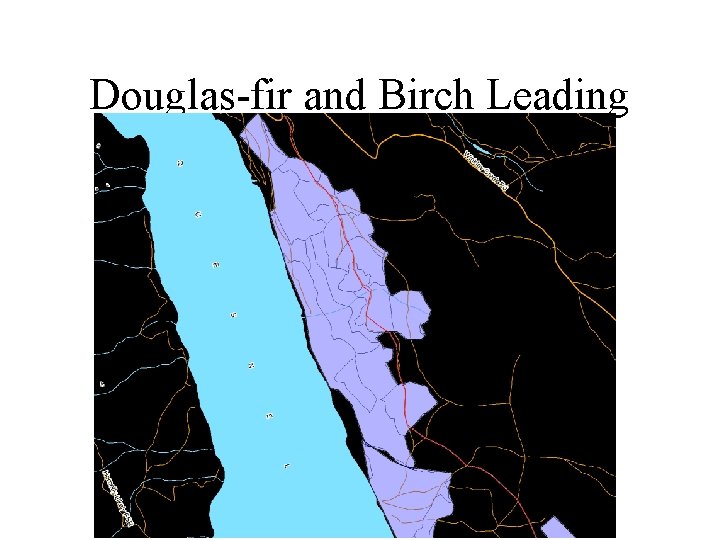
Large DRL Center Heli survey (purple) vs. ground truthed (red) helicopter. Earth
Laminated Root Rot (Likely)
Douglas-fir and Birch Leading
Confounding Factors • Often associated with & masked by Douglas-fir Beetle, Armillaria Root Rot, Deciduous patches • Typically large centers left out of blocks or put into wildlife tree patches (crappy cedar)
Treatment • Stumping • Alternate Species
Limiting Factors • • • Fine textured soils Wet sites Steep slopes Large stumps Shallow soils Riparian areas
Alternate Species Highly Susceptible Tolerant Resistant Immune Douglas-fir true fir western hemlock spruce larch pines cedars hardwoods
Any Questions?