
Laboratory Testing PRE POST COVID19 Dr Iva Lloyd
Laboratory Testing: PRE & POST COVID-19 Dr. Iva Lloyd, ND & Dr. Paul Saunders, Ph. D, ND, DHANP, CCH June 2020 Dr. Iva Lloyd, ND 2017 1
Virus: +ss. RNA, SARS-Co. V-2 Disease: COVID-19 or 2019 Novel Coronavirus COVID-19 Overview Global fatality rate estimated to be between 1. 4 and 4%* ~10% hospitalized* ~80% appear asymptomatic or mild symptom* Fear, panic & impact of isolation need to be considered * Questions re: tracking and testing accuracy
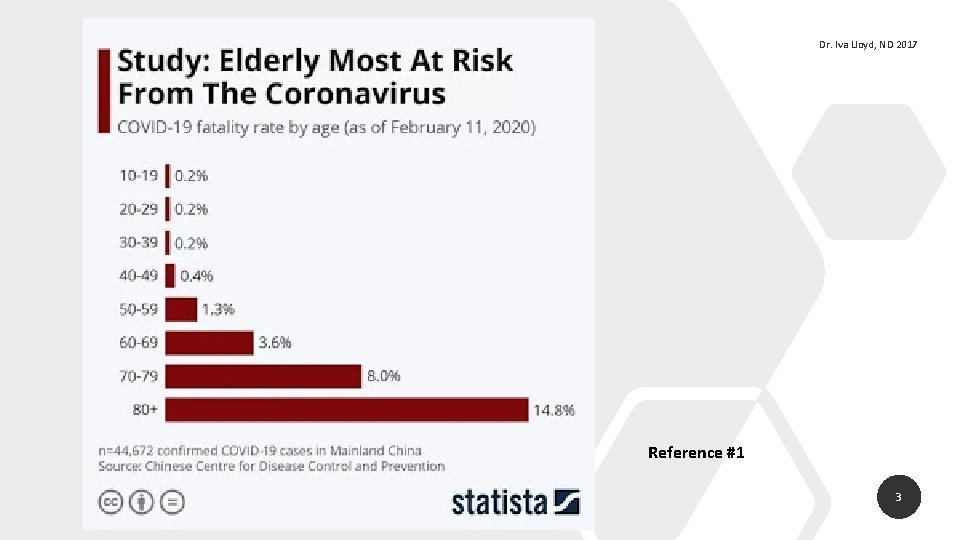
Dr. Iva Lloyd, ND 2017 Reference #1 3
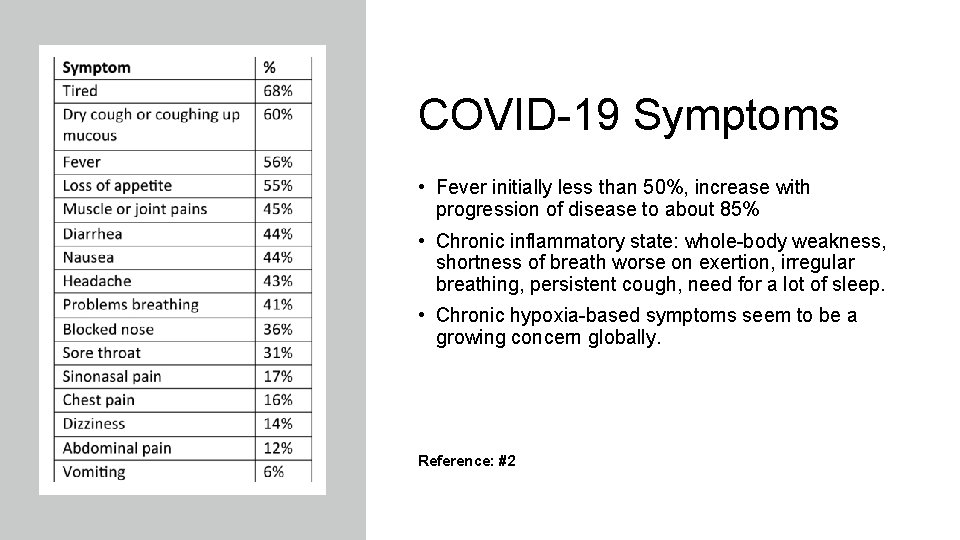
COVID-19 Symptoms • Fever initially less than 50%, increase with progression of disease to about 85% • Chronic inflammatory state: whole-body weakness, shortness of breath worse on exertion, irregular breathing, persistent cough, need for a lot of sleep. • Chronic hypoxia-based symptoms seem to be a growing concern globally. Reference: #2
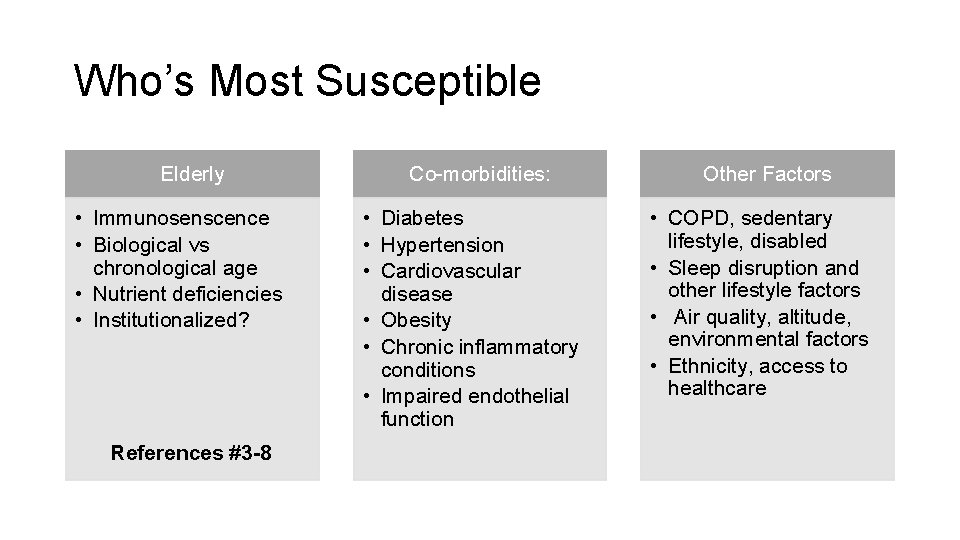
Who’s Most Susceptible Elderly • Immunosenscence • Biological vs chronological age • Nutrient deficiencies • Institutionalized? References #3 -8 Co-morbidities: • Diabetes • Hypertension • Cardiovascular disease • Obesity • Chronic inflammatory conditions • Impaired endothelial function Other Factors • COPD, sedentary lifestyle, disabled • Sleep disruption and other lifestyle factors • Air quality, altitude, environmental factors • Ethnicity, access to healthcare
You must consider both the internal (patient) and external environment. Dr. Iva Lloyd, ND 2017 6
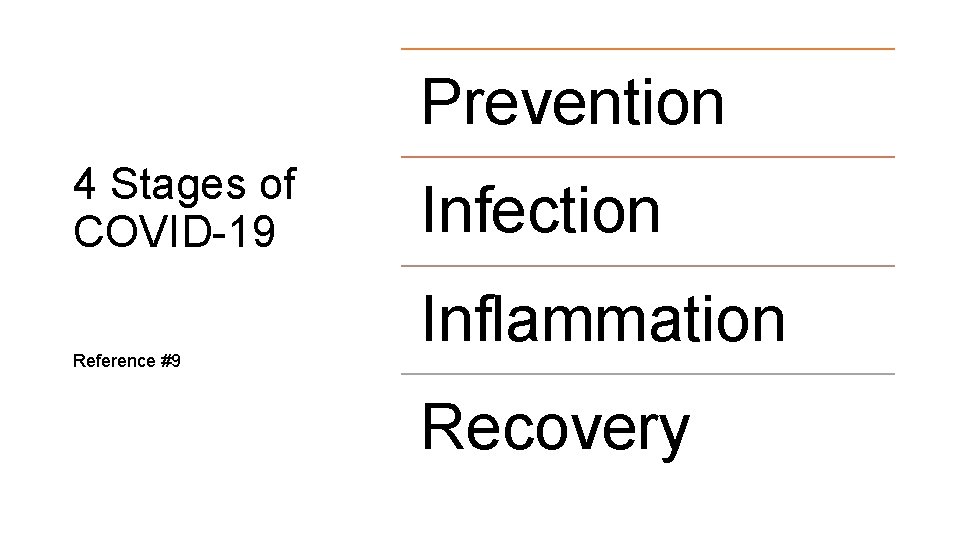
Prevention 4 Stages of COVID-19 Reference #9 Infection Inflammation Recovery
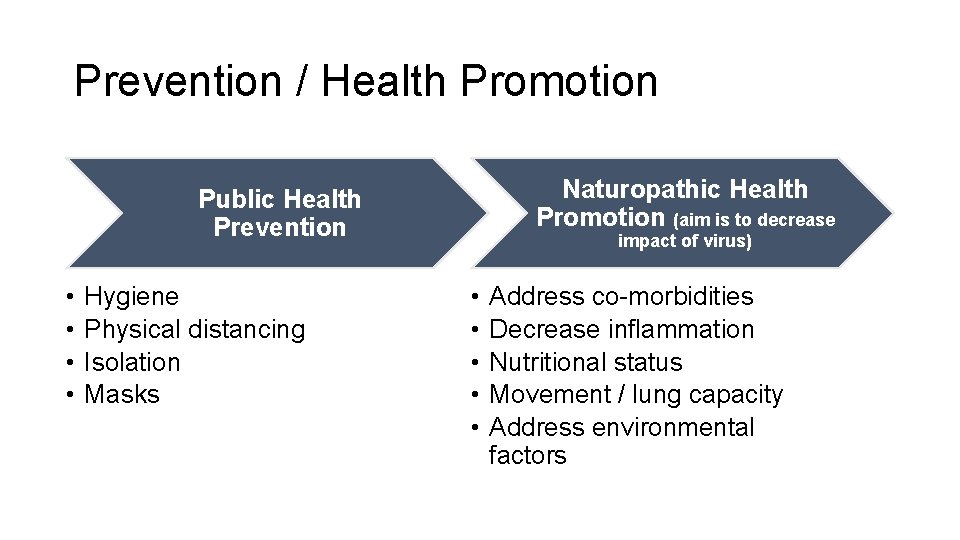
Prevention / Health Promotion Naturopathic Health Promotion (aim is to decrease Public Health Prevention • • Hygiene Physical distancing Isolation Masks impact of virus) • • • Address co-morbidities Decrease inflammation Nutritional status Movement / lung capacity Address environmental factors
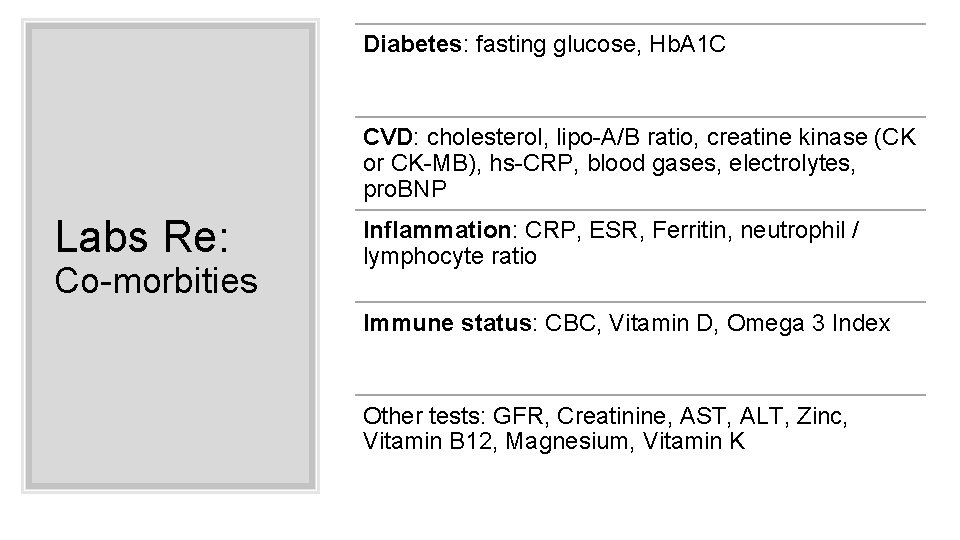
Diabetes: fasting glucose, Hb. A 1 C CVD: cholesterol, lipo-A/B ratio, creatine kinase (CK or CK-MB), hs-CRP, blood gases, electrolytes, pro. BNP Labs Re: Co-morbities Inflammation: CRP, ESR, Ferritin, neutrophil / lymphocyte ratio Immune status: CBC, Vitamin D, Omega 3 Index Other tests: GFR, Creatinine, AST, ALT, Zinc, Vitamin B 12, Magnesium, Vitamin K
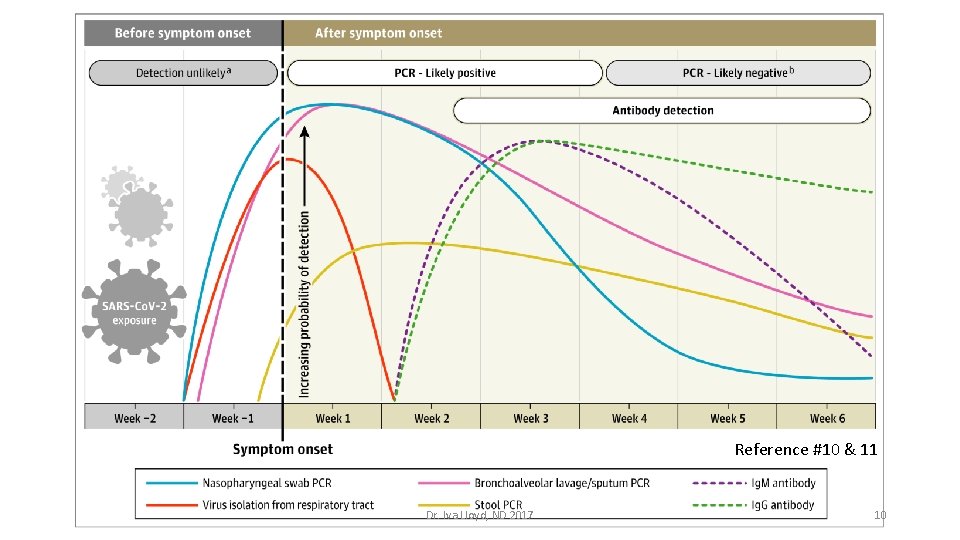
Reference #10 & 11 Dr. Iva Lloyd, ND 2017 10
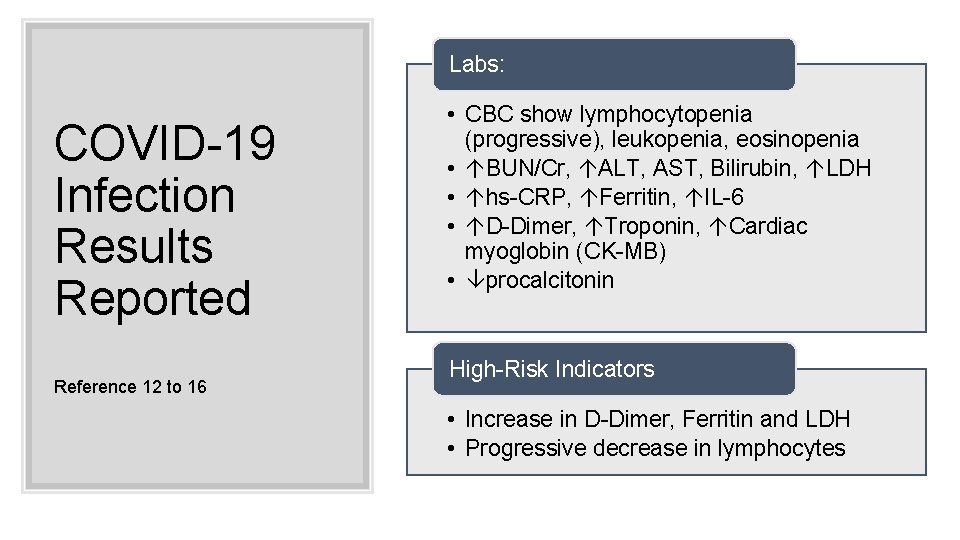
Labs: COVID-19 Infection Results Reported Reference 12 to 16 • CBC show lymphocytopenia (progressive), leukopenia, eosinopenia • BUN/Cr, ALT, AST, Bilirubin, LDH • hs-CRP, Ferritin, IL-6 • D-Dimer, Troponin, Cardiac myoglobin (CK-MB) • procalcitonin High-Risk Indicators • Increase in D-Dimer, Ferritin and LDH • Progressive decrease in lymphocytes
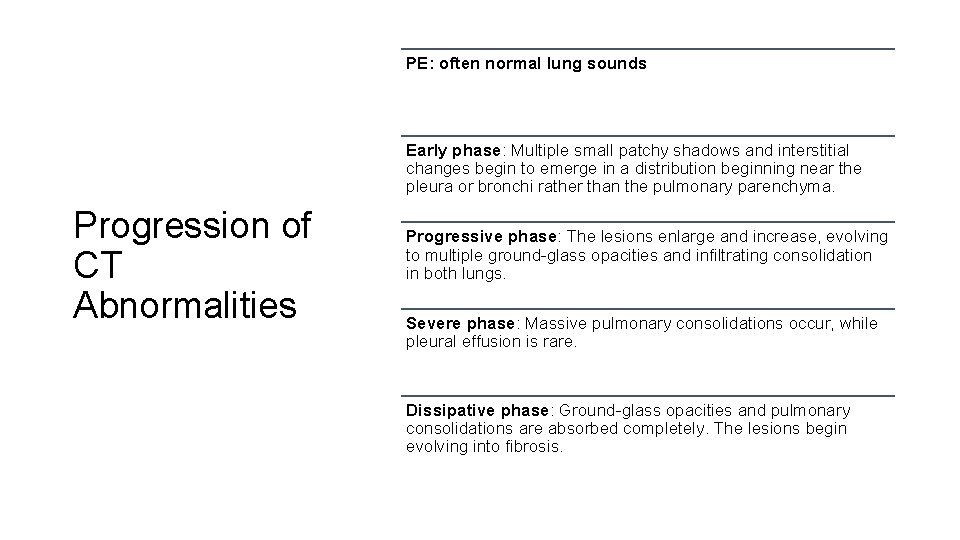
PE: often normal lung sounds Early phase: Multiple small patchy shadows and interstitial changes begin to emerge in a distribution beginning near the pleura or bronchi rather than the pulmonary parenchyma. Progression of CT Abnormalities Progressive phase: The lesions enlarge and increase, evolving to multiple ground-glass opacities and infiltrating consolidation in both lungs. Severe phase: Massive pulmonary consolidations occur, while pleural effusion is rare. Dissipative phase: Ground-glass opacities and pulmonary consolidations are absorbed completely. The lesions begin evolving into fibrosis.
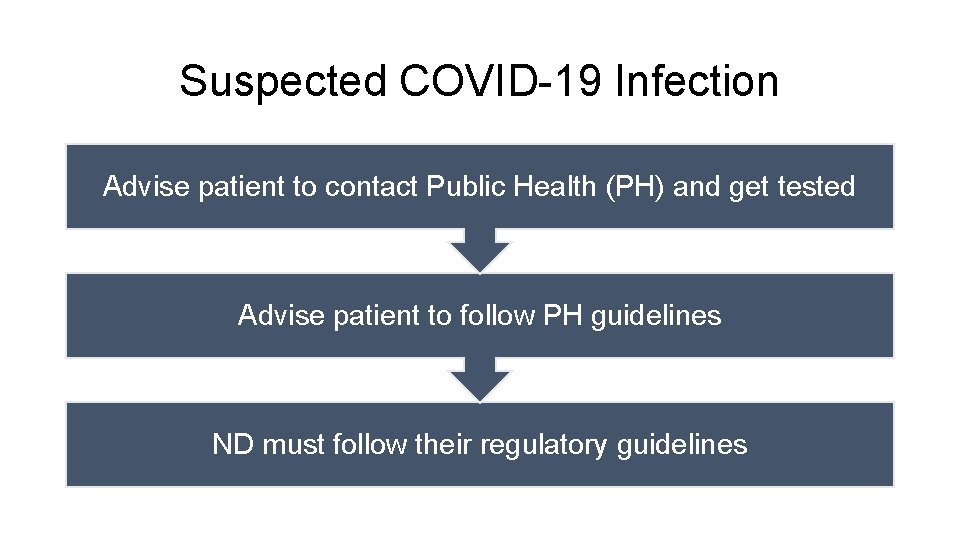
Suspected COVID-19 Infection Advise patient to contact Public Health (PH) and get tested Advise patient to follow PH guidelines ND must follow their regulatory guidelines
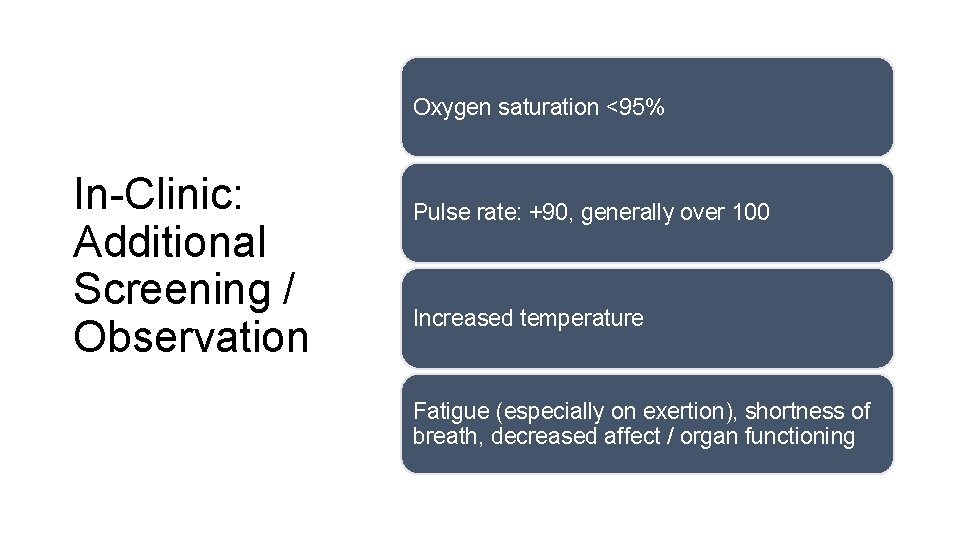
Oxygen saturation <95% In-Clinic: Additional Screening / Observation Pulse rate: +90, generally over 100 Increased temperature Fatigue (especially on exertion), shortness of breath, decreased affect / organ functioning
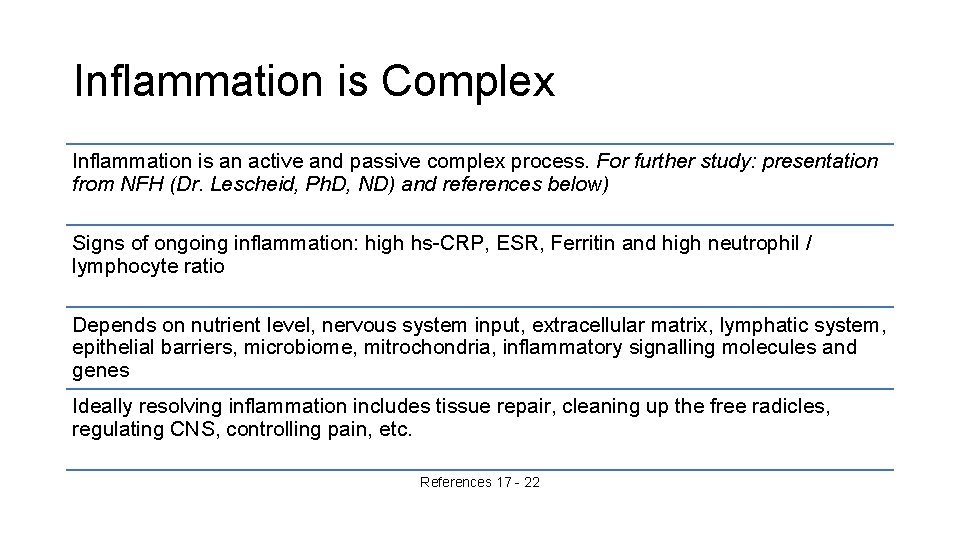
Inflammation is Complex Inflammation is an active and passive complex process. For further study: presentation from NFH (Dr. Lescheid, Ph. D, ND) and references below) Signs of ongoing inflammation: high hs-CRP, ESR, Ferritin and high neutrophil / lymphocyte ratio Depends on nutrient level, nervous system input, extracellular matrix, lymphatic system, epithelial barriers, microbiome, mitrochondria, inflammatory signalling molecules and genes Ideally resolving inflammation includes tissue repair, cleaning up the free radicles, regulating CNS, controlling pain, etc. References 17 - 22
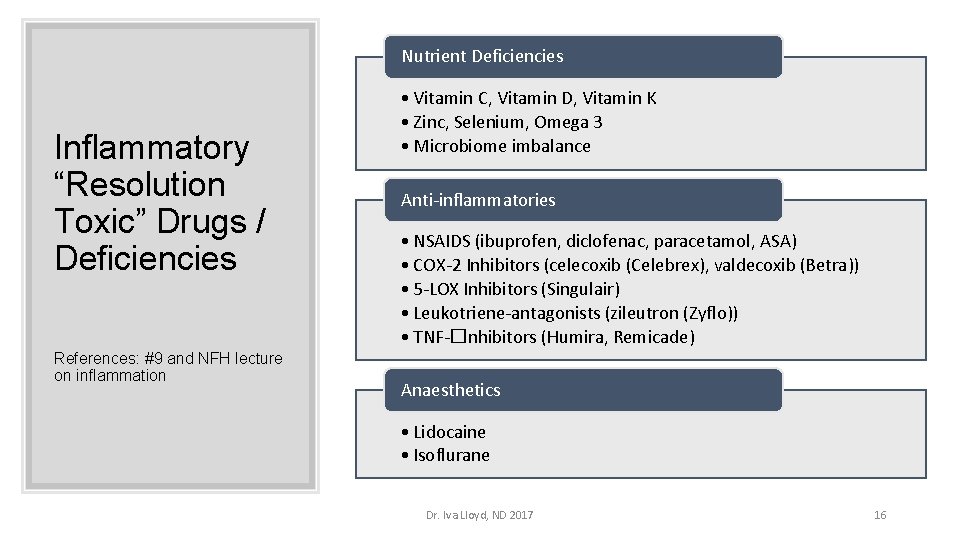
Nutrient Deficiencies Inflammatory “Resolution Toxic” Drugs / Deficiencies References: #9 and NFH lecture on inflammation • Vitamin C, Vitamin D, Vitamin K • Zinc, Selenium, Omega 3 • Microbiome imbalance Anti-inflammatories • NSAIDS (ibuprofen, diclofenac, paracetamol, ASA) • COX-2 Inhibitors (celecoxib (Celebrex), valdecoxib (Betra)) • 5 -LOX Inhibitors (Singulair) • Leukotriene-antagonists (zileutron (Zyflo)) • TNF-�inhibitors (Humira, Remicade) Anaesthetics • Lidocaine • Isoflurane Dr. Iva Lloyd, ND 2017 16
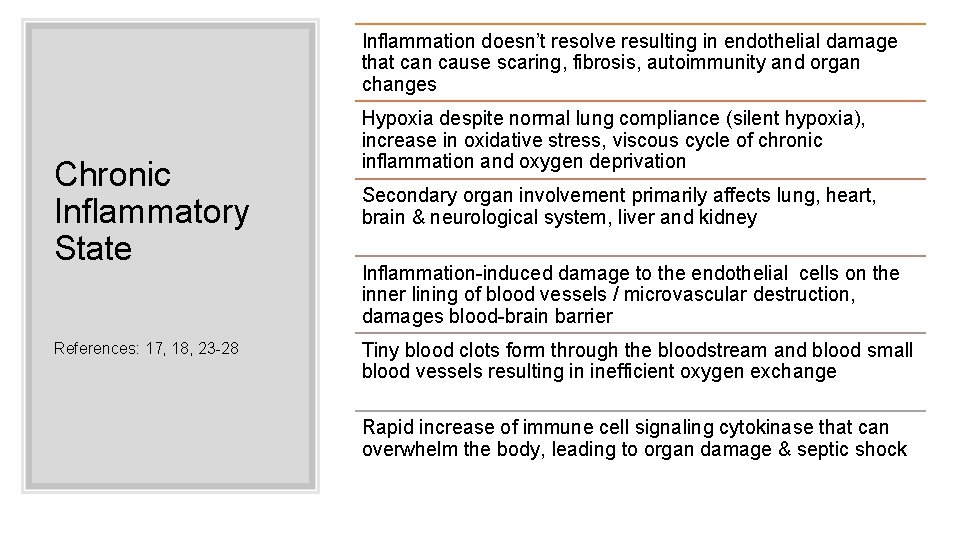
Inflammation doesn’t resolve resulting in endothelial damage that can cause scaring, fibrosis, autoimmunity and organ changes Chronic Inflammatory State References: 17, 18, 23 -28 Hypoxia despite normal lung compliance (silent hypoxia), increase in oxidative stress, viscous cycle of chronic inflammation and oxygen deprivation Secondary organ involvement primarily affects lung, heart, brain & neurological system, liver and kidney Inflammation-induced damage to the endothelial cells on the inner lining of blood vessels / microvascular destruction, damages blood-brain barrier Tiny blood clots form through the bloodstream and blood small blood vessels resulting in inefficient oxygen exchange Rapid increase of immune cell signaling cytokinase that can overwhelm the body, leading to organ damage & septic shock
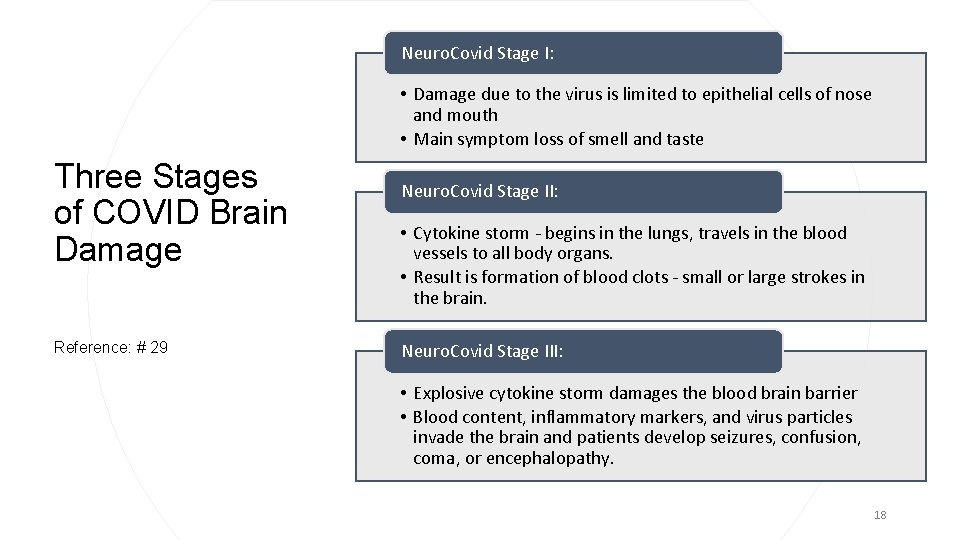
Neuro. Covid Stage I: • Damage due to the virus is limited to epithelial cells of nose and mouth • Main symptom loss of smell and taste Three Stages of COVID Brain Damage Reference: # 29 Neuro. Covid Stage II: • Cytokine storm - begins in the lungs, travels in the blood vessels to all body organs. • Result is formation of blood clots - small or large strokes in the brain. Neuro. Covid Stage III: • Explosive cytokine storm damages the blood brain barrier • Blood content, inflammatory markers, and virus particles invade the brain and patients develop seizures, confusion, coma, or encephalopathy. Dr. Iva Lloyd, ND 2017 18
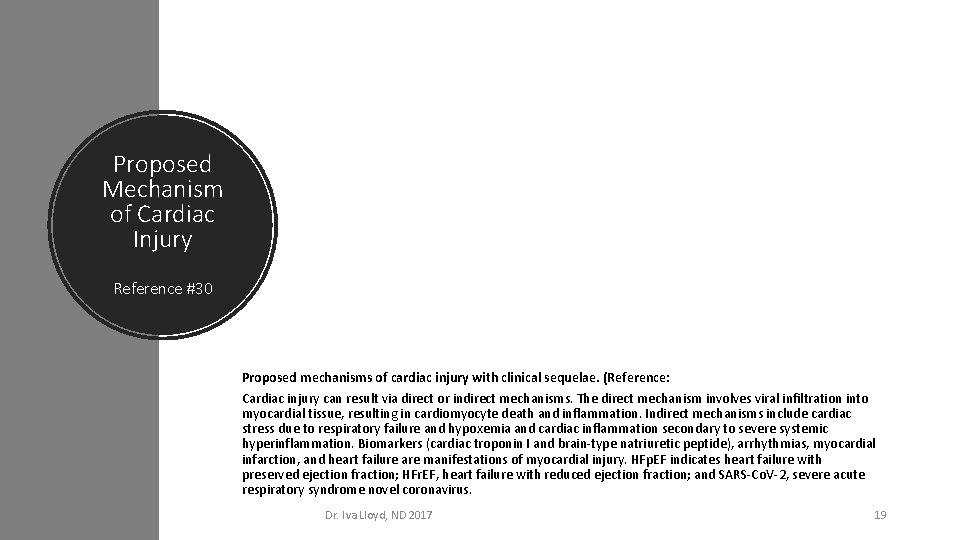
Proposed Mechanism of Cardiac Injury Reference #30 Proposed mechanisms of cardiac injury with clinical sequelae. (Reference: Cardiac injury can result via direct or indirect mechanisms. The direct mechanism involves viral infiltration into myocardial tissue, resulting in cardiomyocyte death and inflammation. Indirect mechanisms include cardiac stress due to respiratory failure and hypoxemia and cardiac inflammation secondary to severe systemic hyperinflammation. Biomarkers (cardiac troponin I and brain-type natriuretic peptide), arrhythmias, myocardial infarction, and heart failure are manifestations of myocardial injury. HFp. EF indicates heart failure with preserved ejection fraction; HFr. EF, heart failure with reduced ejection fraction; and SARS-Co. V-2, severe acute respiratory syndrome novel coronavirus. Dr. Iva Lloyd, ND 2017 19
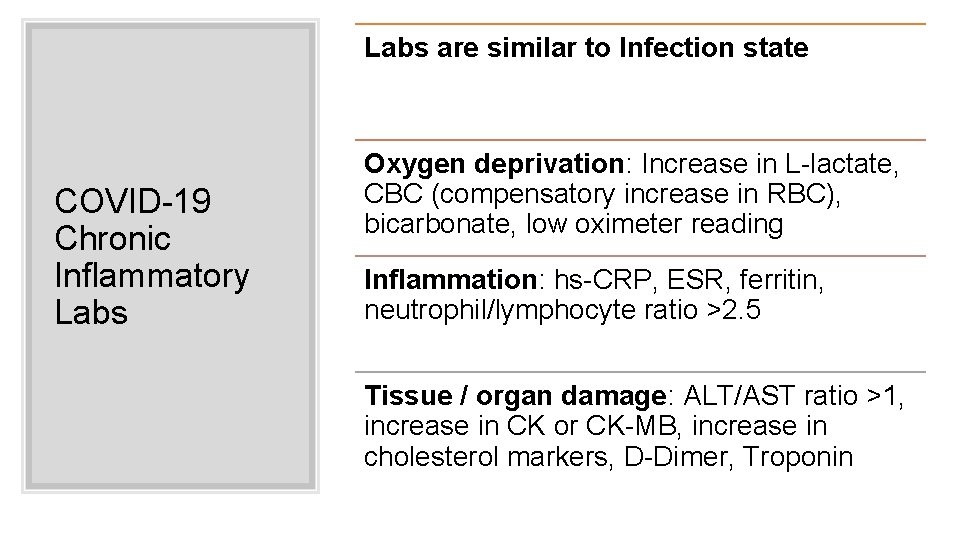
Labs are similar to Infection state COVID-19 Chronic Inflammatory Labs Oxygen deprivation: Increase in L-lactate, CBC (compensatory increase in RBC), bicarbonate, low oximeter reading Inflammation: hs-CRP, ESR, ferritin, neutrophil/lymphocyte ratio >2. 5 Tissue / organ damage: ALT/AST ratio >1, increase in CK or CK-MB, increase in cholesterol markers, D-Dimer, Troponin
Take Home Message • Long-term sequelae is not known for COVID-19 • A substantial proportion of survivors from SARS developed avascular necrosis, pulmonary fibrosis and dyslipedemia • Hypoxic despite normal lung compliance. More of a vascular problem than a respiratory problem. • Labs will be needed to guide the long-term impact on patients Dr. Iva Lloyd, ND 2017 21
Presentations 1. Study: Elderly Most At Risk From The Coronovirus 2. Alterations in Smell or Taste in Mildly Symptomatic Outpatients With SARS-Co. V-2 Infection 3. From the Andes to Tibet, the coronavirus seems to be sparing populations at high altitudes 4. Does the pathogenesis of SAR-Co. V-2 virus decrease at high-altitude? 5. The Role of Vitamin D in Reducing the Risk of COVID-19: a brief survey of the literature 6. Management Of Blood Glucose Should Be Emphasized In The Treatment Of COVID-19 7. Immune Function And Micronutrient Requirements Change Over A Life Time 8. What The Relationship Between Blood Type And Coronavirus Susceptibility Means For Future Treatments 9. Evidence Supporting a Phased Immuno-physiological Approach to COVID-19 From Prevention Through Recovery 10. Interpreting Diagnostic Tests for SARS-Co. V-2 11. COVID-19 RT-PCR Testing 12. What are common lab features in patients with coronavirus disease 2019 (COVID-19)? 13. Eosinopenia and elevated C-reactive protein facilitate triage of COVID-19 patients in a fever clinic Dr. Iva Lloyd, ND 2017 22
Presentations 14. Lymphopenia predicts disease severity of COVID-19: a descriptive and predictive study 15. Lactate dehydrogenase a Risk Factor for Severe COVID-19 Patients 16. The laboratory tests and host immunity of COVID-19 patients with different severity of illness 17. Regulation of Inflammation in Chronic Disease 18. Inflammation: The Common Pathway of Stress Related Diseases 19. Foundations of Immunometabolism and Implications for Metabolic Health and Disease 20. Nonresolving Inflammation 21. A Review of Micronutrients and the Immune System–Working in Harmony to Reduce the Risk of Infection Eosinopenia and Elevated C-reactive Protein Facilitate Triage of COVID-19 Patients in Fever Clinic: A Retrospective Case-Control Study 22. Clinical Characteristics of 58 Children With a Pediatric Inflammatory Multisystem Syndrome Temporally Associated With SARS-Co. V-2 23. COVID 19 coagulopathy in Caucasian patients Dr. Iva Lloyd, ND 2017 23
Presentations 24. COVID-19 Coagulopathy Video: https: //www. youtube. com/watch? v=W 1 e. H 6 DYQ 1 ro&feature=youtu. be 25. Covid-19, Angiogenesis, and ARDS Endotypes 26. Covid-19 accelerates endothelial dysfunction and nitric oxide deficiency 27. Do Children’s Health Blood Vessels Protect Them From Severe COVID-19? 28. Pulmonary Vascular Endothelialitis, Thrombosis, and Angiogenesis in Covid-19 29. Three stages of COVID-19 Brain Damage Identified by Neurologists 30. COVID-19 and the Heart 31. Vitamin K Found In Some Cheese Could Help Fight COVID-19, Study Suggests 32. Parenteral Fish-Oil Emulsions in Critically Ill COVID-19 Emulsions Dr. Iva Lloyd, ND 2017 24
Thank you If questions: Dr. Iva Lloyd, ND: i. lloyd@naturopathicfoundations. ca Dr. Paul Saunders, Ph. D, ND, DHANP, CCH: psaunders@ccnm. edu Dr. Iva Lloyd, ND 2017 25
- Slides: 25