
Labor and the Birth Process The 5 Ps

Labor and the Birth Process
The 5 “Ps” of labor �Passenger �Passageway �Powers �Position �Psychologic response
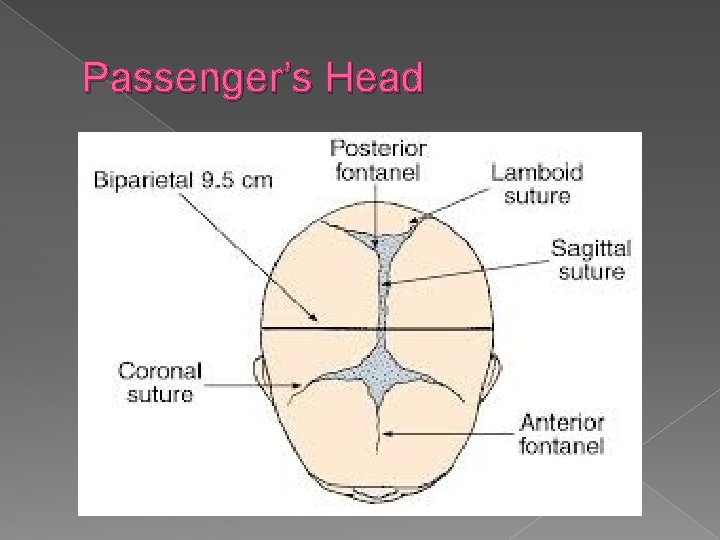
Passenger’s Head
Presentation of the Passenger �What is the fetal presentation? › Cephalic (96%) › Breech (3%) › Shoulder (1%)
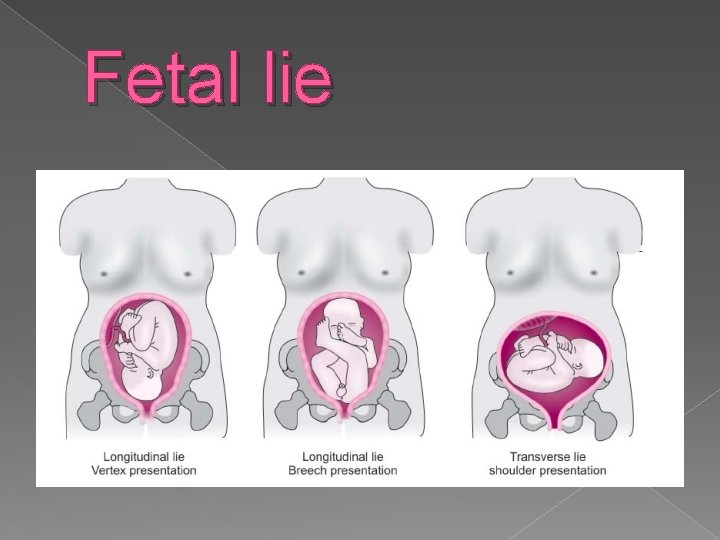
Fetal lie
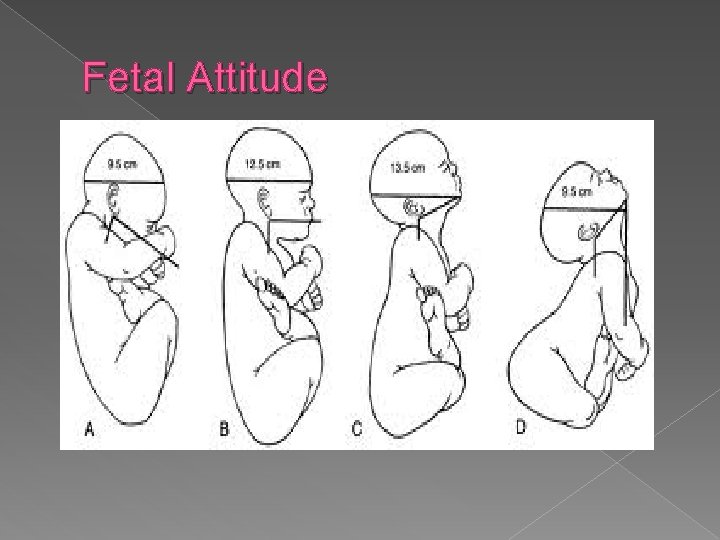
Fetal Attitude
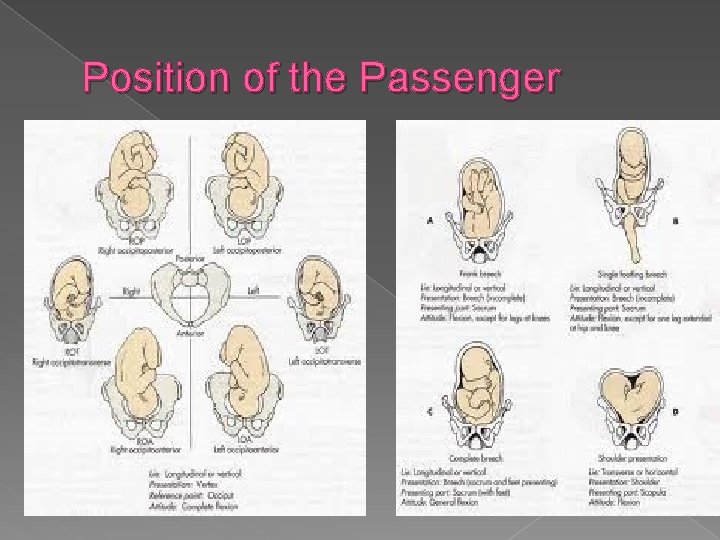
Position of the Passenger
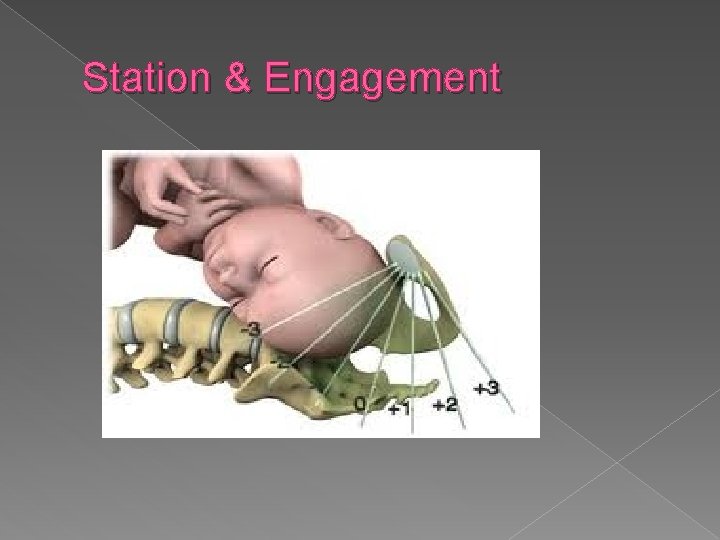
Station & Engagement
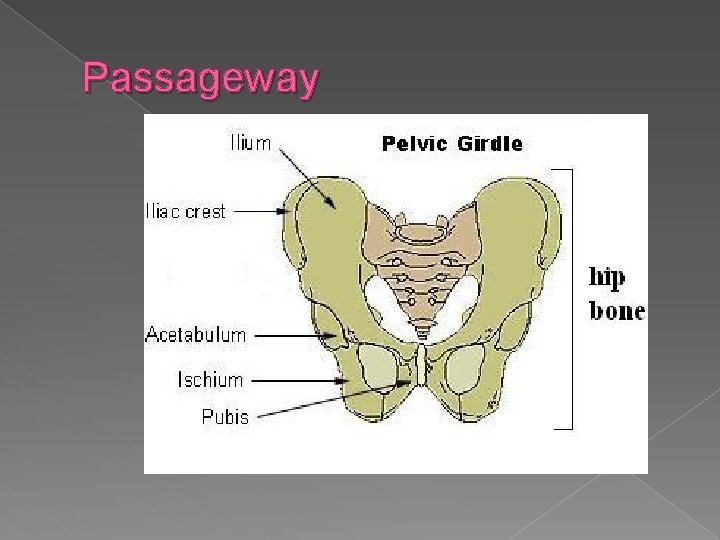
Passageway
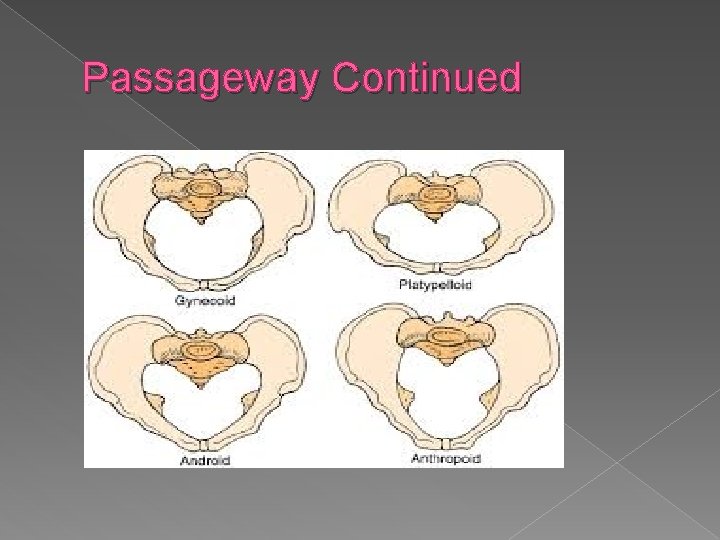
Passageway Continued
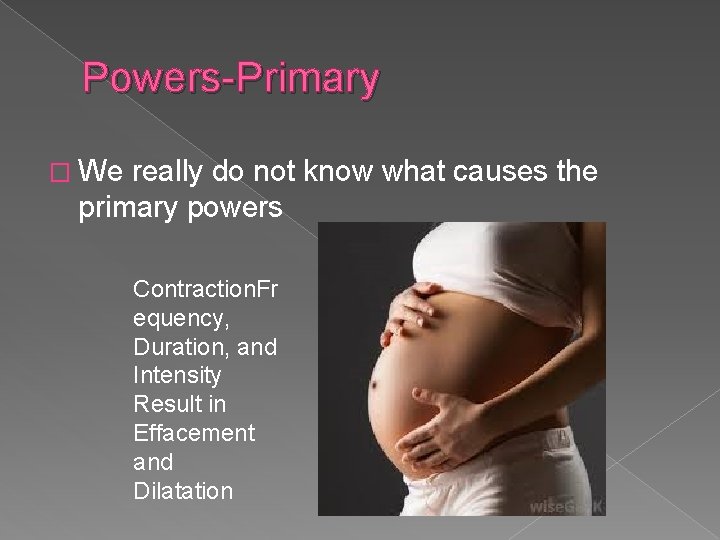
Powers-Primary � We really do not know what causes the primary powers Contraction. Fr equency, Duration, and Intensity Result in Effacement and Dilatation
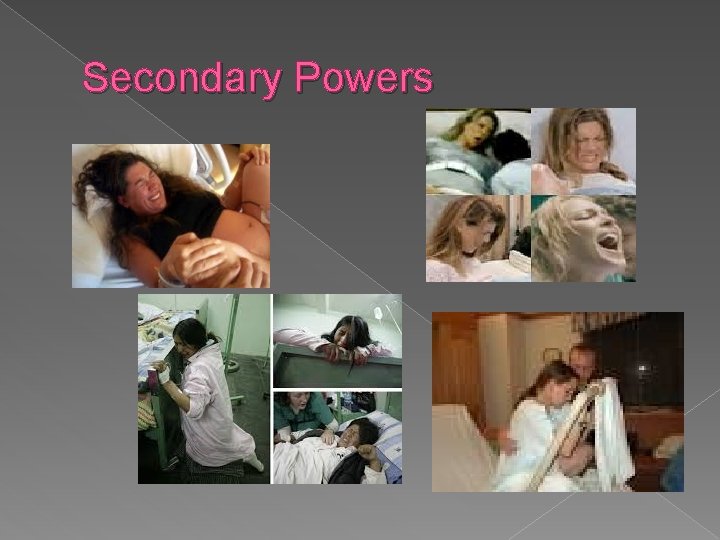
Secondary Powers
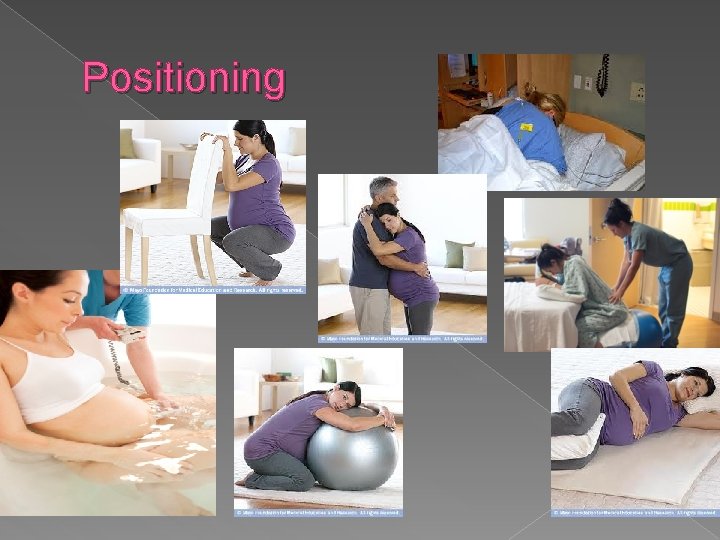
Positioning
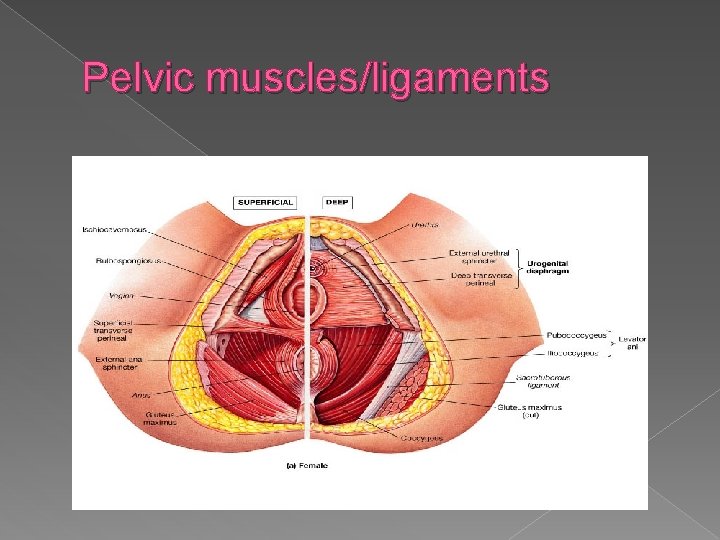
Pelvic muscles/ligaments

A bit of humor found � http: //www. youtube. com/watch? v=ppz. V 6 ho. P k. Ic

Pain Management in Labor
Pain Perception & Expression � Pain thresholds are similar in everyone, the perception of pain is not. � Pain is expressed ØSensory ØEmotionally ØPhysiologically
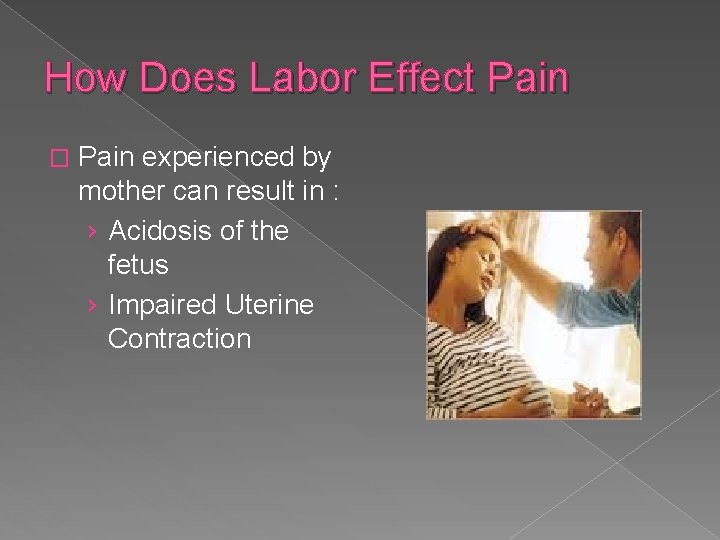
How Does Labor Effect Pain � Pain experienced by mother can result in : › Acidosis of the fetus › Impaired Uterine Contraction
Non-Pharmacologic Strategies � Position changes › Walking › Rocking › Labor ball � Breathing › May need to breath with mother Counter-pressure � Application of heat or cold � Showering/Tub � � � Music Aromatherapy Imagery Focal points Effleurage Therapeutic touch Childbirth Education Hypnosis Biofeedback Empty Bladder regularly

Pharmacologic Goal maximum relief with minimal risk to mother and fetus
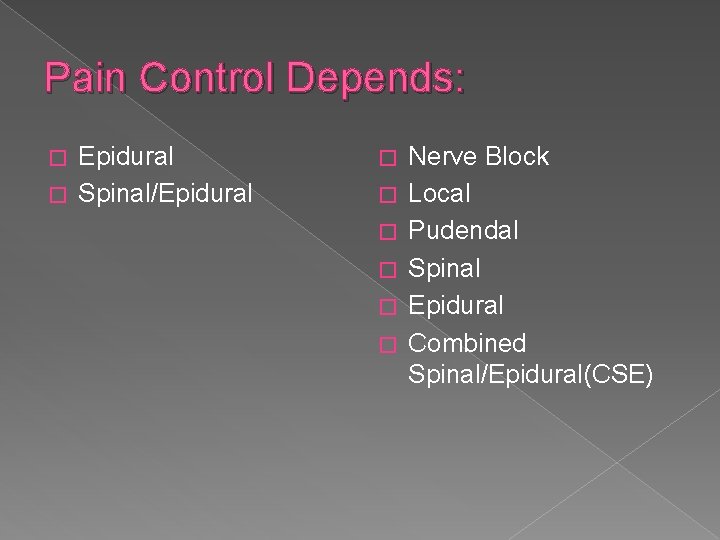
Pain Control Depends: Epidural � Spinal/Epidural � � � � Nerve Block Local Pudendal Spinal Epidural Combined Spinal/Epidural(CSE)
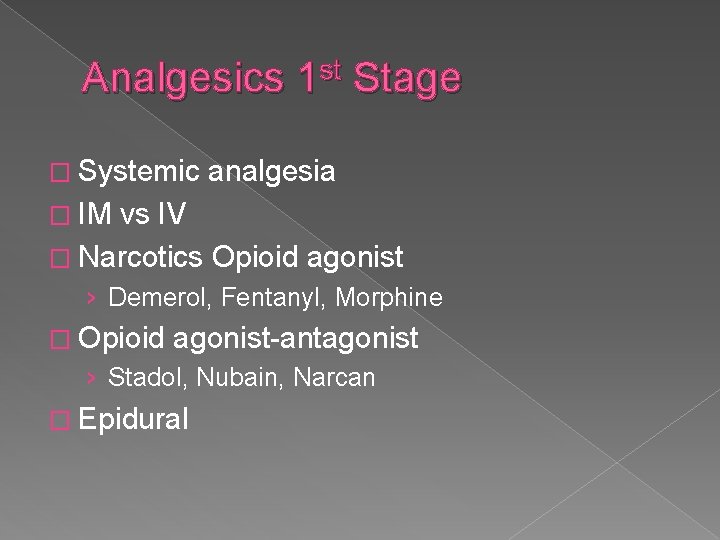
Analgesics 1 st Stage � Systemic analgesia � IM vs IV � Narcotics Opioid agonist › Demerol, Fentanyl, Morphine � Opioid agonist-antagonist › Stadol, Nubain, Narcan � Epidural
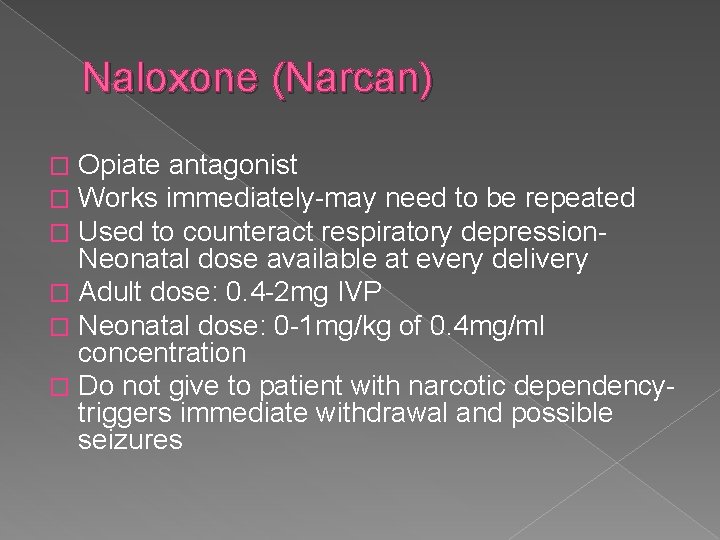
Naloxone (Narcan) Opiate antagonist Works immediately-may need to be repeated Used to counteract respiratory depression. Neonatal dose available at every delivery � Adult dose: 0. 4 -2 mg IVP � Neonatal dose: 0 -1 mg/kg of 0. 4 mg/ml concentration � Do not give to patient with narcotic dependencytriggers immediate withdrawal and possible seizures � � �
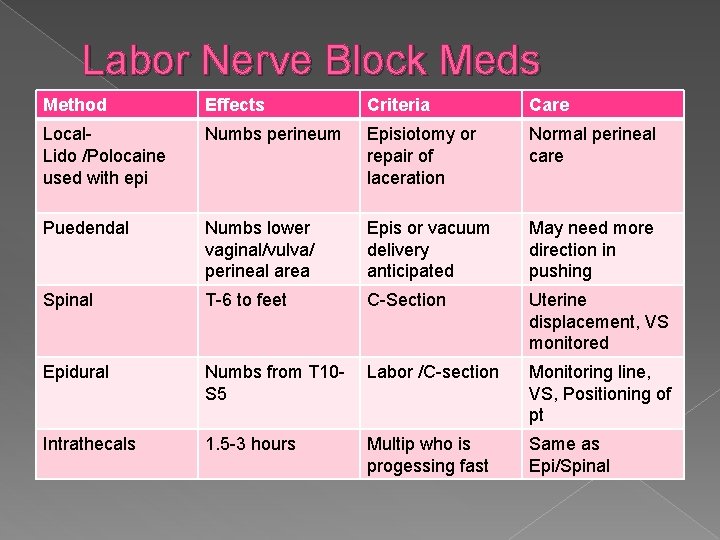
Labor Nerve Block Meds Method Effects Criteria Care Local. Lido /Polocaine used with epi Numbs perineum Episiotomy or repair of laceration Normal perineal care Puedendal Numbs lower vaginal/vulva/ perineal area Epis or vacuum delivery anticipated May need more direction in pushing Spinal T-6 to feet C-Section Uterine displacement, VS monitored Epidural Numbs from T 10 S 5 Labor /C-section Monitoring line, VS, Positioning of pt Intrathecals 1. 5 -3 hours Multip who is progessing fast Same as Epi/Spinal
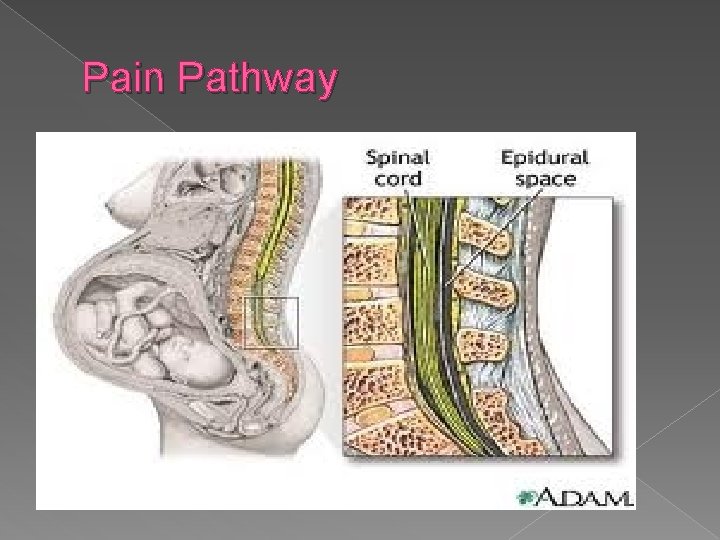
Pain Pathway
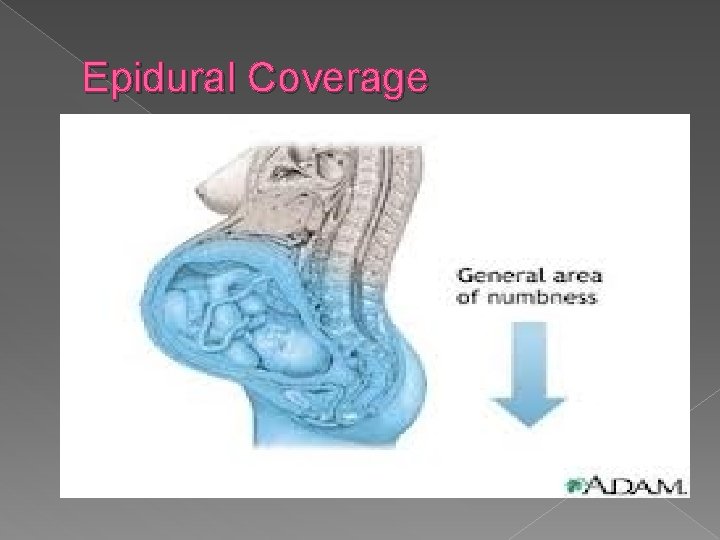
Epidural Coverage
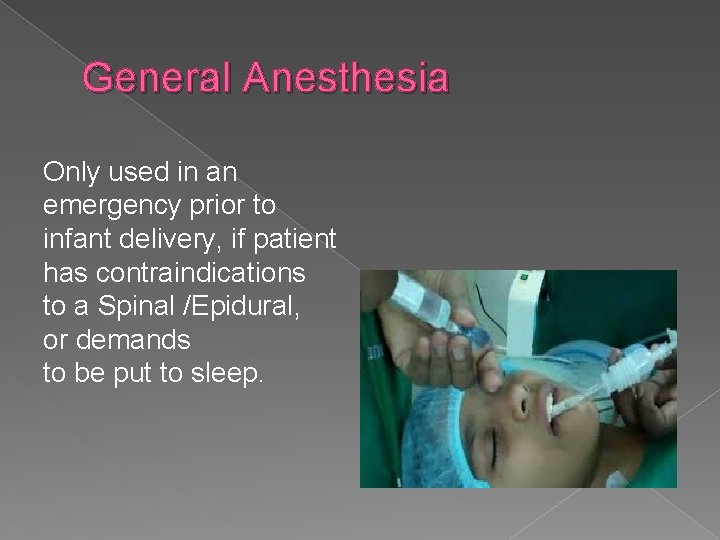
General Anesthesia Only used in an emergency prior to infant delivery, if patient has contraindications to a Spinal /Epidural, or demands to be put to sleep.
Fetal Circulation � Maternal position � Uterine Contractions � Blood Pressure � Umbilical Blood Flow Kahn Academy
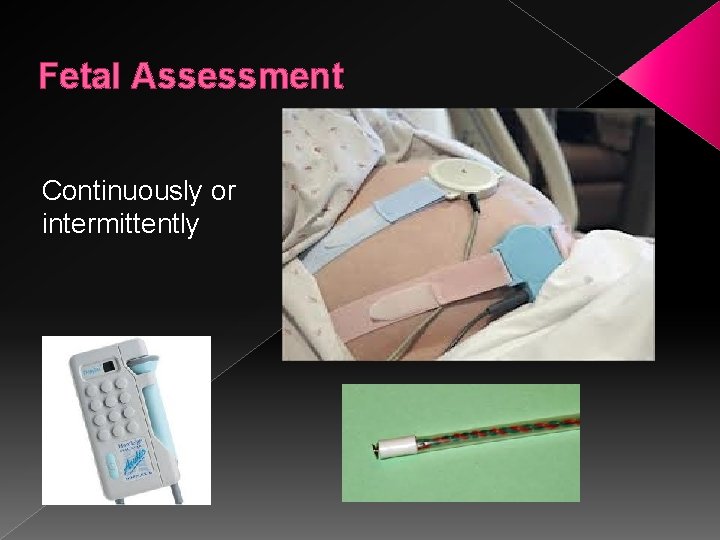
Fetal Assessment Continuously or intermittently
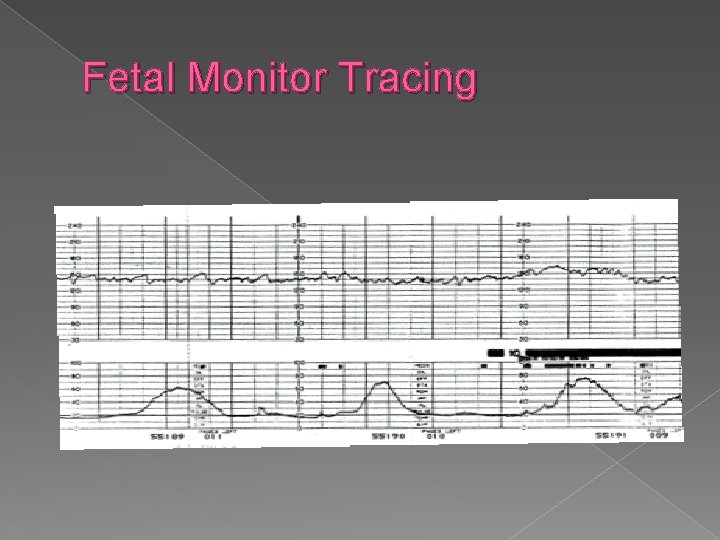
Fetal Monitor Tracing
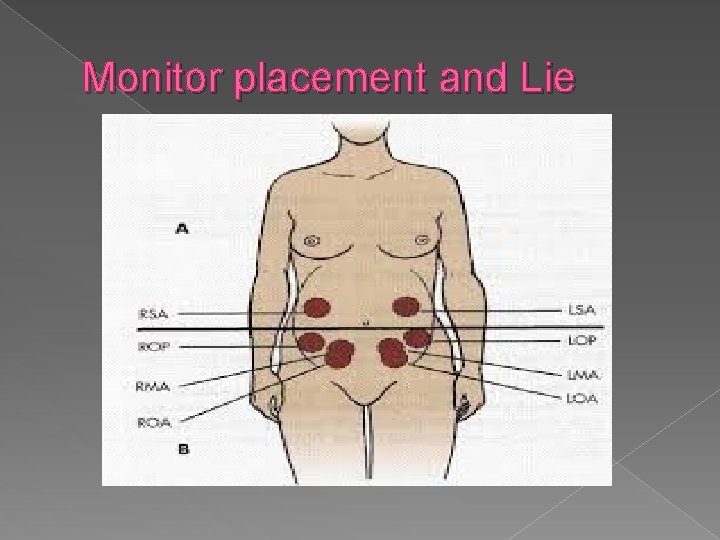
Monitor placement and Lie
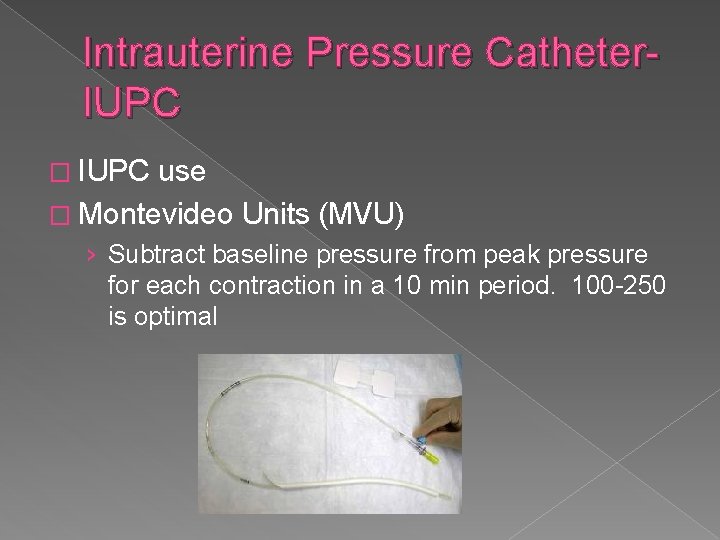
Intrauterine Pressure Catheter. IUPC � IUPC use � Montevideo Units (MVU) › Subtract baseline pressure from peak pressure for each contraction in a 10 min period. 100 -250 is optimal
Fetal Heart Rate � Normal FHR Baseline 110 -160 › 10 minute segment with no significant periodic changes or change in baseline of >25 BPM � Variability › › Absent Minimal Moderate Marked (pg 421)
Fetal Heart Rate � Tachycardia › › >160 Can be early sign of fetal hypoxia Maternal or fetal infection Maternal hyperthyroidism or fetal anemia Response to some drugs-cocaine, Meth, terbutaline, Vistaril � Bradycardia <110 › Heart Block › Viral infections such as CMV
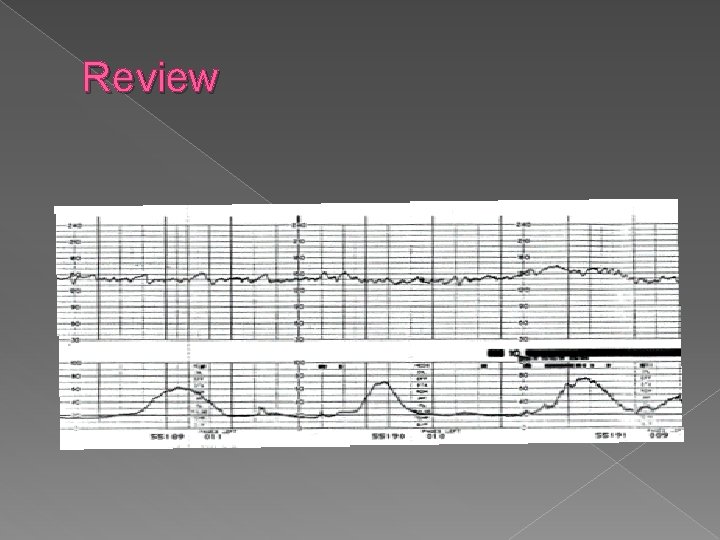
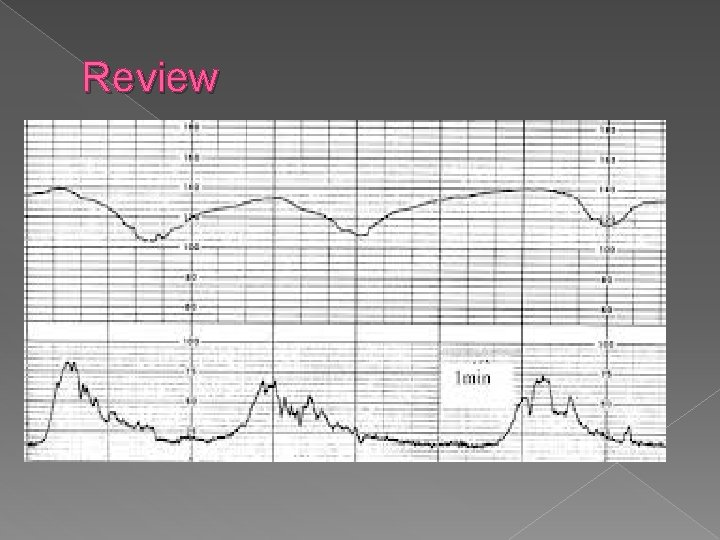
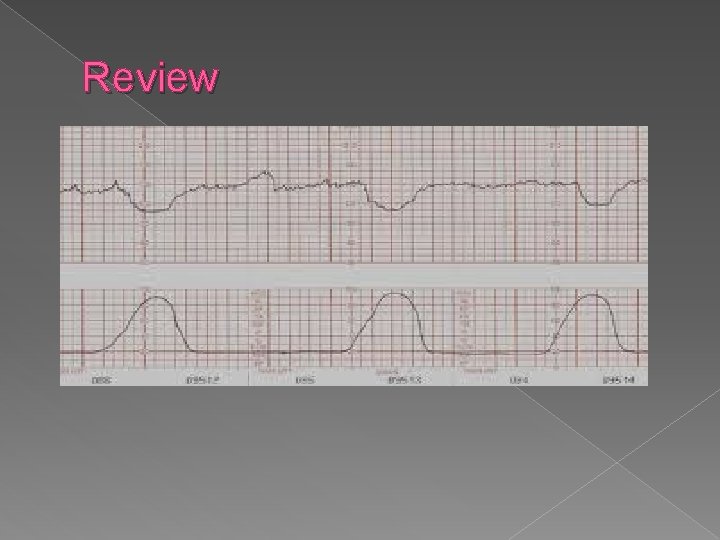
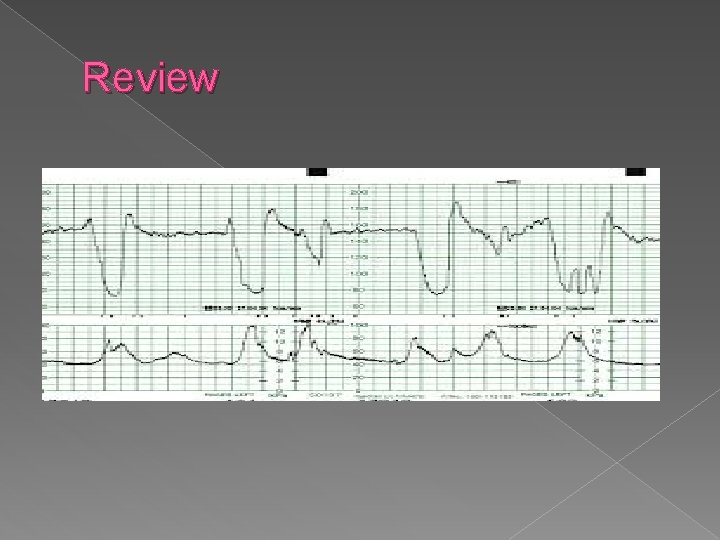
Periodic & Episodic Changes � Periodic-with contractions � Episodic-occur without contractions � Acceleration 15 x 15 above baseline � Deceleration › Early › Late › Variable
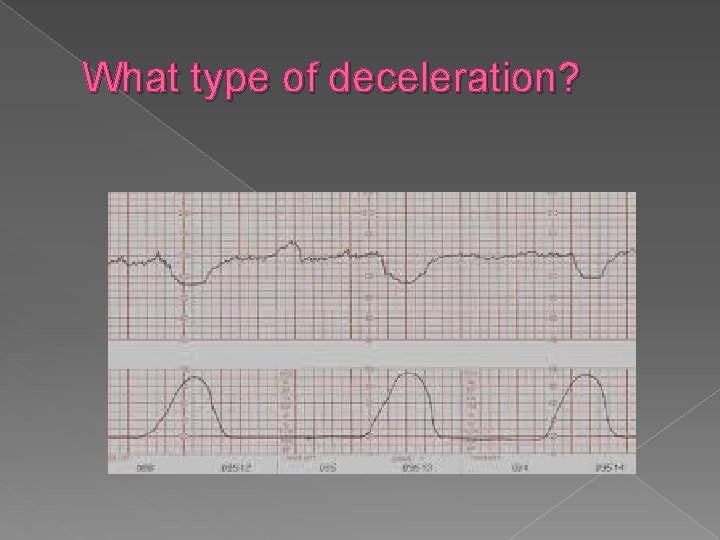
What type of deceleration?
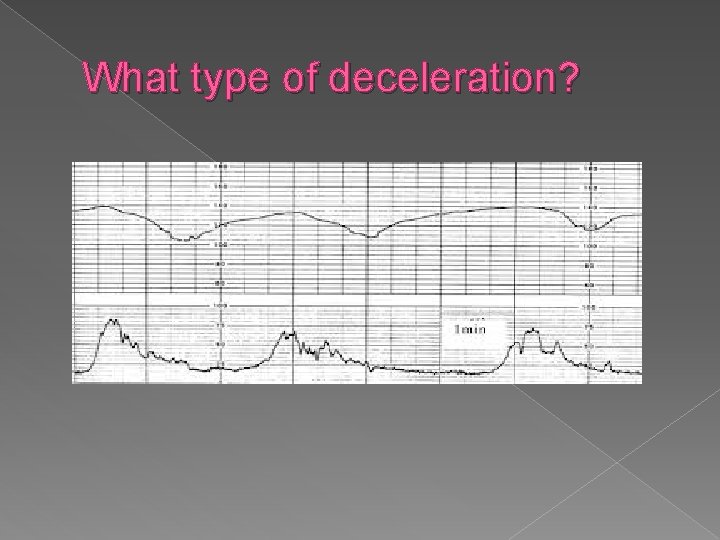
What type of deceleration?
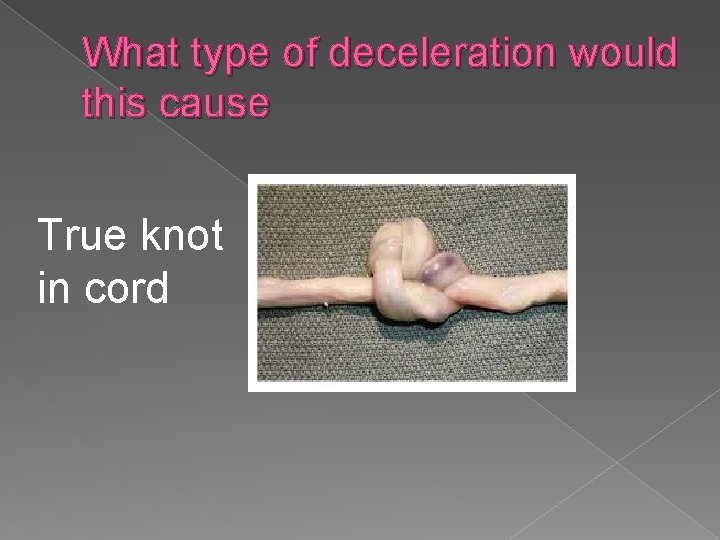
What type of deceleration would this cause True knot in cord
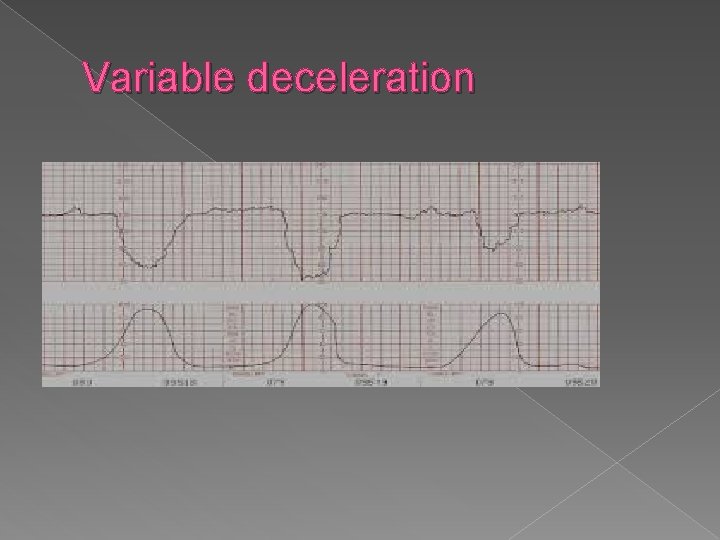
Variable deceleration

Management of FHR tracing � Basic interventions › Oxygen › Reposition › IV fluid bolus � Specific problem › Correct the problem › If can not…. . DELIVER BY CESAREAN
Categories of FHR tracings � Category I-normal � Category II-requires interventions and close monitoring � Category III-Deliver
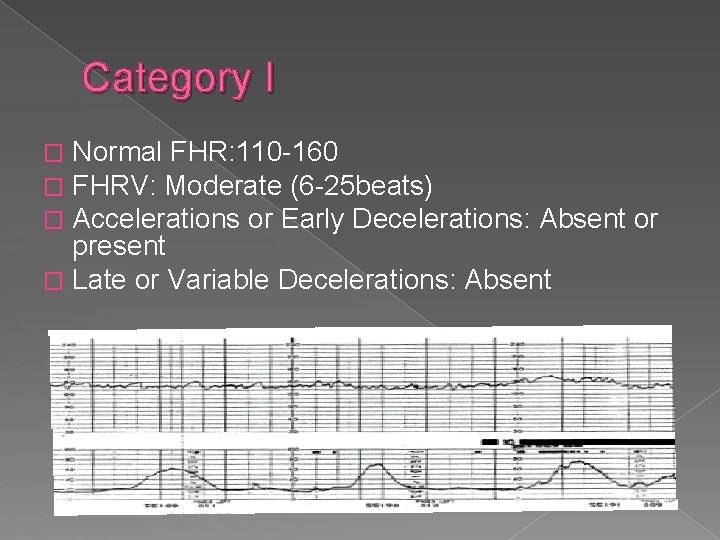
Category I Normal FHR: 110 -160 FHRV: Moderate (6 -25 beats) Accelerations or Early Decelerations: Absent or present � Late or Variable Decelerations: Absent � � �
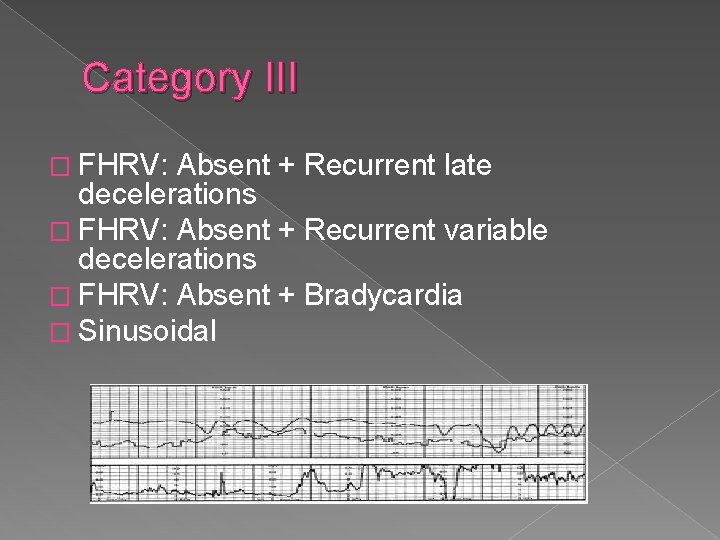
Category III � FHRV: Absent + Recurrent late decelerations � FHRV: Absent + Recurrent variable decelerations � FHRV: Absent + Bradycardia � Sinusoidal
Category II � � � � � Bradycardia without absent FHRV Tachycardia FHRV: Minimal or Marked FHRV: Absent without recurrent decels Absent accelerations after induced fetal stimulation (this is only diagnostic-not intervention) Recurrent variable decel + FHRV: Min or moderate Prolonged decel > 2 min but <10 min Recurrent late decel + FHRV: Moderate Variable decel with other characteristics: Slow return to baseline, overshoots, or shoulders
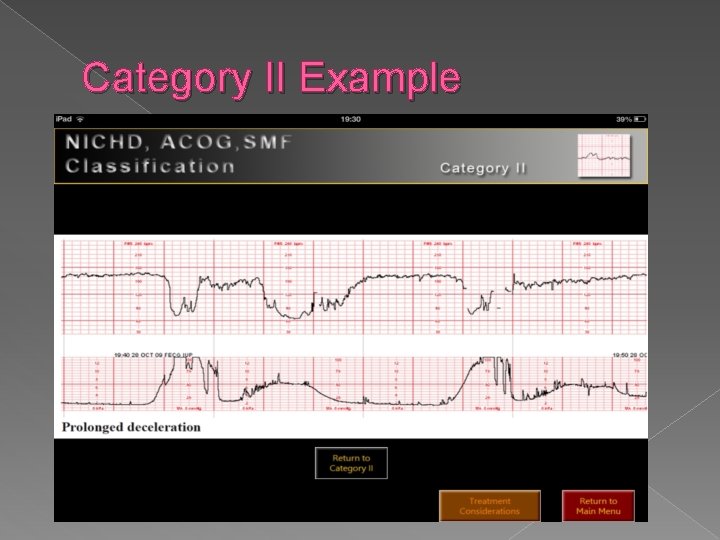
Category II Example
Review
Review
Review
Review
Remember the Psychosocial � Labor is anxiety provoking � Is the baby going to be ok? � Was this pregnancy planned? � Does the patient have adequate support both at home and in labor? � Will she have help at home when goes home with infant?

Questions
- Slides: 51