
Lab 10 The Male Reproductive System The Reproductive
Lab # 10 The Male Reproductive System
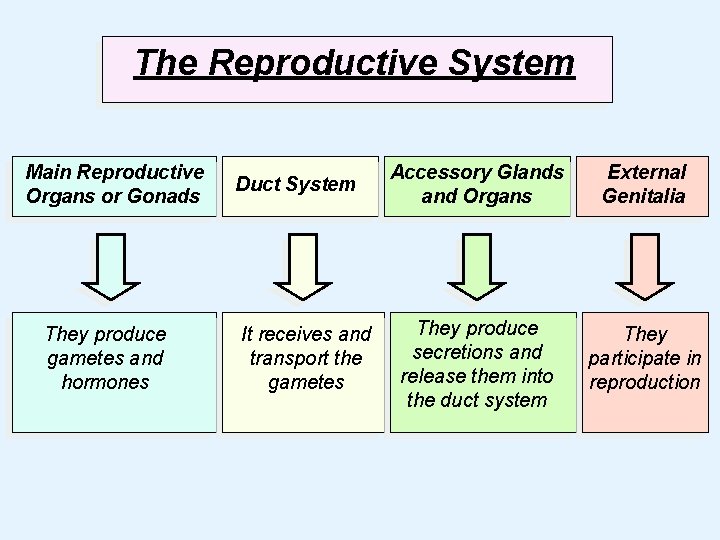
The Reproductive System Main Reproductive Organs or Gonads They produce gametes and hormones Duct System It receives and transport the gametes Accessory Glands and Organs External Genitalia They produce secretions and release them into the duct system They participate in reproduction

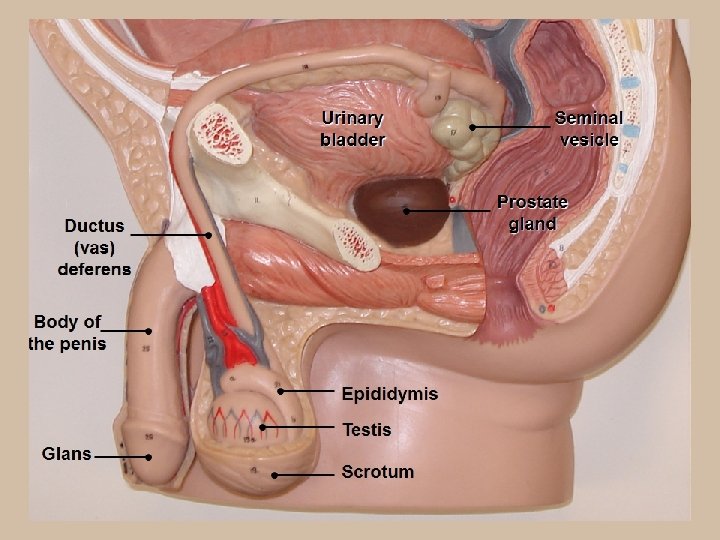
The Male Reproductive System Main Reproductive Organs or Gonads Testis Duct System Epididymis Ductus Deferens Ejaculatory Duct Urethra Accessory Glands and Organs External Genitalia Seminal vesicles Prostate gland Bulbourethral or Cowper’s Gland Penis
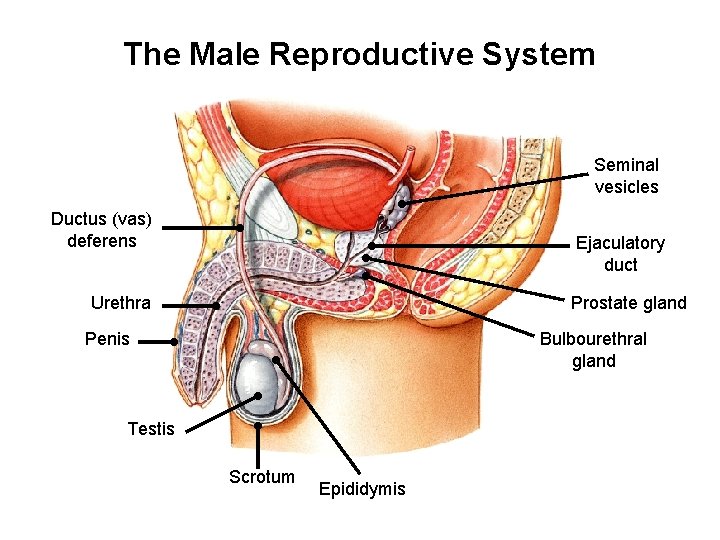
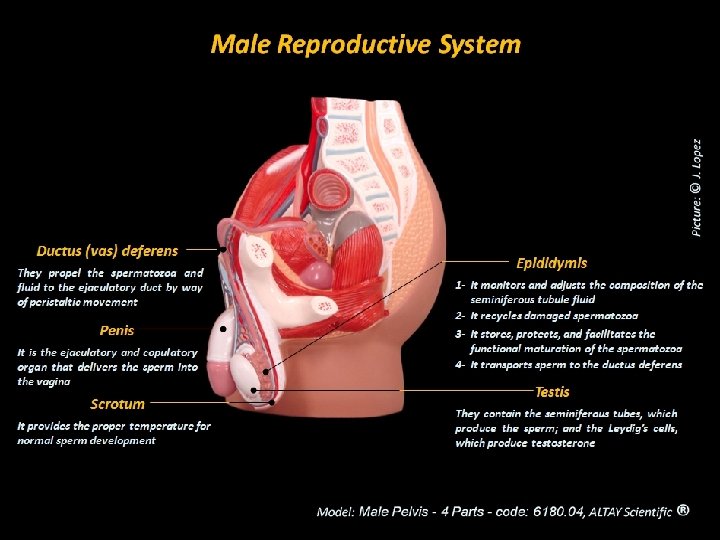
The Male Reproductive System Seminal vesicles Ductus (vas) deferens Ejaculatory duct Urethra Prostate gland Penis Bulbourethral gland Testis Scrotum Epididymis
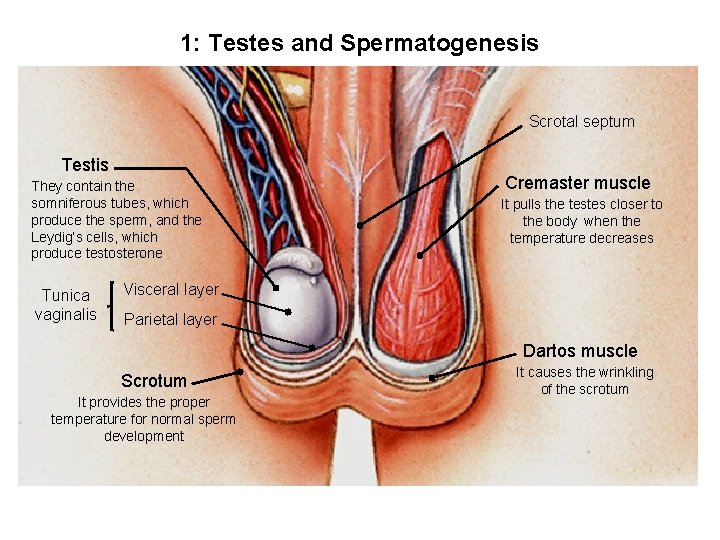
1: Testes and Spermatogenesis Scrotal septum Testis They contain the somniferous tubes, which produce the sperm, and the Leydig’s cells, which produce testosterone Tunica vaginalis Cremaster muscle It pulls the testes closer to the body when the temperature decreases Visceral layer Parietal layer Dartos muscle Scrotum It provides the proper temperature for normal sperm development It causes the wrinkling of the scrotum
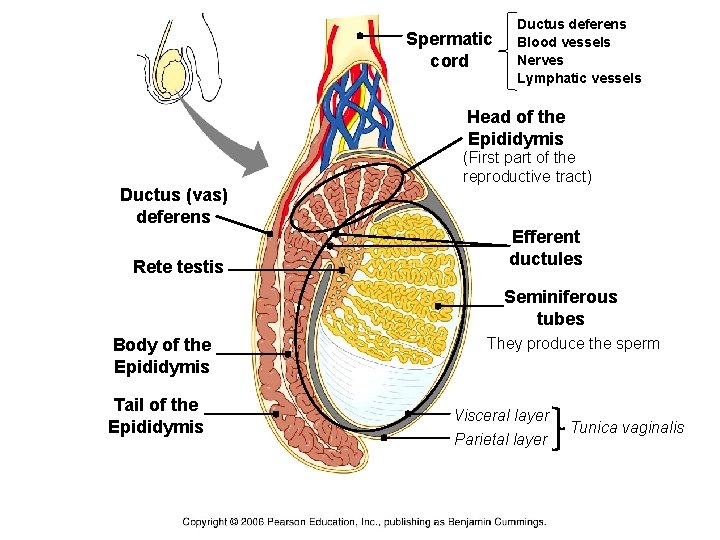
Spermatic cord Ductus deferens Blood vessels Nerves Lymphatic vessels Head of the Epididymis Ductus (vas) deferens Rete testis (First part of the reproductive tract) Efferent ductules Seminiferous tubes Body of the Epididymis Tail of the Epididymis They produce the sperm Visceral layer Parietal layer Tunica vaginalis
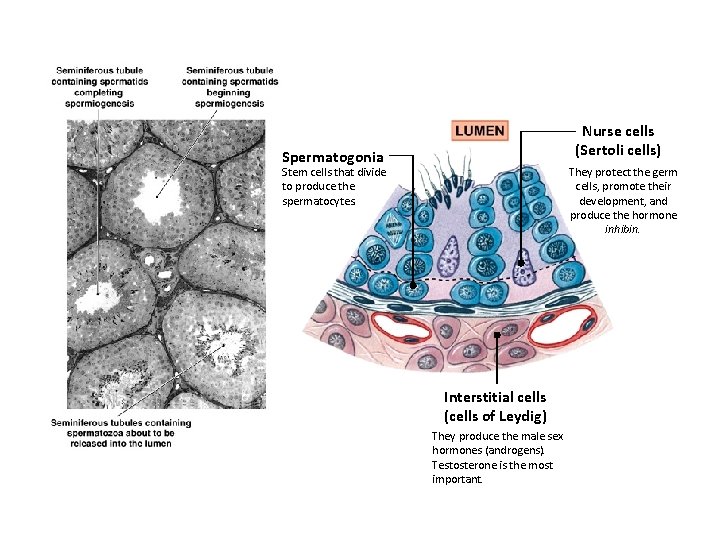
Nurse cells (Sertoli cells) Spermatogonia Stem cells that divide to produce the spermatocytes. They protect the germ cells, promote their development, and produce the hormone inhibin. Interstitial cells (cells of Leydig) They produce the male sex hormones (androgens). Testosterone is the most important.
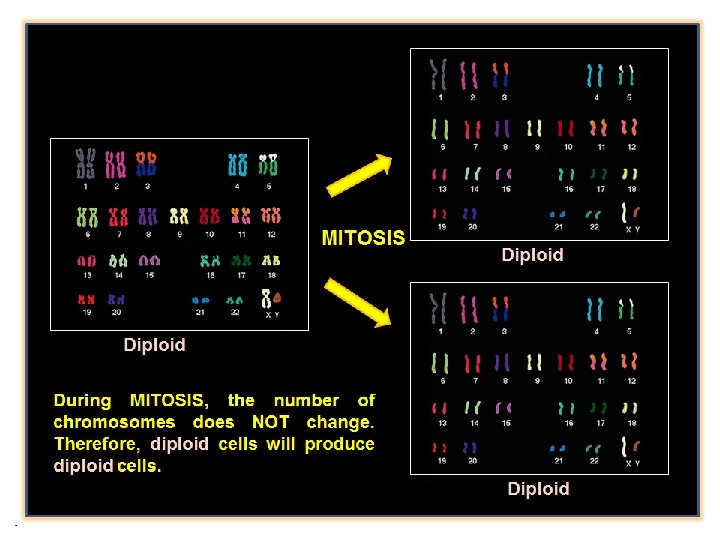
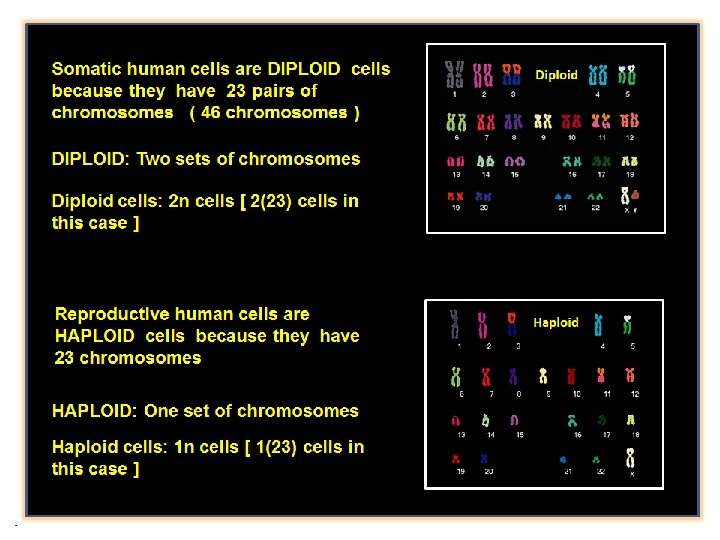
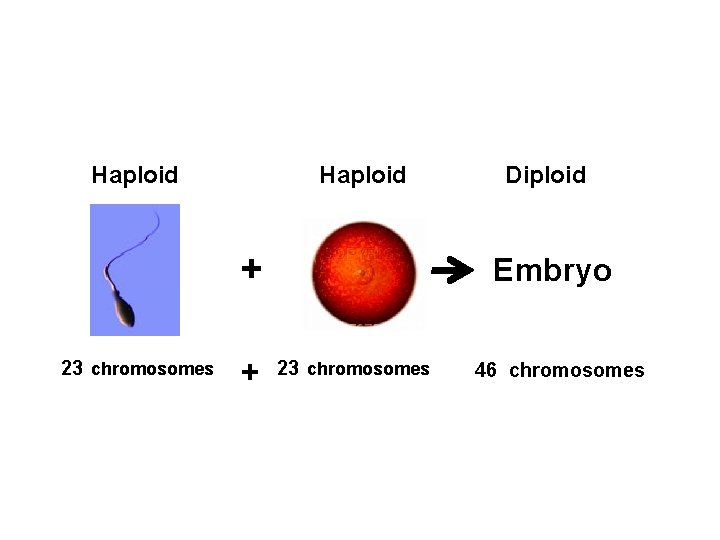
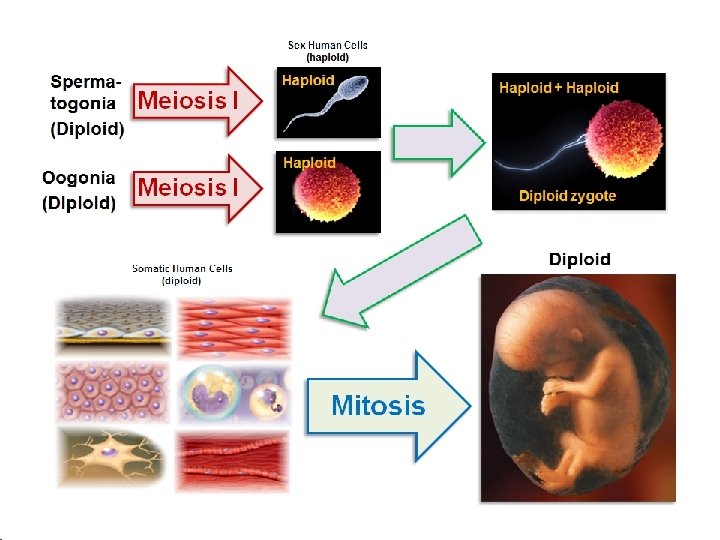
Haploid + 23 chromosomes + Diploid Embryo 23 chromosomes 46 chromosomes
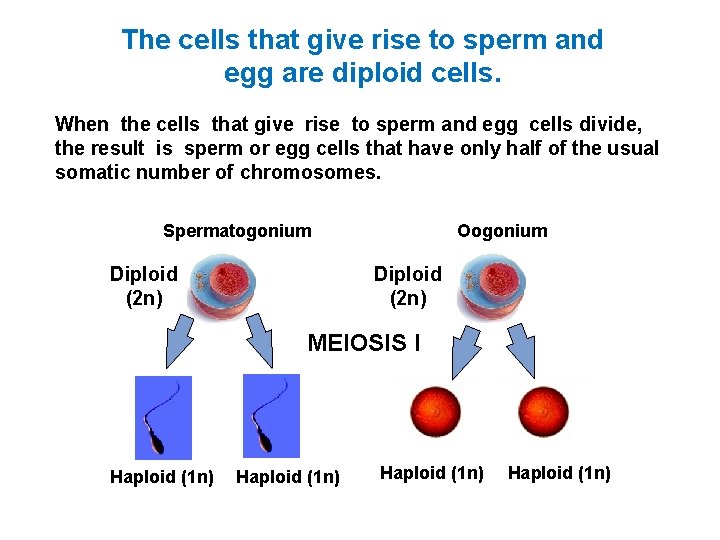
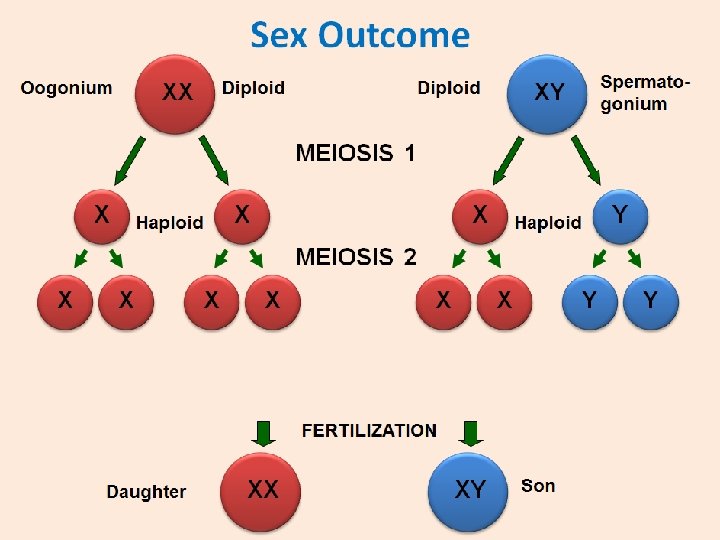
The cells that give rise to sperm and egg are diploid cells. When the cells that give rise to sperm and egg cells divide, the result is sperm or egg cells that have only half of the usual somatic number of chromosomes. Spermatogonium Diploid (2 n) Oogonium Diploid (2 n) MEIOSIS I Haploid (1 n)
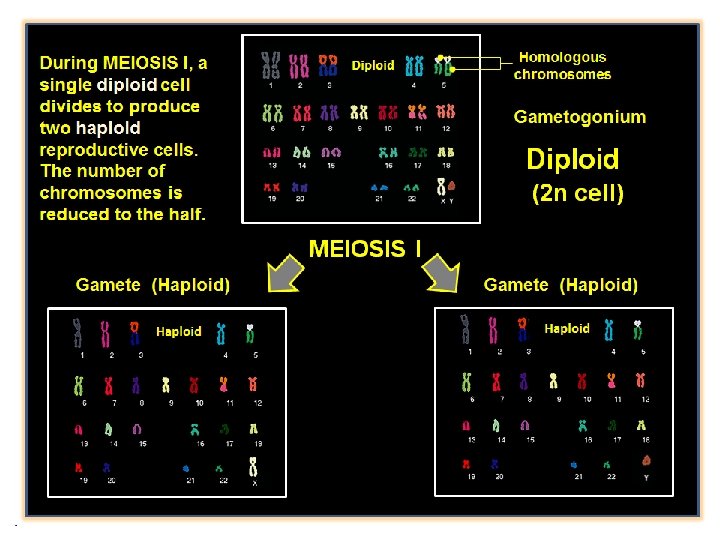
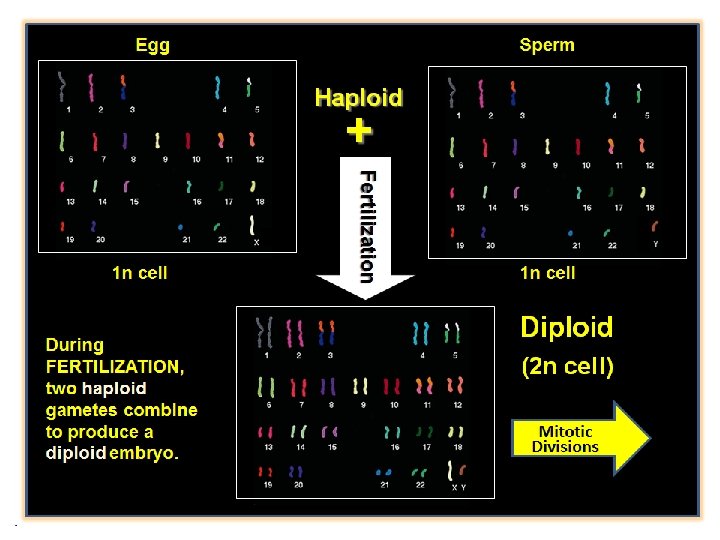
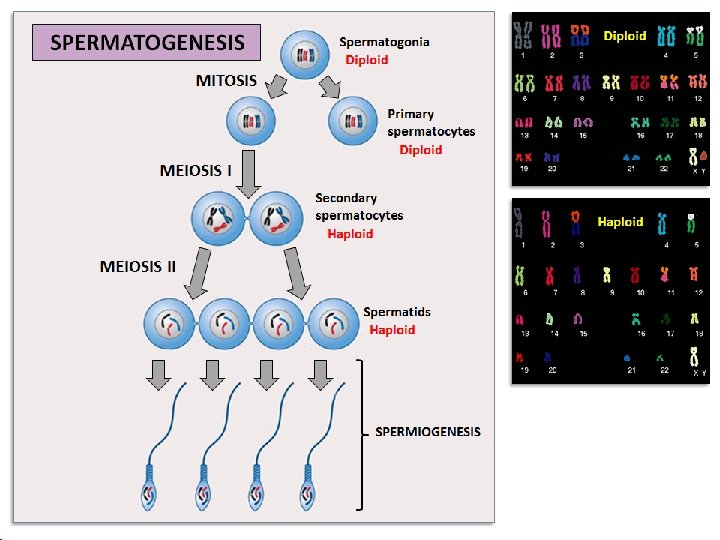

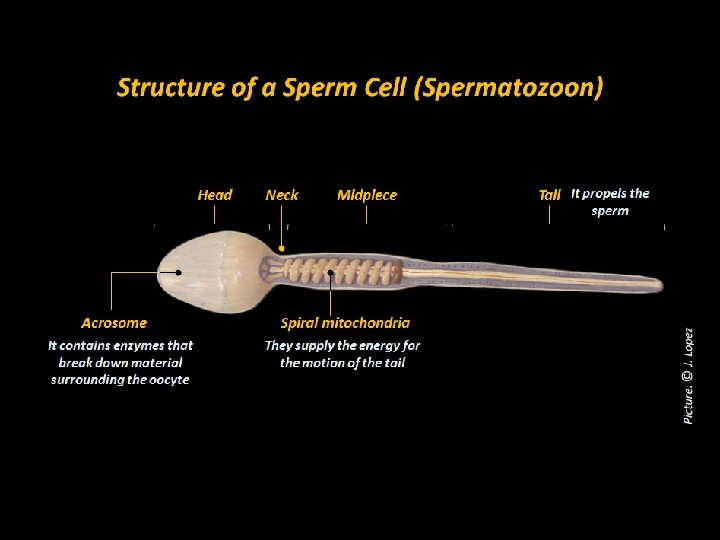
SPERMIOGENESIS (Physical maturation): It is the last step of spermatogenesis. Each spermatid matures into one spermatozoon (sperm). They mature attached to the cytoplasm of nurse cells. SPERMIATION: At spermiation, a spermatozoon loses the attachment to nurse cell and enters the lumen of seminiferous tubule. From spermatogonial division to spermiation takes about 9 weeks.
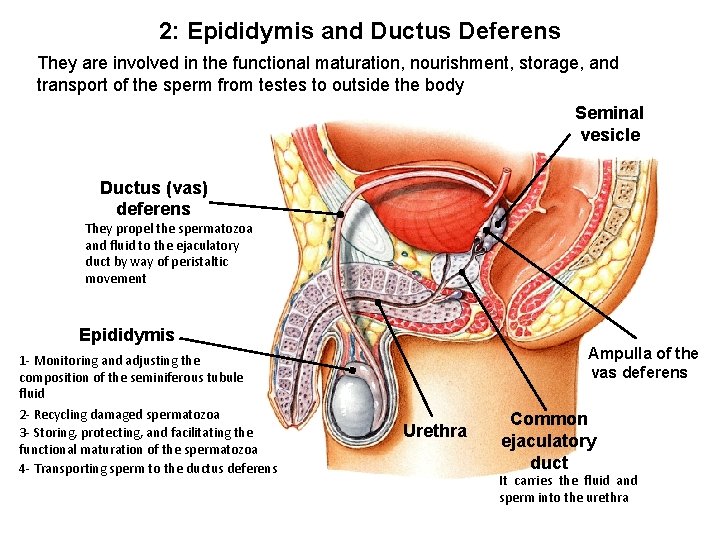
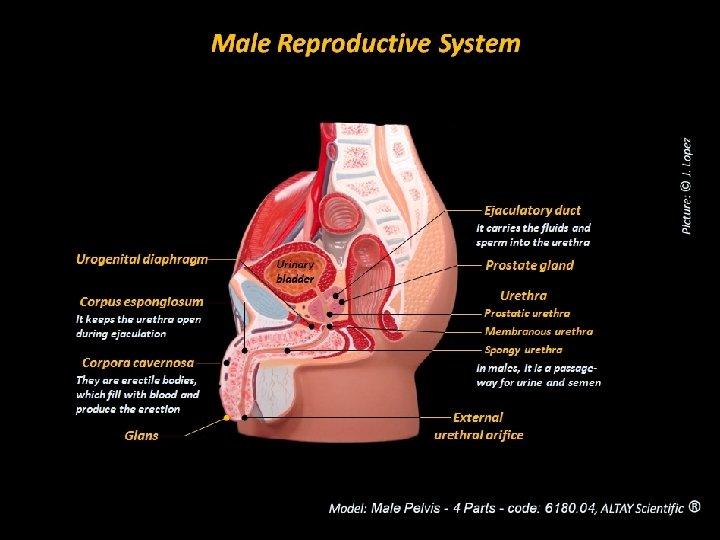
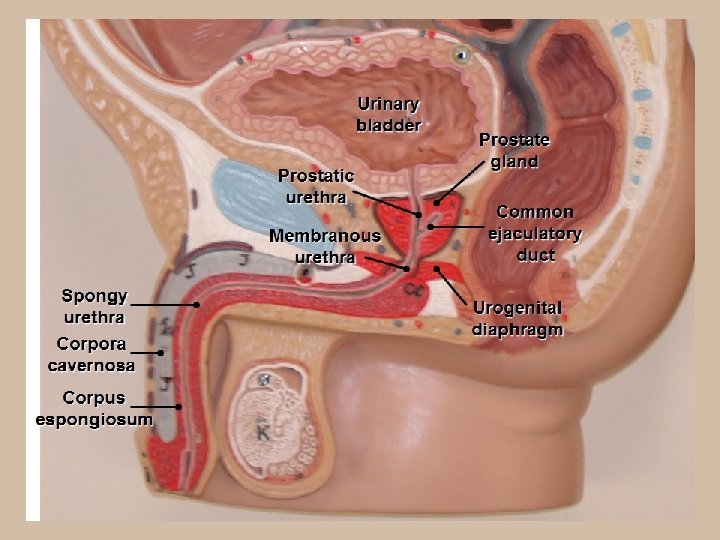
2: Epididymis and Ductus Deferens They are involved in the functional maturation, nourishment, storage, and transport of the sperm from testes to outside the body Seminal vesicle Ductus (vas) deferens They propel the spermatozoa and fluid to the ejaculatory duct by way of peristaltic movement Epididymis 1 - Monitoring and adjusting the composition of the seminiferous tubule fluid 2 - Recycling damaged spermatozoa 3 - Storing, protecting, and facilitating the functional maturation of the spermatozoa 4 - Transporting sperm to the ductus deferens Ampulla of the vas deferens Urethra Common ejaculatory duct It carries the fluid and sperm into the urethra
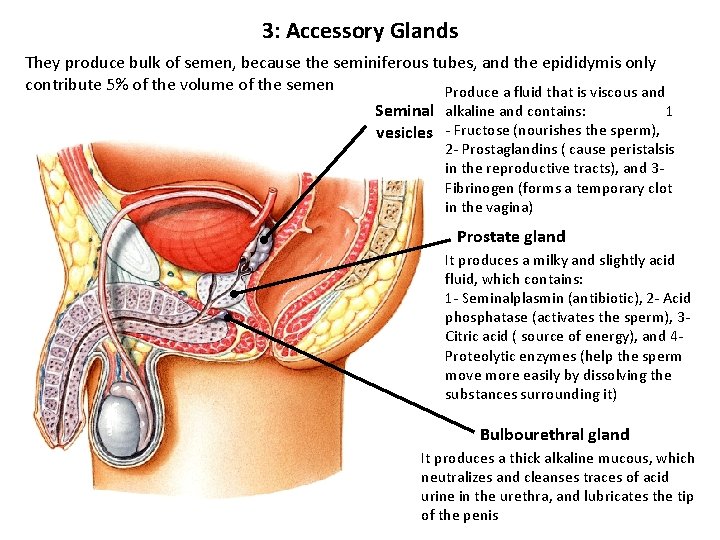
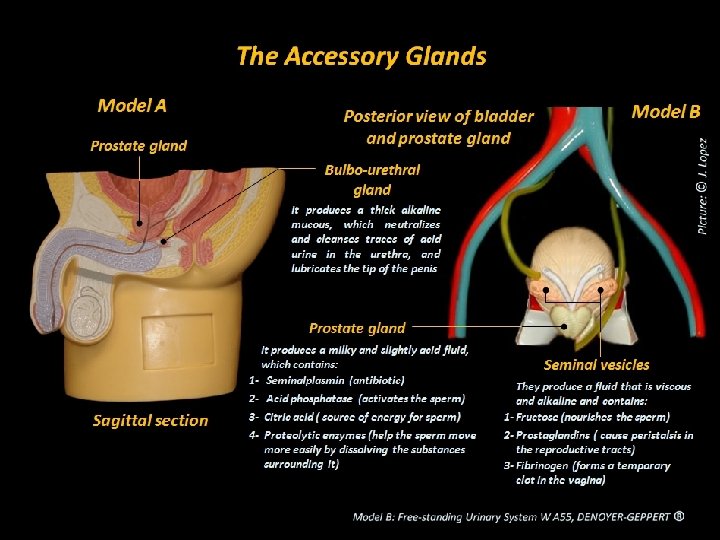
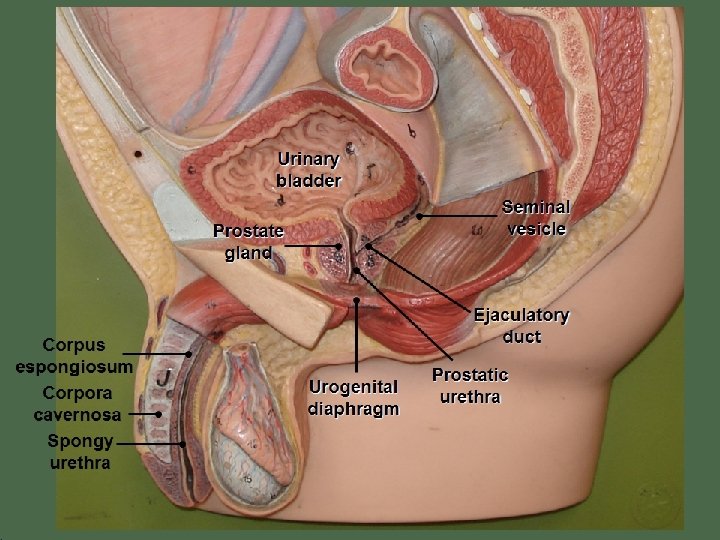
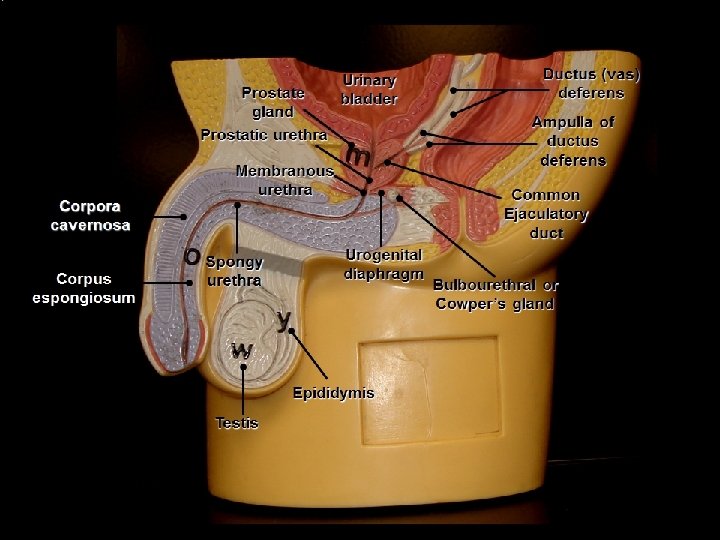
3: Accessory Glands They produce bulk of semen, because the seminiferous tubes, and the epididymis only contribute 5% of the volume of the semen Produce a fluid that is viscous and 1 Seminal alkaline and contains: vesicles - Fructose (nourishes the sperm), 2 - Prostaglandins ( cause peristalsis in the reproductive tracts), and 3 Fibrinogen (forms a temporary clot in the vagina) Prostate gland It produces a milky and slightly acid fluid, which contains: 1 - Seminalplasmin (antibiotic), 2 - Acid phosphatase (activates the sperm), 3 Citric acid ( source of energy), and 4 Proteolytic enzymes (help the sperm move more easily by dissolving the substances surrounding it) Bulbourethral gland It produces a thick alkaline mucous, which neutralizes and cleanses traces of acid urine in the urethra, and lubricates the tip of the penis
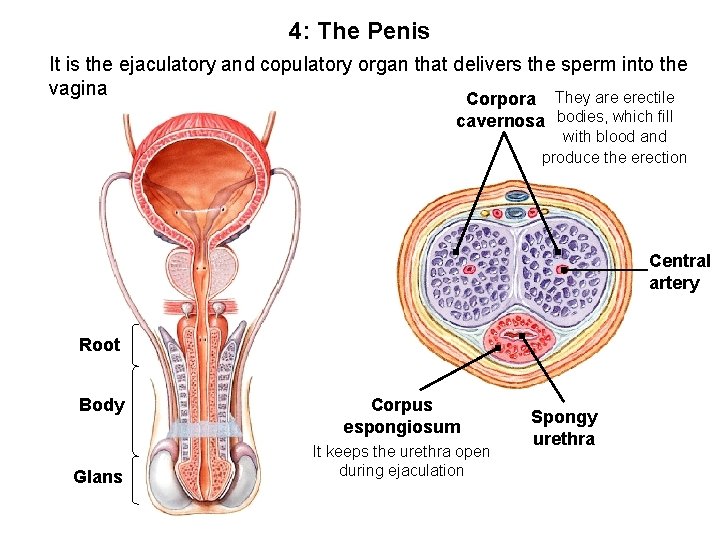
4: The Penis It is the ejaculatory and copulatory organ that delivers the sperm into the vagina They are erectile Corpora cavernosa bodies, which fill with blood and produce the erection Central artery Root Body Glans Corpus espongiosum It keeps the urethra open during ejaculation Spongy urethra
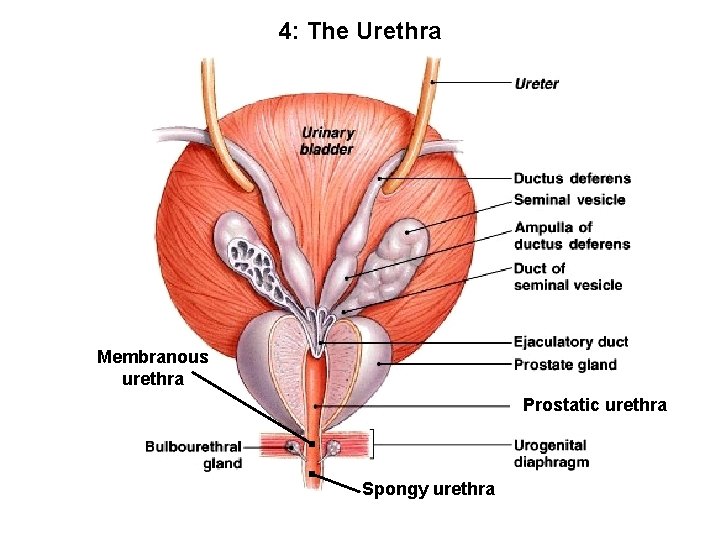
4: The Urethra Membranous urethra Prostatic urethra Spongy urethra
- Slides: 29