
L 34 A Community Preceptor Competencies Darin Brink
L 34 A: Community Preceptor Competencies Darin Brink, MD University of Minnesota Jeffrey Morzinski, Ph. D, MSW Medical College of Wisconsin
Disclosures • No disclosures
Objectives • Identify the main competencies of effective community preceptors • Develop strategies and tools for assessing community preceptors using defined core competencies. • Propose methods for implementing faculty development content for busy community clinical preceptors
Background • Scholarship on Preceptor Competencies • PEP (Preceptor Education Project) • FFI (Faculty Futures Initiative) – Sought to categorize and track FM faculty in order to strengthen their influence – Cluster faculty competencies according to their place on a continuum • Full-time research faculty → Volunteer clinical faculty
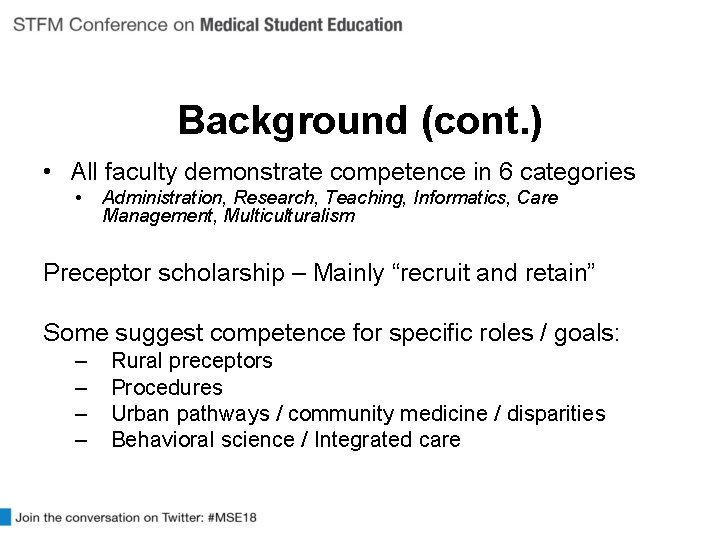
Background (cont. ) • All faculty demonstrate competence in 6 categories • Administration, Research, Teaching, Informatics, Care Management, Multiculturalism Preceptor scholarship – Mainly “recruit and retain” Some suggest competence for specific roles / goals: – – Rural preceptors Procedures Urban pathways / community medicine / disparities Behavioral science / Integrated care
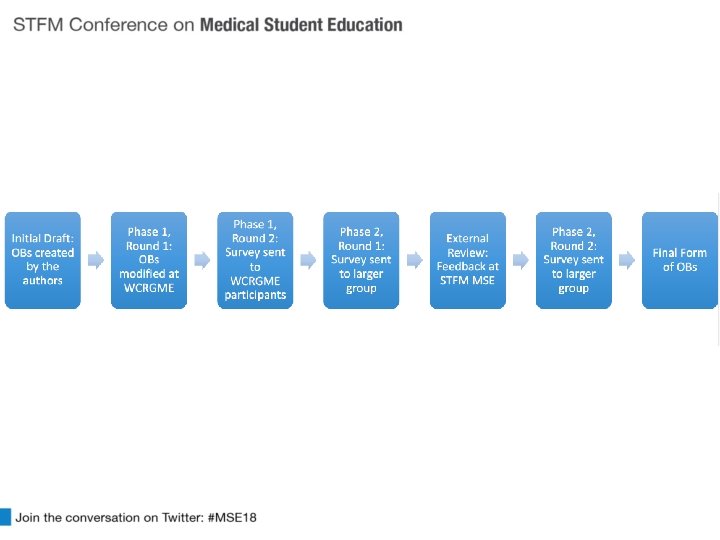
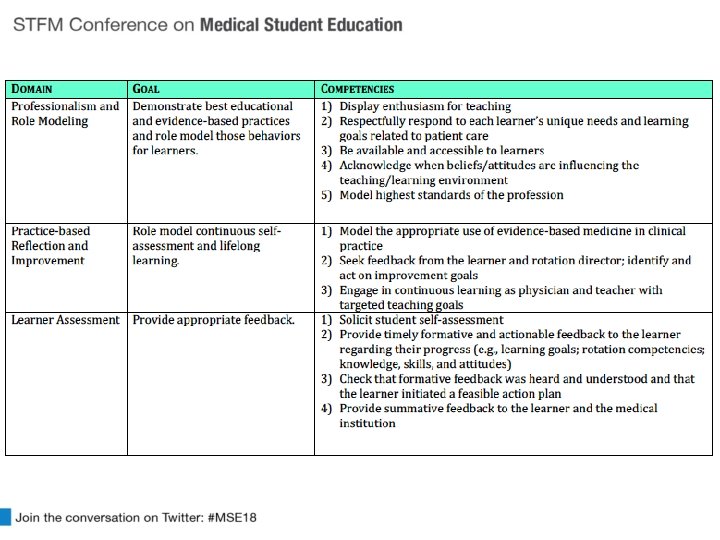
What are Global, Agreed-up Preceptor Competencies • Building on other contributions – two-state, (MINN / WIS) 4 -institution collaborative took steps to focus on a global list – to train, develop and sustain
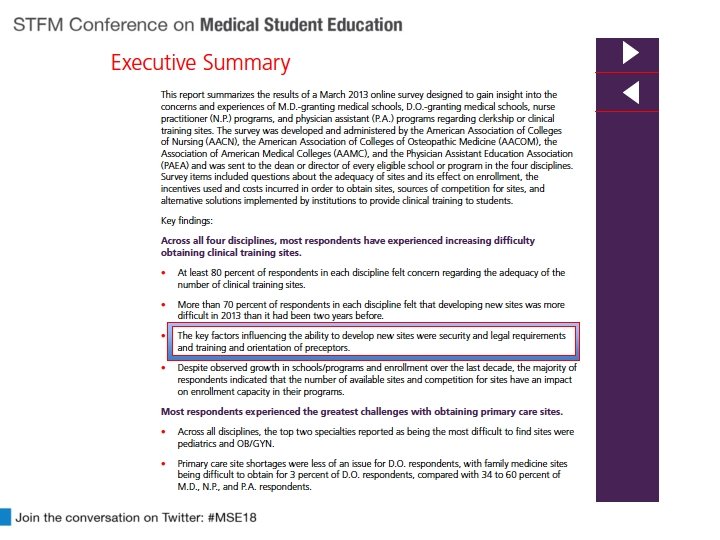

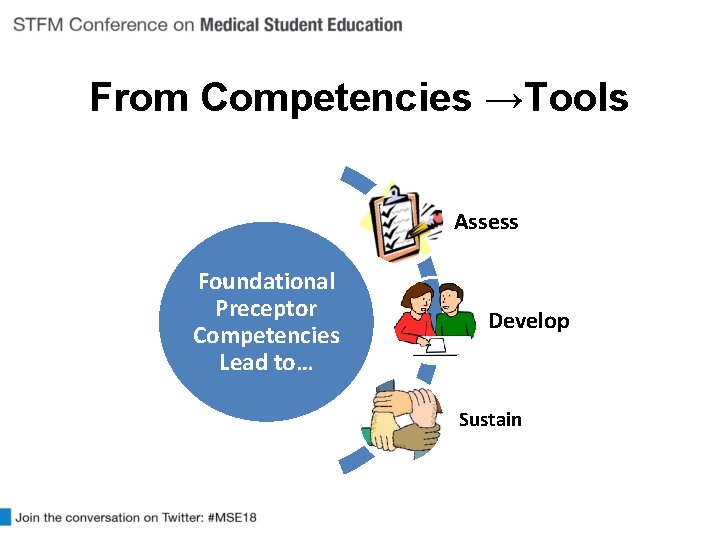
From Competencies →Tools Assess Foundational Preceptor Competencies Lead to… Develop Sustain
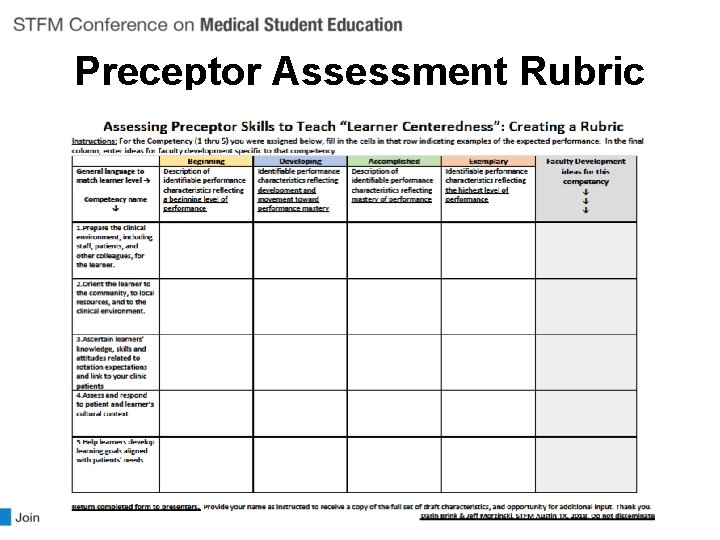
Preceptor Assessment Rubric
Your Input on “Assessment” In domain of “Learner Centeredness” help create a rubric to assess preceptor competence. Instructions • In groups, use worksheet to fill in details on one of five competencies associated with “Learner Centeredness”. • Refine categories if desired • Reach consensus on descriptive words - across the competence range • Be prepared to discuss your categories / descriptions • We will collect / collate / return to those who wish to contribute to next draft of foundational preceptor competencies & tools.
Worksheet Discussion: “Learner Centeredness” • • • . . .
Questions / Comments
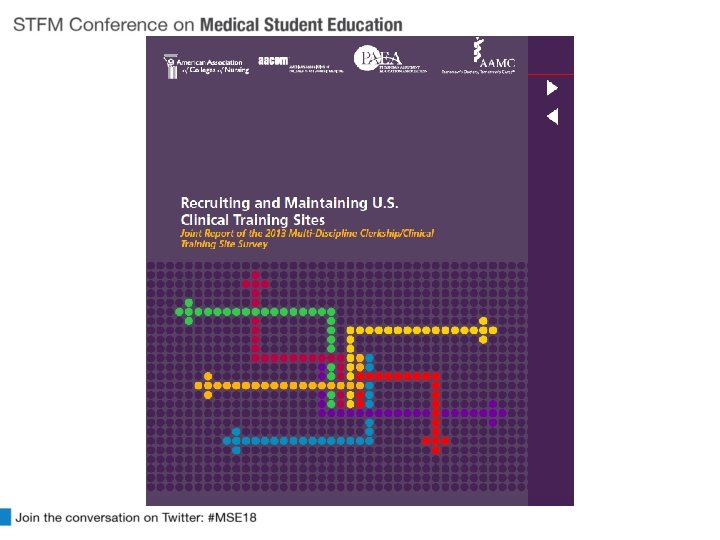
References • Drowos J, Baker S, Harrison SL, Minor S, Chessman AW, Baker D. Faculty Development for Medical School Community-Based Faculty. Acad Med. 2017; 92(8): 1175 -1180. • Erikson C, Hamann R, Levitan T, Stanley J, Whatley M. Recruiting and maintaining US clinical training sites: joint report of the 2013 multi-discipline clerkship/clinical training site survey. 2014. https: //members. aamc. org/eweb/upload/13 -225 wc report 2 update. pdf. Accessed July 26, 2017. • Srinivasan M, Li S-TT, Meyers FJ, et al. “Teaching as a Competency”: competencies for medical educators. Acad Med. 2011; 86(10): 1211 -1220. • Rubrics for Assessment. See http: //niu. edu/facdev/_pdf/guide/assessment/rubrics_for_assessment. pdf • Preceptor Competencies. Registered Nurse Professional Development Center (accessed Dec 2017). http: //www. rnpdc. nshealth. ca/images/files/competencies. pdf • Steiner BD, Pathman DE, Jones B, Williams ES, Riggins. Primary care physicians’ training and heir community involvement. Family Medicine, Apr 1999, 257 -262. • SAMHSA Core Competencies for integrated care (accessed Jan 2018). https: //www. integration. samhsa. gov/workforce/core-competencies-for-integrated-care
Please evaluate this presentation using the conference mobile app! Simply click on the "clipboard" icon on the presentation page.
- Slides: 18